
We all think we know how to cook. You follow the recipe, you heat the pan, you throw in the ingredients - and somehow the result is still a little flat, a little off, or just not restaurant quality. Sound familiar? The truth is, most home cooks repeat the same handful of mistakes every single time they step into the kitchen, often without even knowing it. These aren't dramatic blunders. They're quiet, sneaky errors that chip away at flavor, texture, and overall dish quality.
Some of them involve heat. Some involve timing. Others are about things as simple as how you season or what oil you grab from the shelf. The good news? Every single one of them is fixable, often right in the moment. Let's dive in and find out which ones you're probably guilty of.
1. Overcrowding the Pan
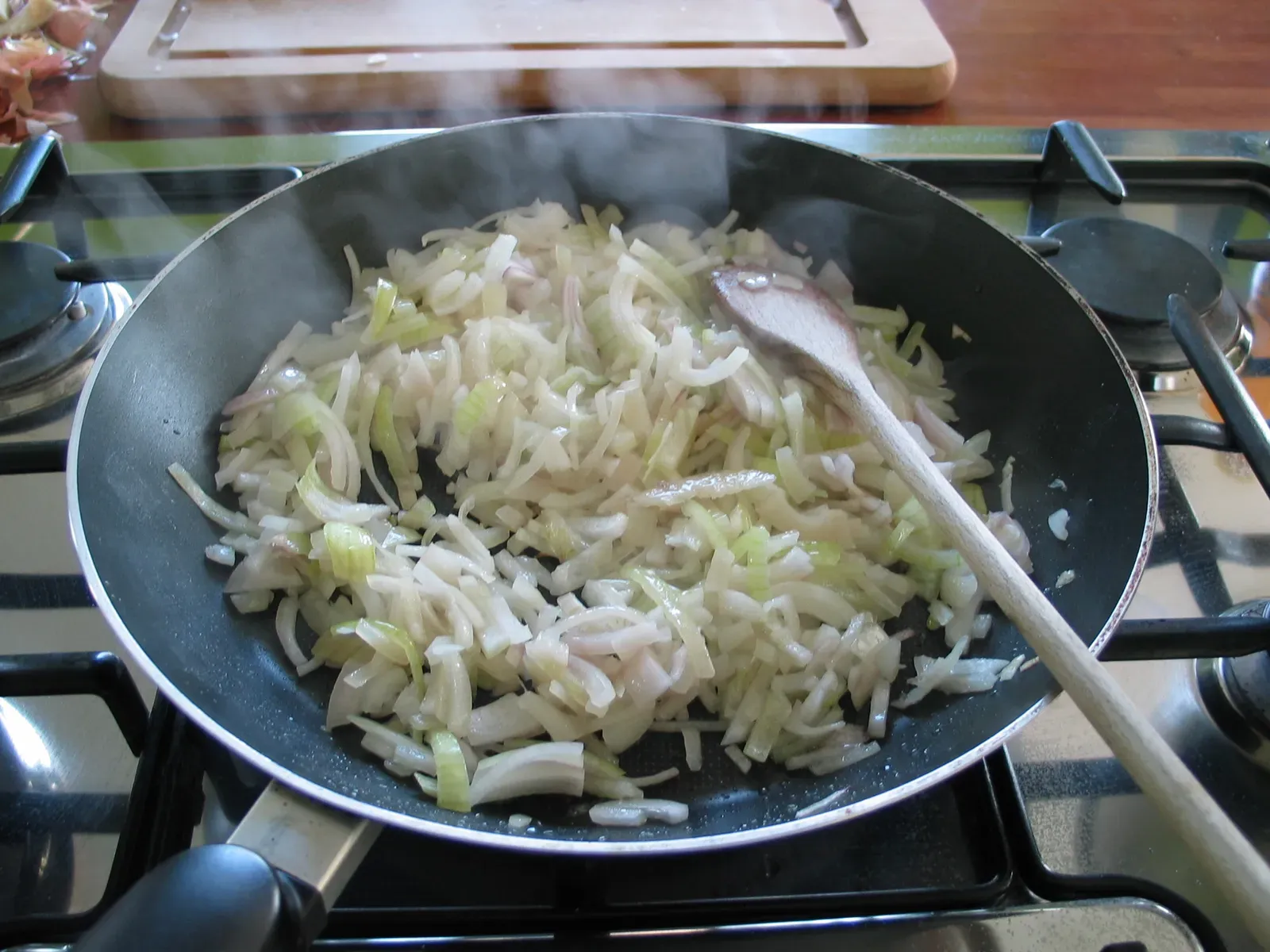
Here's the thing: this might be the single most common cooking mistake made in home kitchens worldwide. One of the most common cooking mistakes is overcrowding the pan, which occurs when too many ingredients are placed in the pan at once. Overcrowding leads to uneven cooking as the ingredients don't have enough space to cook properly, and it also hinders the browning process, as the ingredients may release moisture, preventing them from achieving a desirable sear or crispness.
When too many ingredients are placed in the pan so they are touching or overlapping each other, a great deal of moisture is released. This lowers the temperature in the pan, preventing the liquid from turning to steam and escaping, and the liquid quickly builds up, collecting in the pan, causing the food to stew. Imagine trying to get a crowd of people through a single revolving door. Nobody moves efficiently. The fix? Ensure that you give your ingredients enough space in the pan, and cook them in multiple batches if necessary, allowing each ingredient to cook evenly.
2. Skipping the Preheat
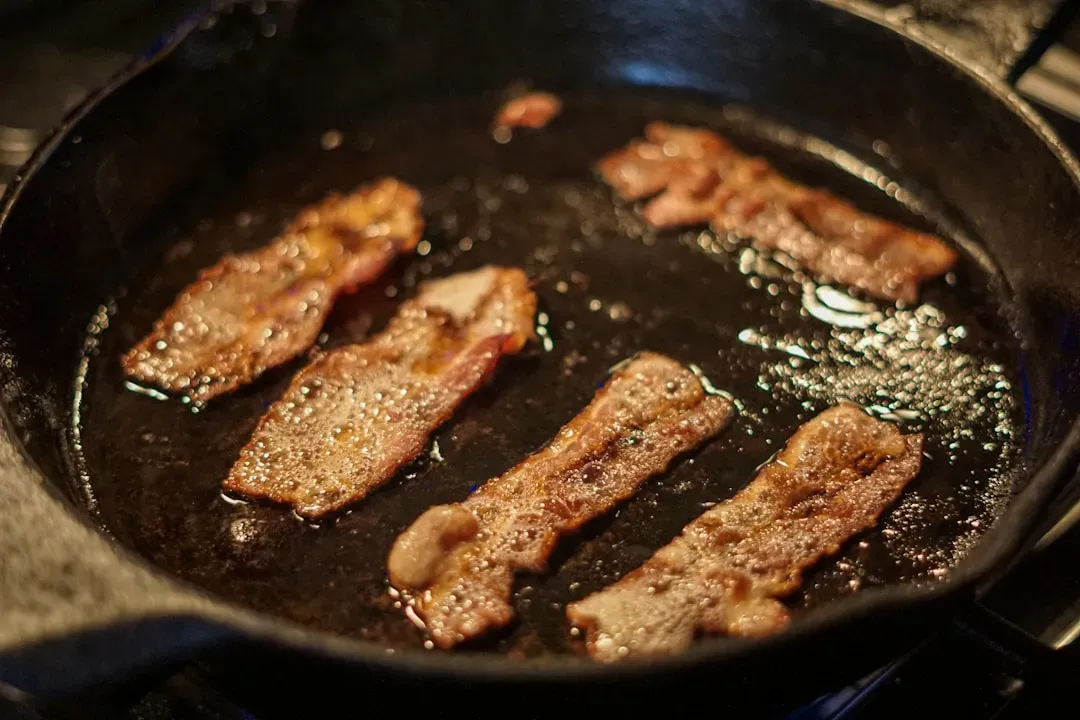
Honestly, this one surprises people. Skipping the oven or pan preheat feels harmless, but the consequences show up on your plate every time. Skipping preheating is a common mistake that can ruin your cooking efforts. Preheating ensures that your oven reaches the correct temperature before you start cooking, which is crucial for consistent results. Without it, food cooks unevenly and may not develop its intended texture or flavor.
Imagine baking cookies without preheating the oven. The dough spends several minutes in an environment that's gradually heating up, leading to uneven baking where some cookies may burn while others remain undercooked. The same principle applies to stovetop cooking. Many chefs make the mistake of not preheating oil in their pans or ovens before starting the cooking process. When you fail to preheat the pan, you compromise the texture and doneness of the oil and your ingredients.
3. Using the Wrong Oil for the Heat Level
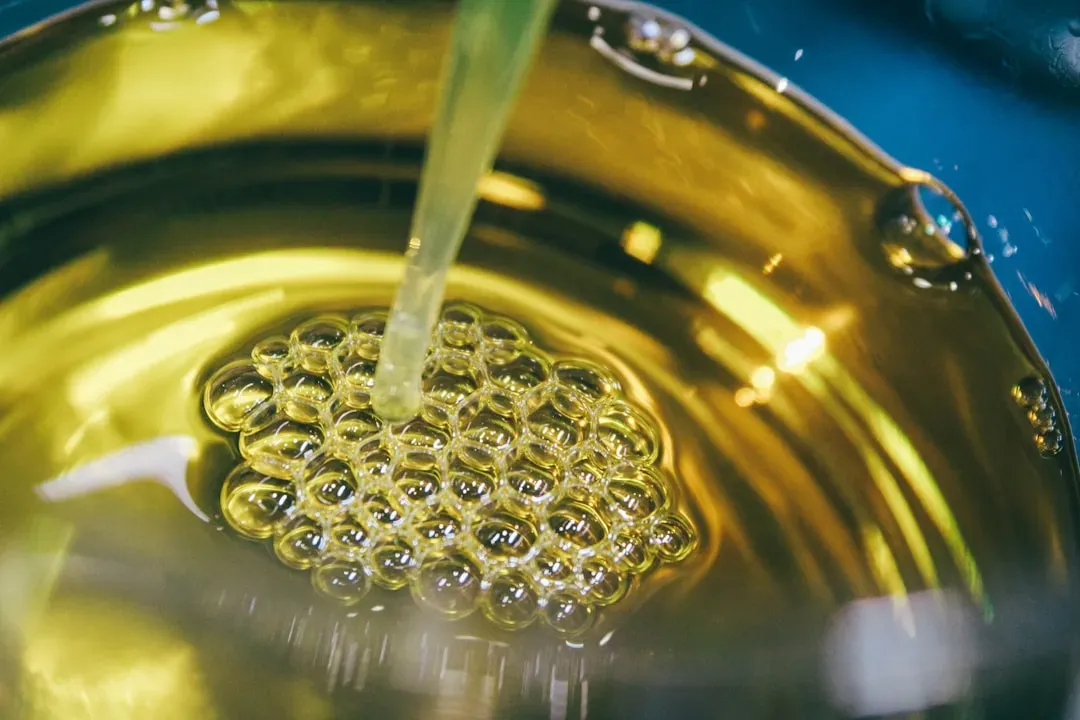
This mistake is wildly underrated and can affect both flavor and safety. Different cooking methods require different types of oils with specific smoke points and flavor profiles. Using the wrong oil can result in unpleasant flavors, smoking, and even the production of harmful compounds. For high-heat cooking methods like stir-frying or pan-searing, it's best to use oils with high smoke points such as avocado oil or grapeseed oil.
Smoke point is the temperature at which an oil begins to smoke and oxidize, breaking down into free fatty acids. When an oil starts to smoke it will impart a burnt, bitter flavor thanks to a substance released called acrolein. During this process, harmful compounds called polar compounds may also be released as a byproduct of the breakdown of that oil as it's exposed to heat. These compounds have been linked to cellular damage thought to lead to health issues. The quick fix: low smoke point oils like sesame and extra-virgin olive oil aren't ideal when stir-frying, since high heat can cause burning and bitterness. Reserve the fancy extra virgin olive oil for dressings or finishing a dish.
4. Not Tasting as You Cook

Let's be real: this is the difference between a good cook and a great one. The flavors or textures of an otherwise excellent dish are out of balance or unappealing when tasting is skipped. For most cooks, tasting is automatic, but when it's not, the price can be high. Recipes don't always call for the "right" amount of seasoning, cooking times are estimates, and results vary depending on your ingredients, your stove, altitude, and a million other factors.
Not tasting food while cooking is a critical oversight. While this obviously does not apply to baking, soups, sautés, and sauces all benefit from taste testing while cooking so you can adjust spices, salt, and other seasonings. Think of your palate as the most important tool in your kitchen - more important than any gadget or thermometer. Tasting regularly lets you course-correct in real time rather than serving something underwhelming to your guests.
5. Improper Seasoning Technique
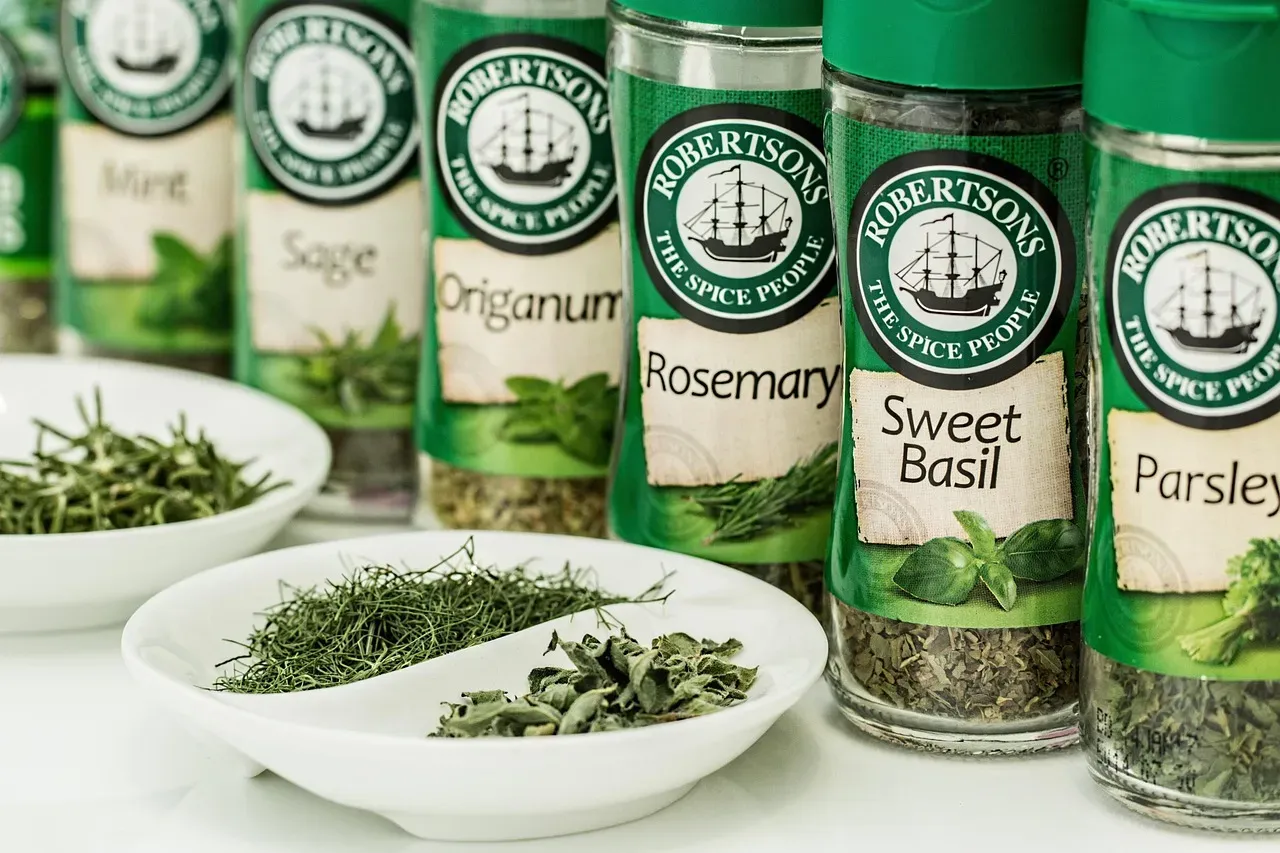
Seasoning isn't just about salt. It's about timing, layering, and using the right elements at the right moment. A common mistake is relying solely on salt while neglecting other seasonings like herbs and spices that add depth and complexity to dishes. To master seasoning, start with salt as the foundation of flavor, and for meats, salt them at least 30 minutes before cooking to allow it to absorb and tenderize.
For herbs and spices, consider their potency and timing. Fresh herbs like parsley or basil are best added at the end of cooking for brightness, while dried spices benefit from being toasted lightly in oil at the beginning to release their full aroma. Get that order wrong and you'll either lose delicate brightness or never unlock the full depth of your spices. A lot of herbs, like parsley and chives, are added towards the end of the cooking process in recipes because they tend to lose their flavor the longer they cook. Herbs are an easy way to spice a bland dish, but can also be pretty costly, so using them at the wrong time is a real waste.
6. Not Resting Meat After Cooking
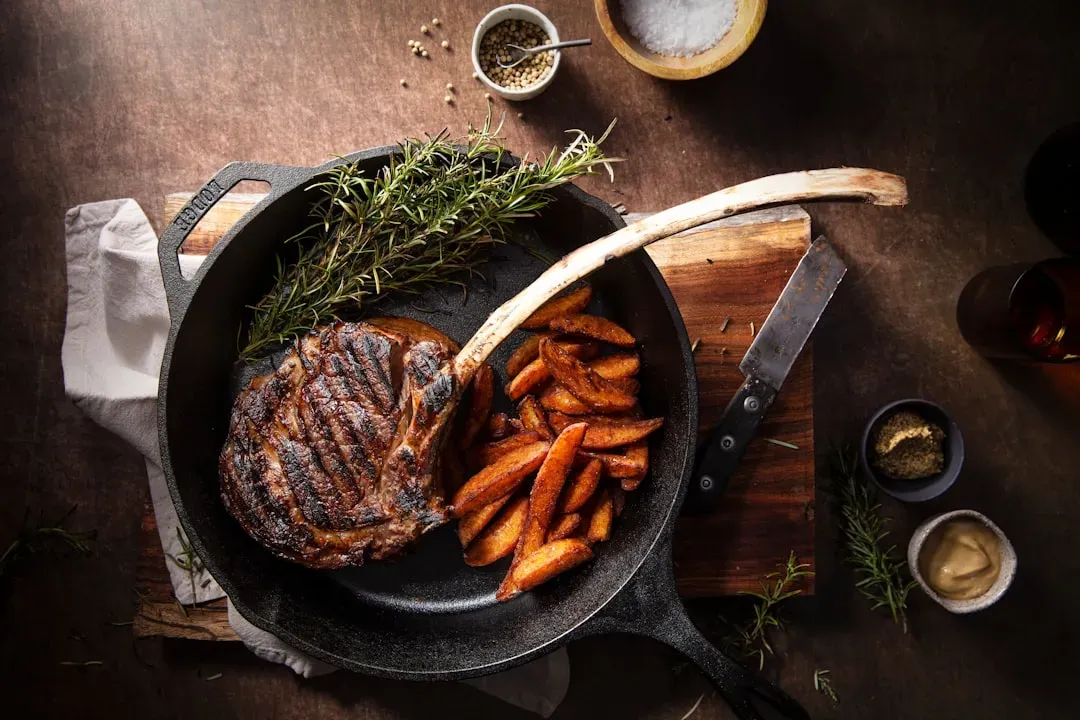
You've just cooked a beautiful steak and you want to slice right into it. I get it. But this is where patience genuinely pays off. During the cooking process, a particular phenomenon is observed: the meat contracts or "stresses," and the juices are directed towards the center of the cut. It is therefore necessary to leave a resting time so that these juices are redistributed throughout the meat's entirety and reabsorbed by it. Thus, when you cut the meat, the juices won't rush out and the meat will remain very juicy and delicious.
As they cook, protein fibers expel the moisture they previously held. Then, while resting, those protein fibers are able to relax and reabsorb some of the lost moisture. If you skip resting, you will lose these flavorful juices when the meat is cut. Additionally, even a small steak, individually cooked piece of chicken, or a hamburger will rise at least 3 to 4 degrees Fahrenheit during resting, while a larger roast or turkey can rise as much as 10 to 15 degrees Fahrenheit depending upon conditions. Ignoring this can lead to an overcooked result even if you pulled the meat at the right temperature.
7. Adding Garlic Too Early
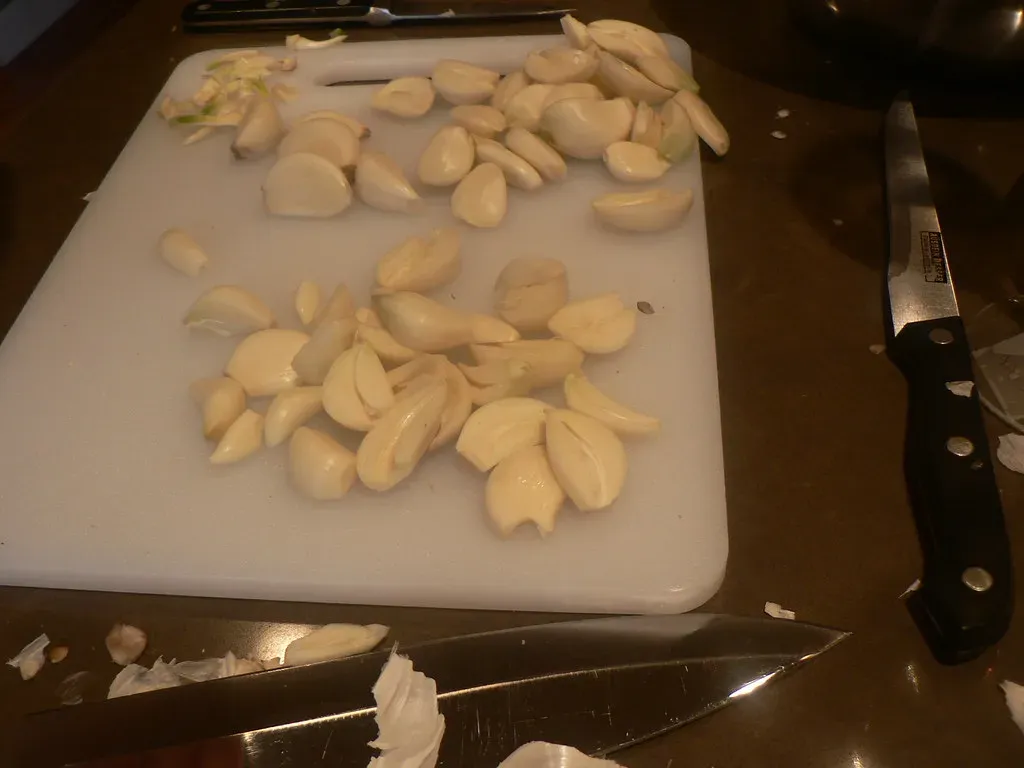
Garlic is in nearly every savory dish, and yet it's one of the most commonly mishandled ingredients in the kitchen. A common mistake is to add the onions, aromatics, and garlic into a hot pan all in one go. If you do this, you risk burning the garlic and imparting a nasty, acrid flavor into the base of your dish.
Garlic is used in most dishes, and it burns incredibly fast, which can ruin your dish in an instant. It usually only takes 30 seconds for garlic to cook. Think of garlic like a sprinter, not a marathon runner - it moves fast and it gets out. Always add it after your onions and other aromatics have softened, then watch the clock closely. Garlic burns very easily and the essential oils it releases once chopped or minced can go from sweet and savory to acrid in a matter of seconds if left unattended.
8. Overcooking Vegetables
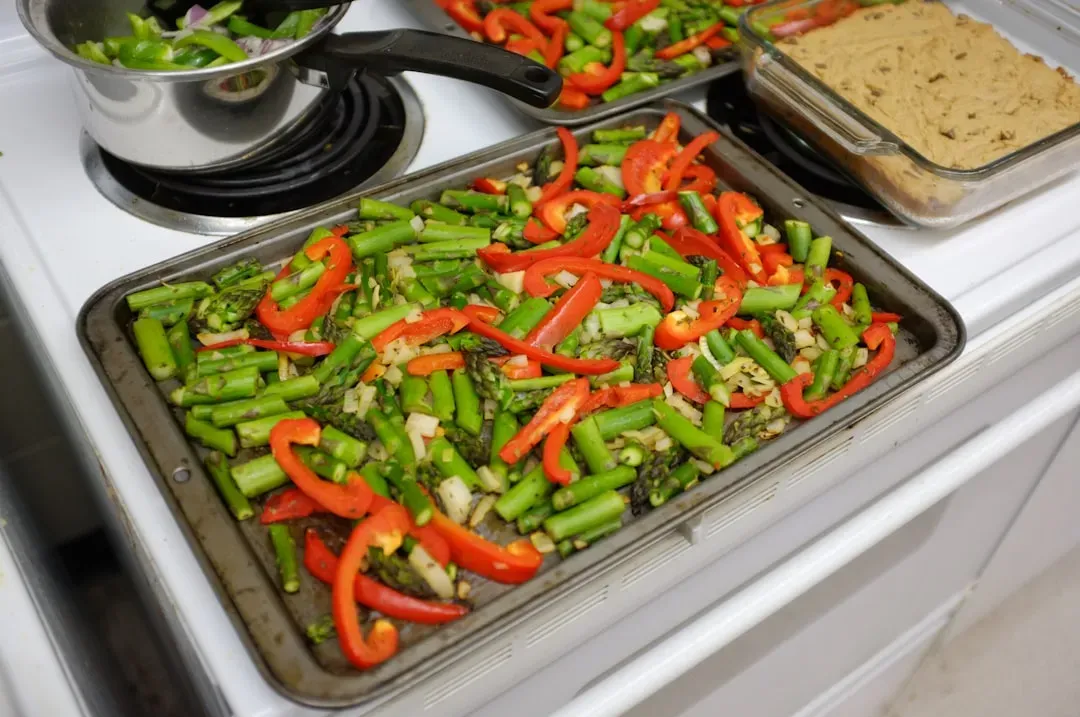
Nothing signals a lack of attention in the kitchen quite like a heap of grey, mushy vegetables. It's a tragedy, especially when they started out so vibrant and fresh. When vegetables take a sad turn from bright green to khaki drab, it conjures memories of grade-school cafeteria food and the ruined texture of canned asparagus. The most common culprits are overcooking and acidic dressings. A cook has to know how to care for the delicate source of the green - chlorophyll. Vegetables such as green beans, broccoli, and asparagus lose their bright color and crisp texture after six or seven minutes of cooking.
The rescue method is a classic culinary trick. Cook vegetables for two minutes in salted boiling water, then remove them immediately and plunge into ice water. The ice bath halts the cooking process and helps set the color. Later, the chilled vegetables can be quickly reheated by sautéing in a bit of olive oil, for instance, without losing their green. Also, the common mistake of cooking vegetables with too much water can lead to the leaching of valuable nutrients and flavors. Instead of boiling or submerging vegetables in water, it is better to use methods such as steaming, stir-frying, or roasting, which help to retain the natural flavors, colors, and nutrients of the vegetables.
9. Opening the Oven Door Too Often
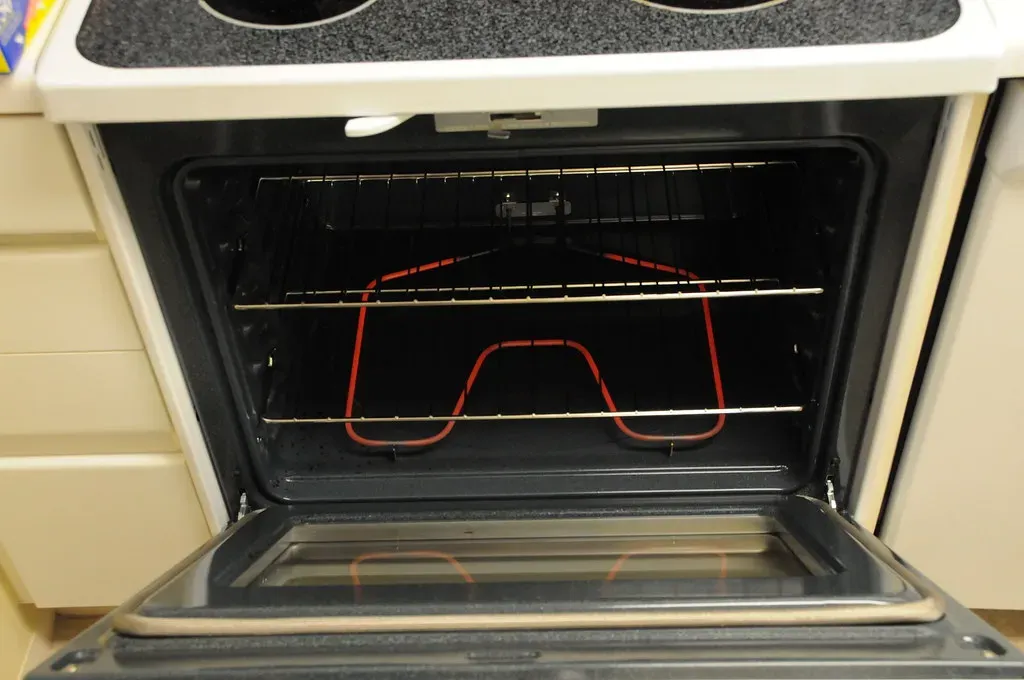
It's tempting. The smell is incredible. You just want a peek. It's hard to say for sure exactly how much temperature is lost each time, but what we do know is that it's significant enough to matter. It's very tempting to open the oven to check on your food and get a whiff of what's to come, but it could cause your food to be undercooked. Every time you open the oven door it releases enough heat to change the temperature.
This is especially damaging for baking, where a stable environment is non-negotiable. Every time you open the oven door it releases enough heat to change the temperature of the oven. If you want to be able to see your food, turn on the light and look through the oven window. Train yourself to trust the process. Use an internal thermometer if you're unsure about doneness, rather than repeatedly peeking. It's the one kitchen habit that looks disciplined but actually makes everything easier.
10. Cooking with a Dull Knife
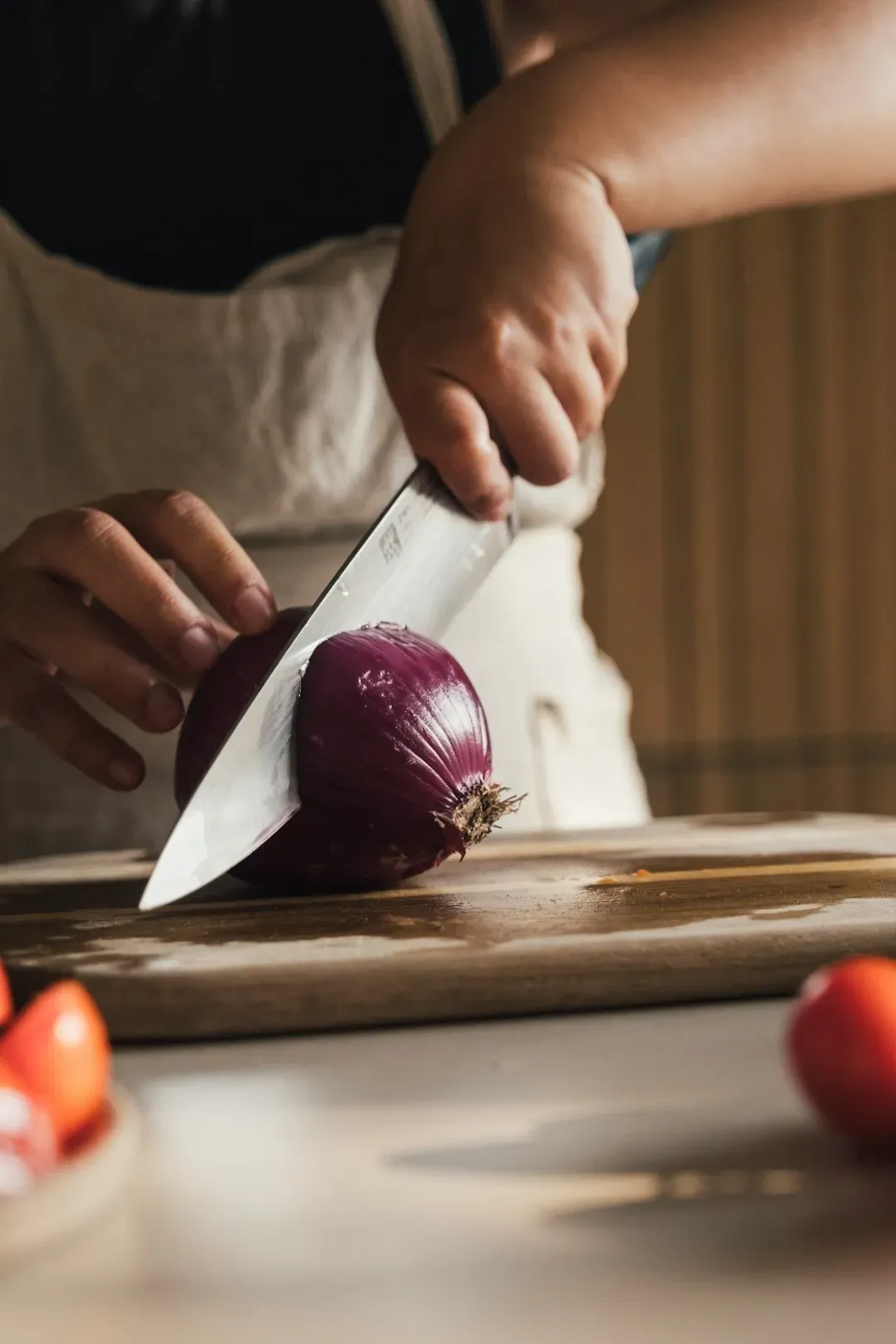
Most people don't realize their knife is dull until they've been fighting a tomato for thirty seconds. A dull knife doesn't just slow you down - it genuinely degrades your ingredients and increases your risk of injury. As culinary experts note, a sharp knife makes all the difference in the world with everything in the kitchen. A dull blade crushes and tears rather than cutting cleanly, which damages the cell structure of your ingredients and can affect both texture and the speed at which they oxidize.
Knife skills are essential in the culinary arts, yet many chefs overlook their importance and use dull knives. Bruised herbs lose their essential oils before they even reach the pan. Roughly torn onions weep more intensely and cook inconsistently. If sharpening feels like too much work, get an electric knife sharpener or have your knives professionally sharpened. It all depends on how much you use them - cooking between four to six times per week, you'd need to sharpen your knives roughly once every three months. That's a small investment for dramatically better results every single time you cook.

Leave a Reply