
There's something deeply human about trying to handle things yourself in the kitchen. Maybe you've wiped down the counter and thought, "that's clean enough." Or you've thawed meat on the stovetop because, honestly, who has time to wait? It feels harmless. Efficient, even. But health inspectors who walk into professional and home kitchens every single day would likely disagree with you pretty strongly.
The truth is, foodborne illness causes roughly one in six Americans, about 48 million people, to get sick each year, with 128,000 hospitalized and 3,000 people dying annually. Many of those cases trace back to shortcuts and DIY fixes that seem perfectly reasonable in the moment. Here's what the experts keep seeing, and why it matters far more than most of us realize. Let's dive in.
1. Using One Cutting Board for Everything

This is probably the most universal DIY shortcut in the home kitchen, and it is also one of the most dangerous. Every time you switch from chopping raw meat to slicing fresh vegetables, you risk transferring harmful bacteria. Pathogens like Salmonella and E. coli can linger on grooves and scratches in a cutting board, leading to foodborne illness if not properly cleaned.
Cutting boards that are not properly cleaned are responsible for approximately ten percent of cross-contamination cases. That number sounds manageable until you realize how frequently it happens in a single household over an entire year. The USDA's Meat and Poultry Hotline recommends using one cutting board for fresh produce and bread and a separate one for raw meat, poultry, and seafood, to prevent bacteria from contaminating food that requires no further cooking.
2. Thawing Meat on the Kitchen Counter
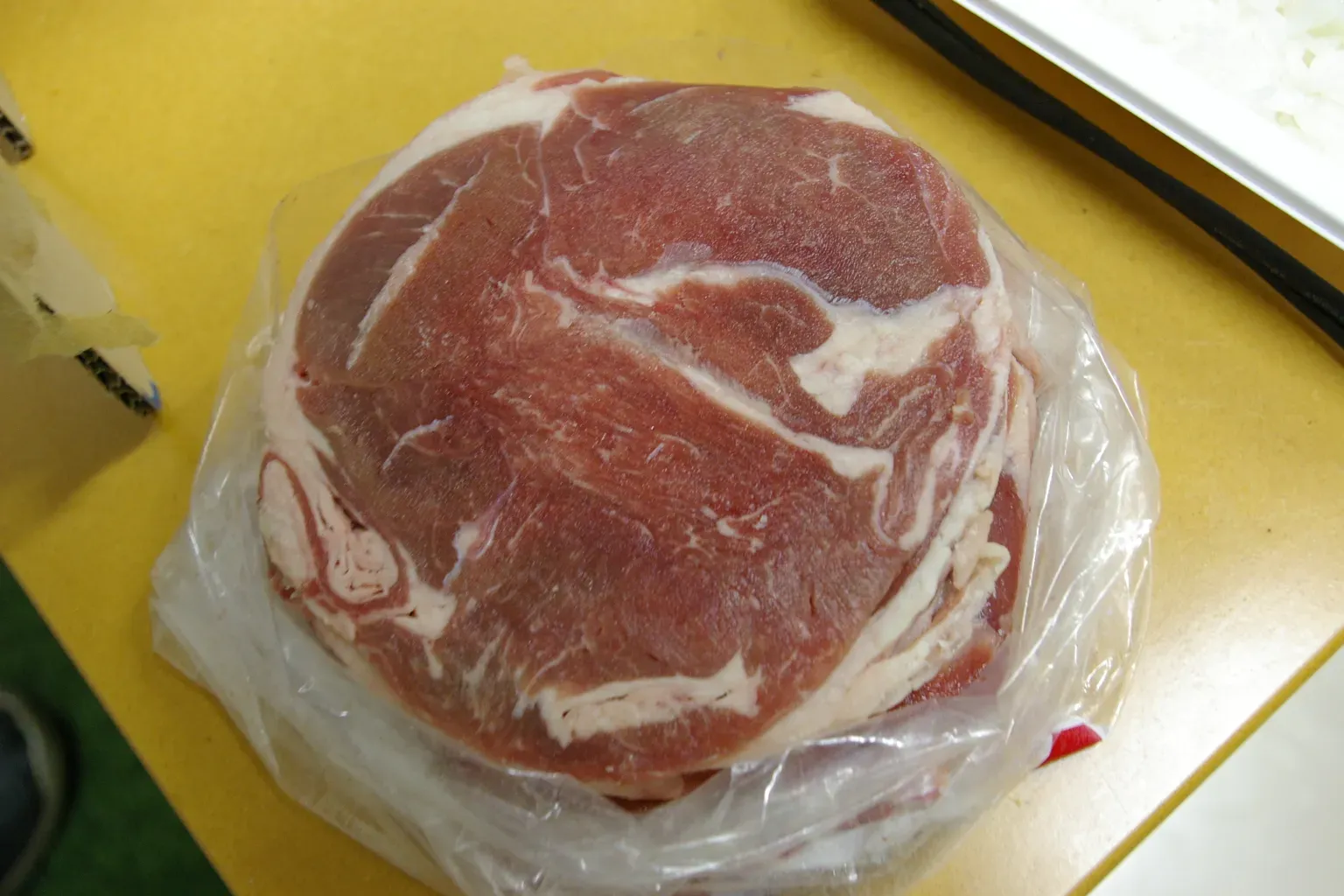
Here's the thing: leaving a frozen chicken breast on the counter to thaw while you run errands feels like common sense meal prep. It is not. Thawing food incorrectly can leave food in the temperature danger zone of 41 to 135 degrees Fahrenheit for too long, where harmful bacteria can grow to dangerous levels. Think of it like leaving a petri dish in a warm room and then eating it for dinner.
The CDC states clearly: never thaw food on the counter because bacteria multiply quickly in the parts of the food that reach room temperature. There are three safe ways to thaw food: in the refrigerator, in cold water, and in the microwave. Honestly, none of those feel as convenient as just leaving it out, but the risk is simply not worth it.
3. Washing Raw Chicken in the Sink
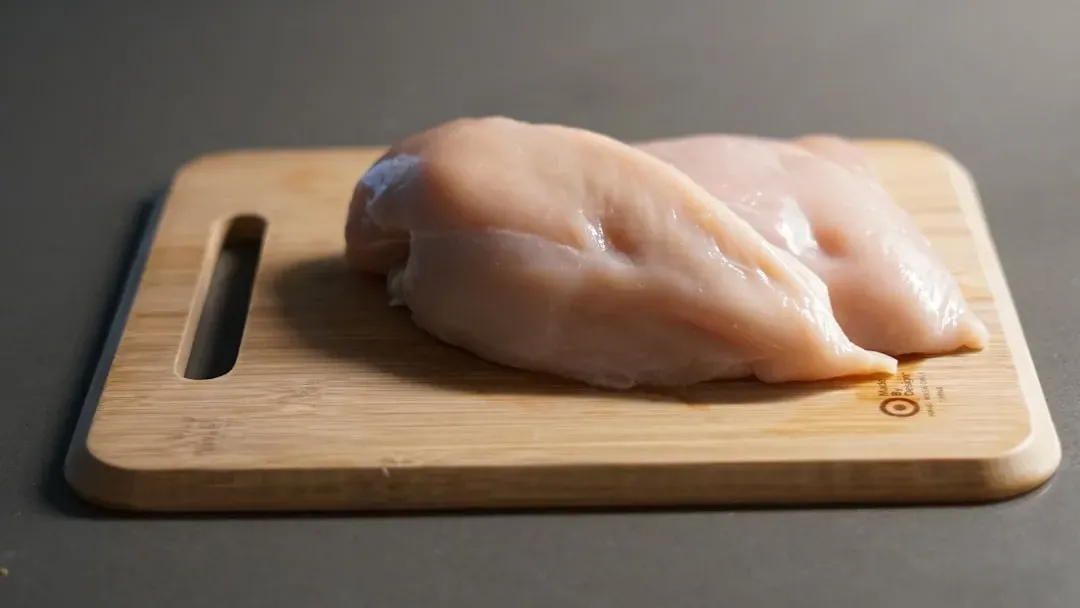
This one is a classic passed-down habit from generations of well-meaning home cooks. It feels like good hygiene. It is, in fact, the opposite. While washing raw poultry may seem harmless, it is a sure way to spread harmful germs onto other parts of the sink, countertops, utensils, and other cooking equipment nearby. Raw chicken can be contaminated with bacteria such as Campylobacter, Salmonella, or Clostridium perfringens.
Raw chicken is ready to cook and does not need to be washed first. Washing these foods can spread germs to other foods, the sink, and the counter and make you sick. Health inspectors know this is one of the hardest habits to break, precisely because it looks and feels like the right thing to do. It is not.
4. Reusing the Same Old Kitchen Sponge for Weeks
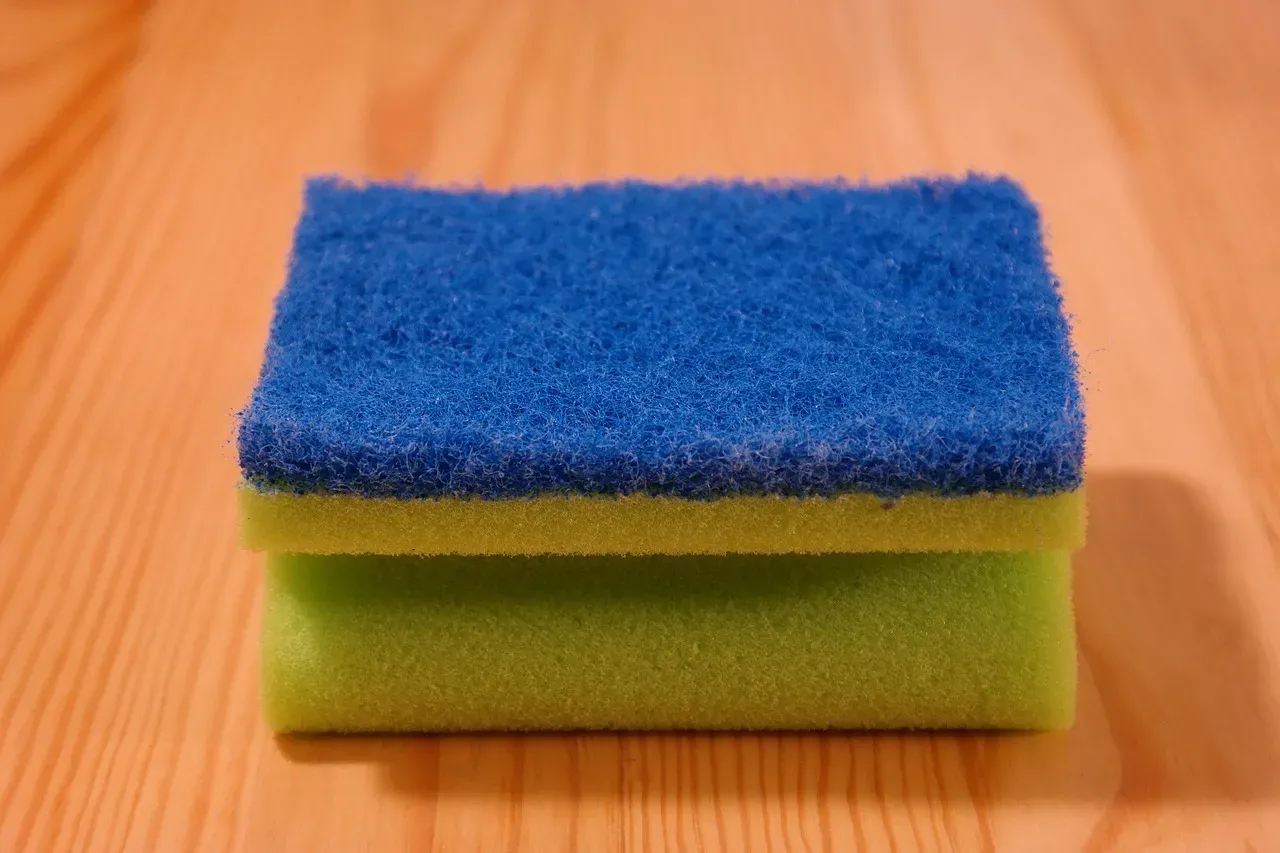
That sponge sitting next to your sink right now? It is almost certainly one of the dirtiest objects in your entire home. Kitchen sponges are the perfect environment for bacteria to multiply rapidly. They are moist, warm, and filled with food particles, exactly what harmful bacteria like E. coli, Salmonella, and Staphylococcus need to thrive. Studies have found that kitchen sponges can contain up to 10 million bacteria per square inch, making them one of the most contaminated items in your entire house.
The porous structure of sponges makes them nearly impossible to clean completely. Even when you rinse them with hot water or put them in the dishwasher, bacteria survive deep inside the sponge material where cleaning agents cannot reach. Experts recommend replacing kitchen sponges every three to five days, not every few weeks. It might seem wasteful, but it is cheaper than dealing with food poisoning.
5. Ignoring the Refrigerator Temperature
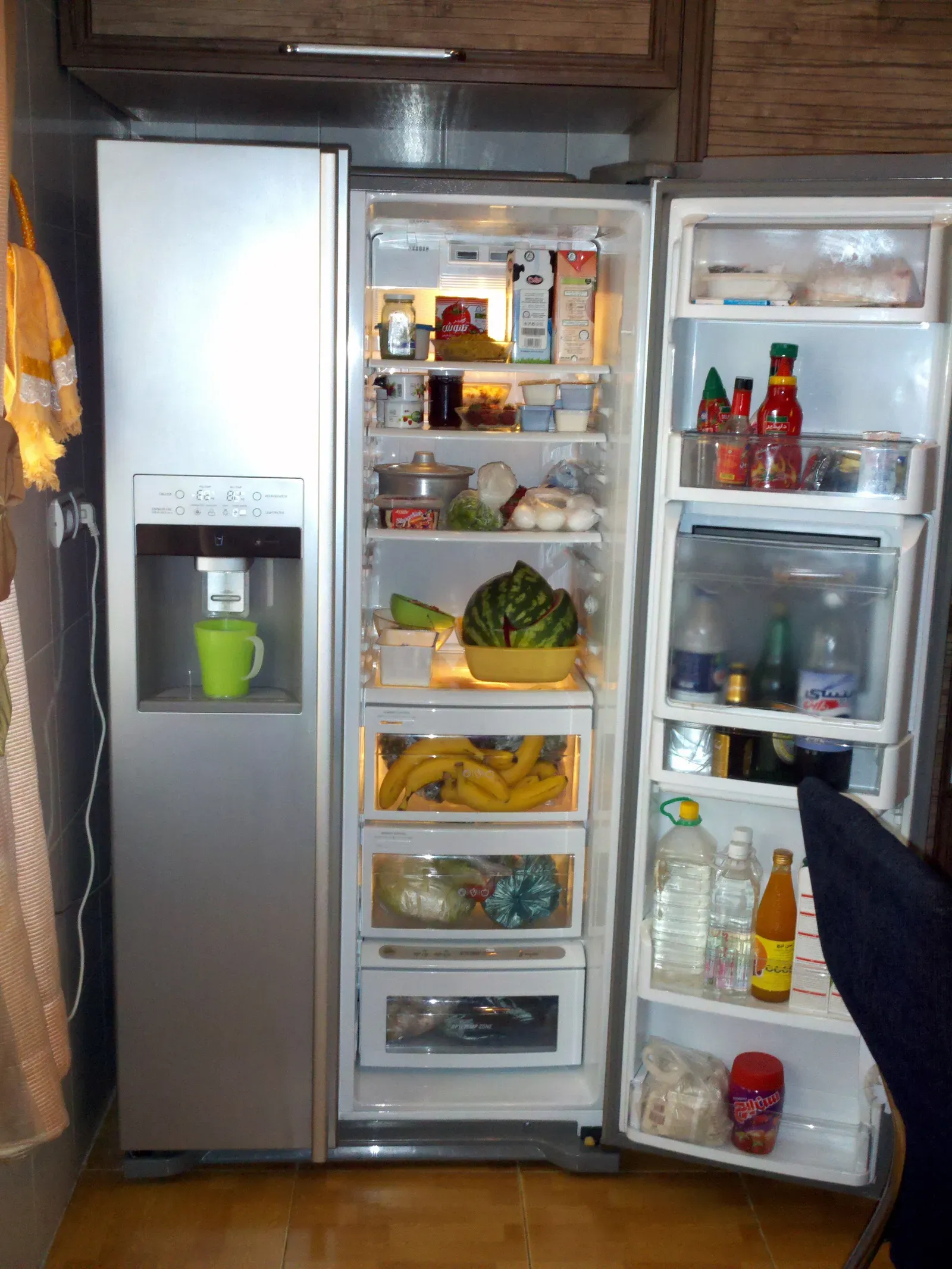
Many home cooks simply assume their fridge is "cold enough" without ever actually checking. That assumption, it turns out, is a genuinely common and genuinely risky one. Your refrigerator should be set to 40°F (4°C) or below and your freezer to 0°F (-18°C) or below. Use an appliance thermometer to be sure. Never leave perishable foods out of refrigeration for more than two hours.
Nearly half of home kitchens lack proper food storage practices, increasing the risk of spoilage and contamination. Around 35 percent of all food poisoning outbreaks are caused by improper sealing of leftovers and storage containers. Overcrowding of refrigerators and freezers can obstruct airflow and affect temperature control, leading to uneven cooling and possible food spoilage. A fridge stuffed to capacity is more than just a space problem. It's a health hazard.
6. Storing Raw Meat on the Wrong Refrigerator Shelf
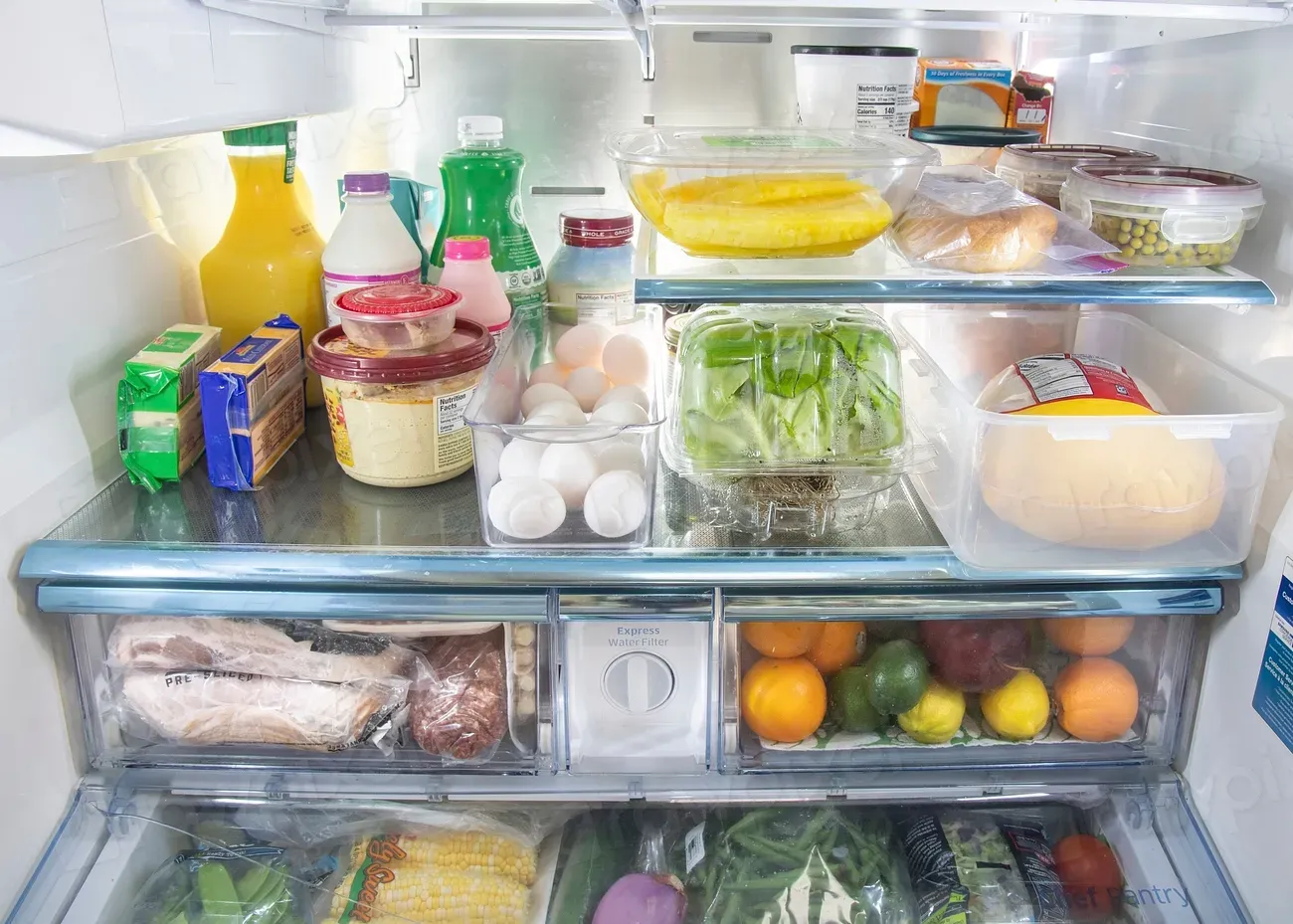
Even people who do keep their fridge cold often make a critical placement mistake. Raw meat sitting on the top shelf of a refrigerator is practically an accident waiting to happen. Raw meat, shellfish, poultry, and fish should be stored on the bottom shelf of your refrigerator, so you are not in any danger of stray juices dripping onto lower shelves.
Bacteria grow most rapidly when food is between 40 and 140 degrees Fahrenheit, doubling in as little as 20 minutes. To avoid bacteria growth, never leave cold foods out of refrigeration for more than two hours. Health inspectors see this shelf placement mistake constantly in both home settings and in professional kitchens. It is a simple fix with potentially enormous consequences.
7. Judging Meat Doneness by Color Alone
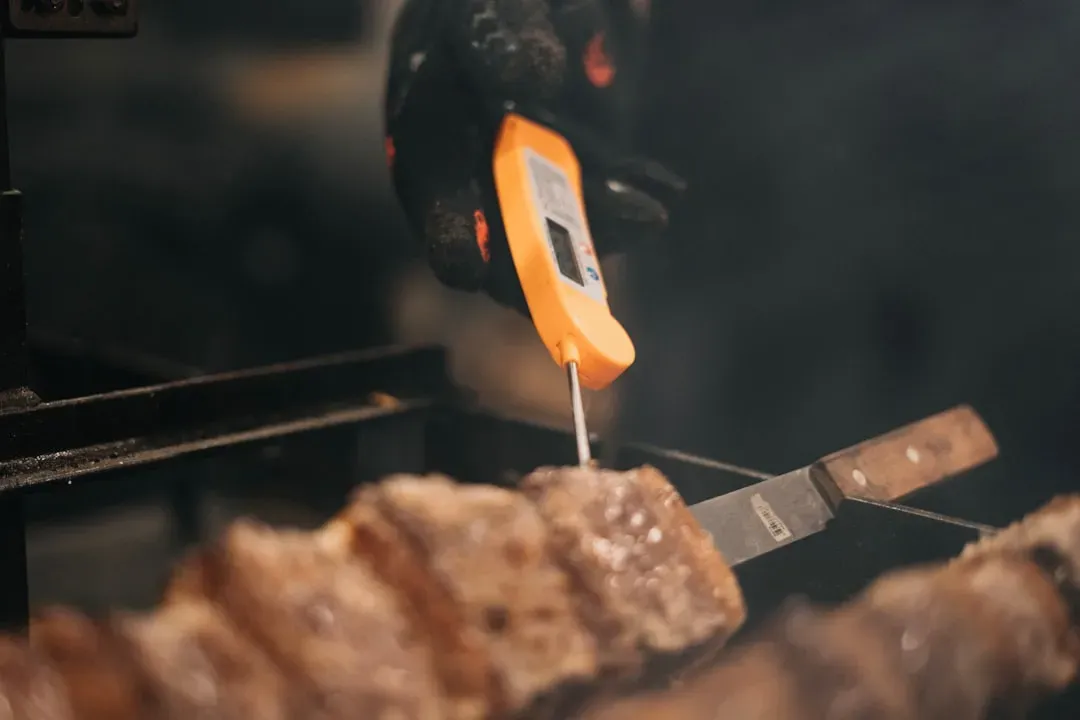
The "pink means raw, brown means done" rule is one of those kitchen myths that sounds logical but is genuinely misleading. It can get you seriously ill. Most consumers do not know that color is not a good indicator of doneness, and fewer than a quarter actually validate the accuracy of the cooking temperature with a thermometer. That is a strikingly low number when you consider what is at stake.
When foods are not cooked to recommended minimum internal cooking temperatures, harmful bacteria can multiply and make you sick. While you may think a food is done by giving it a good look, it is always recommended to use a food thermometer to measure doneness. A thermometer is cheap, it takes about ten seconds to use, and it could genuinely save your family from a trip to the emergency room. I know it sounds overcautious, but the data does not lie here.
8. Skipping Proper Handwashing During Cooking
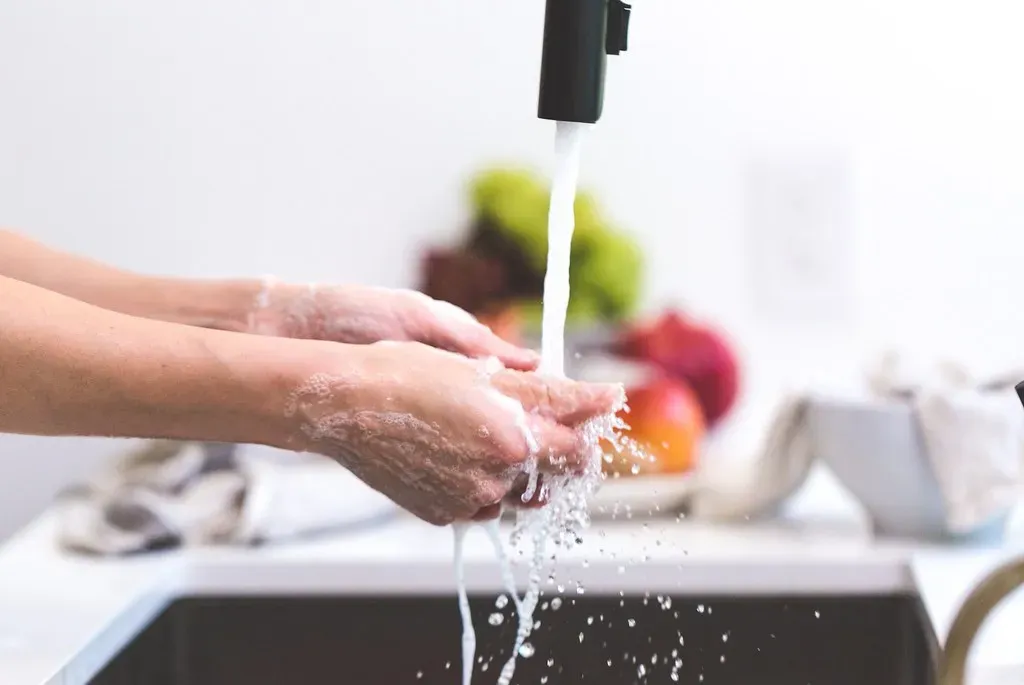
Most home cooks wash their hands at least once before cooking. The problem is that once is almost never enough. In an experiment conducted by the Department of Agriculture, researchers evaluated the food safety habits of almost 400 people as they prepared turkey burgers and a salad in a test kitchen. In 97 percent of the instances when the participants should have washed their hands, they did not do so properly. That figure is genuinely alarming.
The CDC recommends washing hands with warm water and soap for 20 seconds before and after handling food, before eating, and after using the bathroom, changing diapers, tending to a sick person, blowing your nose, sneezing, coughing, and handling pets. Data shows that 32 percent of home cooks do not wash their hands before starting meal prep at all. Twenty seconds feels like a long time when you're in the middle of cooking. It is not long enough to skip.
9. Letting Cooked Food Sit at Room Temperature Too Long
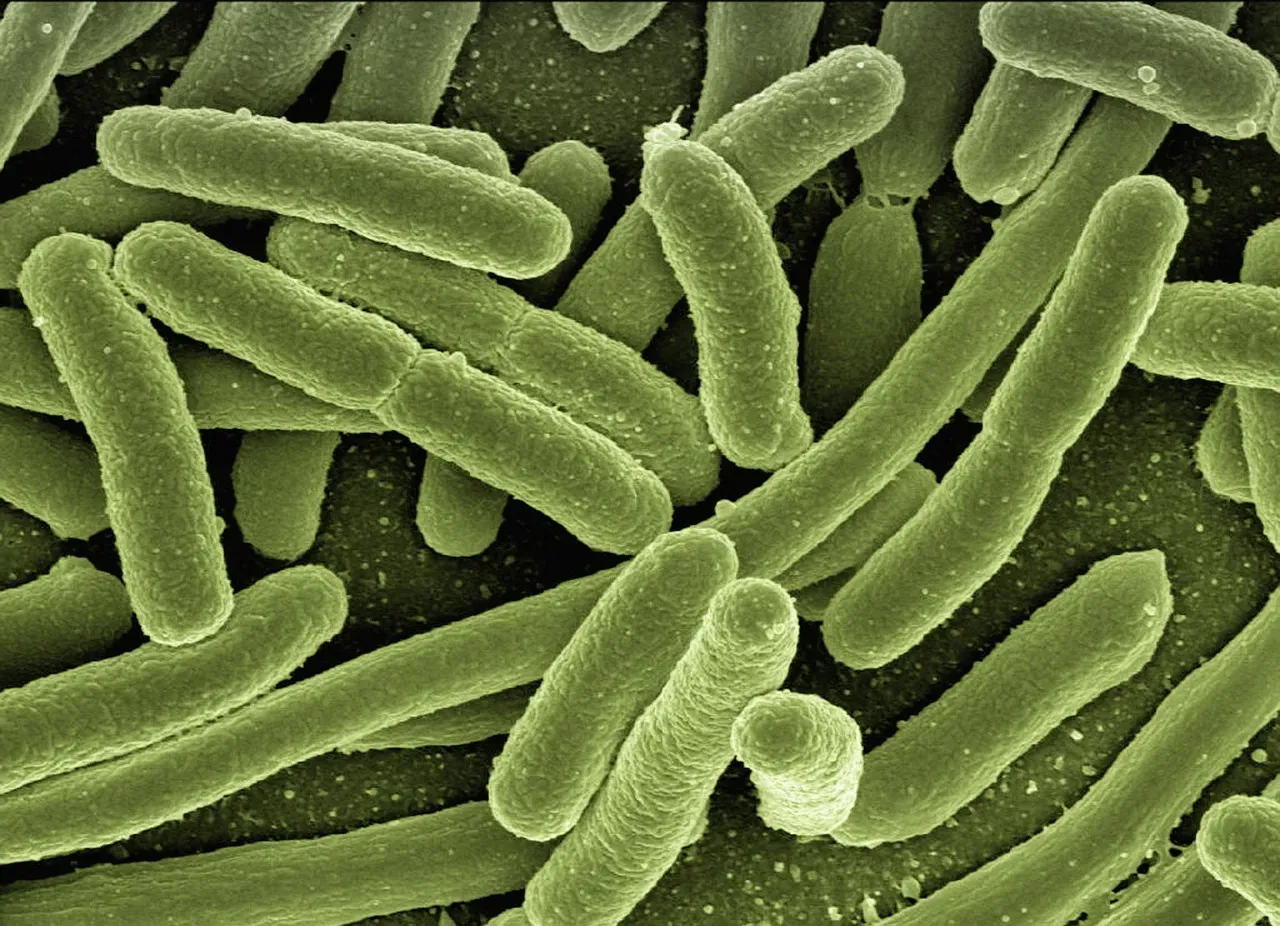
The dinner is done. The table is set. Someone doesn't show up for another hour, so the food just sits there, slowly becoming a bacterial playground. Allowing food to sit at room temperature for extended periods provides an ideal environment for bacteria to grow, leading to food spoilage and potential foodborne illnesses. Bacteria grow most rapidly in the range of temperatures between 40°F and 140°F, doubling in number in as little as 20 minutes.
Never let raw meat, poultry, eggs, cooked food, or cut fresh fruits or vegetables sit at room temperature more than two hours before putting them in the refrigerator or freezer, and only one hour when the temperature is above 90°F. There is also a common misconception that cooked foods should be cooled to room temperature before being placed in the refrigerator. This idea is widely practiced and widely wrong. Get leftovers into the fridge quickly, without waiting for them to "cool down" first.
10. Attempting DIY Grease Fire Solutions Instead of Using Proper Extinguishers
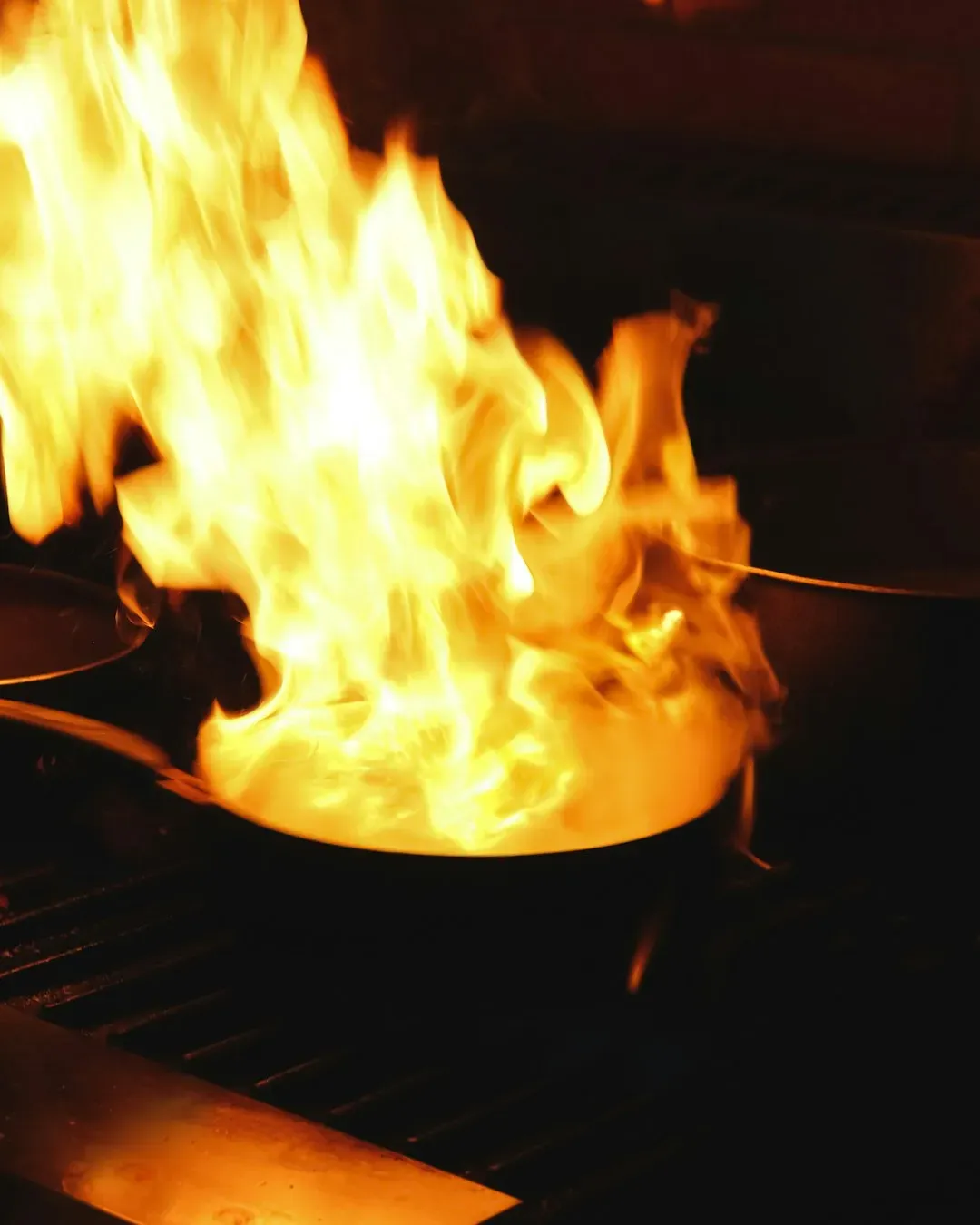
When a pan of oil catches fire, the instinct for many home cooks is to grab something, anything, and deal with it fast. Water, a wet towel, sometimes even flour. These DIY responses can transform a small grease fire into an inferno within seconds. Approximately 60 percent of all kitchen fires involve frying, igniting fats or oils, and unattended cooking of greasy foods. About 40 percent of kitchen fires also involve oven malfunctions or user error.
Fat, grease, or oil was the first item ignited in roughly a quarter of cooking fires. Household items like pot holders or towels were the first items ignited in ten percent of fires. Health inspectors and fire safety professionals consistently warn that the only proper response to a grease fire is a Class K or dry chemical fire extinguisher, or smothering the flames with a metal lid. Kitchen fires are something you should always be prepared for, whether it is a pan that got too hot and ignited the oil or an overloaded circuit, and you should know where the extinguisher is and how to use it. Knowing the difference before a fire starts is not paranoia. It's just smart.
The kitchen is one of those places where routine breeds comfort, and comfort breeds shortcuts. Most of these ten mistakes are not made out of carelessness. They are made out of habit, out of family tradition, or simply because nobody ever explained why the "wrong" way is actually wrong. According to the World Health Organization, approximately 600 million instances of foodborne diseases are reported yearly, making contaminated food a major factor in the worldwide burden of disease. That number starts at home, at your cutting board, in your sink, in your fridge. Small changes in the kitchen can make a remarkable difference. What habit from this list surprised you the most?



Leave a Reply