
Most of us reach for a square of dark chocolate and feel pretty smug about it. We've all heard the pitch: it's a superfood, it's packed with minerals, it's practically a health food. And sure, dark chocolate does deserve some credit. A one-ounce serving of dark chocolate with 70 to 85 percent cocoa contains around 64 milligrams of magnesium. That's genuinely decent. But here's the thing - it's nowhere near the top of the magnesium leaderboard, and most people have absolutely no idea.
Magnesium is the second most abundant mineral inside our cells, following potassium, and it's crucial for over 600 bodily reactions. It plays a vital role in energy production, protein synthesis, heart function, muscles, and nerves. Yet according to data from the EFSA and NIH, as many as half of all adults in Europe and the United States may fail to meet the recommended magnesium intake. Turns out, the solution might be sitting quietly in your pantry right now. Let's dive in.
1. Pumpkin Seeds - The Undisputed Champion
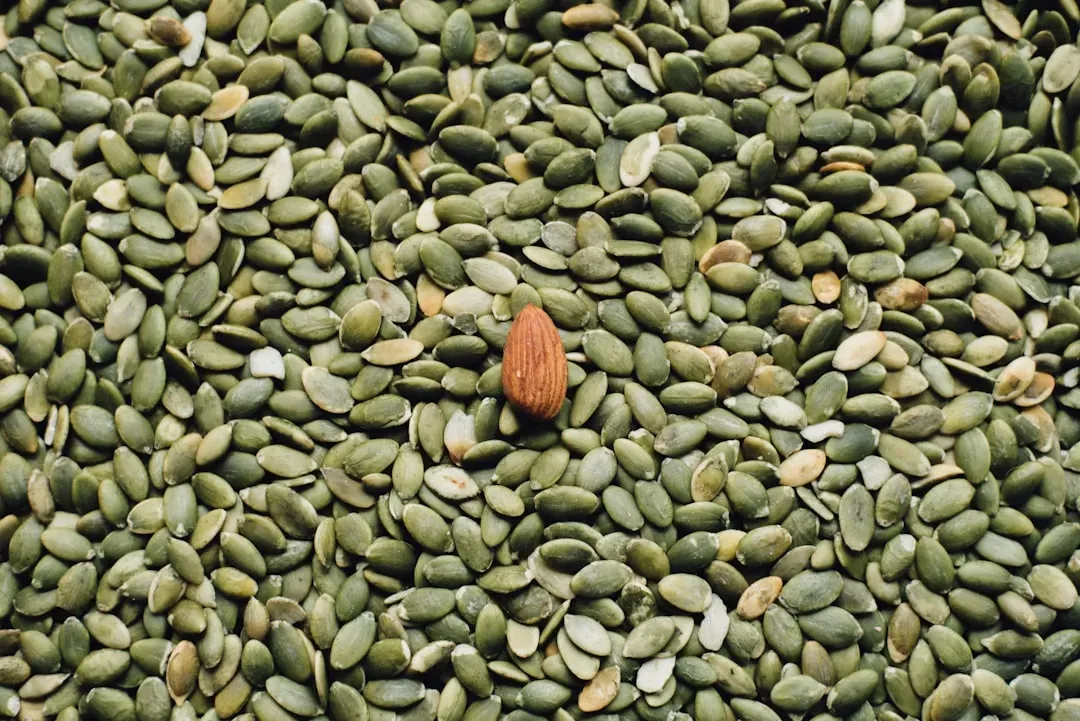
If there is one food that deserves the magnesium crown, it's pumpkin seeds. Honestly, these tiny flat little things are nutritional giants, and most people only think of them around Halloween. That's a crying shame.
Pumpkin seeds, also called pepitas, take the cake when it comes to magnesium. One ounce of shelled pumpkin seeds - about three tablespoons - packs 156 milligrams of magnesium, which is 37 percent of the daily value. That's more than double what you get from an ounce of dark chocolate.
Pumpkin seeds are rich in unsaturated fatty acids, high-quality protein, dietary fiber, and essential minerals such as magnesium, zinc, and iron. Their phytochemical profile includes tocopherols, phytosterols, and polyphenols - compounds associated with antioxidant, anti-inflammatory, antidiabetic, and anticancer activities. Sprinkling them on yogurt or salads is one of the simplest upgrades you can make to your diet.
2. Chia Seeds - Small But Outrageously Powerful
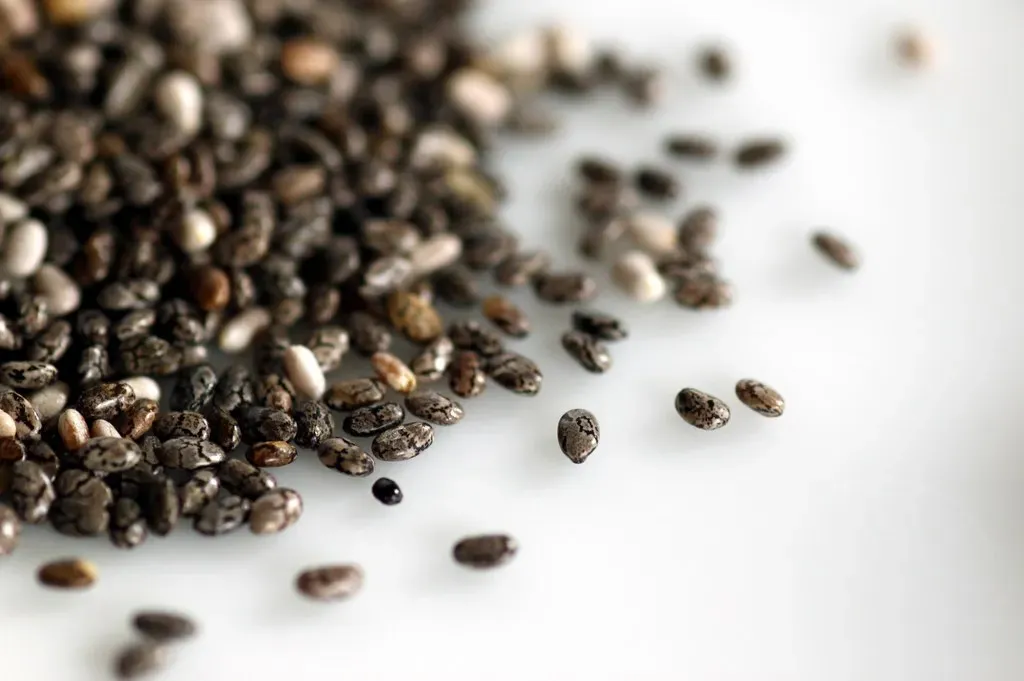
Chia seeds have had a well-deserved moment in the wellness spotlight, mostly thanks to their omega-3 content and their bizarre ability to turn into pudding overnight. But their magnesium numbers are where things really get impressive.
Magnesium is yet another reason to load up on chia seeds. One ounce of chia seeds - about two tablespoons - contains 111 milligrams of magnesium, or 26 percent of the daily value. Keep a bag of whole or ground chia seeds on hand to make chia pudding, or add them to oatmeal, smoothies, and protein pancakes.
Chia seeds contain high dietary fiber content, calories, lipids, minerals including calcium, magnesium, iron, phosphorus, and zinc, and vitamins including vitamin A and B complex. They are also known for their high amount of omega-3 fatty acids. Think of them as tiny nutritional multi-tools - versatile, neutral in flavor, and wildly effective.
3. Hemp Seeds - The Underrated Superfood Nobody Talks About

Hemp seeds rarely get the fanfare they deserve. People hear "hemp" and think of something entirely different, completely overlooking one of the most nutrient-dense seeds on the planet. Let's correct that right now.
A three-tablespoon, 30-gram serving of hulled hemp seeds contains 50 percent of the daily value for magnesium. Let that sink in - half your entire daily requirement from three tablespoons. Dark chocolate isn't even in the same conversation at that level.
Pumpkin and hemp seeds are phenomenal sources that provide a substantial amount of magnesium per serving. Rather than focusing on a single champion, the best strategy is to incorporate a variety of these seeds into your diet. By diversifying your intake, you benefit from the unique nutritional profiles each seed has to offer, from the fiber and omega-3s in flaxseed to the complete protein in hemp seeds. Hemp seeds are also beautifully easy to use - just throw them into smoothies, salads, or oat bowls without any prep at all.
4. Cooked Spinach - Popeye Was Onto Something Real
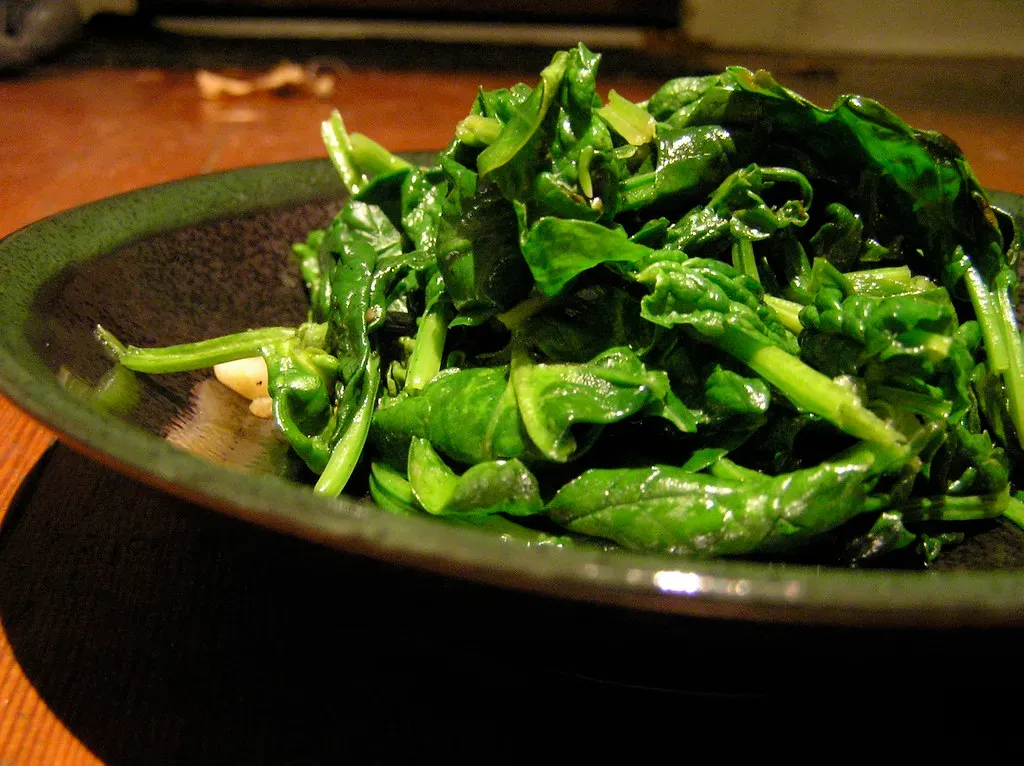
Here's a food that's been linked to strength and health since cartoons were on black-and-white televisions. Turns out the old sailor had a point, though perhaps not the one we thought. Spinach is less about iron than it is about magnesium - and the numbers are stunning when it's cooked.
Cooked spinach is a potent source of magnesium, with 156 milligrams - 37 percent of the daily value - per cup. You'll still get some magnesium from raw spinach, but the nutrients in leafy greens become more concentrated cup per cup when cooked. So yes, wilting your spinach in a pan actually makes it better.
In addition to being a good source of magnesium, spinach is abundant in vitamin K, which plays a major role in wound healing. Spinach is also rich in vitamin C and iron - both of these are important for energy production. One cup of cooked spinach is a remarkably cheap and easy way to genuinely move the needle on your daily magnesium intake.
5. Cashews - The Magnesium Nut Most People Snack on Without Knowing
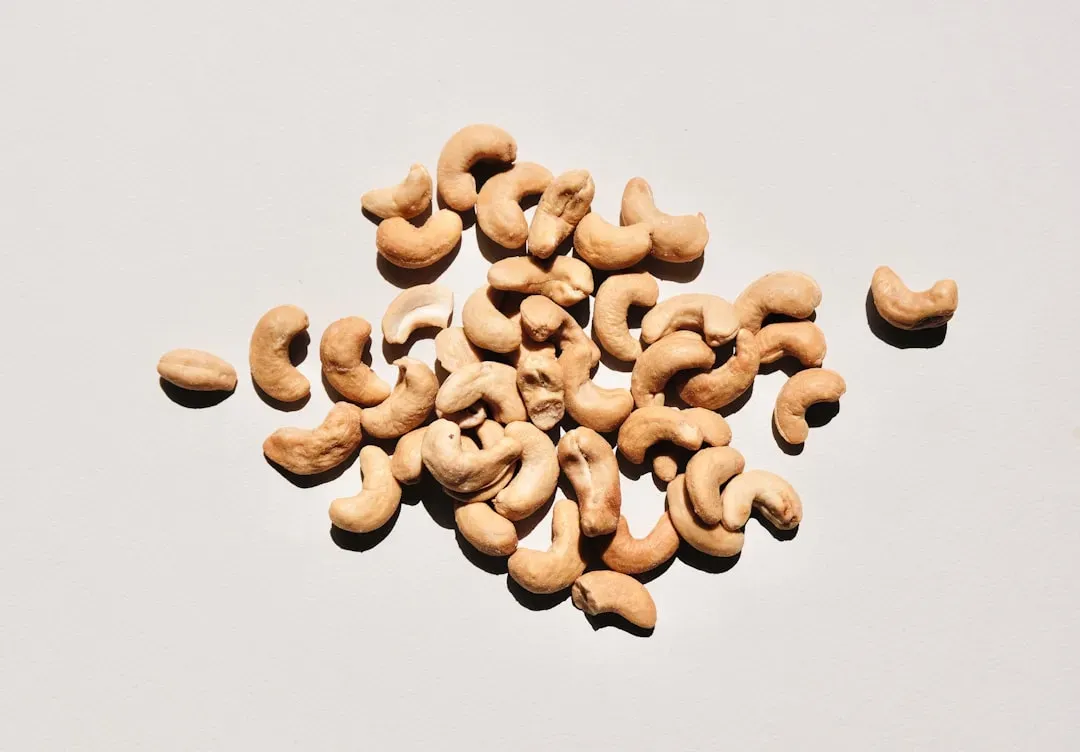
Cashews are probably the most socially acceptable nut at a party - nobody ever complains when cashews appear on a snack board. It turns out they're also quietly delivering a serious magnesium punch with every handful.
Cashews are another excellent source of magnesium and great to snack on or add to cooking. One ounce of cashews - roughly one quarter cup - has 74 milligrams of magnesium, or 18 percent of the daily value. That's meaningfully more than the same-sized serving of dark chocolate delivers.
Most nuts are also a good source of fiber and monounsaturated fat and have been shown to improve blood sugar and cholesterol levels in people with diabetes. Brazil nuts are also extremely high in selenium. Just two Brazil nuts provide more than 100 percent of the recommended daily intake for selenium. Additionally, nuts are anti-inflammatory foods, are beneficial for heart health, and can reduce appetite when eaten as snacks. Cashews genuinely earn their place in your daily diet beyond just tasting great.
6. Almonds - The Everyday Nut With Serious Credentials
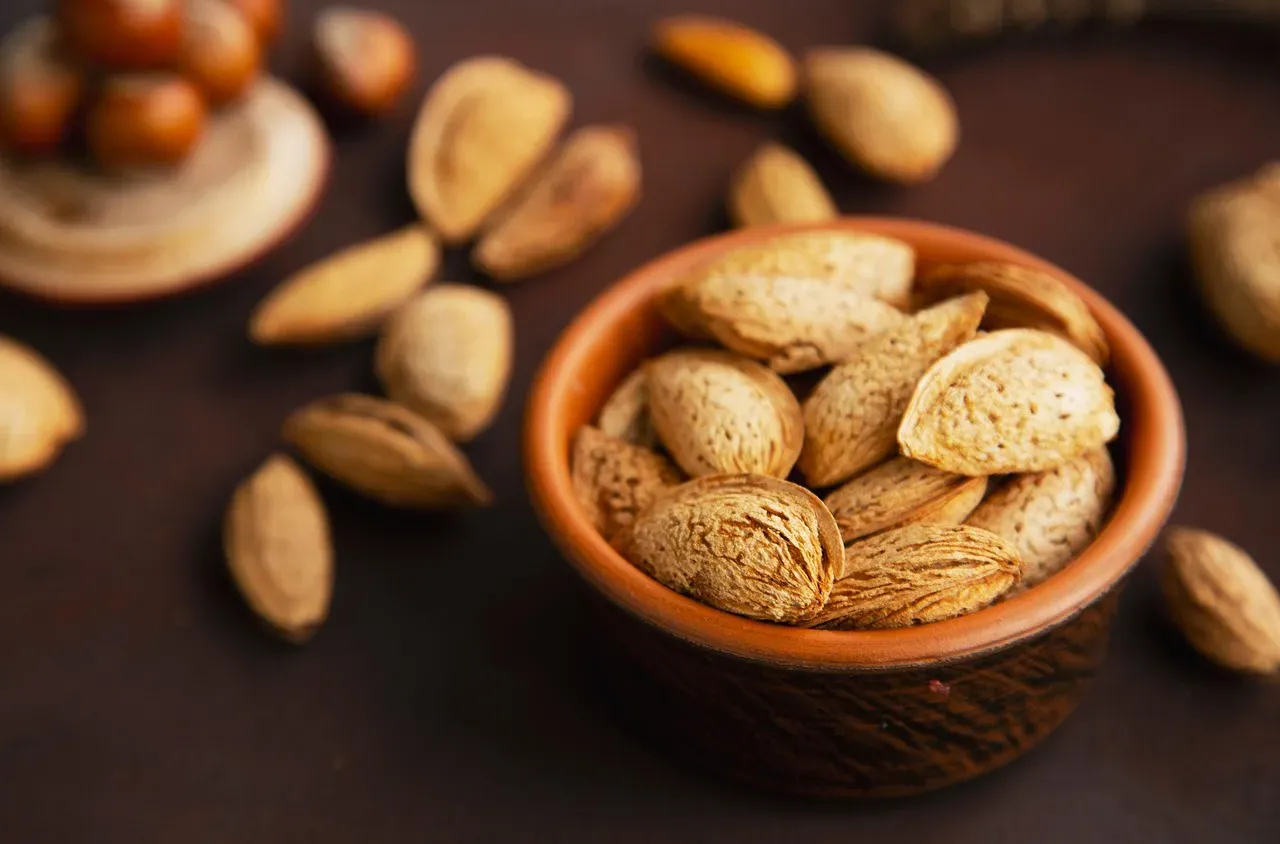
Almonds are one of those foods people already eat, often assuming the benefit is mostly about protein or healthy fats. The magnesium content often flies completely under the radar. It really shouldn't.
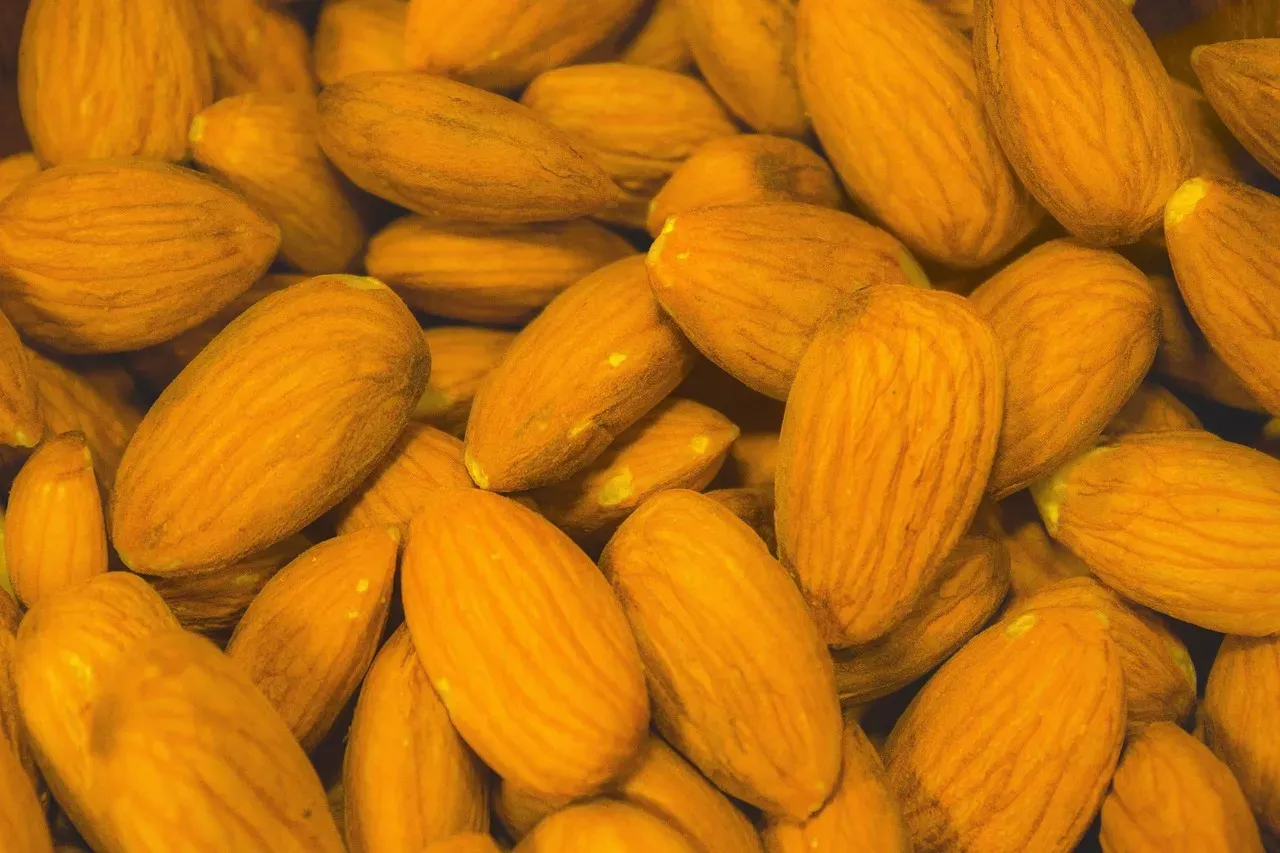
One ounce of roasted almonds contains 80 milligrams of magnesium. That beats dark chocolate by a wide margin in the same serving size, and almonds don't come with the sugar that chocolate does.
Almonds, a well-liked nut, offer a blend of fiber, protein, healthy fats, and a broad range of vitamins and minerals. An ounce serving of almonds contributes 18 percent of the daily value for magnesium. Almonds are a good source of healthy monounsaturated and polyunsaturated fats, and they are also a source of tryptophan, which helps your body produce serotonin, a chemical that helps regulate mood and sleep. An almond is, in many ways, a more complete snack than most people give it credit for.
7. Black Beans - The Humble Legume Hiding a Mineral Goldmine
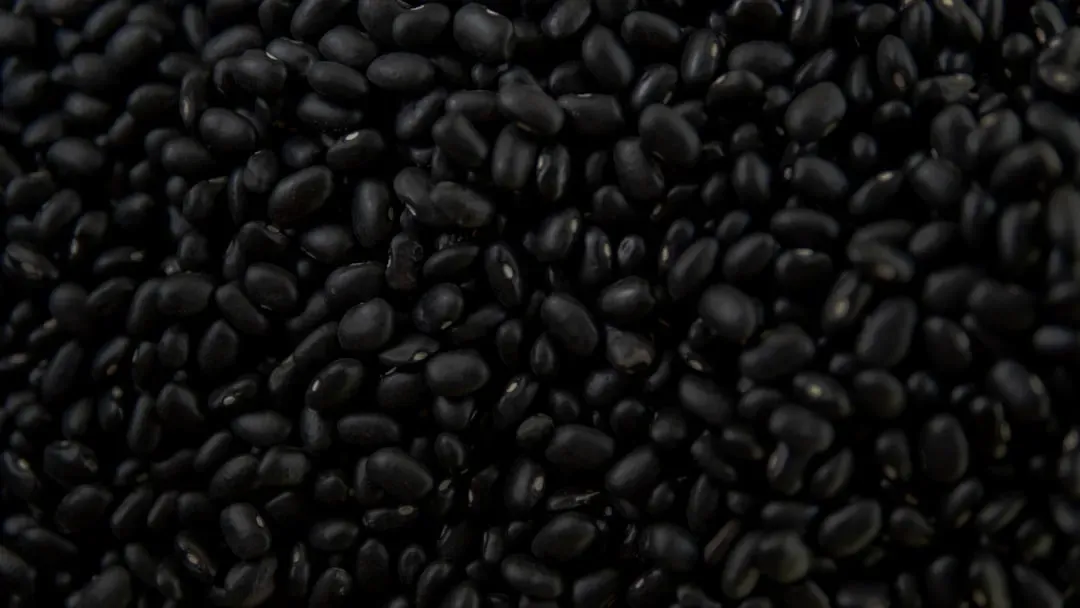
Black beans are one of those foods that feel deeply ordinary. They sit in a can on the shelf, they go into tacos, they get stirred into soup. Not exactly glamorous. Yet their nutritional profile is genuinely outstanding.
For a magnesium boost, add black beans to your salads, soups, quesadillas, taco filling, and other ground meat mixtures. Every half-cup of cooked black beans contains 60 milligrams of magnesium, or 14 percent of the daily value. They're also a great low-fat source of protein and fiber.
Maintaining a low sodium intake is essential for keeping blood pressure at a normal level. Black beans are naturally low in sodium and contain potassium, calcium, and magnesium, all of which can help people manage their blood pressure. The antioxidants, fiber, protein, and carbohydrates in black beans make them nutritionally powerful. A diet rich in beans can reduce your risk of several serious medical conditions and help your body to process calories more effectively. It's hard to find a cheaper, more versatile magnesium source anywhere.
8. Quinoa - The Ancient Grain That Keeps Proving Itself
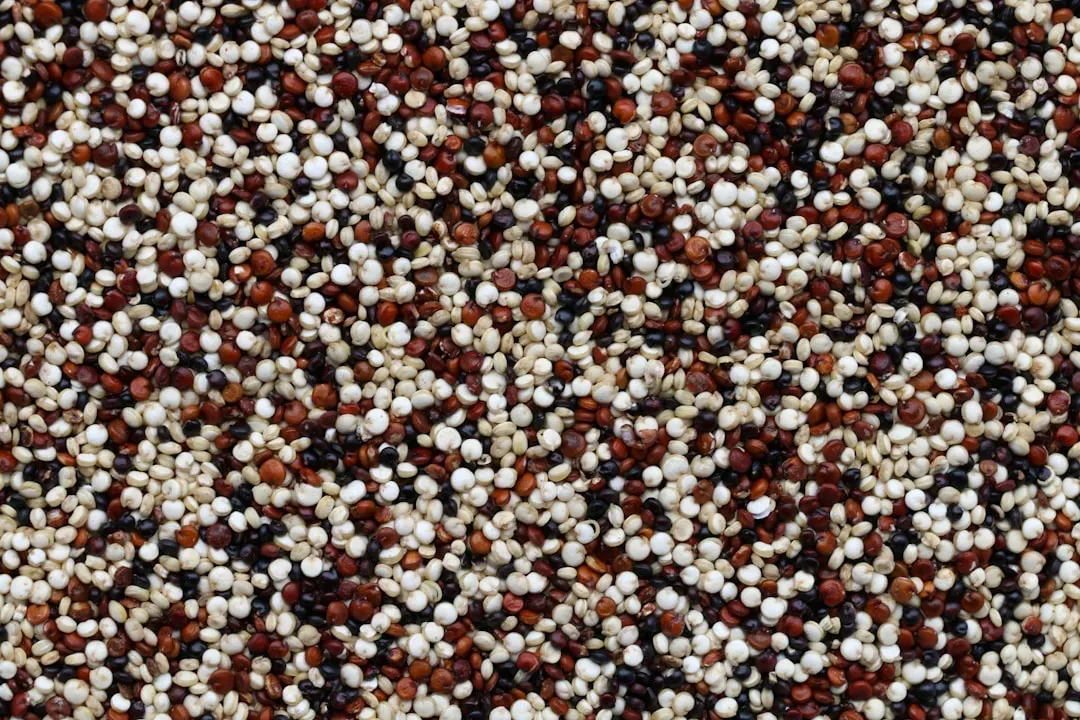
Quinoa had a massive moment about a decade ago when everyone suddenly decided to eat it. Then it got labeled a trend, and people sort of moved on. That's a mistake worth correcting, because quinoa is one of the most reliably nutritious grains you can put on your plate.
Quinoa is a great grain when increasing your protein intake, but it's also a good source of magnesium and potassium. There are 118 milligrams - 28 percent of the daily value - of magnesium in one cup of cooked quinoa. Cook a big batch during meal prep, and add it to salads, soups, and stir fries throughout the week.
Both quinoa and chia seeds are gluten-free and provide medicinal properties due to bioactive compounds, which help combat various chronic diseases such as diabetes, obesity, cardiovascular diseases, and metabolic diseases such as cancer. Quinoa seeds possess phenolic compounds, particularly kaempferol, which can help prevent cancer. One full cup delivering nearly 30 percent of your daily magnesium needs is nothing to dismiss.
9. Cooked Swiss Chard - The Leafy Green That Almost Nobody Buys

Walk through any produce section and watch how many people walk right past Swiss chard without a second glance. It's almost always outnumbered by kale and spinach in people's grocery carts. Yet this overlooked green delivers serious magnesium numbers that rival its more famous cousins.
A half cup of cooked Swiss chard contains 75 milligrams of magnesium. That's more than a full ounce of dark chocolate from just half a cup of a vegetable most people wouldn't even recognize in a lineup.
Swiss chard is a nutrient-rich leafy green that presents good fiber content and an array of vitamins and minerals. Leafy greens like spinach and Swiss chard are also an excellent source of several nutrients, including iron, manganese, and vitamins A, C, and K. It's versatile enough to sauté with garlic and olive oil in about five minutes flat. Give it a real chance - it genuinely deserves one.
10. Edamame - The Snack That Belongs in Your Regular Rotation
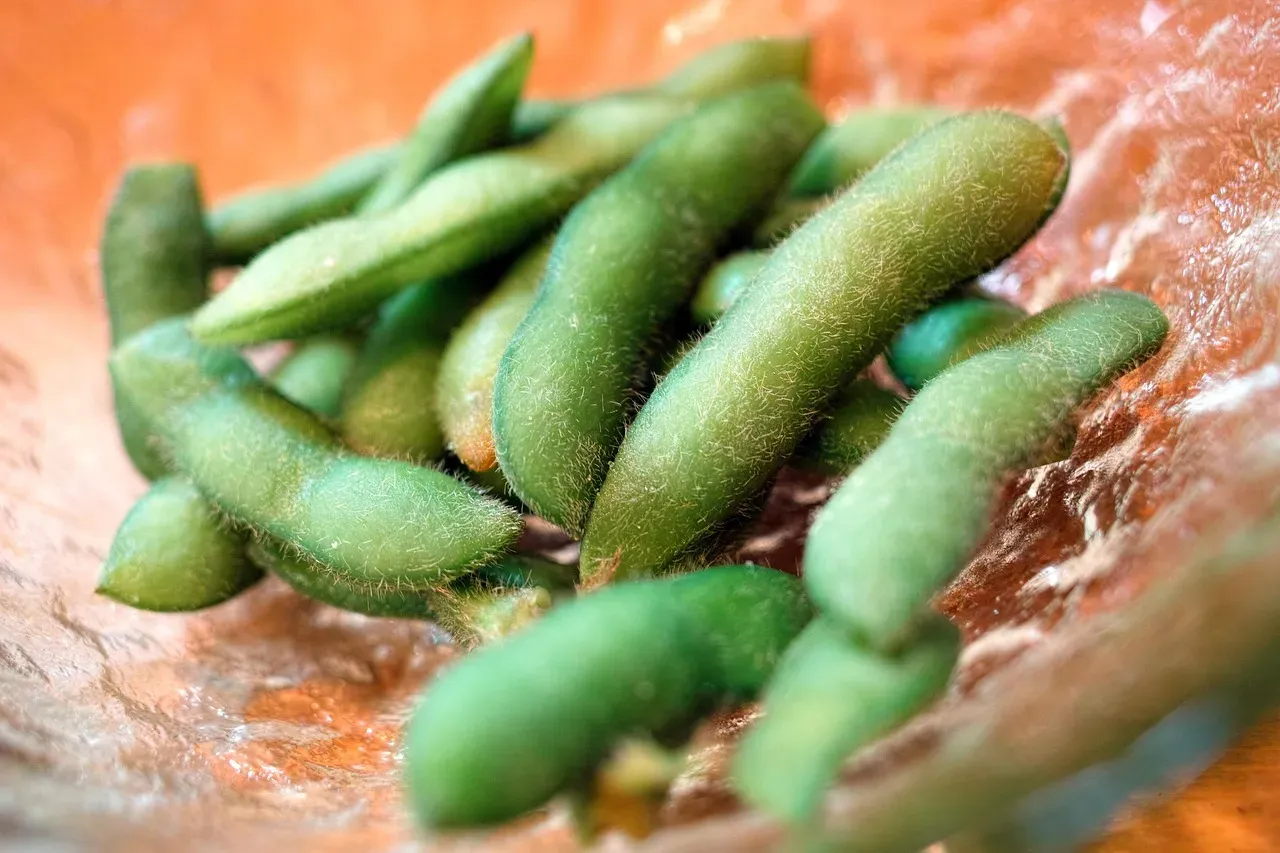
Edamame tends to appear at Japanese restaurants and then disappear from people's lives entirely once they leave. That's such a waste. These little green soybeans are one of the most snackable, convenient sources of magnesium around.
Adding a serving of steamed edamame to your meal can support healthy magnesium levels. A half cup of shelled edamame contains 50 milligrams of magnesium, which is 12 percent of the daily value. Additionally, soybeans may also help lower blood pressure, and they have shown promising results in clinical trials.
Edamame is also a complete plant-based protein source, which is genuinely rare in the plant world. Think of it like a tiny nutrient-packed pod that covers your protein, magnesium, and fiber needs in one bowl. Dried beans and legumes such as soybeans, baked beans, lentils, peanuts, and nuts like almonds and cashews are all good sources of magnesium. Sometimes the most powerful foods are the ones already hiding in plain sight at the restaurant appetizer menu.
Conclusion
Dark chocolate absolutely has its place - nobody is saying otherwise. It tastes wonderful and yes, it offers real nutritional value. But the idea that it's some kind of elite magnesium source just doesn't hold up when you look at the full picture.
More than 300 essential processes within your body rely on magnesium. It's a heavy-hitter list that includes heart rhythm, muscle contractions, blood pressure control, bone health, and creating energy. That's not a mineral you want to be short on.
It's important to take a look at your diet because there is a good chance that you may not be consuming as much magnesium as you should. Data suggests that nearly half of people are consuming less than their recommended daily allowance. Pumpkin seeds on your oatmeal, a handful of cashews at your desk, spinach wilted into your evening meal, black beans in your lunch bowl - these aren't extreme dietary changes. They're small, simple swaps that add up fast.
The real question isn't whether you should eat more magnesium-rich foods. You almost certainly should. The question is: which of these ten foods is going on your grocery list this week?



Leave a Reply