
Every single day, billions of meals are thrown away. Not spoiled meals, not truly inedible scraps. Just ordinary things that people reflexively toss without a second thought. It's one of those habits so deeply wired into daily kitchen routines that most people never stop to question it.
Here's the thing: your trash bin might actually be costing you serious money, nutritional value, and a surprising amount of environmental damage. The scale of this problem is genuinely staggering, and the fixes are almost embarrassingly simple. So let's get into it.
1. Stale Bread
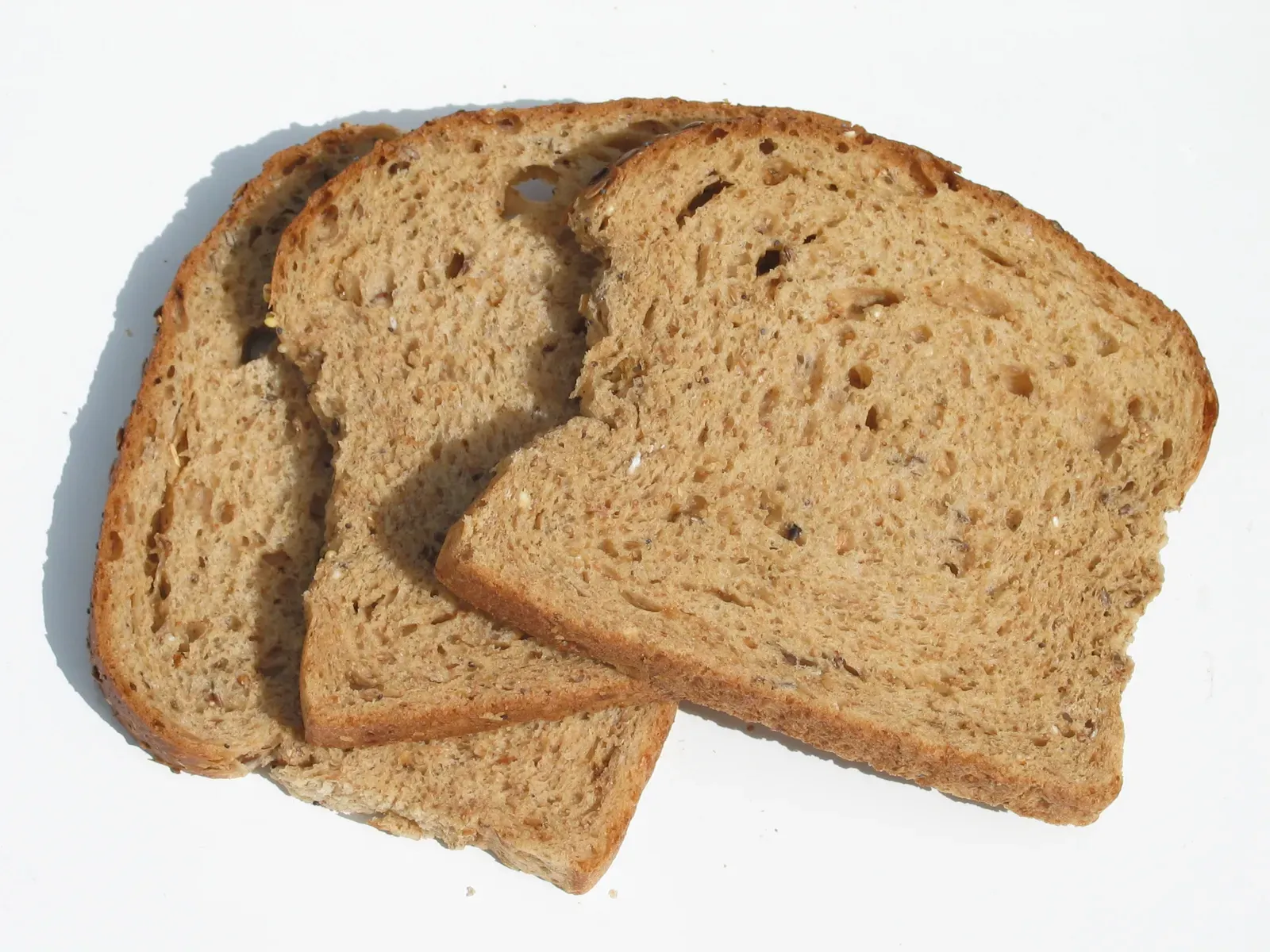
Most people see bread going stale and assume that's the end of the road. It isn't. Stale bread has numerous uses, like adding texture to salads in the form of croutons or being used for a simple yet tasty bread pudding. You can also break the bread down into smaller crumbs to create crispy coatings for chicken wings or to act as a binding agent in meatballs or burgers.
Stale bread can be used to make French toast or croutons, while vegetable scraps can be used for soup stock. Think about that the next time you go to bin a half loaf. If you haven't been using your old bread for bread pudding or French toast, you should definitely give it a try. Dry bread makes the perfect vehicle to absorb the custard and liquid bases for these recipes, making them super delicious.
2. Banana Peels
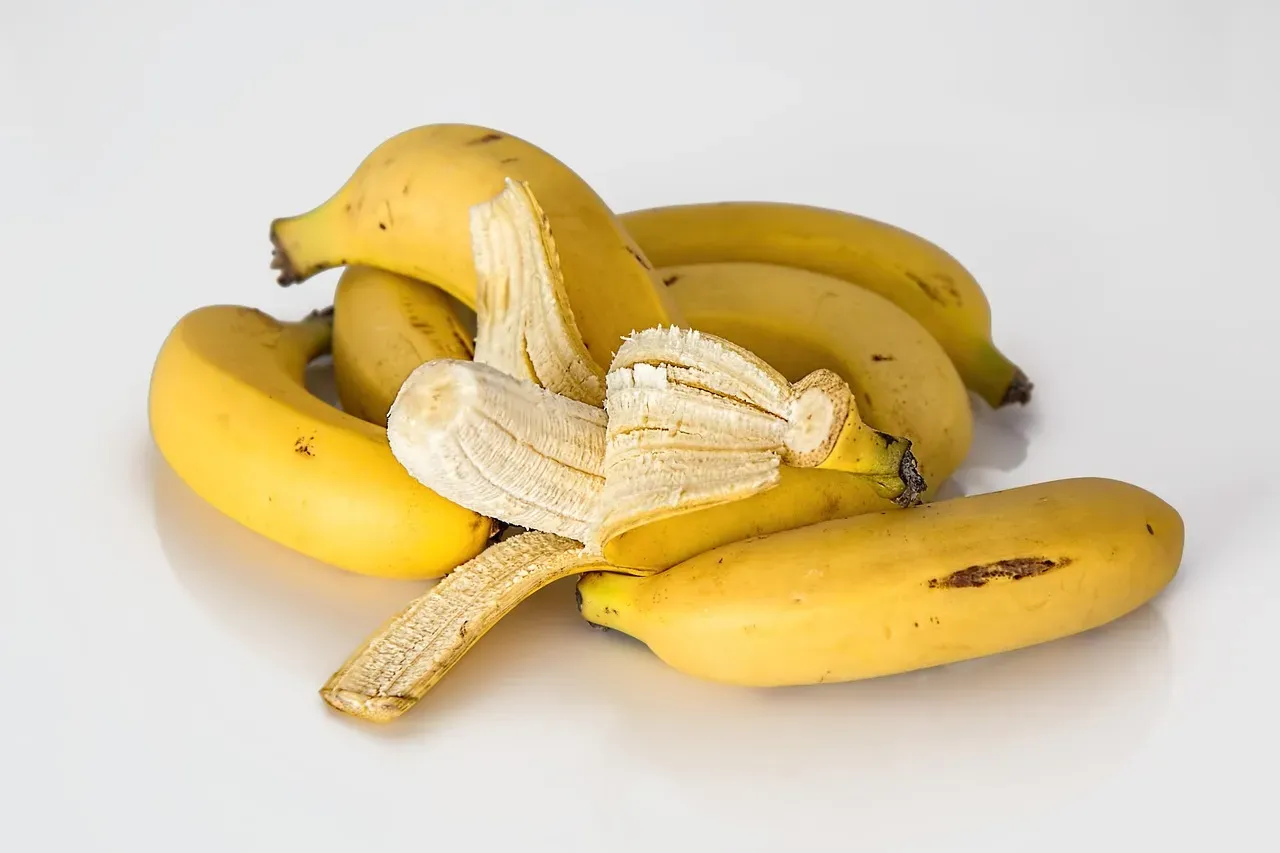
Honestly, this one surprises people most. Banana peels look like garbage. They feel like garbage. They're not. Banana peel is enriched with macronutrients, micronutrients and bioactive compounds, which can provide antioxidant, anti-microbial, antibiotic, pharmaceutical and nutraceutical properties. Banana peels also have higher nutrient value than banana pulp, and they are used in traditional medicines to treat diabetes, diarrhoea, inflammation, ulcers, burns and cough.
Only roughly forty percent of the banana crop is utilised, leading to 114 million tonnes of banana waste annually. Banana peel constitutes about forty percent of the whole fruit, and it is considered a domestic and food industry waste. If you're not eating it, at least put those peels in your garden. Banana peel helps your plants grow strong roots, and it also helps enable good distribution of water and nutrients.
3. Coffee Grounds
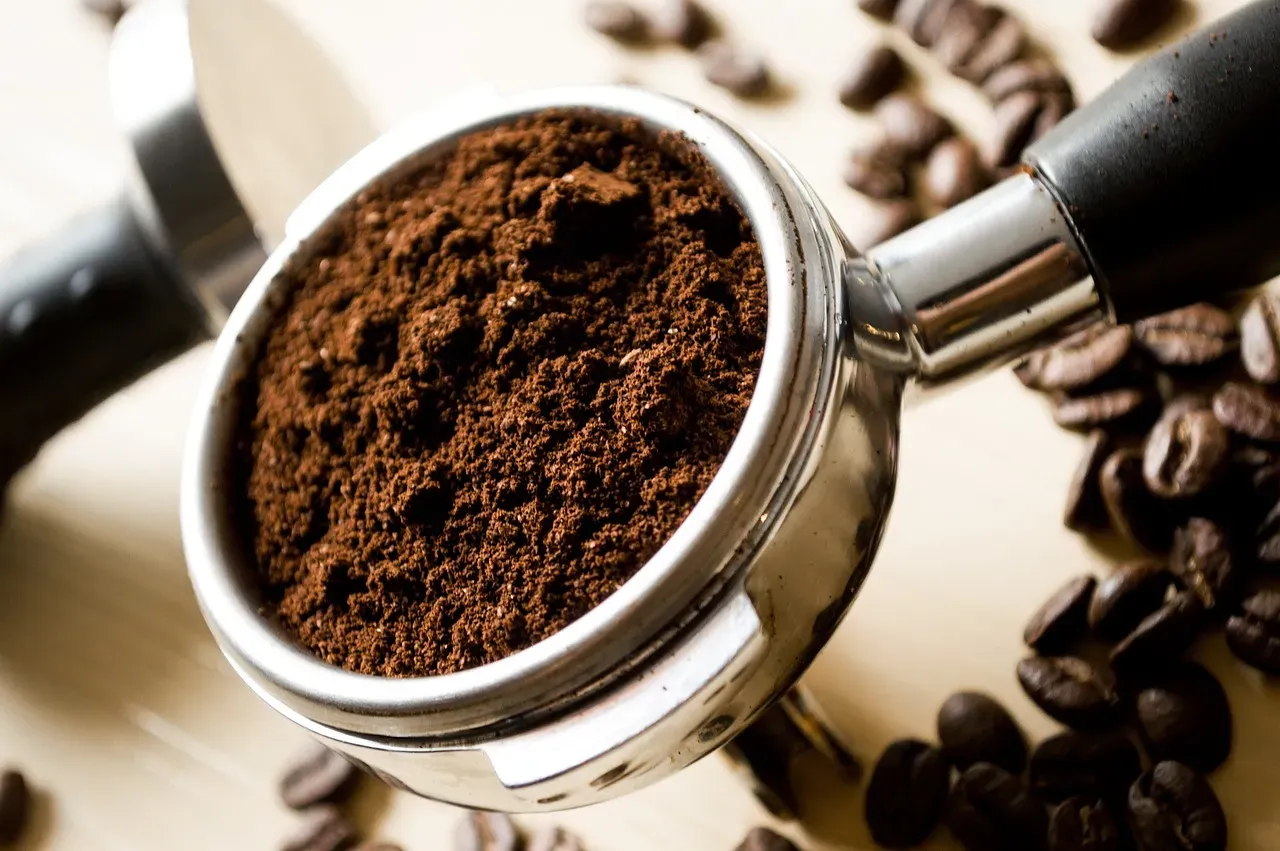
You brewed the coffee. The grounds look used up. So into the trash they go, right? Not so fast. Coffee grounds are a great source of nitrogen, contain some of the other two major plant elements, phosphorus and potassium, and are also a good source of micronutrients like magnesium, copper, calcium, zinc, manganese, and iron.
Coffee grounds, along with other organic materials like eggshells and banana peels, offer a promising solution for improving food security. This research brings innovation to the forefront by reimagining kitchen waste as a valuable resource for sustainable agriculture. Even outside the garden, a cup of leftover coffee can be saved to enhance desserts, especially chocolate ones. Coffee can also be used in savory applications, like a red-eye gravy or Mexican mole sauce.
4. Eggshells
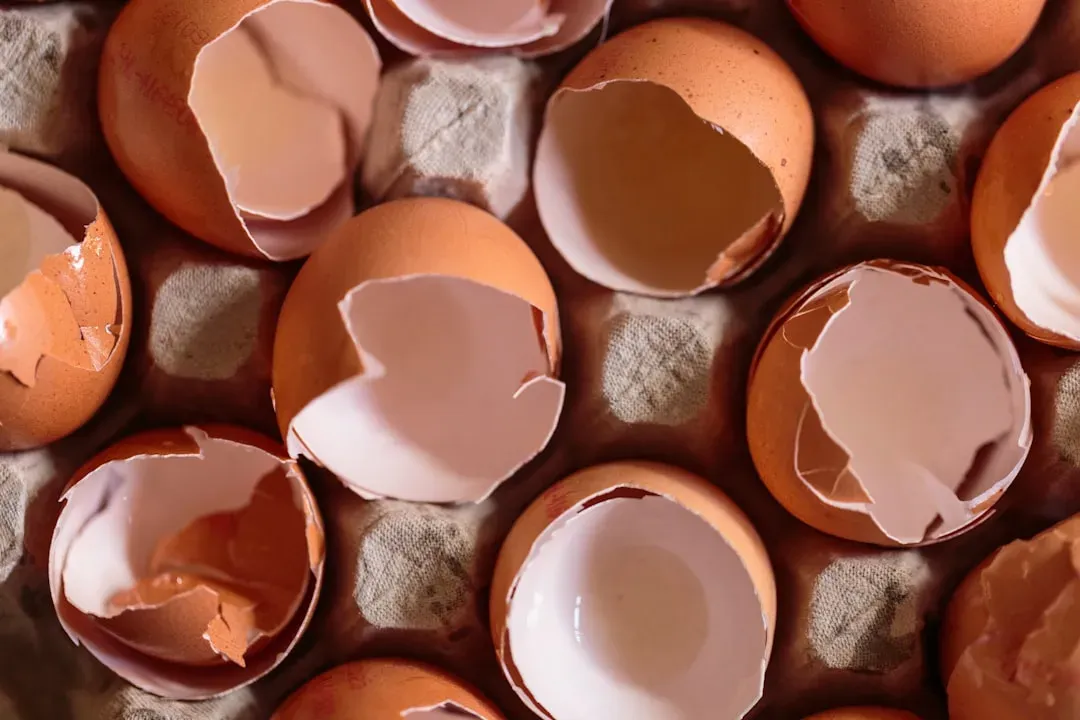
Cracked, empty, and seemingly worthless. That's how most people see eggshells. But they pack a real nutritional punch for both your garden and your home. The eggshells provide calcium, phosphorus, and magnesium. That trio of minerals is exactly what soil and growing plants need to thrive.
These materials, such as potassium, nitrogen, phosphorus, and calcium, help in healthy plant growth and root strength. A 2024 study published in the journal Macromolecular Symposia confirmed that coffee grounds, eggshells, and banana peels used as fertilizers positively affected the growth and germination of common bean plants, with the wet fertilizer mixture being more effective in promoting plant growth than the dry mixture.
5. Citrus Peels
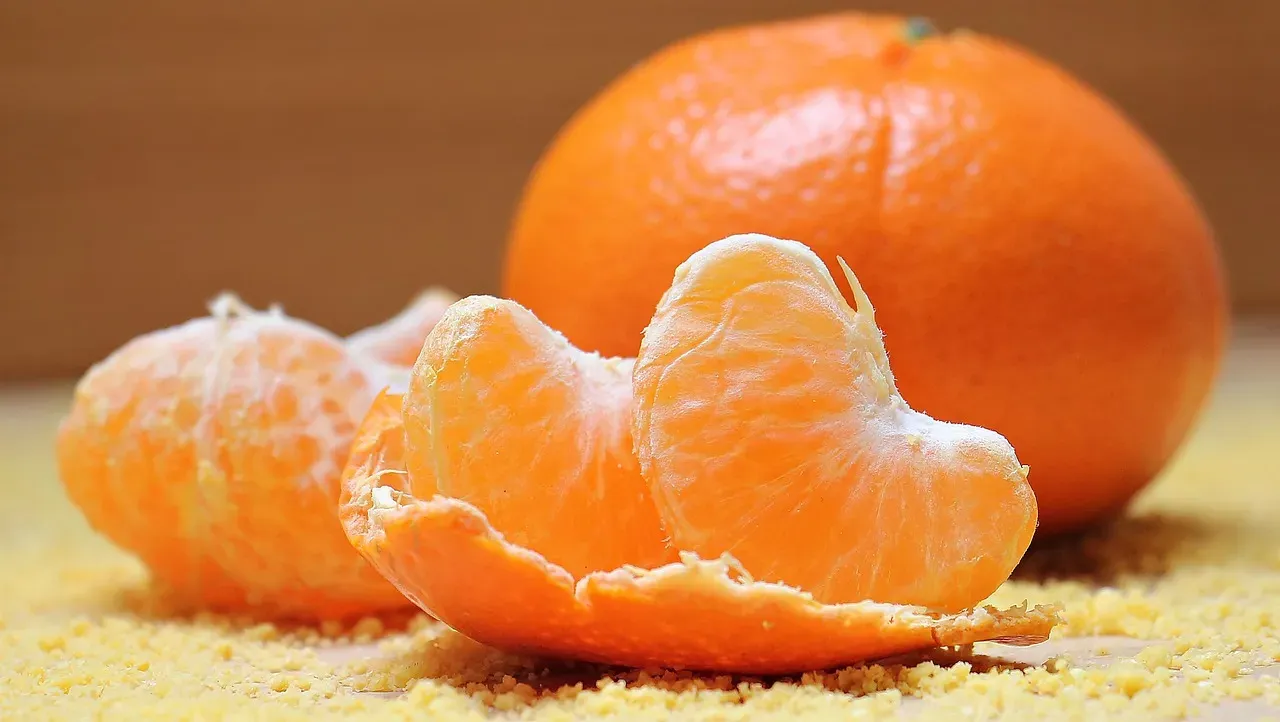
You squeeze the orange, eat the lemon slice, and toss the peel. Huge mistake. There's a ton of antioxidants and vitamin C in citrus peels such as grapefruit, lemons, limes, and oranges. Make sure you wash them thoroughly, then try making candied peels for a better-for-you sweet treat. Use the zest to brighten up baked goods and savory dishes.
Polyphenols, flavonoids and vitamin C from citrus peels are used as antioxidants, anti-bacterial agents, food packaging and food fortification. Research is increasingly exploring industrial uses too. At home, the simplest move is to zest before you juice. Dehydrating citrus peels is a great way to use entire oranges and lemons. Simply dry the peels in a warm oven and give them a blitz in your spice grinder. The end result is bright, fragrant, and adds a peppy pop to any dish.
6. Vegetable Scraps and Peelings
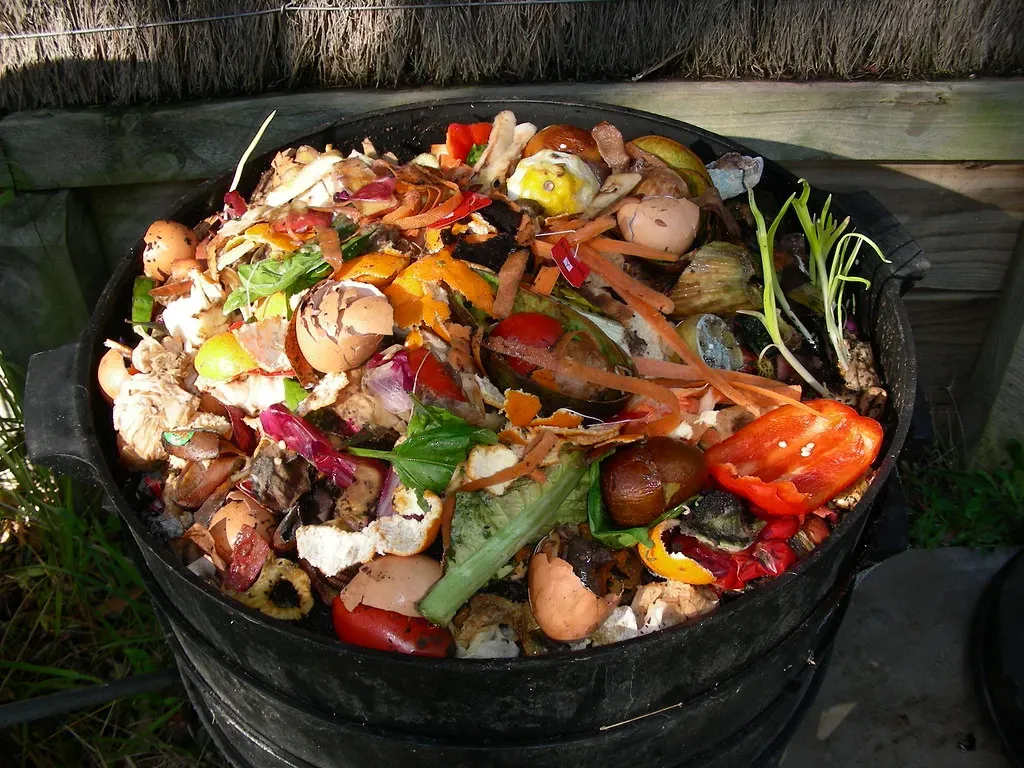
Carrot tops. Celery ends. Onion skins. Potato peels. They all go straight in the bin for most people, yet almost any vegetable scrap can be saved to make vegetable stock. Start collecting celery ends, carrot tops and onion skins for a DIY vegetable stock that beats store-bought.
A great way not to waste vegetable peels and ends is to collect them in a container in a freezer whenever you're preparing vegetables, then use the peels and ends to make your own vegetable broth. Note that it's best to do this with the peels and ends of organic vegetables as the pesticides are highest in the peels for non-organic vegetables. The celery leaves people always strip off and discard? The leaves are rich in magnesium, calcium, and vitamin C, and you can use celery leaves in salads, as part of vegetable stock, or a garnish.
7. Pickle Brine
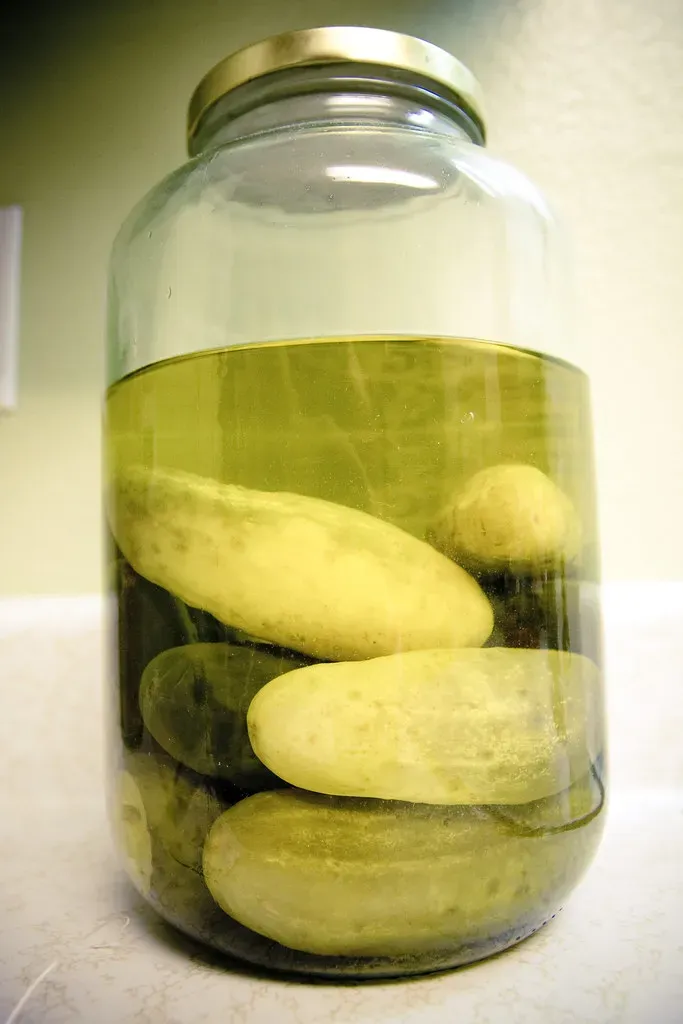
Let's be real, almost every single person pours pickle brine down the drain without a second glance. That liquid is far more useful than people give it credit for. Pickle brine can be used to pickle other things, give some tang to salads or salad dressings, add some zip to martinis or bloody marys.
Provided you've got enough pickle juice, you can even use it to tenderize lean meats like turkey before roasting. There are also plenty of uses for brine in cocktails, with both olive and pickle brine adding a deliciously savory element to drinks like martinis and Bloody Marys. The fermented kind is even better. Cultured vegetable brine can have quite the tang. That tangy liquid can be just as delicious as vinegar on a salad dressing. Plus, it adds enzymes and probiotics.
8. Parmesan Rinds
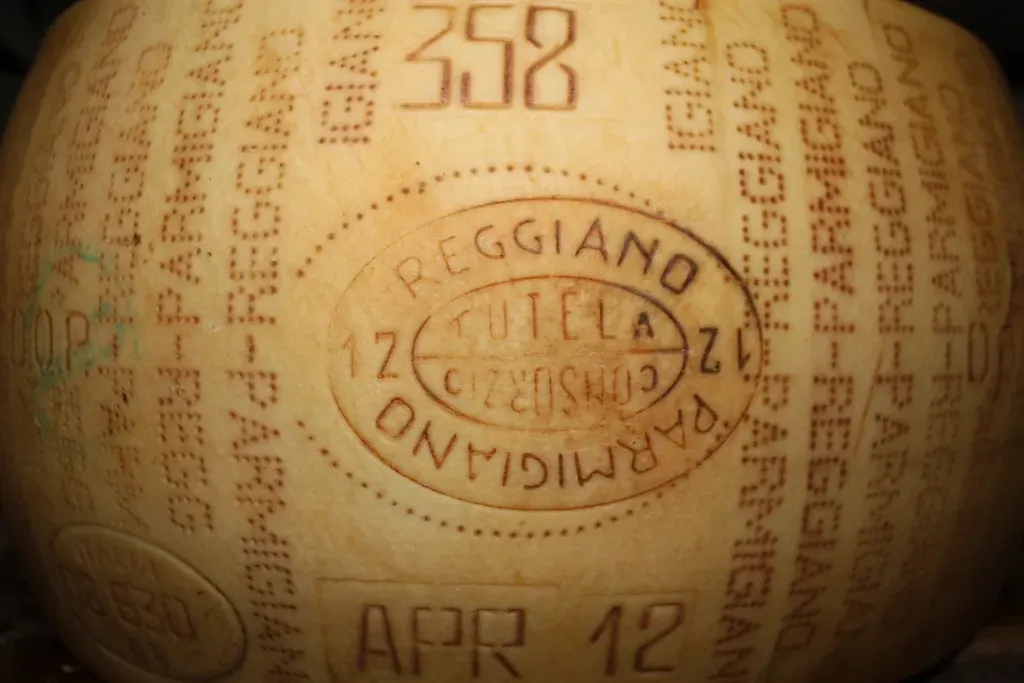
You get to the end of a block of Parmesan and that hard, waxy rind gets tossed. This is genuinely one of the most wasteful habits in any kitchen. The rind at the end of your Parmigiano-Reggiano cheese is packed with a salty, umami flavor that can really enhance your dishes. Try throwing a rind into your pot of minestrone or pasta sauce while cooking and remove before serving.
Whether you're making a rich soup, creamy risotto, or decadent pasta sauce, you should follow the Italian tradition of saving your rinds and adding them to your dishes as they cook. The cheese rind will melt as your sauce simmers, thickening the base and introducing all sorts of cheesy, umami characteristics into the recipe. Think of it as a free flavour booster hiding in plain sight. You can also try puffing small pieces in the microwave for a crispy snack.
9. Overripe Fruit
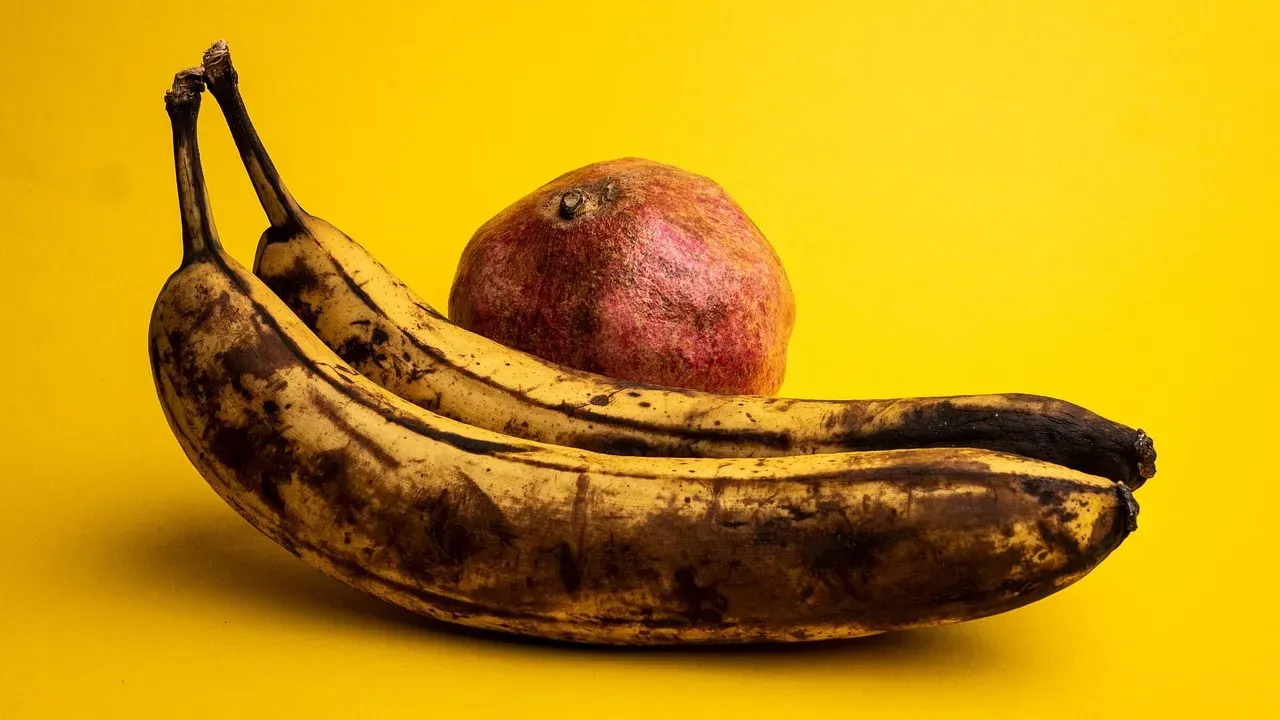
The moment fruit gets a little too soft, a little too spotted, most people mentally write it off. That's a mistake, and it adds up. In 2022, the world wasted 1.05 billion metric tons of food, amounting to nearly one fifth of food available to consumers being wasted at the retail, food service, and household levels. A good portion of that is fruit that still had a perfectly useful life ahead of it.
Place ripe or overripe bananas in the freezer and thaw later for banana bread or cake. You can also keep them frozen for your next smoothie or blend them up into an amazing one-ingredient banana ice cream. The same logic applies to other soft fruit. Some fruits on the verge of going overripe are even better baked. For other fruit that's a little too soft for your taste, but not rotten, make fruit jams or fruit butters made with apples, pears, or peaches in your slow cooker.
10. Watermelon Rind
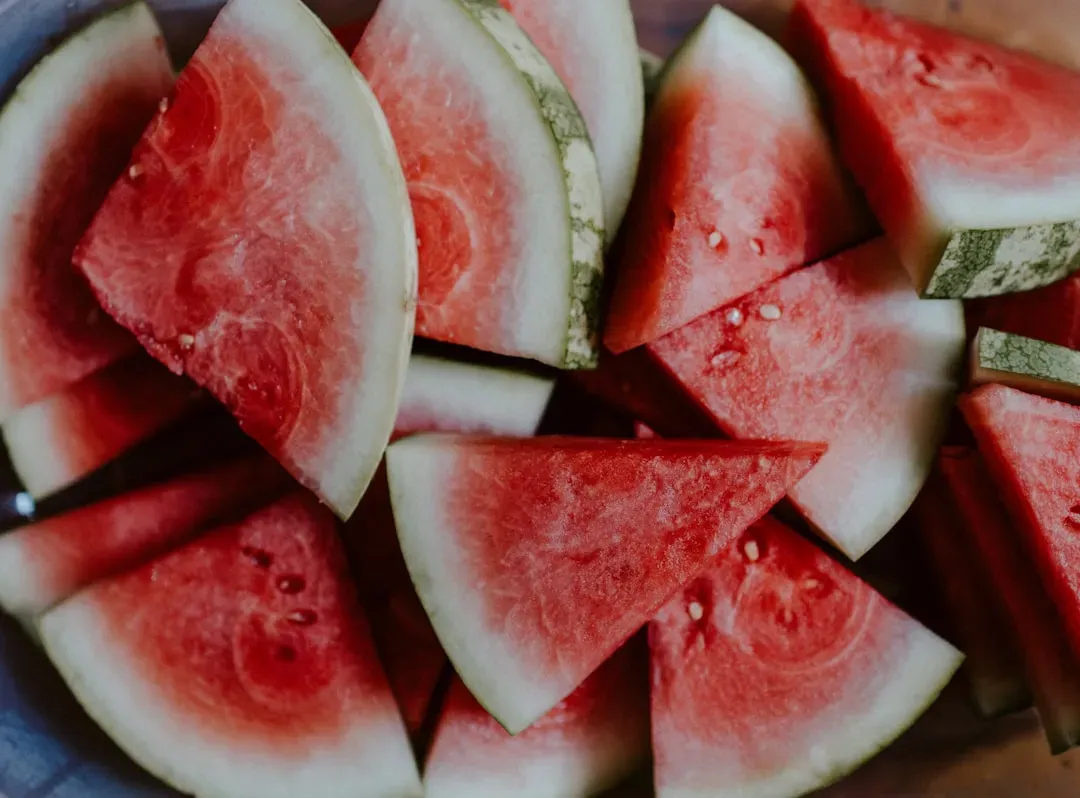
I know it sounds crazy, but that thick white-green rind surrounding your watermelon is completely edible and has a surprisingly long culinary history. Watermelon rind pickles use part of the fruit that often ends up discarded, creating a sweet treat with a pear-like texture. It's a zero-waste tradition that used to be standard practice in many households.
The rinds are edible, sweet and refreshing and can be pickled, cooked or eaten raw. They are a source of citrulline, an amino acid that helps relax and dilate arteries which is good for blood pressure, and also provide Vitamin C and B6. You can even ferment them easily at home. Simply peel and cut up the rind into bite-size pieces, stuff into a jar, add salt, water and, if desired, spices like dill and garlic, and let the jar sit for a few days. The naturally occurring bacteria on the watermelon will ferment the rinds into tangy pickles.




Leave a Reply