
You've just come back from the grocery store, arms full of fresh produce and pantry staples. Everything finds a spot in your kitchen with practiced ease. The tomatoes go into the fridge, potatoes and onions nestle together in the basket, bread gets tucked into the freezer for later. Simple, right?
Except here's the thing: most of us have been storing food wrong for years without even knowing it. These seemingly harmless habits might be draining the flavor from your tomatoes, turning your bread stale faster, or causing your potatoes to sprout prematurely. The worst part is, you're probably wasting money and perfectly good food simply because nobody ever taught you the proper way. Let's dive into the surprising truth about food storage mistakes you're making right now.
Tomatoes
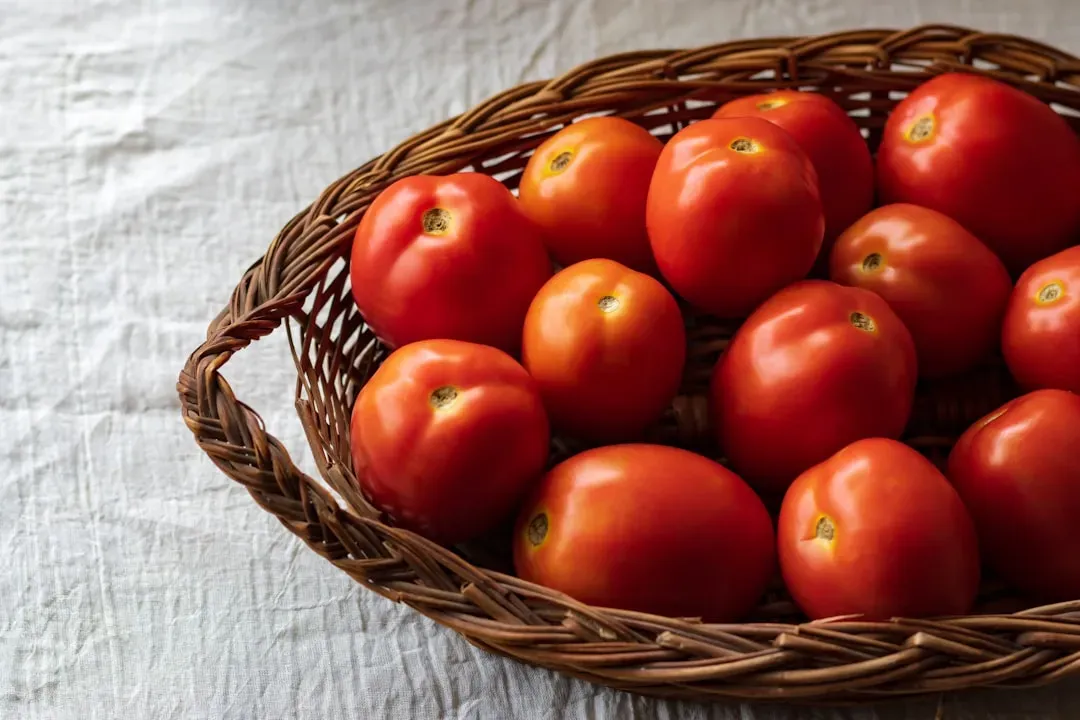
If you're storing tomatoes in the refrigerator, you're not alone. Most people assume cold storage keeps everything fresher longer. The reality is quite different.
Research from 2025 found that tomatoes stored at 4°C and 14°C exhibited the highest total soluble solids content at 5 days post-harvest, indicating optimal eating quality. Studies show that while low-temperature storage suppressed the release of some aroma compounds, it also reduced the levels of undesirable volatiles. The cold environment damages the delicate cell structure that gives tomatoes their characteristic flavor and texture.
The optimum temperature for ripening mature green tomatoes is from 65 to 70°F, while temperatures above 80°F may cause them to appear to ripen but may not have the best eating qualities. Keep your tomatoes on the counter at room temperature, away from direct sunlight. They'll reward you with better taste and juiciness.
Bread
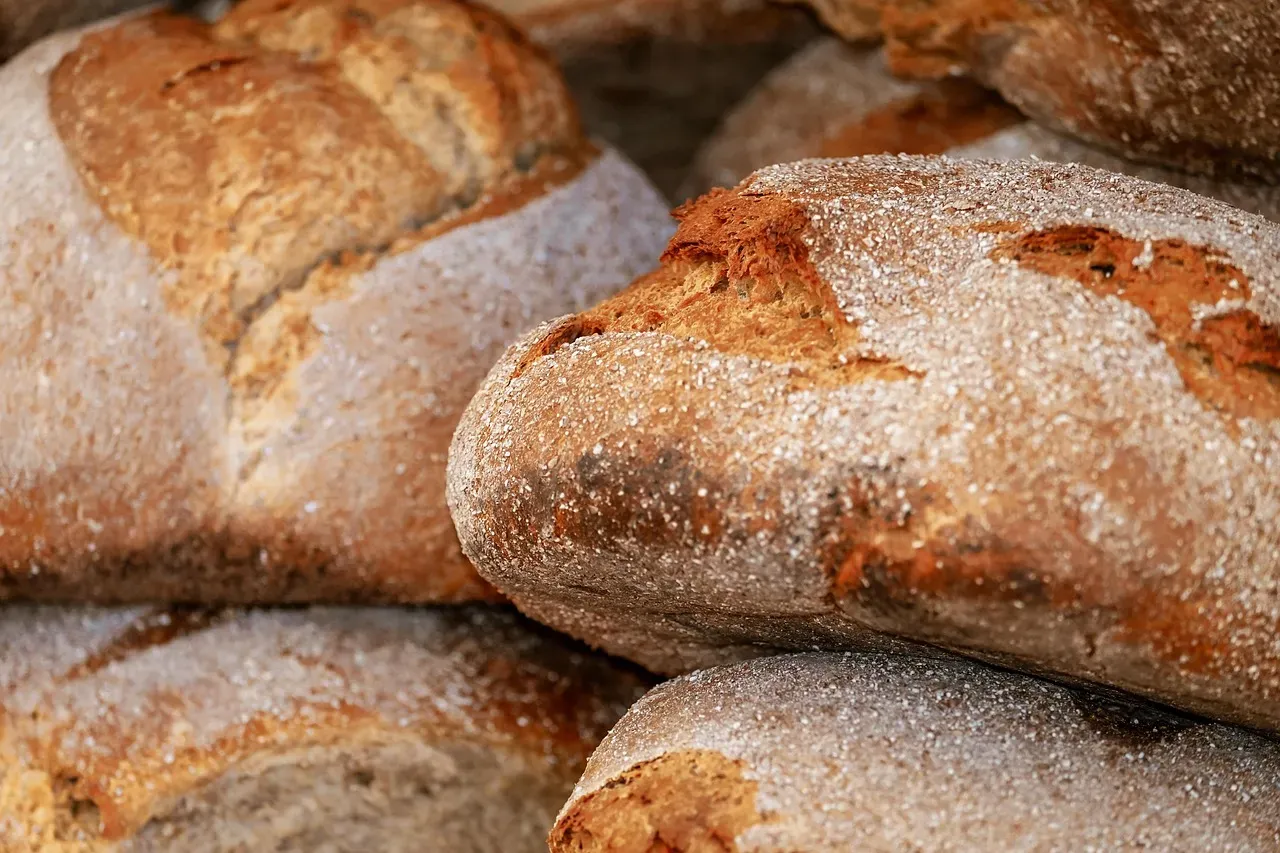
Tossing bread in the fridge seems logical if you want it to last longer. Honestly, it's one of the worst places you could put it.
Refrigerating bread can actually make it go stale faster because the cold temperature speeds up starch crystallization. This process, called retrogradation, causes the bread to become firm and dry much quicker than if you'd left it on your counter. The refrigerator is one of the worst places to store bread, as it speeds up the staling process, while storing bread at room temperature helps delay staling compared to refrigeration.
The best solution? The freezer is the best option for storing any type of bread that won't be consumed quickly, as freezing slows staling and brings the molding processes to a halt, keeping your bread fresh for weeks or even months. For short-term storage, keep bread in a bread box or paper bag at room temperature.
Potatoes and Onions Together
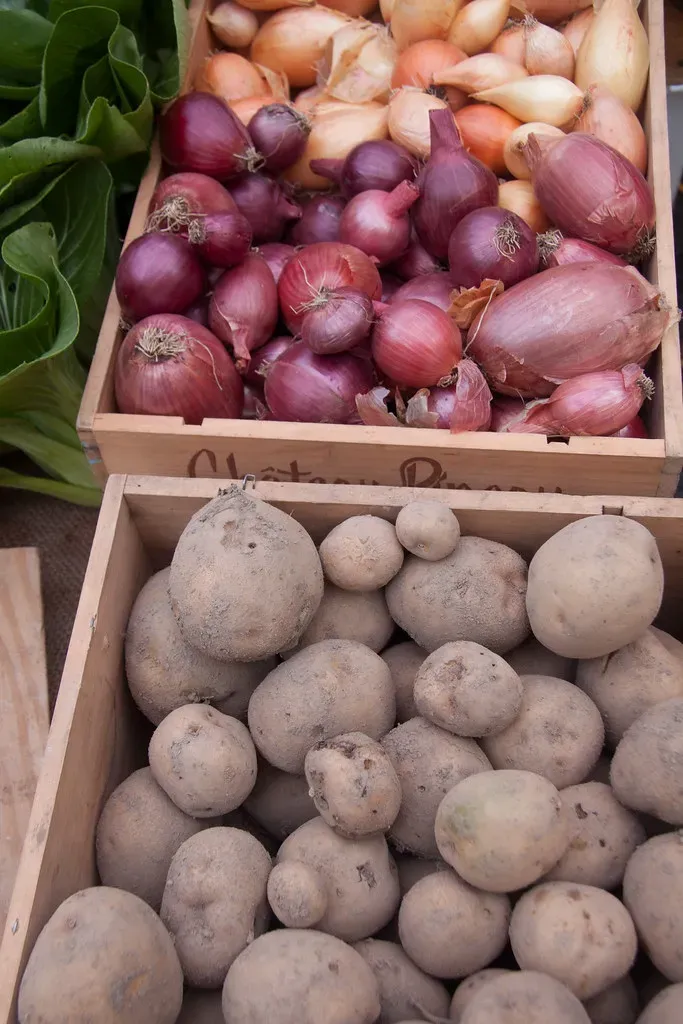
It makes perfect sense to store potatoes and onions together. They're both root vegetables, they both prefer cool, dark places, and they're kitchen staples you use constantly. Yet this common practice is sabotaging both.
Onions produce ethylene gas, a gas that causes potatoes to spoil prematurely. Conversely, potatoes' high moisture content can cause onions to turn brown and mushy. Research confirms that storing them together causes onions to release gases that accelerate potato sprouting, reducing freshness by up to 50%, with the USDA confirming this chemical interaction reduces potato shelf life by 30-50% compared to proper separation.
The solution is embarrassingly simple: give them space. Store potatoes and onions at least a few feet apart in your pantry, keeping both in cool, dry, and well-ventilated areas, using separate containers or shelves to extend freshness and prevent premature spoilage.
Honey
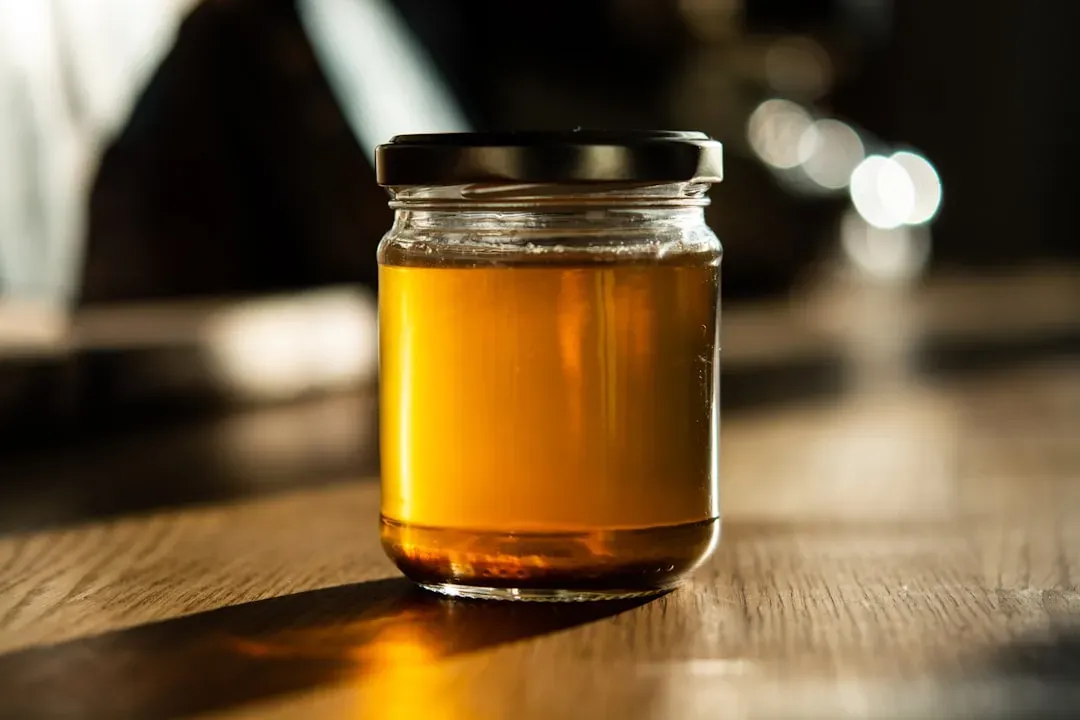
Walk into many kitchens and you'll find honey sitting in the refrigerator door. People think they're extending its shelf life. They're actually doing the opposite of what they intend.
Honey does not need refrigeration under normal conditions, as properly stored honey at room temperature maintains quality for years due to its natural preservative properties, while refrigeration can actually accelerate crystallization without extending shelf life. Refrigerator temperatures accelerate the process of crystallization.
Crystallized honey isn't spoiled, but it becomes harder to use and loses that smooth, pourable texture. Crystallization happens faster in lower temperatures, so it's best to store honey in a sealed container between 50 and 70 degrees Fahrenheit - roughly room temperature. Keep it in your pantry, sealed tight, and it'll stay perfect for years.
Berries
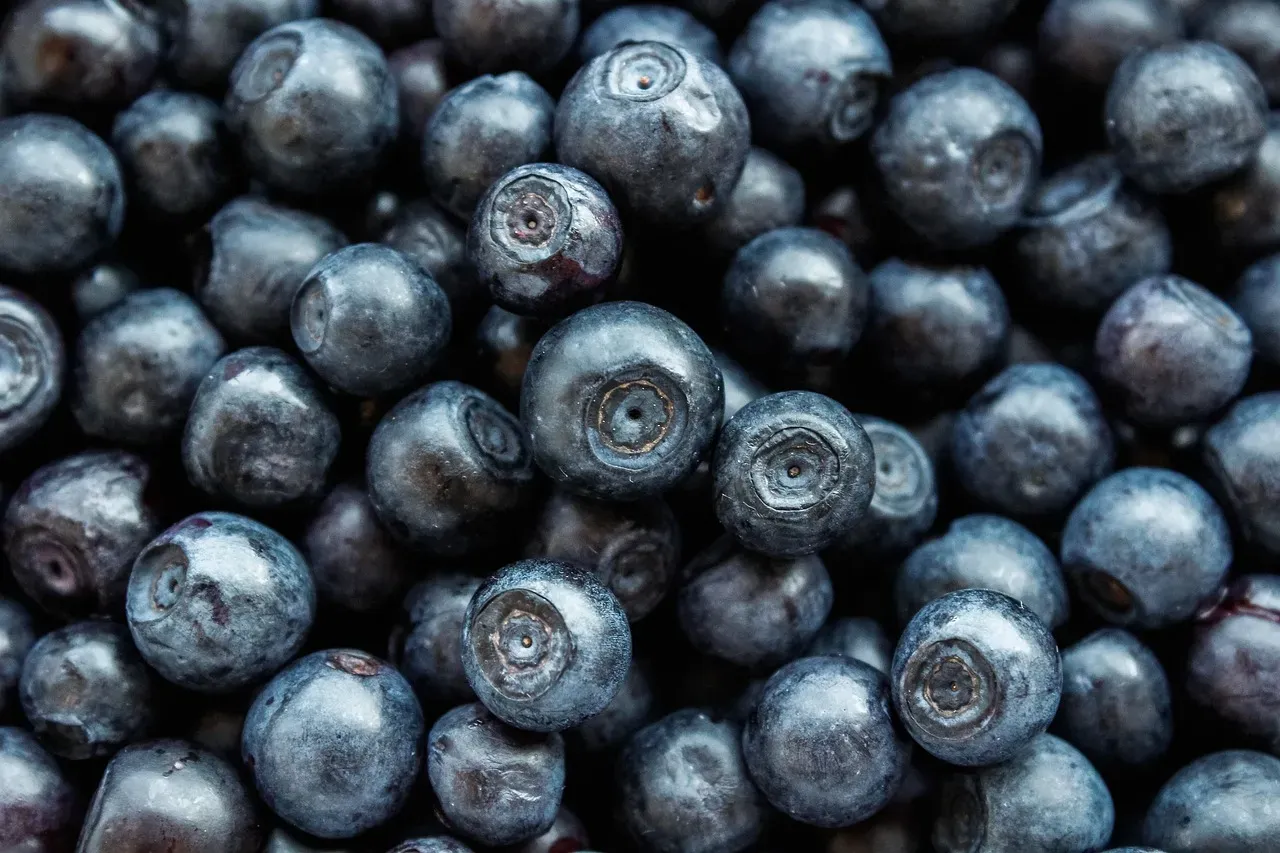
Here's where things get tricky. You'd think washing berries right away and storing them in the fridge would keep them fresh. Let's be real, that's a recipe for moldy berries within days.
To help ensure that berries stay fresh for longer, store them outside of the refrigerator, as moisture buildup may damage the fruit, so it's best to keep them out of the refrigerator and not wash them until you are ready to consume them. The combination of moisture and cold creates the perfect breeding ground for mold spores.
The trick is patience. Don't wash berries until you're actually going to eat them. Store them in the fridge if you must, but in a breathable container or the original package. Better yet, keep them at room temperature if you plan to eat them within a day or two.
Coffee
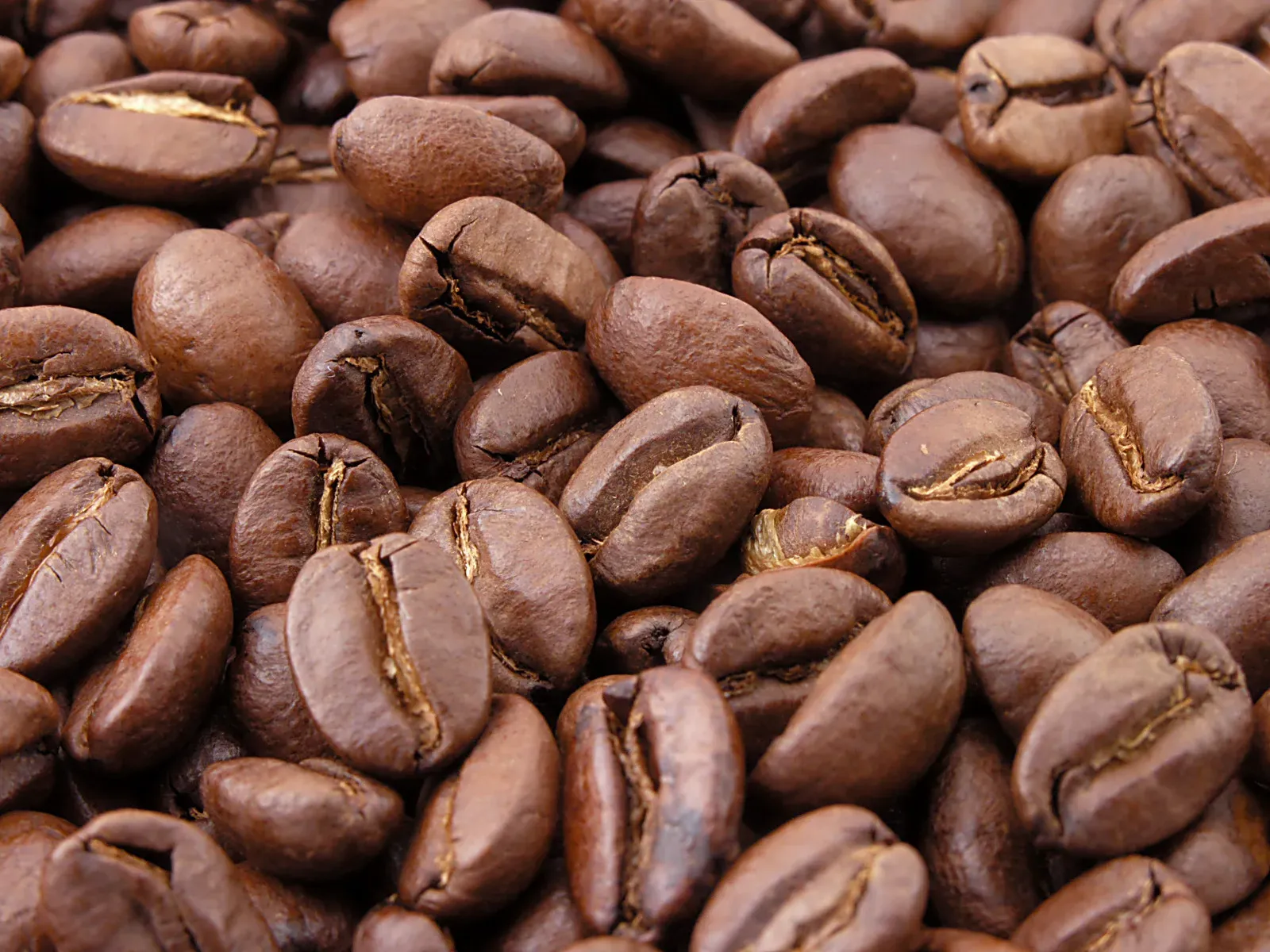
Coffee lovers swear by different storage methods, and the refrigerator or freezer is a popular choice. The thinking goes that cold temperatures preserve freshness. Unfortunately, coffee is incredibly absorbent and sensitive to moisture.
Stored in the fridge, your coffee is more likely to pick up other flavors around it, so instead, keep it in a sealed container, in the pantry away from sunlight. Every time you open that fridge container, condensation forms on the beans or grounds, degrading quality and introducing off-flavors.
Room temperature storage in an airtight, opaque container is ideal. Keep it away from heat sources and light. Your morning cup will taste noticeably better, trust me.
Cucumbers
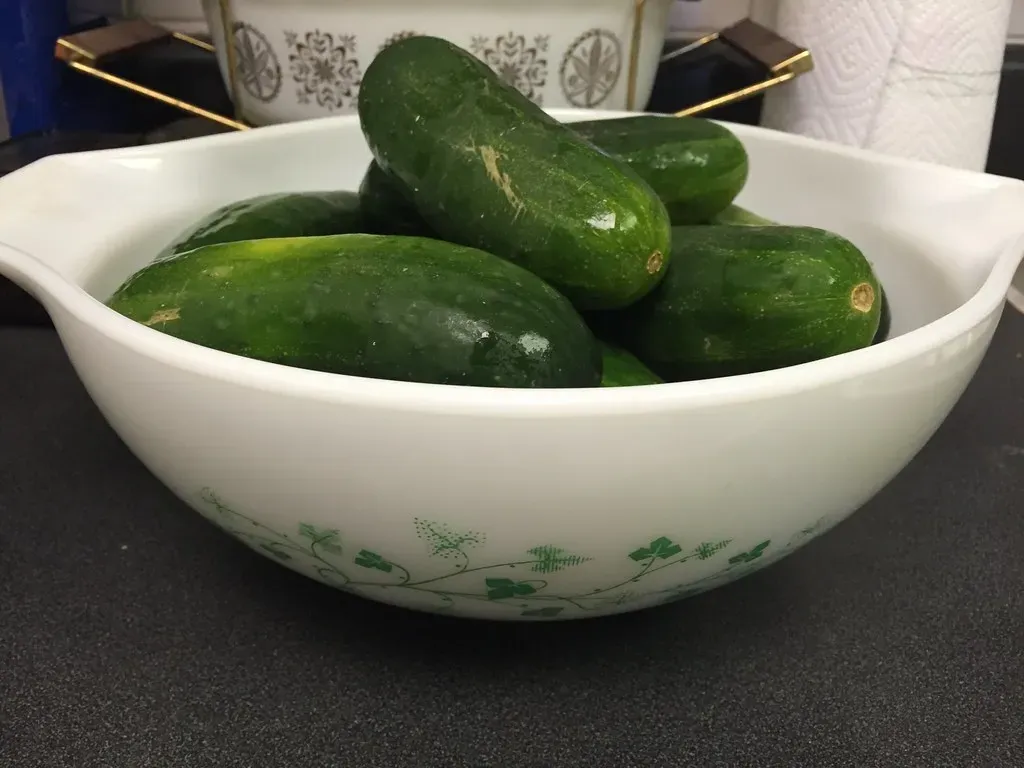
Most people automatically throw cucumbers in the crisper drawer. It seems natural for a vegetable that's mostly water. The cold, however, wreaks havoc on cucumber texture.
For optimal preservation of cucumbers, avoid storing them in the fridge as this may cause them to become watery and develop pits; instead, store them in an airtight container in your pantry or on the countertop. Cucumbers are chilling sensitive, and chilling injury can develop if fruit is stored below 50°F for more than 2 or 3 days.
Keep cucumbers at room temperature in a cool spot away from direct sunlight and other produce that emits ethylene gas, like tomatoes and bananas. They'll stay crisp and flavorful much longer this way.
Garlic
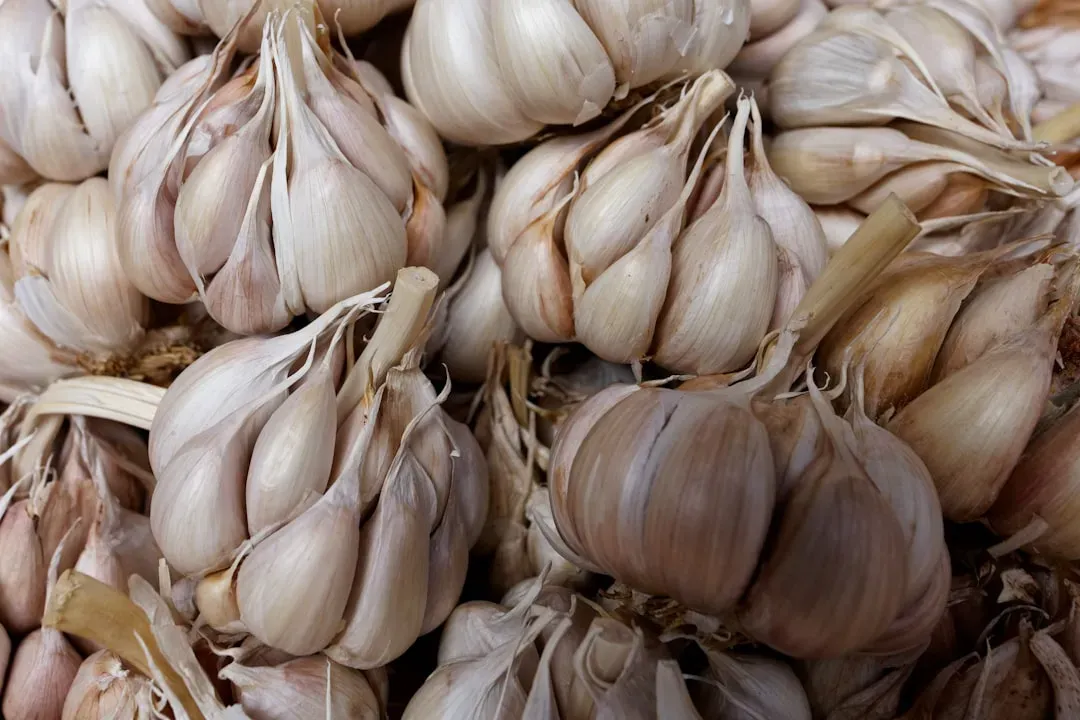
Garlic often ends up in the fridge because people think it'll last longer there. The moisture and cold temperature, though, cause garlic to sprout and become rubbery faster than you'd expect.
Onions and garlic are best stored in cool, dark environments, but it's also important the storage place is also a dry environment, as both are cured prior to being sold in grocery stores, with this curing process removing moisture from the outer layer of the skin. The refrigerator undoes that curing process by reintroducing moisture.
Store whole, unbroken garlic bulbs in a mesh bag or open container in your pantry. Garlic loves moderate temperatures - around 60-65 degrees - and dry, well-ventilated conditions; stored correctly, it will last for months. Once you break apart a bulb, use those cloves within a few days.
Olive Oil
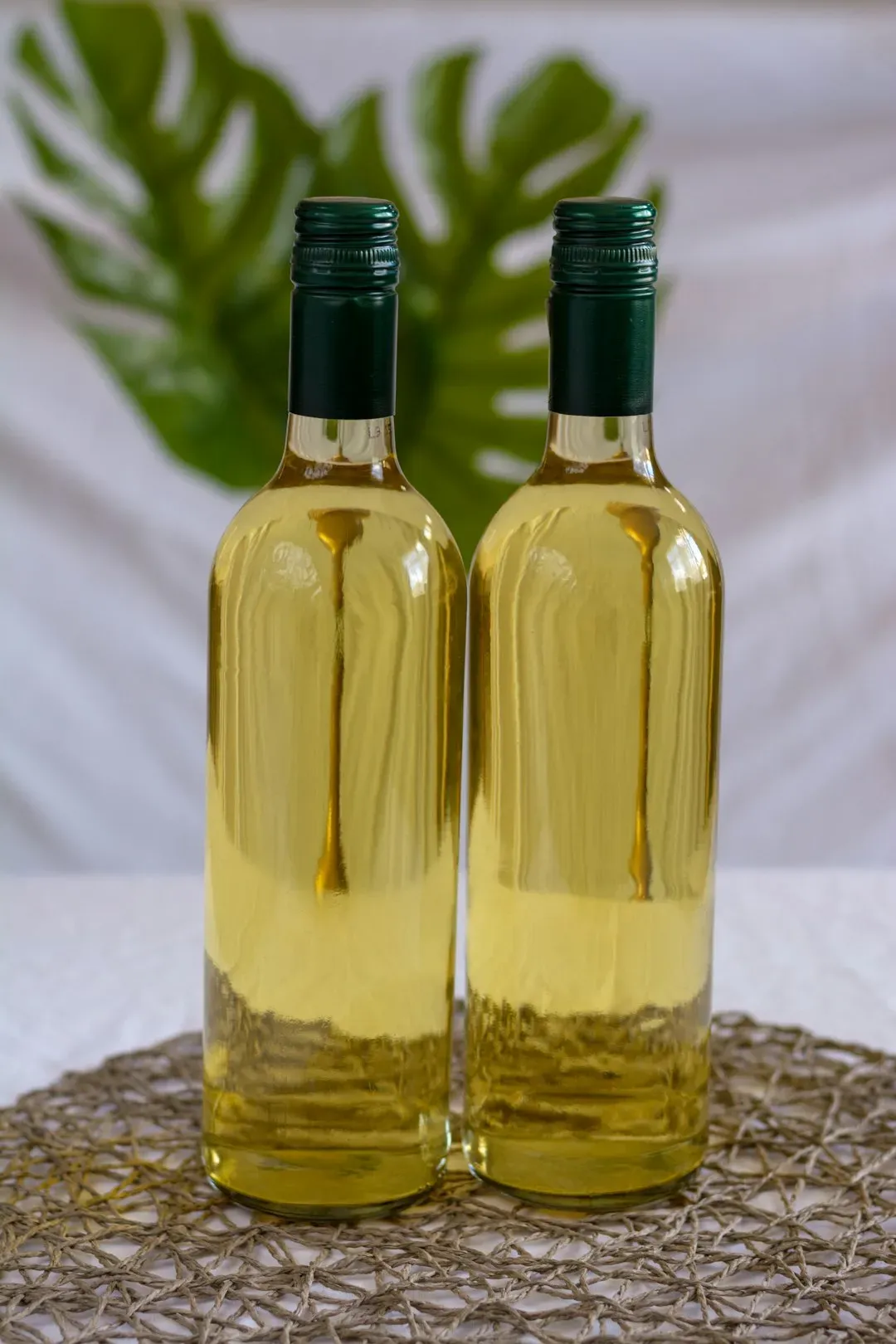
Some people store olive oil in the fridge thinking it'll prevent it from going rancid. While the intention is good, the execution causes more problems than it solves.
Olive oil can harden in the fridge, so avoid this by storing in a cool, dark area in your kitchen. When olive oil gets too cold, it solidifies and becomes cloudy. While this doesn't permanently damage the oil, constantly warming and cooling it can degrade quality over time.
The ideal spot is a kitchen cabinet away from the stove and sunlight. Room temperature in a dark place keeps olive oil at its peak for months. Use it within a reasonable timeframe and you won't have to worry about spoilage at all.
Bell Peppers
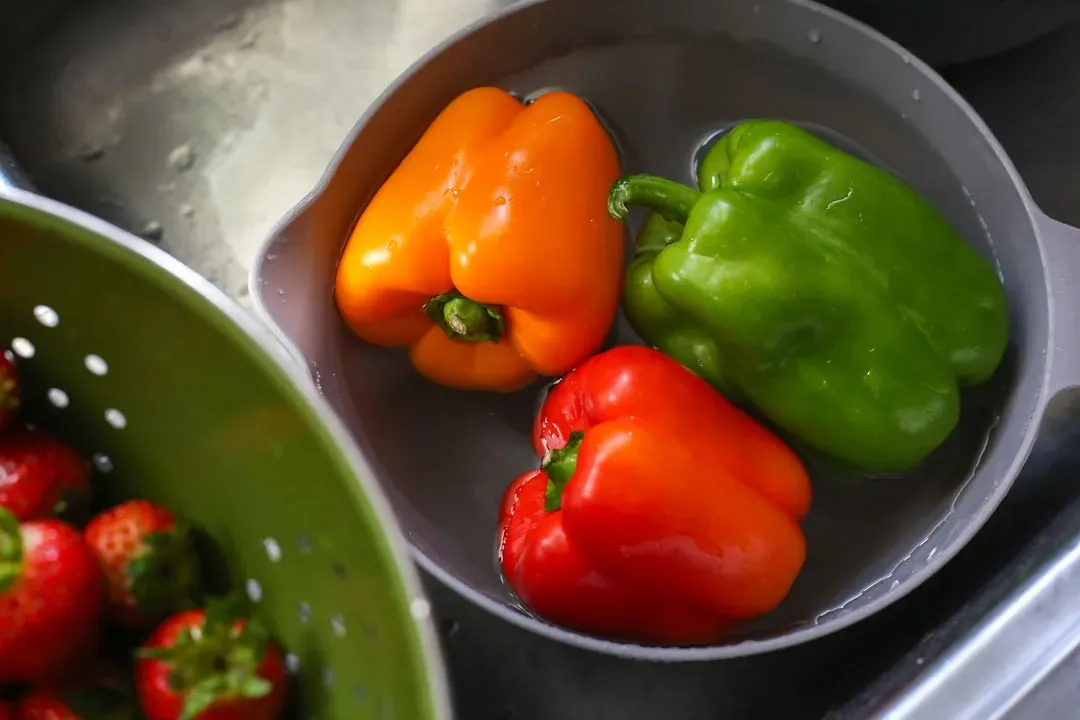
Bell peppers often go straight into the vegetable drawer because that's where vegetables belong, right? Not necessarily for peppers.
Bell peppers should be stored at room temperature, as if you put them in the refrigerator, their exterior may not be as crunchy. Temperatures lower than 45°F may cause chilling injury, and colored peppers are in general less chilling sensitive than green peppers.
Keep peppers on the counter in a cool spot if you're using them within a few days. They maintain better texture and flavor this way. If you absolutely must refrigerate them, use them quickly and expect a slight texture change. The crispness just won't be the same.




Leave a Reply