
Fruit gets a pass in almost every diet conversation. It's natural, it's colorful, it comes with vitamins - what's not to love? The problem is, not all fruit is created equal when it comes to sugar. Some of the most beloved options on the grocery shelf can quietly pack more sweetness than you'd expect, almost rivaling a candy bar in total sugar content.
All fruit contains sugar, although some varieties have a higher content than others. If you're actively trying to cut back, knowing which ones to limit is genuinely useful information. Let's dive in.
1. Mangoes: The Tropical Sugar Bomb
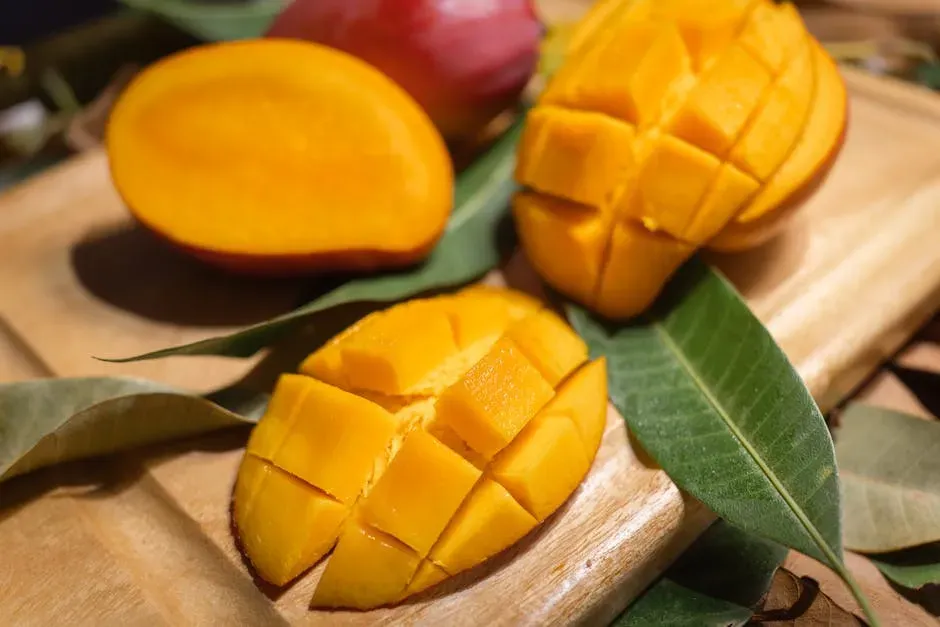
Mangoes are one of the most popular fruits on the planet, and honestly, it's easy to understand why. That rich, perfumed sweetness is borderline addictive. Here's the thing though - that sweetness comes at a cost.
A single cup of sliced mango contains about 23 grams of sugar, making it one of the sweeter fruits available. That's a significant number before you've even eaten anything else that day. Tropical fruits typically have higher sugar levels, with mangoes being a prime example.
For people watching their blood sugar, these rapid increases in blood glucose can make it challenging to maintain stable levels, and frequent consumption of high-GI fruits like mangoes can lead to greater variability in blood sugar readings. If you love mangoes, smaller portions are the smarter play.
2. Grapes: Innocent-Looking, Sugar-Loaded
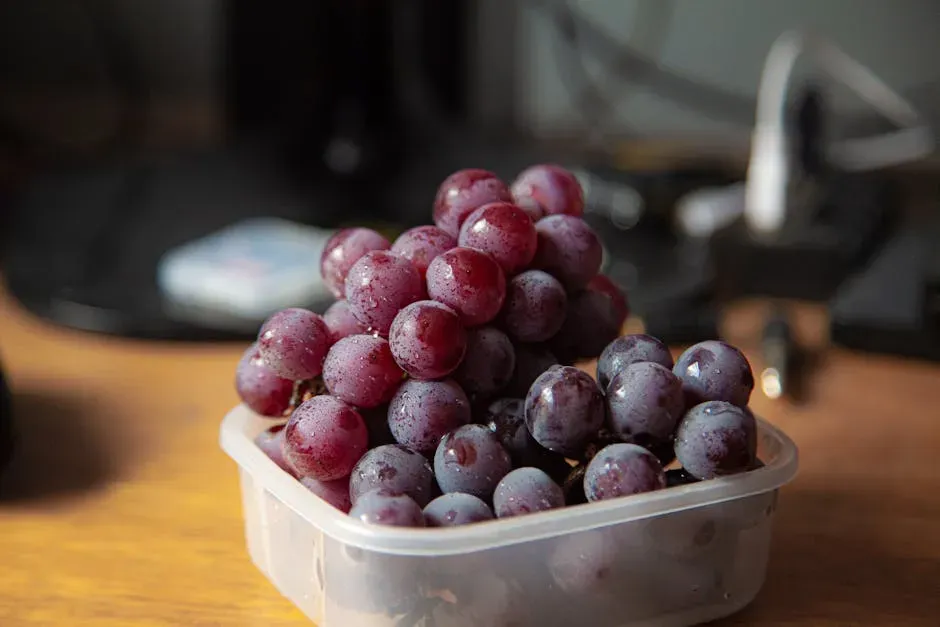
Grapes are dangerously easy to eat. You pop one, then another, and suddenly half the bunch is gone. What feels like a light snack can actually be a serious sugar hit in disguise.
Grapes are a convenient and tasty fruit, but they are high in natural sugars. Each grape contains a small amount of fructose, which adds up quickly when consumed by the handful. The sugars in grapes are easily and rapidly absorbed into the bloodstream, which can lead to swift increases in blood sugar levels.
This rapid absorption occurs because grapes lack significant fiber content to slow down the digestion and absorption process. Think of it like eating sugar with very little roadblock - the glucose just rushes straight in. Dried fruits and grapes contain the highest sugar content per serving among common fruit choices.
3. Bananas: The Riper, the Riskier
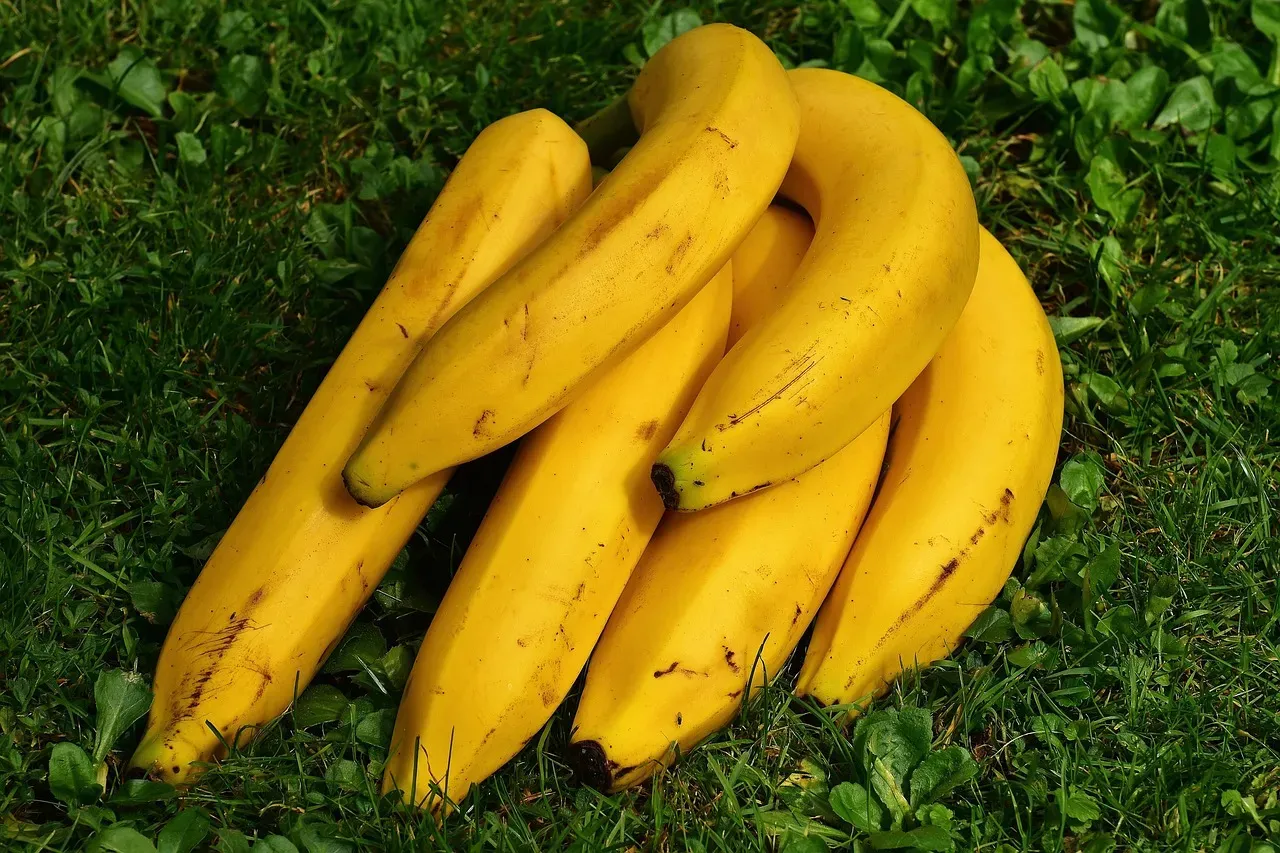
Bananas are a breakfast staple and gym bag essential around the world. They're filling, they're portable, and they genuinely do have nutritional value. Still, if you're cutting sugar, they deserve a closer look.
A medium banana has 14.4 grams of sugar. That might not sound alarming until you compare it to something like raspberries, where half a cup delivers under 3 grams. As a banana ripens, its sugar content increases, so riper bananas will raise blood sugar more than less ripe ones.
So that super-sweet, spotty banana sitting on your counter? It's essentially a more sugary version of itself. Bananas and mangoes have a higher amount of natural sugar than many other fruits. Choosing a greener, less ripe banana can make a measurable difference if you still want one.
4. Lychees: Small Fruit, Surprisingly Sweet
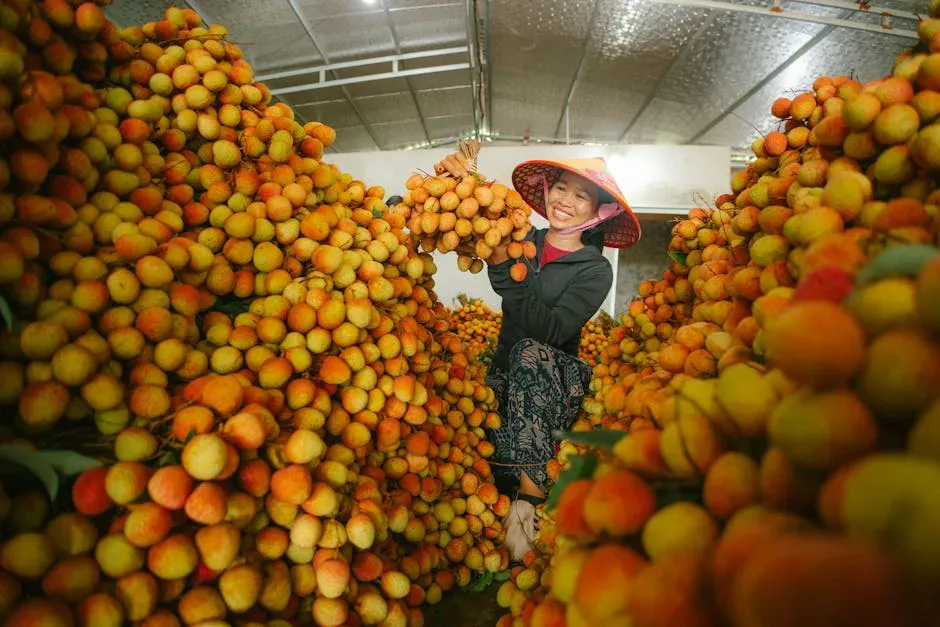
Lychees are a delicacy in many parts of Asia and increasingly popular in Western markets. They're small, fragrant, and almost jewel-like in their appearance. Don't let their size fool you, though.
Fruits high in sugar include litchis, passion-fruit, pomegranates, mangoes, cherries, oranges, kiwifruit, grapes, guavas, and bananas. Lychees sit right near the top of that list. A cup of raw lychee provides around 29 grams of sugar - nearly as much as some soft drinks.
Lychees contain polysaccharides and polyphenols, which have various health benefits. So they're not without merit. The issue is simply that eating a generous serving adds up to a substantial sugar load rather quickly, especially when snacking from a bowl.
5. Pineapple: Bright, Tangy, and High in Fructose

Pineapple is the kind of fruit that makes you feel like you're on vacation. It's vivid, tropical, and fiercely delicious. But means being honest about what's inside even the most cheerful-looking foods.
Pineapple is a rich source of minerals, vitamins, fiber, and other nutrients. It also has anti-inflammatory and antioxidant properties. The nutritional resume is genuinely impressive. The sugar content, however, is equally notable.
Super sweet fruits like mangos, grapes, cherries, pineapples, and others do have fiber to slow the absorption of their natural sugars, but they can still pack as much sugar as a cupcake, which is anything but helpful when trying to cut back. Pineapple is one of those fruits where even a modest serving sends the sugar count climbing fast.
6. Cherries: A Summer Treat Worth Watching
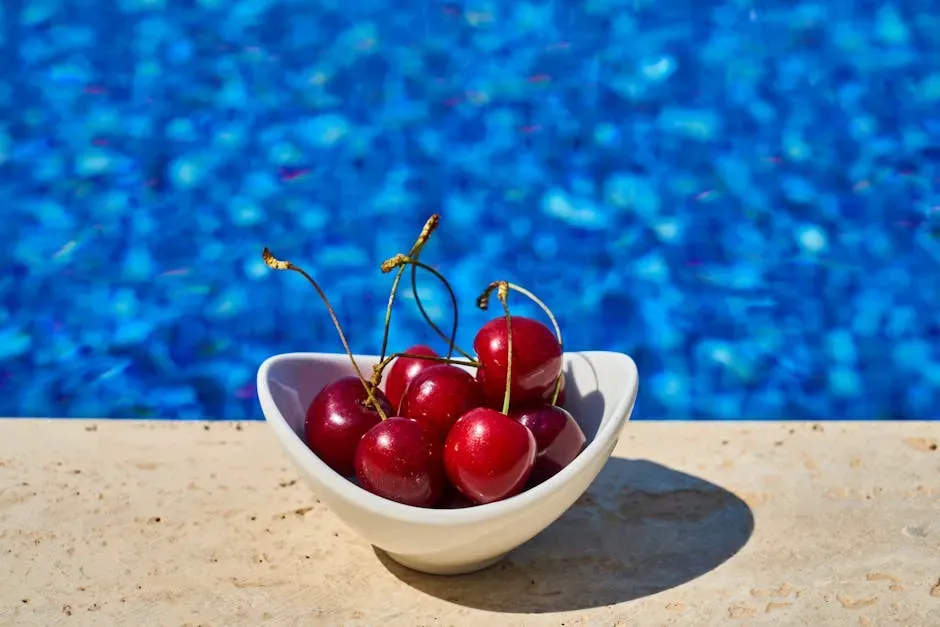
Few things beat a bowl of fresh cherries in summer. They feel indulgent yet wholesome at the same time, which is exactly why they sneak under the radar for so many people trying to eat healthier.
High-sugar fruits include mangoes, pears, grapes, cherries, bananas, figs, and watermelon. Cherries are firmly on that list. Like grapes, their small size makes it very easy to eat far more than intended.
Fruits with the highest sugar content include bananas, apples, grapes, cherries, and figs, according to a review updated in September 2025. Cherries also have a relatively higher glycemic index compared to berries, meaning the sugar spike comes on faster. Moderation is genuinely key here.
7. Figs: Dense, Sweet, and Easy to Overdo
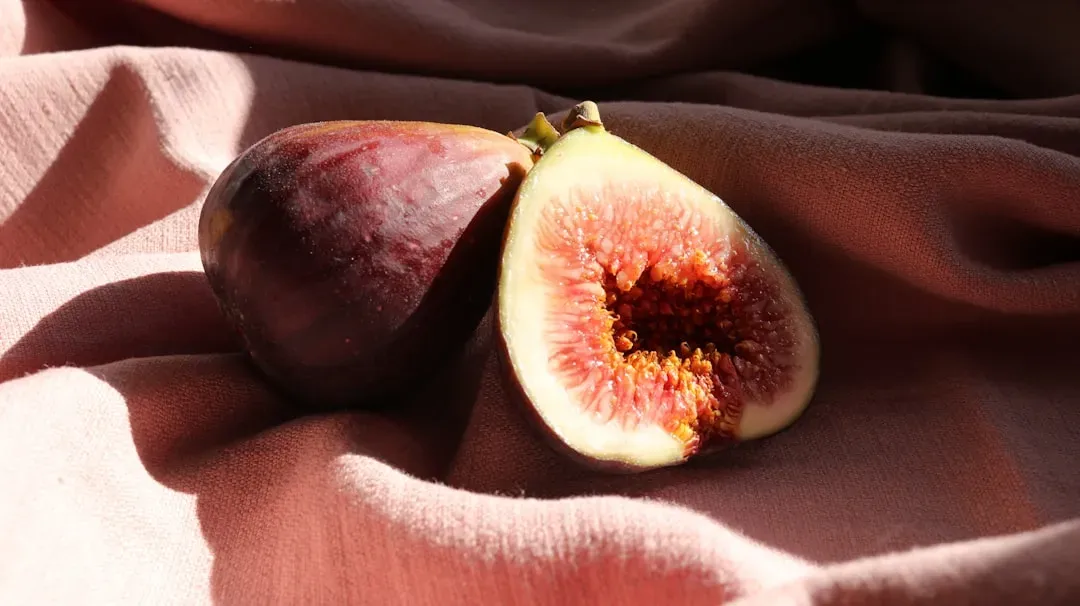
Fresh figs have a short season and a devoted fan base. They're gorgeous on a cheese board, amazing drizzled with a little honey, and packed with flavor. They're also very dense in natural sugar, which is worth understanding before reaching for a second helping.
Most whole fruits contain three types of sugar - glucose, fructose, and sucrose - in varying proportions. All can increase blood sugar levels and can result in adverse metabolic effects when consumed in excess. Figs, being dense and low in water content compared to watery fruits, deliver that sugar in a concentrated package.
It's hard to say for sure exactly how many figs most people eat in a sitting, but it's rarely just one. High-sugar fruits such as mangoes, pears, grapes, cherries, bananas, figs, and watermelon should be consumed in moderation. With figs, the serving size discipline matters perhaps more than with any other fresh fruit.
8. Dates: Nature's Sweetest Concentrate
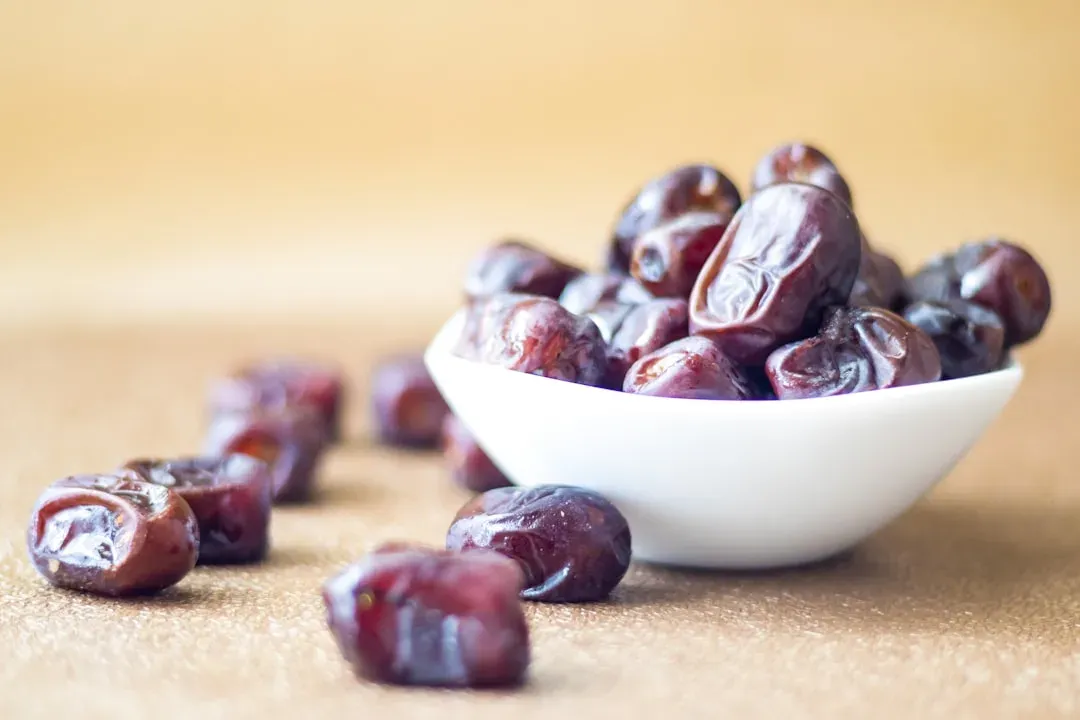
Dates have earned superfood status in many wellness circles, often used as a natural sugar replacement in energy balls, smoothies, and raw desserts. They are nutrient-rich, no question. They are also extraordinarily high in sugar - and that part often gets quietly glossed over.
The date palm is one of the oldest cultivated fruit crops. Dates are a great source of energy and easily absorbed carbohydrates because they are high in sugars, such as fructose and glucose. That "easily absorbed" quality is exactly what makes them a concern for sugar-watchers.
A cup of chopped dates contains a staggering 101 grams of sugar. To put that in perspective, the American Heart Association recommends that women consume less than 25 grams of added sugar per day, and men less than 36. According to the American Heart Association, healthy adults should aim for less than 36 grams of sugar per day for men and less than 25 grams per day for women. Even a modest portion of dates can blow past that ceiling.
9. Dried Fruit: The Sugar Trap in Disguise
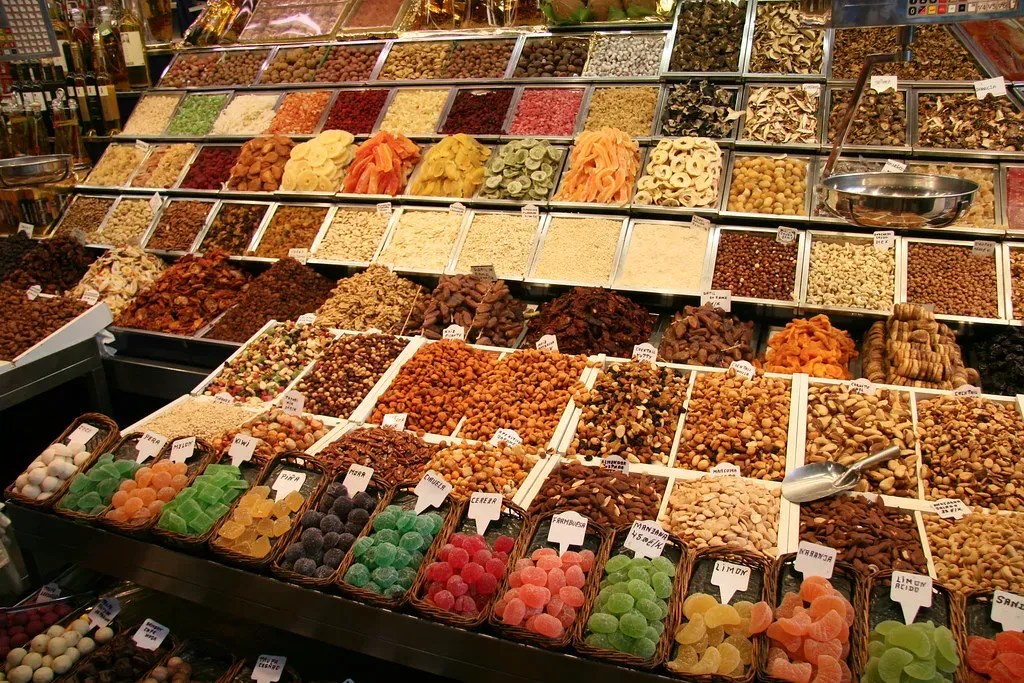
Raisins, dried apricots, dried mango, dried cranberries - the dried fruit aisle looks like a health-food paradise. Trail mix, granola, snack packs. The marketing is clever and the convenience is real. The sugar situation, though, deserves some serious attention.
Dried fruits are concentrated sources of sugars. People may need smaller servings, by weight, of dried fruit to consume the same amount of sugar as fresh fruit alternatives. Think of dehydrating a grape into a raisin - the water disappears but all the sugar stays behind, crammed into a tiny, chewy package.
Dried fruit and fruit leather are often injected with extra sugar and are nutritionally comparable to a candy bar. Even without added sugars, the natural sugar concentration in dried fruit is dramatically higher than in the fresh equivalent. In general, dried fruits like raisins, dried currants, and dried apricots are high in sugar. Reading the label carefully is non-negotiable here.
10. Watermelon: The Hidden High-GI Surprise
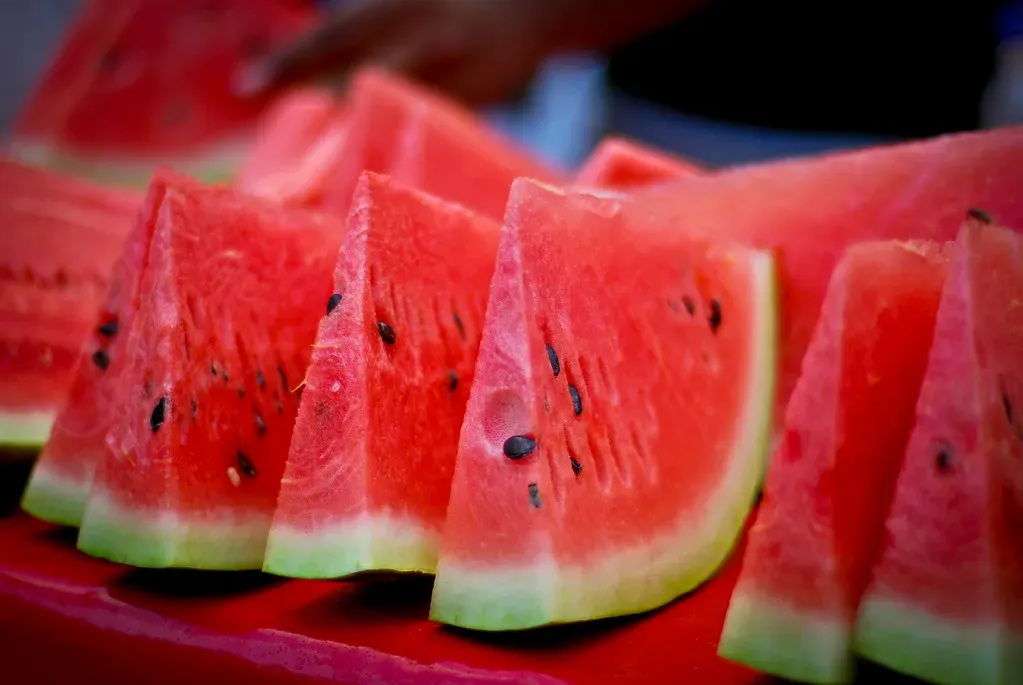
Watermelon feels like the ultimate guilt-free summer food. It's mostly water, it's refreshing, and it somehow feels more like hydration than dessert. That's partly true - but the glycemic picture is a little more complicated.
The glycemic index uses a scale of 0 to 100 to indicate how a particular food impacts blood sugar. Generally, the body processes foods with higher GI values more quickly, resulting in more rapid and sharp rises in blood glucose. Watermelon sits in the higher GI range among fruits, which means it can cause a quicker blood sugar spike than you might expect from something that tastes so light.
If you consume a hearty wedge of watermelon (300 grams) containing just six grams of sugar per 100 grams of the fruit, you may end up consuming about 20 grams of sugar. Although a distinction can be made between fruits based on their sugar content, it is the serving size that matters a lot. So the issue with watermelon isn't the sugar per gram - it's how much of it most people actually eat. If a person wants to limit fruits higher in sugar, they may wish to avoid watermelon, bananas, and pineapples.
The Bigger Picture: You Don't Have to Give Up Fruit

None of this means you should swear off mangoes forever or feel guilty for eating a bowl of grapes. The goal isn't fear - it's awareness. No natural food, including fruit, is inherently bad. The overall composition of your meals matters more than any individual component when it comes to a healthy diet.
Because the fructose in fruit is accompanied by fiber, it slows down your body's insulin response, making it a healthier alternative to added sugars. Whole fruit, eaten in reasonable amounts, is almost always a better choice than processed sweets. If people want to reduce their sugar intake, they may want to consider fruits such as lemons, limes, avocados, blackberries, strawberries, oranges, honeydew melon, peaches, and grapefruit.
The real lesson here is simple: knowledge is power at the fruit bowl. Some fruits deserve a smaller portion, a less frequent appearance, or a swap for a lower-sugar alternative. Paying attention to what you're eating, rather than assuming all fruit is automatically "free," is a small shift that can make a real difference over time. What would you have guessed was the highest-sugar fruit on this list? Tell us in the comments.




Leave a Reply