
You pull up to the pump, your stomach growls, and before you know it you're inside the gas station eyeing the racks of colorful packaging. It's a decision most of us make without thinking twice. But here's the thing - some of those quick grabs are doing more damage than a juicy, greasy double burger ever could.
The science is more alarming than most people realize. Doctors and nutrition researchers have been sounding alarms about ultra-processed foods for years, and the evidence is only getting stronger heading into 2026. So before you grab your go-to road snack, you might want to read this first.
1. Roller Grill Hot Dogs: A Cancer Risk on a Stick

Let's start with the most iconic gas station food of all time - the roller grill hot dog. It spins there under the heat lamp, looking harmless and oddly inviting. But what most people don't know is that the World Health Organization has classified processed meat as a Group 1 carcinogen. Processed meat has been placed in the same category as causes of cancer such as tobacco smoking and asbestos, though this does not mean they are all equally dangerous.
Just 50 grams a day, about six slices of bacon or one hot dog, has been linked to an 18% higher risk of developing colorectal cancer. That may not seem like much, but over time, it adds up. Beyond cancer risk, processed meats usually contain high amounts of fat, cholesterol, and sodium, which all contribute to heart disease.
Although they are an iconic symbol of summertime cookouts and baseball games, hotdogs are notoriously unhealthy. They are full of fat, sodium, and mechanically separated meat. Honestly, a plain double burger from a sit-down spot is a far better gamble for your long-term health than this spinning tube of processed meat that's been sitting under a heat lamp for hours.
2. Gas Station Snack Cakes: Saturated Fat Disguised as Dessert

Those little wrapped cakes near the register look innocent. Affordable, sweet, and perfectly packaged. But look a little closer and the numbers get uncomfortable fast. Their Red Velvet Creme Filled Cakes have 35 grams of sugar and 16 grams of fat, including nearly half of the daily recommended intake of saturated fats.
They also have trans fat, which has been determined unsafe by the FDA as it is so unhealthy. Trans fat is one of those substances that doctors consistently put at the very top of the "do not eat" list. It raises bad cholesterol and lowers good cholesterol simultaneously - a double punch to your cardiovascular system.
Snack cakes are a perfect example of what researchers call ultra-processed foods, meaning foods that go well beyond basic cooking. Ultra-processed foods have one or more ingredients that would not be found in a kitchen, like chemical-based preservatives, emulsifiers like hydrogenated oils, sweeteners like high fructose corn syrup, and artificial colors and flavors. You are essentially eating a chemistry project wrapped in cellophane.
3. Beef Jerky and Meat Sticks: Preservative Overload
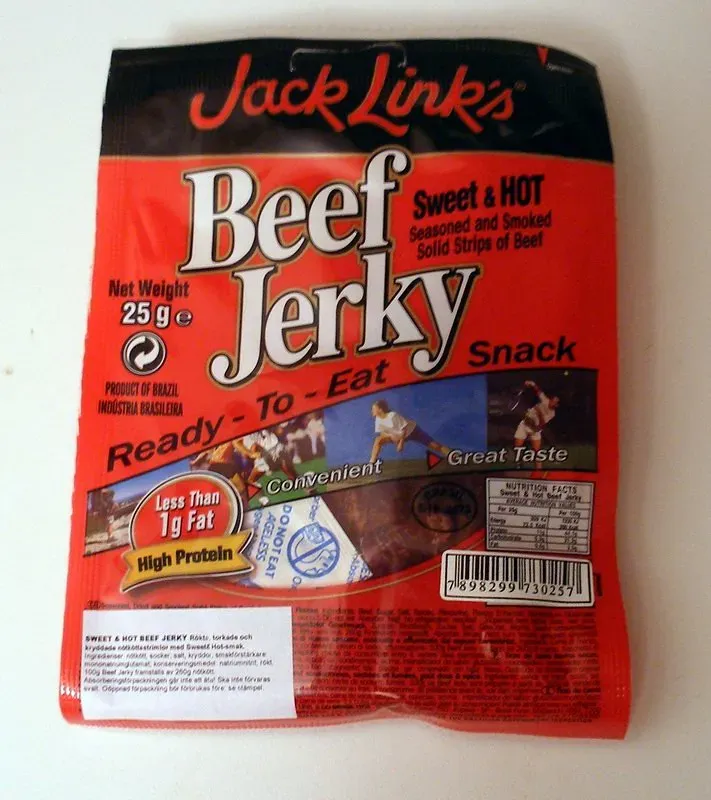
Beef jerky is often marketed as a "protein snack," which makes it feel like a reasonable choice. It's not. A Classic Slim Jim clocks in at a modest 160 calories, but 110 of those calories are from fat - that's 13 grams, and one fifth of your recommended daily allotment of fat. That ratio is genuinely alarming for something so small you could finish it in three bites.
When nitrite is added to processed foods, it can form nitrosamines in the body, which can increase your risk of developing cancer. Sodium nitrite and nitrate in processed meats have been linked to cancer by the World Health Organization, and the International Agency for Research on Cancer has classified processed meat as "probably carcinogenic to humans."
The sodium levels in these little sticks are another disaster. According to the American Cancer Society, there is good evidence that consuming large quantities of foods preserved by salting is associated with increased risk of stomach, nasopharyngeal, and throat cancers. That snappy, salty stick at the counter? It's carrying a lot more baggage than its small size suggests.
4. Potato Chips: Empty Calories with Serious Consequences

Potato chips are practically the face of gas station snacking. Potato chips are notoriously a poor snack choice, with little nutritional value and a load of fat and carbohydrates. They are one of those foods that feel filling for about ten minutes and then leave you reaching for more, which is no accident.
The processes and ingredients used to create ultra-processed foods often make them hyperpalatable, meaning they are designed to be exceptionally appealing to the human palate and can be addictive. Ultra-processed foods typically contain a combination of ingredients like sugar, fat, and salt that stimulate the brain's reward system, making it hard to stop eating them.
The real damage is compounded over time. Dozens of studies have provided evidence suggesting that high ultra-processed food consumption is associated with a range of adverse health outcomes, including obesity, metabolic syndrome, heart disease, cerebrovascular disease, depression, anxiety, cancer and mortality from all causes. That bag of chips is not just a snack. It is a habit your body pays for quietly, for years.
5. Flavored Doritos: Engineered to Hijack Your Brain
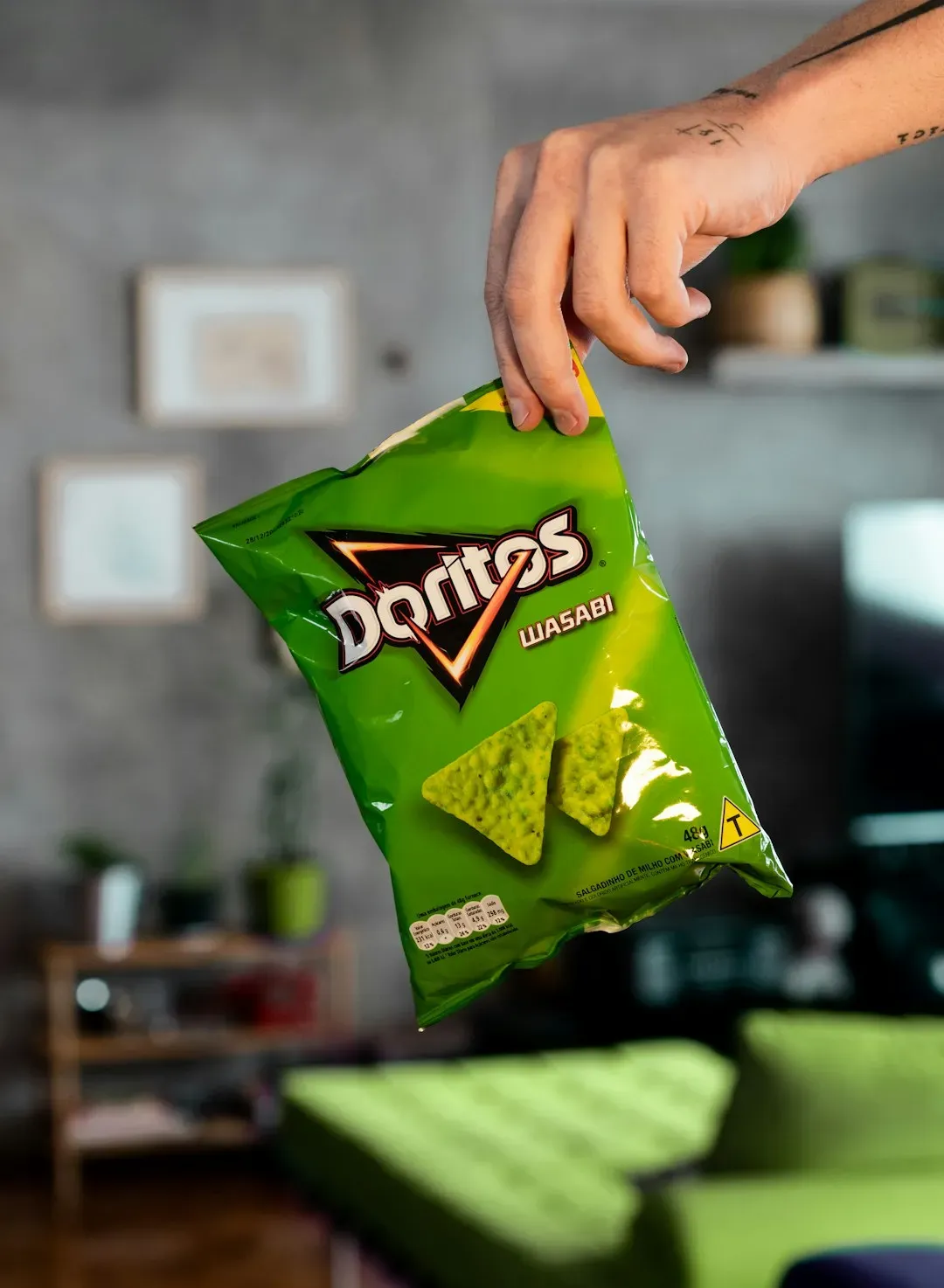
Here is where it gets genuinely surprising. Doritos have a nutritional profile that might not look catastrophic at first glance, but that is exactly the trap. Doritos may not have as many calories or grams of fat as other processed snacks at the gas station, but it is the list of ingredients you need to watch out for. The flavor profile of this favorite chip is designed to keep you eating more and more without being satisfied.
Some of the ingredients include Monosodium Glutamate, artificial colors and flavors, genetically modified vegetable oil and corn maltodextrin. That is a cocktail of additives your body was never designed to process in large quantities. It's like a bag engineered in a lab to override your natural "stop eating" signal.
The bigger risk is the behavioral pattern these snacks create. A recent systematic review suggests that ultra-processed foods may impair appetite regulation and stimulate reward-related pathways in the brain, potentially leading to reduced satiety and increased food intake. One bag can quietly trigger a cycle of overeating that spills into the rest of your day.
6. Powdered Mini Donuts: Blood Sugar Chaos in a Bag

Those dusty little white circles sitting in a clear plastic bag near the checkout are a staple of gas station snack culture. They look almost comically small and harmless. I know it sounds crazy, but those donuts may be one of the most metabolically disruptive things you can eat on an empty stomach.
The powdered package mini donuts are a popular convenience store find for breakfast, but the nutritional information is no way to start the day. A serving of four packs 13 grams of sugar and a whopping 6 grams of saturated fat, which is sure to spike your blood sugar and set you up to be hungry and not remotely nutritionally satisfied just a short while later.
The disassembling and reassembling of chemical and physical structures caused by processing affects how our bodies metabolize these foods, making them "pre-digested." This leads to rapid absorption of sugar and fat and spikes in blood glucose. That spike is the real problem. It is followed by a crash, and then you are hungry again before you've reached the next exit. The cycle is exhausting for your pancreas.
7. Chocolate-Covered Pretzels: The Triple Threat of Salt, Sugar, and Fat

Chocolate-covered pretzels feel like a compromise - a little salty, a little sweet, not too indulgent. That middle-ground thinking is exactly why they are so dangerous. They hit three separate pleasure triggers at once, making it almost impossible to stop at a reasonable portion.
Salt, sugar, and fat is the pound-packing trifecta, and these chocolate-covered pretzels have plenty of all three. Although packages at convenience stores usually hold a few servings, the actual serving size is just eight chocolate-covered pretzels, which seems like a nearly impossible feat to stop at.
These types of food are often crammed with saturated fat, salt, and sugar. They have been linked to a variety of health problems, including obesity, diabetes, cardiovascular disease, and cancer. Still, the combination of flavors and textures in chocolate-covered pretzels is almost sinisterly engineered to keep your hand going back into the bag. Portion control is not a realistic defense here.
8. Gas Station Slushies and Frozen Drinks: Liquid Sugar Overload

A gas station slushie on a hot day feels like a reward. Colorful, icy, refreshing. In reality, you are drinking something closer to a dessert than a beverage. A 44-ounce Dr. Pepper Slurpee contains about 825 calories, most of which come from sugar. That is roughly the calorie equivalent of a full meal - except there is essentially zero nutritional value to show for it.
For early humans, sugar was a rare and valuable source of calories, and the ability to detect and desire it helped ensure they got enough energy to survive. But today's sodas and sugary drinks deliver large amounts of pure sugar or high-fructose corn syrup in a way that our ancestors never encountered and lead to potential health issues like obesity, heart disease, type 2 diabetes, and others.
A 10% increase in ultra-processed food consumption was associated with a 64% higher risk for prediabetes and a 56% higher risk for problems with glucose regulation. Think of it this way: a double burger at least gives you protein. A giant slushie gives you nothing but a blood sugar rollercoaster that runs all afternoon.
9. Bottled Frappuccinos and Sweet Coffee Drinks: Dessert Disguised as Breakfast

The refrigerated section of any gas station is lined with those small glass bottles of ready-to-drink coffee drinks. They look harmless, maybe even sophisticated. You grab one thinking you are just getting your morning caffeine. You are actually getting much more than you bargained for.
You may need a java jolt on the road, but these bottled frappuccinos pack nearly twice the recommended daily intake of sugar, and almost 50 grams of carbs in just a small 13-ounce bottle. That is a staggering amount of sugar for something that is commonly grabbed as a casual morning drink before a long drive.
High consumption of ultra-processed foods is associated with a higher incidence of high blood pressure compared with eating fewer or unprocessed foods, according to a 2024 study. Pair that sweet coffee drink with those mini donuts and a bag of chips, and you have built a remarkably efficient recipe for metabolic damage before you have even hit the highway.
10. Energy Drinks: The Cardiovascular Gamble Nobody Talks About Enough
Energy drinks are everywhere at gas stations. They take up entire walls of refrigerator space, and the branding has only gotten more appealing and wellness-oriented in recent years. But the science behind them is genuinely worrying. Research has shown that energy drinks can disrupt normal heart function. People who consume energy drinks experience elevated blood pressure and abnormal electrical activity in the heart for hours afterward, changes that may raise the risk of serious, potentially life-threatening arrhythmias.
Energy drinks can contain anywhere from 25 to 93 grams of sugar per bottle or can. So one of these drinks, depending on the size, can contain three to four days' worth of sugar in it. Consistently consuming high amounts of sugar increases your risk for several chronic conditions, from obesity to diabetes to heart disease.
A comprehensive review shows a significant prevalence of adverse effects of energy drinks, particularly on the cardiovascular and neurovegetative systems. Specifically, researchers identified nine cases of cardiac arrest, three of which were fatal. The wellness branding and tropical can colors make these drinks look friendly, but research has linked energy drinks to cardiovascular issues like arrhythmias and, in rare but potentially fatal cases, sudden cardiac arrest, along with a wide range of health problems like seizures, stomach problems, poor sleep, and higher levels of stress and anxiety.




Leave a Reply