
Most pet owners know better than to hand a dog a beer or let the cat lick a plate of raw onions. Yet every single day, thousands of well-meaning pet parents accidentally poison their animals with ingredients that seem completely harmless, things sitting right there on the pantry shelf, nestled between the flour and the olive oil. No warning labels, no skull and crossbones, no obvious danger.
Each year, the ASPCA Poison Control Center compiles data to identify trends and raise awareness about the most common toxins pets encounter. In 2024 alone, ASPCA Poison Control responded to more than 451,000 calls related to toxic substance, plant, and poison exposures in animals - a nearly 4% increase in calls compared to the year prior. That number is going up, not down. Let's dive into exactly what's lurking in your kitchen right now.
1. Xylitol - The "Healthy" Sweetener That Can Kill Your Dog

Here's the thing: xylitol sounds innocent. It's marketed as a natural, low-calorie sugar substitute, and you'll find it in sugar-free gum, peanut butter, baked goods, candy, and even toothpaste. For humans, it's perfectly fine. For dogs, it's a different story entirely.
In most mammals, xylitol has no notable effect on insulin levels, but in dogs, xylitol stimulates a rapid, dose-dependent insulin release that can result in profound hypoglycemia. Basically, the dog's pancreas gets completely fooled, flooding the bloodstream with insulin when there is no actual sugar to process. The canine pancreas releases 3 to 7 times the amount of insulin it would release to address a similar amount of actual sugar, and blood sugar levels plummet, resulting in weakness, disorientation, tremors, and potential seizures.
Doses of xylitol greater than approximately 100 mg per kilogram of body weight have been associated with hypoglycemia in dogs. Some dogs ingesting xylitol at doses above 500 mg per kilogram may develop severe hepatic insufficiency or failure. To put this in perspective, it is possible for a small dog to be poisoned by a single stick of gum. If you keep sugar-free products in your home, read every single label - your dog's life may genuinely depend on it.
2. Chocolate - The Classic Danger That Still Catches Pet Owners Off Guard

Chocolate remains the top cause of holiday pet poisoning. Theobromine and caffeine - especially concentrated in dark chocolate, cacao, and cocoa powder - can cause vomiting, tremors, and heart problems. Most people have heard chocolate is bad for dogs, but not everyone understands just how serious the reaction can be, or how little it can take to cause serious harm.
Chocolate, coffee, and caffeine are similar in that their toxicity concerns stem from their methylxanthine concentrations, a group of compounds found in these products. When ingested by pets, methylxanthines can cause vomiting and diarrhea, panting, excessive thirst and urination, hyperactivity, abnormal heart rhythm, tremors, seizures, and even death. The heart symptoms in particular are what truly frighten veterinarians.
The darker (higher cacao percentage) the chocolate, or the higher the caffeine content, the greater the risk for toxicity. Unsweetened baking chocolate contains almost seven times more theobromine than milk chocolate. That block of baking chocolate in your pantry drawer is far more dangerous than a milk chocolate bar, which is worth knowing if you ever catch your dog sneaking a bite.
3. Onions and Garlic - Everyday Staples With a Hidden Dark Side
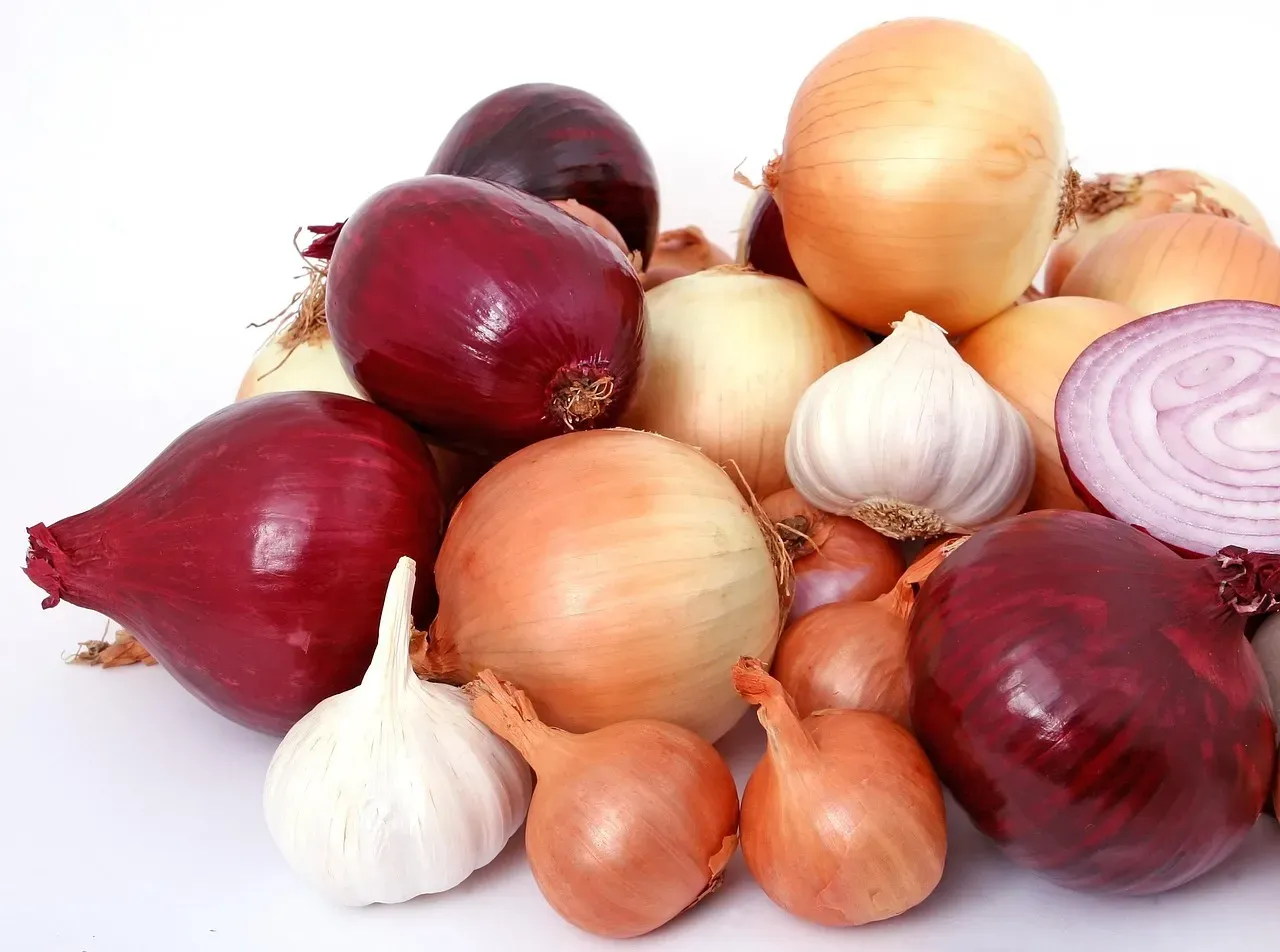
Allium vegetables such as onions, garlic, chives, and leeks are toxic to pets, whether raw, cooked, powdered, or dehydrated. Garlic is roughly five times more potent than onions. This completely catches most pet owners off guard, because garlic is so universally beloved as a healthy, natural ingredient. The fact that it is cooked makes zero difference, which is a critical point.
Onion, garlic, and chives are members of the Allium species of vegetables. Allium species can cause gastrointestinal irritation and red blood cell damage, which can lead to anemia. Although cats are more susceptible, dogs are also at risk depending on the amount ingested. The damage to red blood cells is what makes this so dangerous - it is not just about an upset stomach.
Symptoms may appear hours later and include vomiting, diarrhea, and pale gums. Pale gums are a sign of anemia and a clear signal that something is seriously wrong. Think about how often garlic powder is hiding in store-bought broths, sauces, and seasonings that well-meaning owners add to a pet's food to make it more appealing. The danger is real and widespread.
4. Grapes and Raisins - Tiny Fruits With Terrifying Consequences
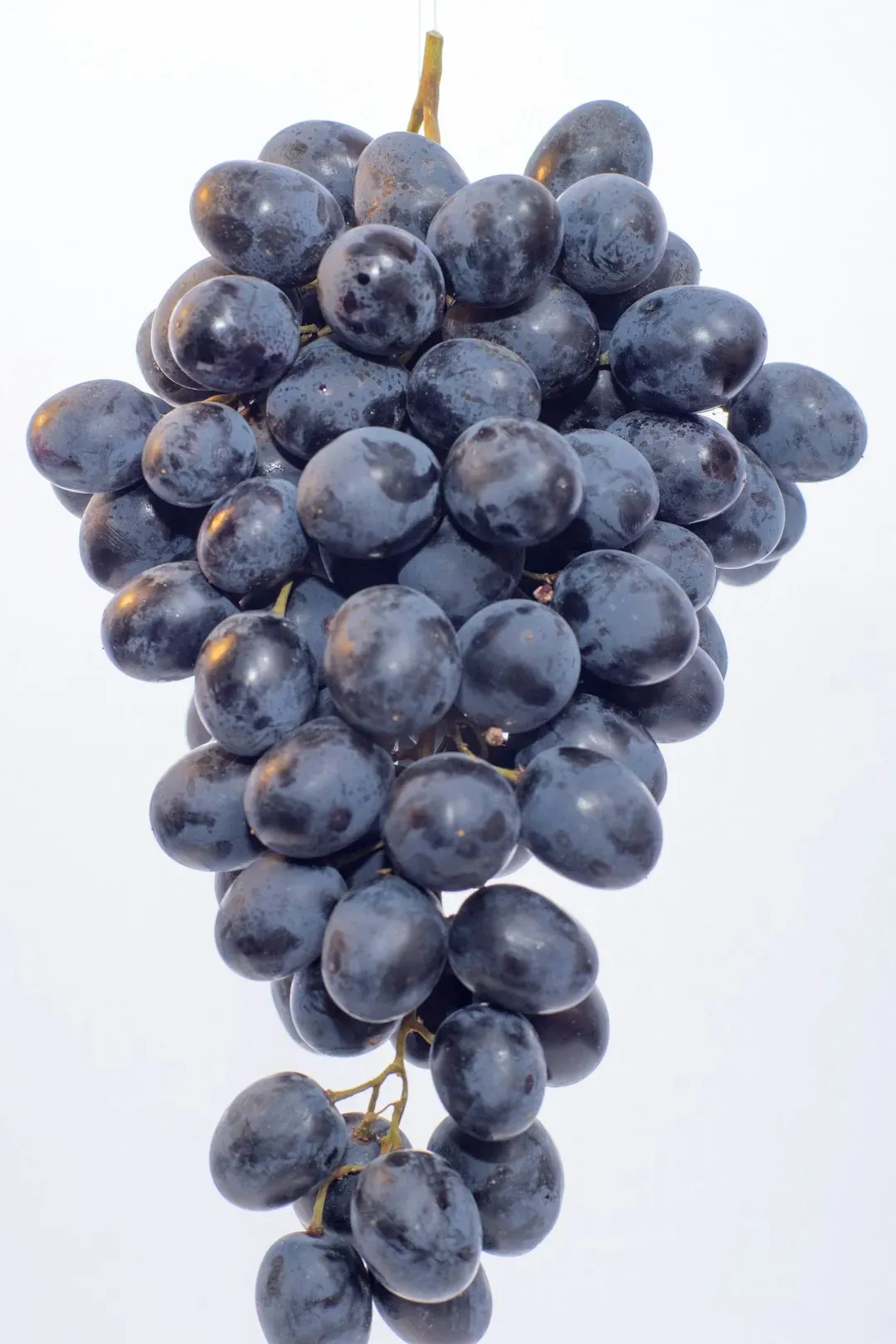
Grapes, raisins, and toxic currants can cause acute kidney failure in dogs. There is no known toxic dose for these fruits, so any ingestion should be considered potentially toxic. This is the part that makes veterinarians lose sleep: there is no safe threshold. One grape could kill a dog. Another dog could eat a handful and show minimal symptoms. The unpredictability is alarming.
Tartaric acid is speculated to be the toxic component in grapes and raisins. Since dogs are not able to process tartaric acid, exposure to grapes and raisins can lead to kidney damage. Published case reports have identified renal failure in dogs following the ingestion of estimated doses of raisins as low as 2.8 mg/kg, and as little as four to five grapes in a dog weighing 8.2 kg. That is a shockingly tiny amount for such a catastrophic outcome.
Common symptoms include vomiting, diarrhea, lethargy, anorexia, weakness, and decreased urine output, and symptoms can be witnessed within 12 to 24 hours. Raisins are arguably more dangerous than fresh grapes because they are concentrated, and they hide inside trail mix, granola bars, baked goods, and cereals sitting quietly on your kitchen shelf right now. Check every snack.
5. Macadamia Nuts - The Nut That Targets Your Dog's Nervous System
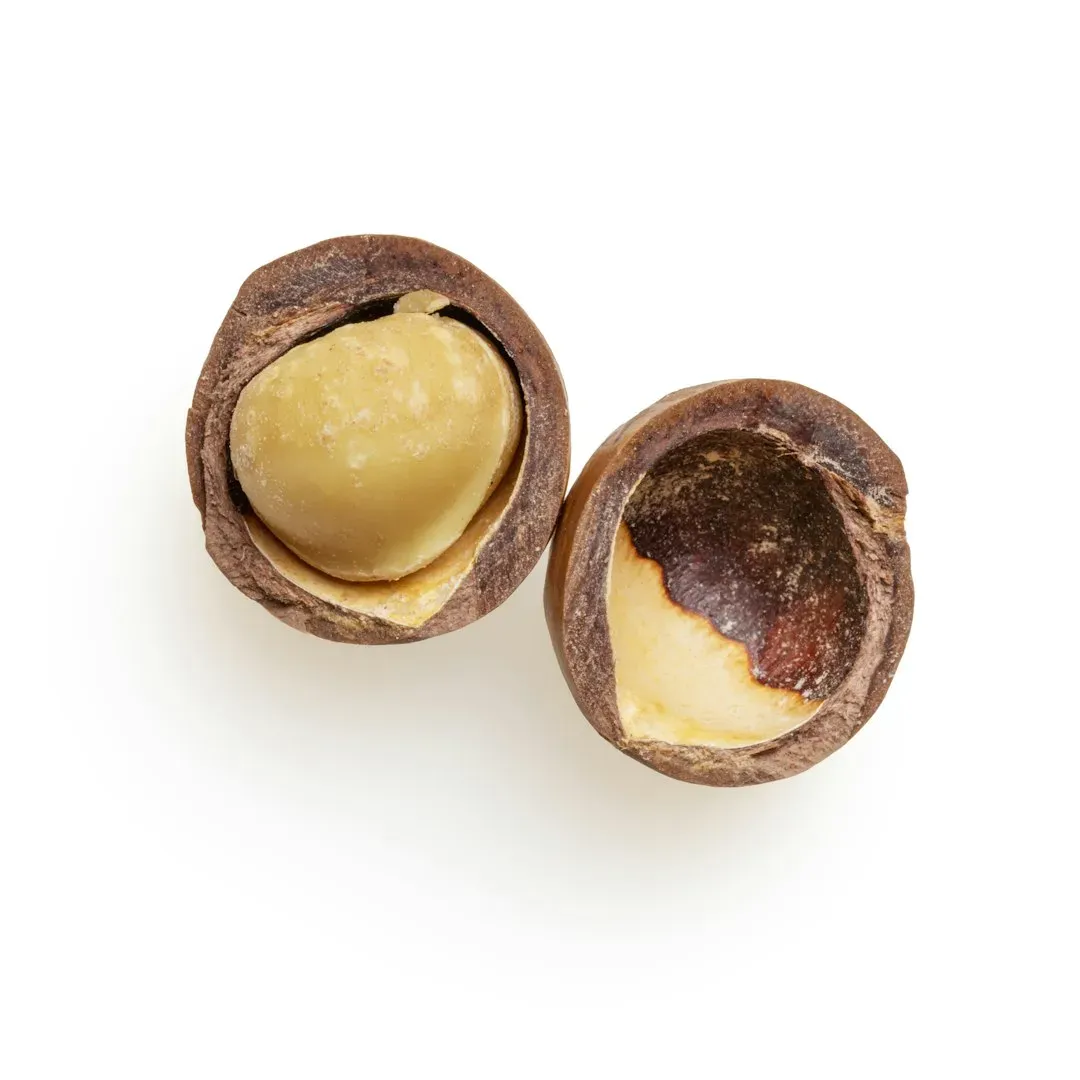
Macadamia nuts can cause weakness, incoordination, depression, vomiting, tremors, and hyperthermia in dogs. Symptoms usually appear within 12 hours of ingestion, with recovery expected within 24 to 72 hours. Honestly, the mechanism behind this one is still not fully understood by science, which makes it all the more unsettling.
Macadamia nuts contain up to 80% oil and 4% sugar, which can increase the risk for pancreatitis. In toxic quantities, the nuts can also cause neurological signs such as weakness, ataxia (difficulty walking), tremors, hyperthermia, and joint stiffness. Symptoms of neurological poisoning can be witnessed within 3 to 6 hours and can last for 24 to 36 hours.
Just six raw or roasted macadamia nuts can make a dog sick. Look for symptoms like muscle shakes, vomiting, high temperature, and weakness in their back legs. Eating chocolate with the nuts will make symptoms worse, maybe even leading to death. Macadamia nuts show up in cookies, trail mixes, and chocolate-covered snacks - the exact kinds of treats that tend to fall off kitchen counters or get left in reachable places.
6. Nutmeg - The Spice That Can Cause Hallucinations in Your Pet
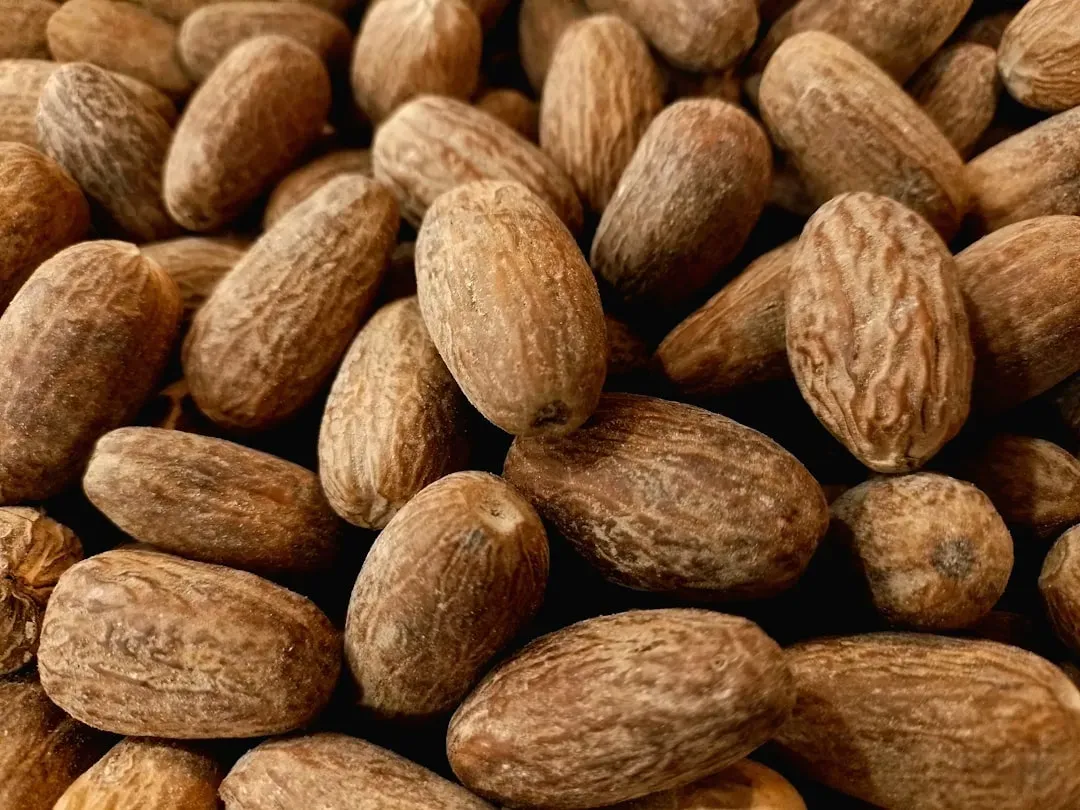
This one genuinely surprises people. Nutmeg is such a benign-seeming spice, a tiny pinch in a pumpkin pie or holiday cookie. Yet nutmeg contains myristicin, a natural compound that dogs cannot process properly, and when consumed, this substance affects the dog's nervous system and digestive tract. We're talking about actual neurological disruption from a common pantry spice.
If a very large amount of nutmeg is ingested, myristicin toxicity can cause symptoms including hallucinations, disorientation, increased heart rate, high blood pressure, dry mouth, abdominal pain, and possibly seizures. Symptoms can last up to 48 hours. That is nearly two full days of neurological distress for your pet - an extraordinarily long and difficult experience for both the animal and its owner.
Nutmeg contains myristicin, a narcotic that can cause hallucinations in pets, and a toxic dose can be as little as one teaspoon of ground nutmeg to two or three whole nutmegs. Although the amount of nutmeg your dog may consume in a bite of a cookie may have little or no effect, it is best to keep your dog away from nutmeg altogether. No sense gambling with a spice that has zero nutritional benefit for pets anyway.
7. Caffeine and Coffee - More Dangerous Than Most People Think

Caffeine poisoning can occur with ingestion of products such as coffee, tea, chocolate, certain drugs such as migraine medications, and caffeine or diet pills. Caffeine poisoning can cause restlessness, hyperactivity, vomiting, panting, tachycardia (increased heart rate), weakness, diarrhea, and heart symptoms can occur 1 to 2 hours after ingestion and can last for 12 to 36 hours.
Found in coffee, tea, sodas, and coffee grounds, caffeine can be absorbed rapidly by pets, and cats are particularly sensitive. Coffee grounds are actually more dangerous than brewed coffee, as they are highly concentrated. Many cat owners let their cats sniff around used coffee pods or grounds without realizing the risk involved - it is a genuinely common household hazard.
Fatality is common when dogs ingest caffeine pills. Caffeine is toxic at about 130 mg per kilogram of body weight. Keep coffee pods, grounds, tea bags, and energy drink cans far out of reach. Pets are drawn to the smell of coffee, so it is worth being more deliberate about where these products are stored in the home.
8. Salt - The Seasoning You Use Every Day That Can Trigger Sodium Poisoning
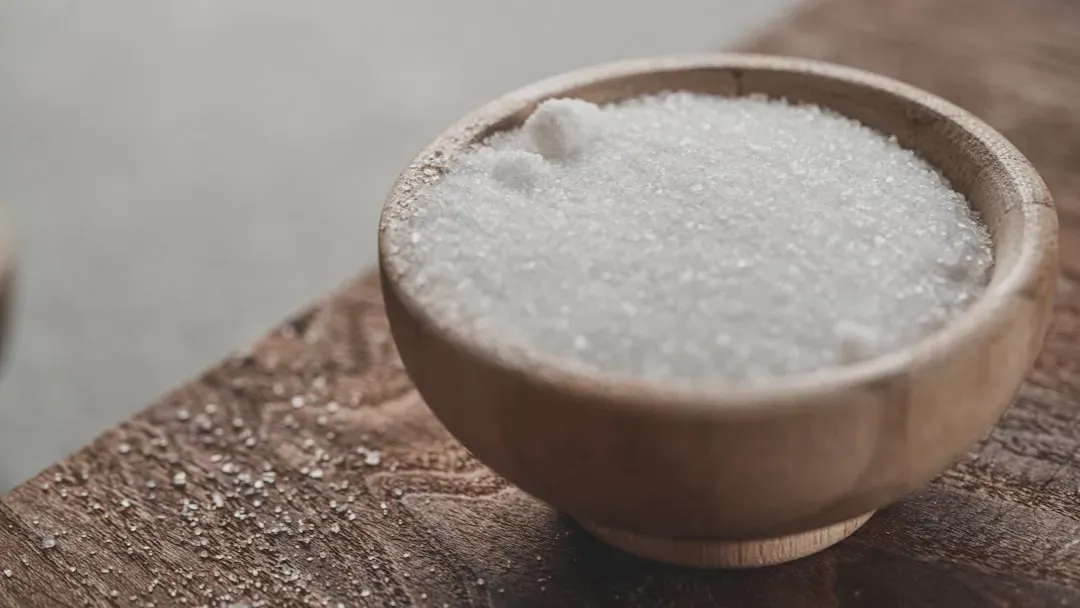
Excessive salt intake can produce increased thirst and urination, and sometimes abnormal electrolytes in the blood depending on the amount ingested. Salt toxicity is genuinely underestimated, mostly because salt is so universal. It is in chips, pretzels, crackers, canned foods, broths, deli meats, and of course the salt shaker itself. A curious dog that knocks one over and laps up the spilled salt is at real risk.
Signs of salt toxicity can include vomiting, diarrhea, depression, tremors, seizures, and even death. The danger escalates rapidly once the sodium disrupts the balance of fluids in and around the brain cells. Think of it like wringing a sponge, salt pulls moisture out of cells that desperately need it to function.
Small dogs and cats are especially vulnerable because of their significantly lower body weight. What feels like a normal salty snack to a human contains a relatively enormous sodium load for a tiny animal. Dogs and cats have digestive systems that are not built to handle rich, fatty, salty, or heavily seasoned meals, and even small amounts can cause health issues. Salty pantry snacks are one of the most casually shared, and most overlooked, pet hazards in everyday homes.
9. Yeast Dough - The Baking Ingredient That Expands Inside Your Pet

Yeast dough can rise and cause gas to accumulate in your pet's digestive system. This can be painful and cause the stomach to bloat, and potentially twist, becoming a life-threatening emergency. This is one of the most visually dramatic and medically serious reactions on this list. Gastric dilatation-volvulus (bloat with twisting) is a condition that can kill a dog within hours without emergency surgery.
Any bread made with baker's yeast can be toxic if the unbaked bread dough is ingested. When bread dough is rising, the yeast consumes sugars in the dough and in turn produces ethanol and carbon dioxide. So the problem is actually twofold: first the physical expansion causes physical distress, then the alcohol produced creates a secondary poisoning situation.
The yeast produces alcohol as a by-product in the stomach environment once ingested, so raw bread dough exposures can develop complications of alcohol toxicity as well. Unbaked bread dough poses two dangers to pets: ethanol production (alcohol poisoning) and gas build-up (bloat). Both conditions can be life-threatening. Keep any dough that is rising well out of reach, and never leave it unattended on a low counter if pets are around.
10. Baking Soda and Baking Powder - The Invisible Kitchen Hazard
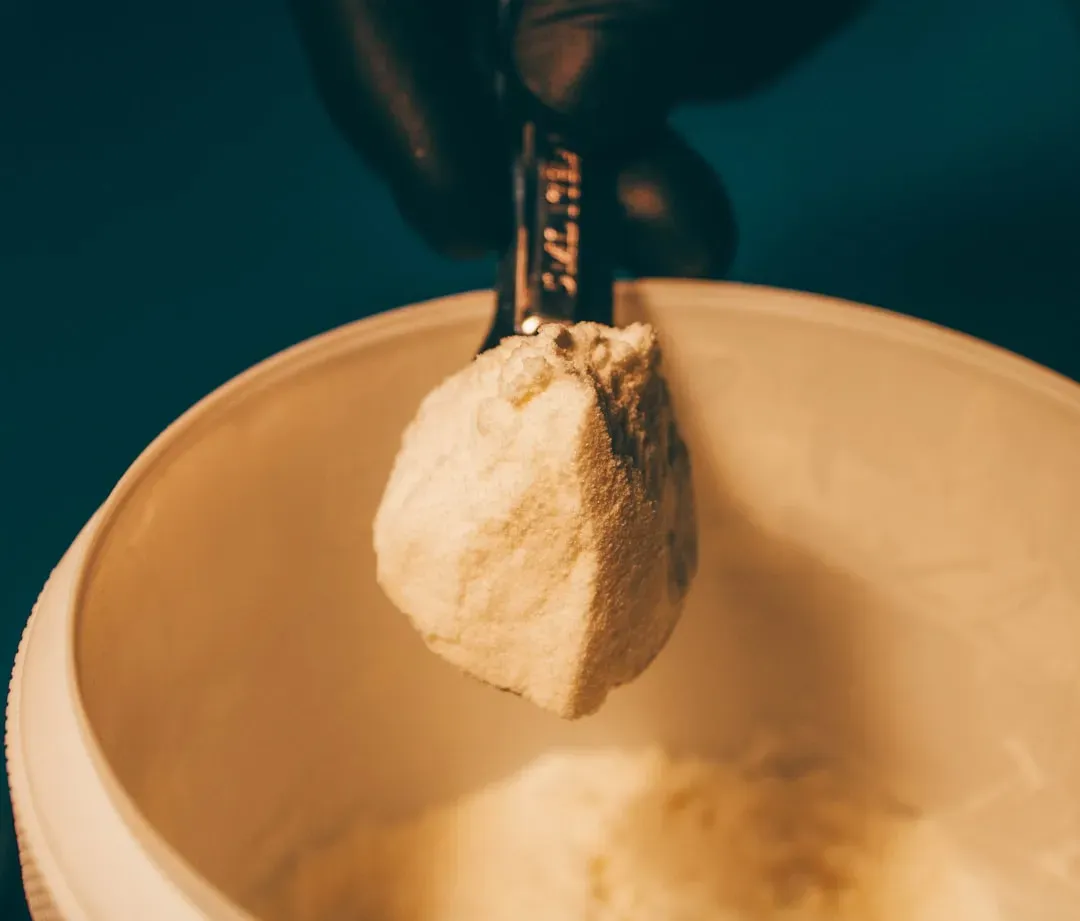
Large amounts of baking powder or baking soda are both highly toxic. These are two of the most invisible threats in the entire kitchen. They look like innocent white powder, have no strong aroma to deter animals, and they sit in open containers or loosely closed bags right at counter level. Pets who chew through packaging or knock over a box can ingest a dangerous amount before anyone notices.
Baking soda is pure sodium bicarbonate, and when ingested in significant quantities by pets, it causes serious electrolyte disturbances, particularly affecting potassium and sodium levels in the blood. This can lead to muscle spasms, congestive heart failure, and in severe cases, complete respiratory failure. It is a slow but serious progression that does not always announce itself loudly.
Baking powder is arguably more dangerous, as it typically contains baking soda combined with acidic compounds like cream of tartar, creating a more complex toxic picture. Some human foods can present a danger under some circumstances, and other foods are straight-up toxic, meaning they can cause serious health issues or even death. Baking soda and powder fall squarely into that straight-up toxic category when consumed in significant amounts by dogs or cats. Store both in sealed containers in high cabinets, not on open shelves.



Leave a Reply