
Let's be real. We've all done it. You see that gleaming kitchen gadget in the store or while scrolling online late at night, and it speaks to you. It promises convenience, efficiency, maybe even a touch of culinary mastery. You buy it with genuine excitement, imagining all the amazing meals you'll create. Then reality sets in.
Fast forward a few weeks or months, and that once-promising tool is shoved to the back of a drawer or hidden in the deepest corner of your cabinet. Taking up precious space. Collecting dust. Making you feel slightly guilty every time you glimpse it. Sound familiar?
The thing is, the kitchenware market is currently valued about $9.4 billion, according to Grandview Research, and is projected to balloon to over $14 billion by 2033. People just keep buying kitchen items despite knowing deep down that some of them will never live up to the hype. According to a 2024 survey by the National Kitchen & Bath Association, nearly 70% of home cooks invest in at least three specialty tools each year, hoping to improve their kitchen game.
So what goes wrong? Let's dive into the gadgets that most buyers end up wanting to toss out almost immediately after purchasing.
The Electric Egg Cooker That Screams at You
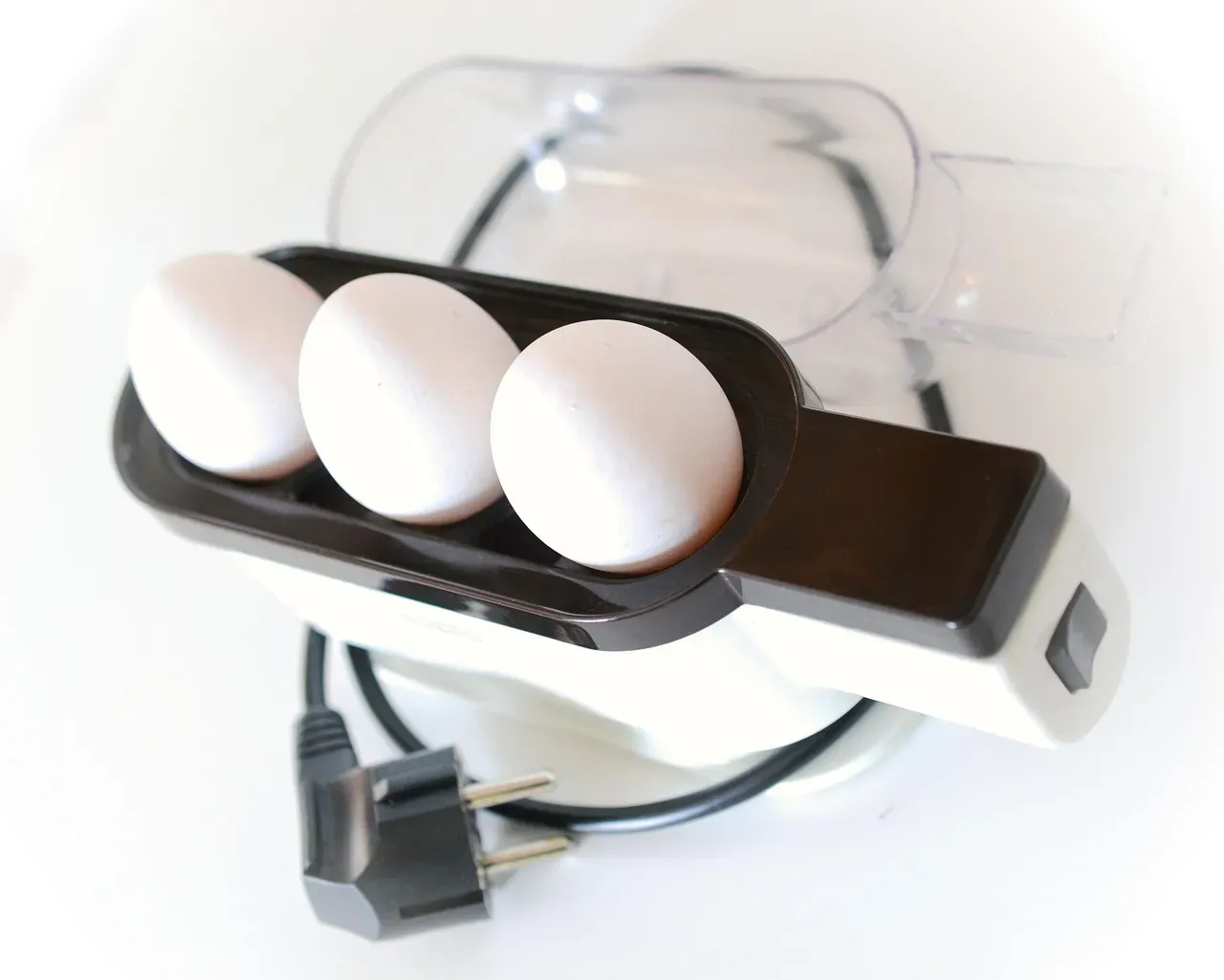
Egg cookers sound brilliant in theory. Just pop in your eggs, add water, and wait for perfectly cooked results. Simple, right? Wrong.
While these products are easy to find, it is really hard to justify buying one if your goal is to save money and avoid wasteful spending. Ultimately, egg cookers are used to prepare this single food a specific way. You can literally boil eggs in a pot of water with a timer on your phone and get identical results. Plus, cleaning yet another appliance becomes one more chore.
Honestly, some users report that their egg cookers make terrifying noises when done. Imagine a piercing screech that sends both you and your pets running for cover. Is saving thirty seconds really worth the trauma?
Bread Makers Gathering Cobwebs
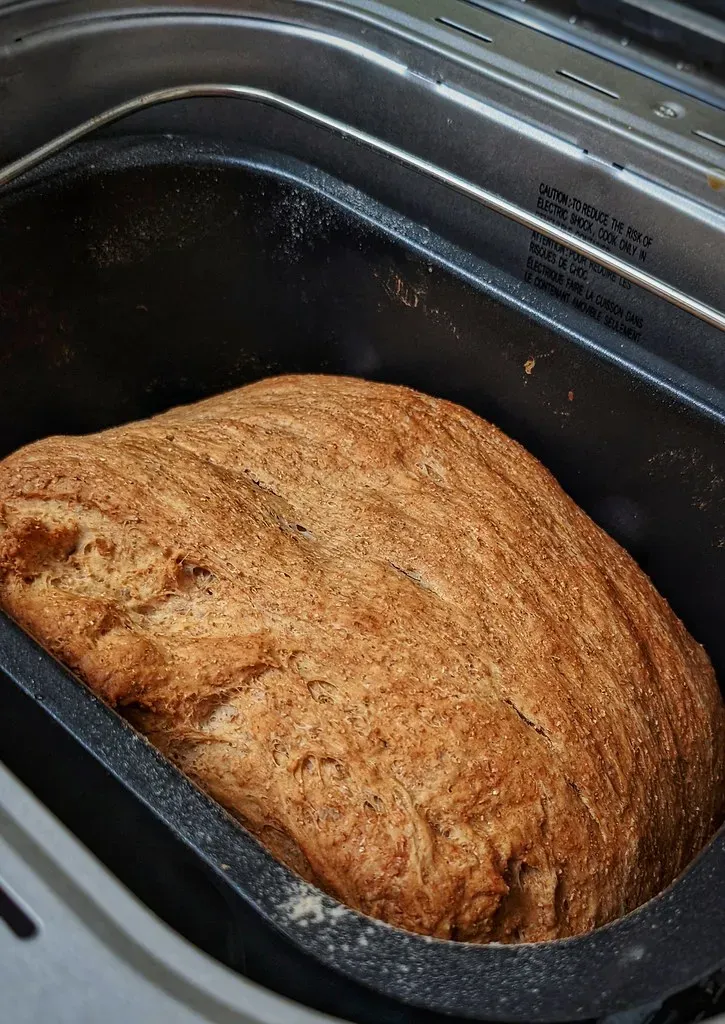
Homemade bread sounds romantic and wholesome. The aroma wafting through your home, the satisfaction of kneading dough. But then you actually buy a bread maker, and things change.
The bread maker market is currently valued at around $8 billion; the value is expected to increase to $11.1 billion by 2032. Interestingly, the North American alone accounts for about 32% of market share value as of 2024. Right now, stores like Walmart sell these items for between $75 and $400. That's a hefty investment for something that essentially does what your oven already does.
The ingredients aren't cheaper than bakery bread, and the machine takes up substantial counter or storage space. Most people use it once or twice, then realize they'd rather just buy bread or make it the traditional way. The art of bread making goes back hundreds to thousands of years, with a wide range of recipes that are achievable without a machine. Although bread makers are marketed as convenient and easy, half of the fun of making bread is the step-by-step process.
Juicers That Belong in a Gym, Not Your Kitchen
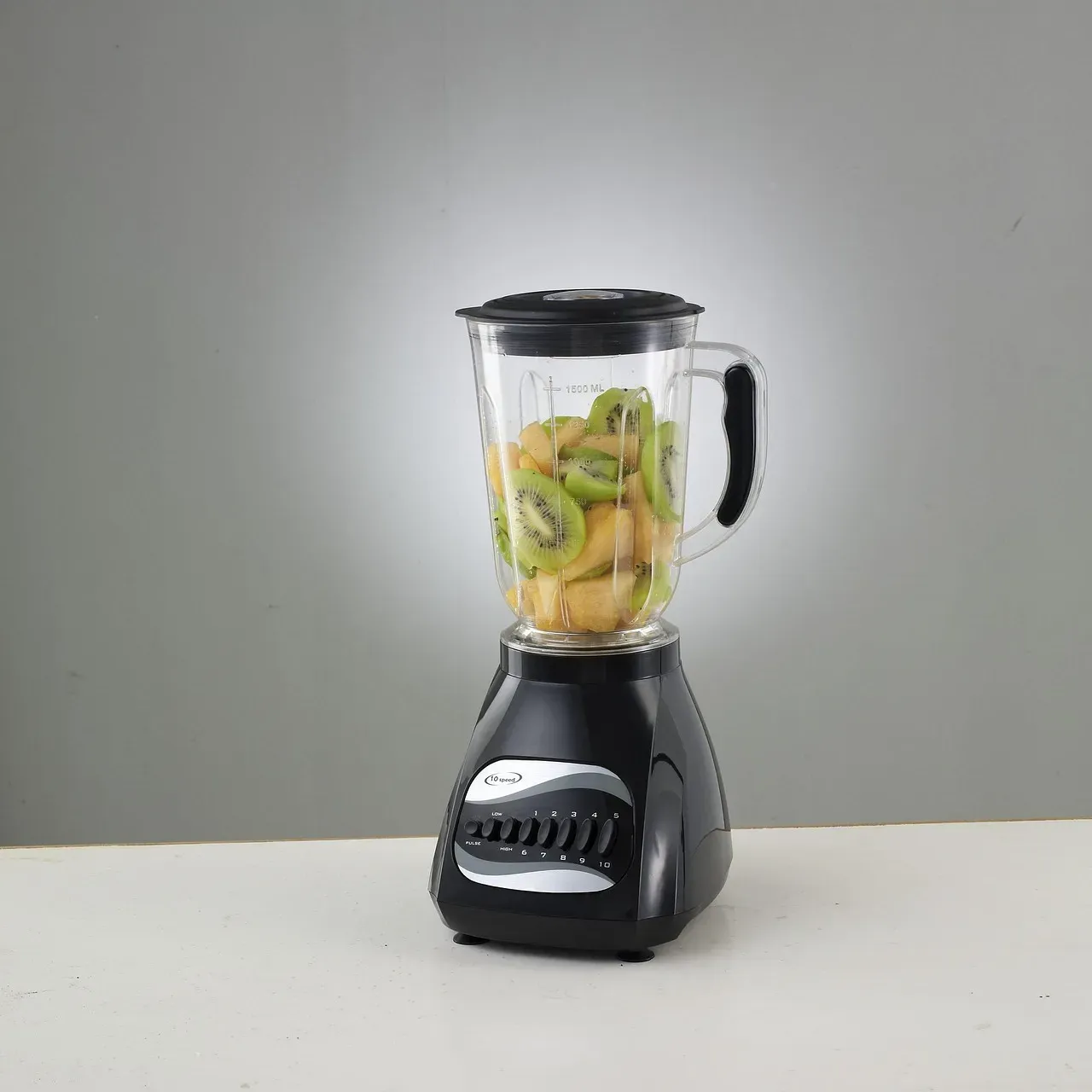
Juicing became a massive trend, promising health and vitality in every glass. The problem? Juicers are monsters to clean and devour produce like there's no tomorrow.
Juicers are highlighted as a common regret: they can be bulky, take up counter space, and cleaning them can be a chore. You need heaps of expensive fruits and vegetables to make one small glass of juice, and the whole process takes longer than you'd think. Then comes the cleanup, which involves disassembling multiple parts with tiny crevices that trap pulp.
Most people give up after a few uses. A blender can make smoothies that keep all the fiber and nutrients, plus it's way easier to clean. The juice trend often drains wallets faster than it fills glasses.
Garlic Presses That Make Everything Worse
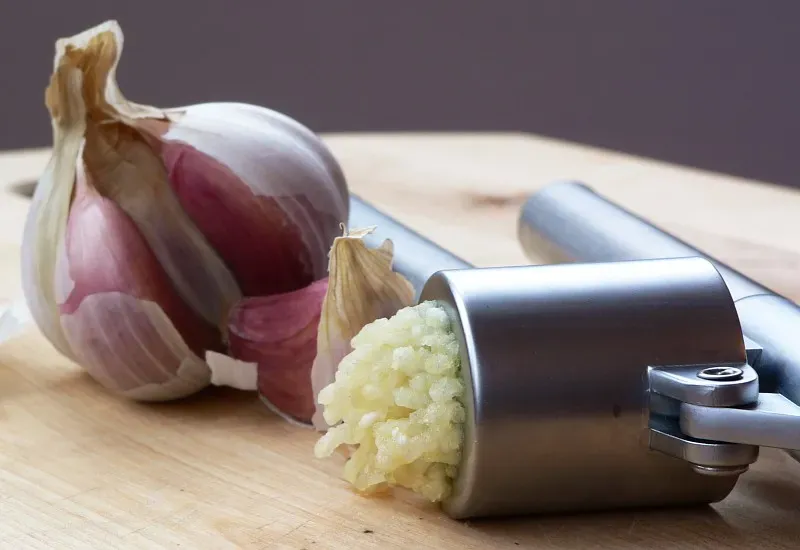
Garlic presses seem like a clever shortcut. Press down, and boom - minced garlic without the fuss. Except they're actually more fuss than they're worth.
Even if you choose the garlic press for convenience's sake, you may still regret the purchase. The reasons given included finding them annoying to clean, claiming that they made garlic "taste bitter," and that all the flavorful juice remains in the press itself. The garlic gets stuck in all the little holes, and you spend more time scraping it out than you would have just chopping it with a knife.
Learn the crushing method instead. Smash a garlic clove with the flat side of your knife, sprinkle a bit of salt, and mince away. Done in seconds, and only one tool to wash.
Single-Serve Coffee Makers and Their Expensive Pods
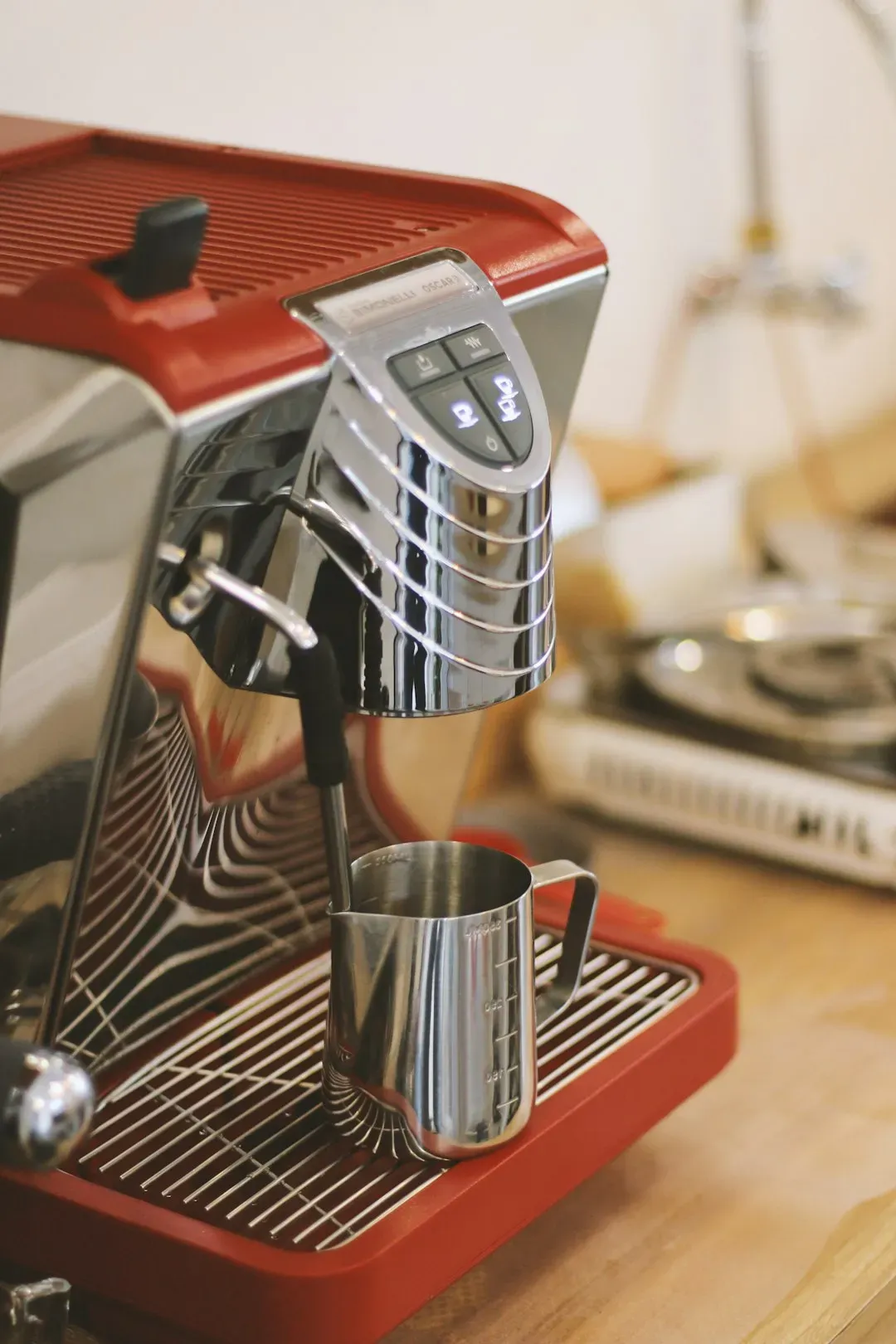
Those sleek pod coffee makers looked so modern and convenient. Pop in a pod, press a button, and enjoy your coffee. But have you calculated the actual cost?
Those pods are expensive per cup, and the machine itself often costs far more than a traditional coffee maker. Over time, the cost of pods can double or triple what you'd spend brewing ground coffee. Plus, you're generating mountains of plastic waste with every cup.
A simple drip coffee maker or French press gives you better flavor, more control, and significantly lower costs. The convenience factor doesn't hold up when you're hemorrhaging money on overpriced pods that taste mediocre at best.
Avocado Slicers for One Specific Fruit
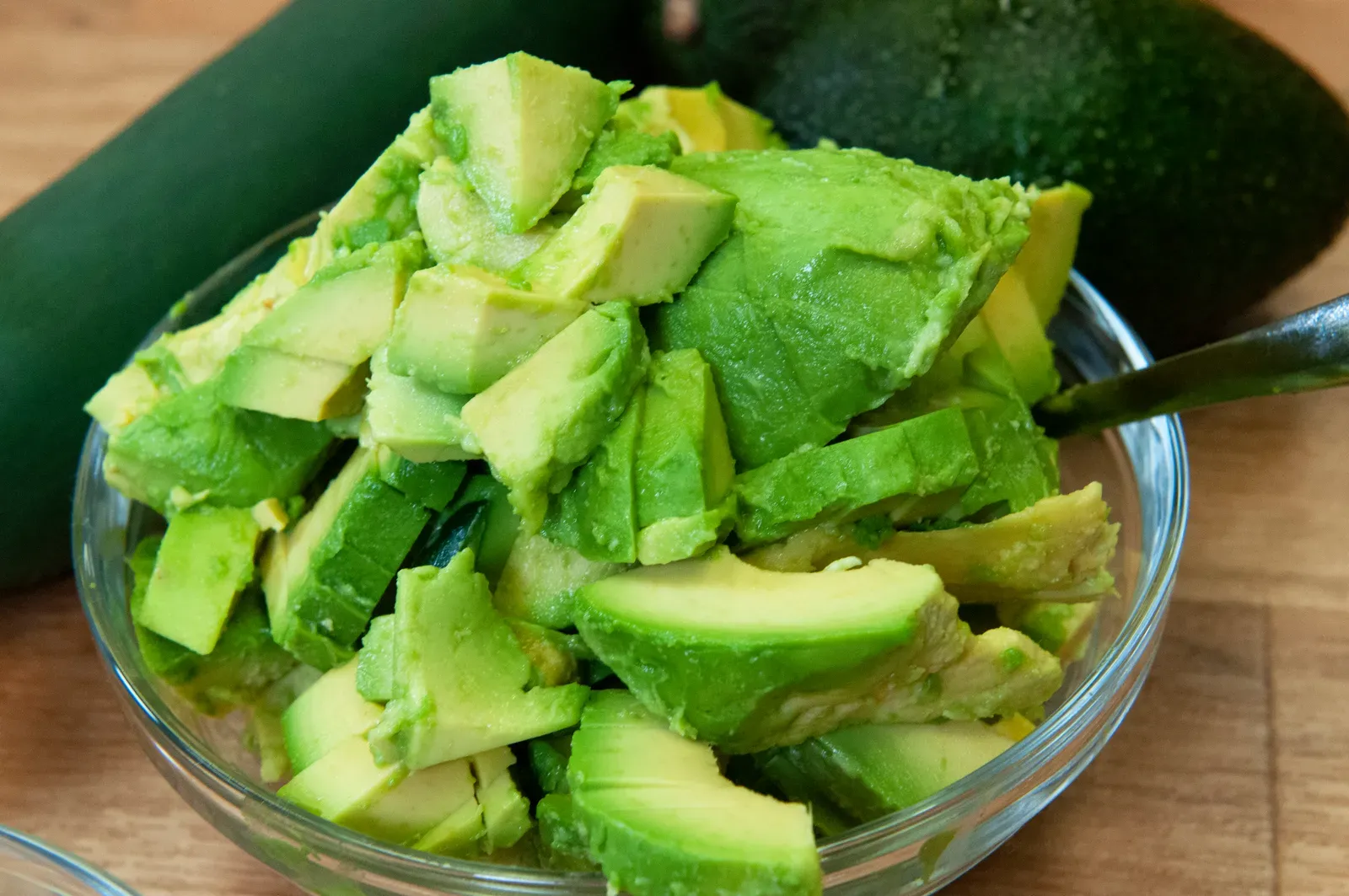
This gadget does exactly one thing: slice avocados. That's it. Nothing else.
Gadgets like avocado slicers, onion choppers, or electric can openers are often unnecessary, since a good chef's knife or a simple manual tool can easily replace them. You can halve an avocado with a knife, pop out the pit by tapping it gently with your blade, then scoop out the flesh with a spoon and slice it however you want.
Why dedicate precious drawer space to a tool that only works on one type of produce? Avocados are already expensive enough without adding the cost of a specialized slicer that you'll use maybe twice a month. A knife does the job perfectly well.
Banana Slicers That Solve Nothing
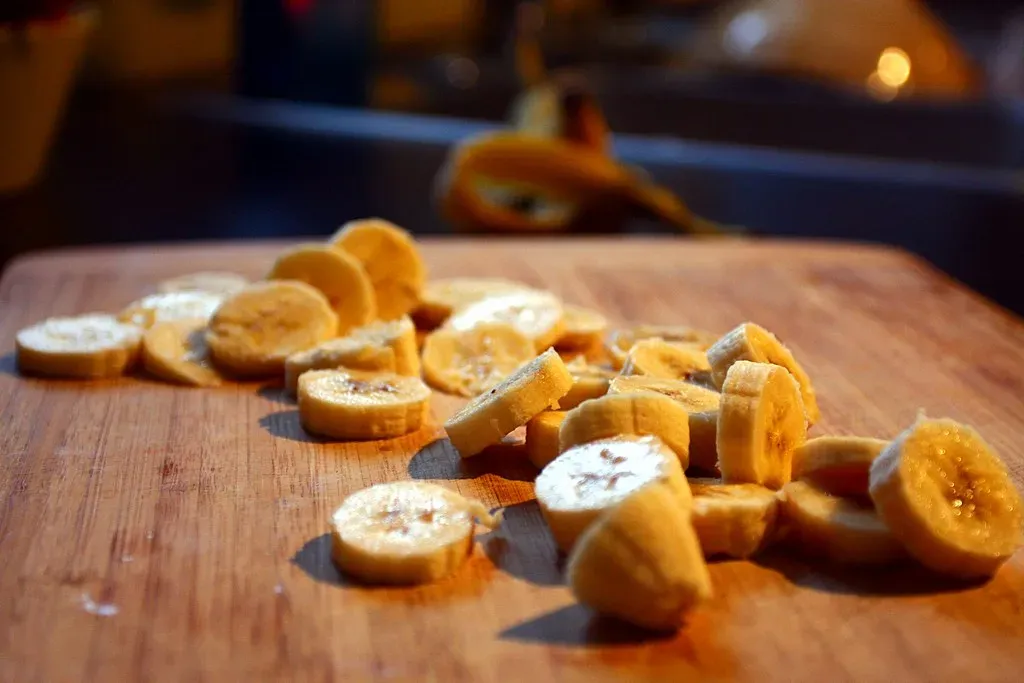
Yes, banana slicers actually exist. They're curved plastic devices with slots that slice your banana into uniform rounds when you press down. Revolutionary, right?
Banana slicing isn't a particularly time-consuming task to begin with, so there's no scenario where anyone is in dire need of this product. There's a line between a novelty item and an essential tool, and unfortunately, the banana slicer doesn't cross that line. It's easy but ultimately unnecessary.
Plus, not all bananas fit the slicer's rigid shape. You'd still need a knife for oversized or undersized bananas. It's one of those gadgets that makes you wonder who thought this was a real problem needing a solution.
Electric Can Openers Taking Up Outlet Space
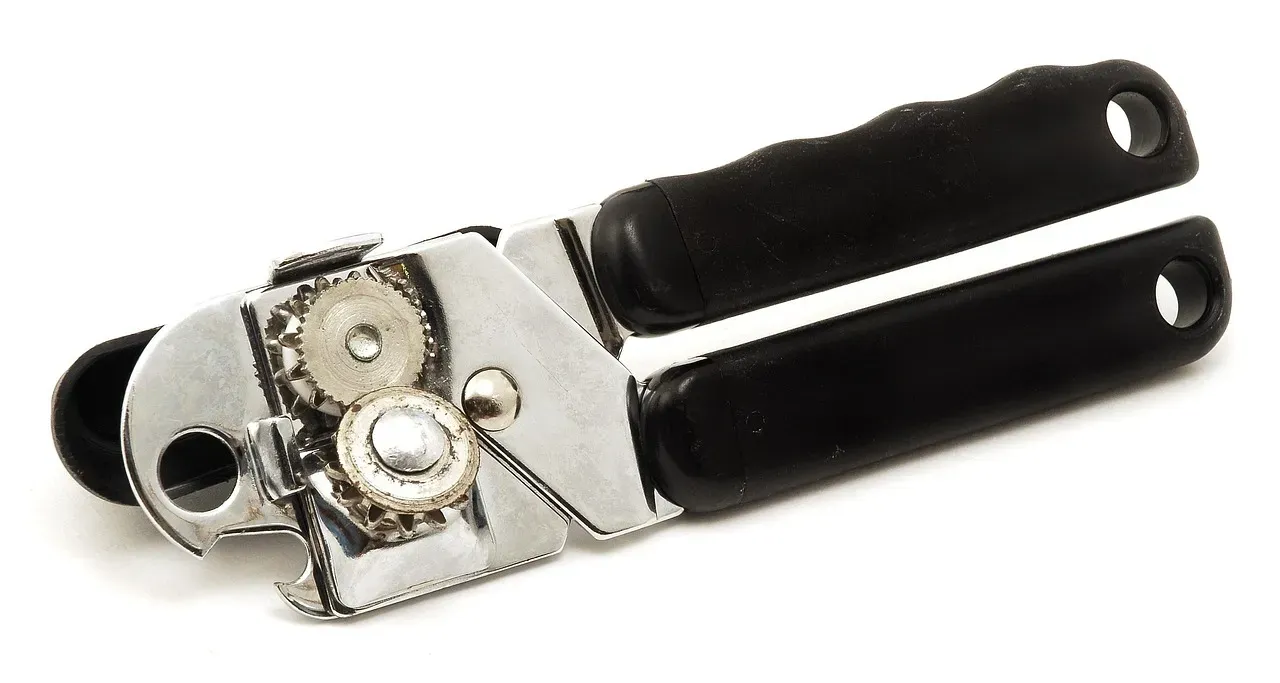
Electric can openers plug into your wall, occupy counter space, and do the exact same job as a manual can opener that costs less than ten dollars.
An electric can opener rarely saves time compared to a manual one. It takes up counter space, plugs into an outlet, and costs more to replace when it breaks. A sturdy handheld opener lasts for years, costs less than $10, and never requires batteries or cleaning cords.
Unless you have mobility issues that make a manual opener difficult, there's zero reason to invest in an electric version. It's solving a problem that doesn't exist while creating new ones - namely, where to store the bulky thing and what to do when it inevitably stops working.
Yogurt Makers for the Overly Optimistic
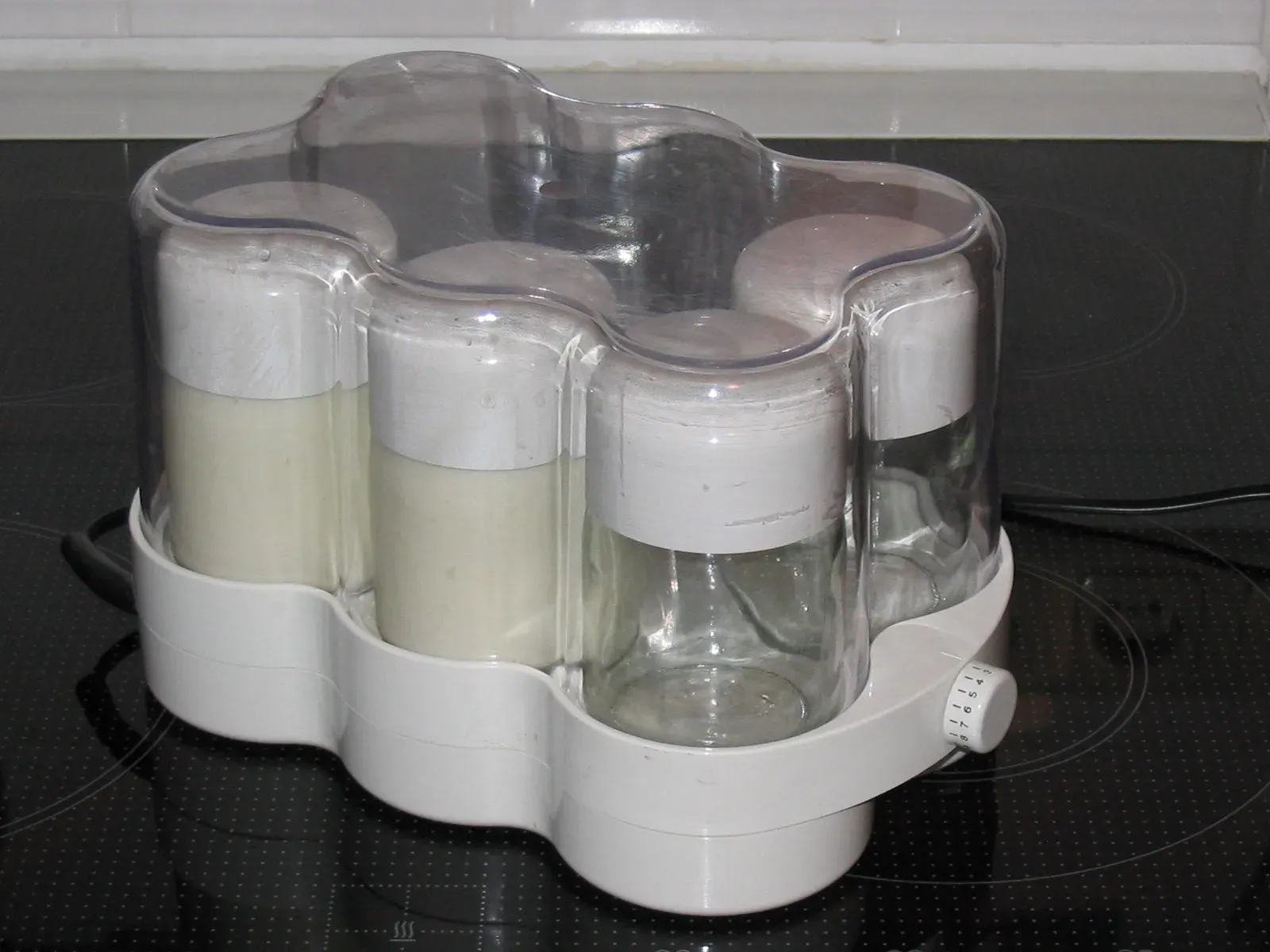
Homemade yogurt sounds healthy and economical. You envision fresh, probiotic-rich yogurt whenever you want it. Then you actually try making it.
You've got to really love yogurt to want one of these yogurt makers taking up space in your kitchen, especially since you can make yogurt in everyone's favorite multiple-use small appliance, the Instant Pot. Even worse, most of these gadgets won't turn out yogurt for at least half a day, and only do so in very small quantities.
The process is finicky, temperature-sensitive, and time-consuming. After buying starter cultures, milk, and the machine itself, you're not saving money. Store-bought yogurt is often cheaper and always more convenient. Your yogurt maker becomes another cabinet orphan.
Fondue Sets from a Bygone Era
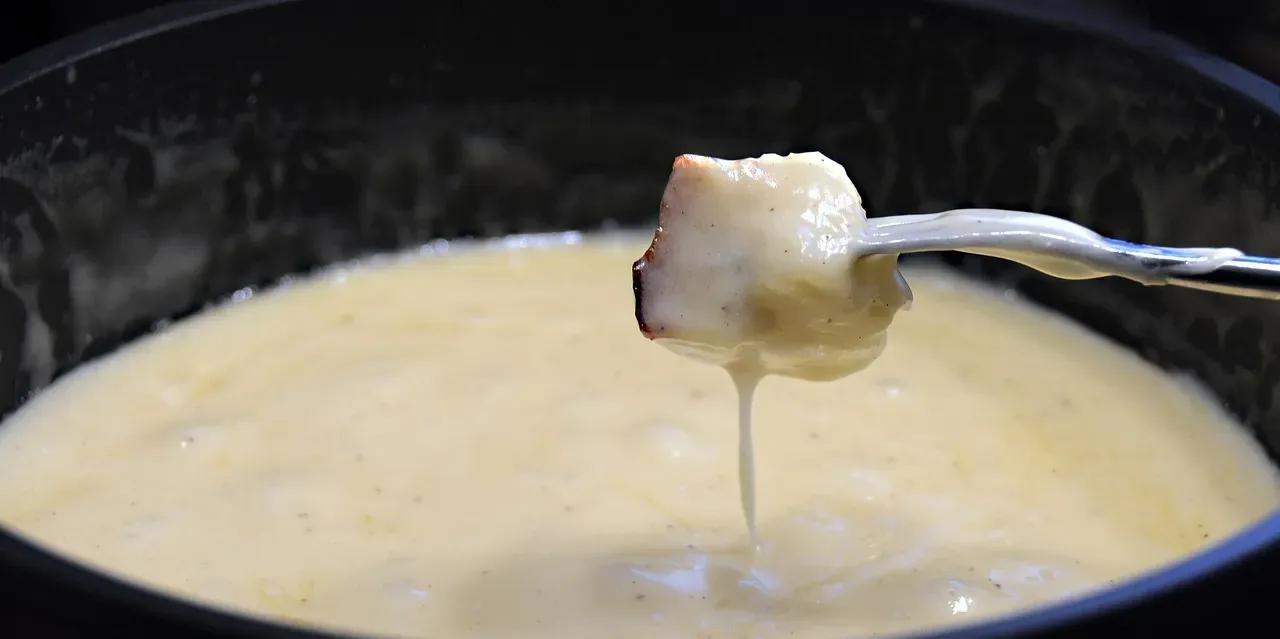
Fondue parties were a thing once. Maybe they'll come back. But until then, your fondue set is the definition of a single-use appliance.
There's a reason fondue was a trend that hasn't exactly seen a revival: This is the quintessential single-use appliance, and it typically ends up gathering dust in the garage or on the shelves of a thrift store. If you're nostalgic for vintage kitchenware, invest in a good cast-iron pan instead.
You use it once for a dinner party, realize the cleanup is annoying, and then it sits unused for years. If you really crave fondue, go to a restaurant specializing in it. Your kitchen will thank you for the freed-up space, and you won't have to scrub melted cheese off tiny forks.




Leave a Reply