
We live in an age of 30-minute meal promises, one-pan wonders, and social media hacks that make cooking look effortless. It's tempting. Honestly, who doesn't want dinner on the table faster? The problem is, a lot of what gets passed off as clever shortcut is actually sabotaging your food in ways you may not even notice.
Research shows that the vast majority of home cooks have failed miserably at cooking a meal at some point, with the most common problems being over or undercooking, and nearly three quarters have burnt a meal entirely. So let's be real: the shortcuts aren't always saving us. They're often the reason things go wrong. Here are ten of the most common ones chefs consistently call out, and what you should be doing instead.
1. Rinsing Pasta After Cooking
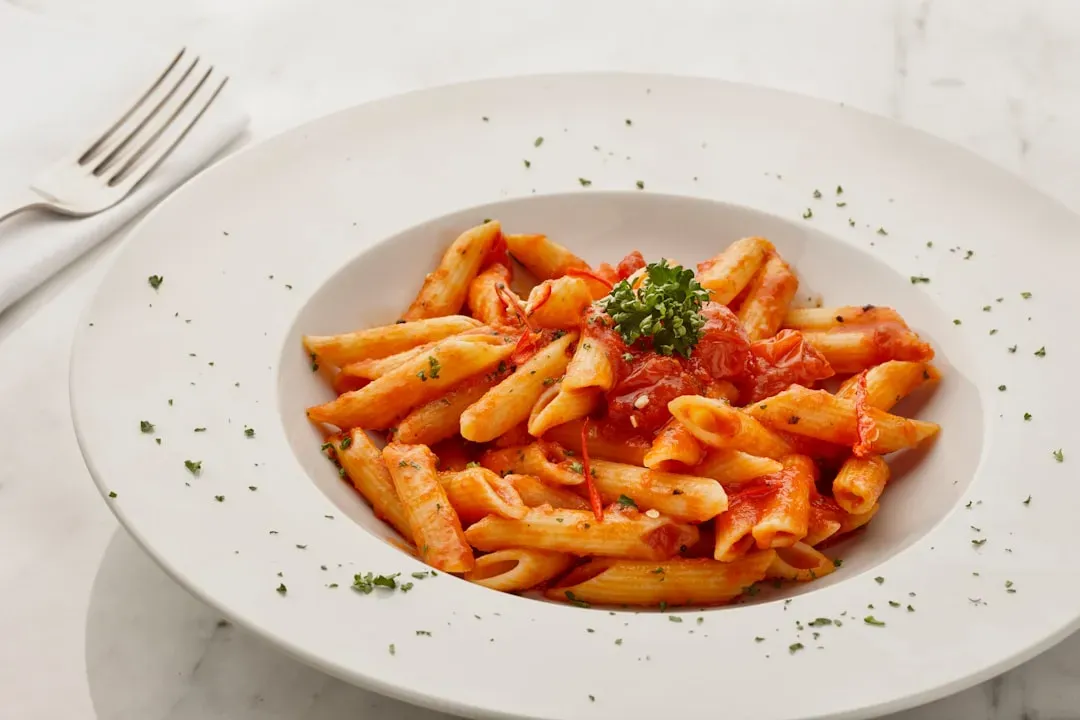
Here's the thing: rinsing hot pasta feels logical. You want to stop the cooking, maybe stop it from clumping. But you're doing more damage than you realize. Rinsing pasta with cold water after cooking is a common mistake because it removes the starch that helps sauces adhere and cools down the pasta, affecting its texture.
If you're cooking Italian pasta, there's no need to rinse it after cooking, no matter what dish you're making. Rinsing removes the noodles' starchy coating, which not only adds extra flavor and a golden color but also helps sauce adhere to the pasta. Think of that starchy coating as the glue between your noodles and your sauce. Wash it off, and you're left with a slippery, flavorless base.
The classic Italian rule is to use 1 liter of water for every 100 grams of pasta, which translates to about 4 to 6 quarts of water for a standard 1-pound box of spaghetti. Give the pasta room to move, salt the water generously, and when it's done, put it straight into the sauce. That's it. That's the shortcut worth keeping.
2. Skipping the Mise en Place
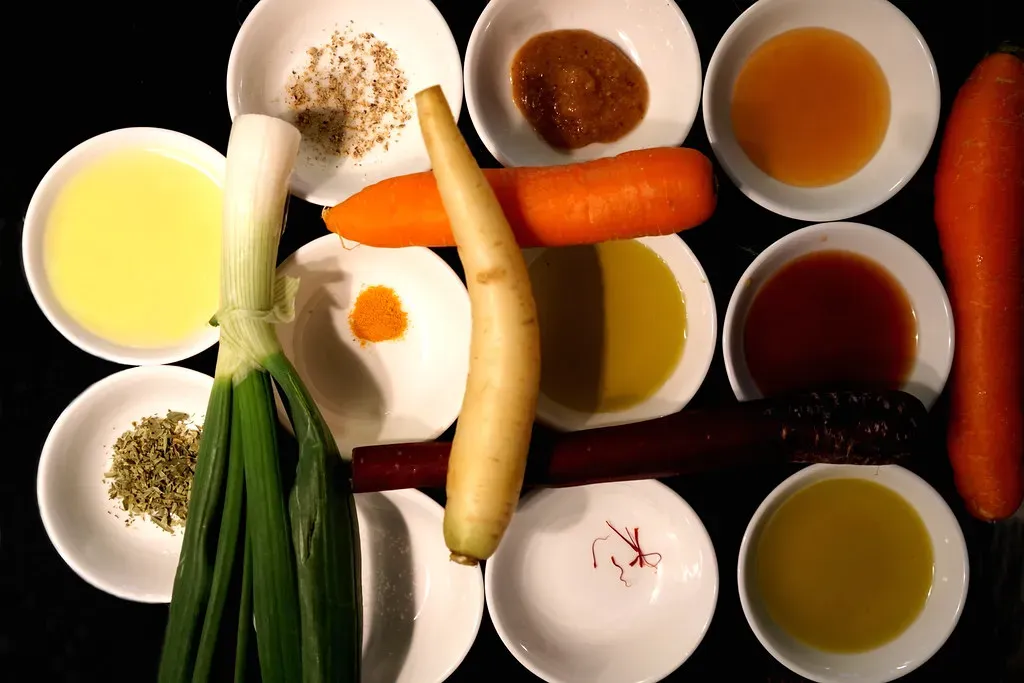
I know it sounds like a fancy restaurant concept, but mise en place is arguably the most practical thing professional kitchens do. Mise en place is a French term that translates to "put everything in place," meaning having all ingredients prepped and ready to go before you start cooking, including chopping, dicing, measuring, and having all utensils and pans at the ready. It is probably the most important thing you can do in the kitchen and is often overlooked by many home cooks.
Skipping it feels like a time-saver. In practice, it's a chaos generator. You're mid-sauté, the garlic is about to burn, and you still haven't chopped the onions. Chefs swear by this practice to minimize chaos in the kitchen. It saves time, stops you from forgetting ingredients, and makes cooking more enjoyable.
The concept of mise en place goes beyond just prepping ingredients. It's about mental preparation as well. By having everything ready, you can focus on the cooking process, experiment with flavors, and enjoy the experience without the stress of scrambling for ingredients. Think of it like a surgeon who lays out every tool before making the first incision. You don't improvise the prep in an operating room, and you really shouldn't in a kitchen either.
3. Using the Wrong Oil for the Job
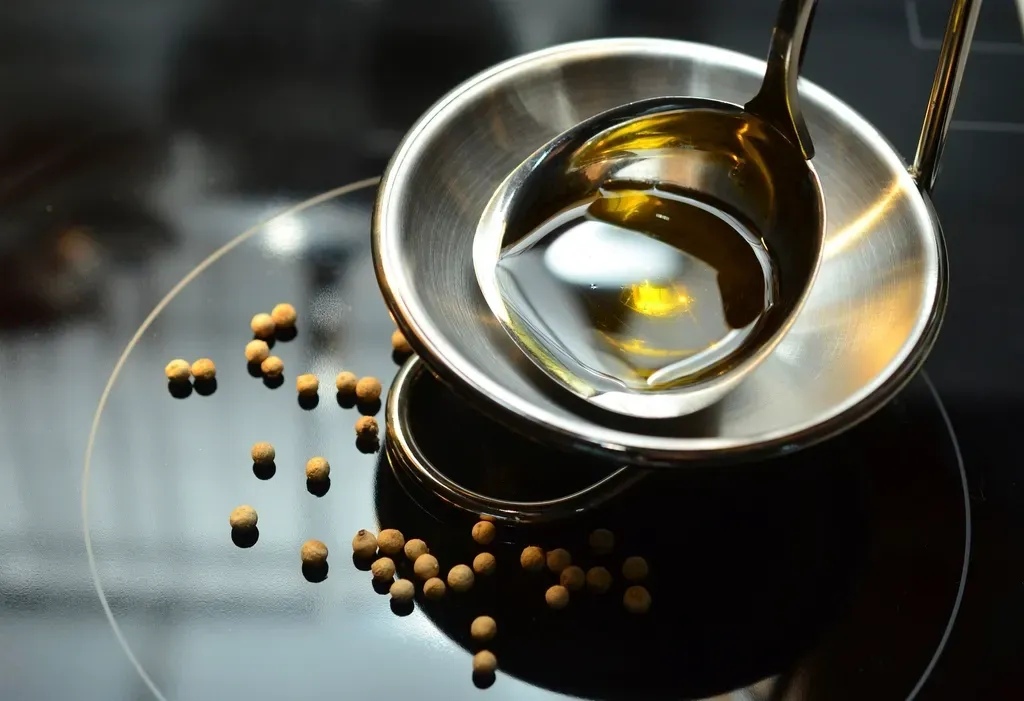
Opening whatever bottle of oil is closest to the stove and pouring it in is one of those habits most home cooks don't even think about. Chefs, however, think about it constantly. Each cooking oil has a unique flavor profile and different smoke points. Some oils like canola or peanut oil are better suited for high-temperature frying, while fats like butter or lard are best for stir-frying and sautéing.
Super fragrant oils, like extra-virgin olive oil and sesame oil, are best used raw as finishing oils or for salad dressings. Pouring your best extra-virgin olive oil into a ripping-hot pan is a bit like using a vintage sports car to go grocery shopping. You can do it, but you're absolutely wasting the thing.
Many people use whatever oil is on hand for every task, which often leads to uneven cooking or a burnt taste. A simple fix: keep two or three different oils in rotation and learn which temperature each is suited for. It takes about five minutes to learn and will immediately improve the quality of your cooking.
4. Overcrowding the Pan
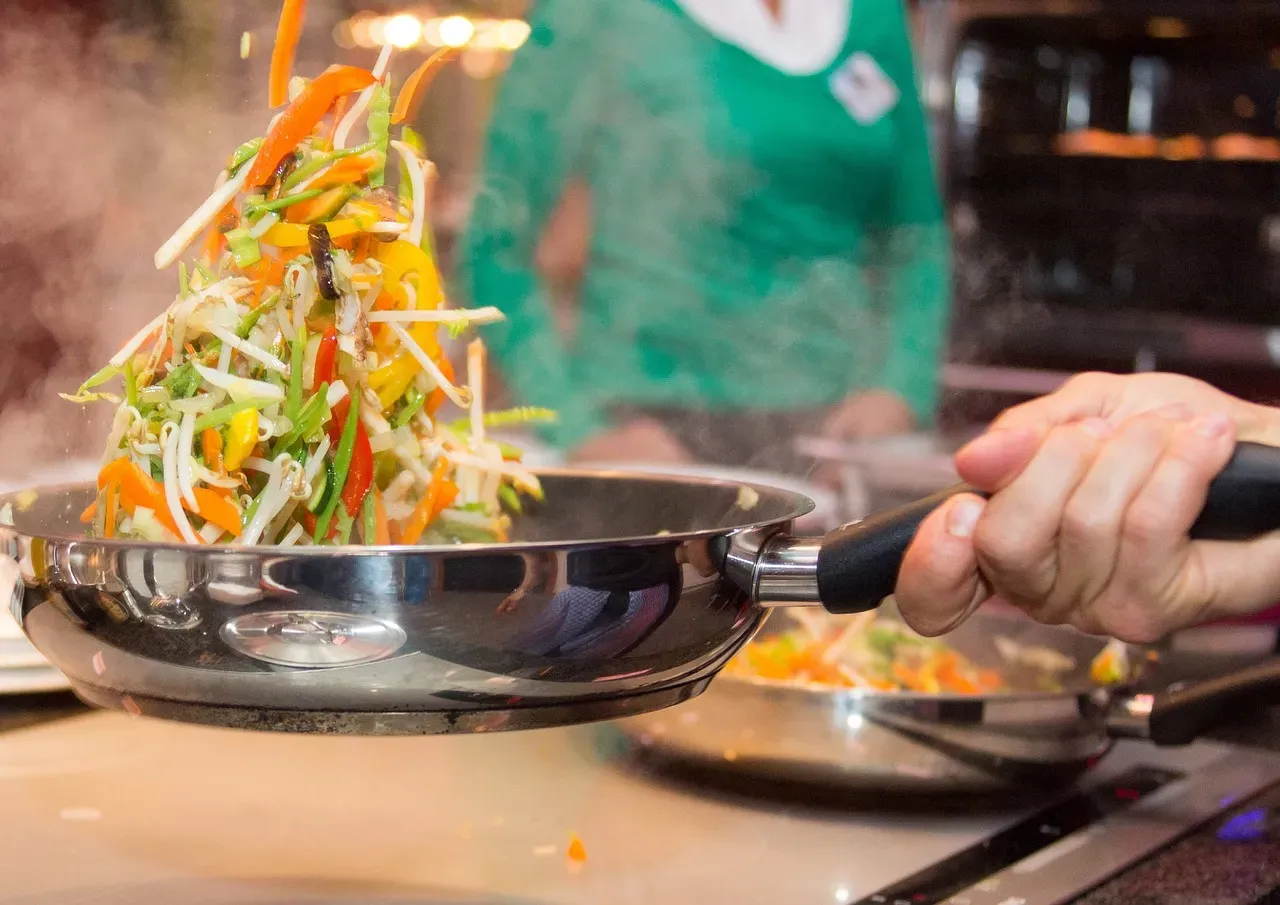
This is probably the sneakiest mistake on this list because it seems harmless. You've got more chicken thighs than the pan comfortably fits, so you squeeze them in anyway. Dinner's in a hurry. It'll be fine, right? It won't. One of the most common cooking mistakes is overcrowding the pan, which occurs when too many ingredients are placed in the pan at once. Overcrowding leads to uneven cooking as the ingredients don't have enough space to cook properly and also hinders the browning process, as the ingredients may release moisture, preventing them from achieving a desirable sear or crispness.
Shaking a pan to move things around actually cools down whatever you are cooking and prevents caramelization. Instead of getting a nice sear that's crispy, you can end up steaming your food. Steamed chicken in a pan you thought was searing it is not the shortcut you were hoping for.
Overcrowded pans trap steam, preventing food from browning. Restaurants avoid it by using larger surfaces or cooking in smaller rounds. For better flavor and browning, don't crowd the pan; cook in small amounts or use a bigger pan if you're short on time. Batching your cook is slower in theory but almost always faster in reality, because you're not left with sad, grey protein that needs a second round anyway.
5. Not Preheating the Pan Properly
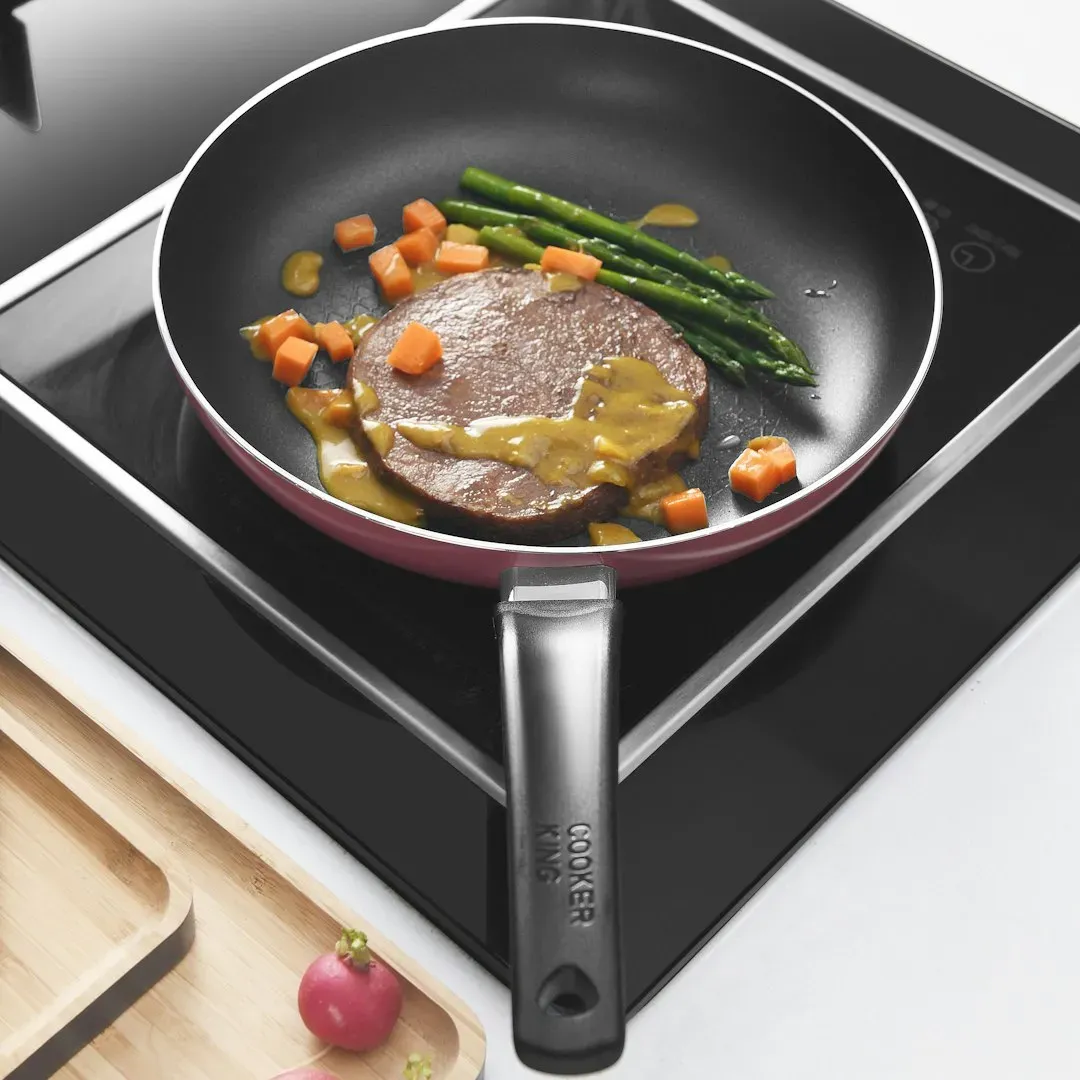
Here's a mistake that's wildly underestimated. You turn on the burner, wait maybe fifteen seconds, and drop your chicken breast in. What happens? It sticks. It doesn't brown. It looks like it's being boiled from underneath. One of the most common mistakes home cooks make is not preheating pans enough, not cooking on high enough heat, and moving things around in the pan too much. Food needs heat to brown properly, and most people start cooking before the pan is actually ready. A cold or barely warm surface causes food to steam rather than sear properly.
In stressful and high-paced environments, chefs might add ingredients before the pan reaches the right temperature, according to chef George Duran. Even professionals admit this is a temptation when things get hectic. The solution is patience, and a simple water-drop test: if a bead of water dances and evaporates immediately, the pan is ready.
Many chefs make the mistake of not preheating oil in their pans or ovens before starting the cooking process. When you fail to preheat the pan, you compromise the texture and doneness of the oil and your ingredients. A preheated pan isn't just about getting color on meat. It's about controlling the entire outcome of the dish from the very first moment food hits the surface.
6. Skipping the Rest After Cooking Meat
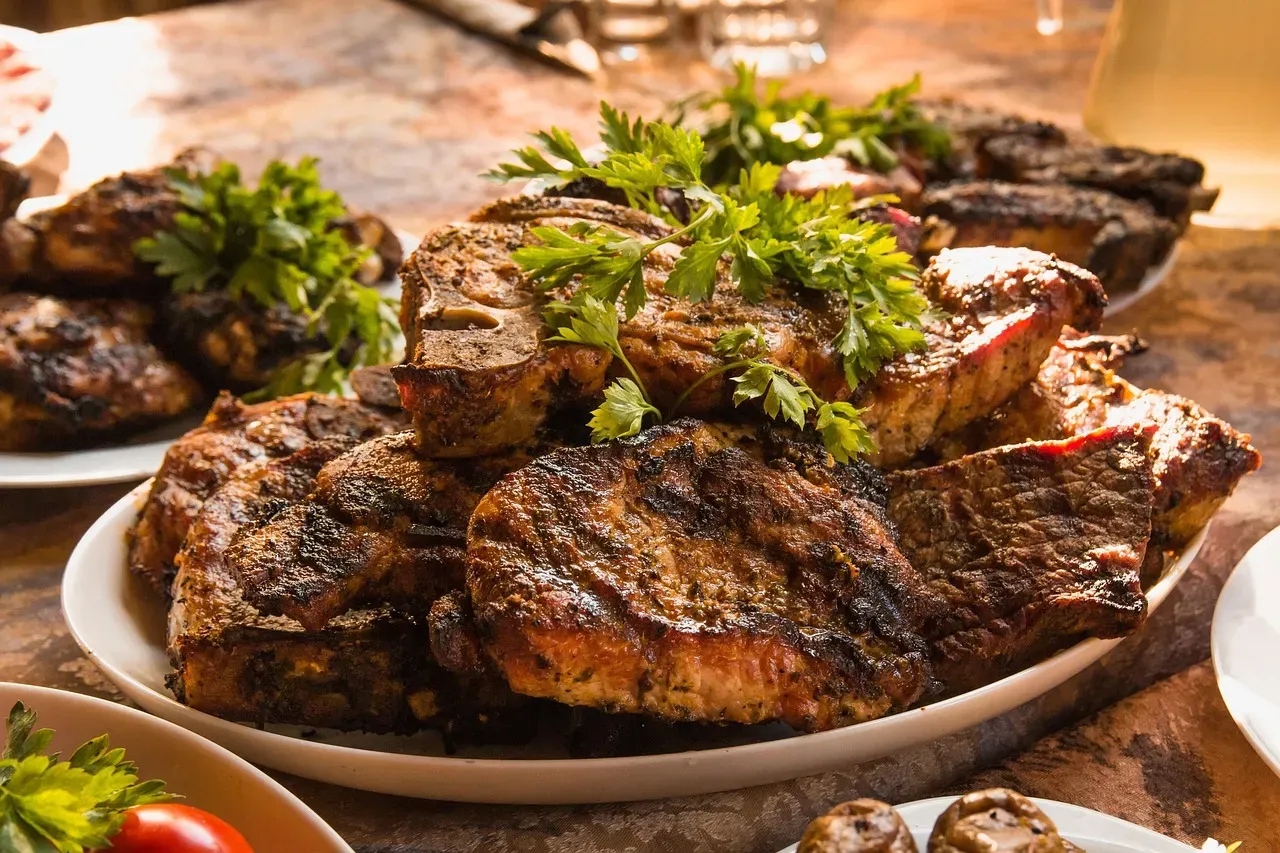
You've just cooked a beautiful steak. It smells incredible. You cut right into it, and a pool of juice floods the cutting board. That juice? That was supposed to stay in the meat. Skipping the resting time is a mistake that many home chefs make when cooking the Thanksgiving turkey, a Sunday dinner roast, or other cuts of meat, and it is also a mistake some professional chefs make from time to time. Properly resting meat is essential to ensure even cooking and retain moisture and flavor, and in a busy kitchen, this step can be rushed, causing juices to escape and resulting in a dry or unevenly cooked protein.
One of the most prevalent missteps is cutting into the meat too soon after it's been removed from the heat. Doing so can cause the juices to run out, leading to a drier and less flavorful result. Another mistake is not allowing the meat to rest for a sufficient amount of time. It's important to resist the temptation to rush the process, as the resting period allows the juices to redistribute and the meat to relax, resulting in a more tender and succulent texture.
The next time you prepare a roast, turkey, steak, or burgers, allow it to rest for at least five to ten minutes to give the juices time to redistribute themselves in the meat. Five to ten minutes of patience is all it takes. It costs you nothing except the discipline to wait. Think of it like brewing tea. Rush it, and it's weak. Give it time, and it's something else entirely.
7. Under-Seasoning Throughout the Cooking Process
Most home cooks season at the end. A sprinkle of salt right before the plate hits the table. Chefs season throughout, at every stage, and that distinction is enormous. One of the biggest weaknesses among home cooks is under-seasoning. Chefs always underline the importance of salting at the right time and tasting frequently. They also push cooks to use acids, like lemon juice or vinegar to brighten flavors.
Salt and fat are equally important, but most people use them incorrectly or in insufficient amounts. Salt does more than make food "salty." It brings out natural flavors, balances bitterness, and even affects how ingredients react during cooking. Fat carries those flavors across the palate and helps create texture in baked or cooked items.
Salt is the single most important flavor enhancer in your kitchen. Use it throughout the cooking process, not just as a sprinkle at the end. There are some caveats though. Some ingredients can lose their integrity if salted too far in advance, like lettuces and leafy greens. Salting fish too far in advance can also be problematic. Learn the exceptions, but overall, salt early and often.
8. Using a Dull Knife to Save Time
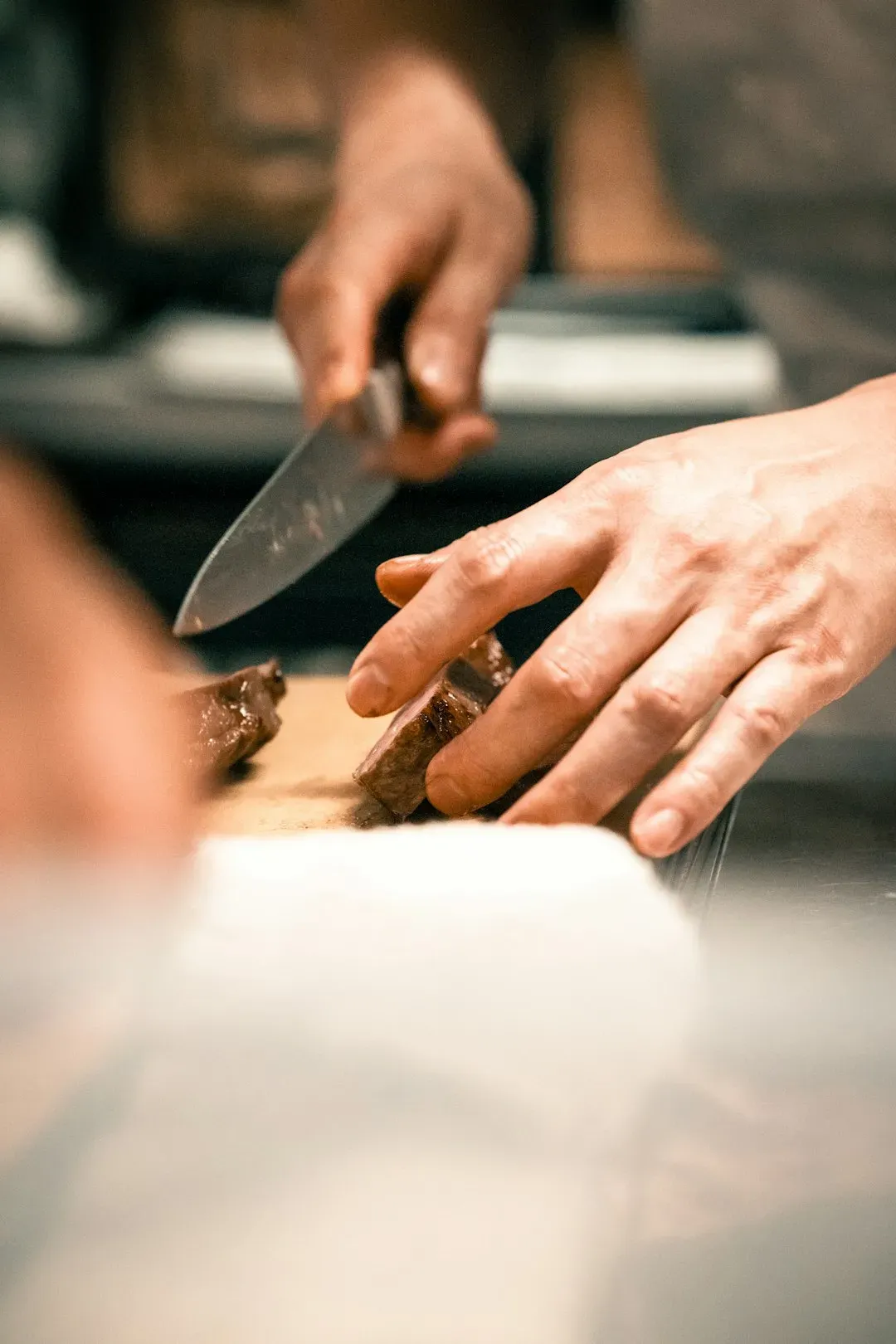
People avoid sharpening their knives because it feels like extra work before the actual cooking starts. Ironically, a dull knife creates far more work, and far more risk. Knife skills are the make-or-break skill that all chefs need. Almost every professional chef starts out training to improve their knife skills. Learning how to properly hold, sharpen, and use a chef's knife is essential for efficiency and safety. Uniform cuts help food cook evenly and look better on the plate.
Using a knife on a cutting board is one of the number-one ways to dull your knife and shorten its lifespan. That's particularly heartbreaking when home cooks spend a lot of money on high-performing, high-quality knives. A sharp knife glides. A dull knife requires force, which is where accidents happen. Think of slicing a tomato with a butter knife versus a honed blade. The difference isn't subtle.
Knife skills are essential in the culinary arts, yet many chefs overlook their importance and use dull knives. Ignoring proper knife skills can result in inconsistent cuts and affect the presentation of your dishes. Invest in a basic honing steel and use it before every session. Your fingers, your food, and your prep time will all thank you.
9. Not Tasting as You Cook
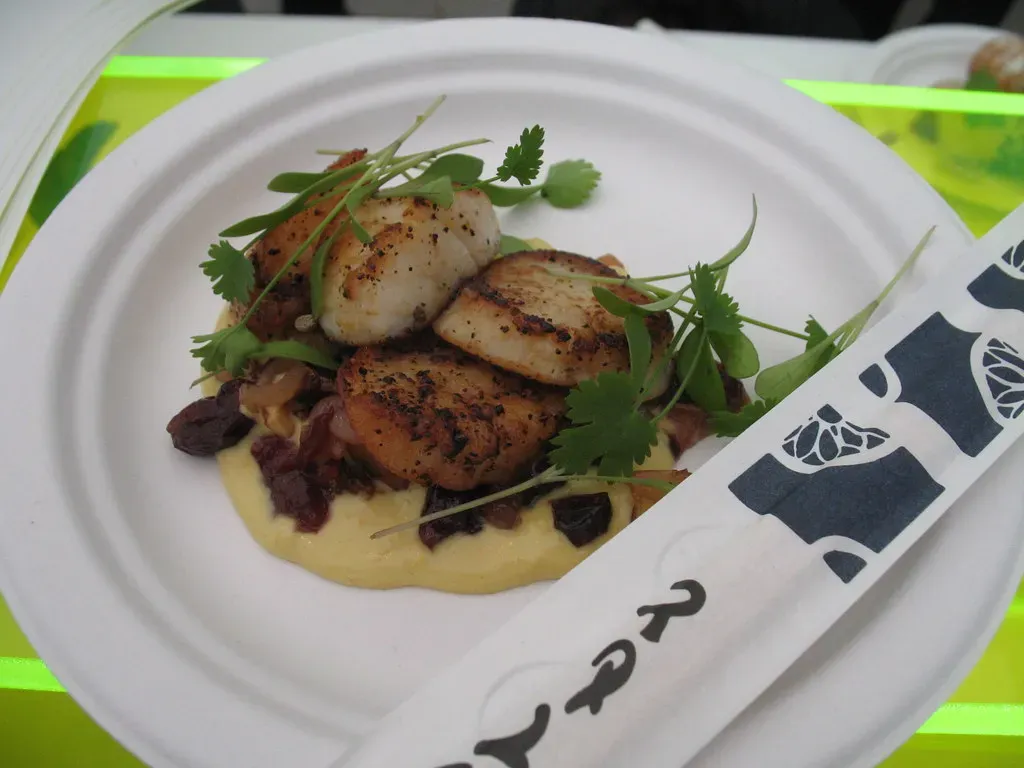
This one might be the most common shortcut of them all: following a recipe to the letter without tasting a single thing until it hits the plate. Recipes are guides, not guarantees. Every stove behaves differently, every batch of tomatoes has a different acid level, and every piece of chicken varies in thickness. The most common mistake is probably not tasting the food as you cook. Neglecting to taste the food throughout the cooking process can lead to dishes being under-seasoned, over-seasoned, or lacking in flavor balance. Tasting the entire recipe allows you to identify any adjustments that need to be made and ensures that the final dish is delicious and well-balanced.
Taste as you go. Find out what difference it makes when you add certain ingredients. Soon enough you'll know what will happen without having to monitor every little thing. There's a reason professional chefs taste constantly. It's not excessive. It's how they know a dish is right before it leaves the kitchen.
Training your palate through frequent tasting and fine-tuning will teach you how to find the perfect balance of salty, sweet, sour, and umami in your food. Your palate is actually a trainable instrument. The more you taste with intention, the faster you improve. It's honestly one of the most rewarding parts of cooking once you start paying attention.
10. Believing Every "30-Minute Meal" Promise Requires Zero Prep
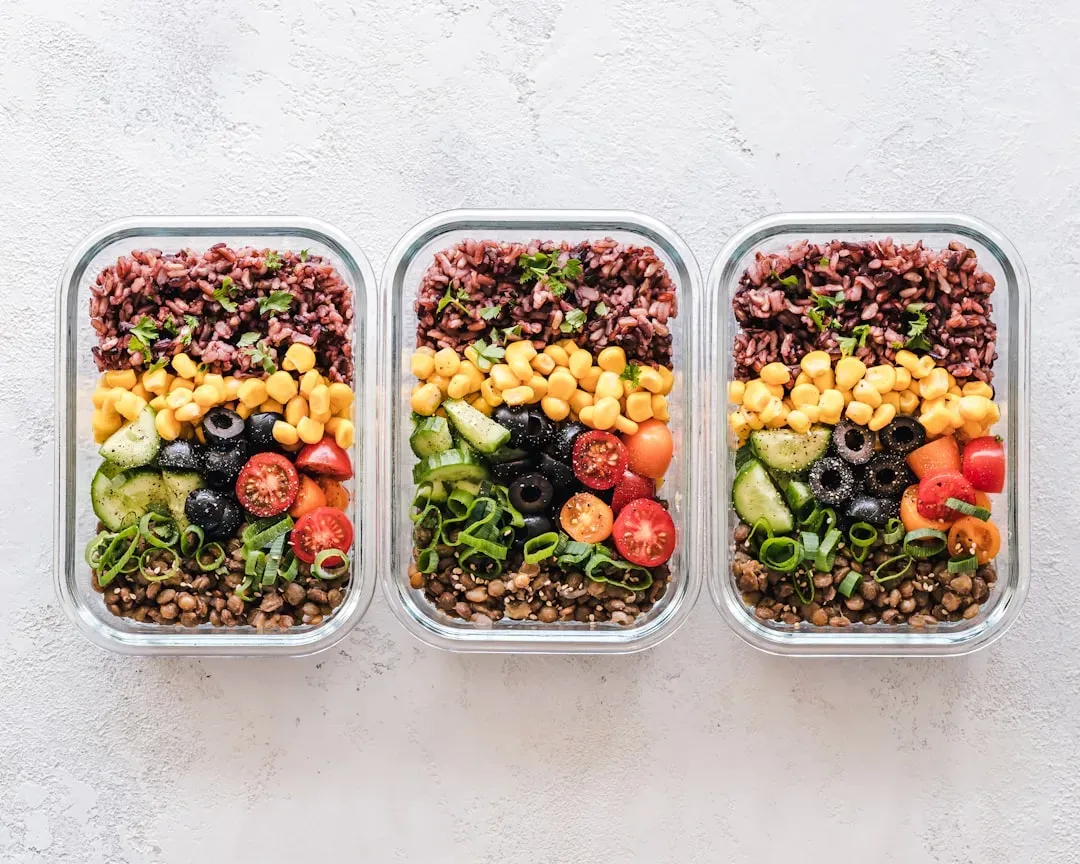
Social media has given us an ocean of "quick and easy" recipes that somehow skip over the part where you spend twenty-five of those thirty minutes just chopping and prepping. Unless you're using pre-chopped vegetables, rotisserie chicken, frozen rice, or another time-saving product, you're not getting a full, balanced, scratch-made meal on the table in 30 minutes. That's not pessimism. It's physics.
The secret isn't shame, it's planning. Batch-cook your rice ahead. Prep onions and peppers in advance. Have quality shortcuts on hand. These are the real shortcuts. Not skipping the rest on your steak or rinsing your pasta. Preparation done ahead of time is always smarter than cutting corners in the moment.
Overall, roughly more than half of home cooks admitted they don't know the correct temperature for cooking meat. That statistic says everything. We're rushing through the process without the foundational knowledge to make shortcuts work. The best version of fast cooking is still smart cooking, just prepared in advance so the actual cook time flies by effortlessly.

Leave a Reply