
Ever wonder what happened to that favorite childhood snack that just vanished from store shelves one day? You're not alone. Turns out, those forgotten treats are becoming serious collectibles, with some unopened packages fetching surprising amounts online. The world of discontinued snack memorabilia is heating up in ways nobody saw coming, driven by nostalgia trends and a collector culture that's exploded across social media platforms. So let's dive into what's really going on behind closed doors in this quirky corner of the collectibles market.
The Nostalgia Economy Is Transforming Discontinued Snacks Into Investment Assets
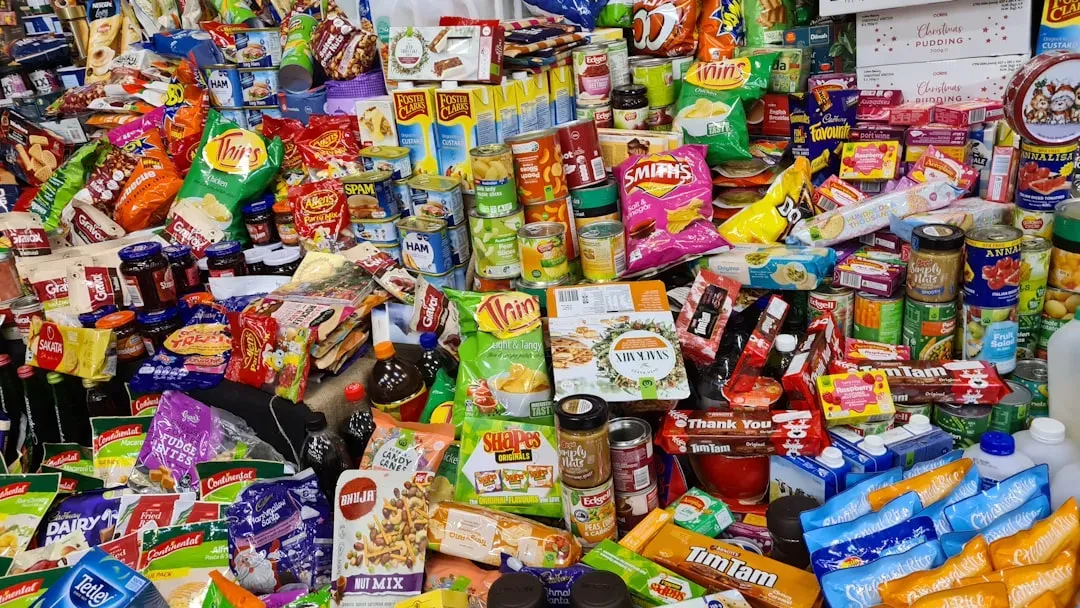
Here's the thing about nostalgia in 2026: it's not just a feeling anymore, it's a full-blown economic force. Nostalgia has become a strategic force, ushering in the era of neo-nostalgia where brands are reimagining retro flavors, formats, and packaging for a new generation. What makes this trend particularly fascinating is how it's bleeding into the collectibles market.
Discontinued snack packaging has become hot property. Unopened tins of certain discontinued snacks are being sold on eBay for around five hundred dollars, which honestly sounds insane until you realize the psychology behind it. Roughly three out of four consumers are more inclined to purchase products when marketing campaigns tap into nostalgic memories, according to research from The Drum.
The vintage packaging market is experiencing robust growth, driven by increasing consumer demand for sustainable and aesthetically pleasing packaging solutions, with consumers increasingly drawn to packaging that evokes nostalgia and aligns with their values. Brands have caught on, and so have collectors.
Packaging Authenticity Matters More Than Product Condition
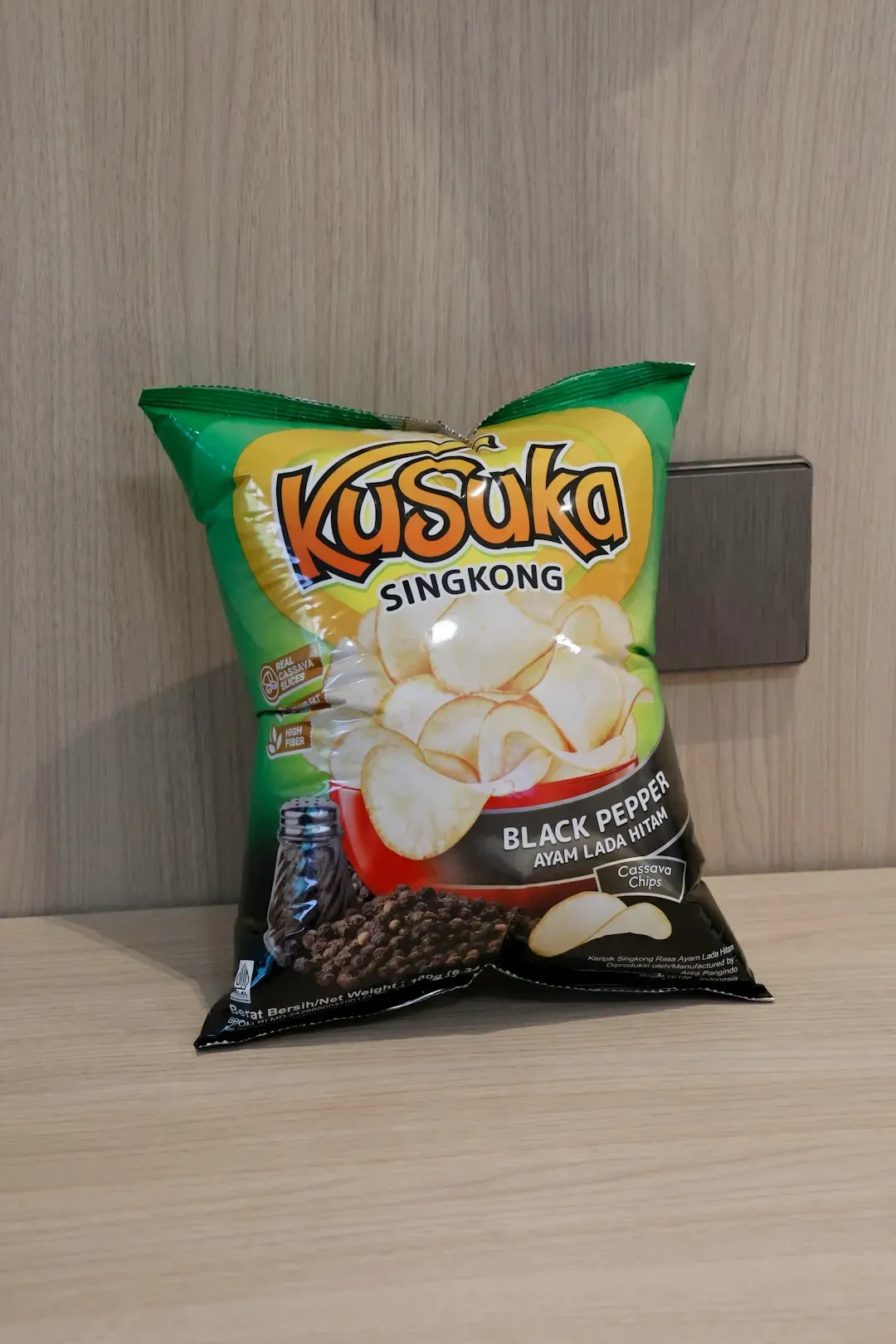
I think most people assume that what's inside the package determines the value. Wrong. Collectors are obsessing over the wrapper itself. Factors like condition and packaging quality significantly affect value, with an item in excellent condition with its original box commanding a premium price, as rarity, condition, and completeness determine the market value.
The original packaging acts as a time capsule. Colors, fonts, mascots, and even the printing quality tell a story about design trends from specific eras. Gen Z's love affair with vintage packaging represents one of the most powerful marketing opportunities, with retro designs tapping into consumers' emotions and creating feelings of warmth, familiarity, and nostalgia.
Let's be real: finding an unopened box of Altoids Sours or a sealed Wonka Bar from 2005 in mint condition is like finding treasure. These items aren't just candy, they're artifacts. The wrapper has to be crisp, the colors unfaded, and ideally, there should be no signs of tampering or storage damage.
Certain Brands Command Surprisingly High Premiums
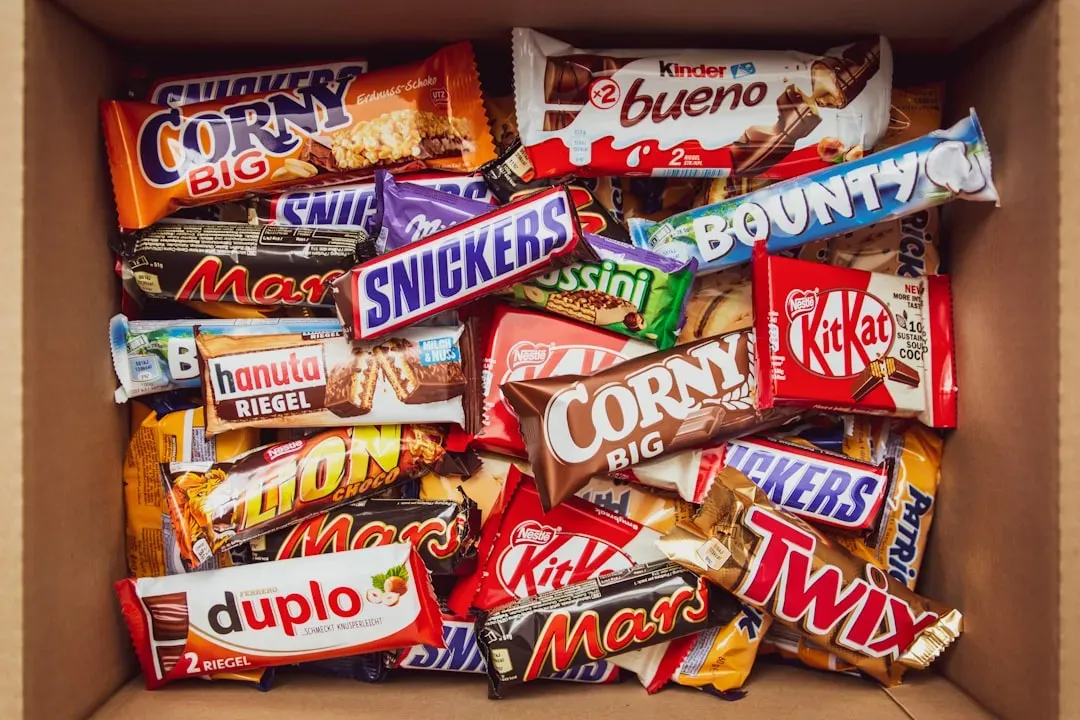
Amazingly, roughly two-thirds of candy bars in production have been around for over six decades, but more brands are being discontinued than ever as companies merge or go out of business, with the pandemic of 2020 to 2022 seeing the largest discontinuation of products in nearly a century. This mass extinction event created scarcity overnight.
Take the Marathon Bar, for instance. The braided caramel eight-inch candy bar was retired in 1981 after an eight-year run, and it remains one of the most requested discontinued candy bars of all time. Or consider the PB Max, which had a surprisingly short run and was stripped from shelves in 1994 despite raking in more than fifty million dollars in sales.
What's wild is that the more bizarre or controversial the discontinuation story, the higher the collector interest. Items tied to pop culture moments or featuring limited-edition promotional tie-ins are especially coveted.
The Digital Resale Market Has Exploded Since 2024
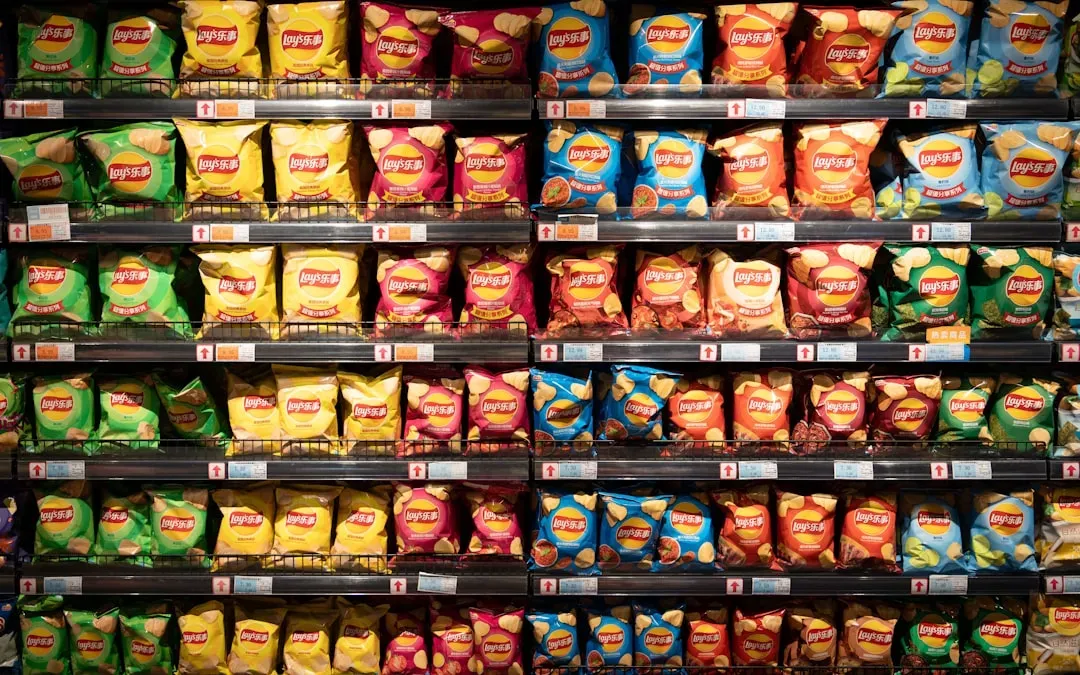
Social media changed everything. Platforms like TikTok and Instagram have turned vintage snack hunting into a spectator sport. TikTok nostalgia-related hashtags saw growth of roughly one hundred thirty percent year-over-year, with hashtags like nostalgia, throwback, and vintage all trending upward between 2024 and 2025.
eBay listings for discontinued snacks have multiplied. Sellers are getting savvier about presentation, photographing items from multiple angles, documenting any flaws, and providing provenance when possible. Meanwhile, buyers are willing to pay shipping costs that sometimes exceed the item's base price just to secure a piece of their childhood.
Online auction fever is real. Bidding wars break out over items that would have been tossed in the trash just a few years ago. Collectors are building entire social media accounts dedicated to their hauls, which only fuels more interest and drives prices higher.
Retail Collaborations Are Driving Demand for Originals
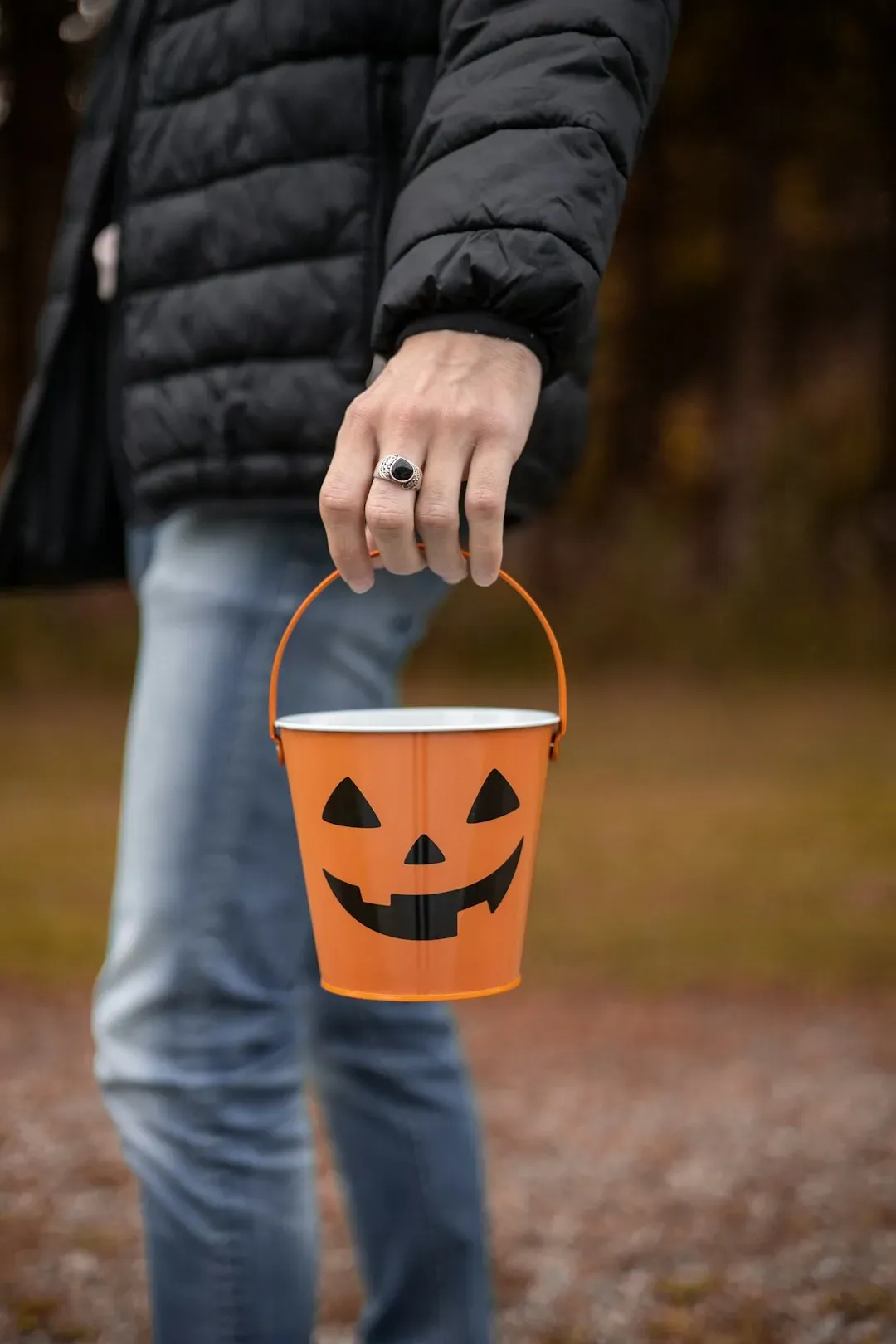
Ironically, modern nostalgia marketing is making the originals more valuable. When McDonald's brought back those iconic Halloween Happy Meal buckets from the 1980s, shoppers went absolutely mental for them. The reissues remind people what they loved, then they go hunting for the authentic versions.
Kraft's Mac Friday Box priced at roughly nineteen thirty-seven pounds, nodding to their founding year, sold out instantly during Black Friday 2025, with the combination of heritage storytelling, clever pricing, and limited availability creating perfect storm conditions for viral success. This type of activation doesn't just sell new product, it creates a halo effect that boosts interest in vintage items.
Brands like Chips Ahoy and Doritos have rolled out retro-inspired packaging tied to pop culture events. Mondelez created retro-inspired Chips Ahoy packs with a Stranger Things theme that harken back to the look and feel of 1980s packaging, while Doritos introduced old packaging with new flavors as part of a final season promo. Collectors see these and immediately want the real deal.
International Discontinued Snacks Are Premium Collectibles
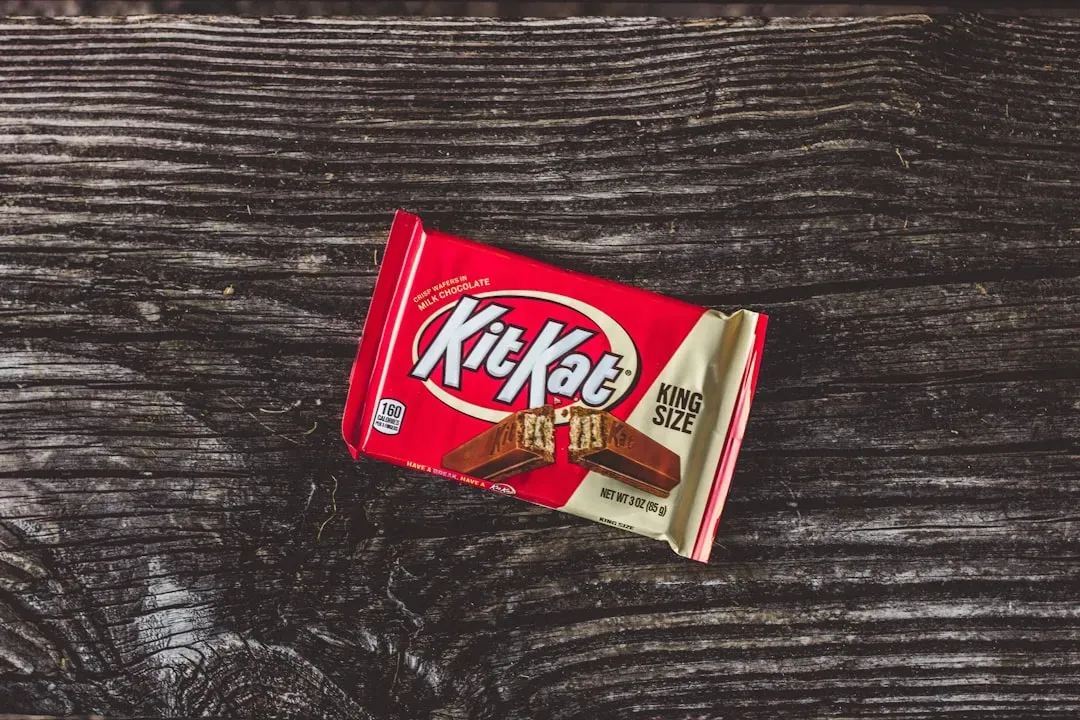
American nostalgia gets all the attention, but international discontinued snacks are where serious collectors are looking. Japanese Kit Kat flavors that were discontinued, UK chocolate bars that never made it stateside, or Australian snack brands that folded decades ago can fetch even higher prices due to rarity and difficulty of sourcing.
Certain Disney-licensed treats made by obscure companies are so rare that empty boxes don't even exist on eBay. That kind of scarcity creates intense demand among completionists and international collectors who coordinate across borders to track down elusive items.
Shipping costs and customs regulations add complexity, which paradoxically increases value. If something is difficult to obtain, it becomes more desirable. Collectors who specialize in international snacks often have networks of contacts who alert them when items surface at estate sales or vintage shops overseas.
Cereal Box Promotions and Limited Editions Are Gold Mines
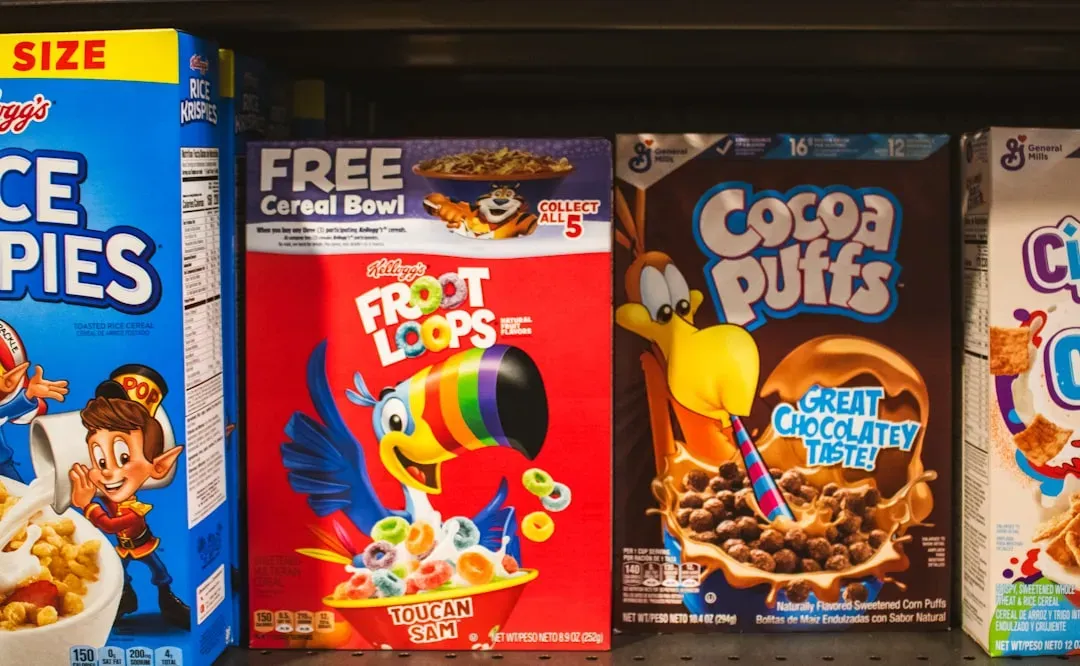
Let's talk about the real treasure: promotional tie-ins. Cereal boxes featuring discontinued cartoon characters, snack packages with collectible trading cards, or limited-edition flavors tied to movies are absolute gold. Nestle brought the Wonka Bar back in the early 2000s to support the release of the 2005 film Charlie and the Chocolate Factory, even promoting golden tickets as promotional prizes.
These promotional items were designed to be temporary, which means fewer survived. Kids ripped open packages to get the prize inside, so finding intact examples is tough. When one does surface, collectors pounce. The combination of pop culture crossover and built-in scarcity makes these items particularly valuable.
Even promotional packaging variations matter. Different regions sometimes got different designs or offers, creating micro-collectible categories within already niche markets. Serious collectors track these variations obsessively.
Nostalgia Marketing Statistics Validate Collector Investments
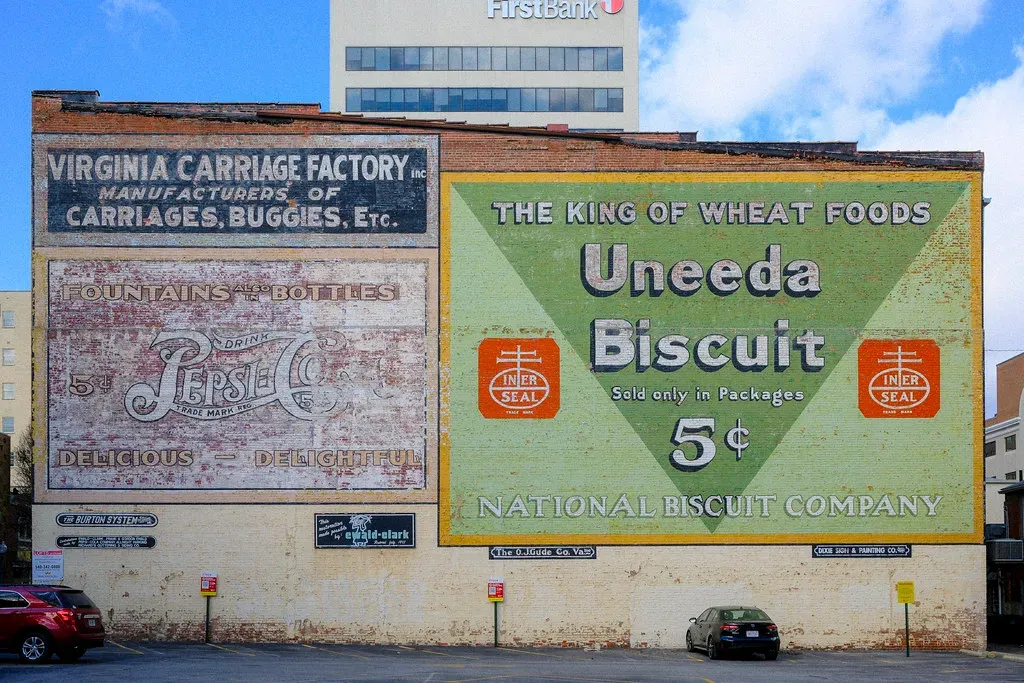
The numbers don't lie. Brands running 1990s-inspired content saw a thirty percent uptick in engagement across Instagram and TikTok in 2025, according to HubSpot. Meanwhile, campaigns featuring childhood themes generate twice the emotional reaction compared to non-nostalgic ads, per Think with Google.
Brands using nostalgic packaging saw a sixteen percent sales lift, based on Kantar's packaging study conducted between 2024 and 2025. These statistics validate what collectors already knew: nostalgia sells, and physical manifestations of that nostalgia hold real value.
Research shows that roughly one-fifth of global consumers want to see nostalgic flavors when choosing food, with one prevailing aspect based around a resurgence in a retro mindset and deeper appreciation for timeless traditions, as consumers find solace in the familiar and place importance on tradition, heritage, and nostalgia.
Regulatory Changes Are Impacting Future Scarcity
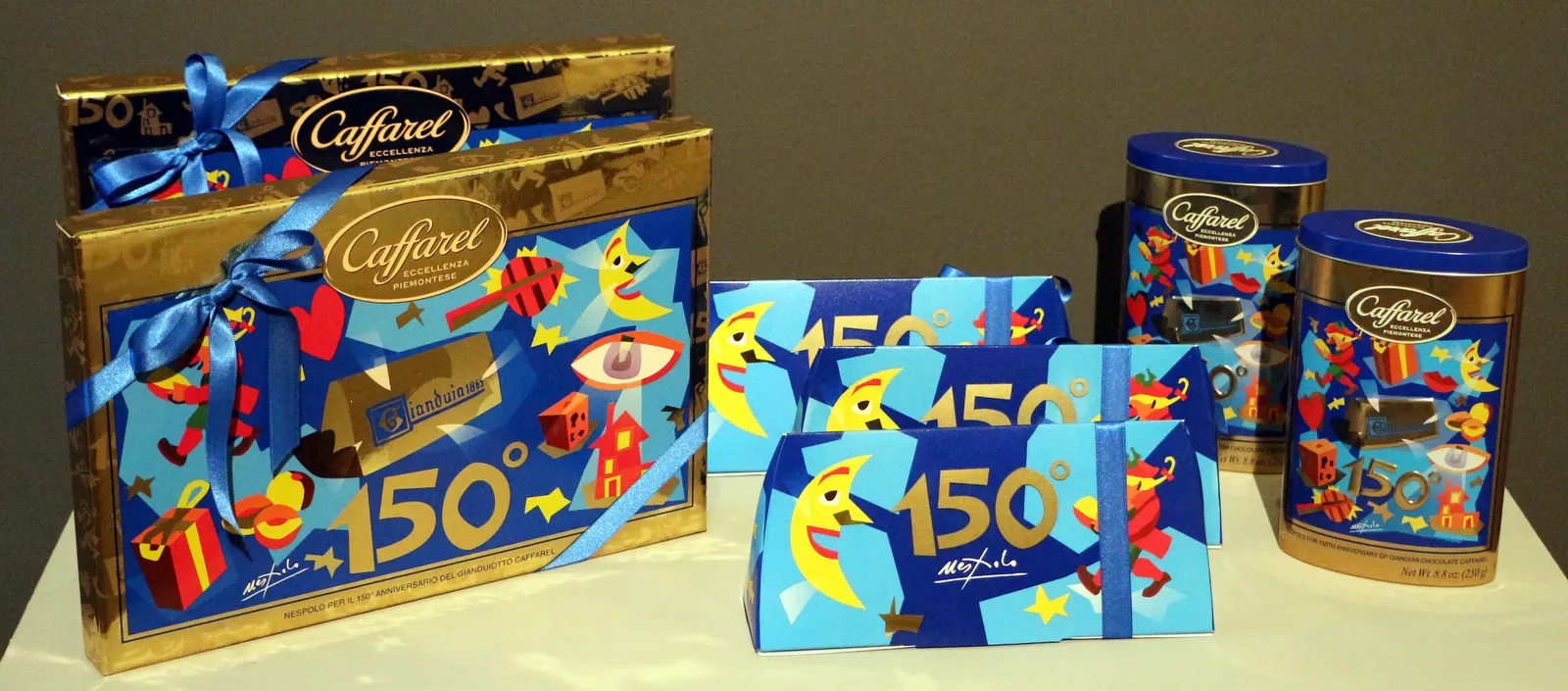
Something most people overlook: packaging regulations are changing, which means certain types of snack packaging won't be produced anymore. Regulators are tightening screws, especially in Europe, with the EU's Packaging and Packaging Waste Regulation reshaping decisions now, resulting in a noticeable shift toward simpler materials, with companies switching from multi-layer laminates with incompatible plastics to mono-material structures that are easier to recover.
This regulatory environment creates a defined endpoint for certain packaging formats. Once these regulations fully take effect, older packaging styles become artifacts of a previous era. Collectors are already positioning themselves to acquire items before they become completely unavailable.
The transition toward recyclable mono-material films and high-fiber paper pouches represents a major growth opportunity, and if these solutions capture even ten to fifteen percent of current laminated pouch volumes by 2033, the resulting demand would represent a substantial revenue opportunity. For collectors, this means current inventory is the last of its kind.
The Psychological Appeal Transcends Simple Nostalgia

Why do people really collect discontinued snacks? It goes deeper than just remembering childhood. Research shows that a sense of nostalgia today is natural in a constantly changing and shifting world, with looking back serving as a soothing reminder of times gone by, as this rose-tinted view of the past serves as a coping mechanism for increasingly prevalent feelings of isolation and loneliness, with reflection evoking a sense of stability in a world that often feels unsteady.
Collecting provides control in an uncontrollable world. You can't go back to being seven years old, but you can own the exact package of fruit snacks you ate after school. That tangible connection to a specific time and place is powerful. It's emotional archaeology.
There's also community. Collectors find each other online, trading stories and items, validating each other's interests. What might seem odd to outsiders becomes a shared passion among people who get it. The items themselves become conversation starters, memory triggers, and social currency within these communities.




Leave a Reply