
You sit down at a restaurant, open the menu, and immediately feel good about what you're about to order. The descriptions are glowing. Everything sounds wholesome, responsible, and carefully crafted. But here's the thing - a lot of what you're reading is marketing language dressed up as meaningful information, and it's far more slippery than most people suspect.
The restaurant menu sits at the core of a restaurant's strategy, and a variety of suggestions have been made about how restaurants should "manage" their menus - some derived empirically, others driven intuitively without supporting evidence. That tension between genuine communication and clever persuasion is exactly where buzzwords thrive. Let's dive into the ten terms doing the most damage to your dining decisions.
1. "Farm-Fresh"
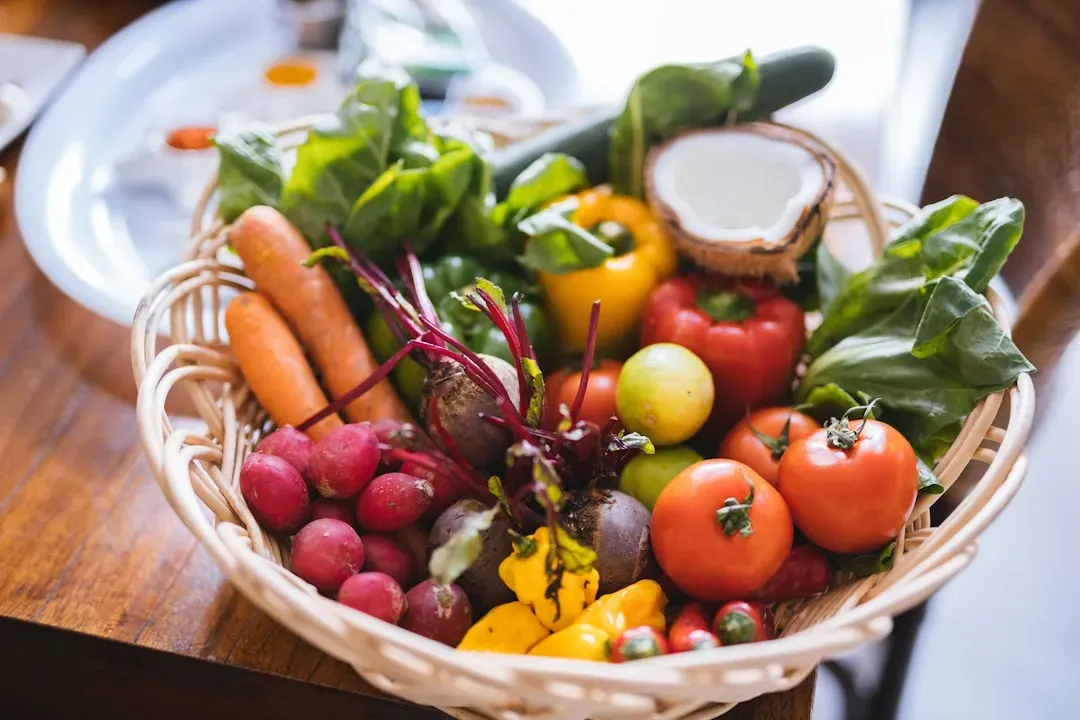
"Farm-fresh" sounds beautifully simple, doesn't it? You imagine a sun-drenched morning, a farmer handing over a basket of vegetables hours before they hit your plate. The reality, for the vast majority of restaurants, is considerably more mundane.
There is no legally enforced definition of "farm-fresh" in U.S. restaurant contexts. It requires no certification, no minimum time between harvest and service, and no disclosed relationship with any specific farm. A kitchen can source ingredients from a large-scale distributor and still print "farm-fresh" on the menu without violating any rule.
According to the National Restaurant Association, roughly four in five customers say they'd likely order locally sourced options if available - which tells you exactly why restaurants love this phrase. It sells. Whether the ingredients actually came from a local farm or a regional warehouse is a question most menus never answer.
2. "Artisan" or "Artisanal"
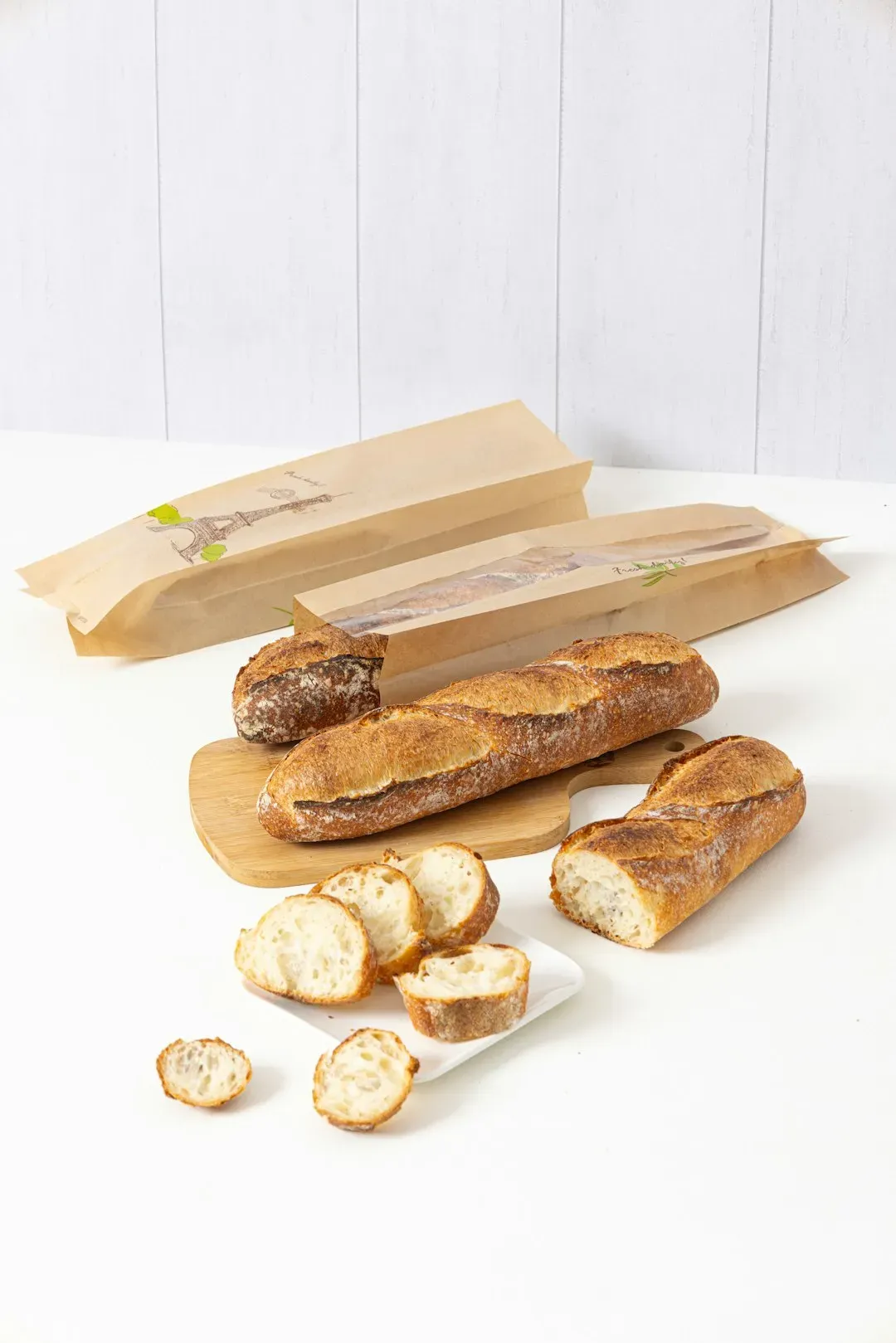
Walk into almost any modern café or fast-casual chain and you'll see the word "artisanal" plastered across the menu like a badge of honor. It implies handcrafted skill, small-batch production, and a craftsperson who genuinely cares. But the word has become so overused it has lost nearly all specific meaning.
There is no regulated definition of "artisanal" in the United States when used on a restaurant menu. A large industrial bakery can supply bread to a chain restaurant, and the menu can still describe that bread as "artisanal" without breaking any rules. The term is purely rhetorical at this point.
Some research suggests that items might best be described in simple terms, whereas other research suggests that more complex and elaborate descriptions might lead to higher quality assessments - and understanding how descriptive complexity of menu items influences customer evaluation is a core question for hospitality researchers. "Artisanal" leans hard on that second assumption, inflating perceived quality without any verifiable backing.
3. "Locally Sourced"
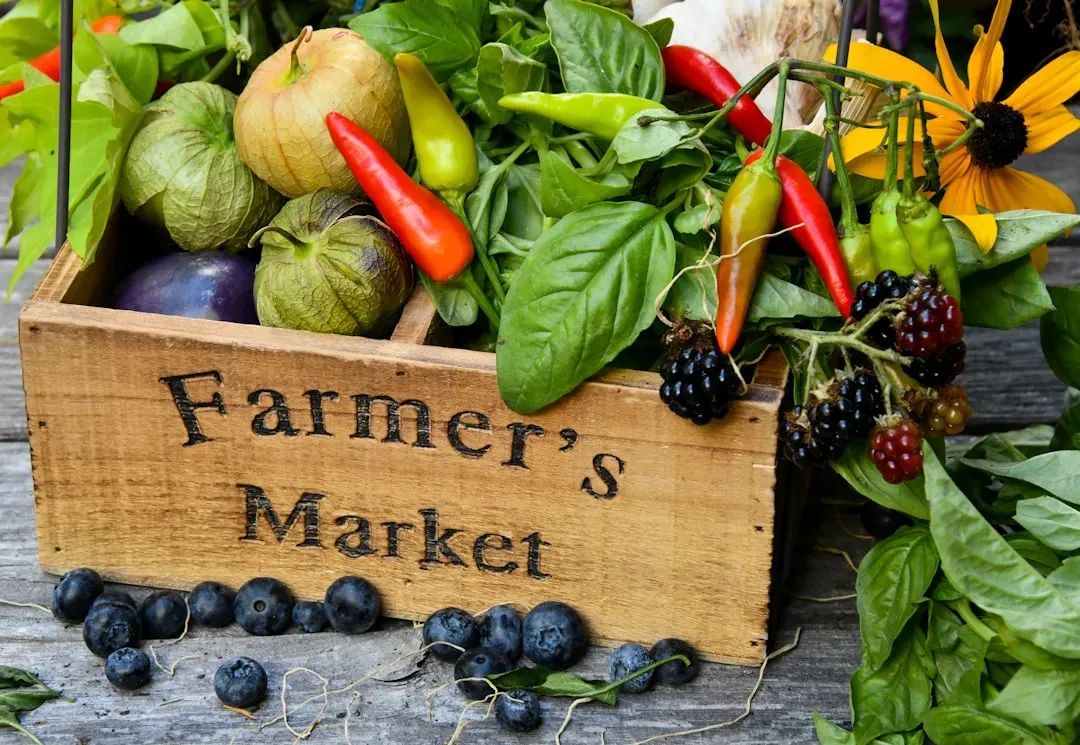
Honestly, this one is probably the most emotionally satisfying buzzword on any menu. It conjures images of small-town farmers, community relationships, and ingredients traveling mere miles to reach your fork. Diners feel genuinely good about ordering it - which is exactly the point.
The problem is that "local" has no standardized national definition in the U.S. restaurant industry. It could mean within 50 miles or within 500. Some restaurants use the term to describe a single optional ingredient in a dish, while the rest of the components arrive via conventional supply chains from across the country.
The majority of diners - and even operators - can't easily define sustainability or related sourcing concepts, which makes vague claims like "locally sourced" especially effective. The National Restaurant Association named "Sustainability and Local Sourcing" as the number one trend in its "What's Hot 2025 Culinary Trend Forecast," with chefs and industry professionals identifying restaurants' commitment to sustainability as the leading trend impacting where consumers choose to eat. With stakes that high, it's no surprise the language gets stretched.
4. "Natural"

Few words on a menu feel as reassuring as "natural." It suggests that nothing harmful was added, that the food came to you in some kind of pure, unaltered state. It makes you feel like a responsible, health-aware person for choosing it. Here's the uncomfortable truth though - it means almost nothing legally.
The U.S. Food and Drug Administration has acknowledged for years that it has no formal definition for the term "natural" when used in food labeling or on menus. That means a dish described as "natural" could contain highly processed ingredients, additives, or preservatives. The word functions as a mood, not a guarantee.
Today's guests are demanding more from every plate, with ingredient transparency becoming a growing expectation across the dining industry. Yet "natural" continues to fill menus precisely because it sounds transparent without actually delivering any. It's marketing theater of the highest order.
5. "Handcrafted"
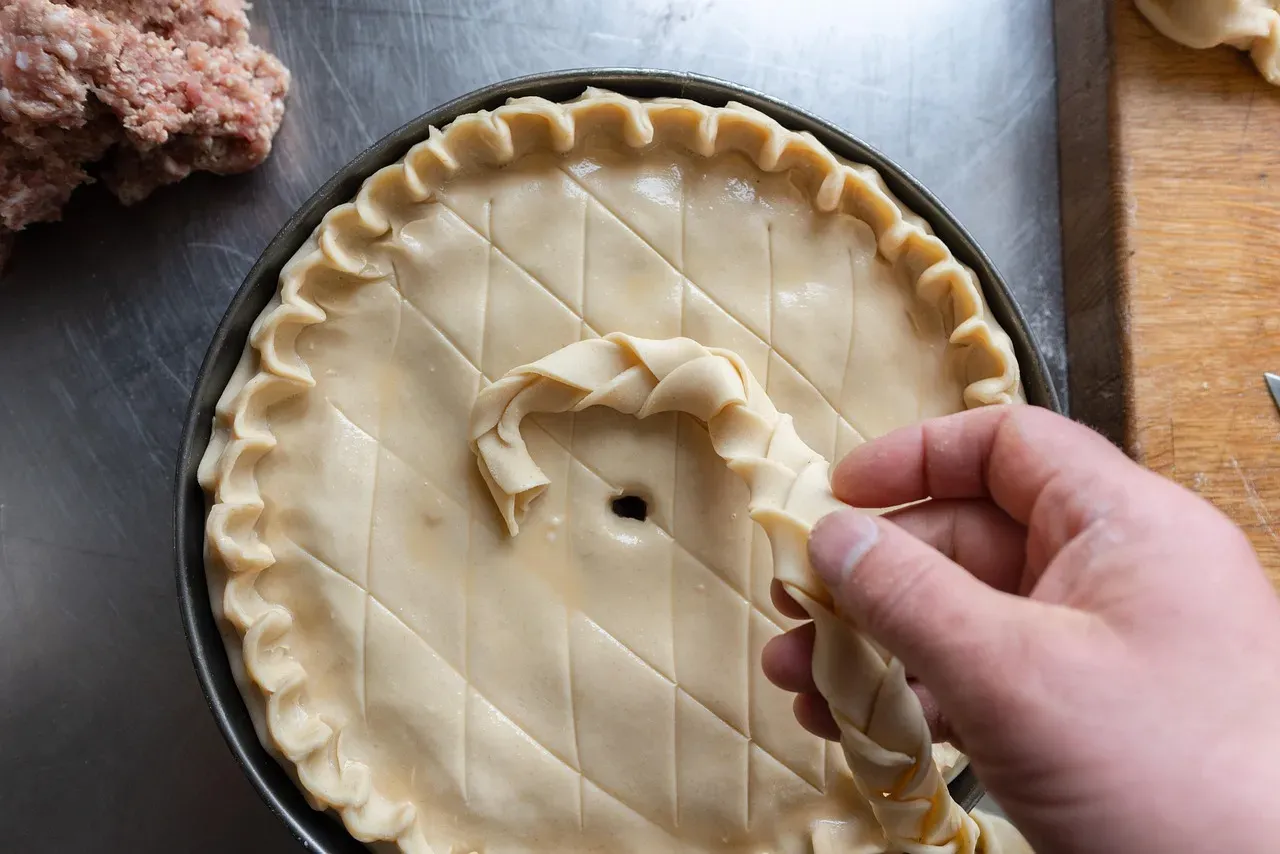
Picture a chef carefully shaping every single burger patty, rolling each piece of pasta by hand, or pressing each sandwich with personal attention. That's what "handcrafted" wants you to imagine. In practice, "handcrafted" at a restaurant serving hundreds of covers a night is a physical impossibility in the way it's implied.
Many chain restaurants use this term to describe items assembled from pre-made, pre-portioned, or pre-cooked components. Assembling something is not the same as crafting it, but the word "handcrafted" blurs that distinction elegantly. It gives a mass-produced product an artisanal personality.
Prior research has emphasized that the primary purpose of menu design is to sell goods that the restaurateur wants to move, and that features of a menu create perceptions of quality, value, and ultimately appropriate pricing. "Handcrafted" does exactly that - it nudges perceived value upward, often justifying a price premium for something that was assembled on a line.
6. "Sustainable"

Sustainability is a genuinely important concept, and the restaurant industry's growing attention to it reflects real consumer demand. But "sustainable" on a menu is increasingly a word that sounds meaningful while communicating very little specific information to the average diner sitting at the table.
Sustainability can theoretically refer to packaging, sourcing practices, water use, carbon footprint, waste reduction, or any combination of dozens of factors. A restaurant might use compostable takeout containers and claim sustainability while sourcing beef from the least environmentally efficient supply chain possible. The term is sprawling enough to accommodate almost any practice.
Sustainability on menus can take many forms beyond local sourcing - including recyclable or compostable containers, upcycled ingredients, composting, zero-waste cooking, and more - but restaurants need to zero in on simple-to-understand specifics to attract consumers, since most diners don't know what concepts like regenerative agriculture mean. Without specifics, "sustainable" is little more than a feel-good label.
7. "Organic"

To be fair, "organic" does carry genuine legal weight when applied to packaged food products sold in grocery stores. The USDA Organic certification is a rigorous standard. The confusion arises when restaurants use the term loosely on menus - and they do, frequently, in ways that don't necessarily meet that same standard.
A restaurant might source one certified organic ingredient in a dish and describe the entire dish as "organic-inspired" or simply imply organics throughout the menu's language and design. Diners often interpret this as a sweeping commitment to certified organic sourcing when the reality may be far more selective. The halo effect of one organic component gets extended to the whole plate.
Nearly seven in ten customers say they'd likely order options that included ingredients grown or raised in an organic or environmentally friendly way - which illustrates just how much commercial incentive exists to use the word, even in its loosest possible form. Demand creates the motivation, and vague language fills the gap.
8. "Grass-Fed"

Grass-fed beef has become a genuine marker of quality and a symbol of animal welfare for many diners. Studies have pointed to differences in fatty acid profiles between grass-fed and grain-fed cattle, giving the term some real nutritional credibility. The marketing problem is that "grass-fed" says nothing about how the animal was raised or finished.
An animal can be grass-fed for part of its life and grain-finished before slaughter - a common industry practice - and still legally be described as "grass-fed" in many contexts. The term does not necessarily confirm pasture-raised conditions, humane treatment, or that the animal was grass-fed for its entire life. What sounds like a full story is really just one chapter.
Today's diners crave more than great taste - they want transparency, personalization, sustainability, and innovation. Yet "grass-fed" often delivers the impression of transparency without the substance of it. Asking your server exactly what the label means at that particular restaurant is almost always worth the brief awkwardness.
9. "House-Made"
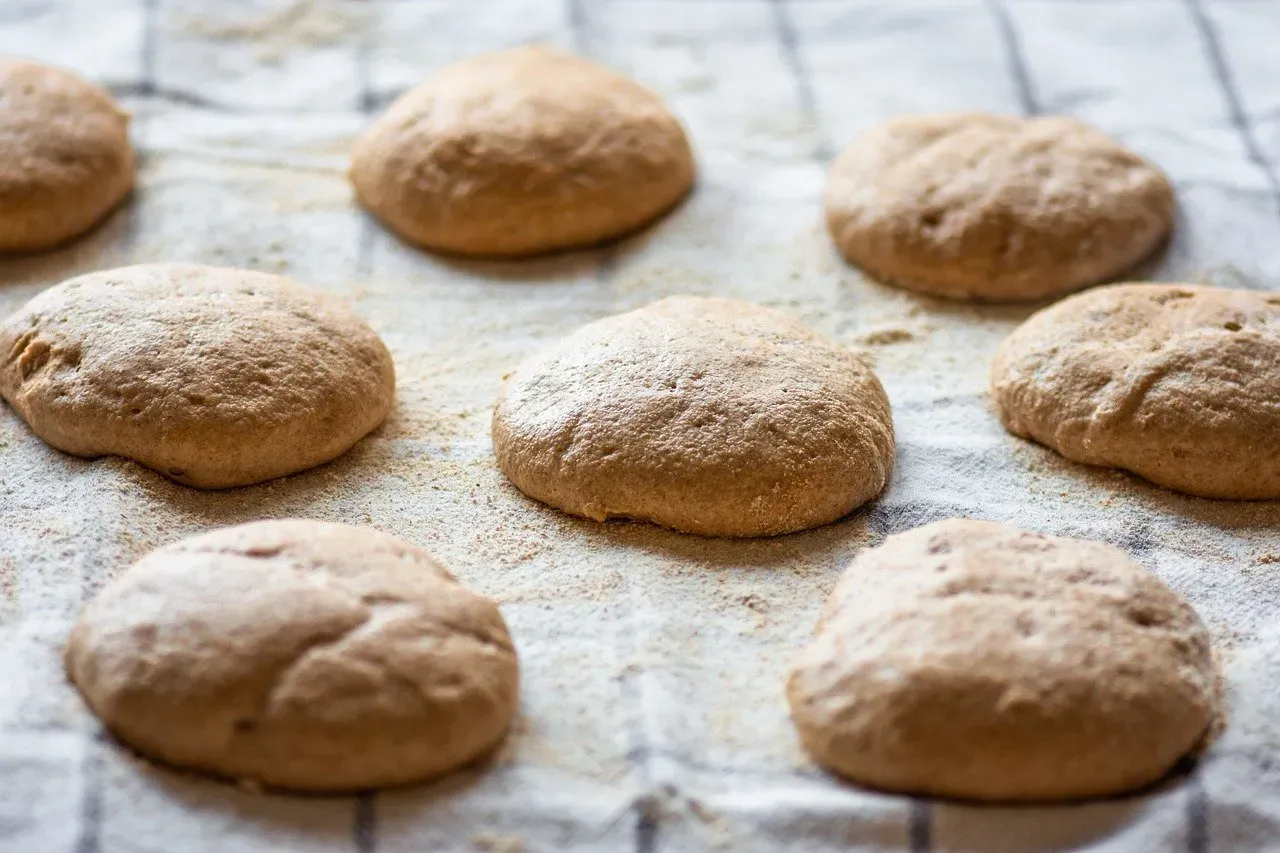
"House-made" might be the most romantically deceptive phrase on this entire list. It implies that skilled kitchen staff created something from scratch in that very restaurant's kitchen, just for you. Sometimes that's completely true. Sometimes it refers to a sauce that began as a commercially produced base with a few herbs stirred in before service.
There is no regulation governing what "house-made" means in a restaurant setting. A dressing poured from a large catering-size commercial container and mixed with a splash of lemon juice could technically be called "house-made" if the finishing touch happened in that kitchen. The phrase is broad enough to cover a very wide range of actual preparation levels.
Research has shown that menu description complexity can increase perceptions of item quality, expected price, and selection likelihood - and it is recommended that restaurateurs benefit significantly by carefully crafting menu descriptions that emphasize food preparation. "House-made" does exactly that, implying preparation effort and skill regardless of how much of either was actually involved.
10. "Premium"

Let's be real - "premium" is perhaps the most naked piece of price-justification language you'll find on a menu. It doesn't describe an origin, a process, a certification, or a standard. It simply asserts that something is better than the thing next to it, without providing any criteria for that judgment. It's an adjective that grades its own homework.
The word "premium" is used freely across all price tiers and all types of establishments, from fast food chains advertising their "premium burger line" to mid-range sit-down restaurants describing their "premium cut." The term can describe virtually anything a restaurant wants to charge slightly more for, with zero external accountability.
Every placement, every price point, and every highlight on a menu matters - smart layout strategies are used to anchor high-margin items and highlight profitable bundles or add-ons. "Premium" is the verbal equivalent of that layout strategy. It anchors your perception of value upward and encourages you to spend more without delivering any specific promise in return. Next time you see it, ask yourself: premium compared to what, exactly?
Conclusion: Read Menus Like a Skeptic
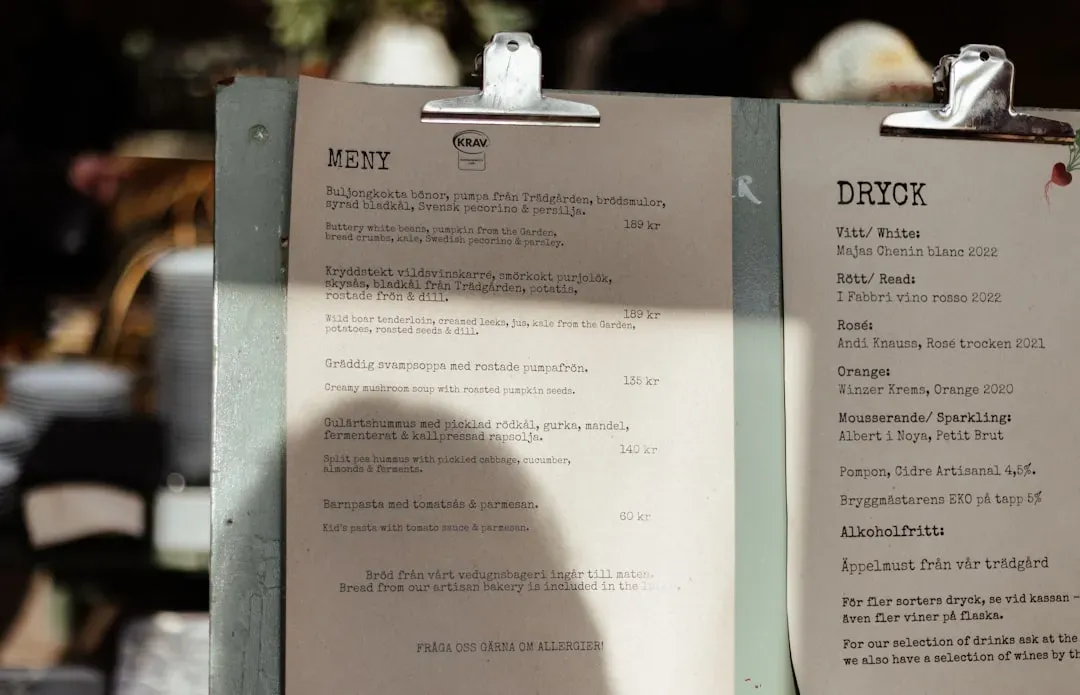
None of this means every restaurant is being deliberately deceptive. Many of these words started with genuine intent and got co-opted by marketing culture until their meaning dissolved. The real issue is that the dining industry operates with very few guardrails around the language used to describe food.
The restaurant industry is entering a transformative phase, with menus evolving beyond just food offerings - and today's diners crave transparency, personalization, sustainability, and innovation, with restaurant menus becoming powerful tools for storytelling and brand differentiation. Storytelling, though, is not the same as accountability.
The next time you sit down and open a menu, treat it a little like an advertisement - because in many ways, that's exactly what it is. The words are chosen carefully, and they're chosen to make you feel things. Feeling good about your food is genuinely nice. Knowing whether you have a real reason to feel good is even better. What's the last "premium" or "artisanal" dish you ordered - and do you think it lived up to the label?

Leave a Reply