
There's a whole hidden language happening inside restaurants, and most diners never hear a word of it. While you're browsing the menu and debating between the risotto and the grilled salmon, your server is already decoding your order in real time, mentally flagging every complication before they've even walked back to the kitchen.
Restaurant staff have developed an entire vocabulary for talking about orders that are about to test everyone's patience and timing. Some of these phrases are universal across the industry. Others are so deeply baked into dining culture that even veteran servers use them without thinking twice. Get ready, because what follows might change the way you order forever. Let's dive in.
1. "On the Fly"
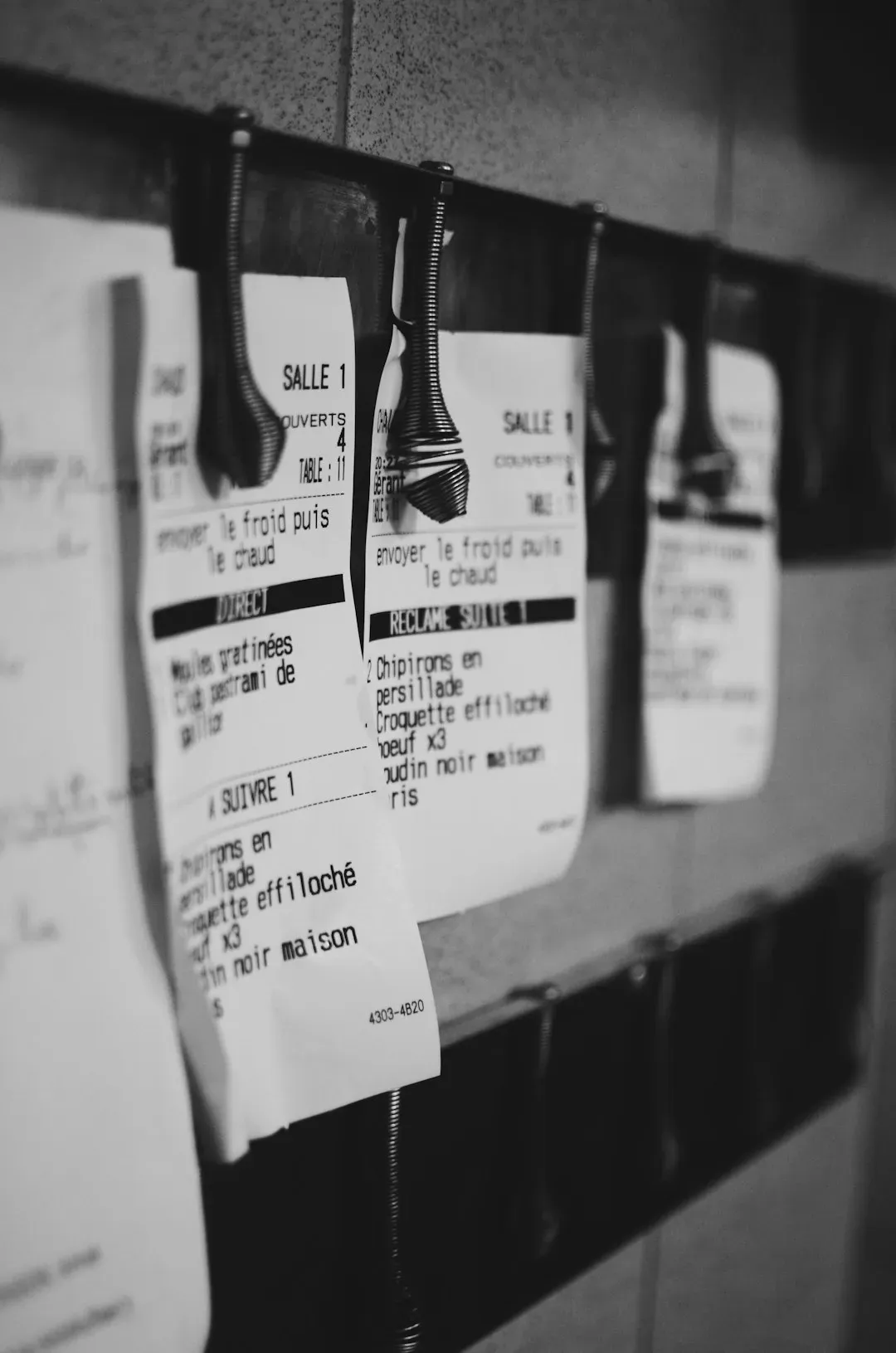
If you've ever heard a server rush toward the kitchen muttering something about needing a dish "on the fly," you've just witnessed a kitchen emergency in slow motion. When something is "on the fly," it needs to be completed immediately or as urgently as possible - for example, a server realizing they forgot to ring in an appetizer and needing it made right away. It's essentially a fire alarm for the kitchen. Everyone stops what they're doing and scrambles.
The phrase "on the fly" signals that something is needed quickly - like yesterday. An example would be, "Give me a well done tender... on the fly." The problem is that speed and quality rarely coexist in a hot kitchen. Honestly, if your food comes "on the fly," you might want to keep expectations measured.
2. "We're 86 on That"
When a restaurant runs out of a certain ingredient, drink, or menu item, it's called "86'd." Usually, the manager or kitchen will alert servers when a menu item is 86'd - for example: "We just sold our last oyster dish, so 86 oysters for the rest of the night." This phrase is the one customers most visibly experience, because it's the moment your server comes back to the table with a slightly apologetic face.
The term "86" functions as a verb, meaning to be out of something, or to deliberately stop it. Common uses include "We are 86 the special" or "The spinach tastes funky, so chef is 86-ing it." For kitchen staff, this phrase is a daily reality. Studies on food waste have shown that restaurants can waste roughly four to ten percent of the food they purchase, so running out of a popular ingredient before close is actually a sign of good inventory management - even if it's annoying for the guest who just fell in love with the menu description.
3. "A Modifier on That Order"
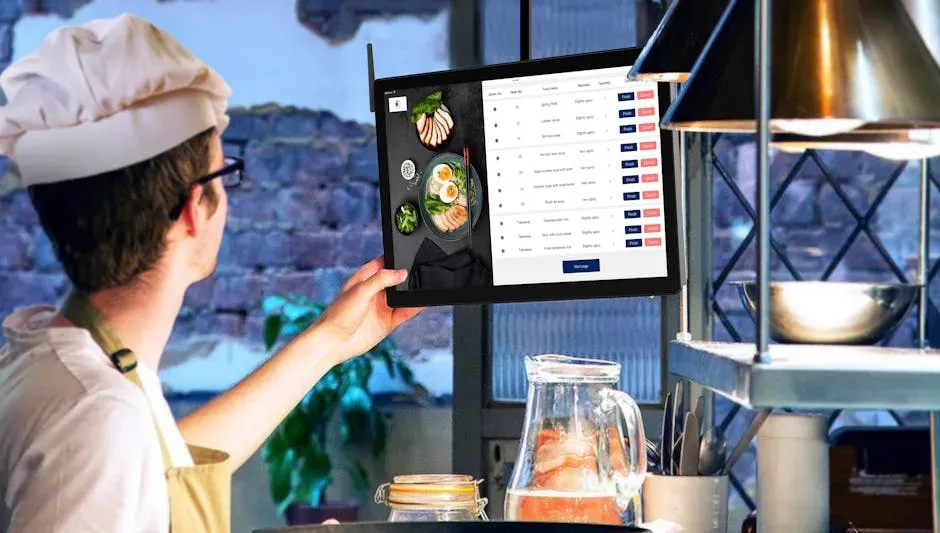
Here's the thing about "modifiers": they sound harmless. You want the dressing on the side. No onions. Extra cheese. Simple, right? Not quite. A "modifier" is an order with a special request to change, remove, or add an item to a dish contrary to how it is sold on the menu. Every single modification interrupts the kitchen's rhythm, which runs on repetition and muscle memory.
Think of the kitchen like a well-rehearsed orchestra. Everyone knows their part. A modifier is like one musician suddenly getting a different sheet of music halfway through the performance. The term "verbal" in kitchen language refers to listing off menu modifications that are not printed, as in: "We're 86 the Gewurtz, menus haven't been changed, so verbal it." The more modifiers on a ticket, the higher the chance something gets missed - and the longer it takes for your food to arrive.
4. "I Need to Check with the Kitchen on That"

When your server smiles and says they need to "check with the kitchen," this is essentially restaurant code for "this request is unusual enough that I genuinely don't know if we can pull it off." It might be a substitution involving ingredients not normally combined, a severe allergy accommodation, or a dietary need that requires the chef to be personally involved. This phrase is a soft warning that your order is about to become a team project.
If a diner has a food allergy, telling the server right away is critical - a phrase like "I have a severe nut allergy, make sure my dish has no nuts" helps the staff avoid serious problems. Servers aren't being evasive when they check with the kitchen. They're protecting you. According to the National Restaurant Association, seventy percent of operators are still struggling to fill positions, with turnover rates remaining high at seventy-five to eighty percent annually, meaning the person on the line may be newer than you'd think, and a complicated allergy order deserves careful handling.
5. "Fire It Now"
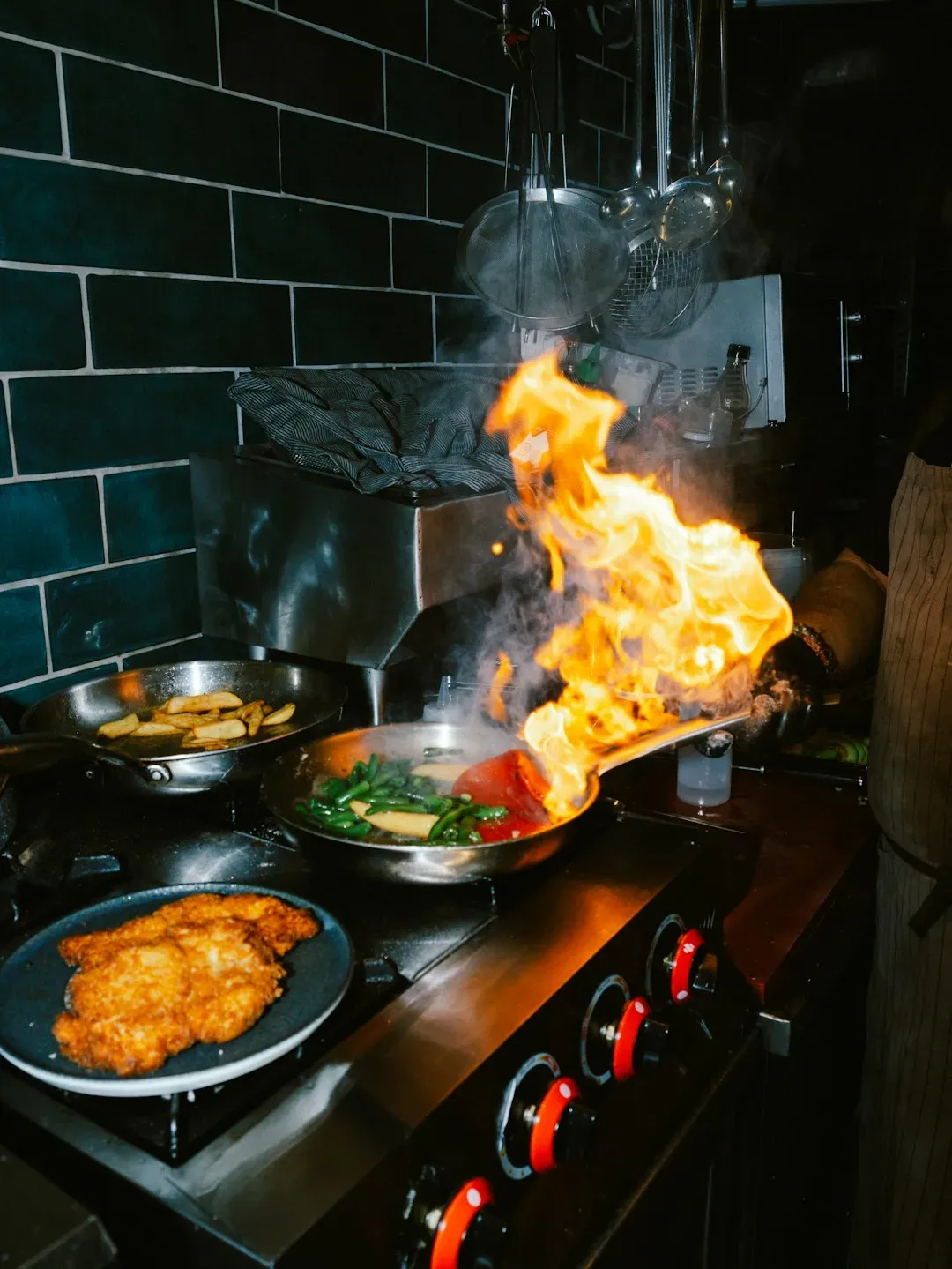
In the restaurant world, "fire" is used to let the kitchen staff know it's time to start cooking or prepping a dish. Generally, this phrase is reserved for the head chef or whoever is in charge of the kitchen - for example, "Fire those pizzas so they are ready when the large party arrives." So when a server rushes to the pass and says "fire it now" on your order, something has gone sideways - either a delay occurred, or timing is off with the rest of your table's food.
In a smoothly running kitchen, dishes are fired at carefully timed intervals so everything lands on the table simultaneously. Hearing "fire it now" means that careful choreography has already broken down. As one server put it bluntly: "People think that just because your food took a long time, it's the server's fault. Nine times out of ten, it's the kitchen. Or it's the fact that you ordered a well-done burger." Truer words have never been spoken inside a restaurant kitchen.
6. "Well Done, All the Way"
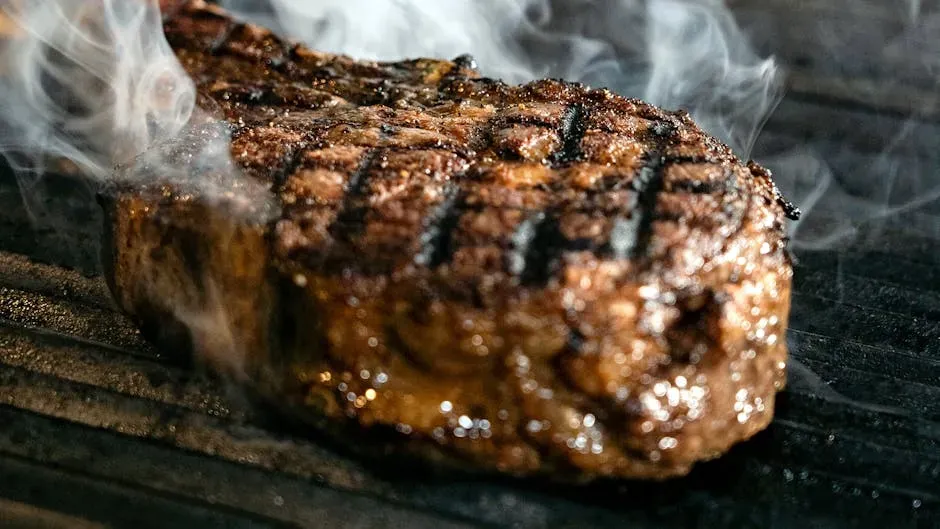
Few phrases cause a subtle collective groan in a professional kitchen quite like "well done." I know it sounds crazy, but ordering a well-done steak is genuinely one of the most disruptive things a kitchen can encounter during a dinner rush. A medium-rare steak takes roughly four to six minutes on each side. A well-done steak? That can take twice as long, holding up the entire pass for that table.
A term used in Irish pubs and restaurants, "Paddy Well" means to cook something until there is no possibility of life remaining - considered the next level above "cremate it." These phrases exist precisely because well-done orders are common enough to need their own vocabulary. According to industry data, roughly half of consumers say food quality is one of their top three priorities when dining at full-service restaurants, which is ironic given how heavily a well-done order sacrifices the inherent quality of a cut of meat.
7. "All Day" Count That's Too High
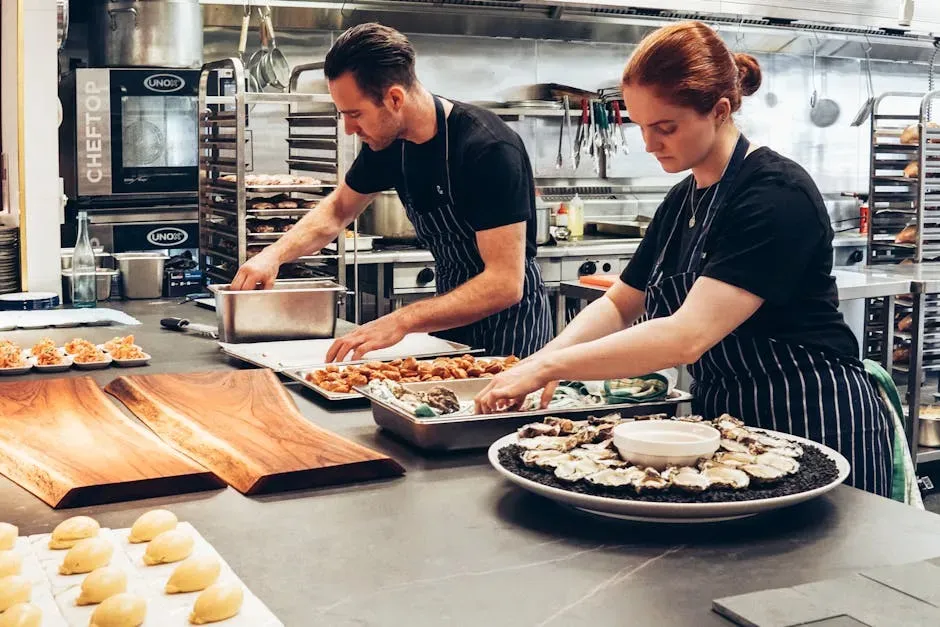
The phrase "all day" refers to the total number of orders of a certain dish that the kitchen needs to make at a particular time. Instead of reading out each individual order separately, restaurant staff streamline the process by totaling the orders and ending with "all day," which means "all together." Under normal circumstances, this is just an efficient communication tool. When the count gets unusually high, though, it becomes a warning signal.
Imagine the kitchen hearing "seven well-done burgers all day" during a Friday dinner rush. That's a recipe for stress, delay, and potential quality loss across the board. There are often multiple ticket orders in the window, so the expo worker or head chef might call out something like "5 shrimp baskets all day!" meaning that of all the tickets in the window, there are five orders of that particular dish. When the "all day" number on a complicated dish spikes, the entire kitchen shifts into crisis mode - and that ripple effect touches every single table in the room.
8. "They Want It Gluten-Free and Dairy-Free"
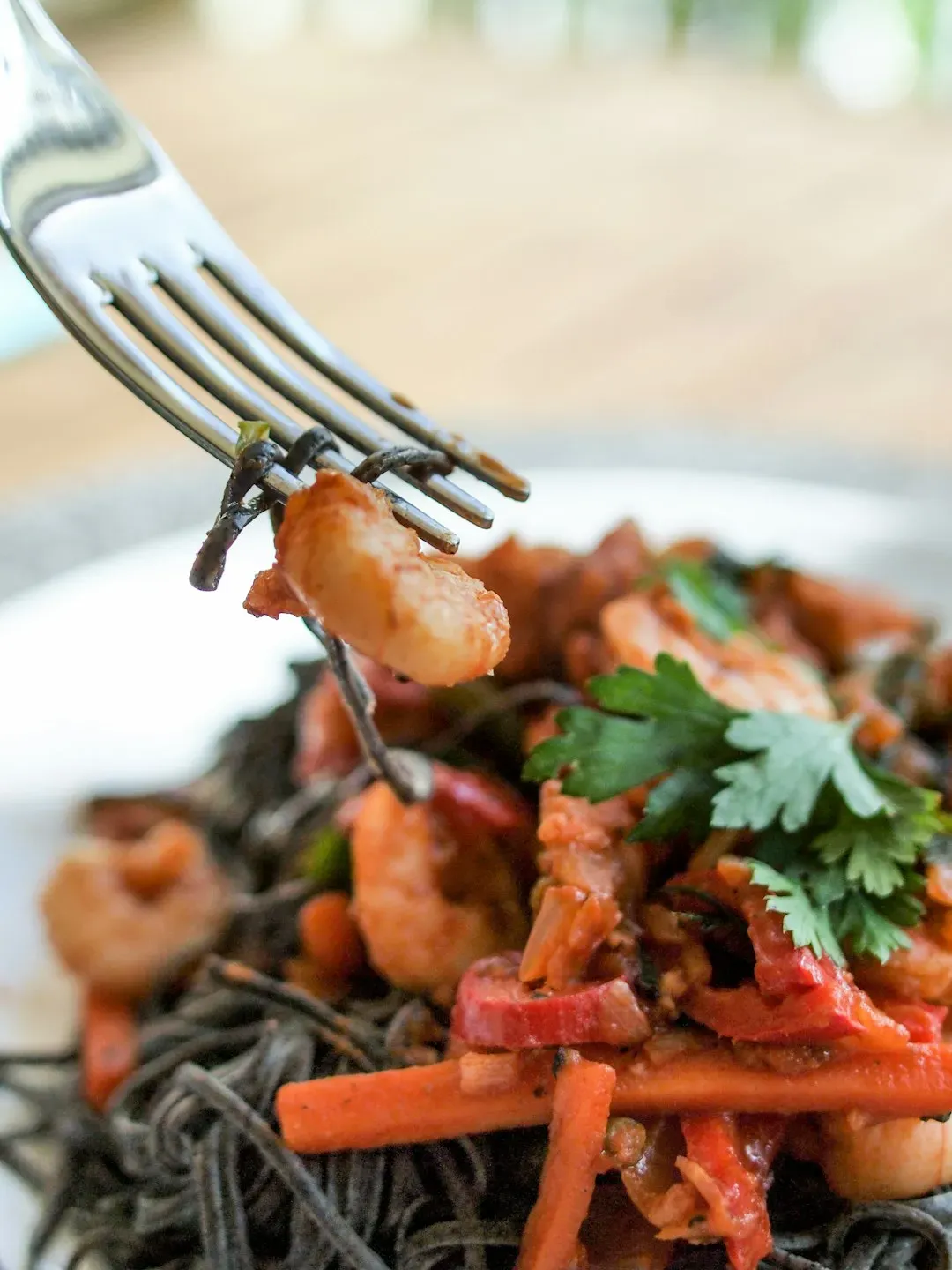
Let's be real - dietary restriction orders are among the most complex challenges a kitchen faces on any given night. They're also the most important to get right, for obvious reasons. If a guest can't eat gluten, asking directly "Is this dish gluten-free?" is essential, because many places do have gluten-free choices or can modify dishes accordingly. The complication arises when multiple dietary restrictions stack on top of each other.
A simultaneously gluten-free and dairy-free request often means the kitchen must rebuild a dish from scratch, substituting core ingredients that were never designed to be removed. Vegans and vegetarians can find suitable food by asking questions like "Do you have vegan options?" or "Can you make this without meat or dairy?" - and more places are indeed offering plant-based options. According to industry data, roughly nineteen out of twenty restaurants cite food costs as a significant challenge, and special dietary modifications only add pressure to an already strained system of managing ingredient costs and cross-contamination protocols.
9. "Can You Comp That?"
In restaurant language, "comping" something means giving it away for free to the customer - usually done to smooth things over with a disgruntled guest who has had some part of their meal go wrong. When a server asks a manager if they can "comp" a dish, it almost always means an order went sideways. Either it was made incorrectly, arrived cold, took far too long, or the guest is deeply unhappy.
A comp might happen because "the kitchen lost the order, and the entrées came out late." Each comp represents a real financial loss for the restaurant, and there are more of them than most diners ever realize. Profit margins in the industry vary widely, with quick-service restaurants reporting net profit margins of roughly four to six percent and full-service establishments averaging just two to four percent. In that context, a comped dish isn't just an apology - it's a genuine dent in an already razor-thin margin.
10. "Table Needs to Be Re-Fired"
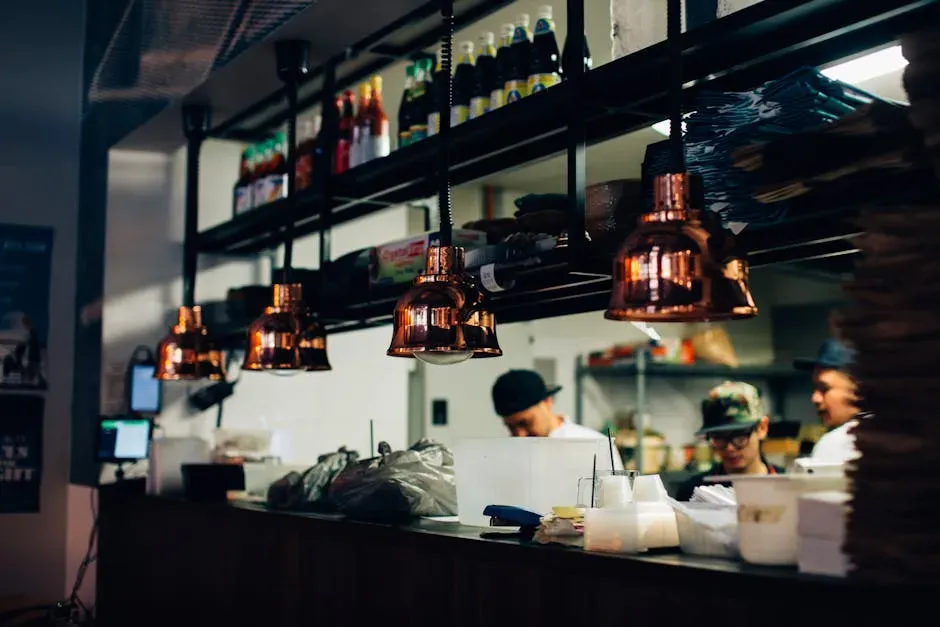
"Re-firing" a table's order is every kitchen's quiet nightmare. It means an entire table's worth of food needs to be made again, often because dishes came out wrong, cold, or simply not to the guest's satisfaction. As one industry insider noted, "people think that just because your food took a long time it's the server's fault - nine times out of ten, it's the kitchen." A re-fire doubles the kitchen's workload at the worst possible moment and pushes other tables' orders further down the queue.
The chain reaction of a re-fire can be dramatic. One table's botched order might delay two or three surrounding tables, stressing the expo station, the server, and the line cooks simultaneously. According to restaurant operator data, more than three in five restaurant operators reported a decline in customer traffic between 2023 and 2024, which makes retaining satisfied customers more critical than ever. A re-fired order is the industry's most honest admission that something broke down - and it's also the kitchen's best opportunity to win back a guest's trust entirely.



Leave a Reply