
Ever wonder what catches a health inspector's eye the instant they walk through a kitchen door? It's not always the dramatic disasters you might expect. Sometimes the smallest detail can tell the whole story about what's really going on behind the scenes. These trained professionals know exactly where to look, and honestly, what they notice within those first few moments can make or break a restaurant's reputation.
Around 70 percent of diners refuse to visit restaurants with known health code violations, so the stakes couldn't be higher for any food establishment. Each year in the United States, approximately 48 million people become ill from foodborne illnesses, with 128,000 requiring hospitalization and 3,000 fatalities. Let's be real, that's terrifying. The good news is that most violations are entirely preventable if you know what inspectors are watching for. What follows are the red flags that set off alarm bells the second an inspector crosses the threshold.
Food Sitting in the Temperature Danger Zone
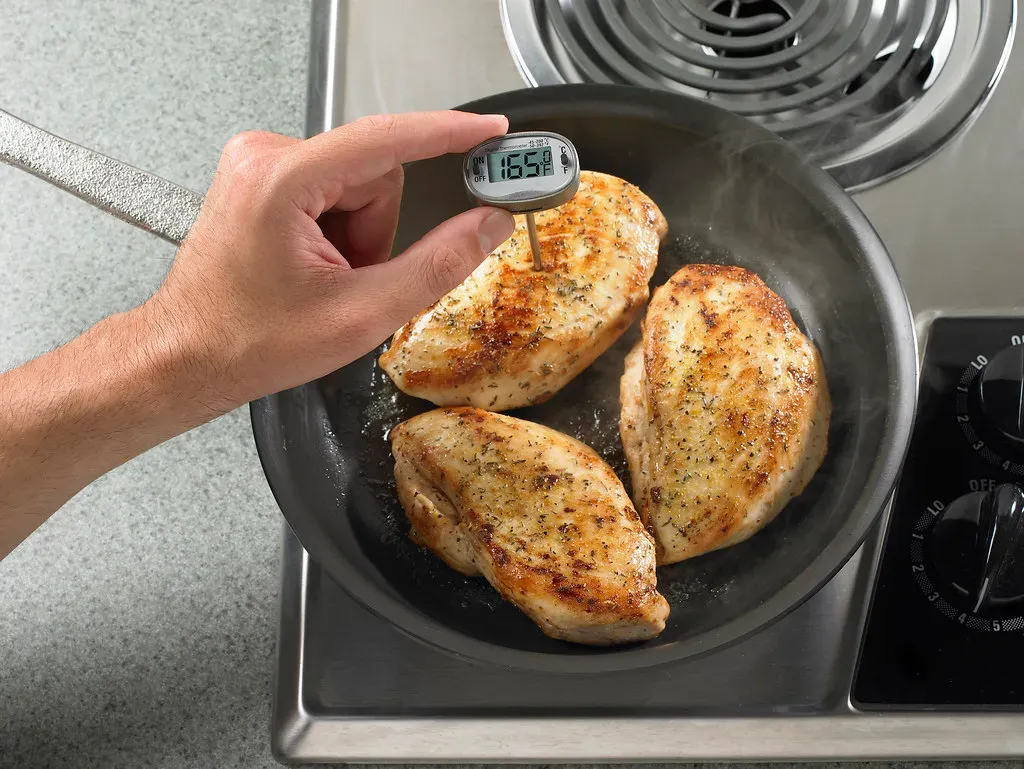
Time and temperature control stands as one of the most important aspects of food safety. Inspectors walk in and immediately scan for any food items left sitting at unsafe temperatures. The food safety danger zone refers to temperatures between 40 degrees F and 140 degrees F, and letting food linger in this range is basically giving bacteria a warm invitation to multiply.
Think about it: a tray of prepped chicken sitting on the counter, soup cooling slowly in a huge pot, or cold salads left out during the lunch rush. Bacteria can double in number every 20 minutes when food is kept in the danger zone. Inspectors often carry their own thermometers and won't hesitate to stick one into your food to verify temperatures. The moment they spot improper holding temps, that's a major strike against your establishment.
Visible Cross-Contamination Risks
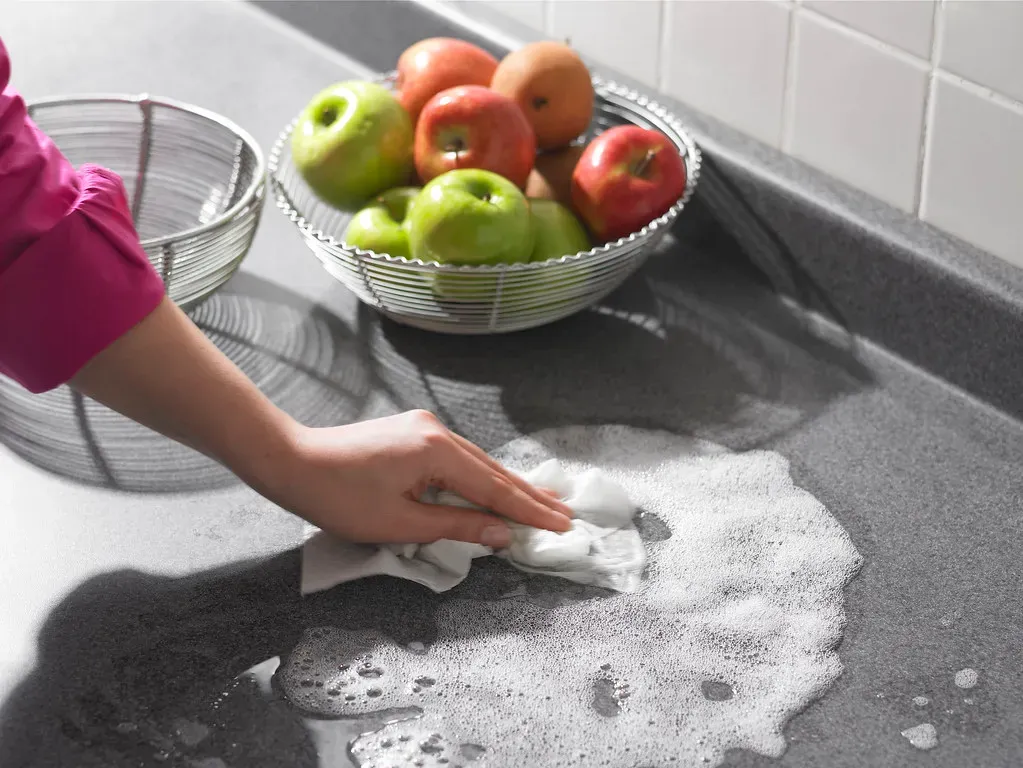
Cross-contamination means transferring harmful bacteria from one person, place, or object to another and can seriously harm guests, making it one of the most important facets of food safety. Inspectors notice this immediately when they see raw meat stored above ready-to-eat foods in refrigerators, or a single cutting board being used for both raw chicken and vegetables without proper sanitization in between.
I think what makes this violation so insidious is that it's often invisible to the untrained eye. Studies found cross-contamination events from bare hands or dirty gloves to ready-to-eat foods occurred in nearly 36 percent of restaurants observed. Inspectors watch staff movements like hawks. They're looking for dirty gloves touching clean surfaces, the same knife cutting raw fish and then slicing tomatoes, or even that ice scoop stored directly in the ice bin where it can pick up contaminants.
Poor Personal Hygiene Practices
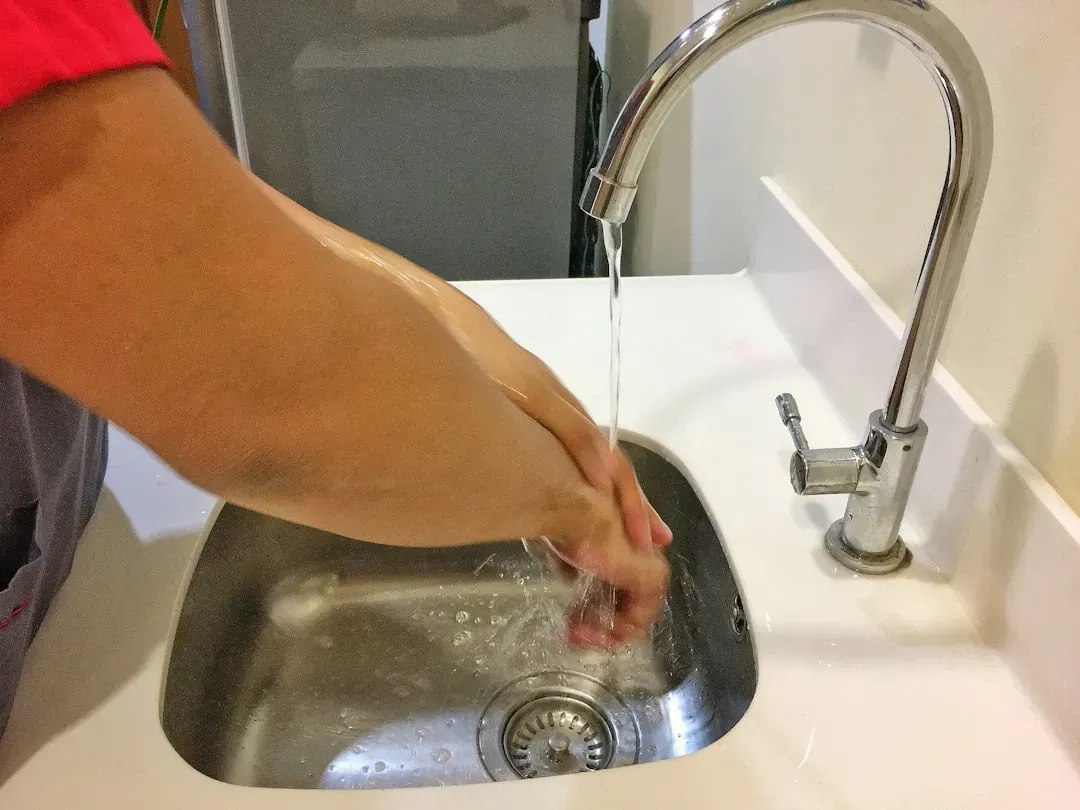
Inadequate hand hygiene stands as one of the most common violations observed by health inspectors and a major contributor to foodborne illness outbreaks. The moment an inspector enters, they're watching employees. Are people touching their faces, hair, or phones and then going straight back to handling food? Are handwashing stations properly stocked and actually being used?
Here's the thing: proper handwashing isn't just a quick rinse under the faucet. Food workers must wash hands twice after using the restroom, once in the restroom and then immediately upon returning to the kitchen. Inspectors check whether handwashing sinks have hot water, soap, and paper towels readily available. Missing any of these essentials? That's an instant red flag. Even worse, if they observe someone skipping handwashing altogether after handling raw meat or using the restroom, that restaurant is in serious trouble.
Dirty Surfaces and Equipment Buildup
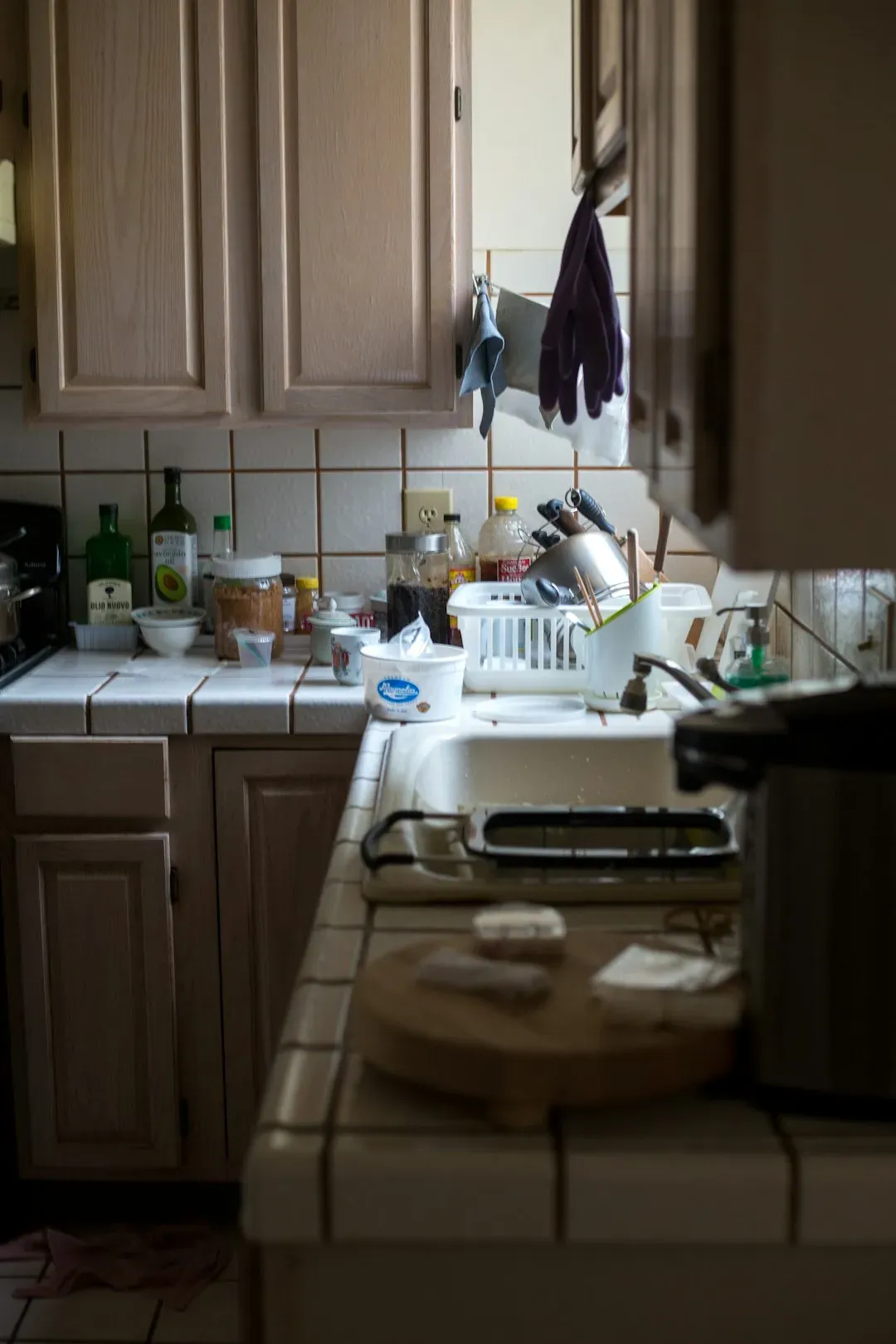
Walk into a kitchen and the cleanliness level becomes obvious within seconds. Inspectors note when cooking equipment is covered in residue and accumulations, and when floors and walls are covered in dirt. These aren't just cosmetic issues. They represent potential breeding grounds for bacteria and pests.
Health inspectors know which areas are most likely to be neglected, including mold or slime in ice machine bins and unclean soda fountain nozzles. Grease buildup on range hoods, food debris beneath equipment, and grimy refrigerator gaskets all tell the same story: cleaning protocols aren't being followed. Honestly, if the visible surfaces are filthy, inspectors assume the hidden areas are even worse.
Improper Food Storage Practices
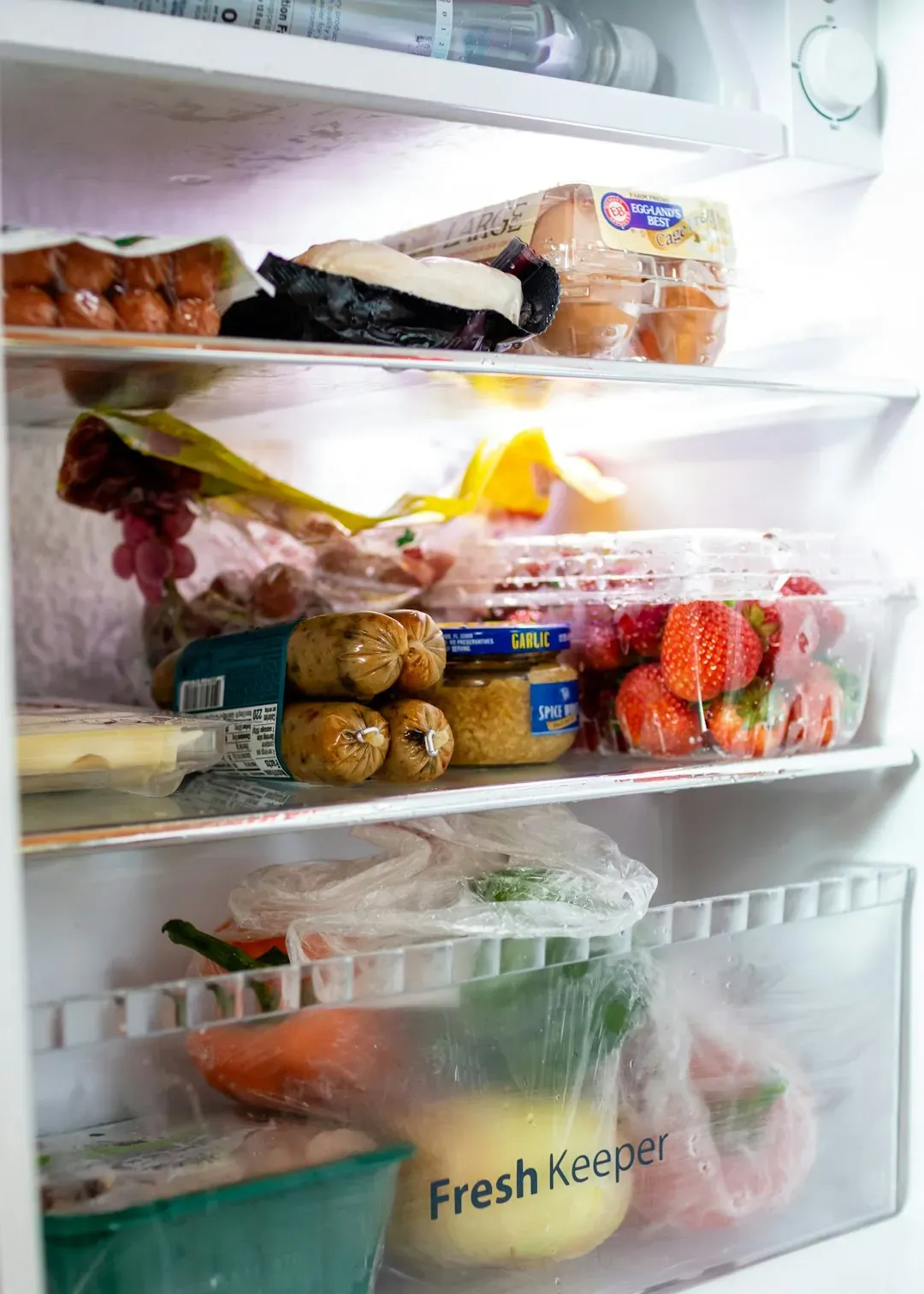
One of the most common food storage violations involves storing refrigerated foods in the wrong order, such as raw chicken stored on shelves above other foods. Smart inspectors open refrigerators and walk-ins right away to check storage practices. What they're looking for is the proper top-to-bottom order: ready-to-eat foods on top shelves, followed by seafood, then whole cuts of beef and pork, ground meats, and finally raw poultry on the bottom.
Food containers stored directly on walk-in floors and foods lacking labels or dates represent serious storage violations. I've seen inspectors immediately cite establishments where containers sit directly on the floor or ingredients lack proper dating systems. It shows a fundamental misunderstanding of safe food handling, which makes them question everything else going on in that kitchen.
Signs of Pest Infestation
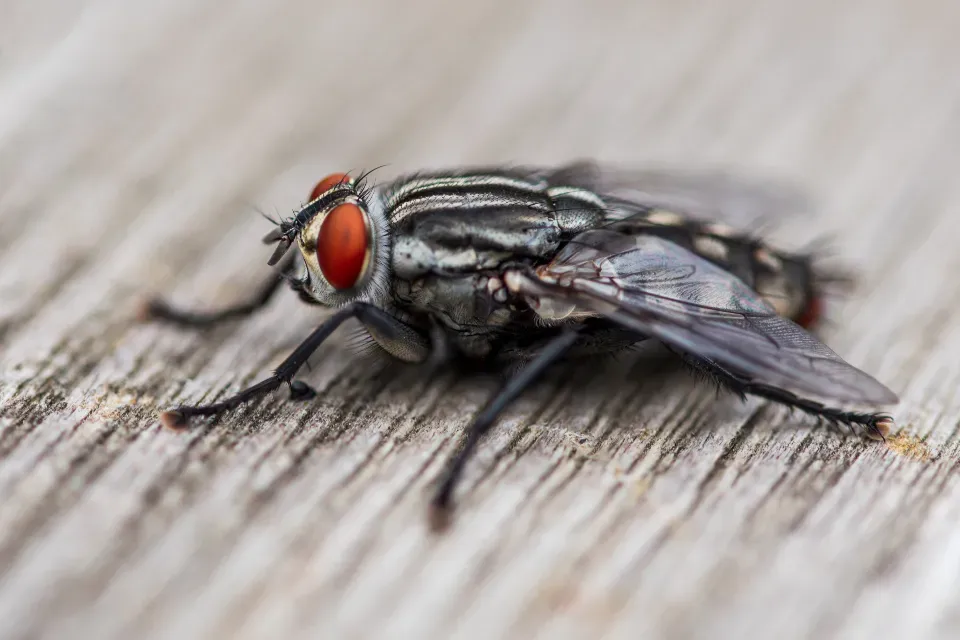
Nothing makes an inspector's job easier than obvious evidence of pests. Droppings, gnaw marks, or actual sightings of rodents or insects spell disaster for any food service establishment. Rodents, insects, or other vermin compromise food safety, contaminate surfaces, and often result in critical violations cited by health inspectors.
Even subtle signs catch their attention: small holes in walls, gaps under doors, or improperly sealed food containers that attract unwanted visitors. They'll check storage areas, underneath equipment, and around garbage disposal areas. The scary part? If they spot evidence of pests during a routine inspection, the establishment might face immediate closure until the problem is completely resolved.
Unsafe Chemical Storage Near Food
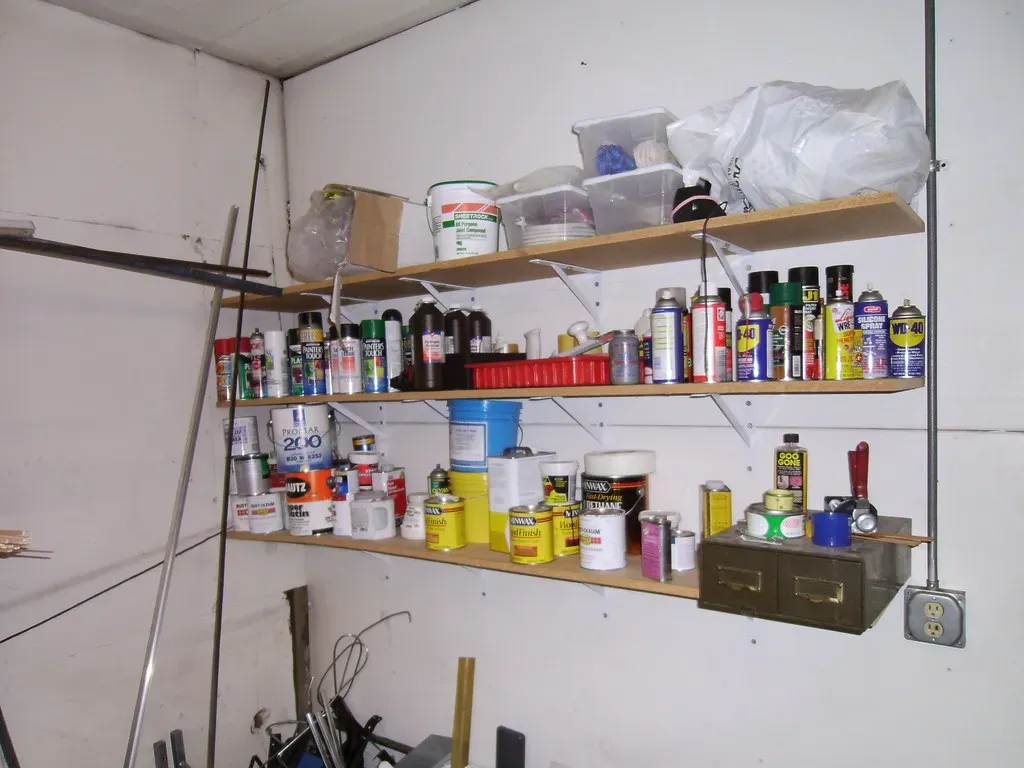
Health inspectors look for bottles of cleaning solution sitting next to food dishes or cooking pans, and even if an employee only meant to leave it there for a second, that second is all it takes to result in a violation. Chemicals and food should never share the same space, period.
Inspectors scan countertops, shelving units, and prep areas for any cleaning supplies, pesticides, or other toxic substances stored improperly. These chemicals need dedicated storage areas, away from food preparation zones and preferably below food storage to prevent accidental contamination from spills. The risk of chemical contamination is just as serious as biological hazards, yet it's a violation that happens surprisingly often in rushed kitchen environments.
Malfunctioning or Improperly Maintained Equipment
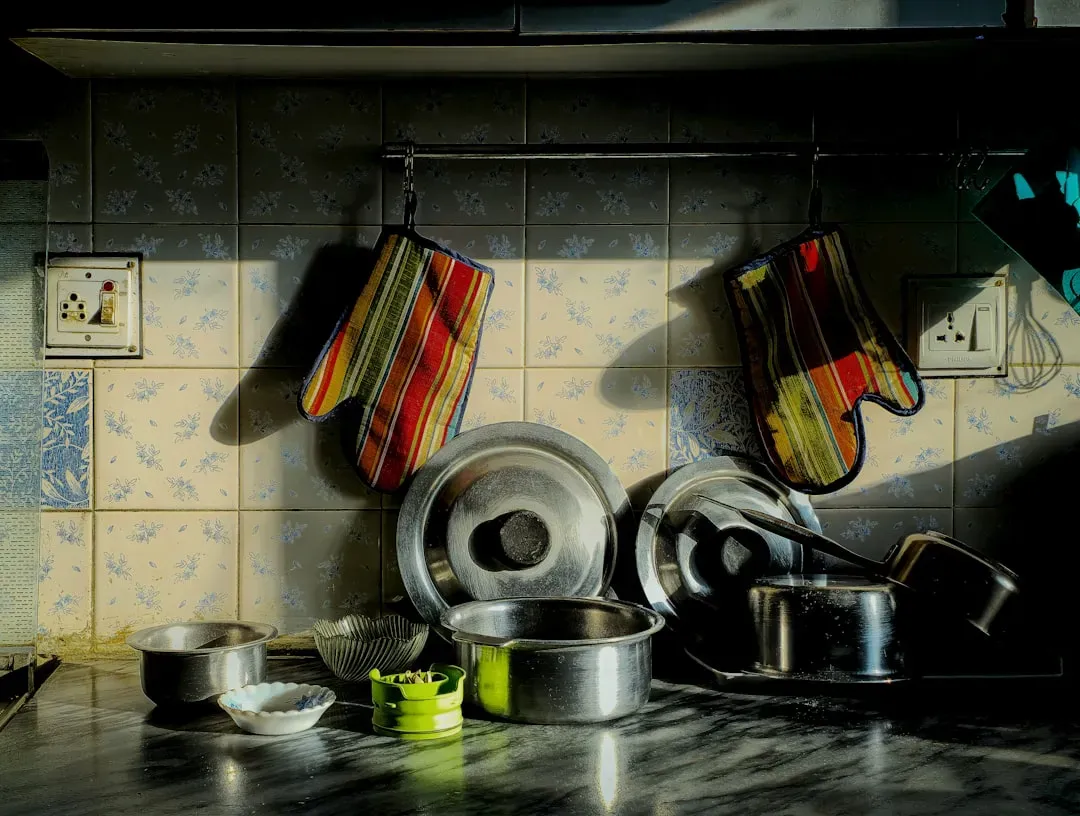
Water temperature at handwashing sinks must reach 100 degrees Fahrenheit within a few seconds, and if it doesn't, establishments lose points, typically for each sink that fails to reach temperature. Inspectors test this immediately because proper handwashing depends on adequately hot water.
They also examine refrigeration units to ensure they're maintaining safe temperatures, check that thermometers are present and calibrated, and look for equipment in disrepair. Broken door seals on refrigerators, malfunctioning thermostats, or equipment held together with duct tape and cardboard all signal bigger problems. Inspectors catch many food service employees using DIY repairs with cardboard and newspapers, which is a fire hazard and a major violation in food service environments.
Inadequate Temperature Monitoring and Documentation

Health inspectors focus on potentially hazardous foods that require precise time and temperature maintenance, and they expect time and temperature records to be made available. Walking in and asking to see temperature logs is standard procedure. If a restaurant can't produce these records or the logs are incomplete, that's a massive red flag indicating poor management oversight.
Missing documentation suggests that even if food is currently at safe temperatures, there's no system in place to ensure it stays that way throughout service. Inspectors want to see consistent, accurate logging that proves someone is actively monitoring food safety. No logs? That tells them nobody's really paying attention to one of the most critical control points.
Lack of Food Safety Knowledge Among Staff

The person in charge demonstrates knowledge by having no priority violations, being a certified food protection manager, or responding correctly to inspector questions about specific food operations; one facility had numerous priority violations showing the person in charge was unable to demonstrate knowledge of foodborne disease prevention. Inspectors often quiz managers and staff about basic food safety principles.
Actions that could lead to contamination were more often observed in restaurants that did not require manager certification and did not have workers trained in food safety. Can the chef explain proper cooling procedures? Does the line cook know safe internal cooking temperatures? When staff can't answer fundamental questions, it reveals that training is lacking. Ultimately, the people preparing the food don't understand the risks they're creating, and that puts every customer at risk.



Leave a Reply