
Most people toss old cookbooks onto the shelf next to the microwave manual and forget about them entirely. A few end up donated to the local thrift store for fifty cents. Here's the surprising thing, though - some of those same books are quietly sitting on shelves across the country right now, worth thousands of dollars to the right buyer. We're not exaggerating.
The rare vintage cookbook market is having a genuine moment, and the prices being fetched at auction houses and online platforms have started turning heads well beyond the world of culinary collectors. Whether you inherited a stack of old cookbooks or stumbled upon one at a garage sale, you might want to pay much closer attention. Let's dive in.
1. The Market Is Booming - and the Numbers Are Jaw-Dropping
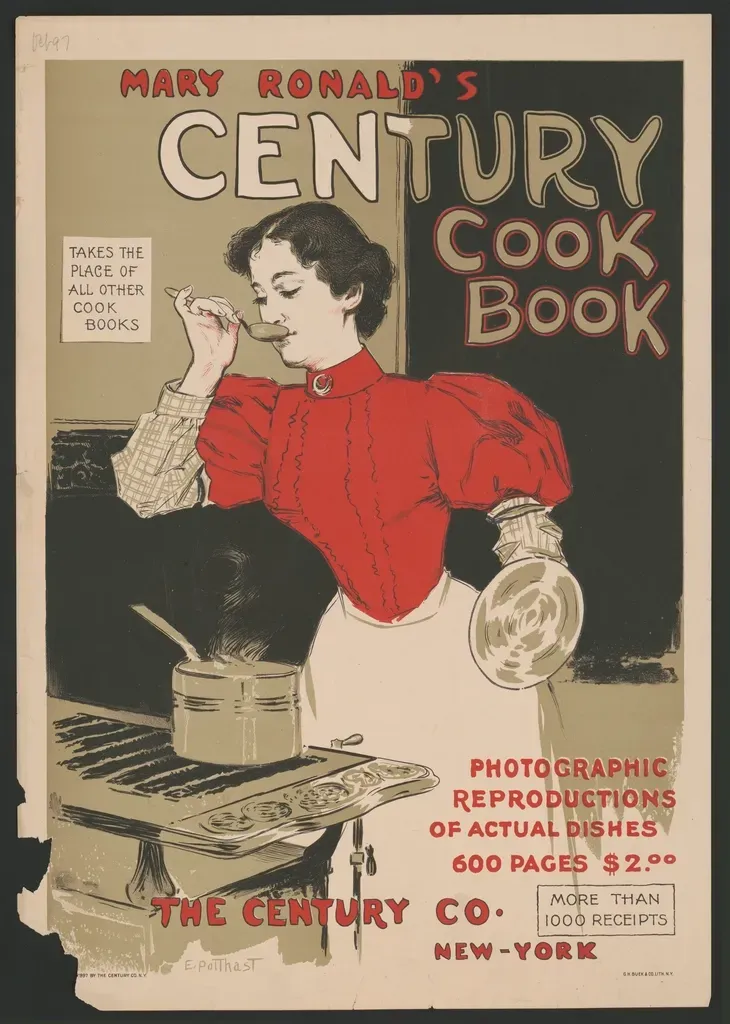
Long overlooked on dusty shelves, vintage cookbooks are enjoying a real revival. Collectors, food lovers, and nostalgia seekers are driving prices higher, turning once-humble recipe guides into coveted cultural artifacts. It honestly feels like something shifted in the last few years.
Country Living Magazine reported that vintage cookbooks may be worth hundreds of dollars, and online auctions and resellers report brisk sales, while antique shops and used bookstores note that titles rarely stay on the shelves for long. That's not a niche trend. That's a market moving fast.
Some vintage cookbooks command prices that hover between $1,000 and $10,000. Think about that the next time you're about to drop an old cookbook into a donation box. The difference between a treasure and a throwaway can be a single edition number on the copyright page.
2. First Editions Are in a League of Their Own
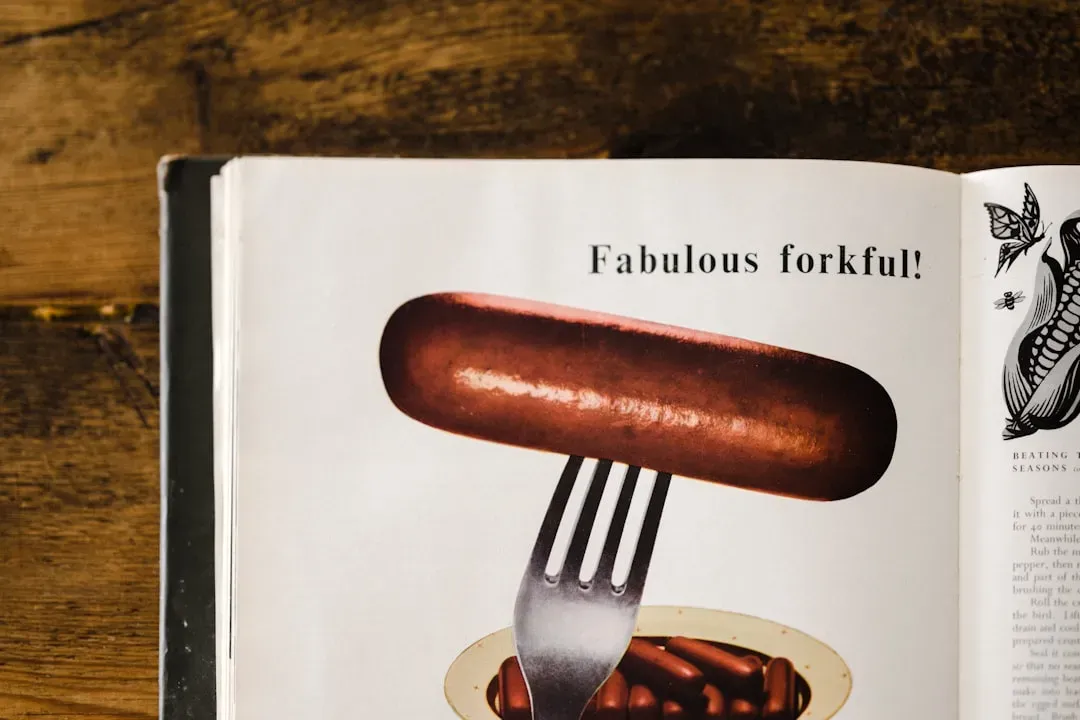
A rare book is one that is either out of print or has been reprinted several times over, causing those early editions to become scarce. For a rare book to have a high resale value, it must also be in demand. First editions of classic or influential cookbooks could be worth a lot because they're both rare and well-known.
The first edition of "Mastering the Art of French Cooking" had only 5,000 copies printed, making it a rare collector's item today. One copy listed on Kitchen Arts & Letters is priced at $5,834, while copies on AbeBooks range from $2,500 to as high as $25,000. That's a staggering range for a cookbook.
First editions of Rombauer's independently financed 1931 printing of "The Joy of Cooking" sell at around $6,800, going up to $8,000 for signed versions. First editions of the book's first trade printing can be worth even more, with a signed 1936 copy listed for $10,000 online. For context, that original printing was just Irma Rombauer's personal project after a family tragedy. Nobody planned for it to become a collector's goldmine.
3. A Signature Can Double - or Triple - the Value
Valuable cookbooks are in good condition. Really valuable cookbooks are in good condition and signed by the author. Really, really valuable cookbooks are first edition printings with high demand, in good condition, and signed by the author. It's a simple formula, honestly, but most people don't realize it applies to cookbooks just as much as to rare novels.
An early first-edition printing of "Mastering the Art of French Cooking" that is in good used condition and autographed by Child retails for about $3,500. An unsigned version of the same printing in the same condition could command $2,500. That single signature adds over a thousand dollars.
Fox Business reports that a signed first-edition cookbook by James Beard was recently listed for $1,200. Currently, editions of Julia Child's "Mastering the Art of French Cooking" are sold by reputable booksellers for more than $2,600. Signed copies are worth much more, with a set of both volumes, signed, going for $6,500.
4. The Dust Jacket Is More Valuable Than You Think
Here's something most casual collectors get completely wrong. That thin paper cover wrapped around the outside of a hardback? It might actually be the most financially significant part of the whole book. I know it sounds crazy, but the numbers back it up.
What began as simple protective covers in the 1830s has evolved into a crucial element that can account for up to 90% of a rare book's value. These delicate paper guardians have transformed from disposable wrappings into prized artifacts that tell the story of publishing history.
A first-edition book with its original dust jacket in perfect condition could sell for $10,000. That very same book, but with a torn cover and water damage, might only get $500. That gap is enormous. Collectors particularly value the original dust jacket version of Julia Child's work for its detail and historical significance. So before you pull that paper cover off a dusty old cookbook, think twice.
5. Celebrity Chef Connections Supercharge Prices
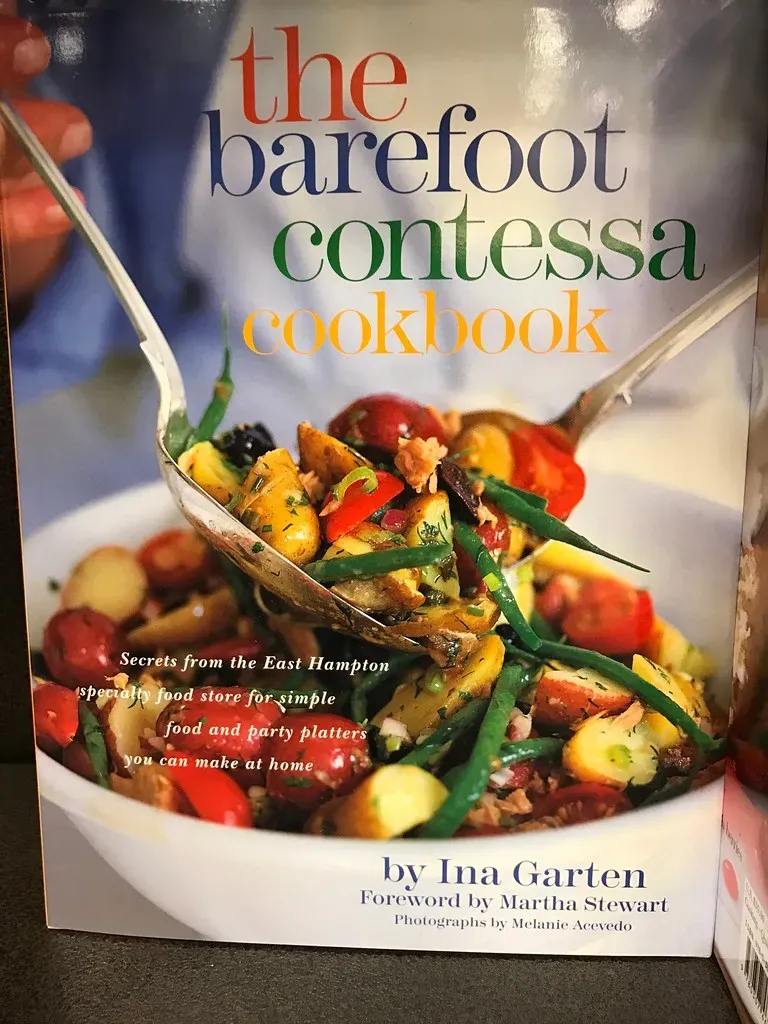
Old cookbooks that are connected to celebrity chefs or have a cultural significance can fetch higher prices. A first-edition of Julia Child's "Mastering the Art of French Cooking" sold for $7,500 at auction in 2019, and a first edition of "The Joy of Cooking" from 1931 sold for over $46,000 in 2017. That last number is genuinely hard to process for a cookbook.
As Julia Child's legend continues to grow among younger generations of home chefs gravitating toward gourmet experiments, the value of her books is likely to rise. As with the booming sports memorabilia market, the "star players" and GOATs of the cooking world will always be of interest to collectors.
Collectors believe demand will remain strong as younger generations discover the nostalgia and artistry in these volumes. Martha Stewart's books are also becoming collectible, thanks to her resurgence in popularity and the buzz around her Netflix documentary. Celebrity chefs of the late 20th and early 21st centuries may be tomorrow's big sellers, especially if their works go out of print.
6. Regional and Church Cookbooks Are Hidden Gems
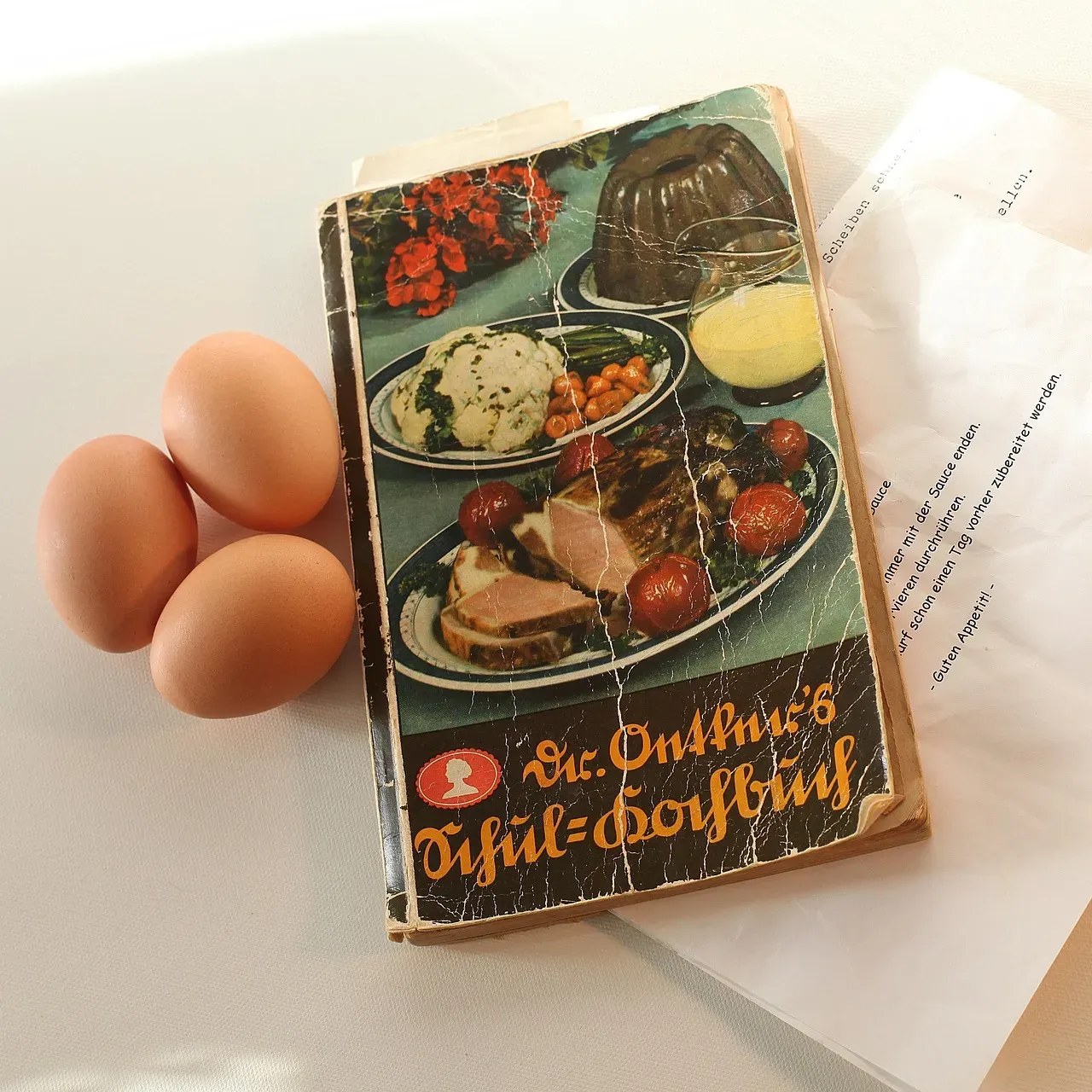
Most people walk right past these at estate sales. A small, spiral-bound booklet put together by a local church group or women's club doesn't look like much. Yet this is exactly where some of the most surprising value hides.
Local cookbooks printed by regional clubs or churches can be highly sought-after. The small print runs of these collections mean that only so many precious copies exist. Often playing double duty as a fundraising device, many community cookbooks boast a hand-made, scrapbook quality, with illustrations and names of local contributors.
Regional and community cookbooks may grow in value as unique cultural records. Regional cookbooks and specialty topics, from Cajun cuisine to Depression-era home cooking, attract enthusiasts seeking a snapshot of food culture from specific times and places. Think of them as historical time capsules that happen to be printed on recipe cards.
7. Condition Is Everything - Even a Stain Can Matter
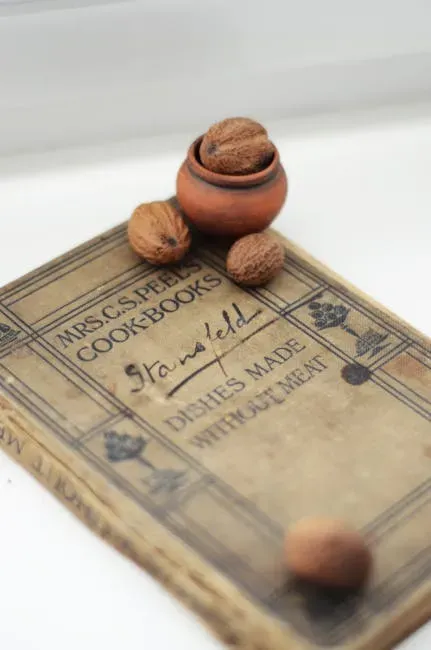
The condition of a cookbook is of utmost importance; copies in pristine condition generally command higher values than those showing signs of regular kitchen use. It's a bit ironic, isn't it? The very books used most lovingly in the kitchen are often worth the least on the collector market.
Condition is the key factor. Look for a pristine copy that appears to have been lovingly read rather than one that has endured the heat, liquids, and dirty fingerprints of a working kitchen. Even small things like a water ring from a coffee mug can shave hundreds of dollars off the asking price.
To preserve vintage cookbooks, store them in acid-free hinged lid boxes with archival index cards. For frequently used recipes, consider finding a reading copy to use when cooking or baking. This helps protect valuable copies from damage. Treat them less like kitchen tools and more like the investments they are.
8. Auction Houses Have Already Made History With These Books
It's not just eBay listings and Etsy shops driving this market. Major, internationally recognized auction houses have been paying serious attention to rare cookbooks for years now, and some of the sales on record will genuinely surprise you.
The auction house Christie's sold the "Cookbook of the Pope's Secret Chef," circa 1570, by Italian chef Bartolomeo Scappi, for $18,750. A Renaissance-era cookbook written by a papal chef sold for nearly twenty thousand dollars. Let that sink in for a moment.
Bonhams, an international auction house with headquarters in the U.K., sold eight titles on cooking and food from The Library of Justice Ruth Bader Ginsburg for $15,300 in January 2022. Sotheby's sold a collection of about 200 books on cooking and entertaining for $17,500 in November 2014. The provenance and ownership history of a cookbook can be just as important as the book itself.
9. Age Alone Doesn't Make a Cookbook Valuable - Demand Does
Here's where a lot of people get tripped up. They find something old and immediately assume it must be worth a lot. Not quite. Age is just one piece of the puzzle, and honestly not even the most important one.
A rare book is one that is either out of print or has been reprinted several times over, causing those early editions to become scarce. For a rare book to have a high resale value, it must also be in demand. Scarcity without demand is just obscurity. Think of it like a restaurant nobody can find.
There are also a fair few cookbooks which, despite being rare, are not valuable. The demand for rare cookbooks is fueled by the fact that they are so hard to find, especially in good condition. The sweet spot is a book that is genuinely scarce, culturally significant, and actively sought by collectors. All three together is what creates real value.
10. Tomorrow's Valuable Vintage Cookbooks May Already Be in Your Home
Here's a thought worth sitting with. Some of the most talked-about cookbooks of the past decade could eventually follow the same path as Julia Child's first edition. Right now they're sitting on shelves, being cooked from and lent to friends. One day, they may be listed in specialty catalogs for serious money.
Collectors are keeping an eye on future modern classics, like the James Beard Award-winning "Salt Fat Acid Heat," the 2017 kitchen primer from famous cook and author Samin Nosrat. One day, a first edition of Nosrat's book may fetch prices close to Julia Child's books, and you could already have a copy.
Some of the most valuable finds may already be in kitchens across the country. Families who have saved decades of cooking guides, recipe books, church fundraiser collections, or old magazine compilations could be sitting on hidden gems. It's worth at least taking a look at what's actually on your shelves before the next donation drive comes around.



Leave a Reply