
There's something quietly magnetic about the kitchen of someone who still cooks the old-school way. No smart displays, no subscription meal kits, no air fryer blinking at you from the counter. Just real tools, real heat, and recipes that have been passed down through generations like heirlooms. These kitchens feel different. Warmer. More alive.
While millions of people now rely on apps to tell them when to flip their chicken, a growing number are turning back toward the fundamentals - and honestly, the contrast is striking. What you find in these kitchens says a lot about how food used to be treated, and maybe how it should still be. Let's dive in.
1. A Cast Iron Skillet That's Older Than Most Smartphones
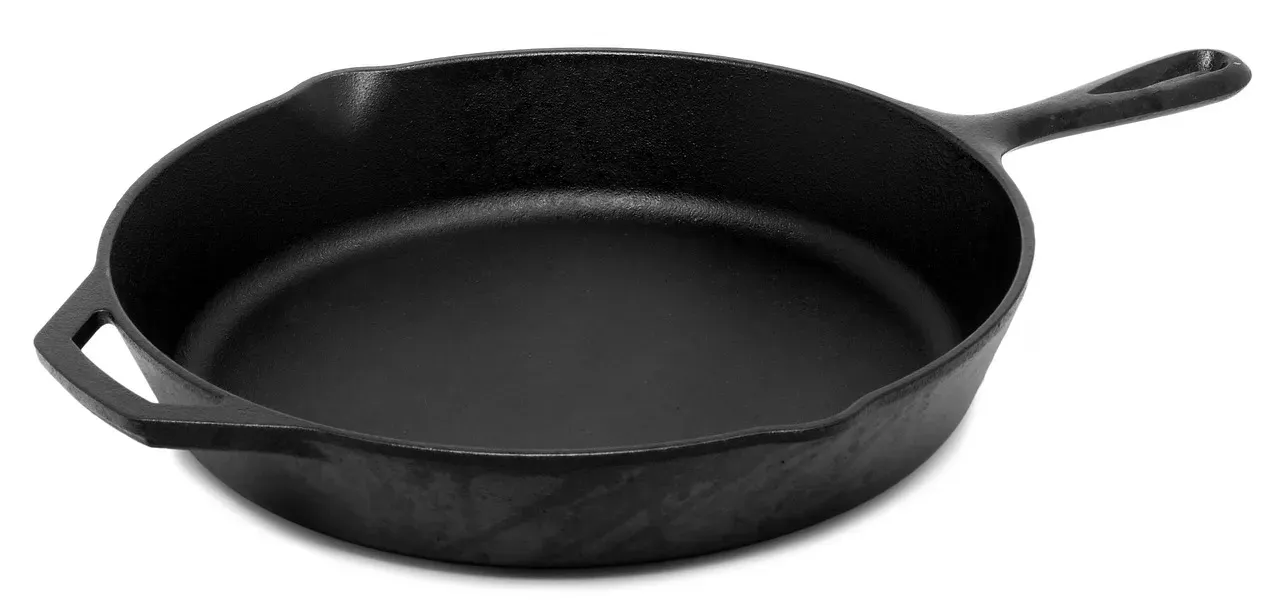
Walk into any kitchen where someone still cooks the old way, and you will almost certainly see a cast iron skillet hanging on the wall or sitting heavy on the stovetop. These pans are not decoration. They are workhorses with a history that goes back centuries. Cast iron skillets have been used for centuries, prized for their superior heat retention, natural non-stick properties when seasoned, and legendary durability that allows them to last for generations.
The numbers tell a fascinating story here. The global cast iron cookware market was estimated at nearly five billion dollars in 2023 and is projected to approach over nine billion by 2030, growing at a compound annual growth rate of close to nine percent. That is not a niche revival. That is a full-blown cultural comeback. As of 2024, more than roughly two thirds of consumers in North America expressed a preference for heavy-duty, long-lasting cookware, with cast iron topping the list due to its durability, heat retention, and versatility.
Old-school cooks know something most people have forgotten: cast iron cookware can survive multiple generations when people maintain consistent care by applying seasonal treatment while allowing it to dry completely after washing. That lone pan on the shelf might be the most sustainable item in any kitchen.
2. A Dutch Oven Worn Smooth From Years of Use
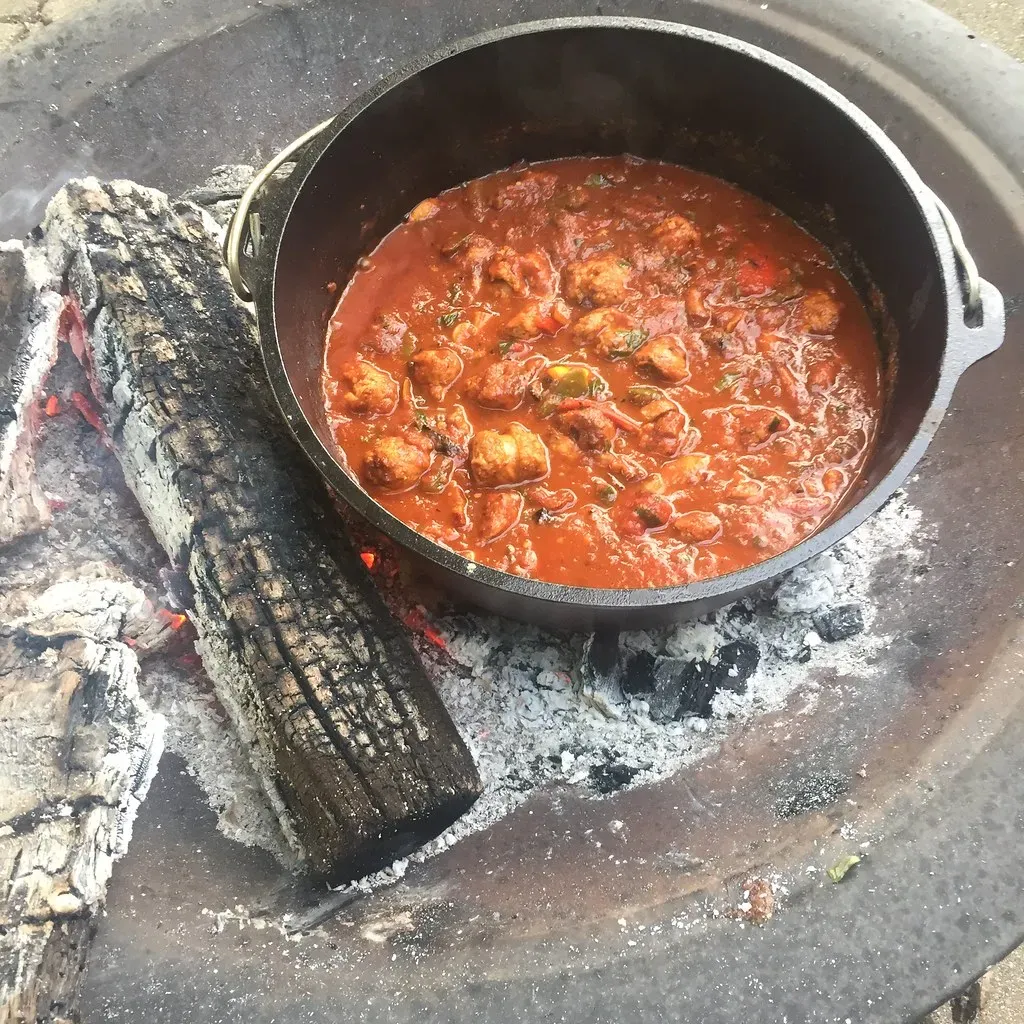
The Dutch oven is to old-school cooking what a smartphone is to modern communication. Indispensable. A little heavy. Impossible to live without once you know what it can do. Skillets and Dutch ovens dominate the cast iron market due to their versatility in cooking a variety of dishes, from searing meats to slow-cooking stews.
What makes this tool remarkable is how it has crossed over into today's most passionate food communities. Amazon trends analysis clearly shows a strong and growing demand for Dutch ovens specifically for sourdough bread baking, with consistent search volume and sales. Think about that for a second. A tool your great-grandmother used to braise Sunday roasts is now the most sought-after item for millennial bread bakers. Cast iron skillets, Dutch ovens, and grill pans have become essential in many households, allowing for versatile cooking options from stovetop to oven.
The old-school cook reaches for a Dutch oven without thinking twice, the same way a modern cook might tap a recipe app. The motion is automatic. The trust is absolute. It is the kind of relationship you only build with something that has never let you down.
3. A Sourdough Starter Living in a Glass Jar on the Counter
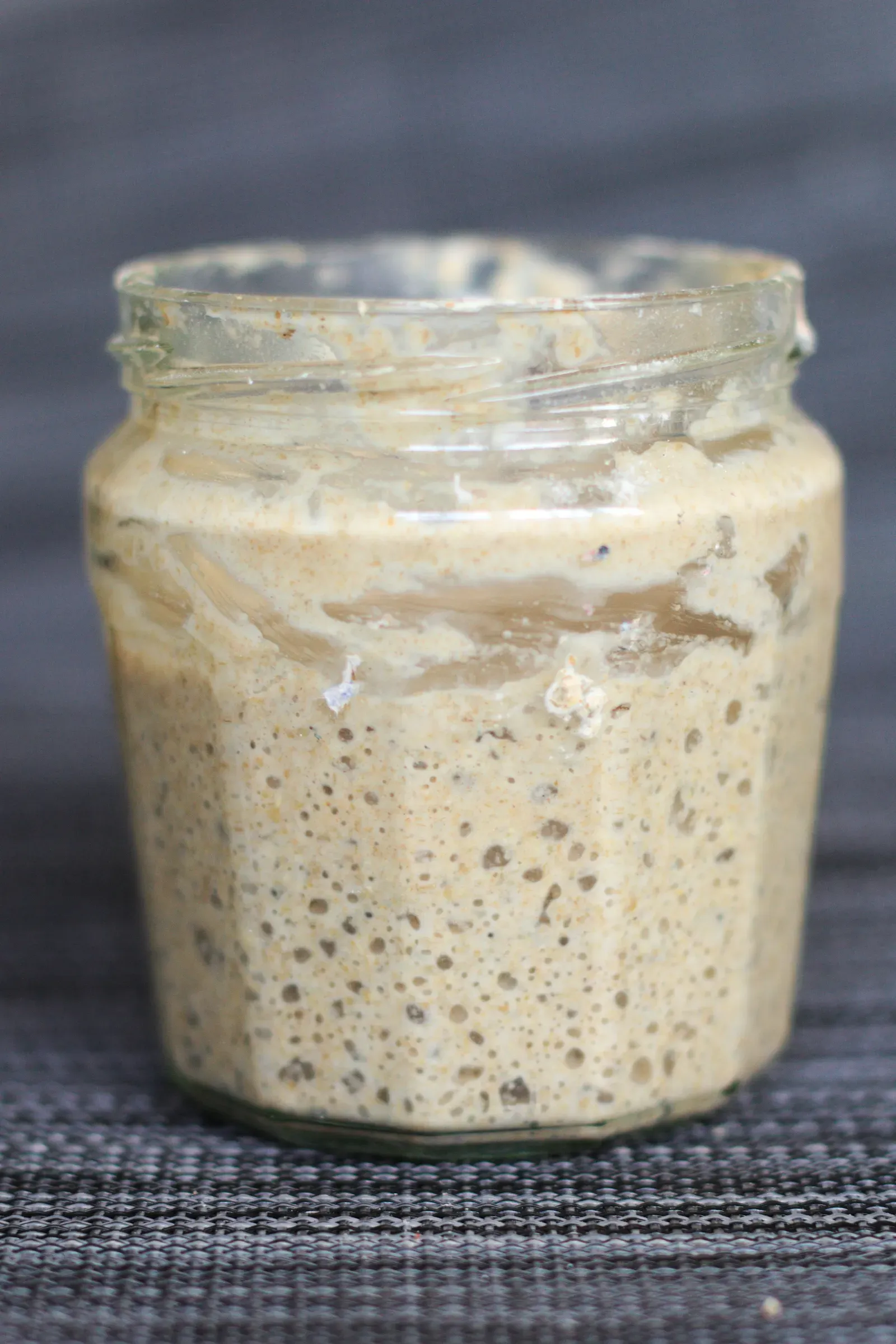
Forget instant yeast packets. In the kitchen of a true old-school cook, there is usually a bubbling jar on the counter that looks like a science experiment but smells like something ancient and wonderful. The continued popularity of homemade sourdough bread is rooted in a confluence of factors which has gained momentum as more people gravitate towards more nutrient-dense foods made from scratch and many families adopt a homesteading lifestyle.
Here's the thing - sourdough is practically having a cultural renaissance right now. Search interest for "sourdough bread" peaked at the top of its range in January 2025, while "sourdough starter" also reached its highest point during the same month. The global sourdough market tells an equally compelling story. The global sourdough market is on a trajectory of prominent growth, with an estimated value projected to reach nearly four billion dollars by 2029 from the 2024 valuation of nearly two and a half billion dollars, growing at a rate of roughly nine percent annually.
The COVID-19 pandemic in 2020 propelled sourdough into the spotlight, as lockdown-induced baking surges led many individuals to create their sourdough starters during this time. What began as a pandemic pastime has evolved into a lasting movement, with enthusiasts establishing sourdough micro-bakeries at home. Old-school bakers, of course, never stopped. They just waited for everyone else to catch up.
4. A Wooden Cutting Board - Big, Heavy, and Deeply Stained
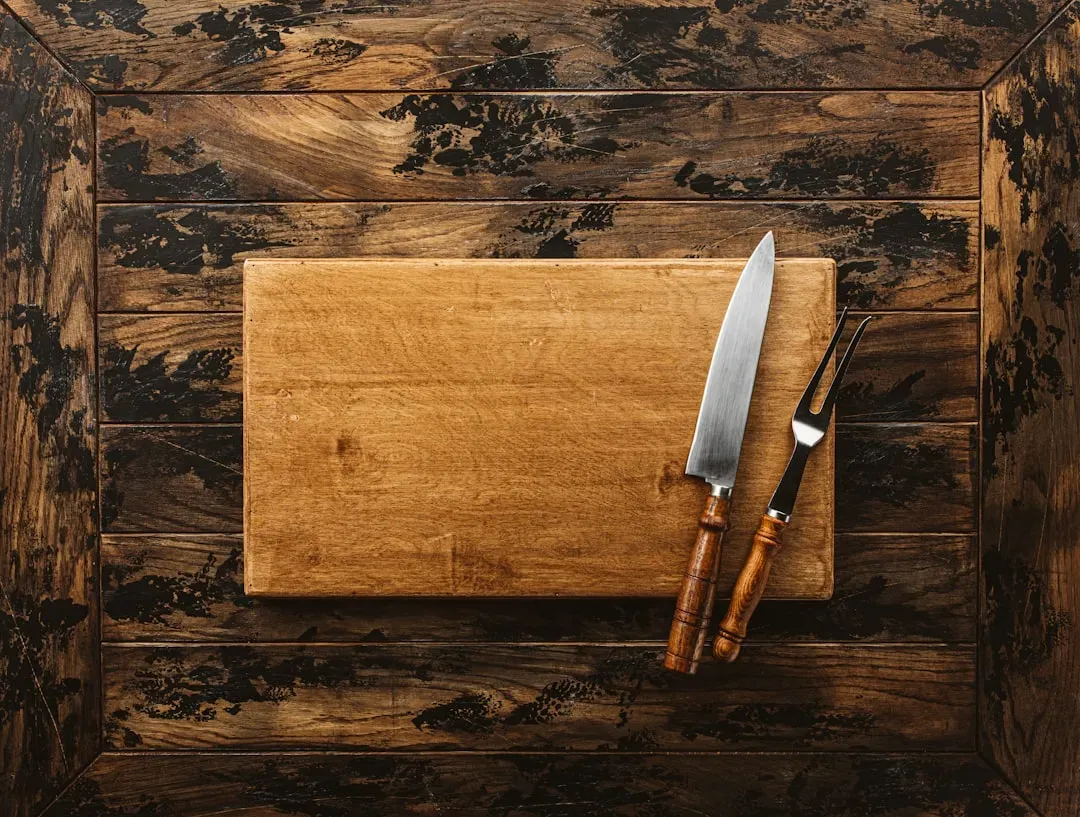
Plastic cutting boards are everywhere in modern kitchens, and honestly, they feel a little soulless. The old-school kitchen almost always features a thick wooden board that has absorbed years of garlic, herb oils, and citrus juice into its grain. It tells a story with every scratch and every stain. That is not unhygienic - that is history.
Many older kitchen tools were built to last for generations and have successfully done so. Before plastic Tupperware and nonstick pans were kitchen mainstays, cookware was crafted from durable, high-quality materials like iron, copper, and enamel. Wooden boards belong in that same category of timeless, material-first tools. While innovative culinary devices are undeniably novel and impressive, not every kitchen tool is something that needs to be improved upon. In many cases, simpler really is better.
A thick end-grain board is not just practical. It protects knife edges far better than any hard plastic surface. Old-school cooks figured that out a long time ago without needing a product review to confirm it. Some things just work because they always have.
5. A Mortar and Pestle That Does What a Blender Cannot
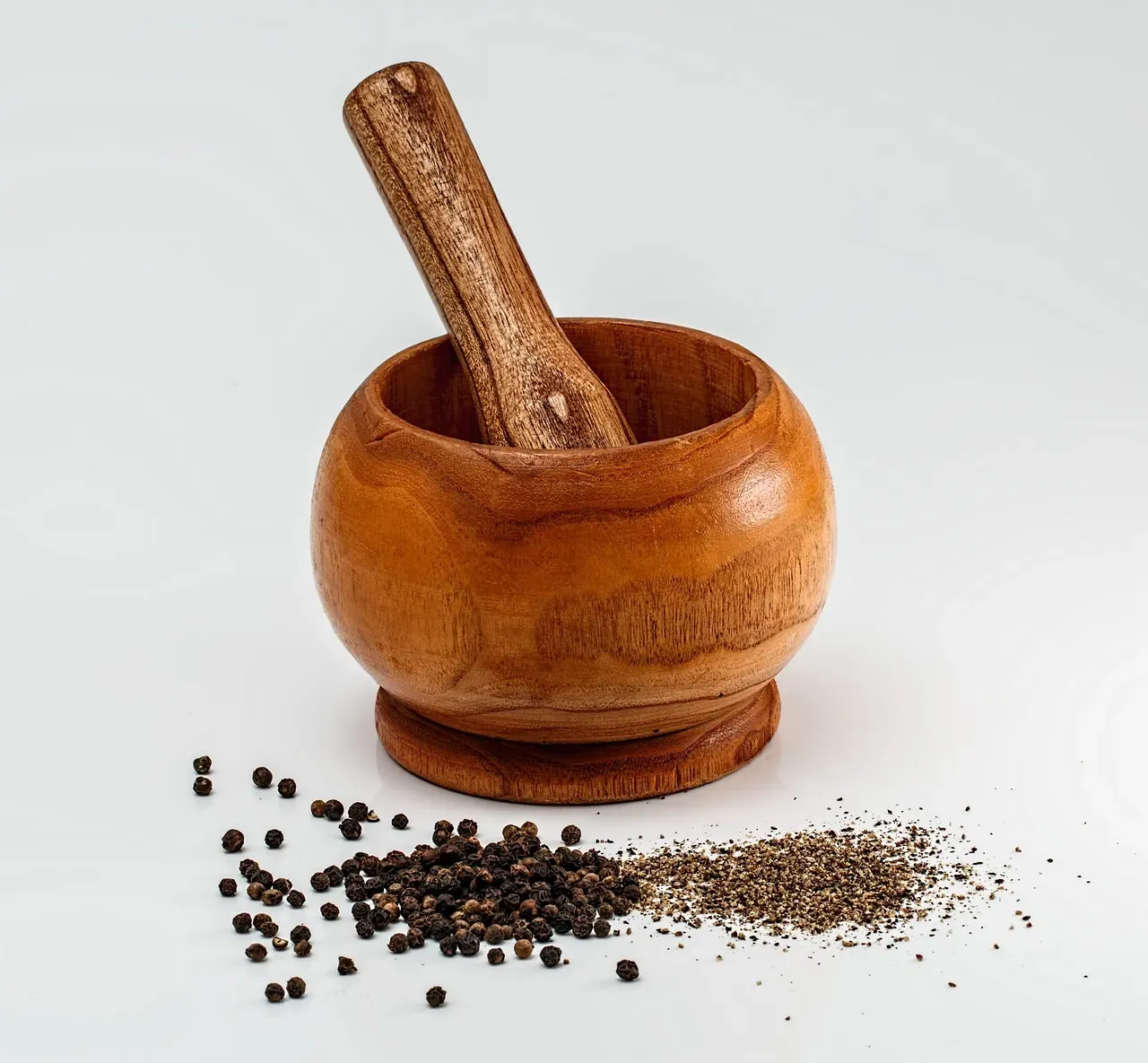
I know it sounds crazy, but there are flavors you simply cannot unlock with an electric spice grinder or a food processor. The mortar and pestle works through pressure and friction - a crushing action that releases essential oils in a way that spinning blades just do not replicate. Anyone who has ever made a fresh pesto or a proper Thai curry paste from scratch understands this immediately.
Kitchen cookware was first employed way back in the Stone Age, when wood, stone, and clay-based items like pestles, mortars, and griddles were commonly used to prepare meals. The mortar and pestle is arguably one of humanity's oldest surviving kitchen tools, still relevant and still irreplaceable. It's always tempting to purchase the latest and most interesting technology for your kitchen, whether it's a temperature-controlled smart device or a high-end specialty maker. Yet more often than not, these flashy kitchen items are used only a handful of times before eventually finding their way to the back of the cabinet.
The mortar and pestle never ends up at the back of the cabinet in an old-school kitchen. It sits front and center, granite or marble, ready for daily use. It is almost meditative to use - slow, deliberate, and completely satisfying in a way that pressing a blender button simply is not.
6. A Collection of Mismatched Wooden Spoons
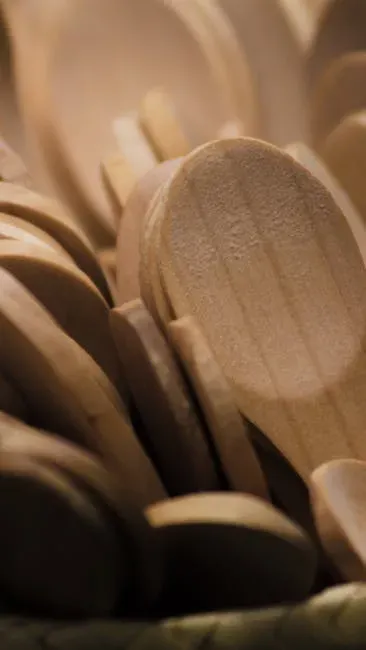
There is always a crockery jar or a drawer stuffed with wooden spoons in these kitchens. None of them match. Some are splintered at the top. One was probably rescued from a grandmother's kitchen before it could be thrown away. It's all about adding a touch of nostalgia and a bit of charm inspired by grandma's old kitchens.
Wooden spoons do not scratch pans, do not conduct heat, and do not leach chemicals. They are endlessly repairable and biodegradable. In the modern kitchen, silicone spatulas have largely taken over - smooth, color-coded, and utterly forgettable. As electricity became king, a lot of traditional tools were phased out in favor of more technologically advanced versions, and certain kitchen tools started to simply fall out of style and be seen as kitsch or retro.
Old-school cooks never saw wooden spoons as retro. They saw them as right. There is a certain confidence in that - an unwillingness to replace something perfectly functional just because something newer came along. It's a life philosophy disguised as a kitchen tool.
7. A Worn Recipe Box or a Handwritten Recipe Notebook
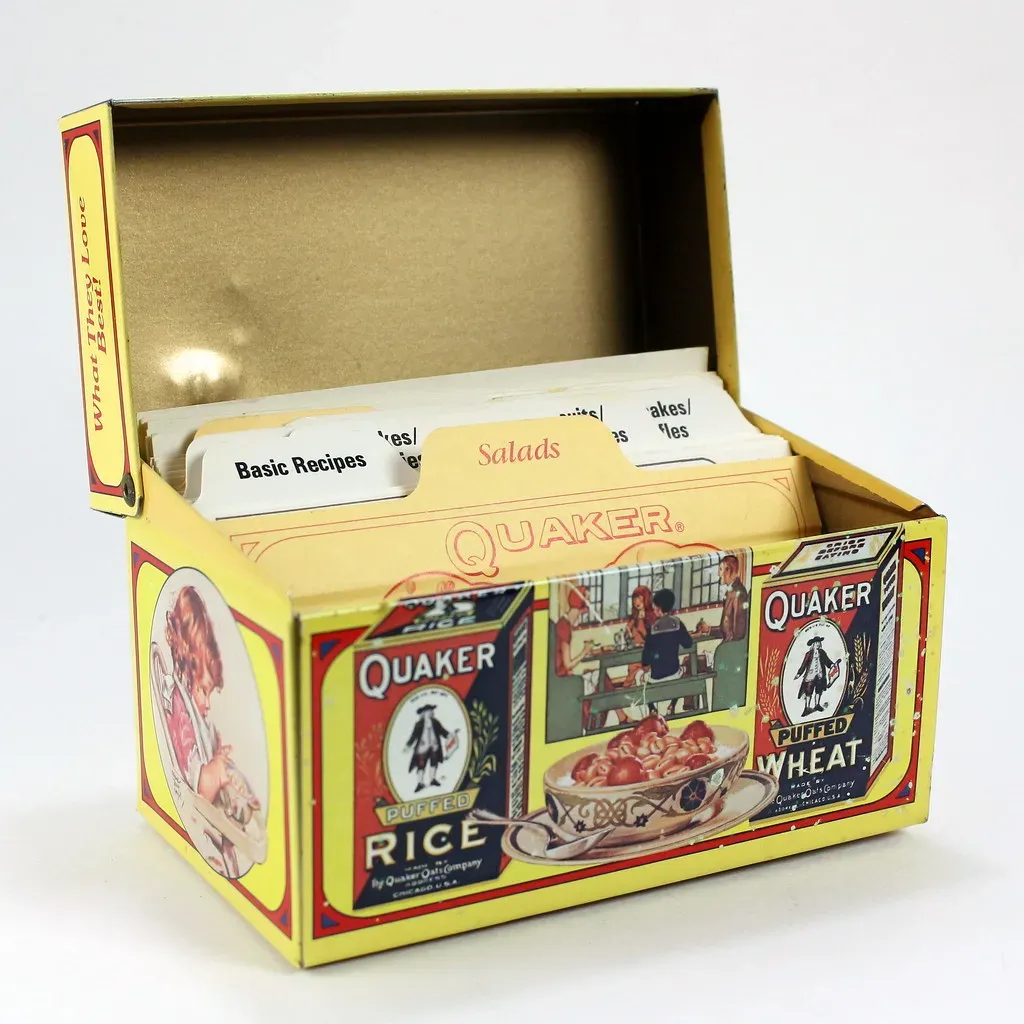
No Google. No food blog. No Pinterest board. Just a small box of index cards with Aunt Rosa's pasta sauce, Grandma's pie crust, or a chicken stew recipe written in faded cursive on a sheet of paper folded so many times the edges are soft. These kitchens still have them. And they are genuinely precious.
Platforms like Pinterest have reported a big jump in searches for terms like "vintage kitchenware" and "thrifted kitchen" as Gen Z places more emphasis on nostalgia and story-driven pieces. The desire for something authentic and inherited is not just about objects - it extends to knowledge itself. A handwritten recipe is a form of inheritance. The sense of delight derived from eating a loaf made from scratch was far greater than eating store-bought food. This trend is likely to persist as home cooks have come to appreciate the artisanal taste of homemade food over mass-produced varieties.
There is something almost emotional about flipping through an old recipe box. A splatter of tomato sauce on a card is not a mess - it is proof of a meal well made, once upon a time. Modern recipe apps will never replicate that.
8. A Heavy-Bottomed Stock Pot for Real Broth

Old-school cooks do not buy broth in a carton. They make it. After a Sunday roast, the bones go into a large, heavy-bottomed pot with onion, carrot, celery, and bay leaf. The whole thing simmers for hours, filling the house with a smell that no scented candle could ever fake. It is one of the most fundamental acts of real cooking.
This is a sharp contrast to today's kitchen culture, where convenience-driven shortcuts dominate. While the latest culinary novelty might impress dinner guests, there's a fair chance you can do without it. The vintage version might take a little longer, but that extra time often comes with advantages you may be surprised to learn about. Homemade broth is richer, more nutritious, and infinitely more flavorful than any boxed version. Old-school cooks have always known this.
The heavy stock pot is not glamorous. It does not photograph well for social media. But it is one of the most foundational tools in a cook's arsenal, and in these kitchens, it usually lives permanently on the back burner - literally and figuratively. Slow cooking, as a philosophy, begins right here.
9. A Butter Dish Sitting on the Counter - Not Hidden in the Fridge
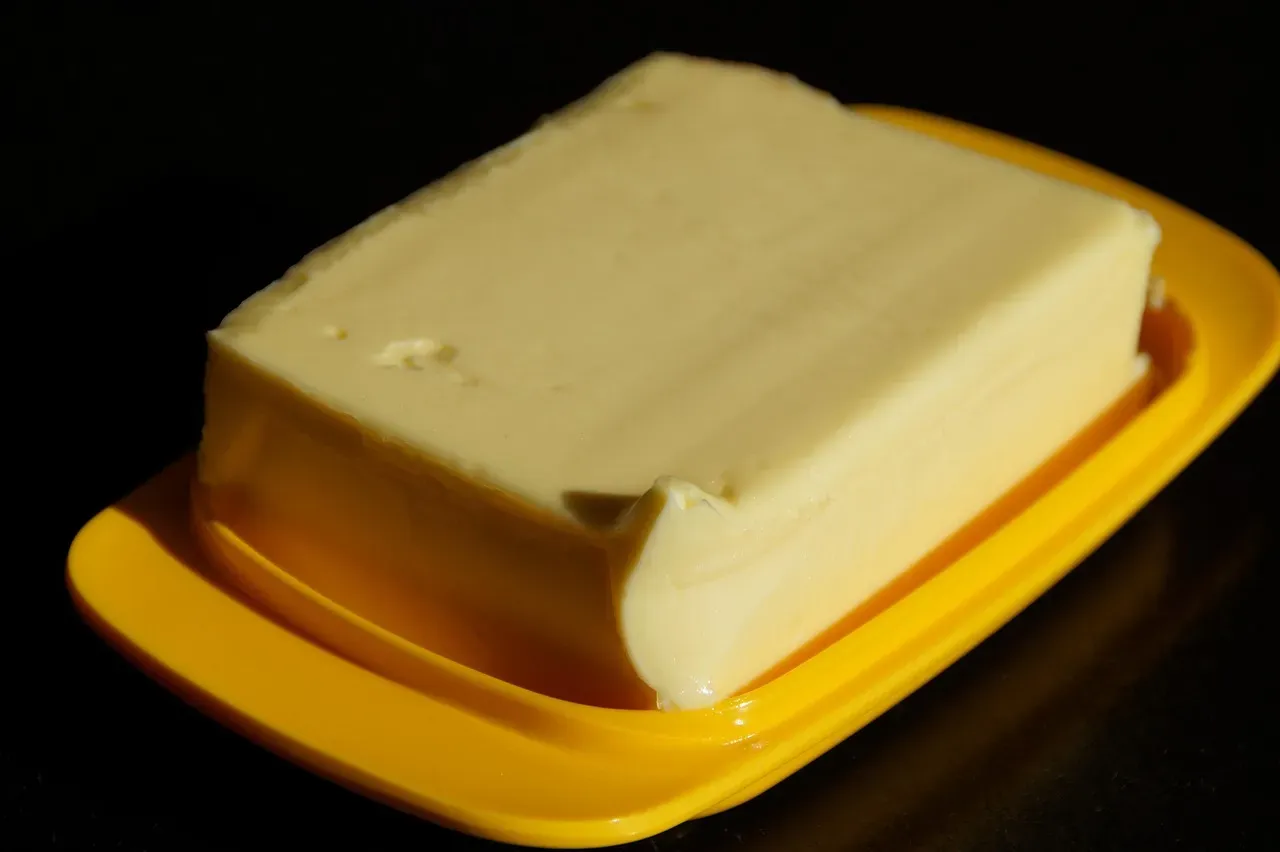
This one surprises people. Real butter. On the counter. At room temperature and spreadable without tearing the bread. In your younger years, you most likely wouldn't have taken much notice of your grandma's butter dish. It was a practical kitchen essential that kept butter fresh and spreadable. They slowly disappeared from kitchens across the U.S. thanks to fridges and the rise of margarine and processed spreads.
But butter dishes are officially back. The butter dish is seeing a comeback, with one reason being the "butter yellow" color trend, timed with the arrival of spring. It became THE color in fashion as well as interior design. Another driver is the renewed motivation to add household items that bring a bit more joy and character. Old-school cooks never stopped using them, of course. They simply outlasted the margarine era with quiet stubbornness.
There is a reason this small, simple object has persisted for well over a century. Real butter on the counter, in a proper dish, is one of those tiny but enormously satisfying details that separates a lived-in kitchen from a styled one. It says: food matters here.
10. A Well-Seasoned Cookbook With Pages That Fall Open at the Right Spot
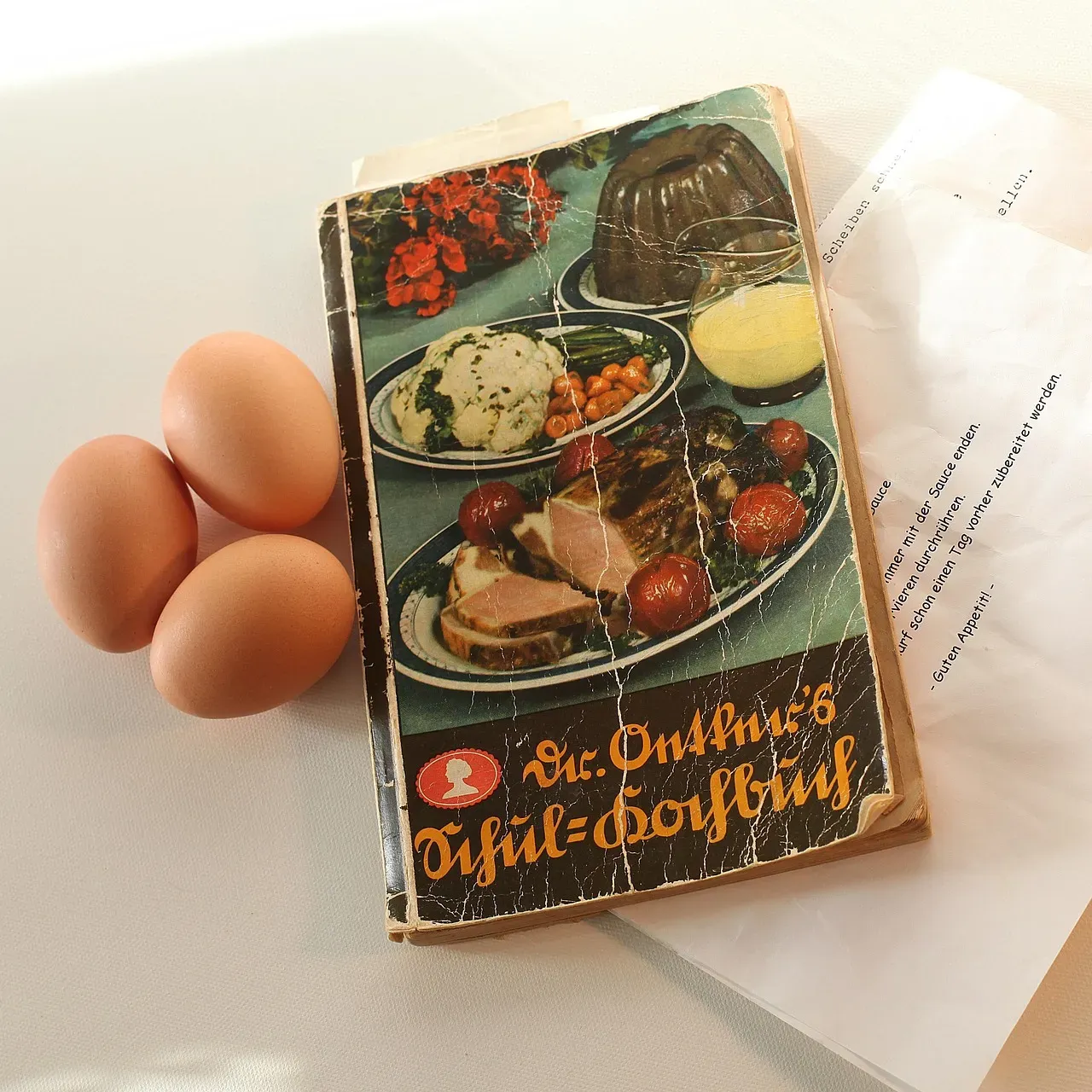
A key driver of the vintage kitchen look is the cottagecore trend, where décor and fashion are inspired by the quaint simplicity of country life. This trend was born on social media, gaining traction in 2017 before exploding on TikTok. Ironically, the thing that social media celebrates most is the very thing it cannot digitally replace: a proper physical cookbook with a cracked spine and a page stuck together by an ancient blob of something caramelized.
Old-school cooks own cookbooks that open by themselves to the most-used pages. Julia Child. Marcella Hazan. A church fundraiser cookbook from 1974 with the best pie recipe anyone has ever tasted. The continued interest in home cooking has led to more knowledgeable consumers who now focus on details such as fermentation time, the age of the starter culture, and the source of ingredients. This depth of knowledge lived in cookbooks long before it lived on screens.
The increasing trend of home baking is significantly influencing consumer preferences. According to a 2024 survey by the Agriculture and Horticulture Development Board, roughly one in ten people bake at least once a week, and one in five bake at least once a month, showing that home baking remains a popular activity. That activity often starts with a real book, not a tablet propped on a stand.




Leave a Reply