
Most people assume raw is always best when it comes to vegetables. Eat it fresh, keep it raw, preserve every last nutrient. It's a fair instinct. Yet the science behind how heat transforms vegetables is far more nuanced - and, honestly, a lot more interesting - than that blanket rule suggests.
Some vegetables actually unlock their most powerful nutrients only after they've been dropped into a pot of boiling water. Flavors deepen, textures soften into something genuinely satisfying, and certain health-boosting compounds become dramatically more available to the body. So before you swear off the stovetop, let's dive in.
1. Carrots: A Carotenoid Power-Up in Disguise
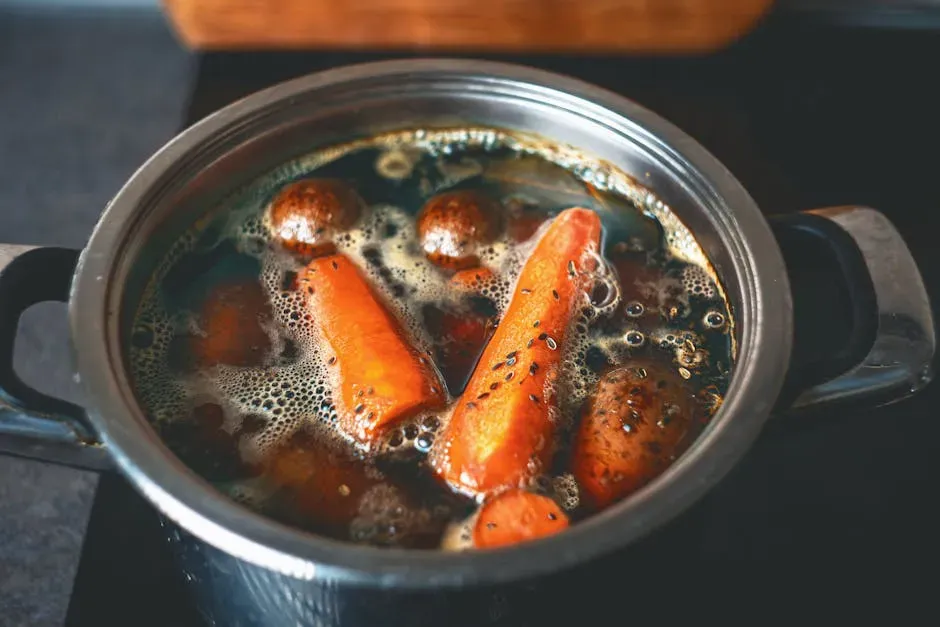
Here's something that surprises almost everyone: raw carrots are actually holding back on you. Their beta-carotene, the nutrient your body converts into vitamin A to support vision, immunity, and bone growth, is largely locked inside tough plant cell walls that your digestive system simply can't break through.
A 2008 study in the Journal of Agricultural and Food Chemistry found that boiling carrots until tender boosted their concentration of carotenoids by roughly 14 percent. Meanwhile, pan frying caused carotenoid levels to dip by about 13 percent - so the cooking method really does matter here.
Heat helps soften the plant walls where the beta-carotene is trapped, making it more accessible to the body. Cooking carrots with the skins on more than doubles their antioxidant power, which is a detail most people completely overlook at the cutting board.
To maximize the nutritional benefits, boil carrots whole before slicing - cooking them that way keeps valuable nutrients from escaping into the cooking water. Think of it like leaving a zipper closed: the longer you keep the surface intact, the more you hold inside.
2. Tomatoes: The Lycopene Transformation
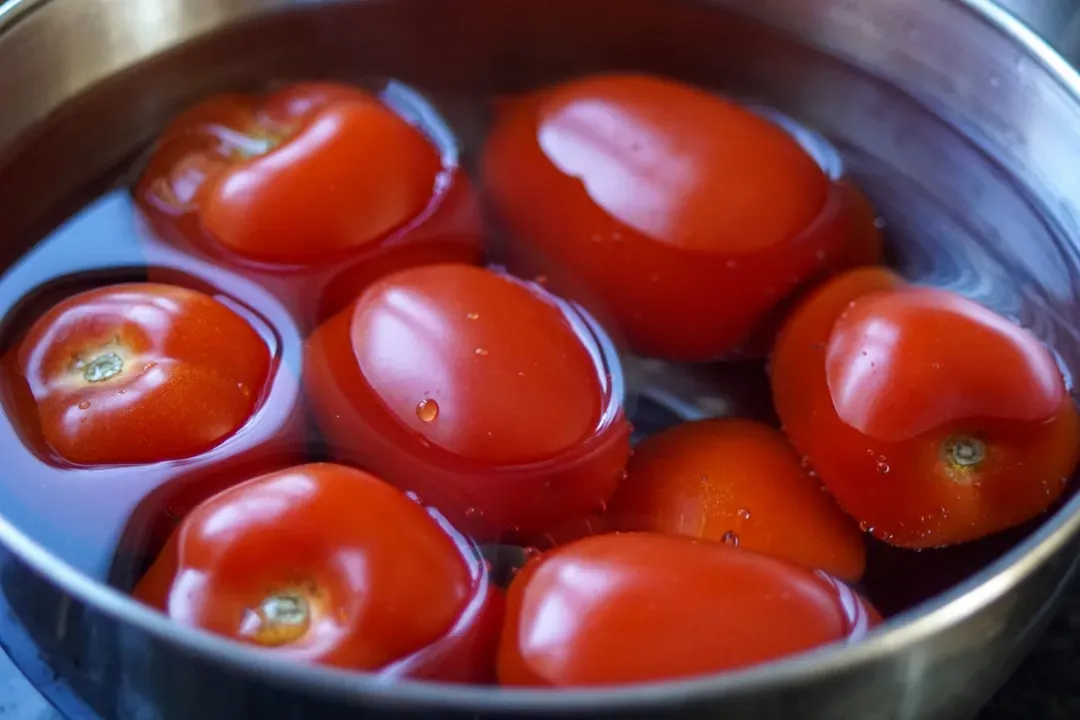
Tomatoes are already popular, but most people eat them raw in salads and sandwiches, not knowing they're leaving their most powerful antioxidant largely on the table. Lycopene, the compound linked to reduced risks of certain cancers and heart disease, is the real star here.
Although cooking tomatoes reduces their vitamin C content by roughly 29 percent, their lycopene content increased by more than 50 percent within just 30 minutes of cooking. This increase comes from the heat, which helps break down the thick cell walls that contain several important nutrients.
According to a landmark 2002 study, heating tomatoes for 30 minutes at around 190 degrees Fahrenheit boosted levels of absorbable lycopene by 35 percent, and though cooking reduced the vitamin C content, it raised the total disease-fighting antioxidant power by 62 percent. That is a genuinely remarkable trade-off.
Research indicates lycopene reduces the risk of cancer, improves heart health, and enhances neurological response. So that bowl of simple boiled tomato soup is doing far more for you than most people realize.
3. Spinach: Reducing Oxalates and Boosting Mineral Absorption
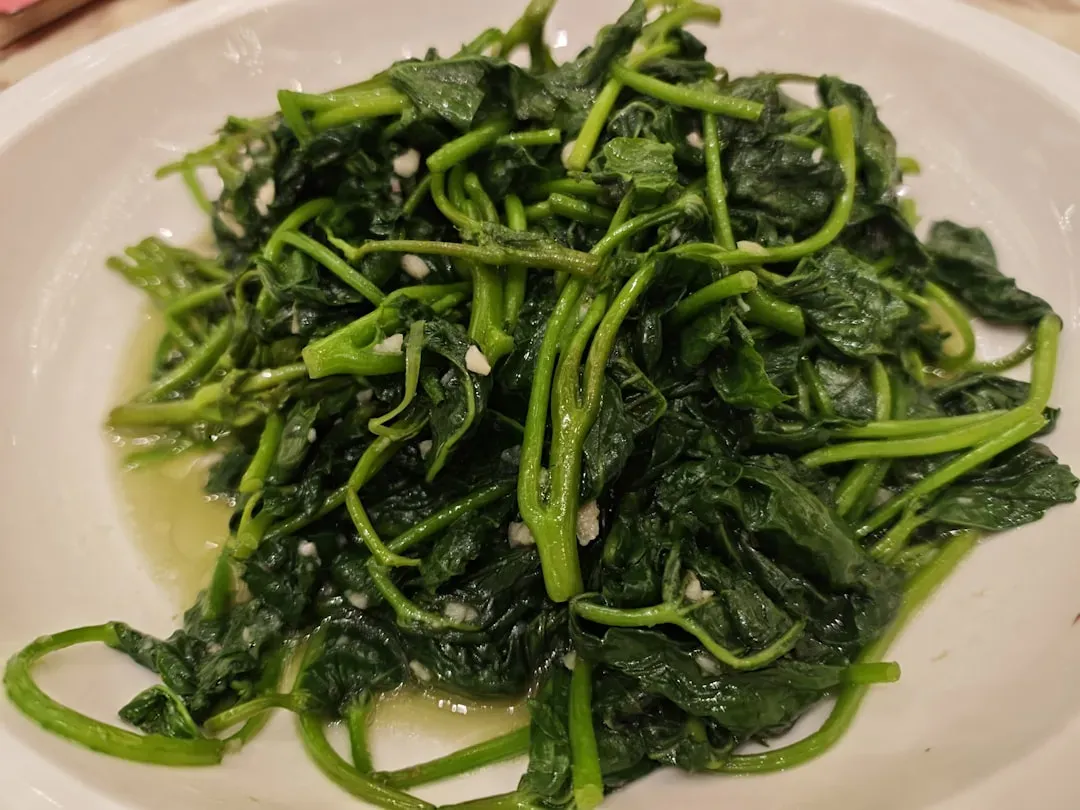
Spinach has a bit of a paradox going on. Raw, it looks incredibly healthy - and it is, packed with iron, calcium, magnesium, and folate. The problem is that raw spinach is also loaded with oxalates, compounds that actively interfere with your body's ability to absorb those very minerals.
A study found that cooking spinach quickly in boiling water, then plunging it into cold water, reduced oxalate content by around 40 percent on average, which was more effective than pan or pressure cooking. Steaming spinach reduces oxalate levels by 30 percent, and boiling cuts oxalate levels by more than half, with roughly 60 percent of the oxalates leaching into the cooking water.
Oxalate is a compound present in many plant-based foods including spinach; in the digestive system, oxalate can form complexes with minerals such as calcium and interfere with their absorption, and a high-oxalate diet may lead to kidney stones in some people. Boiling spinach, then discarding the water, is simply the smartest move for anyone who eats this leafy green regularly.
Cooking spinach by any method resulted in significant increases in vitamin E and beta-carotene bioavailability. I think that's the part the raw-food crowd tends to miss - you gain something quite meaningful even as you sacrifice a little vitamin C.
4. Asparagus: Unlocking Hidden Antioxidants
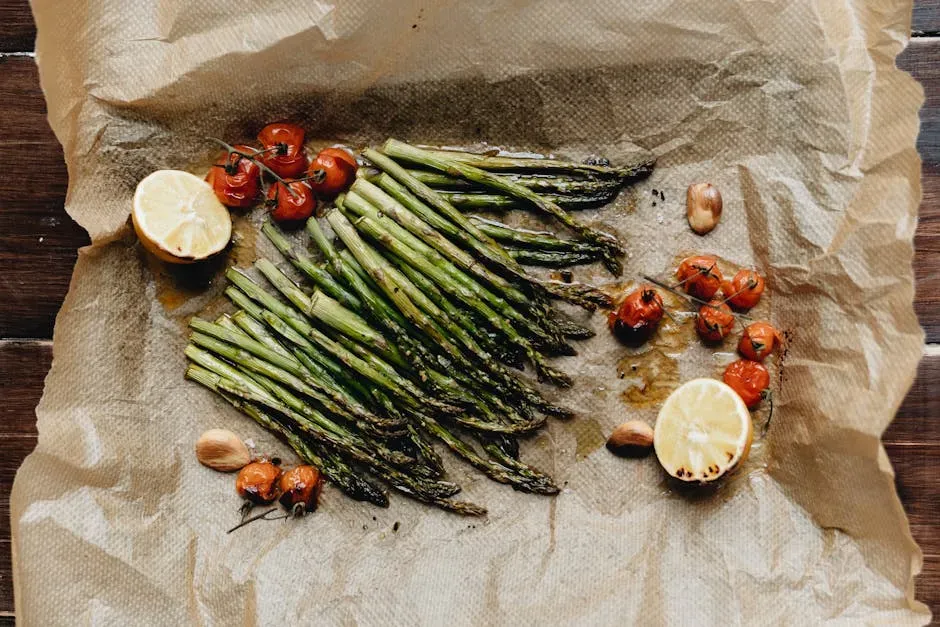
Asparagus is one of those vegetables that genuinely rewards the pot. Raw asparagus is fibrous, slightly bitter, and surprisingly difficult for your digestive system to process efficiently. Boiling changes all of that quite dramatically.
A study in the International Journal of Food Science and Technology found that cooking asparagus stalks raised the level of six nutrients, including cancer-fighting antioxidants, by more than 16 percent. Asparagus gets an honorable mention in cooking research because it is pretty much unaffected by any cooking method except frying - so you can boil asparagus freely.
Cooking can have positive effects on vegetables, increasing the bioavailability of nutrients and improving absorption by the body. With asparagus specifically, the softening of its tough fibrous structure means your gut can actually access the folate, vitamins C, E, and K it contains.
A little fat added after boiling, like a drizzle of olive oil or lemon juice, helps your body absorb the antioxidants in asparagus and other vegetables. It's a small step that pays real dividends.
5. Potatoes: Resistant Starch and Gut Health Gold
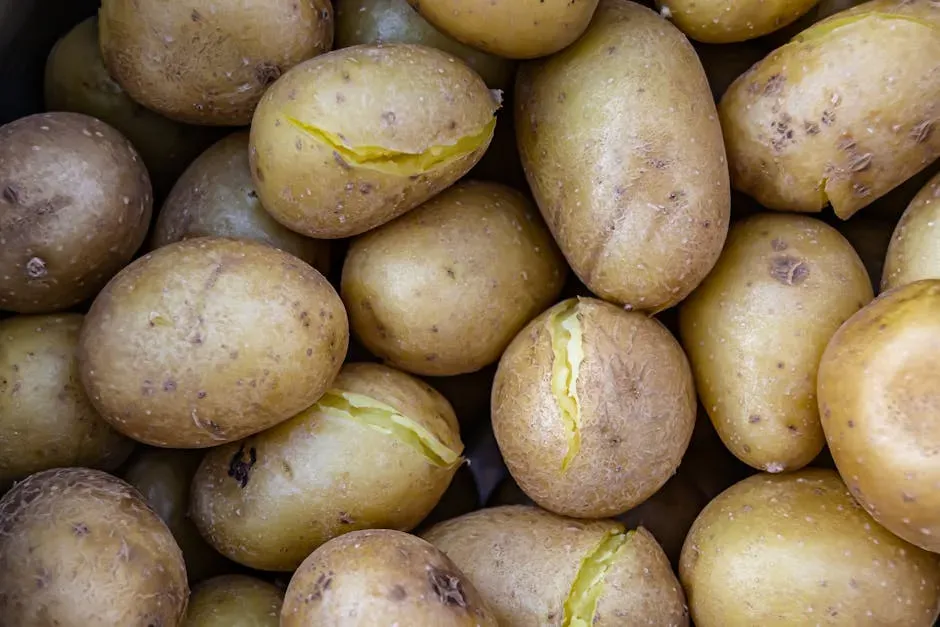
Potatoes get a bad reputation, largely because of how we usually prepare them - fried, loaded, or buried under toppings. Boiled potatoes, though, are a different story entirely. Let's be real about this one: a plain boiled potato is actually a nutritional powerhouse in disguise.
Potatoes are nutrient dense and supply nutrients we don't get enough of, such as potassium and fiber; in fact, they are a great source of potassium, vitamin C, vitamin B6, and fiber, if you eat the skin. Boiling preserves these nutrients far better than high-heat frying, which generates toxic compounds in heated oil.
Here's something genuinely fascinating about boiled potatoes: when you boil them and then cool them down, the starch transforms into resistant starch, which essentially acts like dietary fiber in your digestive system. Resistant starch molecules resist digestion, functioning kind of like fiber. This makes cooled boiled potatoes one of the more underrated prebiotic foods you can eat.
Oil heated to a high temperature for a long period forms toxic substances called aldehydes, which may increase the risk of cancer and other diseases, and the type of oil, temperature, and length of cooking time all affect the amount of aldehydes produced. By simply boiling your potatoes instead, you sidestep that issue completely.
6. Beets: Antioxidants That Hold Strong in Boiling Water
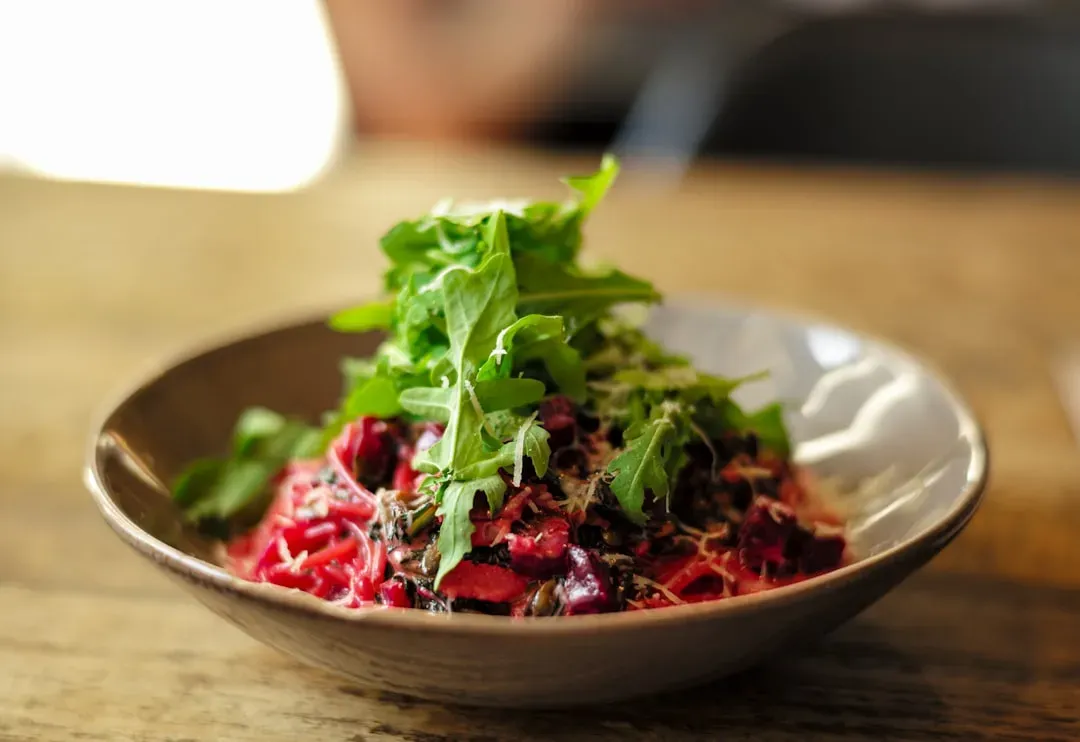
Beets are fascinating from a nutritional standpoint. They contain a unique class of antioxidants called betalains, responsible for that deep purple-red color, and research shows these compounds survive the boiling process remarkably well. It's one of the reasons beets are worth adding to your regular rotation.
Artichokes, beets, and onions are three vegetables that are hardly affected by boiling at all - you could boil them and still retain nearly all their antioxidants. That is a strong endorsement from the research, and one that most people have never heard.
Beets are also among the most concentrated food sources of dietary nitrates, compounds that your body converts to nitric oxide, which helps relax blood vessels and may support cardiovascular health. Boiling doesn't significantly disrupt this benefit. The calcium and iron content of cooked vegetables, in several cases, exhibited an increase ranging from 6 to 17 percent and 6 to 12 percent respectively.
The sweetness that comes out of a boiled beet is genuinely hard to replicate any other way. Toss them warm with a little vinegar and you have one of the most satisfying side dishes imaginable.
7. Broccoli: Carotenoids Released by Heat
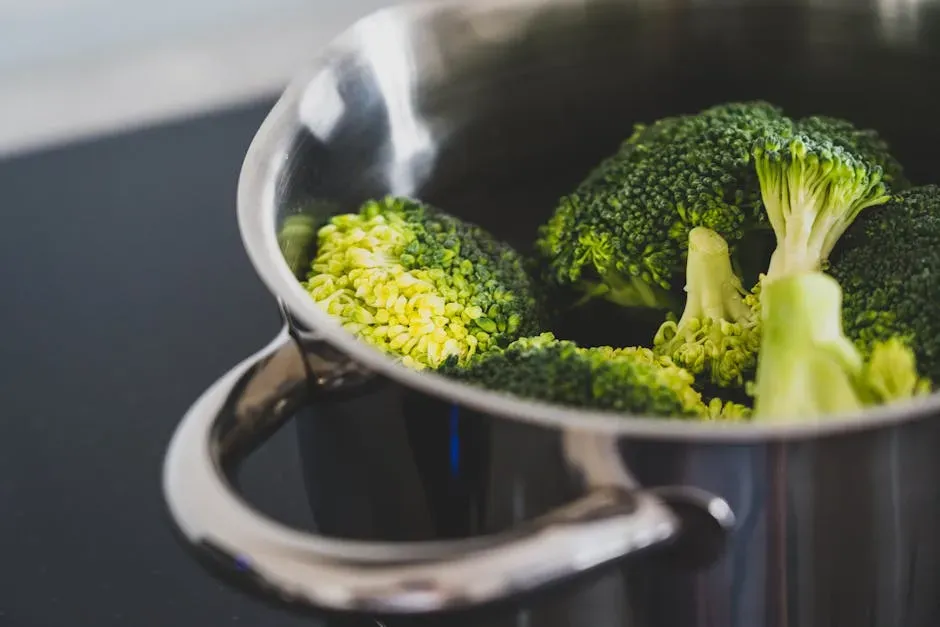
Broccoli is the poster child of healthy eating, but there's a real debate about whether to eat it raw or cooked. The truth, as usual, is somewhere in the middle - and boiling does offer specific, documented benefits that shouldn't be overlooked.
According to research published in the Journal of Agricultural and Food Chemistry, cooking broccoli promotes the release of carotenoids, and steaming and boiling are the preferred methods of cooking to enhance carotenoids like lutein and phytoene. Studies show phytoene reduces the risk of prostate cancer, improves heart health, and reduces inflammation in blood vessels.
In a study measuring beta-carotene and lutein in broccoli, researchers found that the extraction of both increased after steaming and boiling - and when the cooking water was collected and analyzed, no carotenoids were found in it, showing no carotenoid loss in the cooking process. That's a particularly reassuring finding.
Vitamin K, vitamin E, and beta-carotene content increased in broccoli when cooked, and researchers believe heat from cooking breaks down the plant cell wall, releasing these nutrients for better bioavailability. Just don't boil it to mush - a firm, bright green spear is what you're aiming for.
8. Zucchini: Surprising Carotenoid Gains

Zucchini is often treated as a background vegetable, something you add to dishes without thinking much about. But raw zucchini has relatively low carotenoid bioavailability, and boiling changes that picture in an interesting way.
A January 2008 report in the Journal of Agriculture and Food Chemistry found that boiling and steaming better preserve antioxidants, particularly carotenoids, in carrots, zucchini, and broccoli compared to frying, with boiling deemed the best method overall. That's worth pausing on - boiling outperformed frying significantly for this vegetable.
Heat breaks down the plants' thick cell walls and aids the body's uptake of some nutrients that are bound to those cell walls. For zucchini, this means the lutein and zeaxanthin it contains, compounds linked to eye health, become far more available after boiling than in the raw state.
Zucchini is also very low in calories and naturally high in water content, making boiled zucchini one of the most filling, low-energy-density foods you can add to a meal. It's honestly underrated as a diet-friendly staple.
9. Onions: Stable Antioxidants That Survive the Pot
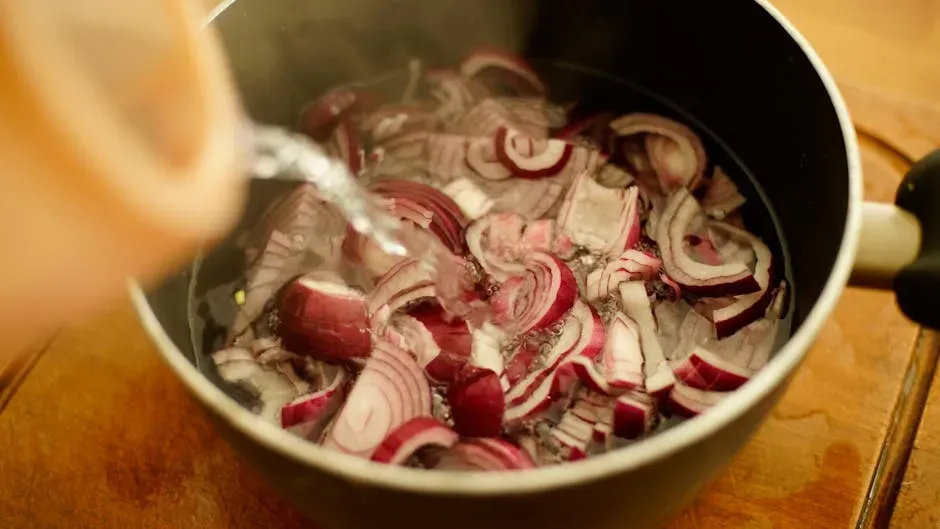
Onions are quietly one of the most nutritionally resilient vegetables you can boil. Their quercetin content, a powerful antioxidant flavonoid linked to anti-inflammatory effects, remains impressively stable through the boiling process. Not many vegetables can say the same.
Research examining antioxidant retention across cooking methods found that onions, alongside beets and artichokes, are among the vegetables that can be boiled with minimal loss of their antioxidant content. This makes them a particularly smart choice for soups, stews, and broths.
Beyond antioxidants, boiling onions dramatically transforms their flavor. The sharp, pungent bite of a raw onion mellows into something sweet and almost buttery. Under certain temperatures, vegetables may develop a sweeter taste due to caramelization or browning processes activated by heat. Boiled onions used as a base for soups is one of the oldest and most effective culinary techniques for a reason.
It's hard to say for sure which specific compounds drive all of onion's health reputation, but the quercetin story is well-documented and consistently supported by research. Boiling doesn't break that down - and that matters.
10. Sweet Potatoes: Flavor and Nutrition in One Pot

Sweet potatoes are genuinely one of the most impressive root vegetables in the world, and the way you cook them makes a real difference to what you actually absorb. Boiling is one of the most efficient, gentle methods for preserving their complex nutritional profile.
For orange-fleshed sweet potatoes, cooking by steaming and boiling for intermediate cooking times maximized beta-carotene recovery and corresponded to the highest antioxidant values. Their natural sweetness also deepens noticeably in boiling water, which is why mashed boiled sweet potato has such a rich, almost dessert-like quality.
The cooking method significantly affects anthocyanin retention in sweet potatoes, and boiling and steaming generally retain more anthocyanins than baking or frying, which involves higher temperatures that can degrade these pigments. Anthocyanins are the potent anti-inflammatory pigments found especially in purple-fleshed varieties.
Sweet potatoes have recently gained popularity due to their exceptional dietary profile and culinary versatility, and a 2024 review published in Food & Bioprocess Technology highlighted their potential as a future superfood crop. Boiling them whole with the skin on is one of the simplest and smartest ways to eat them.
A Few Things Worth Knowing Before You Boil Everything
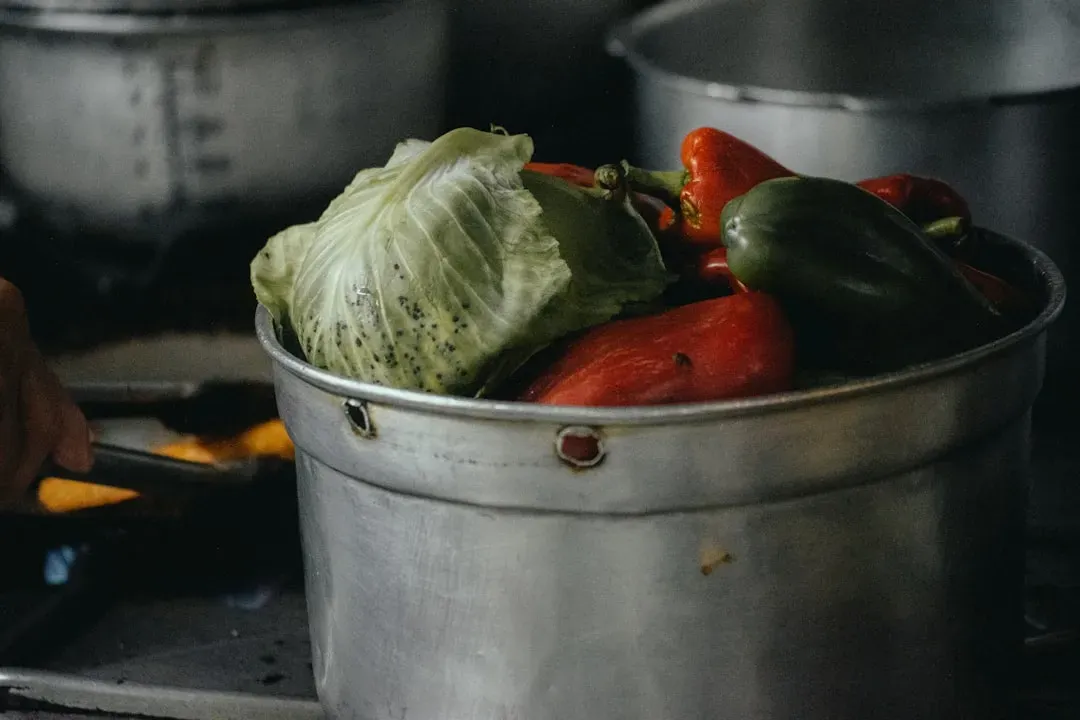
Boiling isn't a perfect solution for every vegetable, and that's important to acknowledge honestly. For all vegetables, higher temperatures, longer cooking times, and larger quantities of water cause more nutrients to be lost, with water-soluble vitamins C and many B vitamins being the most unstable nutrients when it comes to boiling, because they leach out of vegetables into the cooking water.
Averaging over 20 vegetables, boiling only removes about 14 percent of antioxidants overall - which is actually less dramatic than many people assume. If you do boil your vegetables in excess water, use that water to make broths or sauces rather than pouring nutrients down the drain. That's a small, practical habit that recovers a lot of what the water absorbs.
Cooking may cause changes to the contents of vitamins, and it depends on the type of vegetables and the method of cooking. The bottom line is that variety wins. Eating some vegetables raw, some boiled, and some roasted gives your body access to the widest range of nutrients possible.
The next time someone tells you that raw vegetables are always healthier, you'll have a lot of interesting things to say. What would you have guessed before reading this? Tell us in the comments.




Leave a Reply