
Walk into any buffet on a busy Saturday and you will witness a parade of behaviors that would make any food safety expert quietly weep into their serving spoon. It is one of those places where the rules feel optional, the instincts kick in, and people somehow forget every lesson their parents ever taught them about not touching other people's food. Honestly, it is a little chaotic. A little wild. Sometimes a lot gross.
The thing is, buffets are genuinely wonderful. The variety, the freedom, the value. There is nothing quite like loading up a plate with six different cuisines without anyone judging you. Still, there is a darker side to this paradise of unlimited food, one that involves bacteria, cross-contamination, and table manners that belong in a different century. The stakes are higher than most people realize. Let's dive in.
1. Skipping Hand Washing Entirely
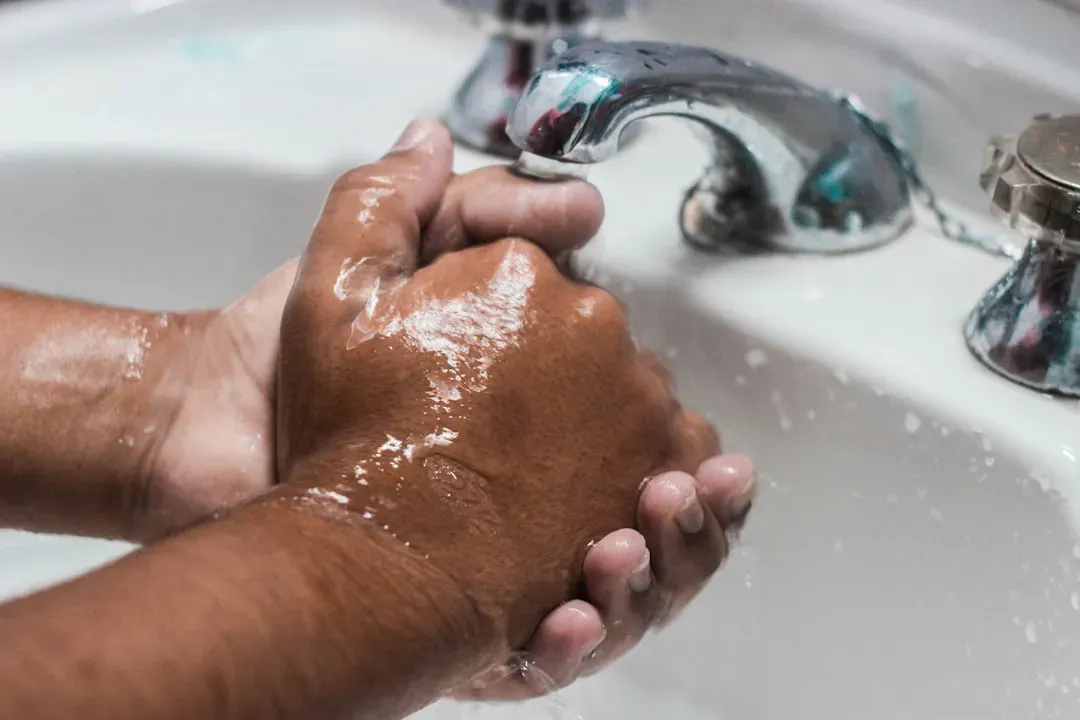
Here's the thing that gets me every time: people walk straight from the parking lot to the serving spoons without washing their hands. Think about everything those hands have touched. Door handles, phones, wallets, elevator buttons. After arriving at a restaurant, you should go to the bathroom and wash your hands, because they have probably come into contact with your face, hair, doorknobs, and other places where they can pick up bacteria and germs you definitely do not want mixed into your food.
Everyone touches the serving utensils in a buffet, and you do not know where anyone's hands have been. To cut down on germs, everyone should wash their hands, or at the very least use a generous amount of hand sanitizer, right before hitting the buffet line. It sounds basic because it is basic. Yet watch any buffet for twenty minutes and you will see how rarely it actually happens.
The CDC estimates 48 million people get sick, 128,000 are hospitalized, and 3,000 die from foodborne diseases each year in the United States. A staggering portion of those cases are preventable with nothing more than soap and water. Think about that the next time you go straight for the tongs.
2. Reusing the Same Plate for Seconds
This one has a sneaky logic to it. You figure, hey, it is your plate, your germs, so what is the harm? The difference is in the transmission of germs to other people. Your reused plate contains saliva and old food scraps from your previous meal, meaning universally shared tongs, serving spoons, and other utensils will make direct contact with that dirty vessel. As you move through the buffet line, you expose your germs to everyone who uses those serving utensils afterward.
This common mistake actually breaks important FDA guidelines. Good buffets make sure you do not do this, either by having staff remind you or by putting up signs. Restaurants can even lose points on health inspections if they do not enforce clean plate usage. So it is not just an etiquette quirk. It is a genuine regulatory issue with real health consequences attached to it.
3. Eating While Standing in the Buffet Line
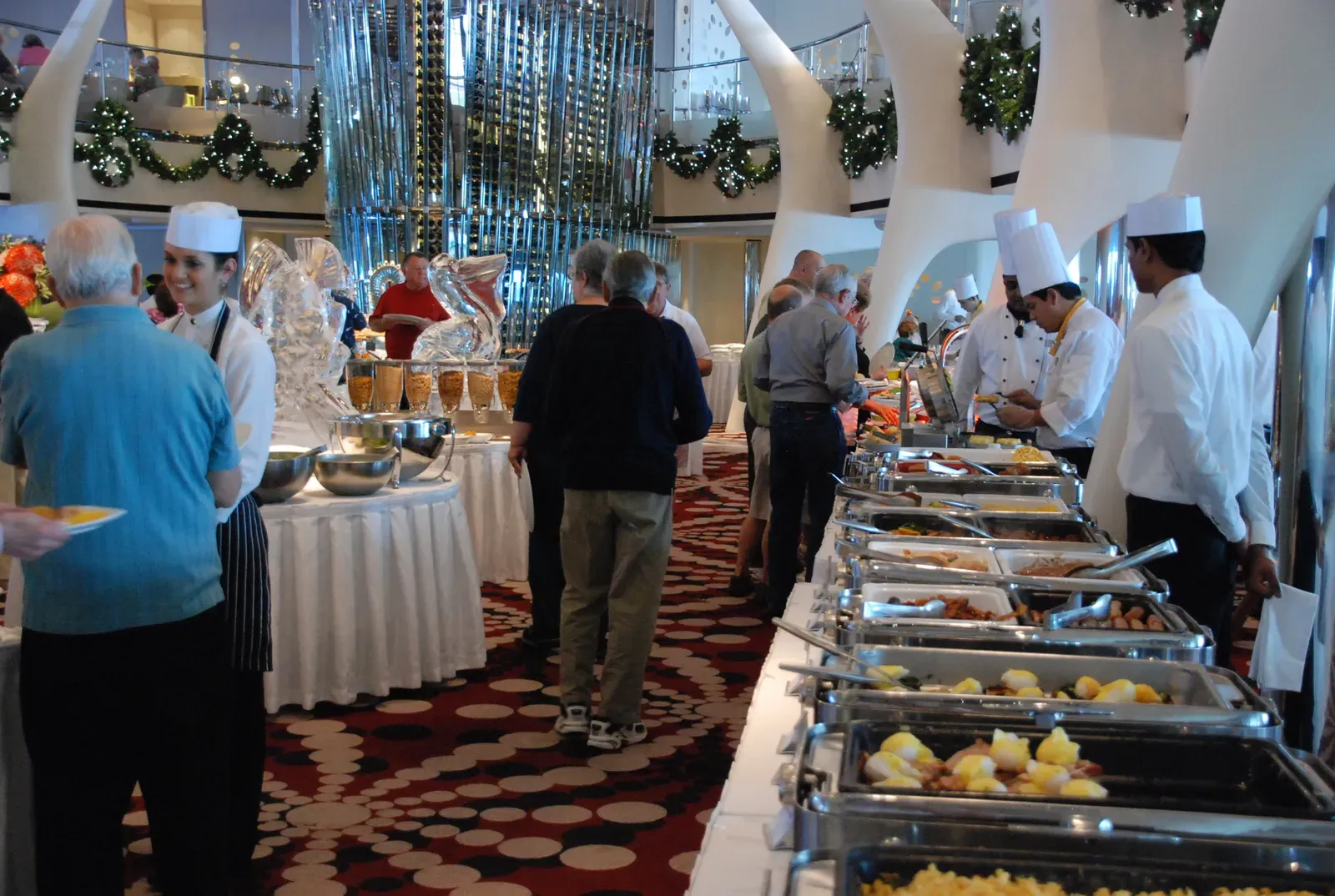
You have seen this person. Maybe you have been this person. Standing there in line, a shrimp already in your mouth, blissfully unaware of the biological chaos you are contributing to. Do not eat in the buffet line. Those eating while standing in the line can contaminate food. Saliva can spray onto the food and pass on bacteria to other consumers. So while in the buffet line, do not eat from your plate or from the serving utensils.
Like most other buffet blunders, eating in line exposes other people to unwanted germs. As you chew, saliva from your mouth can make its way onto the plates of others and even onto exposed food on the buffet line. It is harder to see than a sneeze, but it is happening constantly. Go sit down, take a breath, enjoy the food the way it was meant to be enjoyed. Your fellow diners will thank you silently.
4. Mixing Serving Utensils Between Dishes

Let's be real: this happens all the time. Someone uses the pasta spoon to grab some rice because the rice spoon fell into the tray, or maybe they just did not notice. It seems harmless. It absolutely is not. Do not use one utensil to serve several food items. If one food item happens to be contaminated and others are not, and you use the same spoon for serving, then that cross-contaminates them all.
With so many people sensitive to certain ingredients, it is important that serving utensils are used only for their intended purpose. Swapping utensils means potentially cross-contaminating foods, making them no longer safe for individuals with sensitivities. Known allergens include peanuts, wheat, fish, and eggs, and exposure to food containing these ingredients can cause life-threatening reactions in some people. This is not a technicality. For someone with a severe allergy, a mixed-up spoon could mean an emergency room visit.
5. Ignoring the Two-Hour Food Safety Rule
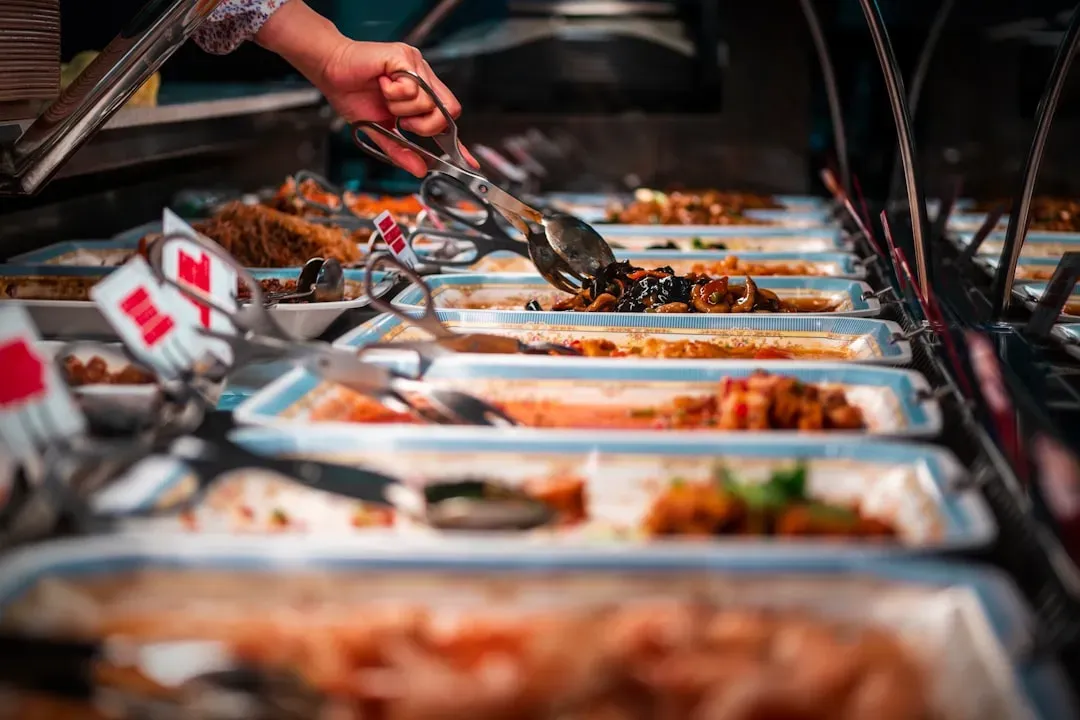
Most buffet-goers never think about the clock ticking on the food in front of them. They see a dish and assume it is fine. Sometimes it is not. Perishable food can grow harmful bacteria quickly when left out of the refrigerator for more than two hours. If the temperature is warm, above 90 degrees Fahrenheit, then the time limit is just one hour. That warm Sunday brunch in a sun-drenched restaurant? The clock runs faster than you think.
Food that is left in the danger zone, between 40°F and 140°F, for too long becomes a breeding ground for harmful bacteria like Salmonella or E. coli. Hot dishes should be visibly steaming or kept on heated trays or burners. If the food looks lukewarm, sits without a heating element, or simply looks like it has been sitting there since the lunch rush, trust your instincts. If you see sausage patties, bacon, scrambled eggs, quiches, or other meat and egg products sitting out without any heating appliance, you may want to skip those.
6. Touching Food With Bare Hands (And Sometimes Putting It Back)
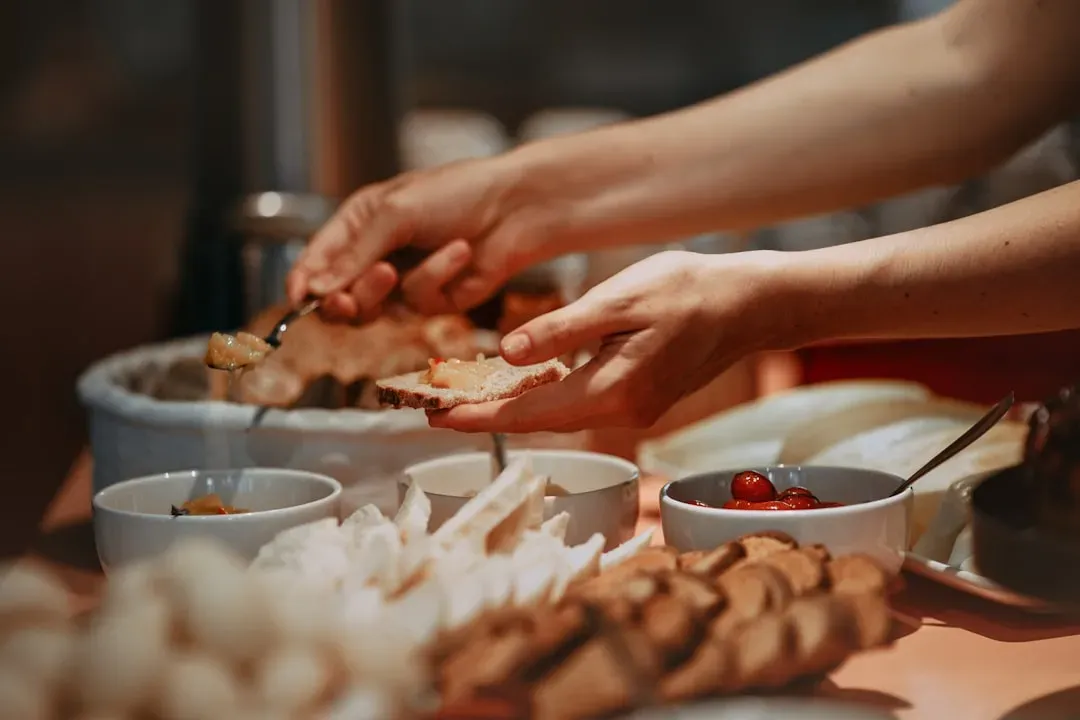
I know it sounds crazy, but people do this constantly. They pick up a bread roll, decide they want a different one, and place the first one back. At a buffet, once your hands touch something, that item belongs to you. You really should not be touching food with your bare hands at all at a buffet, but if you do touch something, it is yours. You need to put it on your plate, whether you want to eat it or not.
Make sure you commit to putting food on your plate before touching it. Even when using utensils, other people will not appreciate you picking up items and then putting them back down. Beyond the etiquette issue, think about what this means hygienically when dozens of people do it across a three-hour service window. Bacteria is everywhere and can pass easily from hands to food. That bread roll has had a very interesting afternoon.
7. Letting Children Run Unsupervised at the Buffet
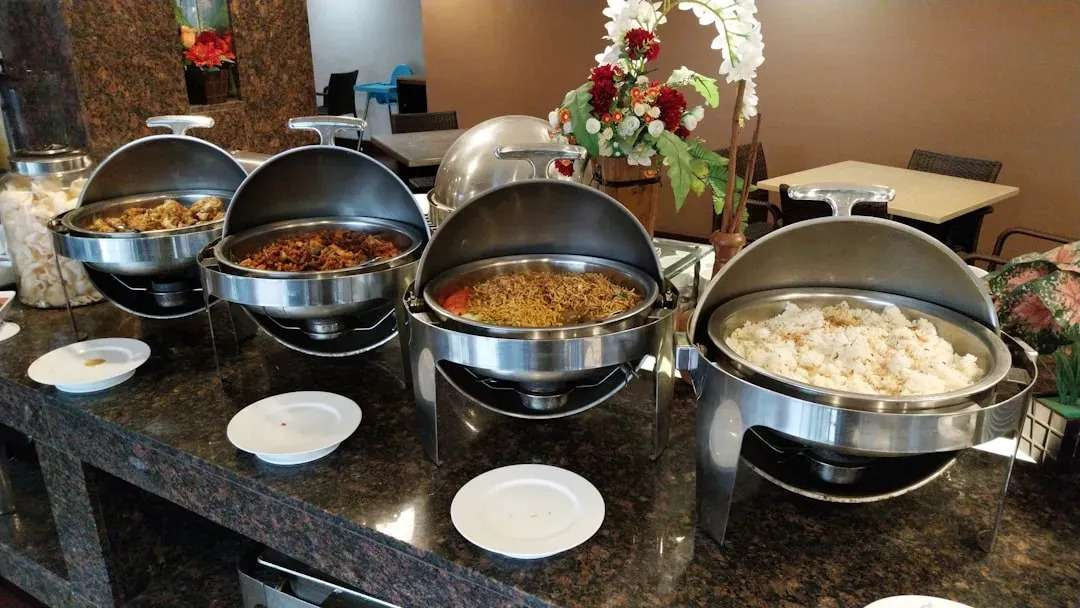
Children at buffets are a wild card. They are enthusiastic, curious, and completely unaware that the serving tong is not a toy. Help children to learn these rules as well. Always accompany a child to the buffet line to be sure they are using serving utensils, not eating while in the buffet line, and not coughing on the food. Help children learn not to use their hands and fingers as serving and eating utensils in the buffet.
Young children love to grab things. They will grab something, put it back, grab another, and put it back, and so on. They are also not very good at dishing food themselves. They tend to spill, break, and cause real chaos as they pass through the buffet line. Honestly, letting a four-year-old loose at a buffet unsupervised is roughly equivalent to letting them loose in a science lab. Loving, but extremely inadvisable.
8. Piling Your Plate With More Than You Can Actually Eat
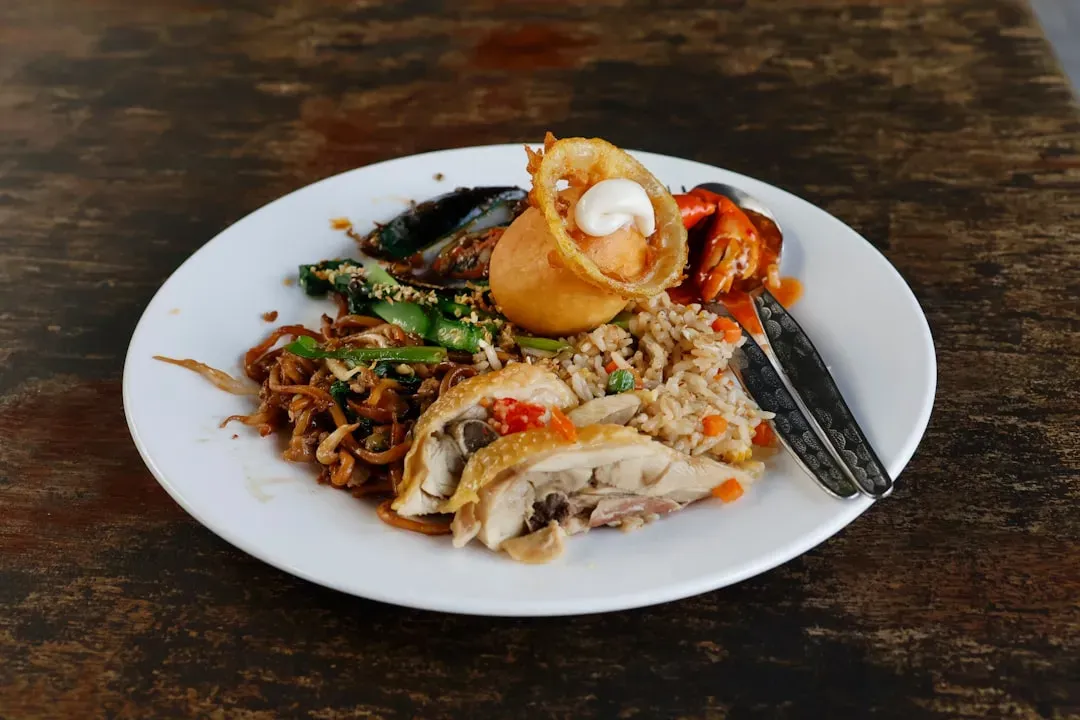
The all-you-can-eat mindset triggers something deep and primal in people. Eyes grow wide. Plates begin to look like miniature skyscrapers of food. And then roughly half of it gets left on the table. A buffet is all you can eat. But it should not be all you can throw away. Food waste is not only bad for the planet, it is bad for the bottom line of the restaurant, which may have to raise prices if people keep throwing away enormous quantities of food.
Remember, it can take about 20 minutes for your stomach to tell your brain it is full. Due to this, when you start to feel a little full, there are still 20 more minutes until your brain fully knows what is going on. Think of it like filling a bathtub. You do not leave the tap running at full blast and hope for the best. You take a little, wait, assess. Then go back. That is how buffets are meant to work.
9. Sneezing or Coughing Directly Over the Food
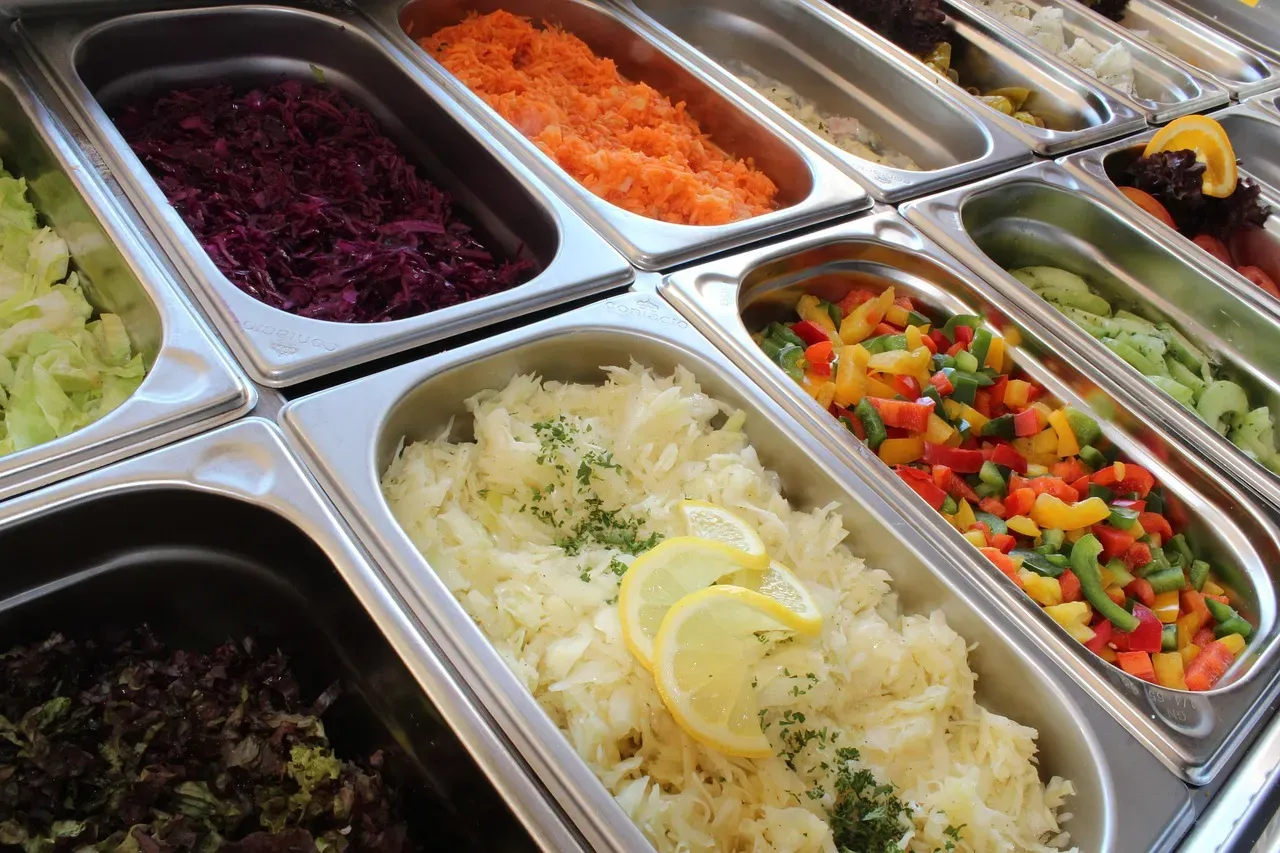
Sneeze guards exist for a very specific reason. They are not decorative. They are not just there to make the buffet look fancy. Sneeze guards, those clear shields over buffet trays, are designed to protect food from germs that spread through talking, coughing, or sneezing. If a buffet does not have them, that is a serious hygiene miss.
The clear plastic or glass sneeze guard is on buffets for a reason: to prevent sneezing, breathing, and coughing directly onto the food. It is meant for you to reach under with your arms, but not duck under with your head, even if you cannot reach something. If you have to sneeze or cough, step away from the buffet and do it into the crook of your elbow. Seems like common sense. You would be surprised how often it is not applied. According to the CDC, 1 in 6 Americans contracts a foodborne illness each year, and buffets create unique opportunities for contamination that regular restaurants do not face.
10. Not Paying Attention to High-Risk Foods
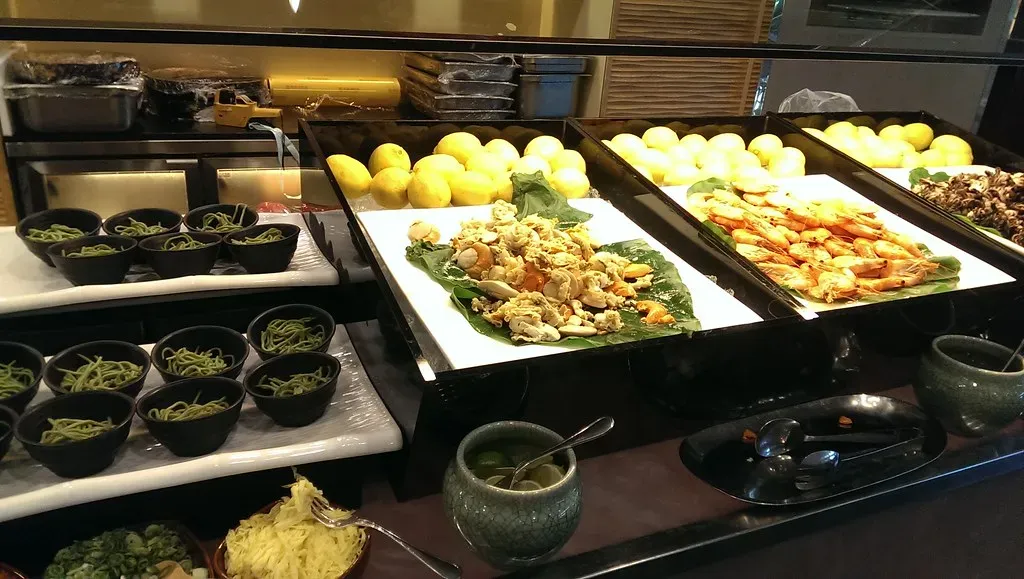
Not all buffet dishes carry the same level of risk, and most diners have absolutely no idea which ones to approach with a little extra caution. Buffets pose a high risk for foodborne illnesses, particularly from foods that are susceptible to contamination if not handled properly. High-risk items such as seafood, poultry, eggs, and dairy products should always be displayed with strict temperature control to avoid bacterial growth. Foods like sushi, oysters, and other raw or lightly cooked items require special care, as they can harbor harmful bacteria if not stored correctly.
Vibrio bacteria, found in shellfish, can cause mild symptoms like vomiting and diarrhea. In severe cases, it can be deadly. That raw seafood station that looks gorgeous on ice might be a gamble depending on how long it has been sitting there. The number of recalls because of Listeria, Salmonella, and E. coli increased by 41 percent and accounted for nearly four in ten of all recalls in 2024. These are not abstract statistics. They are the real cost of underestimating food at communal dining settings.



Leave a Reply