
Have you ever stood by your trash bin, apple core in hand, wondering if what you're doing might actually be illegal? It sounds absurd, right? Yet across the United States, a quiet revolution is happening in our kitchens and trash cans. What once seemed like the most natural thing in the world - tossing your leftovers into the garbage - is becoming a legal minefield in more places than you might imagine.
The laws are changing fast. States from coast to coast are rethinking how we handle the organic matter that once filled roughly a quarter of our landfills. Legal experts and environmental regulators are now paying attention to what ends up in your household trash, and the consequences for ignoring these rules are starting to bite. Let's be real, most of us never thought twice about throwing away food scraps. However, that carefree approach might land you in hot water depending on where you live.
Fruit and Vegetable Peels Face the Chopping Block
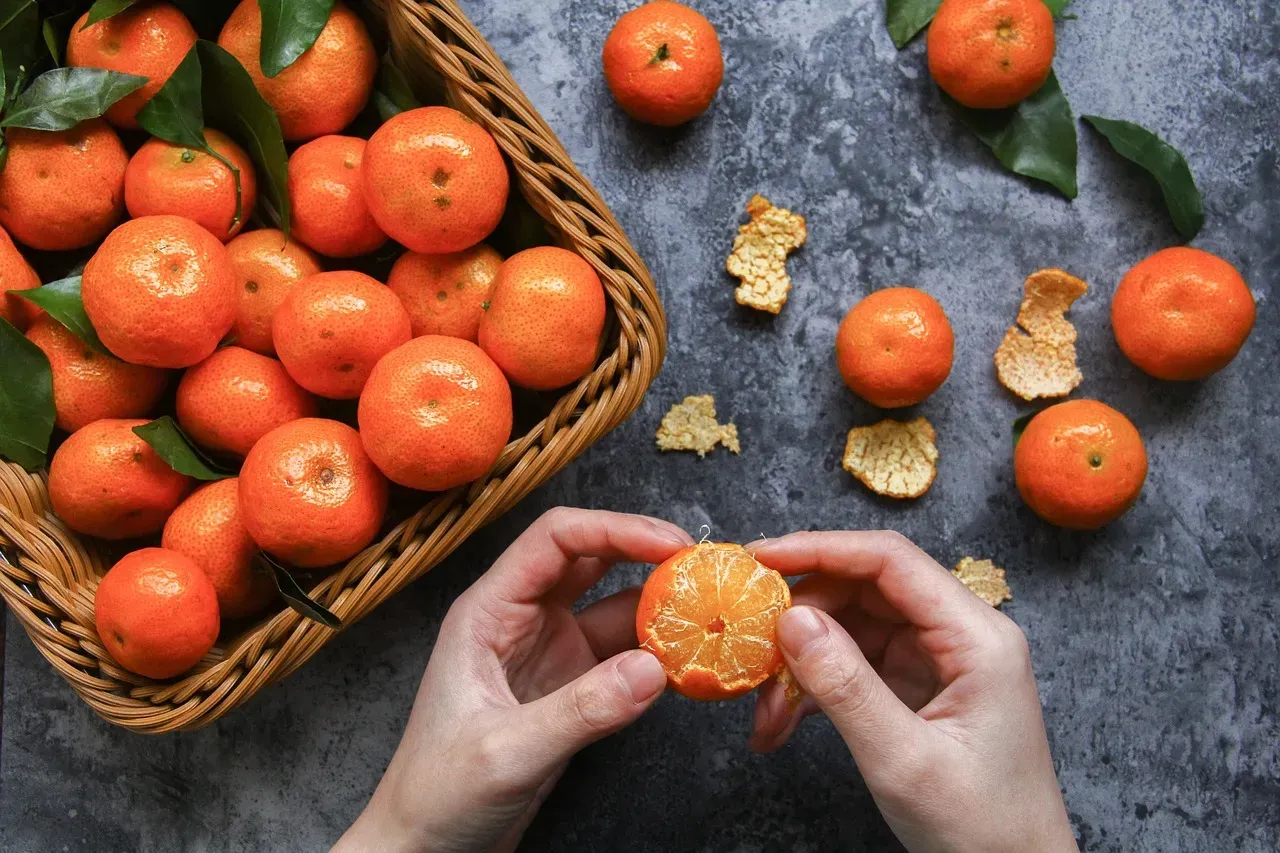
Those banana peels and potato skins piling up after dinner prep? In eleven states with organic waste bans - including California, Connecticut, Maine, Maryland, Massachusetts, New Hampshire, New Jersey, New York, Rhode Island, Vermont, and Washington - they're no longer trash bin material. Honestly, it's one of the easiest changes to wrap your head around.
Vermont's state law banned disposal of food scraps in trash or landfills starting July 1, 2020, making it one of the most comprehensive bans in the nation. Just three years into its organic waste ban, Vermont conducted a waste characterization study that showed a 54 percent food scrap recycling rate. The impact has been real, even though enforcement focuses on education rather than punishment. Think about all those vegetable scraps you generate each week - it adds up faster than you'd expect.
Coffee Grounds and Tea Bags Are Surprisingly Regulated
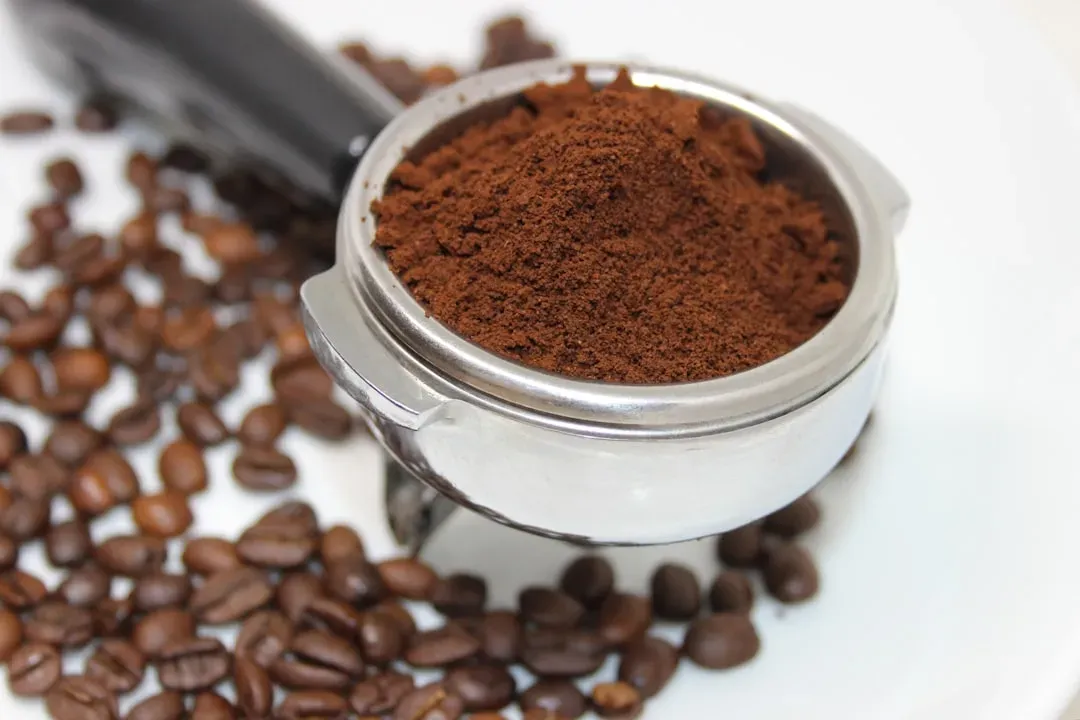
Your morning coffee ritual just got more complicated. Coffee grounds can be composted along with many different types of food, and in states with mandatory organic waste separation, they must be. California's law is particularly strict here. As of January 1, 2022, people and organizations throughout California were required to separate organic material, mainly food scraps and yard waste, from other garbage.
Tea bags fall into this category too, though there's a catch. Some tea bags contain plastic fibers that won't break down, so you need to check first. The law's purpose is to reduce organic waste disposal 75% by 2025 and reduce the state's methane emissions, as organics that include food scraps make up half of California landfills. I think it's fascinating how something as simple as a used tea bag became part of a major environmental initiative.
Egg Shells Cannot Crack Into Your Trash
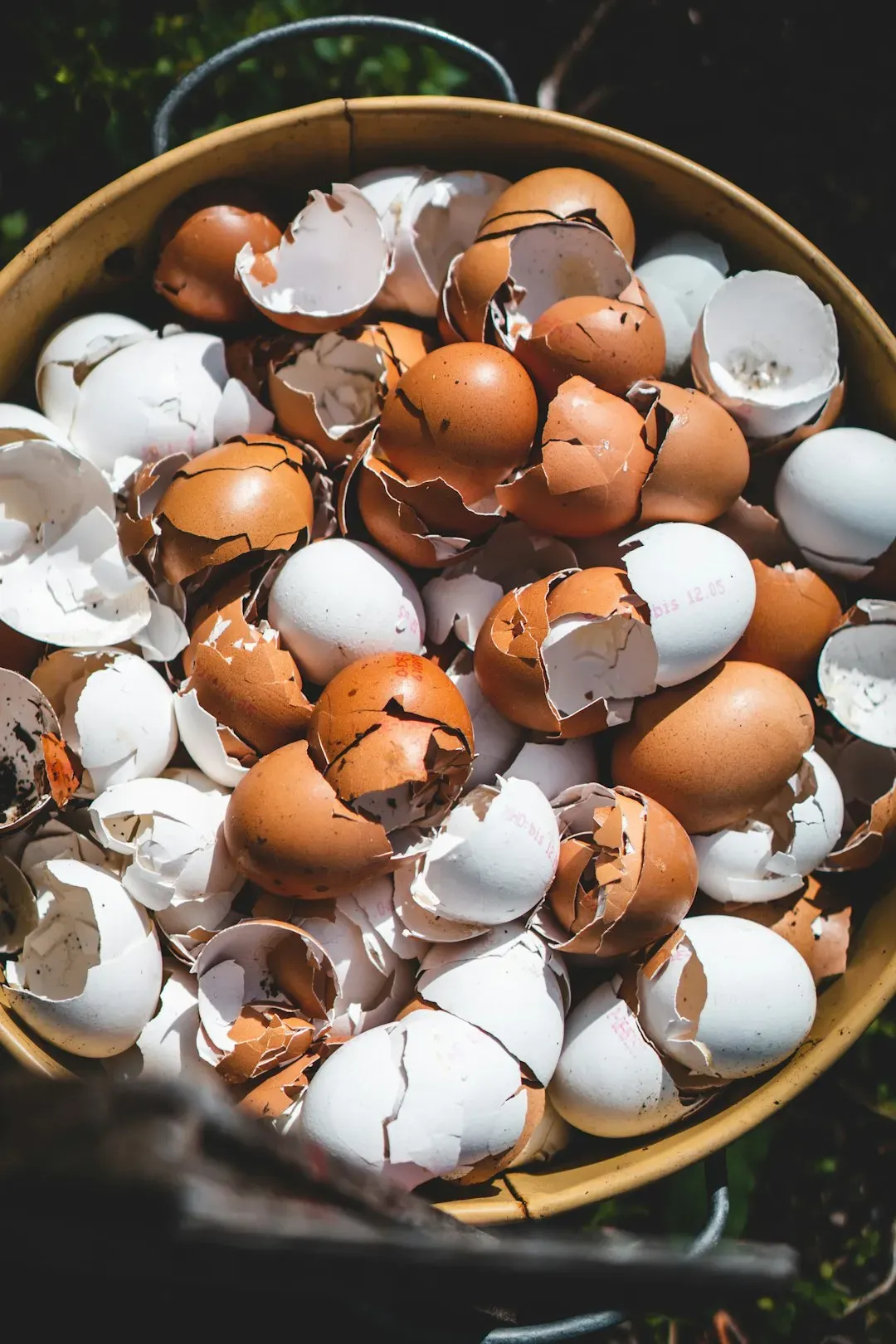
Eggshells are among the food scraps that can be composted, and legal frameworks increasingly require their diversion from household garbage. Massachusetts stands out as particularly successful in this area. A 2024 study found Massachusetts was the only state with a food waste ban that led to an overall reduction in total municipal solid waste from 2014 to 2018, with the state's overall MSW falling by 7.3 percent, and methane emissions from the waste sector declining by more than 20 percent.
What made Massachusetts different? The state's success has been attributed to the affordability of composting programs, the clarity of the policy itself, and the establishment of strong enforcement mechanisms and monitoring systems, while Massachusetts also offers technical assistance to businesses that struggle with compliance through the state's RecyclingWorks program. The lesson here is that when regulations are clear and accessible, people actually follow them.
Bread and Baked Goods Face Disposal Restrictions
That stale loaf sitting on your counter can't just disappear into the trash anymore in certain jurisdictions. Honestly, bread waste is massive - think of all those forgotten sandwich crusts and rock-hard bagels. Bread and grains are among the food scraps that can be composted instead of landfilled.
California requires all its inhabitants, whether commercial businesses, public institutes or private residents, to separate their green waste, with Tier 1 and Tier 2 food generators required to donate edible waste and recycle the rest. Here's the thing - baked goods that are still edible should actually go to food banks first. In Vermont, food donation has nearly tripled since the law was passed. The hierarchy matters: rescue before recycling.
Dairy Products Require Special Handling
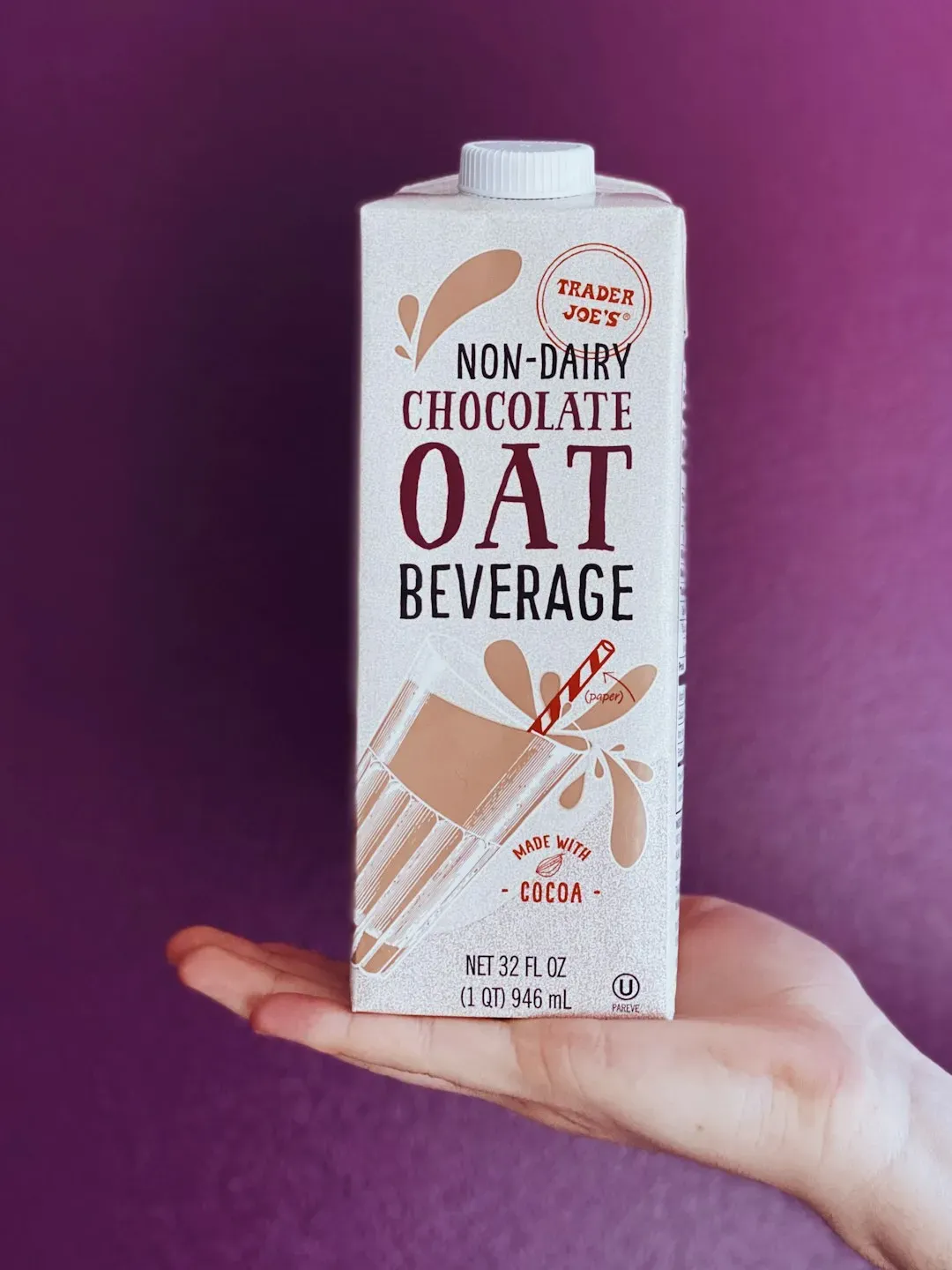
Milk, cheese, yogurt - all the dairy products that spoil in your fridge are now subject to special disposal rules. It's not exactly simple to separate these from regular trash, especially when they're liquid. California's state law requires businesses to compost if they produce more than 8 cubic yards of food waste by 2024, 4 cubic yards by 2025, and 96 gallons by 2026.
Confusion over date labels leads U.S. consumers to throw away about three billion pounds of food, worth $7 billion, every year, with dairy being a major culprit. Many people toss perfectly good milk because they misunderstand expiration dates. The new wave of legislation addresses this, pushing for better labeling while simultaneously requiring proper disposal of genuinely spoiled dairy. Let me tell you, the smell of forgotten yogurt is motivation enough to get this right.
Meat and Fish Scraps Fall Under Strict Guidelines
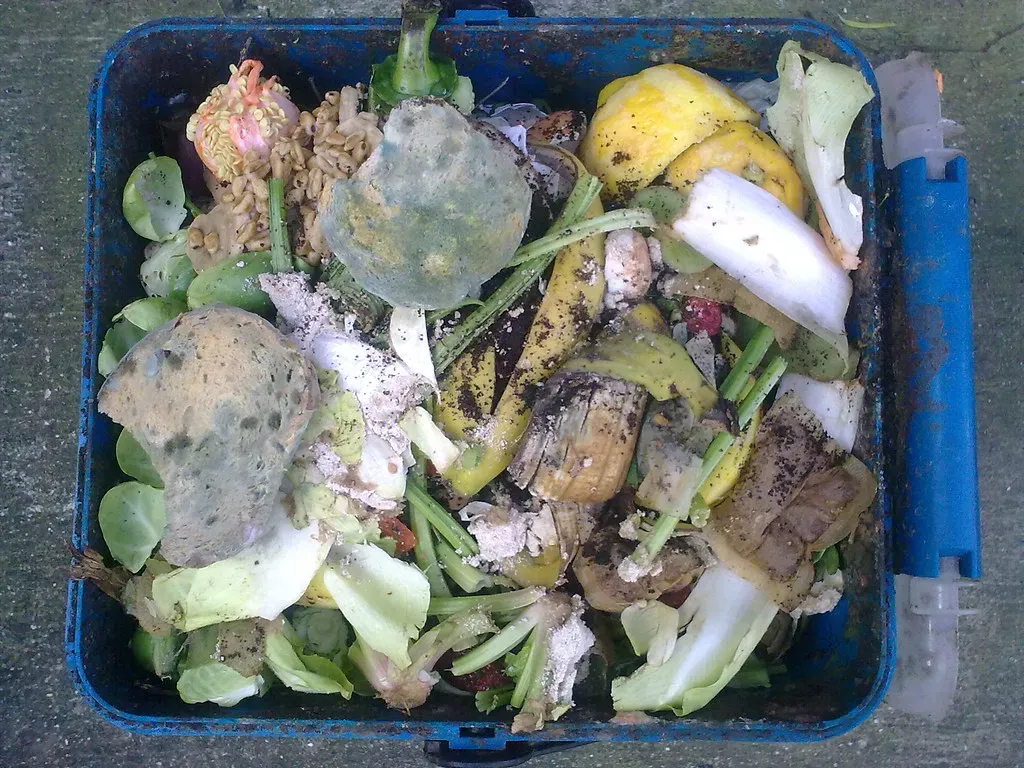
Meat bones, fish skin, and other animal proteins generate some of the worst landfill emissions. Organic food waste, primarily food scraps, are often thrown away and ultimately decompose in landfills, releasing methane and potentially polluting waterways. The methane issue is why regulators care so much about these particular scraps.
Vermont state law allows residents who compost in their backyards to dispose of meat and bones in the trash, recognizing that home composting systems often can't handle these materials. However, commercial facilities can. Vermont's Agency of Agriculture prohibits feeding pigs food scraps that have touched meat or fish, including their organs, bones, and juices, to prevent the spread of diseases. The regulations get granular because the stakes are high.
Pasta and Rice Cannot Be Trashed Carelessly
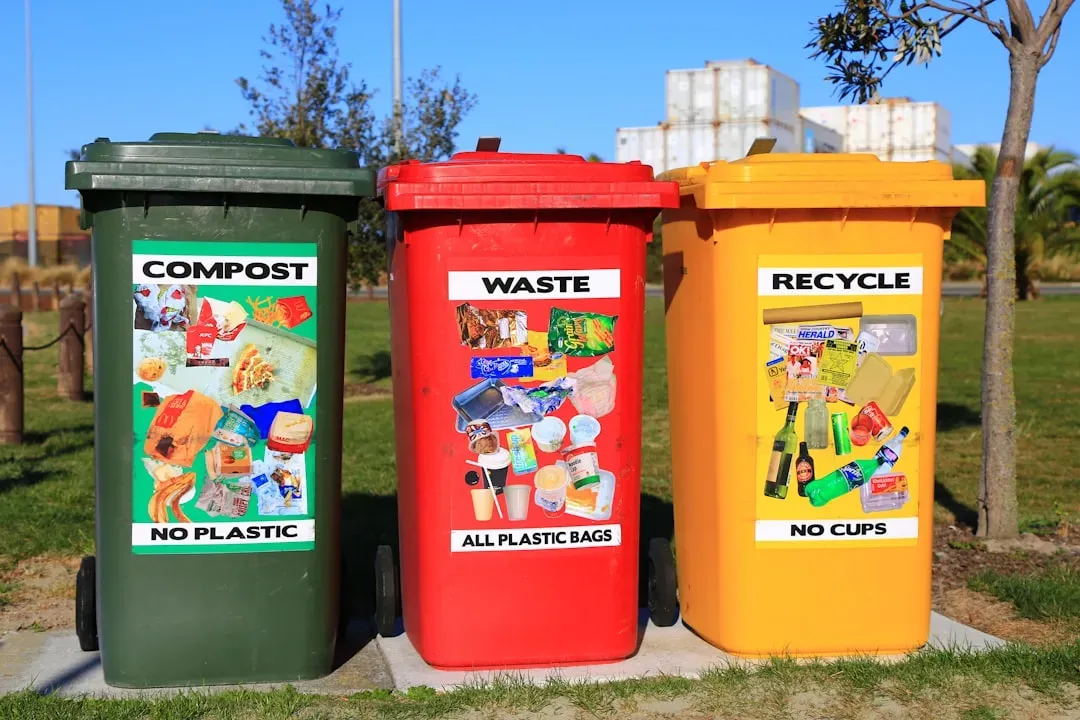
Leftover spaghetti and day-old rice might seem harmless, but they're organic materials that regulations now cover. Vermont passed a Universal Recycling Law in 2012 banning food scraps from landfills by commercial businesses and residential households, requiring that food scraps be donated, composted, or diverted to an anaerobic or organic food waste processing facility.
Food makes up around 24% of solid waste in U.S. municipal landfills, outnumbering all other types of trash. Grains contribute significantly to that percentage. Vermont's Universal Recycling Law bans the disposal of food scraps in trash or landfills, requiring they now be donated, used for animal feed, or used for composting, and since this law was passed, food donations have nearly tripled. The transformation has been remarkable to witness.
Nut Shells and Seeds Must Be Diverted
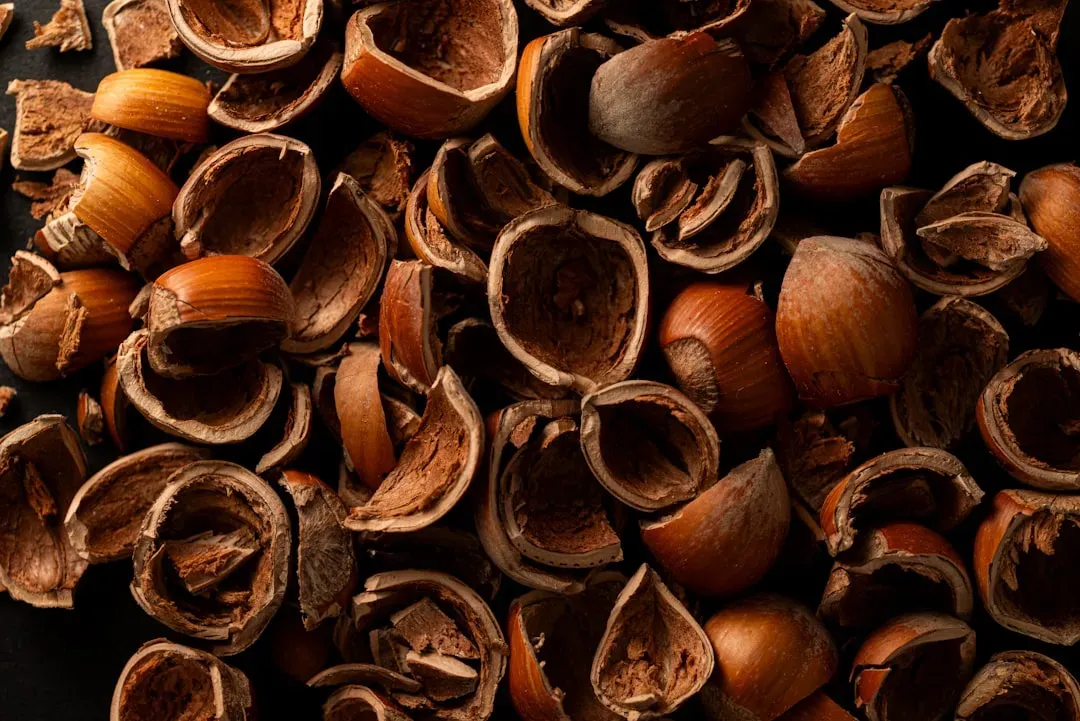
Those pistachio shells and sunflower seed husks? They're organic waste too. While they seem insignificant, volume adds up across millions of households. Research published in the journal Science looked at the first five states to enact food waste bans: California, Connecticut, Rhode Island, Vermont and Massachusetts.
The results were mixed. According to the study, Massachusetts stood out as the only state to achieve its goal of minimizing landfill waste with a 7% reduction over five years, possibly due to certain steps the state took to make it easy for individuals and businesses to comply, with Massachusetts having the most extensive network of food waste processing facilities creating easy alternatives to landfills, and the law having the fewest exemptions. Infrastructure matters more than rules.
Citrus Rinds Are No Longer Garbage Material
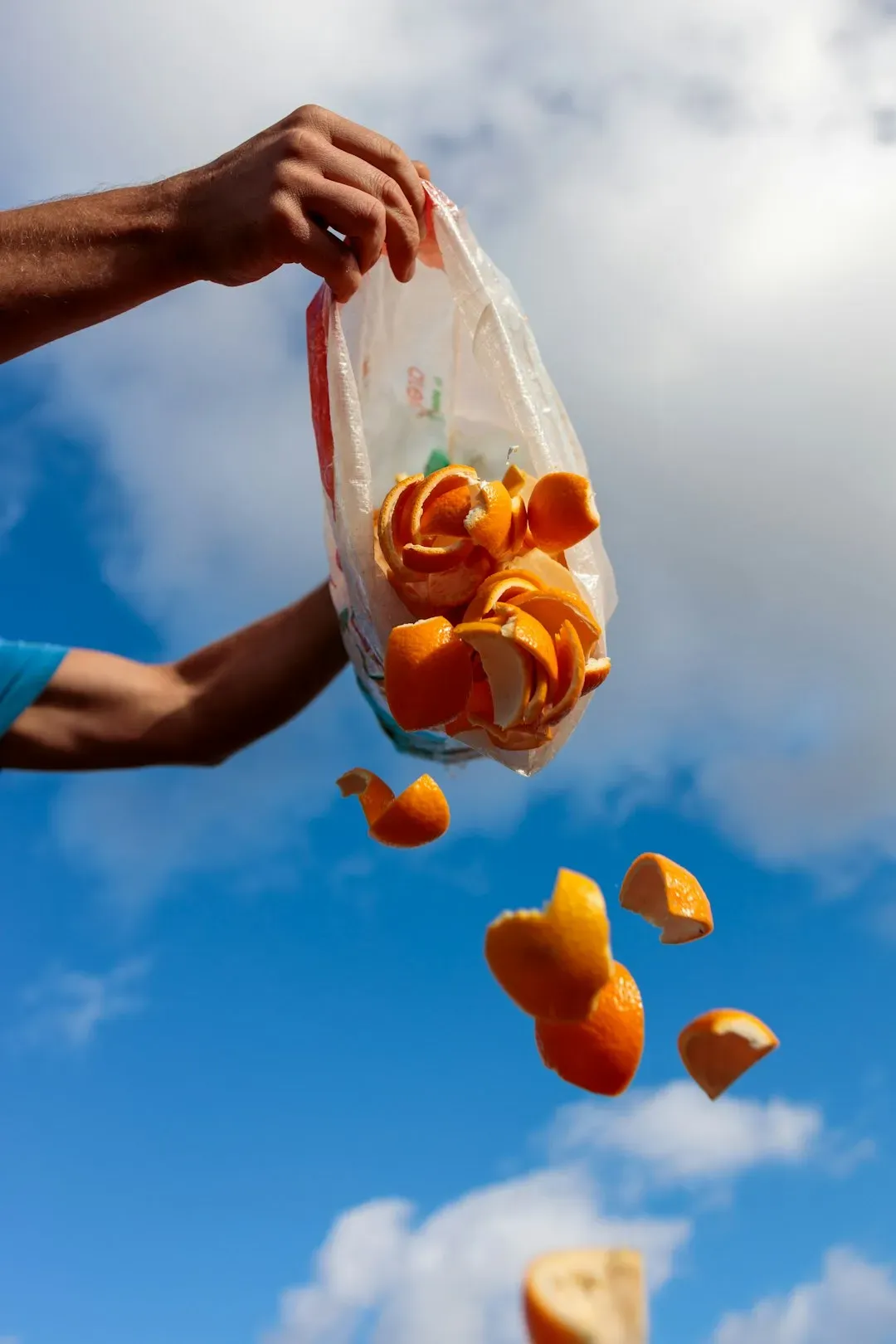
Lemon wedges, orange peels, grapefruit halves - all those bright rinds left behind after juicing or snacking need new homes. Sacramento County's Department of Waste Management says their primary goal for addressing improper food waste disposal is education, using garbage trucks with hopper cameras and lid flippers that can see waste inside bins, and when unacceptable materials are found, staff attach cart tags providing education.
Enforcement is ramping up but remains focused on teaching people rather than punishing them. Some cities provide notices of violation with 30-day opportunities to correct, and if residents are still out of compliance, they could receive a citation with another 10 days to correct, though the focus remains on education and compliance rather than fining residents. It's about changing habits, not filling municipal coffers.
Produce Past Prime Still Has Value
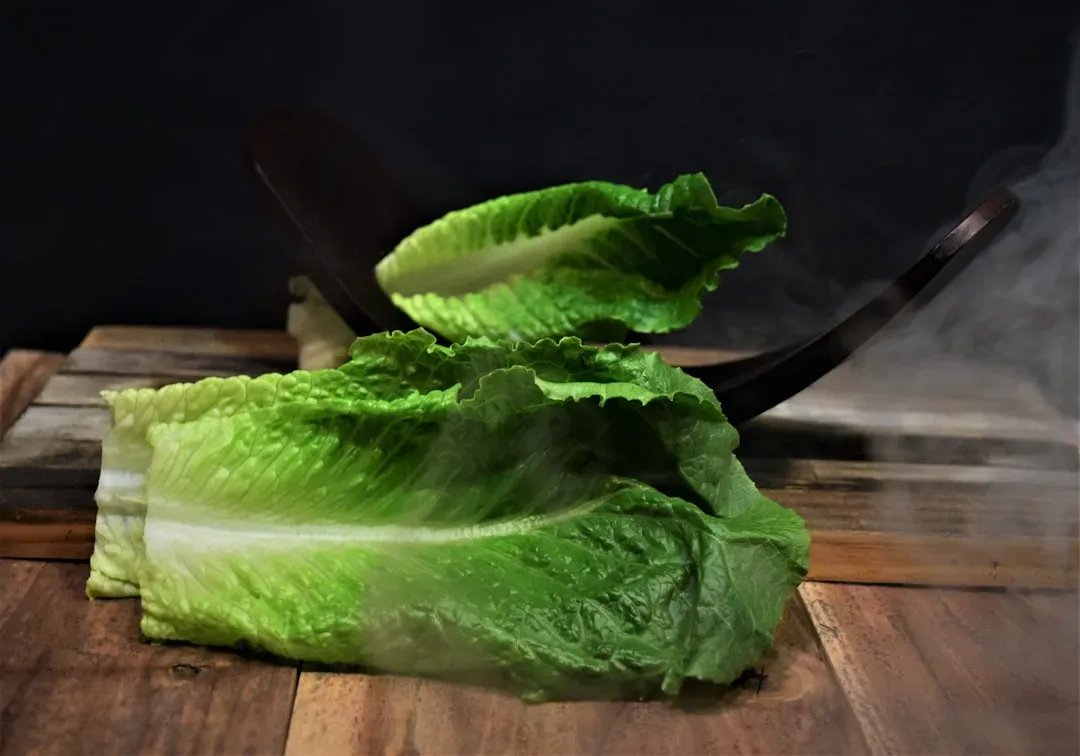
That bag of wilted lettuce or bruised apples you're about to toss? Wait a second. California passed AB660 which mandates the use of uniform terms like "BEST if Used By" or "USE By," and importantly, explicitly allows food to be donated past its quality date, removing a key obstacle to food recovery efforts.
The new law, which takes effect July 1, 2026, prohibits consumer-facing "Sell By" labels, which are intended for retailers but often mislead consumers into discarding food that is still safe to eat. This changes everything about how we think about "expired" produce. What we once saw as garbage might actually feed someone in need. The EPA estimates that households account for 40% of all wasted food in the United States, making it the largest single-source of wasted food, costing the average family over $1,500 per year. That's money literally thrown away.
Making Peace With the New Normal
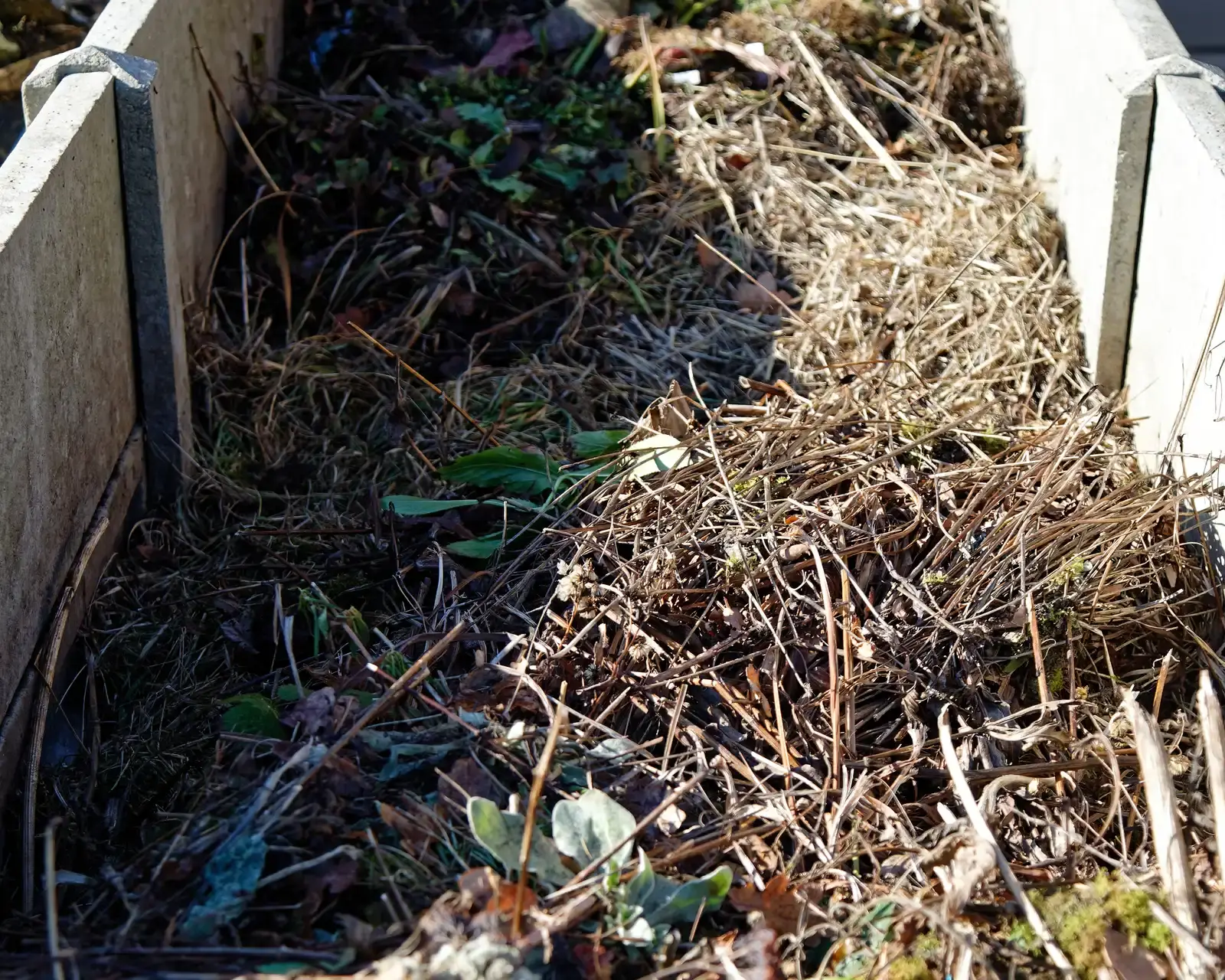
As food waste breaks down in municipal solid waste landfills, it produces methane, a greenhouse gas more than 80 times more powerful than carbon dioxide over a 20-year period, with landfills being the United States' third highest emitter of methane, and more than half of those emissions coming from wasted food. The science behind these regulations is solid, even if implementing them feels overwhelming.
The number of households with access to organics collection services has grown by almost 50% since 2021, showing that infrastructure is catching up to legislation. Most people want to do the right thing once they understand what's at stake. These laws aren't about controlling your kitchen - they're about preventing environmental catastrophe one banana peel at a time. The change feels dramatic now, but in five years, separating food scraps will probably seem as normal as recycling plastic bottles.
Are you ready to rethink what goes in your trash? The law might not give you much choice.



Leave a Reply