
How many times have you tossed a container of yogurt because the date stamped on it passed two days ago? Or thrown away a perfectly good carton of eggs simply because the calendar said so? Here's the thing: those dates aren't telling you what you think they're telling you.
Most Americans operate under the assumption that food date labels are strict safety deadlines. A 2025 survey found that consumer confusion around food date labeling led 88 percent of consumers to discard food near the package labeling date, at least occasionally. That's a staggering amount of waste, especially when you consider that it's estimated that one-third of food is discarded in this country because of confusion over "best by," "sell by," "use by", and "expires on." The reality? Most of these dates have nothing to do with safety. They're quality indicators, not danger warnings.
Let's dig into the foods you've been unnecessarily throwing away.
Canned Foods
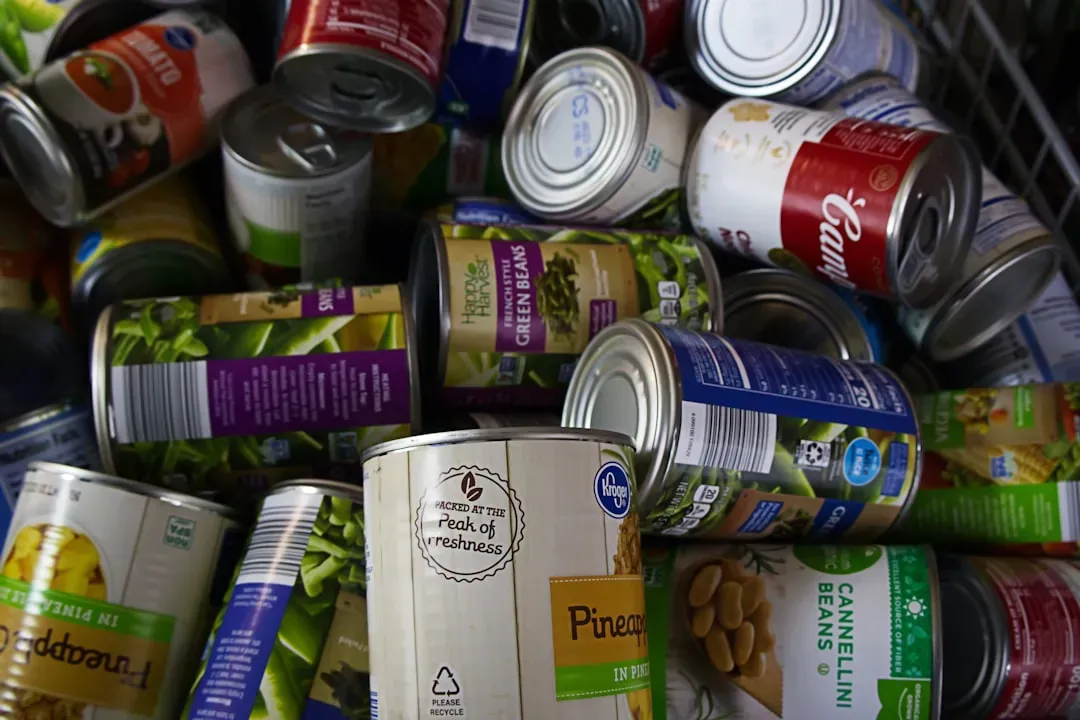
That can of soup hiding in the back of your pantry with a date from two years ago? It's probably still perfectly fine. According to the USDA, canned food can last indefinitely as long as the cans aren't dented, rusted or swollen. The date stamped on canned goods tells you when the manufacturer thinks the product will taste its absolute best, not when it becomes unsafe.
High-acid foods like tomatoes and other fruits will keep their best quality for up to 18 months if canned, while lower-acid foods like meats and other vegetables will keep their best quality for two to five years. The key is checking the can itself. If it looks intact and doesn't show signs of damage, the contents inside are likely still good to eat, even years beyond that printed date.
Eggs
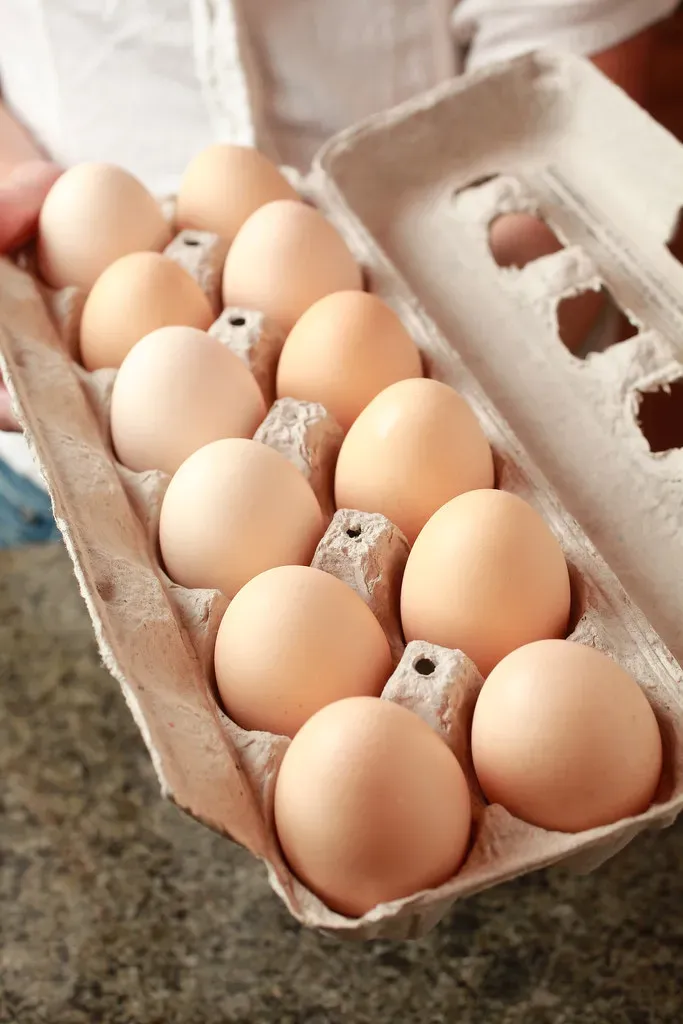
Eggs are one of the most misunderstood items in your fridge. Many eggs reach stores only a few days after the hen lays them. Egg cartons with the USDA grade shield must display the "pack date," the day eggs were washed, graded and placed in the carton. This number is a three-digit code that represents the consecutive day of the year starting with January 1 as 001 and ending with December 31 as 365. That means eggs are often much fresher than their sell-by dates might suggest.
Rather than relying on that date, try the float test. Put an egg in a bowl of cold water. Fresh eggs sink to the bottom, aging eggs stand upright, and bad eggs float to the top. It's very safe to keep eggs in the refrigerator for three to five weeks if they're raw and in the shell. That's way longer than most people realize.
Milk
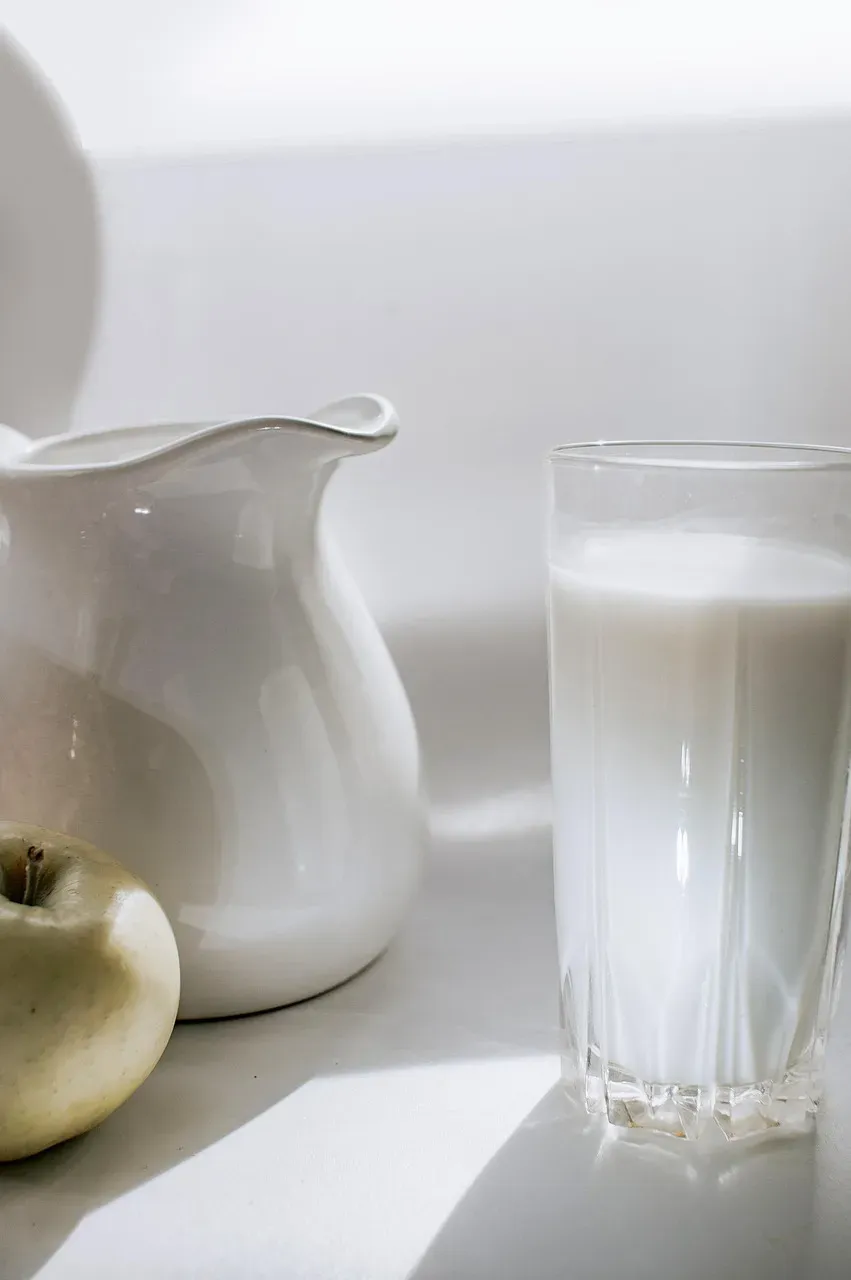
Let's be real, milk has been unnecessarily poured down the drain in countless American kitchens. The sell-by date on milk is primarily for retailers, not for you. It tells stores when to rotate stock, but it doesn't mean the milk magically goes bad at midnight on that day. The science behind milk safety varies wildly across the country. In Montana, milk has to be sold within 12 days of pasteurization. In Idaho, it's 23 days.
The fact that state laws vary so widely, I think, is evidence of the fact that this isn't really based in safety. If your milk has been stored properly in the refrigerator, it can last several days beyond the printed date. Your nose is the best judge here. If it smells fine and hasn't separated or changed texture, go ahead and use it.
Yogurt
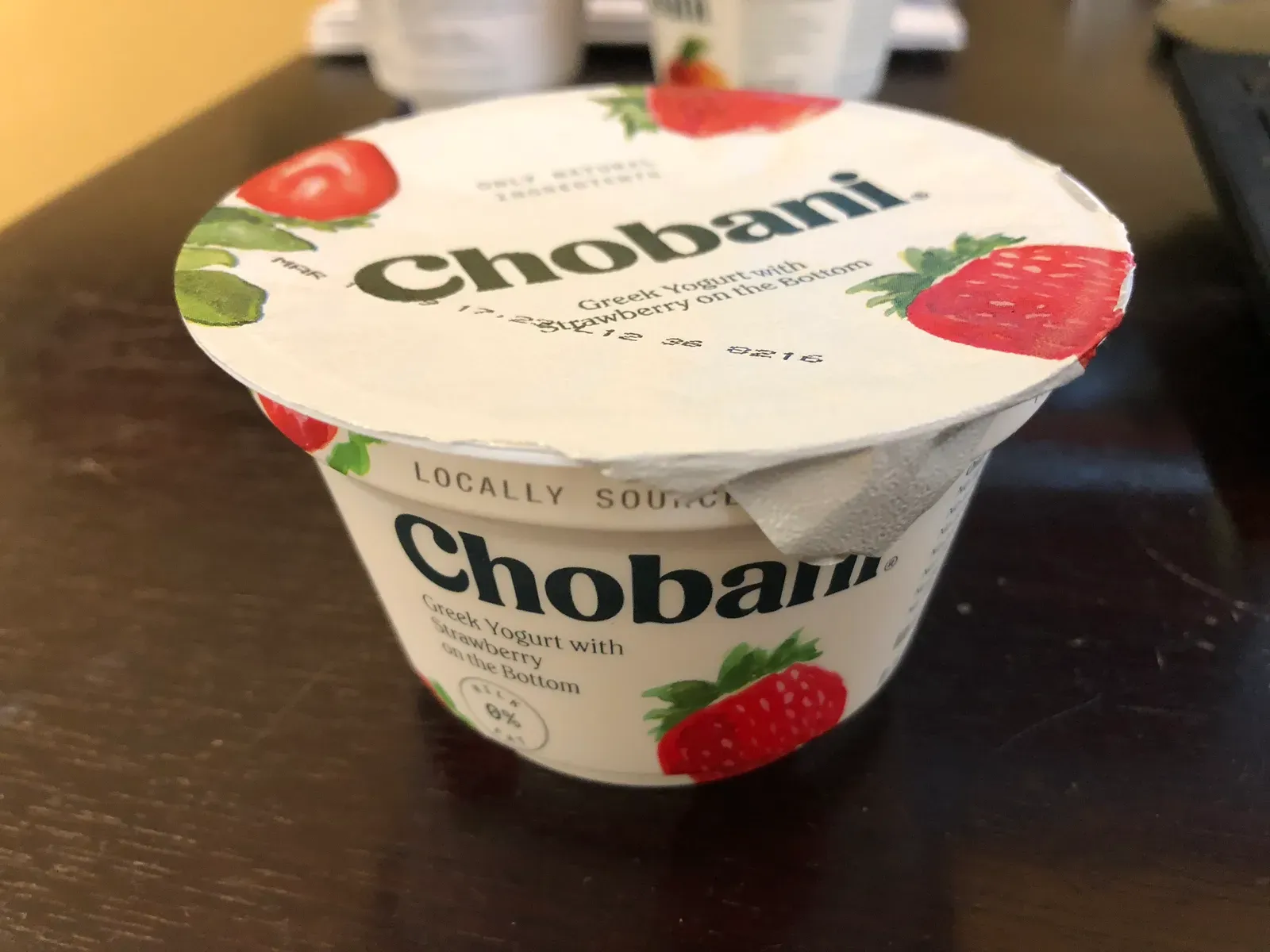
Yogurt is another refrigerator staple that gets tossed far too early. According to the National Dairy Council, when yogurt is properly stored in the refrigerator below 40 degrees, it can safely be consumed for seven to 14 days after purchase. The date on the container isn't a safety cutoff but a peak quality indicator. The fermentation process that creates yogurt actually helps preserve it longer than fresh milk.
If it passes the sniff test and is only a week past the expiration date, it's generally fine. I am comfortable eating yogurt 1-2 weeks past date as long as it doesn't smell. A small amount of liquid on top is totally normal, that's whey, and it's packed with nutrients that should just be stirred back in. Only toss yogurt if you see mold or smell something truly off.
Hard Cheese
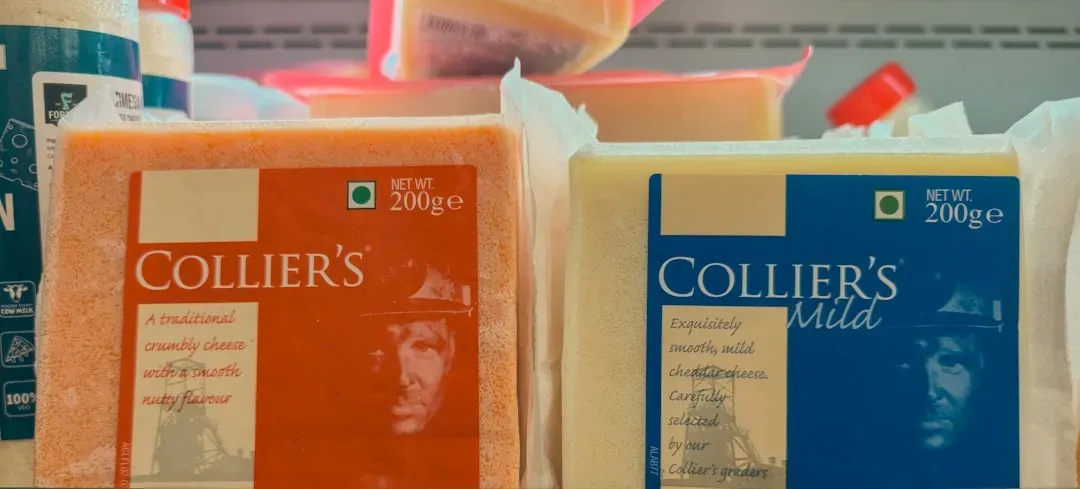
Cheese lovers, rejoice. That block of cheddar or Parmesan doesn't need to be pitched just because a date passed. When stored at or below 40 degrees Fahrenheit, many of these cheeses can stay delicious for weeks (or even up to four months) beyond the printed date. Hard cheeses are aged products to begin with, so they're naturally more resistant to spoilage than soft varieties.
Even if you spot a little mold on hard cheese, you don't have to throw the whole block away. For hard cheese, it's acceptable to remove the mold plus an inch around it. Soft cheeses are different story, though, and should be discarded if moldy. The density of hard cheese prevents mold from penetrating deeply, which is why you can salvage most of the block.
Dried Pasta and Grains
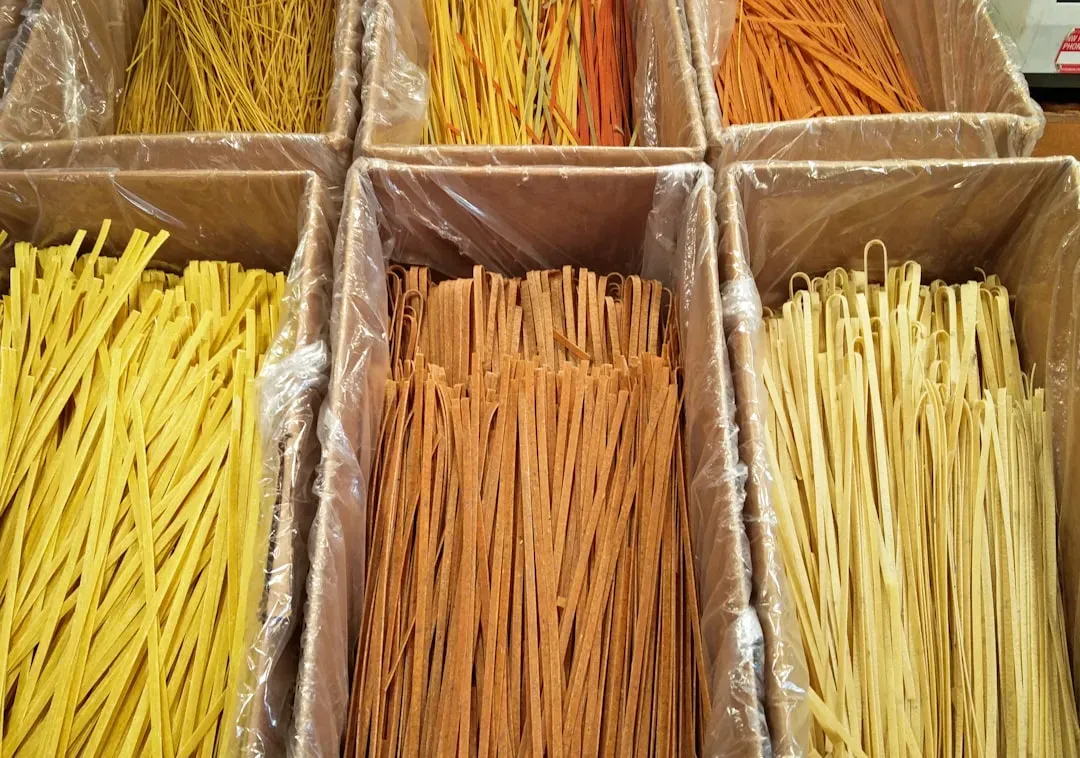
Boxed pasta, rice, and other dried grains have an incredibly long shelf life. These products are designed to be shelf-stable for months or even years. The best-by date is about optimal taste and texture, not safety. Honestly, dried pasta could probably outlive most of us if stored properly in a cool, dry place.
Pantry supplies like sugar and flour can last a year past the expiration date. As long as your dried goods haven't been exposed to moisture or pests, they're almost certainly safe to cook and eat. The worst that might happen is a slight decline in flavor or texture, but they won't make you sick.
Bread
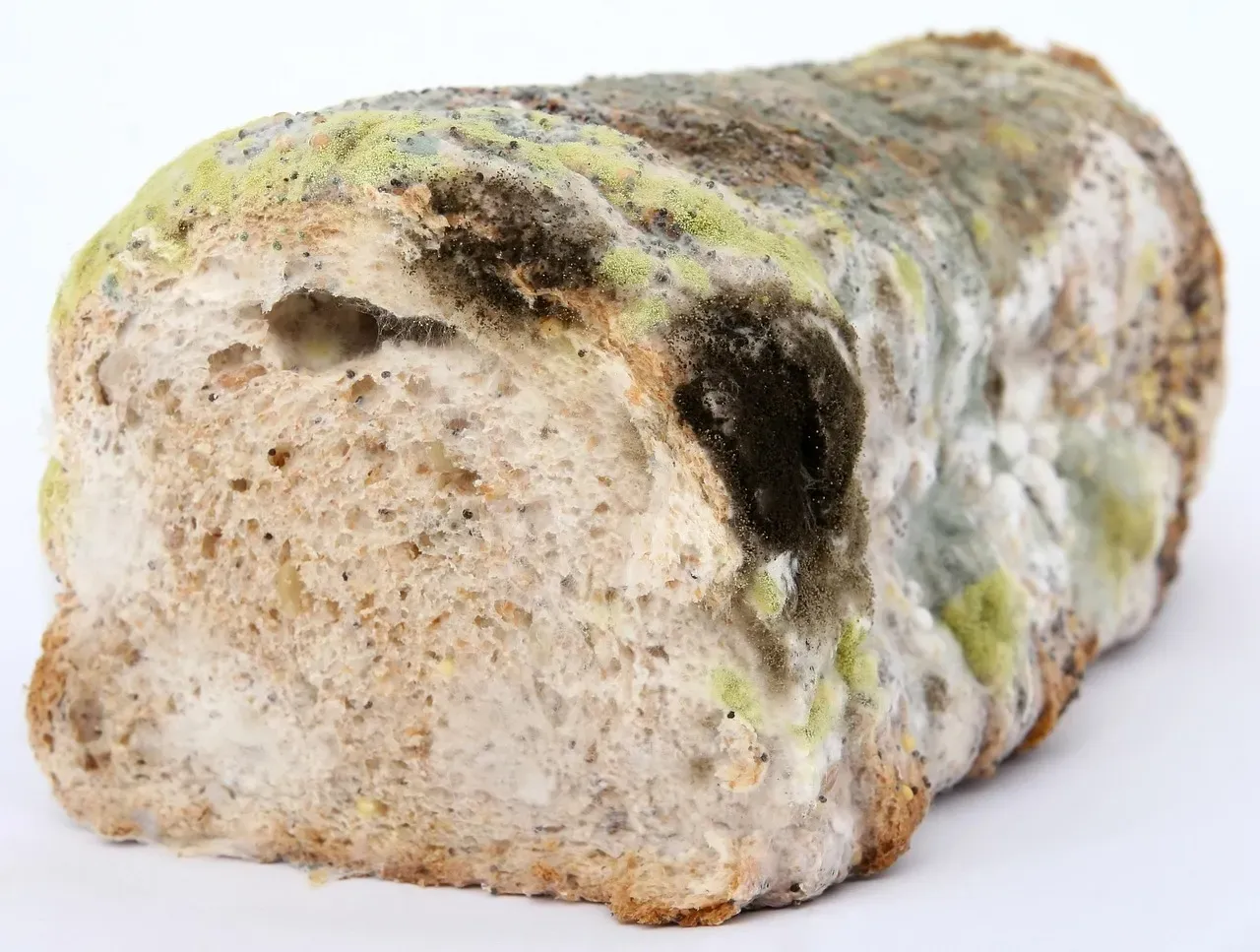
Bread is tricky because it can develop mold fairly quickly, especially in warm or humid conditions. The date on bread packaging is usually a sell-by or best-by date, indicating when the bread will be at its freshest. If you see visible mold, definitely toss it. Bread mold can spread deeper than what's visible on the surface, making it unsafe to eat.
However, if your bread is a day or two past its date and looks and smells fine, it's perfectly safe to toast or make into croutons. Freezing bread is an excellent way to extend its life well beyond any printed date. Just slice it before freezing so you can grab individual pieces as needed.
Condiments
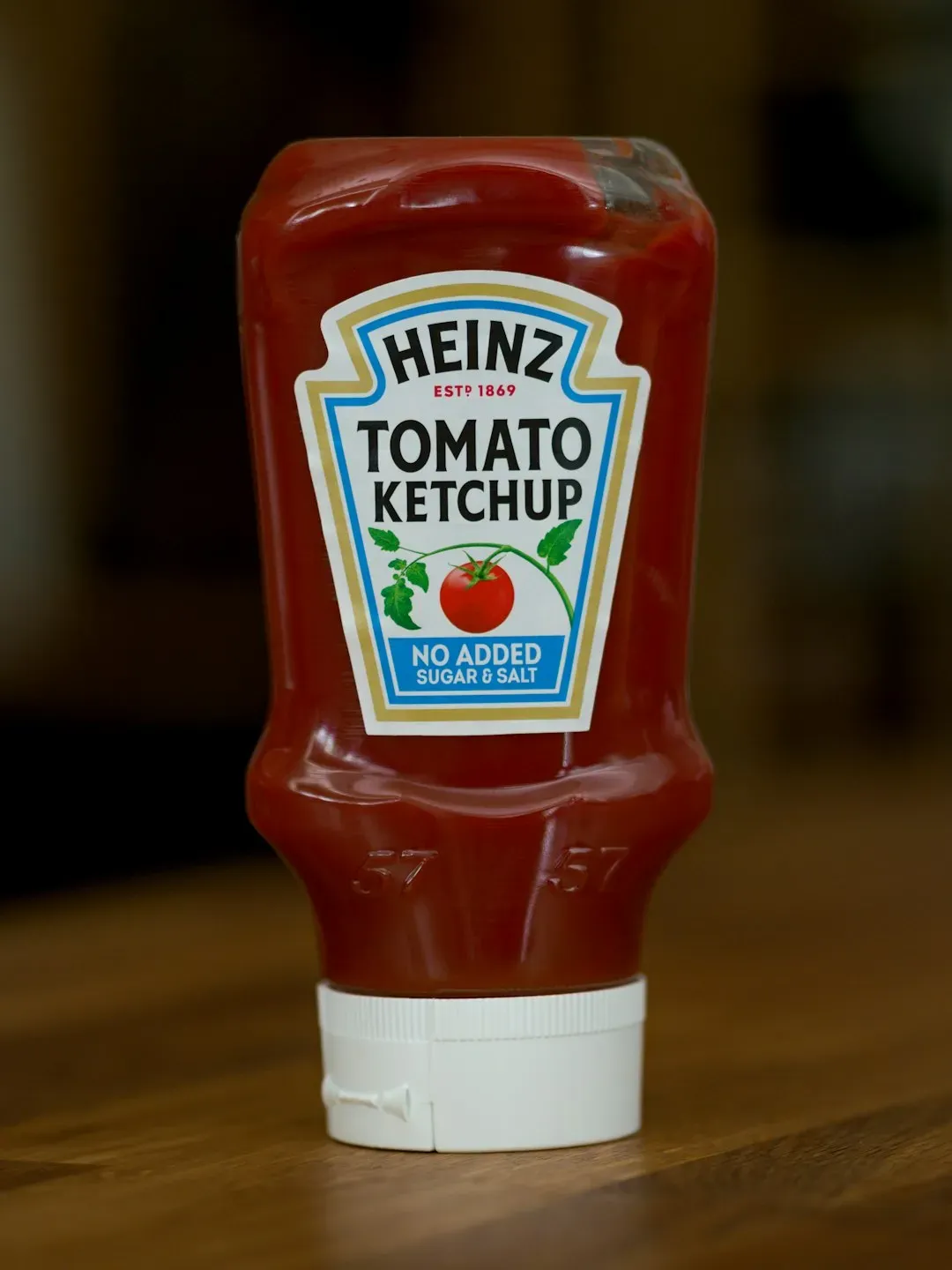
Ketchup, mustard, mayo, and other condiments have much longer lifespans than most people realize, especially once opened. Mustard can last up to a year in the fridge, but chuck the salsa after 1 month, mayo after 2, BBQ sauce after 4 months, and ketchup after 6. The high acid content and preservatives in most condiments help them resist spoilage.
The dates on condiment bottles are almost always about peak flavor, not safety. If your mustard tastes a little less zingy after a year, it's not dangerous, just not as fresh. Always check for signs like unusual smells, separation that won't remix, or any discoloration before using older condiments.
Frozen Foods
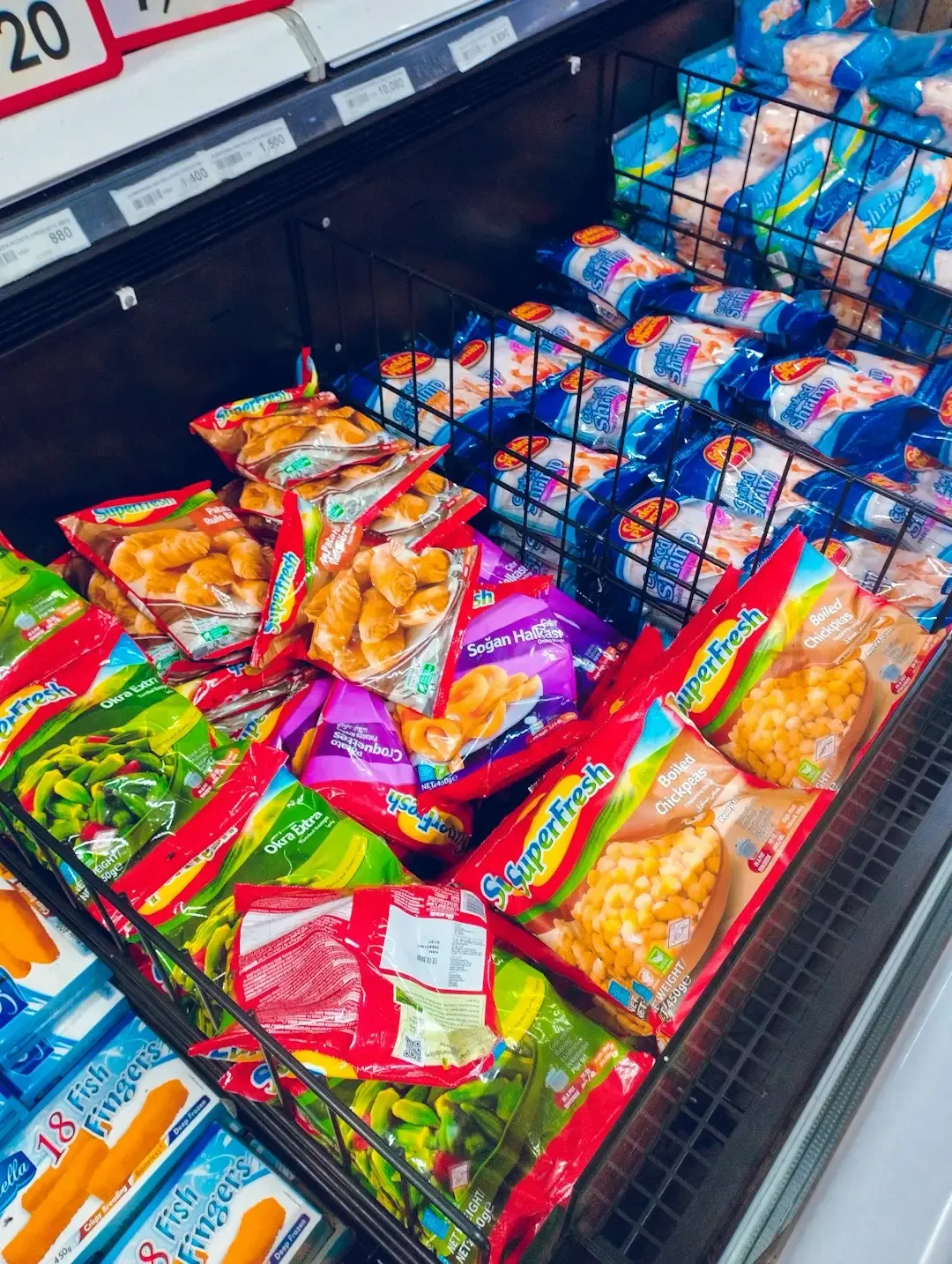
Here's a superbly kept secret: frozen food basically never expires from a safety standpoint. Frozen food can last indefinitely. Any printed dates on frozen food are, again, an indication of how long the food will be at its best quality. Freezing essentially puts food into suspended animation, halting bacterial growth entirely. The issue with old frozen food is quality degradation, like freezer burn, not safety.
Frozen meals and vegetables can last six months to a year. Vacuum-seating these can extend their freezer-safe time to two to three years. So that bag of frozen vegetables from last year? Perfectly safe, just maybe not as crisp or flavorful as when you first bought it.
Boxed and Dry Goods
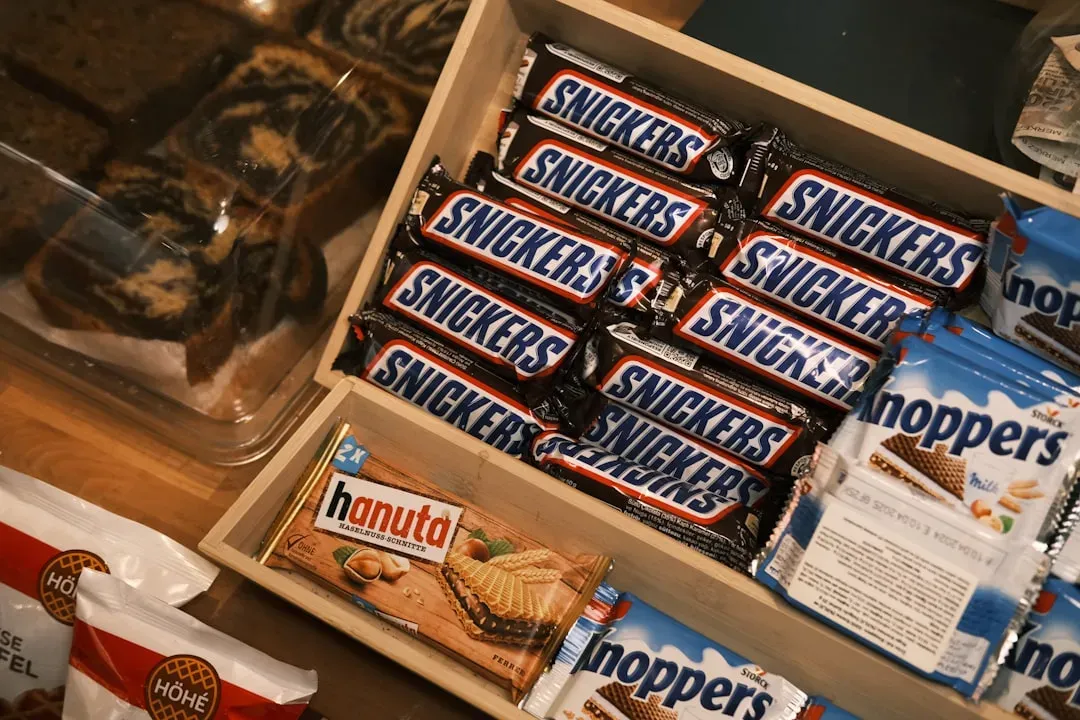
Crackers, cookies, cereal, and other boxed snacks are designed to last. The dates on these packages are almost exclusively about maintaining crispness and flavor. These dates are not indicators of the product's safety, they are applied by manufacturers. They factor in the length of time and temperature at which the food item was held during distribution and offered for sale, the characteristics of the food, and the type of packaging it is stored in.
Stale cereal won't hurt you, it just won't be as satisfying. If your crackers have gone soft or your cookies aren't as crunchy, they're still safe to eat. You can even revive some of these items by toasting them briefly in the oven to restore some crispness.
Coffee
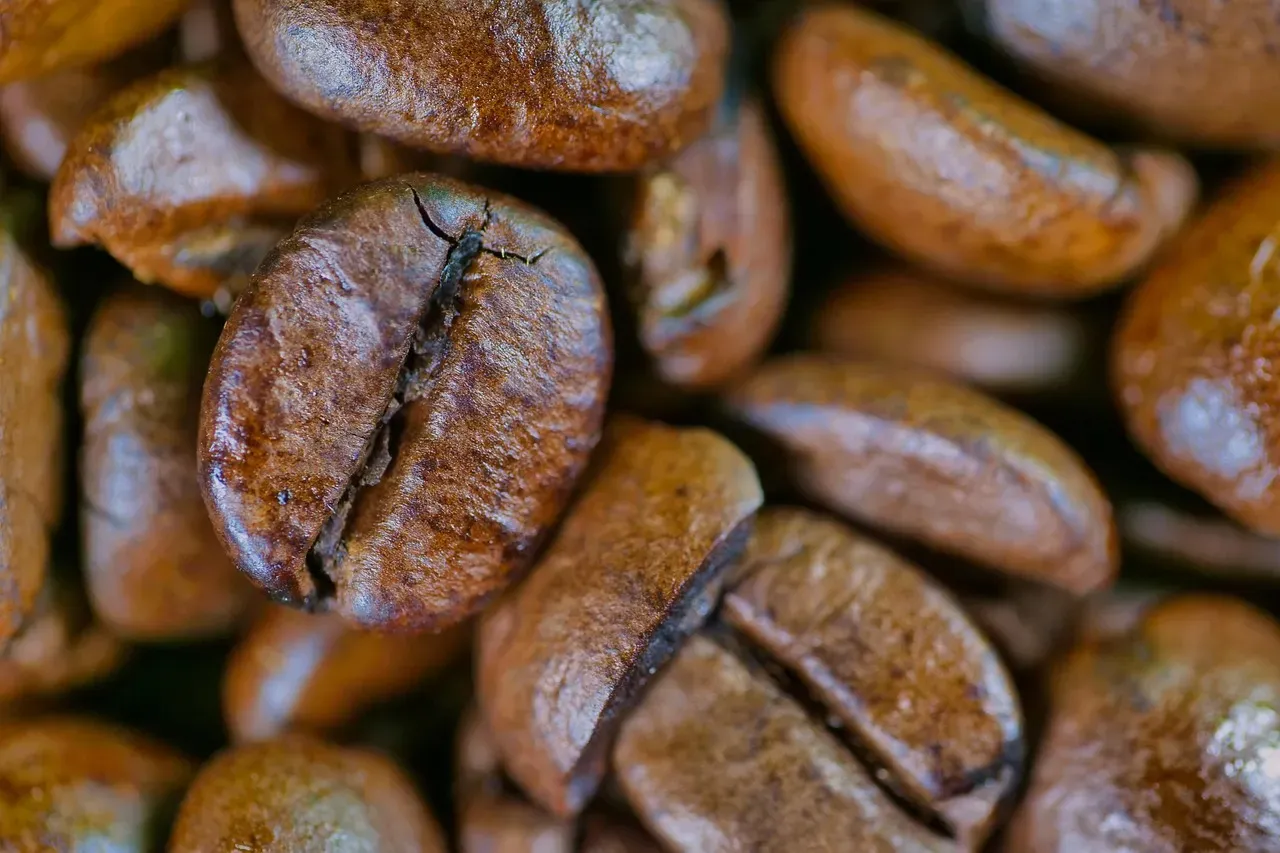
Coffee beans and ground coffee don't spoil in a way that makes them unsafe, they just lose flavor over time. The best-by date on coffee is purely about taste quality. Old coffee might brew up a weaker or less aromatic cup, but it won't make you sick. Properly stored in an airtight container away from light and moisture, coffee can maintain decent quality well beyond its printed date.
The biggest enemy of coffee isn't time, it's exposure to air and moisture. If your coffee has been sitting opened in the cupboard for months, it's probably lost most of its flavor. Still, it remains completely safe to drink. The worst outcome is a disappointing morning cup, not a trip to the emergency room.



Leave a Reply