
Most of us think we're pretty decent in the kitchen. We follow recipes, we season our food, we clean up after dinner. Job done, right? Well, not quite. Professional chefs - people who cook for a living under real pressure, day after day - see a very different picture when they look into the average home kitchen.
More than one quarter of Americans are embarrassed by their cooking skills, and three in four admit they've failed "miserably" at cooking a meal. That's a lot of overcooked chicken and soggy vegetables happening behind closed doors. The good news? Most of these mistakes are completely fixable. Let's dive in.
1. Crowding the Pan Like It's a Rush Hour Subway
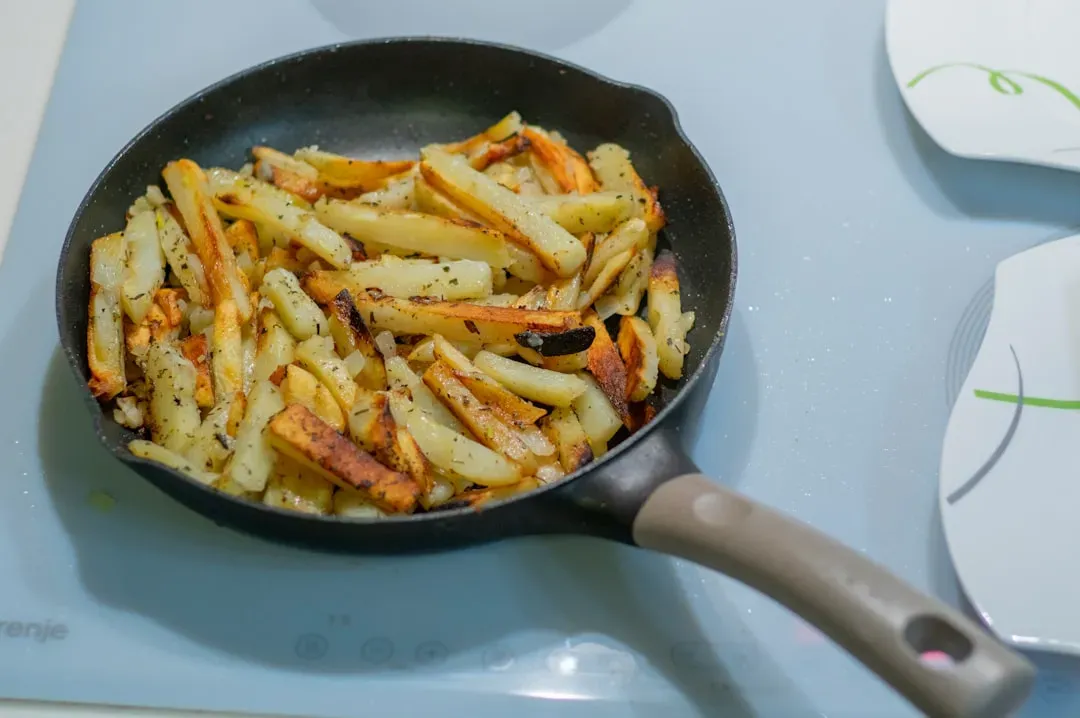
Here's the thing - when you pile food into a pan, you're not speeding things up. You're actually making everything worse. When you overcrowd a pan, whether it's with chicken thighs or chopped squash, you make it more difficult to get your ingredients to the right temperature to brown or sear them. A crowded skillet traps steam as food heats up, leading to a poached or steamed effect rather than crispy, delicious browning from the Maillard reaction.
Browning is where the magic happens - it's called the Maillard reaction, the chemical process that creates those delicious, savory flavors when proteins and sugars caramelize. To get it, food needs direct contact with the hot pan and space for moisture to evaporate. Overcrowding prevents that. So the fix is simple, even if it feels slower: ensure that you give your ingredients enough space in the pan and cook them in multiple batches if necessary, allowing each ingredient to cook evenly.
2. Using a Dull Knife and Calling It Good Enough
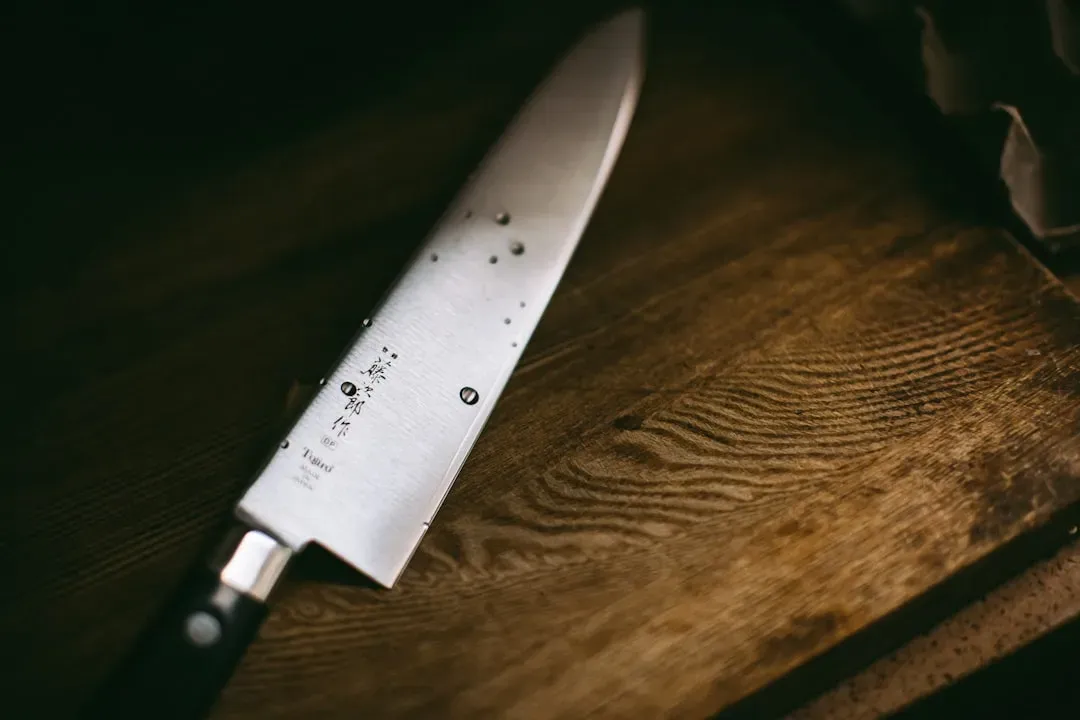
Honestly, this is probably the single most universal kitchen mistake out there. A dull knife is not only frustrating but also dangerous, as it requires more force and can easily slip. Sharp knives make precise cuts, reducing cooking time and improving the appearance of your food.
A sharp knife is a professional chef's best friend. Not only does it make food prep safer and faster, it also gives your ingredients the best possible treatment. Dull knives cut unevenly, creating tears or crushed areas that can deteriorate the flavors in your ingredients. Sharp knives, on the other hand, cut cleanly and precisely, preserving flavors and colors and giving the ingredients an elegant look on the plate. Think of a sharp knife less as a luxury and more as a basic requirement for cooking well.
3. Skipping Mise en Place (The Setup That Changes Everything)
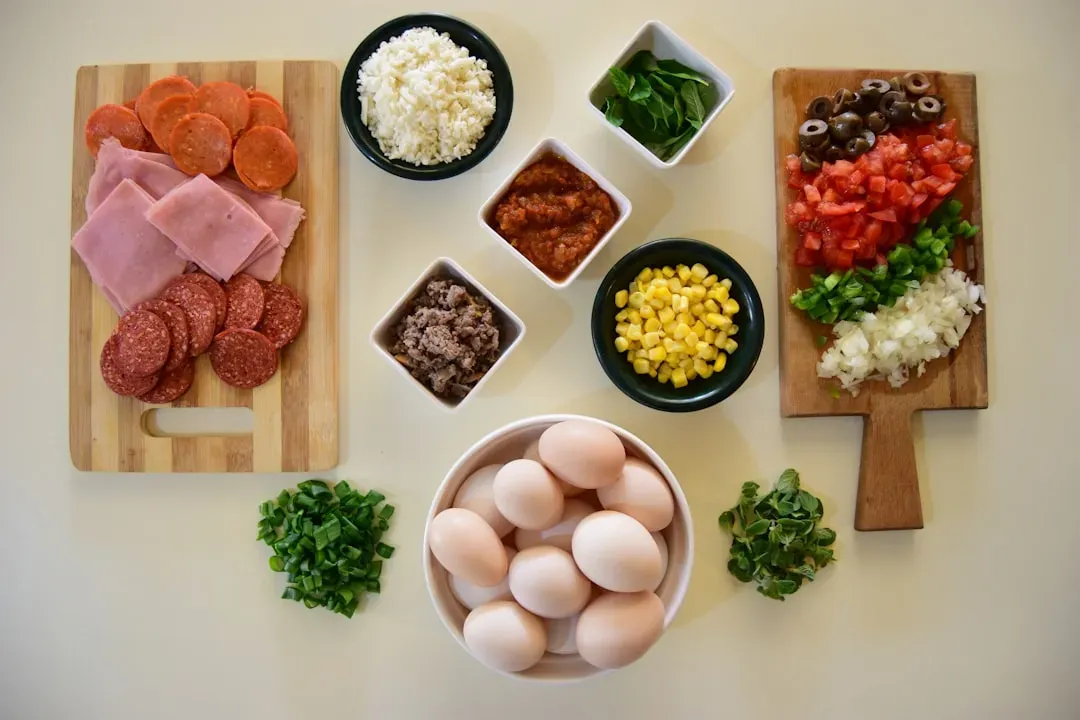
Before any professional chef turns on a burner, they've already prepped every single ingredient. Perhaps the best thing you learn in culinary school is having your mise en place - everything in its place. It's the best way to stay calm in a professional kitchen. Professional cooks spend hours chopping up meats, vegetables, and herbs so they're ready to add to the pan when they need them.
No one likes realizing halfway through that they're missing a key ingredient or that their dough needs an hour to rest. That frantic dash to the pantry mid-cook? That's a mise en place problem. Cooking is more enjoyable when you're prepared. Knowing what you need prevents forgotten ingredients and last-minute panic. Prep first, cook second. It really is that simple.
4. Seasoning Only at the End
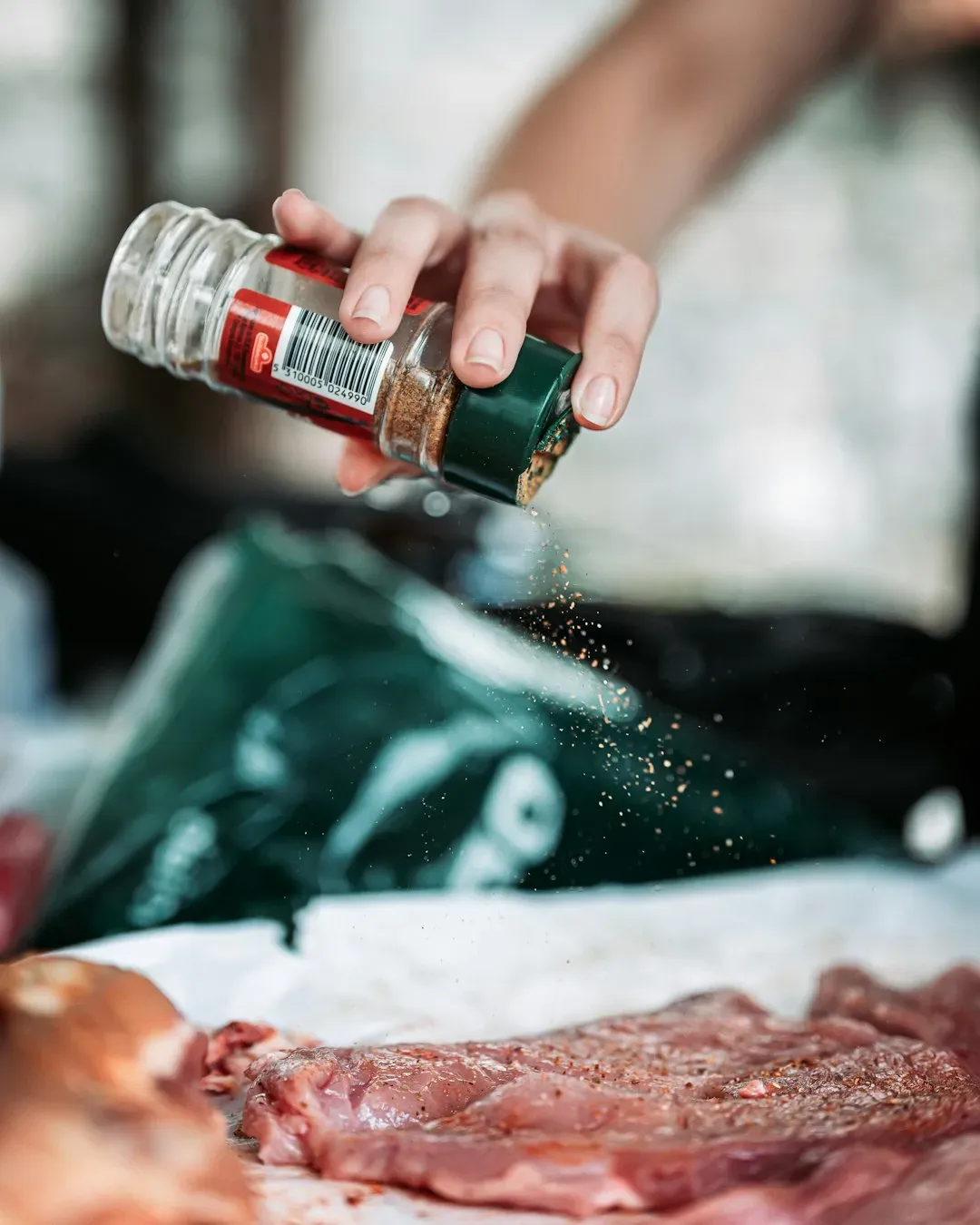
If you wait until a dish is plated before you reach for the salt, you've already lost. If you wait until the end to add salt, your food will taste salty instead of seasoned. Instead, salt as you go. When you're sweating onions, add a small pinch of salt. Season your meat before you cook it, and add another tiny pinch after you deglaze. By the end of the cooking time, you'll create a set of nuanced layers of flavor that will make your food stand out.
The same goes for dried spices - they need heat and time to bloom. Dried spices are an essential pantry item, but adding them at the end of the cooking time often does a disservice to your food. They can turn out dry and chalky tasting if you don't activate their essential oils and aromatic compounds. Let spices bloom by toasting whole spices in a dry pan before you grind them. Seasoning is not a one-time event. It's a process.
5. Not Letting Meat Rest Before Cutting
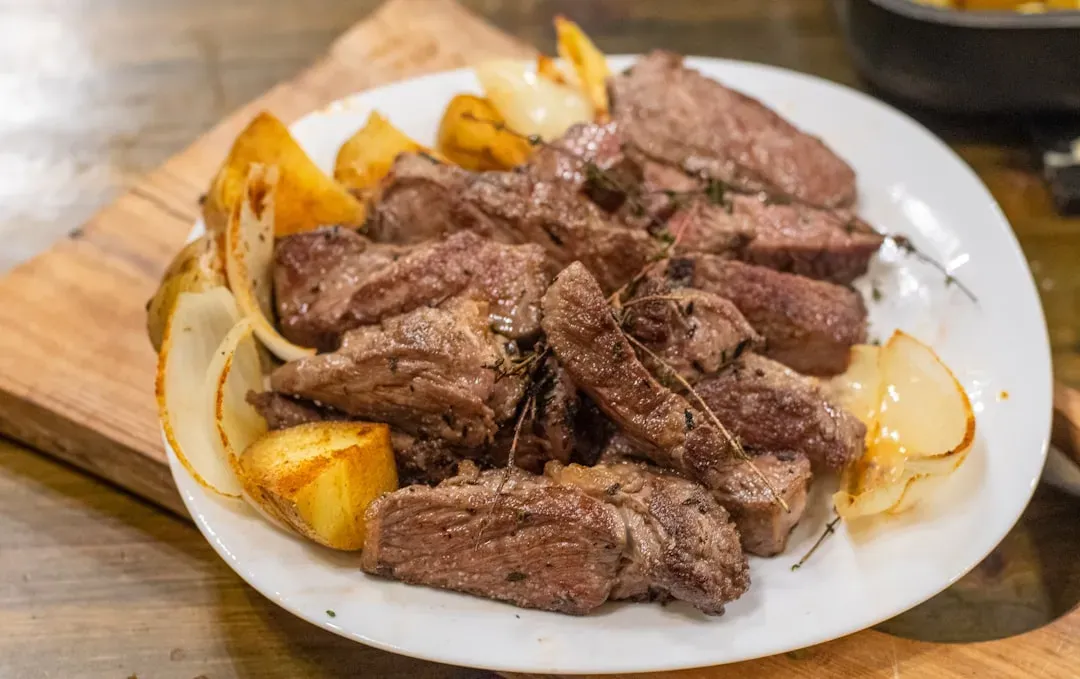
You've just pulled a beautiful steak or roast chicken from the oven, and every instinct tells you to cut into it right now. Resist that urge. Slicing meat right after cooking lets the juices run out, leaving the meat dry. Briefly rest the food to keep it moist.
It can be tempting to cut into meats immediately after cooking, but doing so allows juices to escape, leaving meat dry. Resting time allows juices to redistribute throughout the meat for maximum flavor and tenderness. Let cooked meat rest for about 5 to 10 minutes before slicing. This simple step will make a significant difference in juiciness and taste. It costs you nothing except a little patience - and patience, in the kitchen, pays back every single time.
6. Using the Wrong Oil for the Job
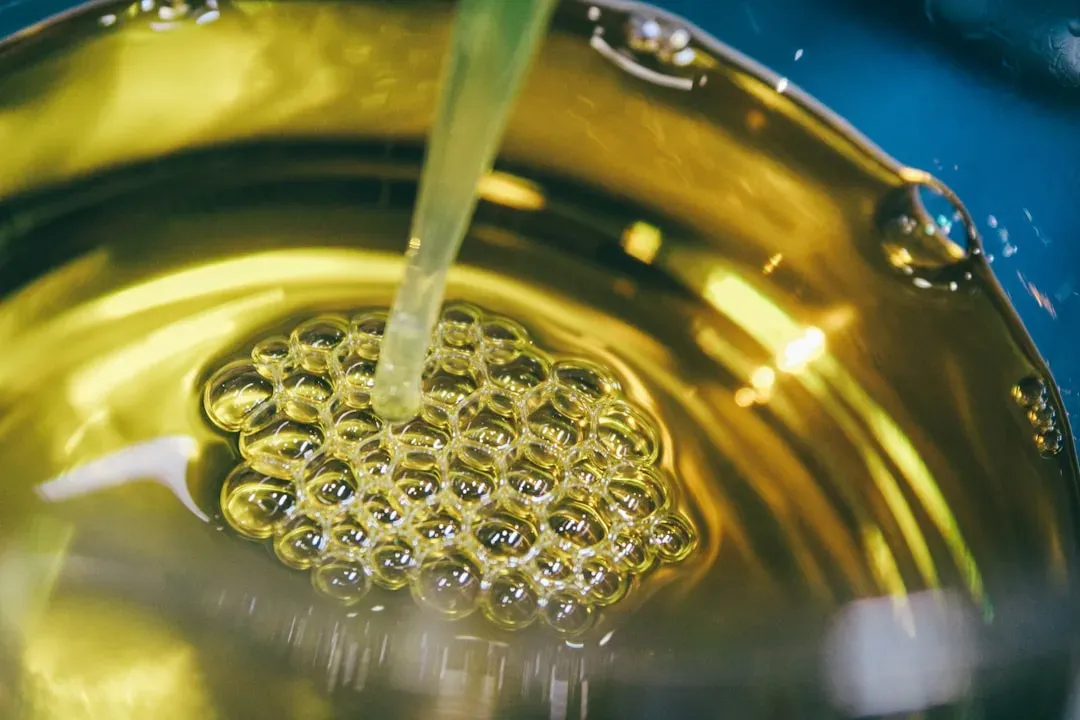
Not all oils are created equal, and using the wrong one at the wrong temperature is something that drives professional chefs quietly mad. Each cooking oil has a unique flavor profile and different smoke points. That means some oils, like canola or peanut oil, are better suited for high-temperature frying, while fats like butter or lard are best for stir-frying and sauteing.
Super fragrant oils, like extra-virgin olive oil and sesame oil, are best used raw as finishing oils or for salad dressings. Using extra-virgin olive oil to sear a steak at high heat is like using a sports car for off-roading - it works, but you're doing it wrong and you're ruining something great. Low-fat cooking just tastes sad. That's because fat coats your tongue and helps carry all the other flavors in the dish. You can use healthy fats like nuts and avocado, but don't be afraid of butter, cream, and cheese - they'll add serious amounts of flavor to your food, even in small quantities.
7. Ignoring Cross-Contamination on Cutting Boards

This one isn't just about cooking quality - it's about safety. A USDA study found that only 32% of people clean and sanitize the surface used to prepare raw meat. That means the vast majority of home cooks are leaving potentially harmful bacteria behind, even when they think they're being careful.
Research published in 2025 found that an alarming 87% of food handlers used the same board for all foods, and 75% had used their board for over two years. Consider using one cutting board for fresh produce and bread, and a separate one for raw meat, poultry, and seafood. This will prevent bacteria on a cutting board used for raw meat from contaminating a food that requires no further cooking. Different boards, color-coded if possible, are a cheap and easy fix that can genuinely protect your family's health.
8. Shaking the Pan to Look Like a Chef on TV
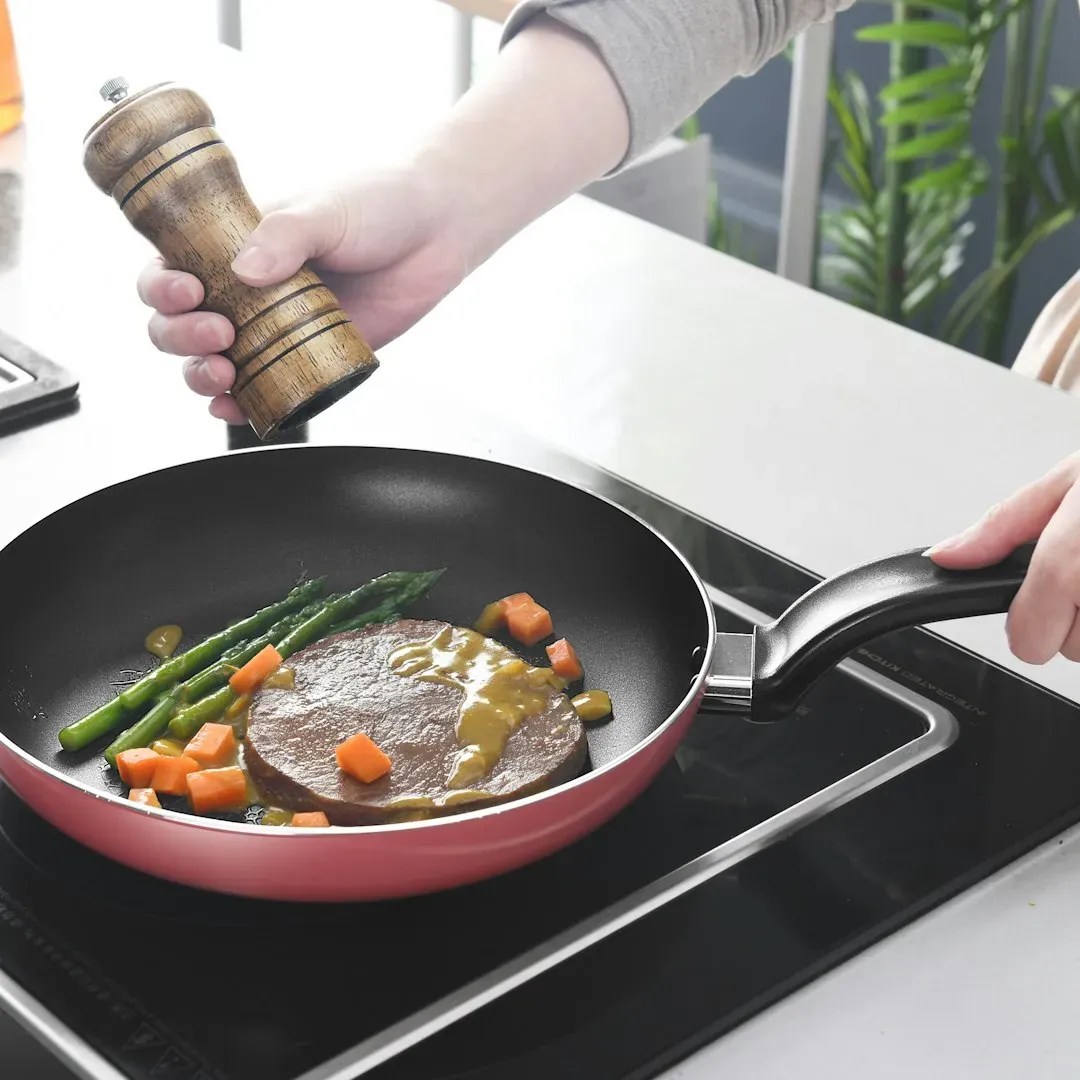
We've all seen it. A chef on a cooking show dramatically flicks their wrist and tosses vegetables around the pan. It looks fantastic. It's also, in many cases, working against you when you do it at home. Amateur cooks tend to shake their pans a lot because they see chefs doing that on TV. Shaking a pan to move things around actually cools down whatever you are cooking and prevents caramelization. Instead of getting a nice sear that's crispy, you can end up steaming your food.
Letting food sit and develop contact with the hot surface is how you build real flavor. Think of a golden-brown crust on a piece of fish - that only happens when you leave it alone and give the heat time to work. Patience, once again, is not optional. It's an ingredient.
9. Never Cleaning as You Go
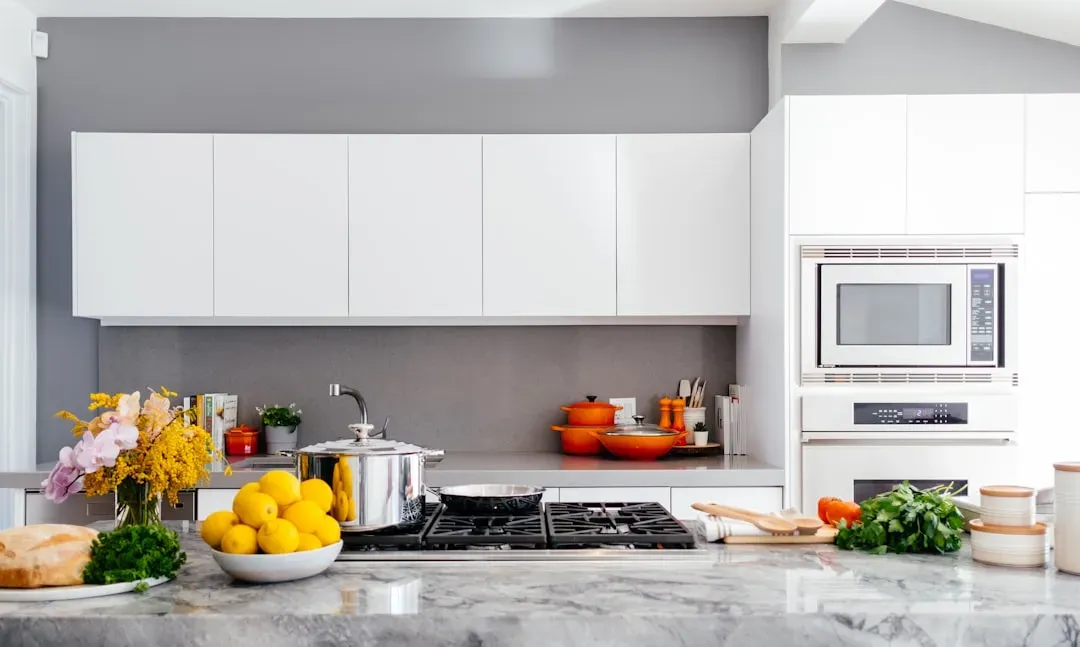
A messy kitchen isn't just ugly - it actively makes you a worse cook. Keeping your workspace clean is not just about hygiene; it's about efficiency and peace of mind. By cleaning as you go, you avoid a buildup of dirty dishes and clutter, which can be overwhelming and detract from the joy of cooking.
A clean workspace also ensures that your ingredients remain uncontaminated and that your final dish is of the highest quality. It's easier to focus on the flavors and techniques when you're not distracted by a messy environment. Professional kitchens run on this principle at all times. To make it simpler to keep your kitchen clean, start with an empty sink and clear counters. Move dirty dishes and pans to the sink and let them soak as you cook. Designate a big bowl for garbage, and set it within reach so you can toss vegetable peels and other waste without breaking your stride.
10. Not Preheating the Pan (or Oven) Properly
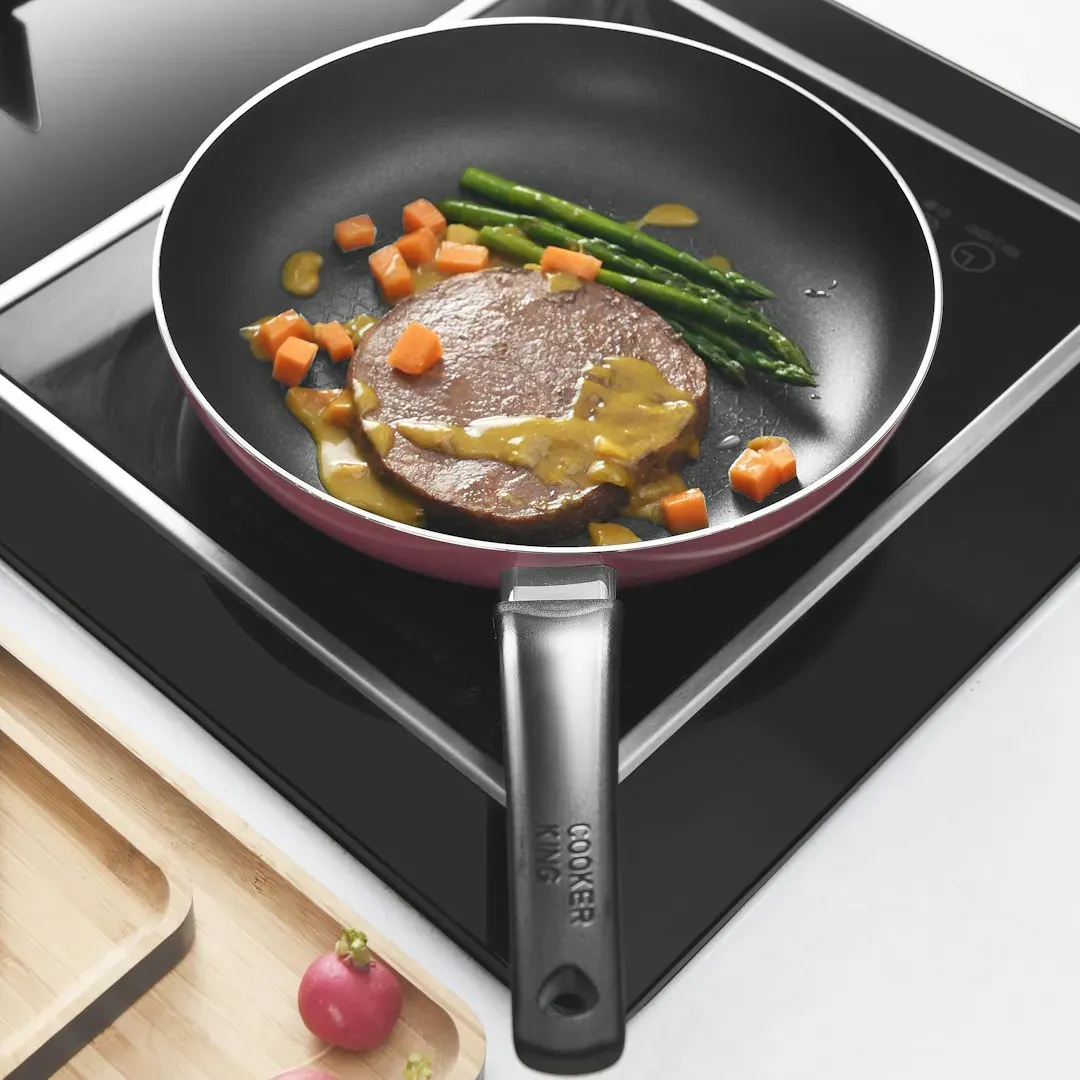
Cold pan, mediocre results. It's almost a law of cooking physics. Many chefs make the mistake of not preheating oil in their pans or ovens before starting the cooking process. When you fail to preheat the pan, you compromise the texture and doneness of the oil and your ingredients.
Preheating your oven ensures that your cooking times are more accurate, reducing the likelihood of undercooked or overcooked dishes. Make it a habit to turn on your oven before you start preparing your ingredients, so it has time to reach the desired temperature. This simple step can make a significant difference in the success of your baked and roasted dishes. Also worth noting: cooking straight from the fridge is a related mistake. Cold meat or eggs can cool down the pan and prevent even cooking. Let them sit at room temperature for a few minutes before cooking.
11. Cooking the Same Ten Recipes on Repeat, Forever
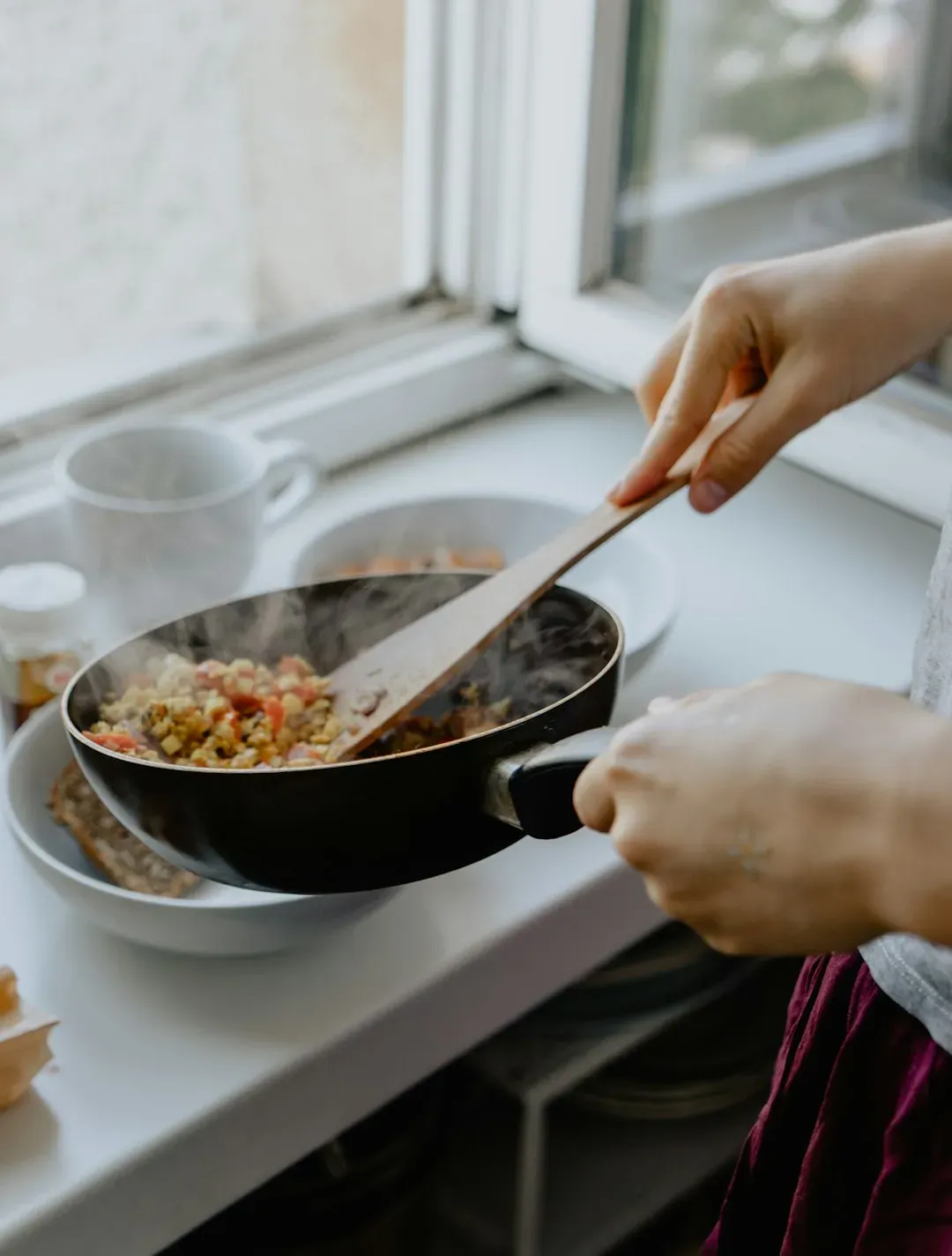
Most adults - roughly nine in ten - are "meal repeaters," eating the same meals over and over at least some of the time. While many do so because it ensures that everyone gets what they like, a notable portion say it's because they lack the energy to cook a new recipe. That's completely understandable. Life is busy. Still, chefs will tell you that sticking only to the familiar is how skills stagnate.
Enthusiasm for cooking and interest in skill improvement are back on the rise, creating opportunities for home cooks who want to take their cooking to the next level. It's essential to learn the fundamentals of cooking - getting comfortable with knife skills, sautéing, seasoning, and timing - before trying elaborate dishes. Professionals spend years repeating simple techniques until they master them. Once you're familiar with those skills, you can cook almost anything without struggling with the recipe or ingredients. Trying just one new recipe a week is enough to grow dramatically over a year.



Leave a Reply