
There is something almost hypnotic about pulling into the same drive-thru lane you have visited a hundred times before. You know the menu. You know roughly how long it will take. You already know what you are going to order before you even roll down the window. Across America, millions of people repeat this ritual every single day, and the sheer scale of it is staggering.
The fast-food industry is not just surviving, it is reshaping how Americans eat, spend, and find comfort. Understanding why people return so loyally is not as simple as "it is cheap and fast." The real reasons go a lot deeper than that. Let's dive in.
1. The Power of Habit and Routine
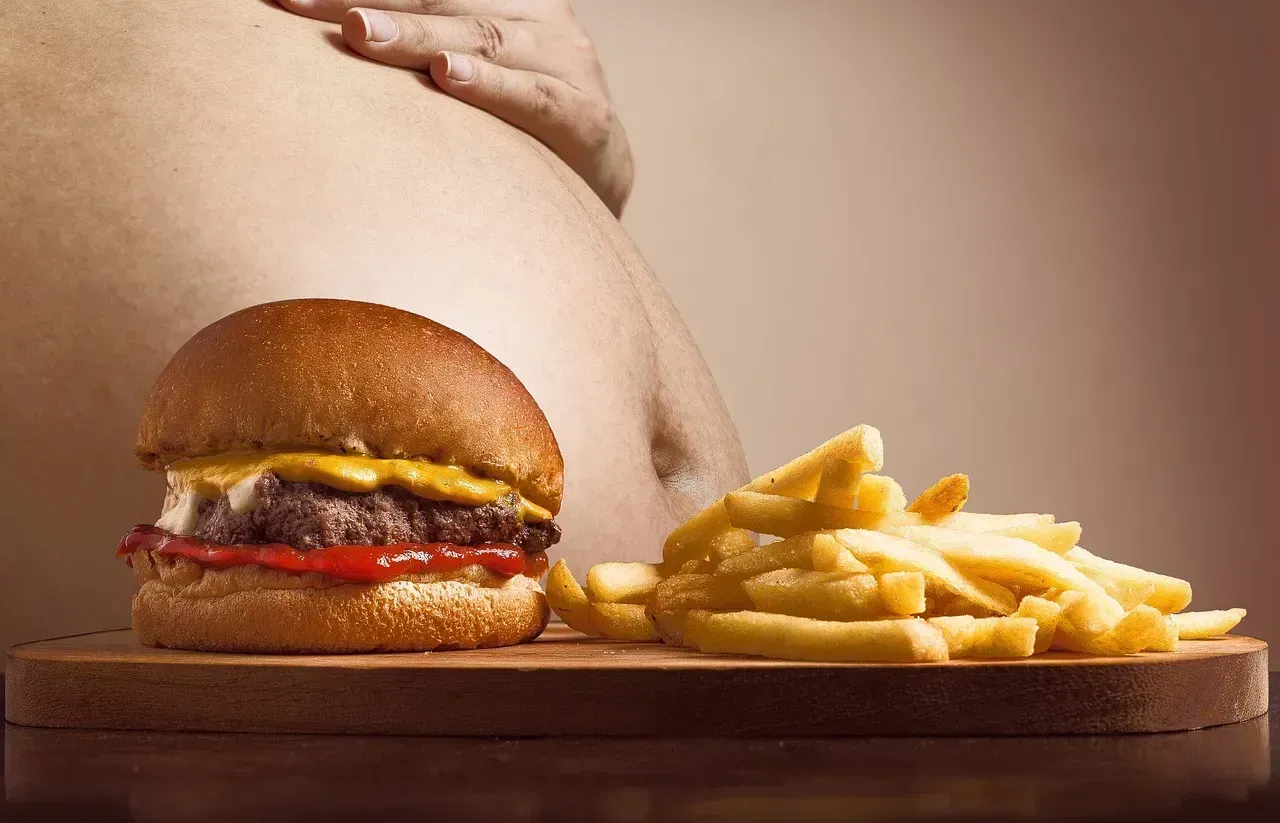
Honestly, the most underrated driver of fast-food loyalty is pure, simple habit. Fast food consumption remains deeply embedded in daily routines, with around nearly two thirds of Americans eating fast food at least once a week, averaging one to three visits per week. When something becomes part of your weekly rhythm, like stopping for a breakfast sandwich on the way to work, it stops being a conscious choice. It just happens.
Think of it like brushing your teeth. You do not deliberate over which brand of toothpaste to use every single morning. Habit is the real advantage. The brands that win are the ones you do not debate with yourself about. You are hungry, your brain is tired, and your hands already know what to tap. Fast food chains have spent decades engineering exactly this kind of automatic behavior in their customers.
2. Convenience Is King
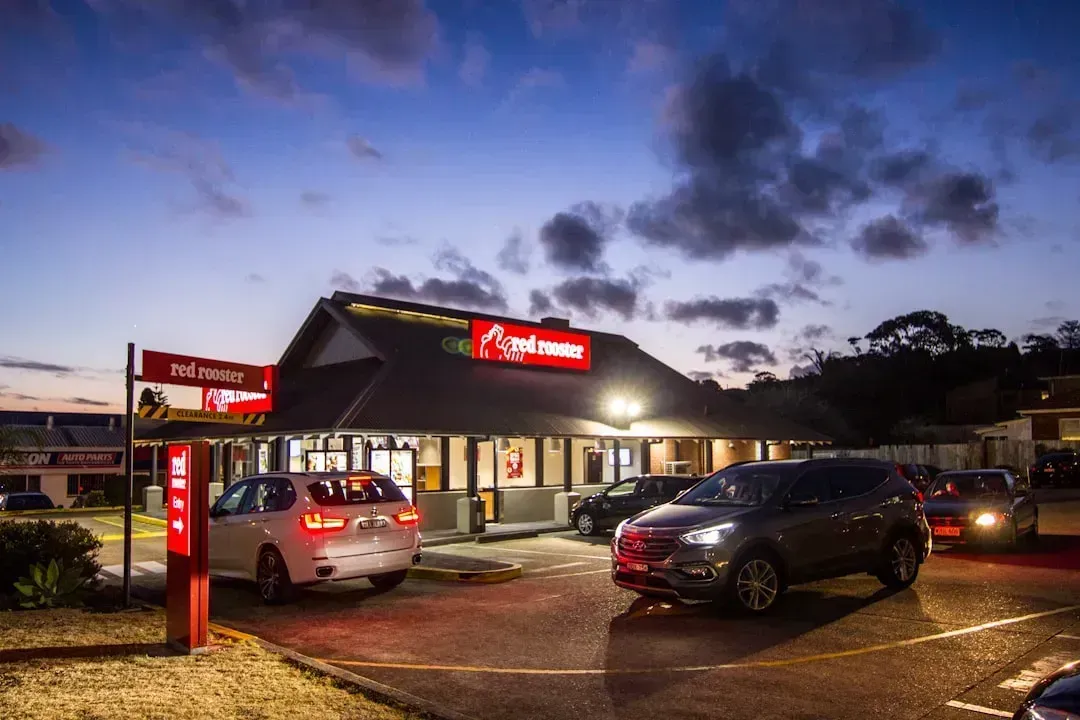
Fully nearly three quarters of Americans say they go out to eat at restaurants to avoid cooking at home. That number alone tells you everything you need to know. After a long day at work, the idea of grocery shopping, prepping, cooking, and cleaning feels like climbing a mountain. A drive-thru window is the exact opposite of that.
Younger Gen Z and Millennial consumers are driving current convenience trends, with about three fifths of this group ordering takeout more often than they did before. Broadly, Americans now order delivery an average of 4.5 times per month, and a reported three quarters of restaurant traffic in the U.S. comes from off-premise channels like takeout, delivery, and drive-thru. The infrastructure of convenience is now so deeply wired into everyday American life that choosing familiar fast food is often the path of least resistance.
3. Affordability and Value Perceptions

Here is the thing: fast food built its entire empire on the promise of being the affordable option. Fast food outlets offer value meals, bundles, and deals more aggressively than many full-service competitors, keeping demand strong even when broader dining spending fluctuates. People return because they know roughly what a meal will cost before they even arrive.
A study by Finance Buzz analyzing menu price data across twelve top fast-food chains between 2014 and 2024 found that most restaurants raised prices by roughly three fifths on average during that period. Despite this, chains have fought back hard with value platforms. The fast food industry noticed consumer pushback against rising prices and responded with new value offerings. McDonald's announced its new McValue platform, which launched in January 2025, extending its popular five-dollar Meal Deal through summer 2025. Even when prices climb, the promise of a deal keeps people walking through the door.
4. Loyalty Programs That Actually Work

Loyalty programs, which offer discounts or added perks for returning customers, have transitioned from being a nice bonus for restaurants to a must-have. As cost-cautious diners prioritize value, brands like Chipotle, Starbucks, Cava, and others are utilizing rewards to keep customers coming back and building habits that go beyond the occasional coupon. These programs are genuinely effective, not just marketing gimmicks.
The data is pretty wild when you look at it closely. Taco Bell's loyalty program has proven enormously successful: consumers who join go from roughly 6 visits per year to over 10 visits, a jump of nearly three quarters. Coffee giant Starbucks reported 34.2 million active rewards members in its second quarter, with more than nearly three fifths of its U.S. company-owned transactions coming from those members. That is not loyalty by accident. That is loyalty by design.
5. Speed and Efficiency of Service
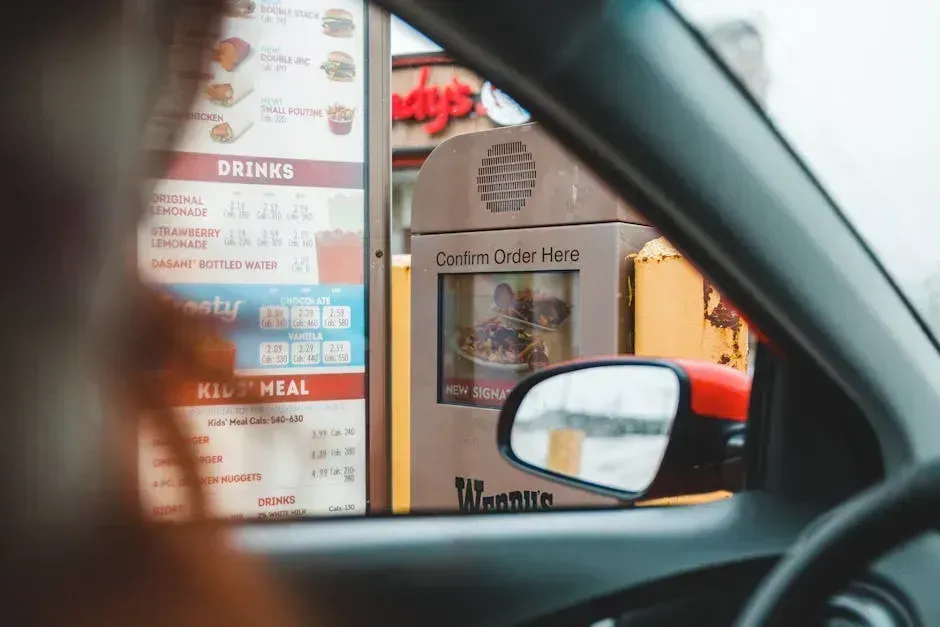
Americans are time-poor. That is not an opinion; it is practically a national condition. With roughly two out of five U.S. adults hitting the drive-thru daily, breakfast alone has become one of the most competitive and innovation-driven categories in the entire food industry. Speed is the invisible contract between a fast-food chain and its customer.
Drive-thru orders account for nearly half of all U.S. fast food sales. Chains have invested enormous amounts in shaving seconds off service times, from AI voice ordering systems to automated prep lines. Automation is now streamlining drive-thru service. Wendy’s partnered with Google Cloud to roll out FreshAI, a voice assistant designed to speed up service and reduce errors, already operating in 100 locations and expanded to 600 outlets by 2025. When people were running late and needed something fast, familiar brands delivered on that promise time after time.
6. Menu Familiarity and the Comfort Food Factor
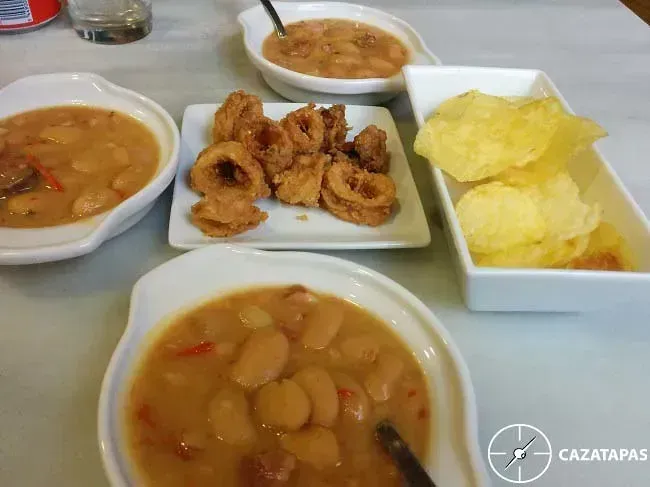
There is real psychology behind ordering the same thing every time you visit a restaurant. Nostalgia is huge right now. In tough times, people crave comfort, so the industry is seeing a lot of throwback flavors and collaborations that bring a nostalgic element. A Big Mac or a Whopper does not just taste like food. For many Americans, it tastes like a specific memory.
Two major themes in current delivery and fast-food behavior are comfort and self-care. Most people order food to satisfy cravings and as a form of self-care, and many of the top-ordered foods are classic comfort foods. Comfort foods drive emotional loyalty. It is hard to say for sure how much of this is conscious versus gut-level, but the emotional pull of a familiar meal is enormously powerful and not to be underestimated.
7. Ubiquity and Sheer Physical Availability
You cannot return to a restaurant you cannot find. There are over 213,155 fast food restaurants operating across the U.S., and McDonald's alone plans to open 900 new locations across the country by 2027. When a chain is on nearly every street corner, in every airport, every highway exit, and every food court, the barrier to choosing anything else becomes genuinely high.
The U.S. fast food industry supports over 210,000 locations, making up nearly one third of all restaurants nationwide. This scale is sustained by consistent consumer demand, especially for convenience and value-focused meals. Think of it like a utility. You go back to the same chain not just because you love it, but because it is simply there, and it works. Availability breeds familiarity, and familiarity breeds return visits.
8. Digital Ordering and App Engagement
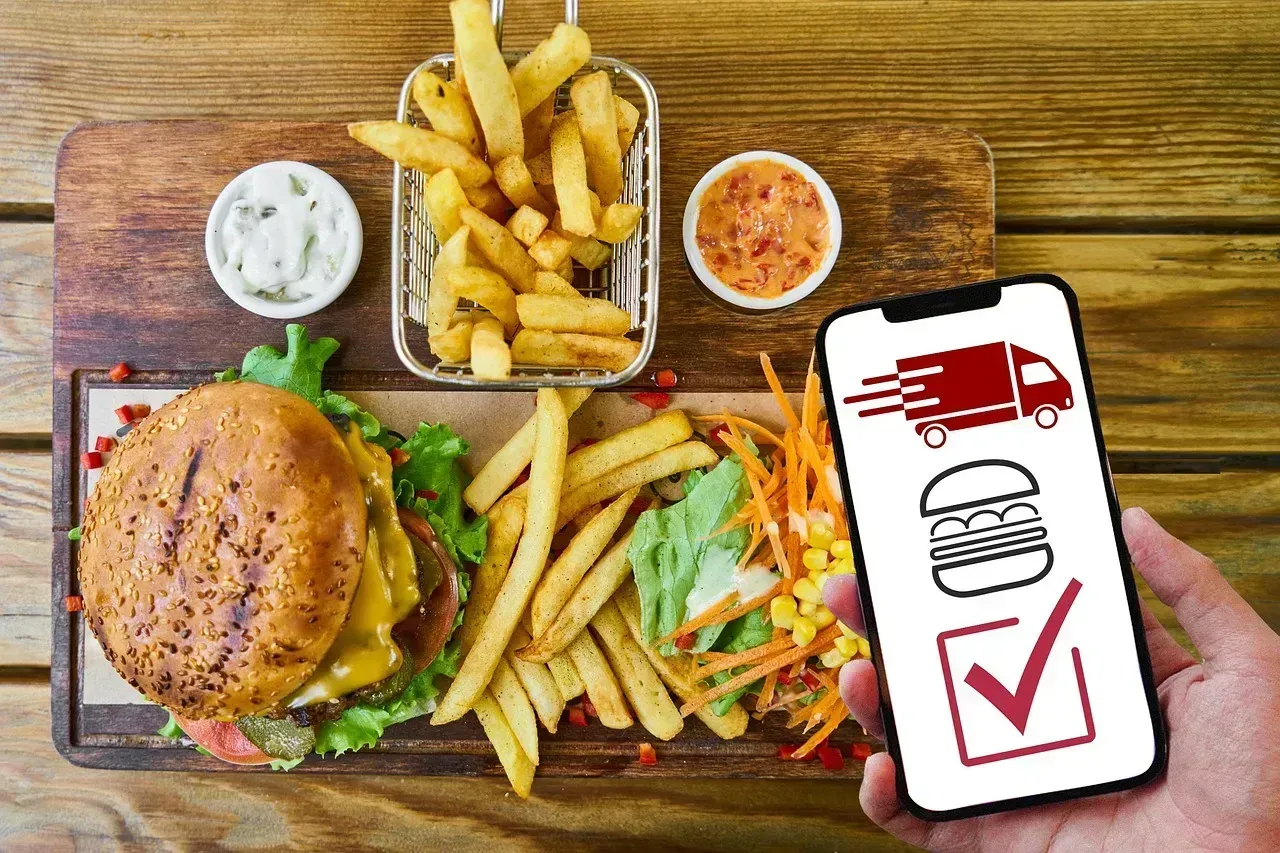
Fast food has quietly become a tech industry. Digital sales at leading chains grew from roughly 5 percent in 2019 to 35 percent in 2024, and are projected to surpass three fifths of all orders by 2030. That is a transformation that happened faster than almost anyone predicted. Mobile apps have created an entirely new reason to stay loyal to one brand over another.
The National Restaurant Association's 2025 report notes that nearly three quarters of restaurant operators find loyalty programs beneficial for customer traffic, with more than three fifths of delivery customers and more than half of fast-food patrons considering rewards programs a deciding factor. Around three fifths of customers engage with loyalty programs specifically through mobile apps. Once your credit card is saved in an app and your order history is memorized, switching chains feels surprisingly inconvenient. That stickiness is exactly what chains are counting on.
9. Consistent Quality and Brand Trust
Here is something counterintuitive: people return to fast-food chains not because the food is extraordinary, but because it is reliably the same. A McDonald's french fry in Dallas tastes identical to one in Detroit. That predictability has enormous value to consumers, especially families and travelers. Research confirms that brand experience, customer satisfaction, brand attitude, and trust all have a positive impact on brand loyalty in fast-food restaurants.
While the U.S. fast food landscape has been inundated by new concepts over the past decade, the older, more well-established QSR brands continue to dominate the industry. In 2024, McDonald's had the highest sales of any U.S. fast food chain at over 53 billion dollars. That dominance is not just advertising muscle. It is the compounded result of decades of consistent product delivery that consumers have learned they can count on, even if it is not the best burger they have ever had.
10. Customization and Personalization Options
Consumers are rejecting fixed menus in favor of meals that fit their diets, tastes, and lifestyles. A 2024 report by Tillster found that one in three quick-service diners skipped a restaurant because it lacked customization, a jump from about one in five the year before. The ability to say "no pickles, extra sauce, swap to grilled" feels empowering. People keep coming back to chains that make them feel like their specific preferences matter.
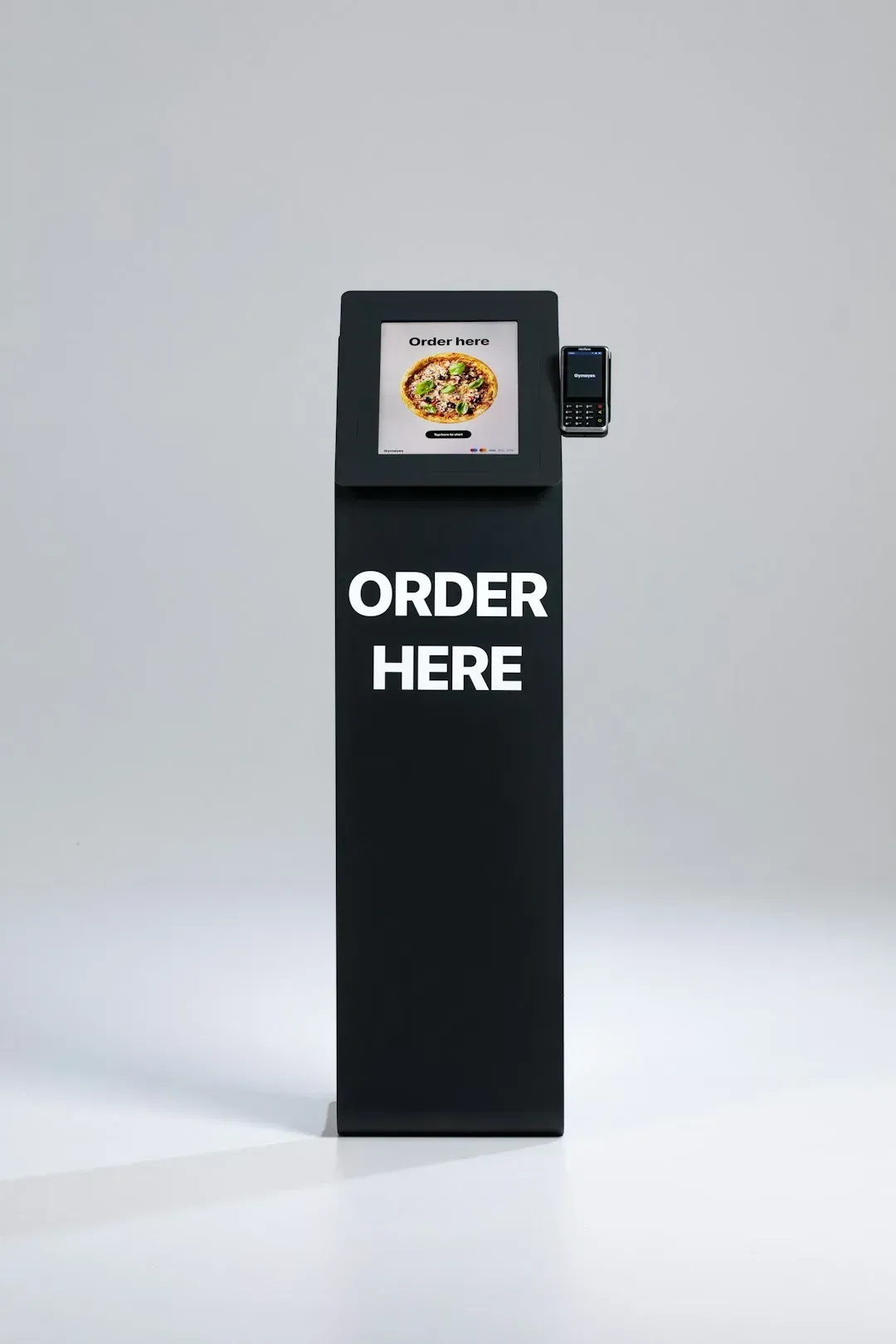
More than half of diners say they are more likely to recommend a fast food chain if they had a positive custom-ordering experience. Kiosks have accelerated this shift dramatically. For the third year in a row, consumers want more kiosks. Nearly two thirds of kiosk users say they want to see more kiosks in restaurants, up from just over half in 2024 and only a little over a third in 2023. Kiosks offer a more tailored ordering journey with visual order confirmation and customization options at the fingertips. Personalization is now a loyalty engine of its own.
11. The Social and Generational Pull
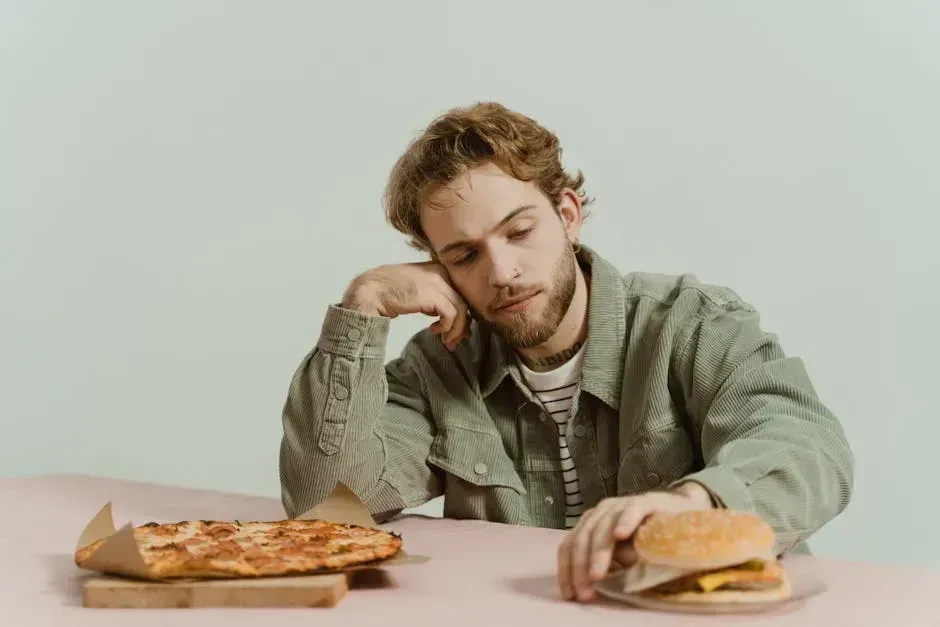
Adults aged 20 to 39 years old are the most frequent consumers of fast food in the U.S., with nearly half of individuals in this age group consuming fast food on any given day in 2024. For younger Americans especially, specific chains carry a social dimension. You go to a certain place because your friends go there. Because you grew up going there with your parents. Because you saw it trending on social media.
Fast food chains like McDonald's are leaning on bringing back nostalgic menus and characters to draw in both old and new customers. The National Restaurant Association's 2025 report found that about half of U.S. consumers, including about two thirds of Gen Z adults and Millennials, say ordering takeout from restaurants is an essential part of their lifestyle. The social and cultural thread woven through specific fast-food brands is genuinely hard to compete with. It goes far beyond a meal. It is part of identity, memory, and daily life. And that, more than anything else, is why Americans keep going back.



Leave a Reply