
There is something quietly remarkable happening in kitchens across America. While younger generations are scrolling for meal delivery deals or subscribing to kit services, baby boomers are still standing at the stove, seasoning a roast from memory, stirring a pot they've stirred a thousand times before. It is not by accident. It is not even nostalgia alone. There are real, well-documented reasons behind this habit, and some of them will surprise you. Let's dive in.
1. They Simply Cook More Often Than Any Other Generation
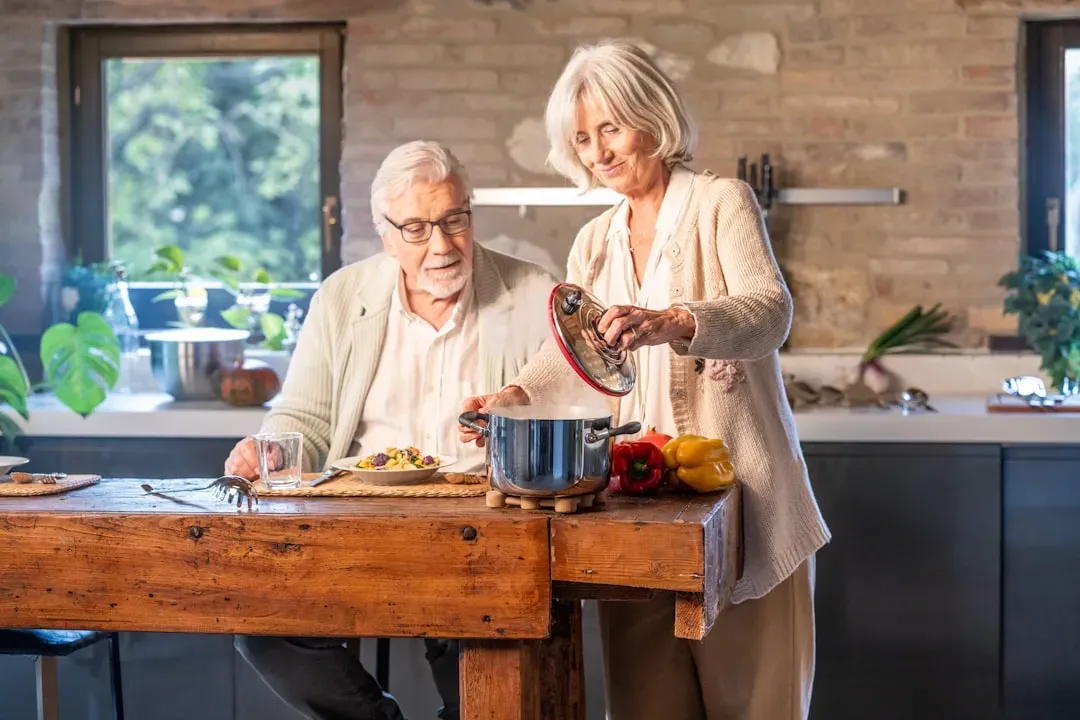
Let's start with the raw numbers, because honestly, they are pretty striking. According to FMI's 2025 research, just 11% of Gen Z cooks every day, while boomers are the most likely generation to cook daily at 26%. That is more than double the rate of the youngest adult generation. Think about what that means in practice. It adds up to hundreds of additional meals per year cooked at home.
According to data reported by IFT, boomers and older consumers eat a home-cooked dinner an average of 5.1 times per week, compared to Gen Z at 3.6 times and millennials at 4.2 times. That gap is not trivial. Boomers are in the kitchen nearly every single night of the week, and that rhythm is deeply ingrained. It is not a trend for them. It is a lifestyle.
2. It Was Never a Choice - It Was How They Were Raised
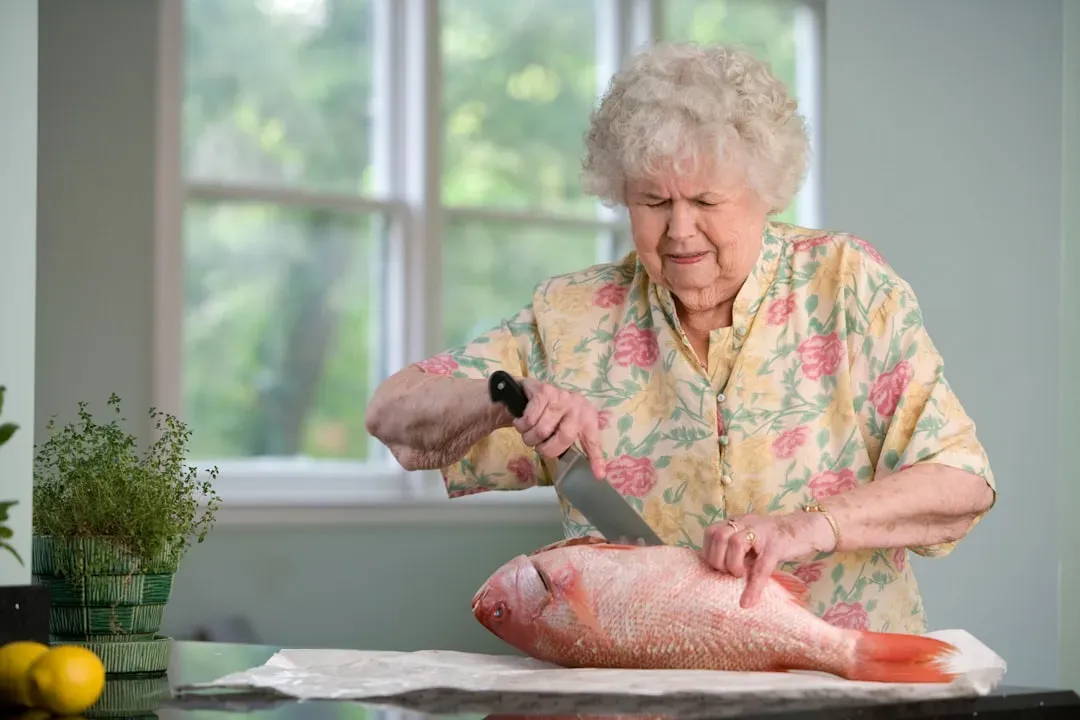
Here is the thing about habits formed in childhood: they stick. Boomers are a generation who grew up in a different era, with parents who'd endured the Great Depression and with food advertisements promising faster cooking times for working moms. The idea of ordering dinner simply was not part of the daily fabric of their upbringing. You cooked. You ate. You cleaned up. That was the cycle.
Boomers are the generation most likely to have grown up with parents who made home-cooked food regularly. That early exposure built genuine skill. Roughly three-quarters of baby boomers consider themselves good cooks, and more than one in ten went so far as to qualify themselves as "very good" in the kitchen, a title shared with only about one in twenty millennial respondents. When cooking feels natural, you keep doing it.
3. Nostalgia and Family Recipes Are a Powerful Pull
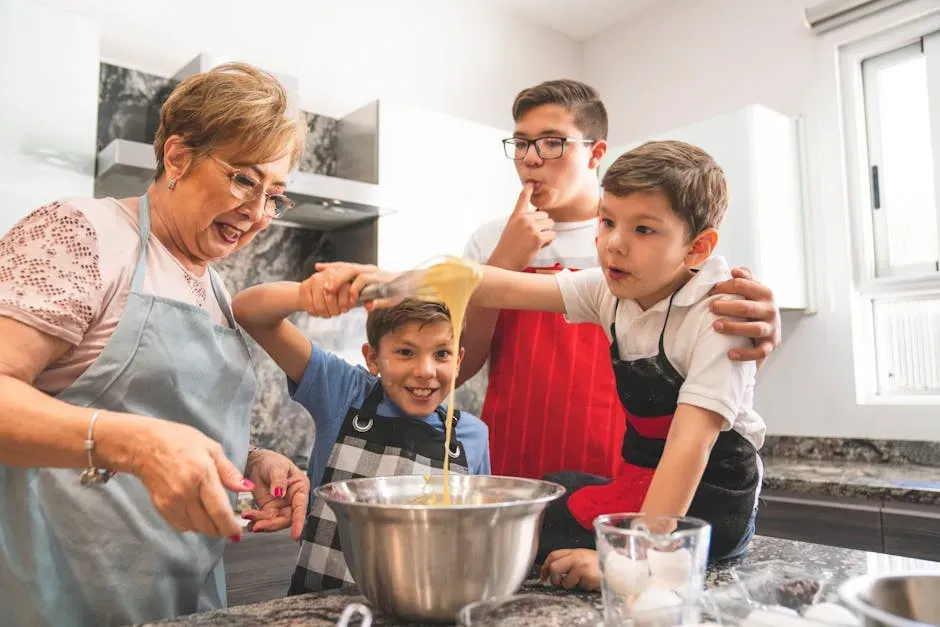
Food is memory. For boomers more than most, a meal is never just a meal. According to Datassential's 2024 Food Trends Report, a remarkable 88% of boomers favor old family recipes, and while 62% enjoy trying new foods, they prefer them as part of familiar favorites. That attachment to traditional recipes is not stubbornness. It is an emotional anchor.
Rooted in the traditions of the 1950s through the 1990s, classic recipes offer more than a meal - they evoke memories of family gatherings, grandmothers' favorite dishes, and simpler, more grounded times. I think that is something younger generations are only now beginning to understand. Traditional recipes offered a means of finding comfort and stability during periods of uncertainty, and preparing hands-on dishes became a kind of therapy for millions. For boomers, that comfort never really went away.
4. They Cook to Save Real Money
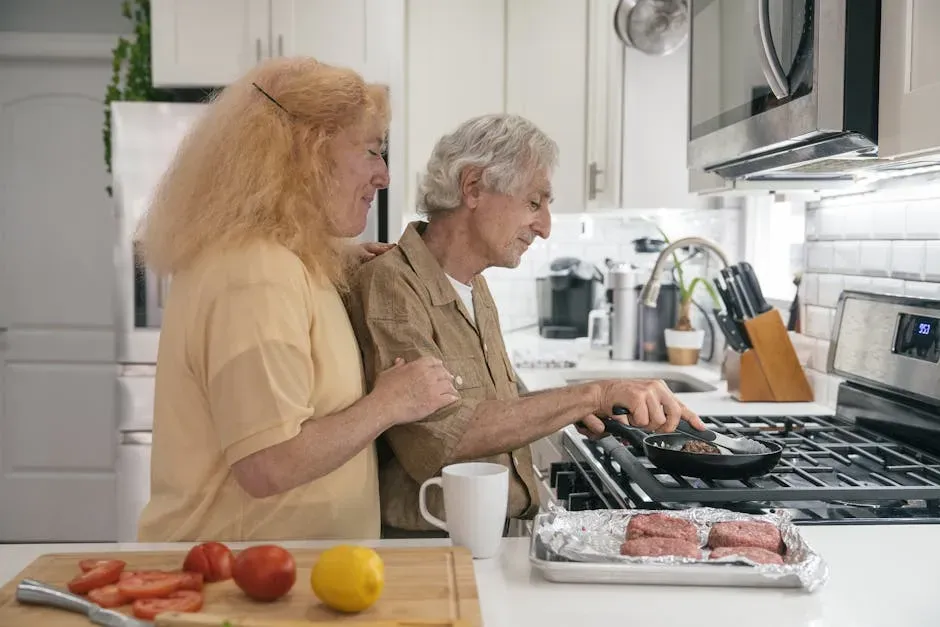
Boomers grew up understanding the value of a dollar, and the math on eating out has never looked worse. According to the Consumer Price Index 2024 review, food prices increased 2.5%, with a 1.8% rise in costs for food at home and a 3.6% jump for eating out. Furthermore, the Federal Reserve Bank of St. Louis noted food prices have jumped nearly 30% since 2019. Cooking at home became an even stronger financial strategy than before.
The Consumer Price Index confirms that in the year from November 2023 to November 2024, the cost of eating food away from home rose 3.6%, while the price of food at home only increased by 1.6%. The cost of going out to eat increased roughly double versus eating at home. Experts have pointed out that one major expense retired boomers should consider cutting is dining out too much. Cooking a full meal at home is one of the simplest ways to stretch a fixed income further.
5. Healthy Aging Is a Real Motivator

Boomers are not cooking carelessly. They have a very specific health goal in mind. In a March 2024 survey of 3,000 U.S. adults, when responses were segmented by generation, the primary health benefit that baby boomers sought from their food was "healthy aging," which set them apart from younger generations who prioritized energy and weight loss. That focus shapes what and how they cook.
Home food preparation offers an affordable strategy for reducing ultraprocessed food intake, and several studies have found that increased home cooking is associated with increased intake of fruits and vegetables and overall diet quality, while others have identified an association with lower body weight and reduced risk of type 2 diabetes. It is hard to say for sure how consciously boomers connect these dots, but the pattern is clear. Boomers equate health benefits with fresh ingredients from local sources, and nearly three-quarters prefer items with locally sourced ingredients, with about 70% willing to pay more for them.
6. They Have the Time That Younger Generations Simply Do Not
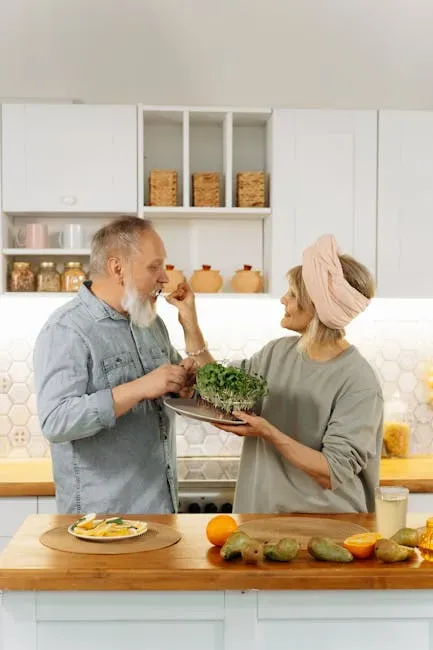
One of the biggest barriers to cooking for working-age adults is time. One in five adults skips cooking after work because they're simply too exhausted, and lack of time (20%) and after-work fatigue (19%) are the biggest reasons people say they don't cook more. Boomers, many of whom are retired or working fewer hours, face this obstacle far less often.
According to Datassential's 2024 Food Trends Report, boomers are staying independent and in the workforce longer, with 67% determined to remain in their homes as long as possible. That independence in the home naturally includes the kitchen. When you are not rushing to beat the clock every night, cooking a full meal is not a burden. It becomes something closer to a pleasurable routine, maybe even a highlight of the day.
7. They Strongly Prefer Sit-Down Meals Over Convenience Options
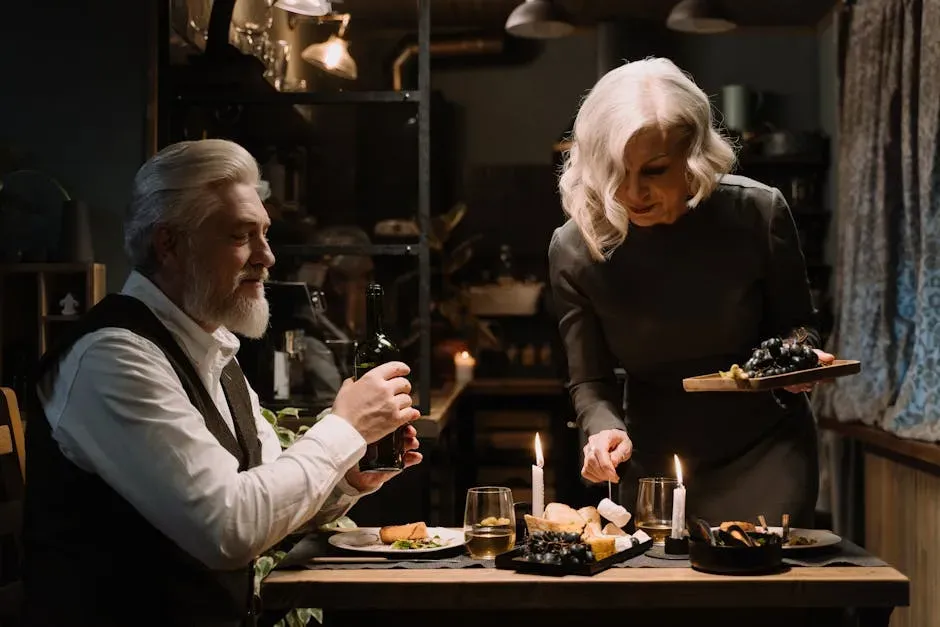
There is a cultural dimension here that does not show up in spending data. The vast majority of boomers, about 85%, prefer to dine with other people rather than alone and favor sit-down meals with something everyone at the table can enjoy. That preference for a real, shared meal drives the motivation to actually cook one. You cannot have a proper sit-down dinner with takeout containers scattered across the table. Well, some people do, but boomers generally do not.
According to Datassential's data, 81% of boomers make at least four out of five meals at home. That is a strikingly high commitment. Research from the HelloFresh 2025 State of Home Cooking report found that the vast majority of Americans believe eating with others is better for their mental health than eating alone. Boomers have lived long enough to know this intuitively, without needing a study to tell them.
8. Cooking Is Stress-Relieving, Not Stressful
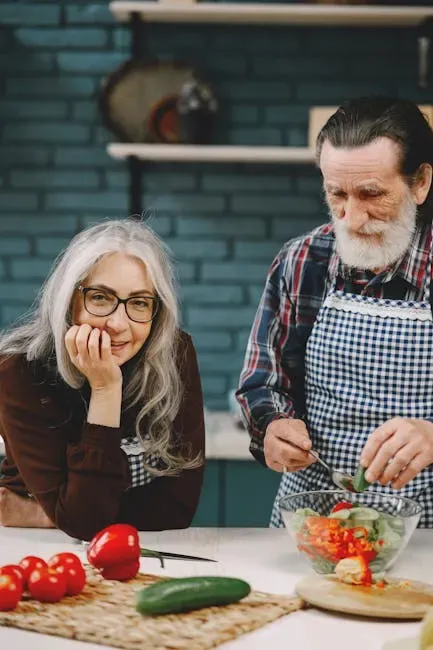
Younger generations often describe cooking as one more exhausting task in an already overwhelming day. Boomers tend to see it differently. A strong majority of Americans, about 71%, find cooking to be more stress-relieving than stressful, and this jumps to 78% among those who tend to try new things for dinner. Boomers, with their deeper kitchen experience, often fall into the camp that has learned to actually enjoy the process.
For more than half of home cooks, dinner is stress-relieving because it allows them to be creative. Think about that. Standing at a stove after a full day becomes a kind of active meditation. Chopping, stirring, tasting. It grounds you in the present moment in a way that scrolling a delivery app simply cannot. In the wake of the pandemic, many people rediscovered home cooking as a mindful ritual that fosters connection, creativity, and well-being. For boomers, that ritual was never really lost.
9. They Trust Their Own Kitchens More Than Restaurant Kitchens
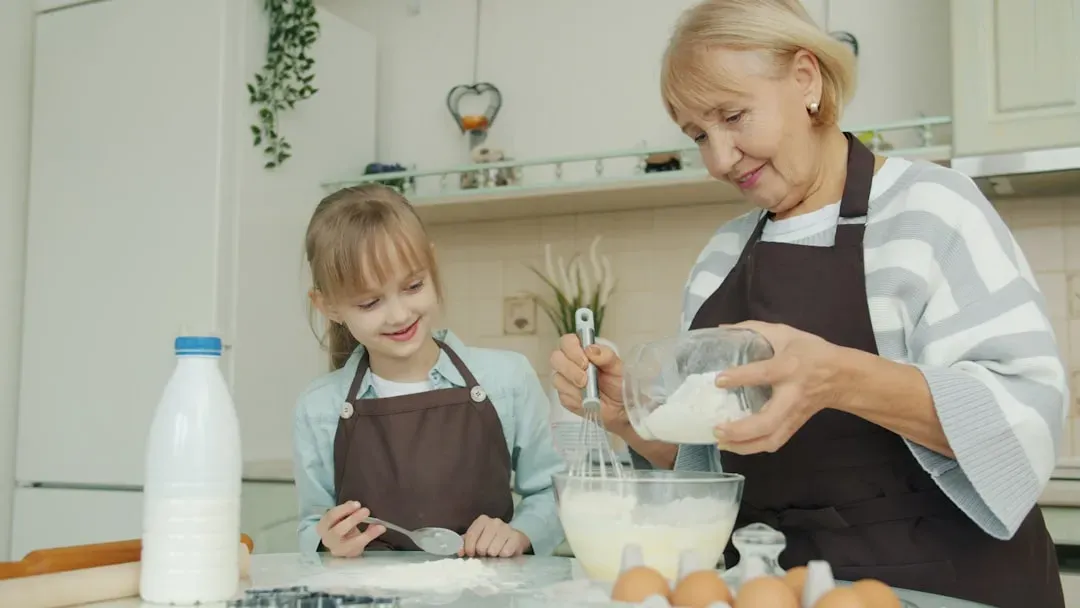
Control over what goes into a meal matters a lot to older Americans. According to a 2024 International Food Information Council survey, boomers say they are more likely to consider how healthy something is when deciding whether to buy a product than other generations. Cooking at home is the ultimate expression of that control. You know the oil, the salt, the freshness of every ingredient.
Older adults use third-party food delivery apps far less than younger generations, with only about 29% of boomers trying one in a recent six-month period. That lower reliance on apps and delivery is not a technology gap alone. It reflects a genuine preference for self-sufficiency. According to global food trends research by Innova Market Insights, consumers who are confident about their cooking skills, along with the boomer generation, are the ones most likely to cook meals at home from scratch. Confidence breeds preference.
10. Sunday Dinners and Weekly Rituals Are Sacred
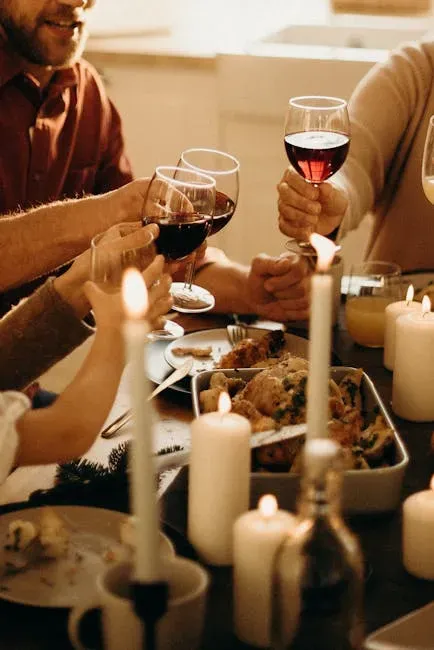
There is something almost ceremonial about the way boomers approach the weekly dinner table. A full 70% of baby boomers say they cook dinner at home from scratch every Sunday, compared to just 40% of Gen Z adults. That is not just a cooking statistic. That is a cultural practice, a weekly reset button that has been baked into boomer life for decades.
Among Americans overall, 61% say they cook a meal at home on Mondays, compared to 49% on Fridays, and 70% of baby boomers maintain their scratch-cooking habit specifically on Sundays. For many boomers, Sunday dinner was the centerpiece of family life growing up. Recreating it as an adult is less about food and more about preserving something that felt good and true. Research from Morning Consult found that baby boomers are over 20 percentage points more likely to say they cooked dinner from scratch each night of the week than millennials. Every night, not just Sundays.
11. Cookbooks and Classic Methods Still Guide the Way
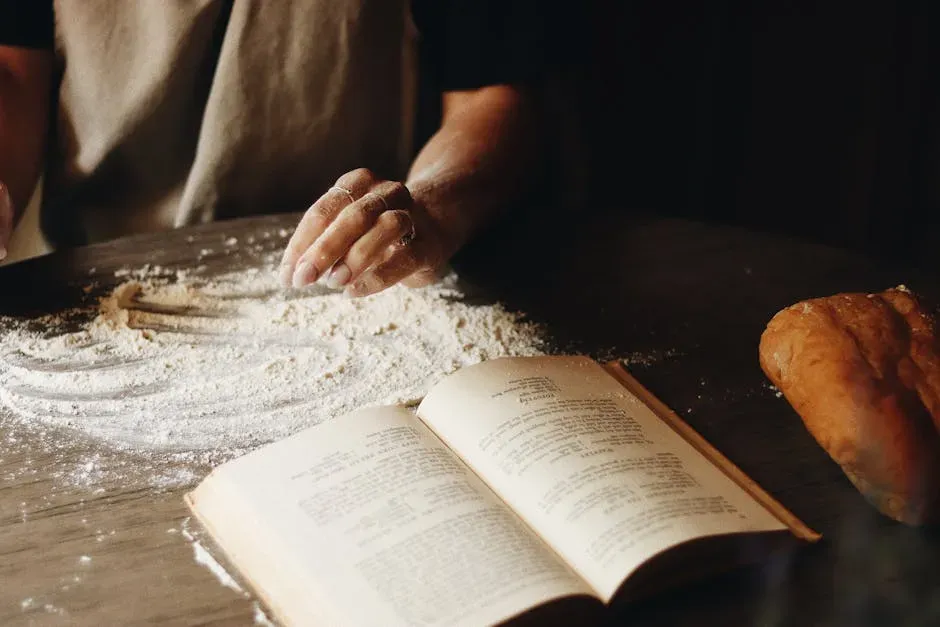
While younger generations turn to TikTok and YouTube for recipe inspiration, boomers are reaching for something more familiar. Americans over 60 primarily turn to classic cookbooks for culinary guidance, and when looking online for cooking inspiration, they are more likely to use Facebook over YouTube. That loyalty to tried-and-true methods produces a very different kind of cooking. Measured, practiced, and deeply repeatable.
Baby boomers and Generation X are more likely to cite flavor and quick preparation as important criteria for home-cooked meals than other generations. They are not looking for viral trends or deconstructed dishes. They want something that tastes right and comes together without drama. Research from Morning Consult found that millennials are five points more likely than baby boomers to say they cook because they enjoy it, while boomers are more likely to say they cook because they have to. It is a subtle but revealing difference. For boomers, cooking is not optional. It is simply what you do.
A Generation That Never Left the Kitchen
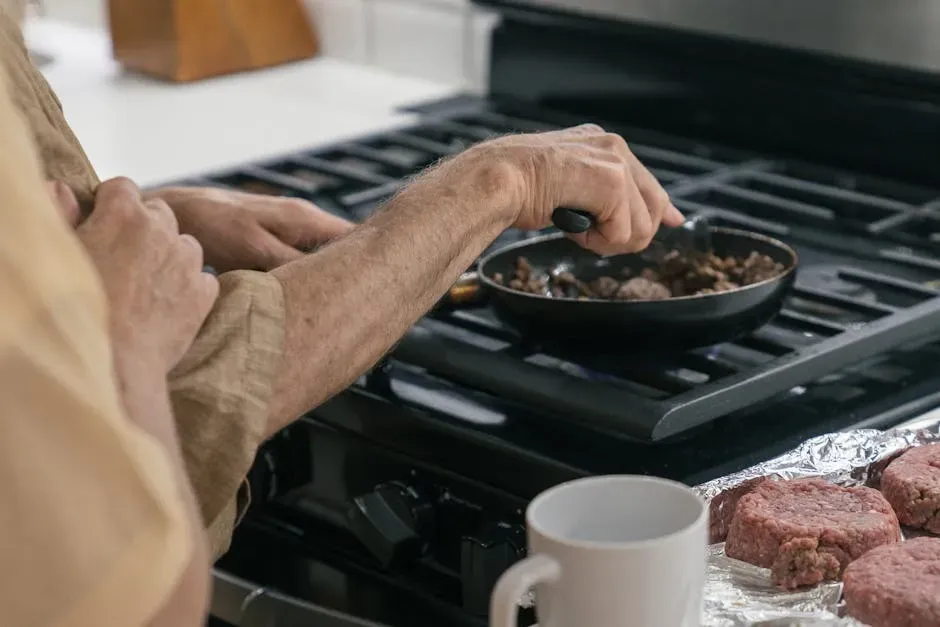
The picture that emerges from all of this research is consistent and clear. Boomers cook because it is woven into who they are, shaped by childhood habits, sharpened by decades of practice, and reinforced by economic sense and health awareness. Innova Market Insights identified "Home Kitchen Heroes" as one of the top food trends of 2024, shining a spotlight on eating at home as a movement that began during COVID-19 and has evolved in recent years. Boomers did not need a pandemic to lead that movement.
Other generations are slowly catching up, rediscovering the kitchen as something worth reclaiming. The vast majority of adults, 93%, plan to cook at least as much as the previous year, if not more, over the next 12 months. In a fragmented, fast-paced world, the boomer habit of cooking a full, real meal at home might just be the wisest and most human thing they have held onto. What do you think - is there something your own generation could learn from theirs? Tell us in the comments.


Leave a Reply