
Think you know everything about those surprise visits from health inspectors at restaurants and facilities? You might be wrong. While these officials wield significant power to examine kitchens, question employees, and dig into documentation, there are strict boundaries around what they can and cannot disclose. Former inspectors are speaking out about the confidential information they're legally required to keep under wraps, and some of these revelations might surprise you. From protecting complainant identities to keeping certain business secrets confidential, the inspection process involves far more discretion than most people realize.
The Identity of Complaint Filers Stays Secret
Health inspectors must maintain strict confidentiality of the complainant's identity, regardless of whether the complaint came from an employee or customer. This protection exists for good reason. Workers who report unsafe conditions need assurance they won't face retaliation from their employers. The same goes for customers who witnessed something concerning during their dining experience.
Built-in whistleblower protections exist for employees who file complaints, assist inspectors, or report injuries. If you ever wondered why inspectors won't reveal who tipped them off about violations, this is exactly why. The system depends on people being willing to speak up without fear. Honestly, without these protections, many serious health hazards would go unreported until someone got seriously ill.
Trade Secrets and Proprietary Business Information

During inspections, health officials often observe proprietary recipes, supplier lists, and other confidential business information. Inspectors are required to keep confidential any trade secrets observed. This means if an inspector notices your signature sauce recipe on the wall or sees documents revealing your food suppliers, they can't legally share that information with competitors or the public.
Inspectors are obligated to maintain the privacy of any protected information, confidential information, or trade secrets which may be observed during the inspection. Think about it: inspectors need full access to every corner of an operation to do their job properly. Yet if business owners feared their competitive advantages would be exposed, they might be less cooperative. The confidentiality rule strikes a balance between thorough inspections and protecting legitimate business interests.
Specific Details About Ongoing Investigations

When inspectors are conducting active investigations, especially those that might lead to legal action, they're prohibited from discussing specifics with anyone outside the investigation team. This isn't just about being secretive for the sake of it. Accounting for disclosures to health oversight agencies and law enforcement officials must be temporarily suspended on their written representation that an accounting would likely impede their activities.
Let's be real here: premature disclosure could compromise evidence gathering or tip off establishments about the focus of an investigation. If you ask an inspector pointed questions during their visit, don't expect detailed answers about what triggered the inspection or whether other locations are under scrutiny. They're trained to keep these cards close to their chest. The integrity of the investigation depends on it.
Personal Health Information of Individual Employees

The HIPAA Privacy Rule regulates the use and disclosure of individually identifiable health information, called protected health information, by covered entities. This means if an inspector discovers that an employee has a communicable disease or medical condition, they cannot reveal that person's identity to management or the public in their reports.
Information provided by residents may be confidentially included in the inspection report, and resident names are not identified in the inspection report. The inspector might note that proper protocols weren't followed regarding an ill employee, but they won't name names. This protection applies across healthcare facilities, restaurants, and other inspected establishments. It's a crucial privacy safeguard that prevents discrimination while still allowing inspectors to flag potential health hazards.
Statements Made Under Legal Protection

A witness giving a statement under Section 20 can nominate someone to be present at the meeting with the inspector and is protected to the extent that anything they say in response to being required to give information cannot be used against them in any proceedings. This creates a safe space for employees to be completely honest with inspectors without fearing their words will come back to haunt them in court.
There's a significant difference between voluntary statements and those made under legal authority. A statement made under Section 20 cannot be used against the person who made the statement in any subsequent legal proceedings. Former inspectors emphasize that this distinction matters enormously. It encourages people to speak freely about safety concerns, knowing their candor won't turn into evidence against them personally, even though it might lead to citations for the establishment.
Specifics About Other Establishments' Violations
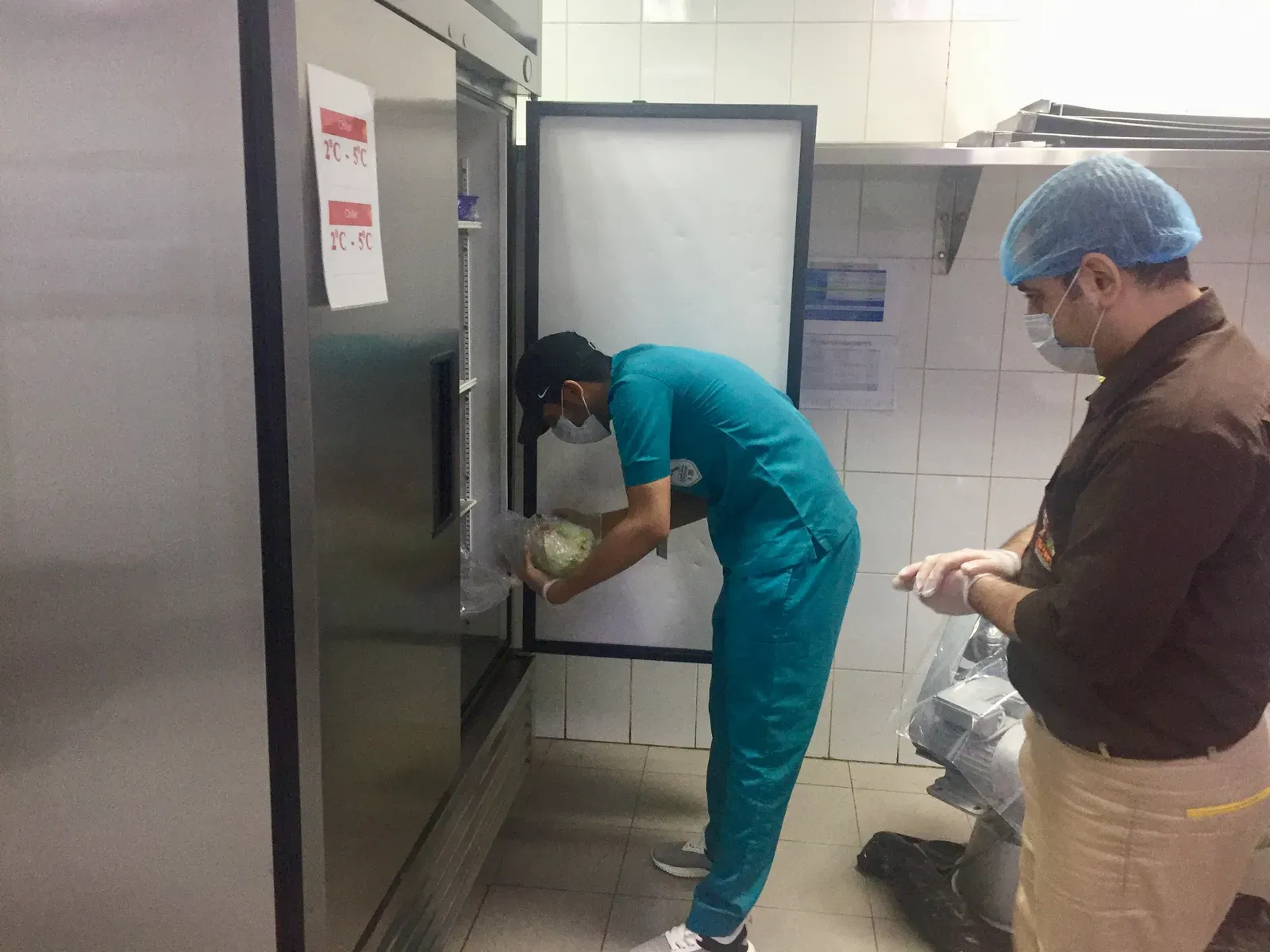
Curious about how your competitor's last inspection went? Inspectors won't discuss it during your inspection. While public records of inspection results are typically available through official channels, inspectors aren't permitted to gossip or make comparisons during their rounds. They can't tell you that the restaurant down the street failed their inspection last week or share details about violations found elsewhere.
This policy maintains professionalism and prevents inspectors from being seen as playing favorites or spreading information inappropriately. Each inspection should be judged on its own merits, not in comparison to other establishments. Sure, you can look up public inspection reports yourself, but don't expect the inspector to provide a verbal rundown of your competition's shortcomings.
Advance Notice of Inspection Dates
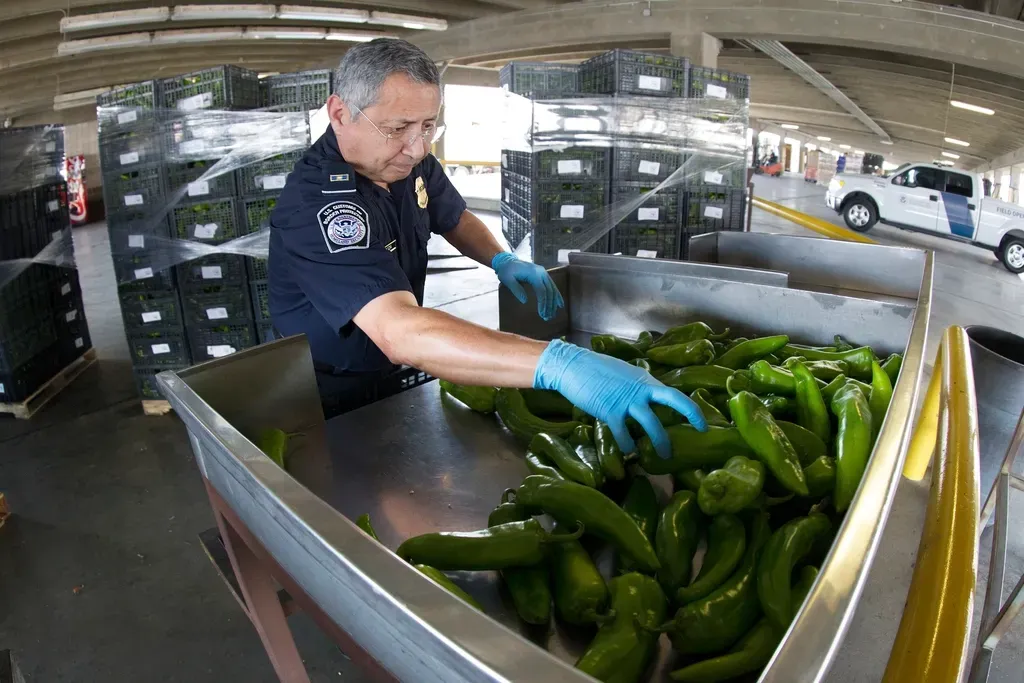
Inspections are conducted without advance notice, and inspectors are explicitly prohibited from tipping off establishments about when they'll arrive. Authorized food safety inspectors may enter food establishments unannounced at any reasonable time, on any given day of operation to conduct routine health inspections. The element of surprise is fundamental to getting an accurate picture of everyday operations.
If establishments knew exactly when inspectors were coming, they'd likely deep clean and put on their best show. That wouldn't reflect real conditions that customers experience daily. There is no prior notice or pre-arranged time frame before the inspector arrives for routine inspections. The no-warning policy ensures inspectors see what's really happening, not a carefully staged performance. It's hard to say for sure, but this is probably one of the most important aspects of effective inspection programs.
Internal Deliberations and Scoring Rationale

Ever wonder exactly how inspectors decide between issuing a warning versus a citation? The internal decision-making process, including discussions with supervisors or other officials about how to categorize violations, remains confidential. While inspectors will explain their findings and the reasoning behind citations, they won't necessarily reveal every back-and-forth conversation that occurred in reaching those decisions.
This isn't about hiding anything nefarious. It's about maintaining the integrity of the professional judgment process. Inspectors consult guidelines, discuss edge cases with colleagues, and sometimes seek clarification on new regulations. These deliberations help ensure consistency and fairness, but the messy middle of that process doesn't need to be public. What matters is the final, documented decision and the opportunity for establishments to respond.
Confidential Patient Information in Healthcare Settings

In healthcare facilities, CDC implements agency protection for public health activities conducted by investigators that involve the collection or maintenance of identifiable information, allowing CDC programs to assure individuals and institutions that those conducting the activity will protect the confidentiality of the identifiable data collected. Healthcare inspectors encounter incredibly sensitive patient information during their visits.
Healthcare executives have a moral and professional obligation to respect confidentiality and protect the security of patients' medical records while also ensuring proper patient acknowledgement of the notice of privacy practices. An inspector might review patient charts to verify proper documentation and infection control, but they cannot disclose specific patient details in their reports or to anyone else. Patient privacy laws create strict walls around this information, even during official inspections.
Anticipated Enforcement Actions or Penalties
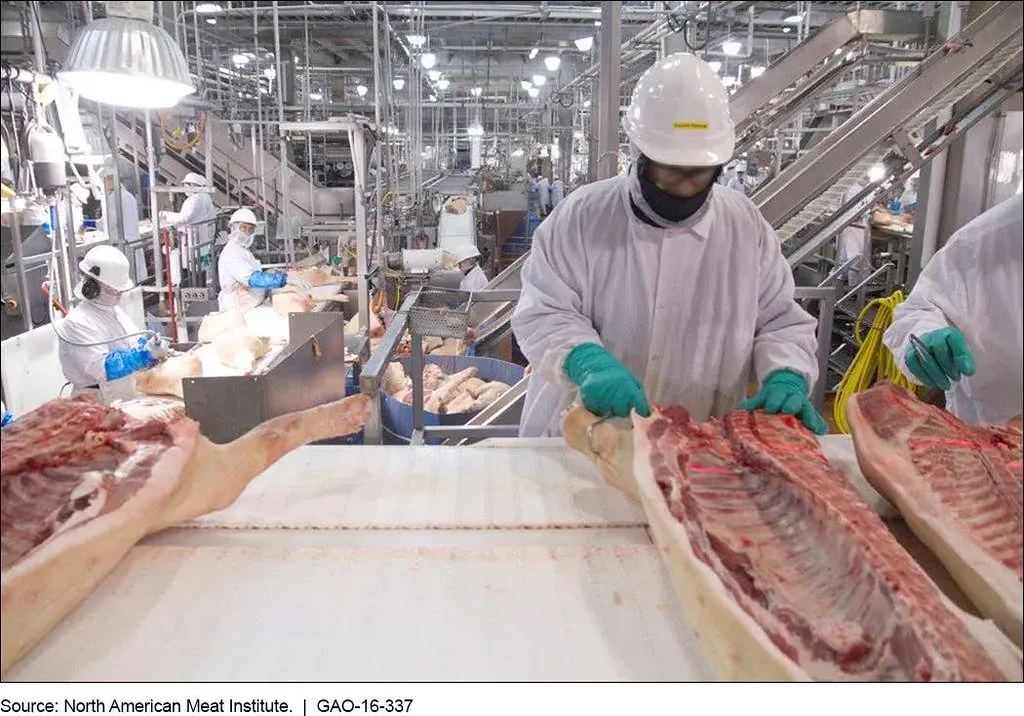
OSHA must issue a citation and proposed penalty within six months of the violation's occurrence, but inspectors won't tell you on the spot exactly what fines or penalties to expect. They might explain the severity of violations found, but the specific enforcement actions are determined after the inspection concludes, often involving review by legal teams and supervisors.
Former inspectors explain this is partly because the final penalty amount can depend on factors beyond what's visible during the inspection itself, including the establishment's violation history, size, and demonstrated good faith efforts. Inspectors have the discretion to reduce fines for small employers or for employers that the inspectors feel exercised good faith during the inspection process; however, they have no discretion to reduce fines for willful violations. The calculation involves multiple variables that require careful consideration after the inspector leaves.
Information That Could Compromise Public Health Investigations

When health inspectors are working on broader public health matters, such as tracking a foodborne illness outbreak across multiple establishments, they cannot reveal details that might compromise the investigation. The Privacy Rule permits covered entities to disclose protected health information without authorization for specified public health purposes, and public health authorities who are legally authorized to receive such information can work across multiple locations.
If your establishment is one of several under investigation for a potential illness cluster, the inspector won't necessarily tell you about the others. They need to gather information systematically without establishments coordinating their responses or destroying evidence. The investigation's integrity takes precedence. When staff members fail to document complaints in the hospital's official system for allegations, investigations can be delayed for months, showing how crucial proper procedures are. Inspectors protect these processes by keeping investigation details confidential until appropriate.




Leave a Reply