
Let's be real, nostalgia hits different when it comes to food. The dishes our parents served back in the 1980s might not have been fancy, but they filled our bellies and connected families around the dinner table.
The decade may have been known for excess, but at home, family meals were simpler, heavy on casseroles, quick mixes, and recipes every busy mom had on repeat. These weren't gourmet creations with artisanal ingredients. They were practical, affordable dinners thrown together after long workdays, stretching budgets without sacrificing flavor. As the 1980s progressed, a dual income household was increasingly needed to stay part of the middle class, forcing wives across the United States to put in a forty-hour work week on top of all the daily chores.
Yet somehow, even as convenience became the name of the game, those meals tasted like home. Think about it: the smell of ground beef browning, the sight of cream of mushroom soup cans lining the pantry, the sound of casserole dishes sliding into ovens. These simple rituals defined weeknight dinners for millions of American families. So let's get started on a trip down memory lane.
Hamburger Helper
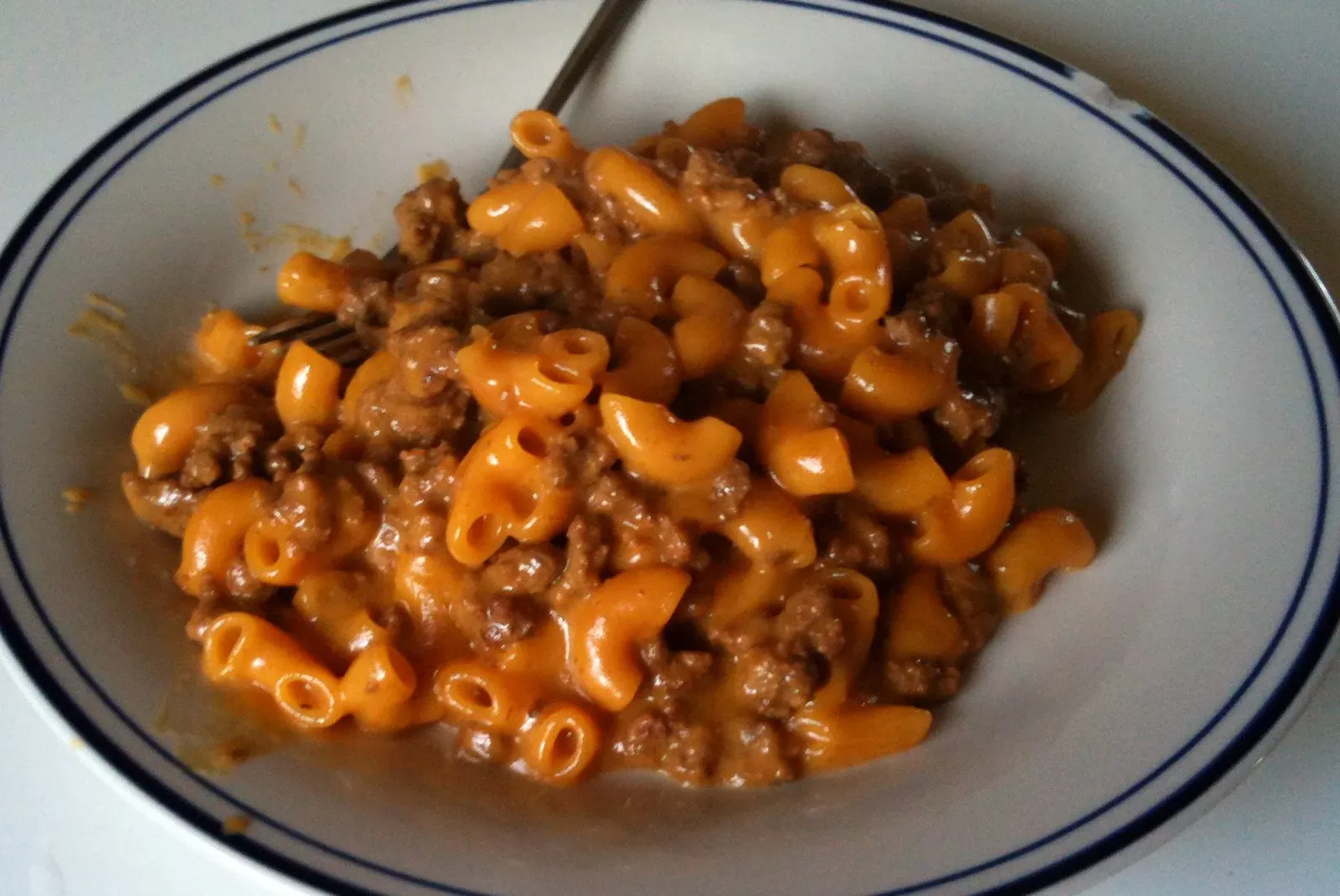
If you can still picture that cheerful glove mascot, you know exactly what we're talking about – Hamburger Helper was the 80s answer to "I'm tired, we need to eat, and payday's not until Friday." This boxed miracle turned a single pound of ground beef into a full meal for an entire family. Hamburger Helper became a go-to for families seeking an easy and filling dinner option.
The powdery cheese packets and dried pasta might not have looked like much, yet when mixed with browned meat and simmered on the stove, it became comfort food. Honestly, kids didn't care that it wasn't homemade. Cheeseburger macaroni, chili tomato, four cheese lasagna, chili mac, and stroganoff varieties proved particularly popular in the 1970s and 1980s with American families led by working parents who didn't have the time or energy to make a meal from scratch. That cheerful glove on the box represented a kind of kitchen magic that made weeknight dinners possible.
Tuna Noodle Casserole
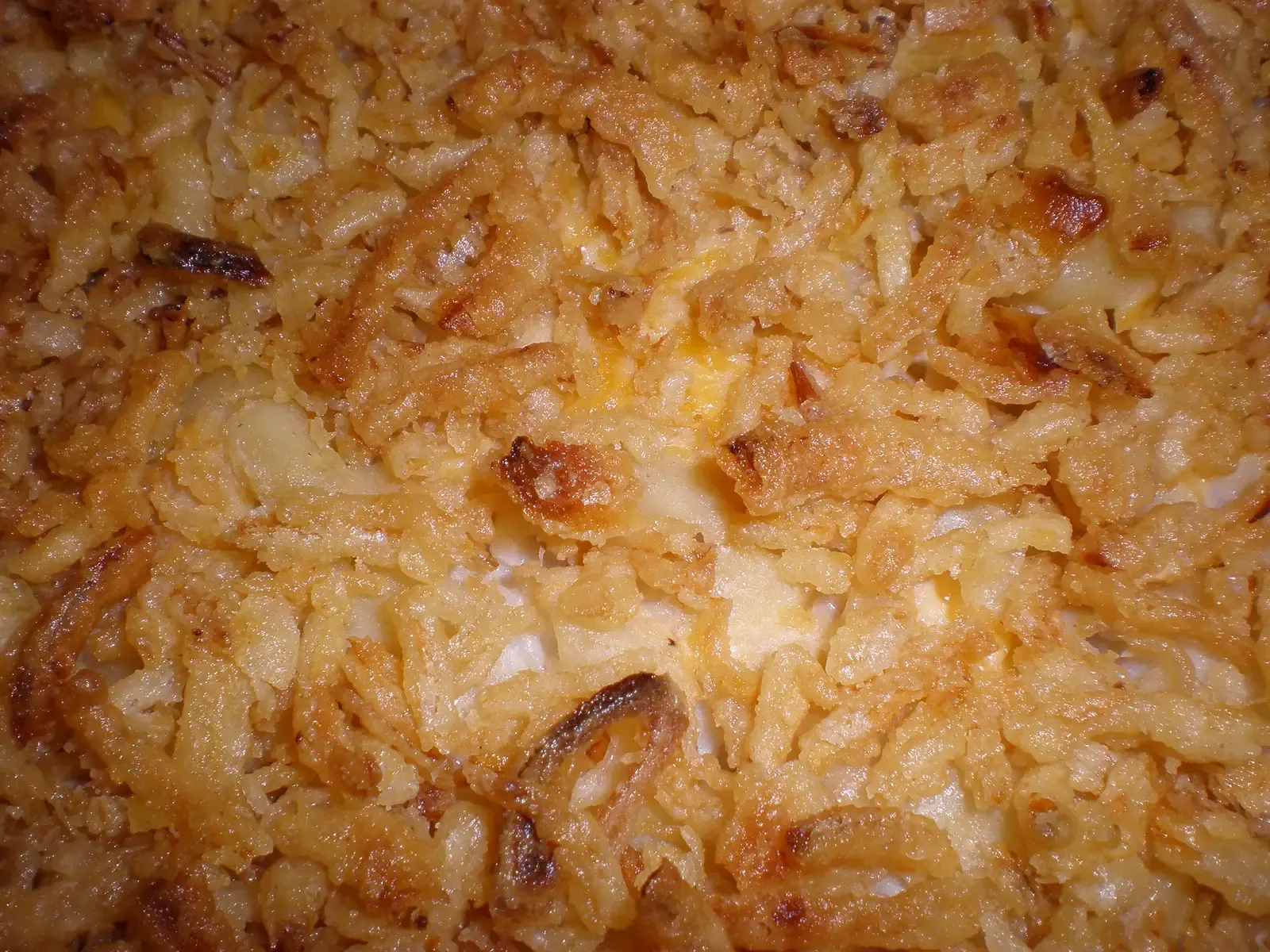
Here's the thing about tuna noodle casserole: everyone had an opinion about it. If your mom could open a can of tuna, a can of mushroom soup, and a bag of egg noodles, she could make dinner – that was the beauty of the classic tuna casserole, cheap, filling, and miraculously adaptable. Some families tossed in frozen peas, others topped it with crushed potato chips for that satisfying crunch.
One of the most consumed casseroles of all was tuna casserole, with tuna noodle casserole almost always starting with a big bag of egg noodles, boiled in water until soft, and then placed in a long and wide dish. The dish baked until bubbly and golden, filling the house with a savory aroma that somehow made everything feel right. Looking back now, it represented more than just dinner. It wasn't just food, it was resilience in a Pyrex dish.
Sloppy Joes
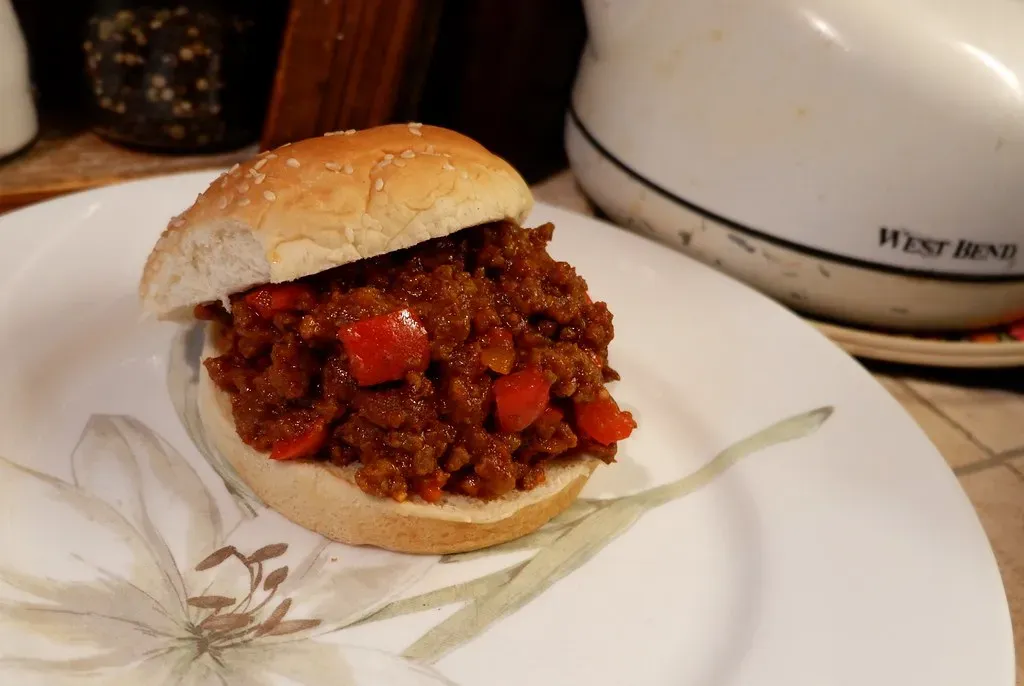
Sloppy joes weren't just school lunchroom fare; they made regular appearances on dinner tables, too. The messy sandwich with its sweet and tangy sauce was practically designed for weeknight chaos. You browned ground beef, dumped in a can of Manwich or mixed together ketchup and spices, then piled the mixture onto soft hamburger buns.
Canned Manwich, arguably the most popular way to make sloppy joes, was introduced in 1969, but it really took off in the '80s. Kids loved the interactive aspect of eating something deliberately sloppy, while parents appreciated how quickly it came together. The canned sloppy joe sauce made an already simple meal even easier – all you had to do was brown some meat, stir in Manwich, and spoon it onto buns. Served alongside chips or canned corn, this dinner captured the spirit of making do without sacrificing fun.
Meatloaf with Ketchup Glaze
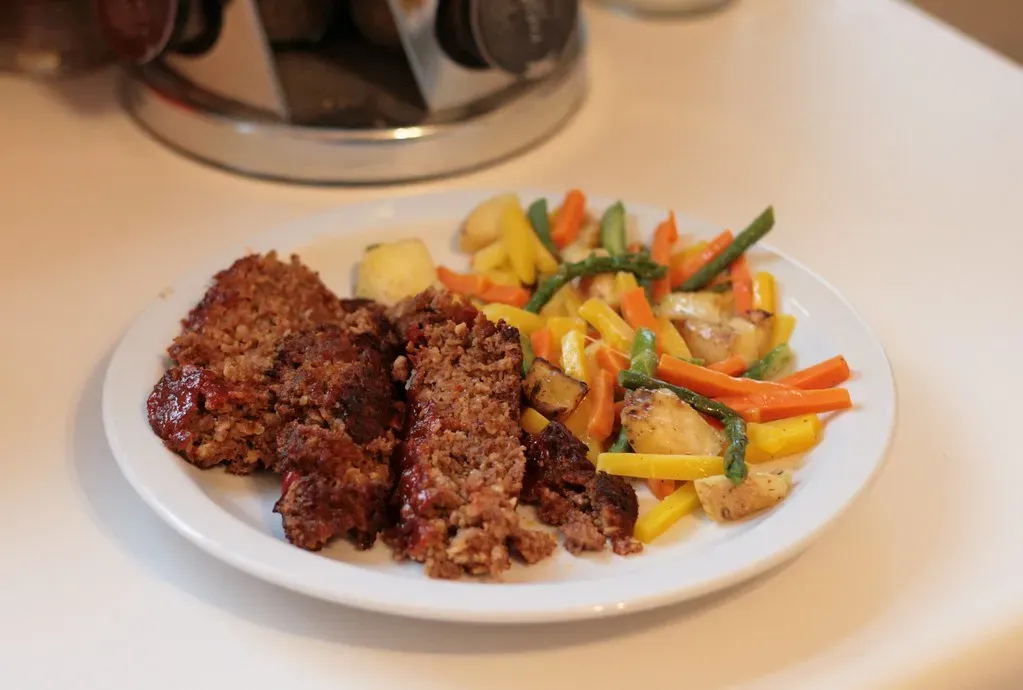
No dish screams "1980s family dinner" like meatloaf – it was humble, hearty, and endlessly customizable, and it wasn't anyone's favorite, but it always got eaten. Made from whatever ground meat was on sale, mixed with breadcrumbs, eggs, and often topped with a sweet ketchup glaze, meatloaf represented stability in uncertain times.
Made from whatever ground meat was on sale, mixed with breadcrumbs and ketchup, it was a symbol of stability – you could tell how thrifty your household was by what got added to the mix: oats, onion soup packets, or bits of leftover veggies. The loaf baked slowly, its edges caramelizing into something almost fancy. Sure, it looked boring on the plate next to mashed potatoes and canned green beans. Yet it told the story of families who showed up, sat down, and ate what they had without complaint.
Kraft Macaroni and Cheese
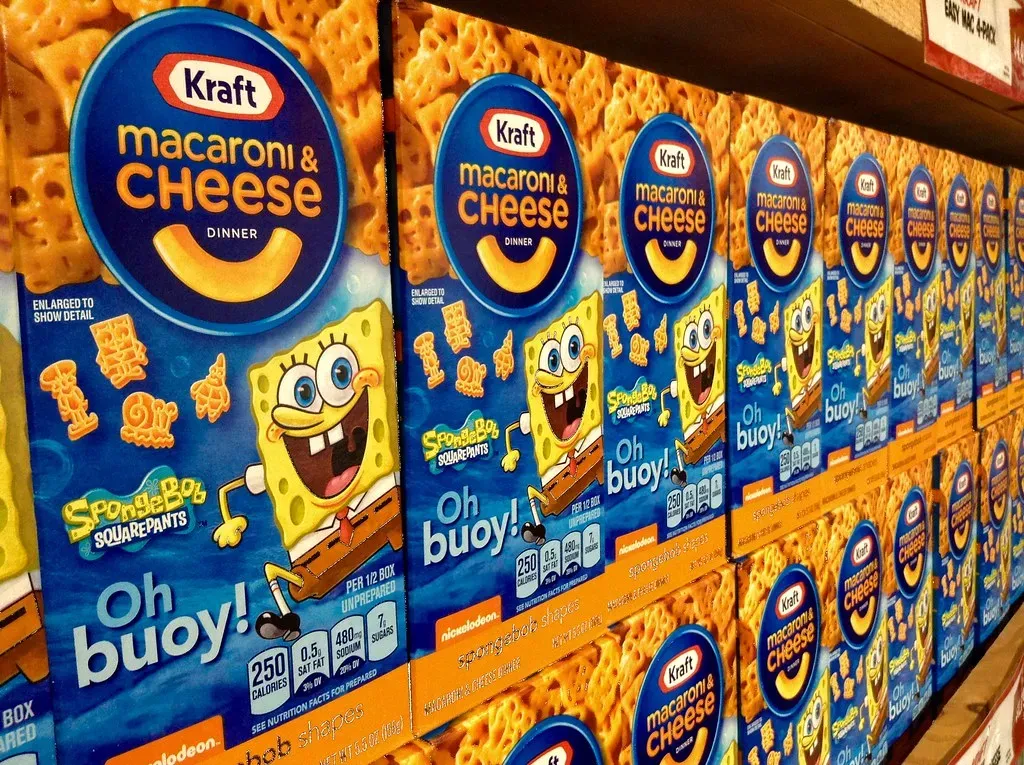
Kraft Macaroni & Cheese became a household staple, and for good reason – it was quick, easy, and relatively inexpensive. That iconic blue box held a kind of culinary alchemy. Boil the noodles, drain them, stir in butter, milk, and that fluorescent orange powder, and suddenly you had dinner.
Kraft ruled the table – that neon orange powder and the way it clung to every macaroni noodle, it was addictive in its own way, and it was democratic: rich or poor, everyone knew the blue box. It might have been a side dish in some homes and the main event in others. Parents stretched it with hot dogs or tuna when budgets got tight. The beauty lay in its simplicity and universality. Nearly half a century later, people still reach for that blue box when they need something that tastes like childhood.
TV Dinners
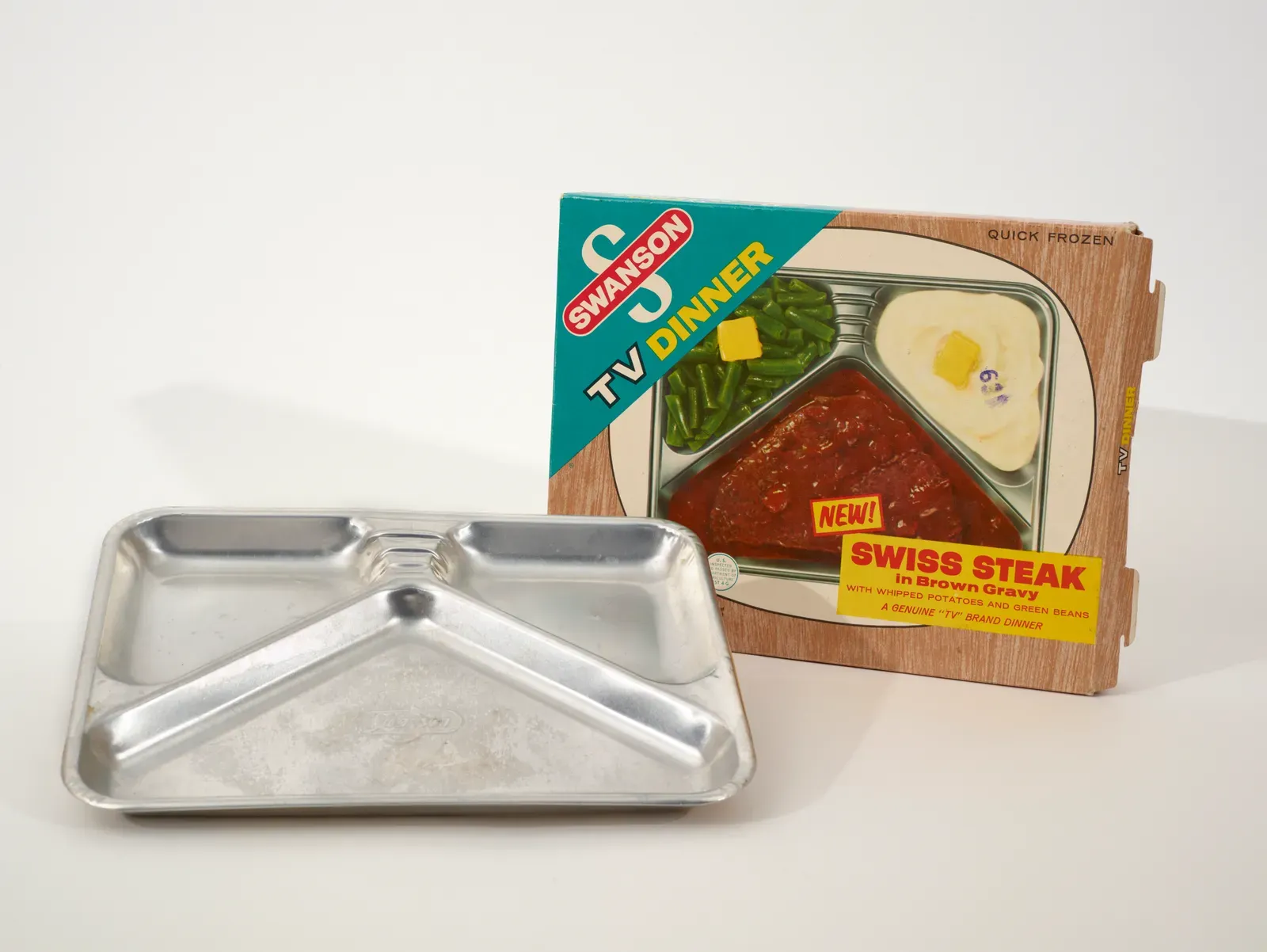
Microwave ovens, which were becoming more common in households, revolutionized meal preparation – these handy machines promised quick, no-fuss cooking, and they did not disappoint, with meals like TV dinners becoming staples. Those aluminum trays divided into neat compartments held Salisbury steak, mashed potatoes, and mysteriously bright vegetables.
The popularization of the microwave, increase in working mothers, and transition from metal trays to microwave-safe trays made TV dinners absolutely explode in the '80s. Kids loved the independence of heating their own dinner, peeling back the film, and eating while watching cartoons. Microwave dinners were the future, or at least they felt like it – they symbolized convenience, independence, and modern living, and for kids, TV dinners were freedom: you could eat them in front of the television. Looking back, the portions were small and the flavors bland, yet they represented a shift in how American families approached mealtime.
Tacos with Ground Beef
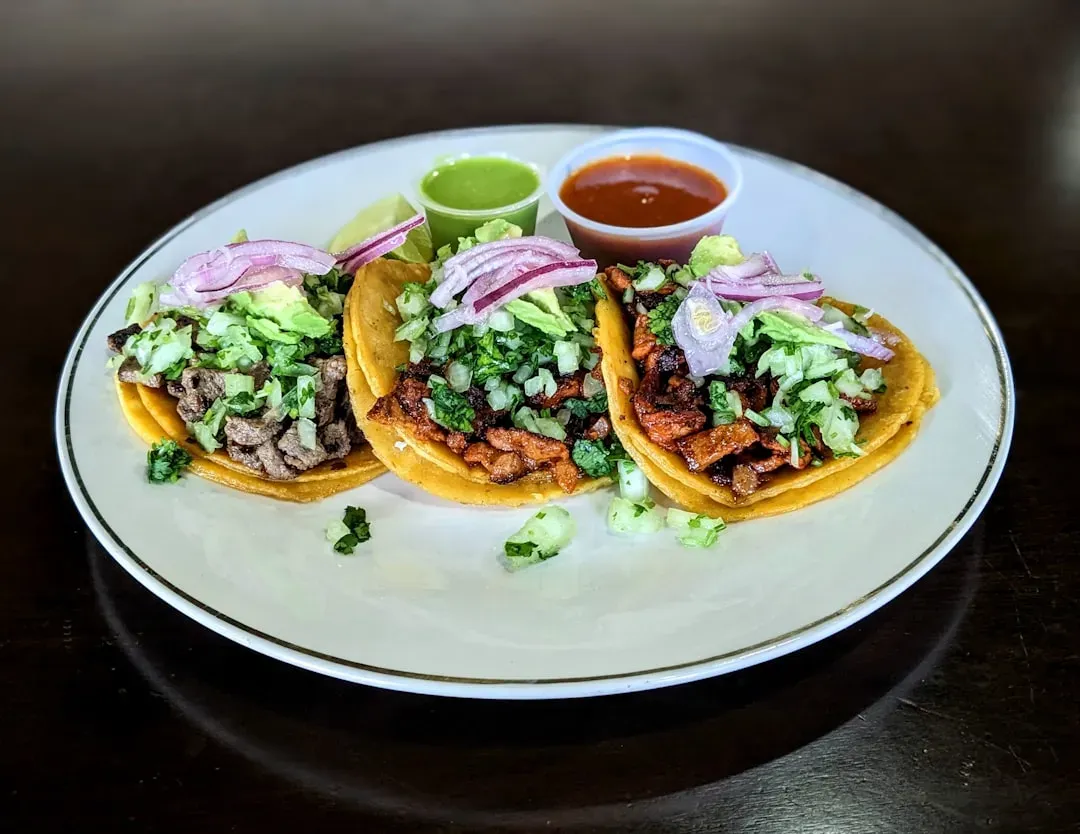
America really started its love affair with ground beef hard shell tacos in the '80s, and it's been a staple ever since. Taco night became a weekly tradition in countless households, complete with an assembly line of toppings spread across the kitchen counter. Browned ground beef seasoned with a packet of spices, crunchy shells, shredded lettuce, diced tomatoes, sour cream, and cheese.
Families with lots of kids especially loved it since everyone made their own. Taco night became a weekly tradition for many families, with crunchy taco shells and seasoned beef being the stars of the show. The interactive nature meant picky eaters could skip what they didn't like and load up on cheese. Parents appreciated the affordability and speed. It felt festive without requiring much effort, turning ordinary Tuesdays into something worth looking forward to.
Spaghetti with Jarred Sauce
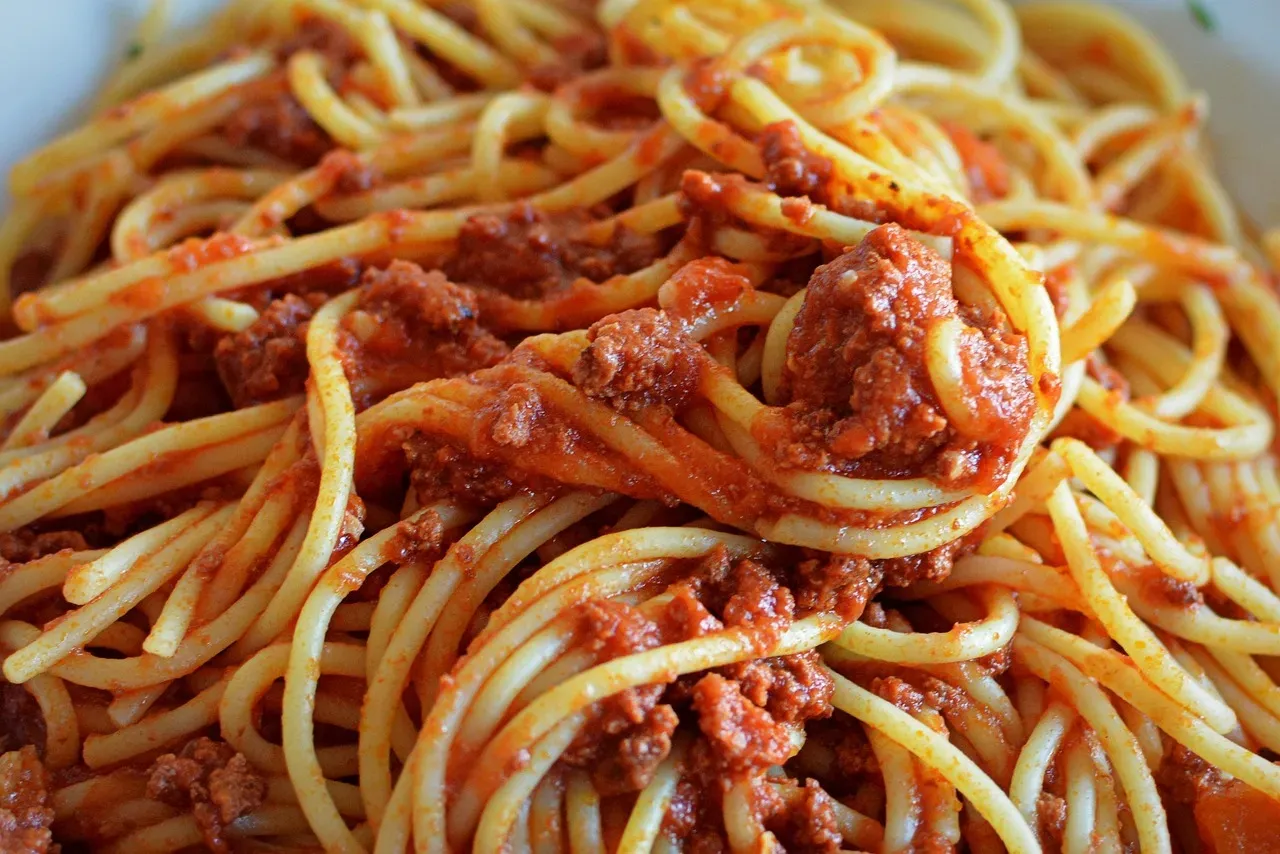
It's funny how something so simple became such a staple: a box of spaghetti, a jar of Ragu or Prego, maybe a sprinkle of Parmesan from a green can. You boiled pasta, heated up sauce, and suddenly dinner was served. A giant pot of spaghetti, usually drowning in jarred Ragu or Prego, could feed a whole family for under five bucks.
Garlic bread made from leftover hot dog buns or cheap French loaves completed the meal. Research shows our brains associate comfort foods with nostalgia and feelings of belonging – in one study, people describe comfort foods like pasta or familiar dishes as linked to memories of family and home, which elevates those meals above merely satisfying hunger, and in many ways, this meal taught families how to turn something simple into an "event." The ritual of twirling noodles and passing garlic bread created connection, even when the ingredients came from cans and jars.
Chicken and Rice Casserole
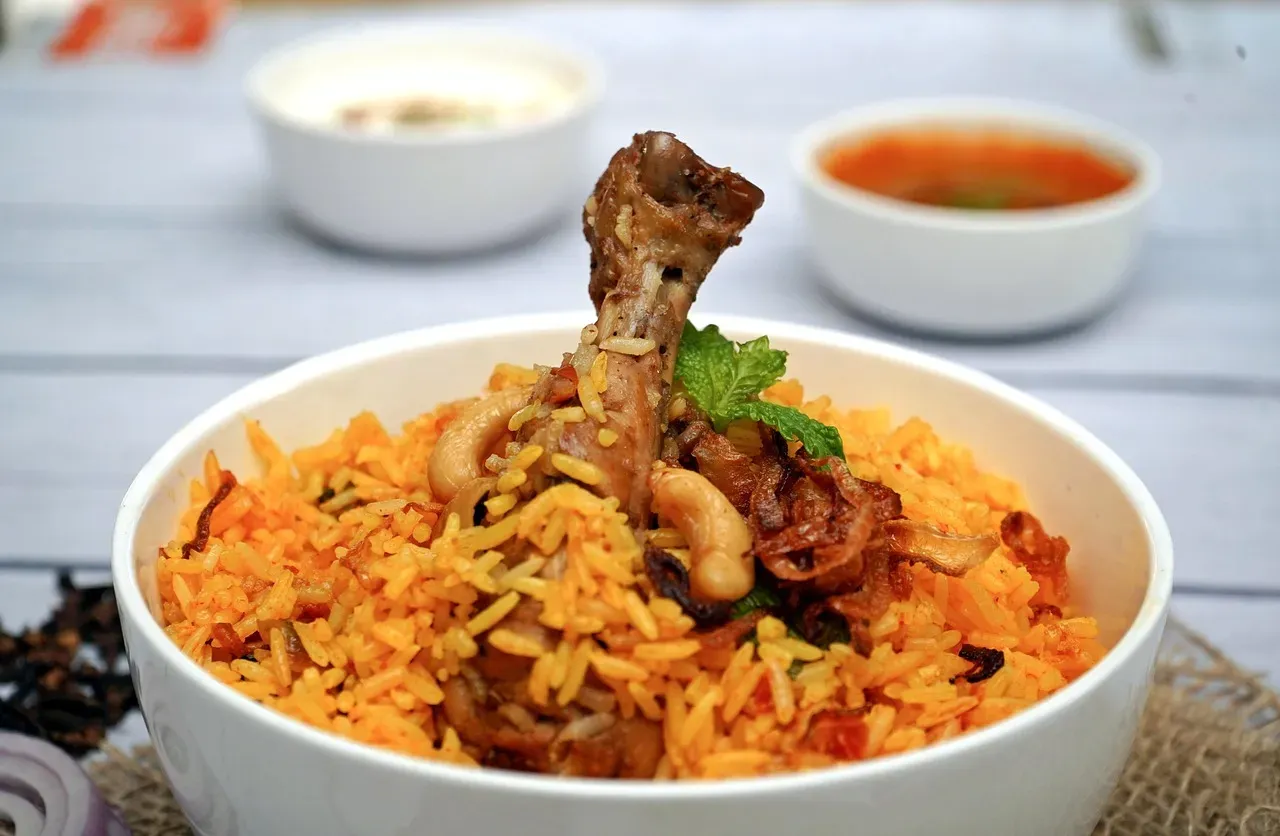
Chicken and rice casserole was the definition of set it and forget it – you mixed rice, condensed soup, broth, and chicken pieces or shredded leftovers, then slid it into the oven. The dish baked for an hour or more, filling the house with comforting smells while parents helped with homework or folded laundry.
The edges bubbled and browned, creating those coveted crispy bits everyone fought over. Frozen peas or carrots stirred into the mix added color and a vegetable serving. On tight weeks, this stretched the budget and kept everyone satisfied. Leftovers reheated beautifully for lunch the next day. This wasn't fancy cooking with fresh herbs and homemade stock. It was practical, affordable comfort that asked very little yet delivered so much.
Salisbury Steak TV Dinner
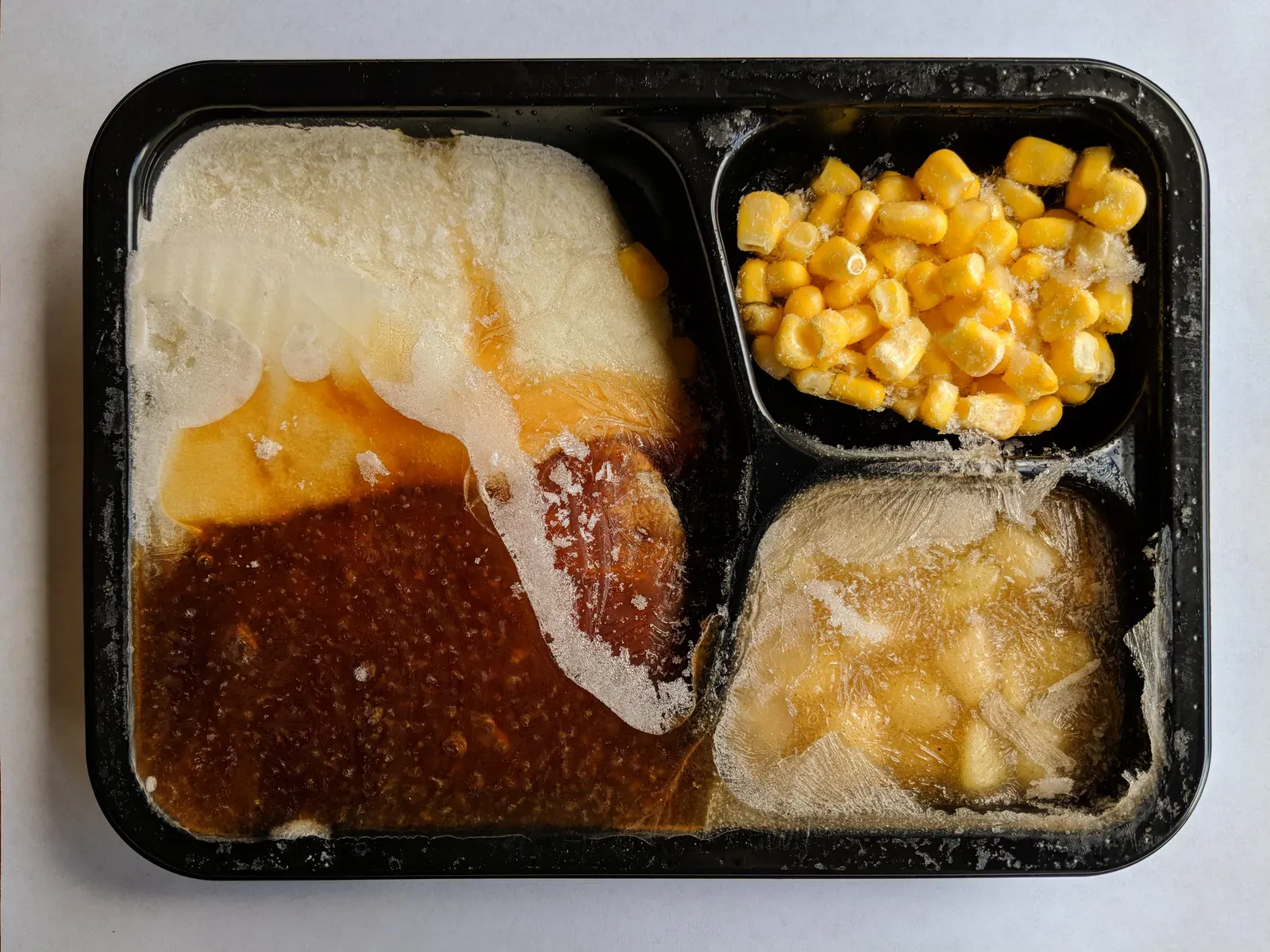
Microwaves were the height of convenience at the time, so frozen meals were popular, and one of the most common was Salisbury steak, a seasoned beef patty that's a burger and meatloaf mashup, always drenched in gravy and usually came with mashed potatoes too. Those compartmentalized trays held mystery meat smothered in brown gravy alongside watery vegetables and gluey potatoes.
Yet somehow, peeling back that cardboard cover and breathing in the steam felt like a special treat. Kids could microwave their own dinner, a small taste of independence. Meals like TV dinners became staples, providing everything from Salisbury steak to chicken and vegetables in one neat, pre-packaged tray. The flavors might not have been spectacular, yet they represented modern convenience and the promise of easier living. Even now, the memory of that steaming tray triggers nostalgia for simpler times.
Breakfast for Dinner
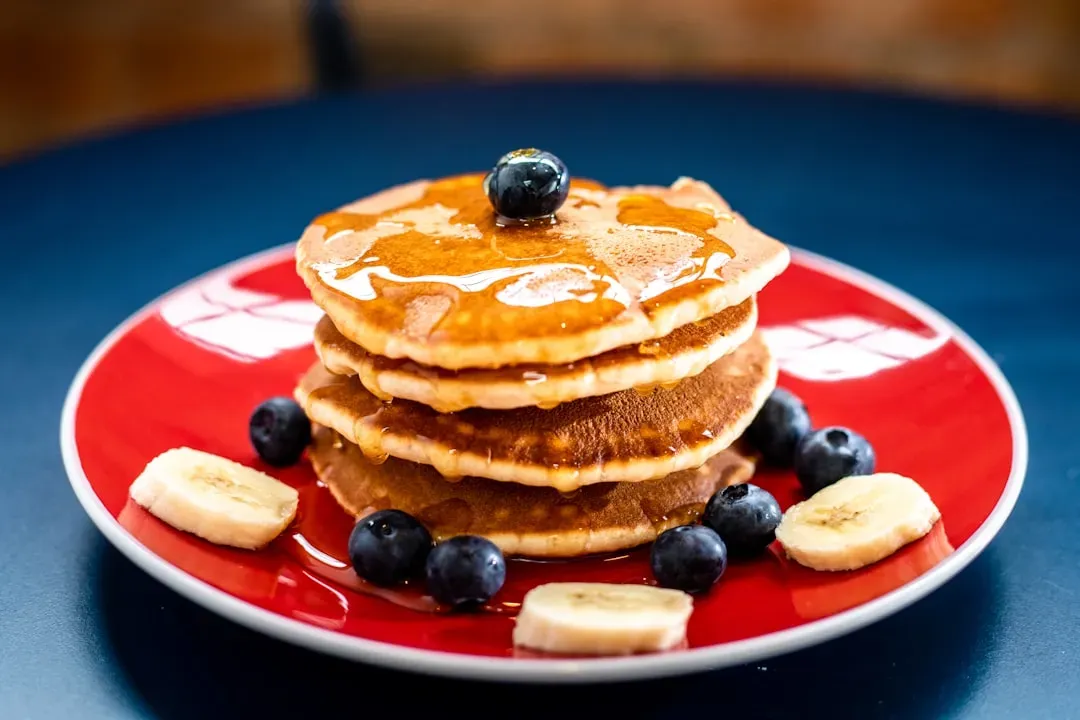
Nothing felt more rebellious as a kid than hearing, "We're having breakfast for dinner!" – this usually meant Mom was tired, Dad was working late, and the fridge was looking a little bare, but no one complained: pancakes or scrambled eggs felt like a treat. Suddenly the rules were broken and cereal was acceptable at 6 pm.
Pancakes, scrambled eggs, bacon, and toast appeared on dinner plates, transforming an ordinary weeknight into something fun. The ingredients were cheap, the cooking was fast, and kids loved the novelty. Parents appreciated the break from planning complicated meals. It was permission to take it easy while still feeding everyone something warm and filling. That small rebellion against routine created memories that lasted far longer than fancier dinners ever did.
Pork Chops with Shake 'N Bake
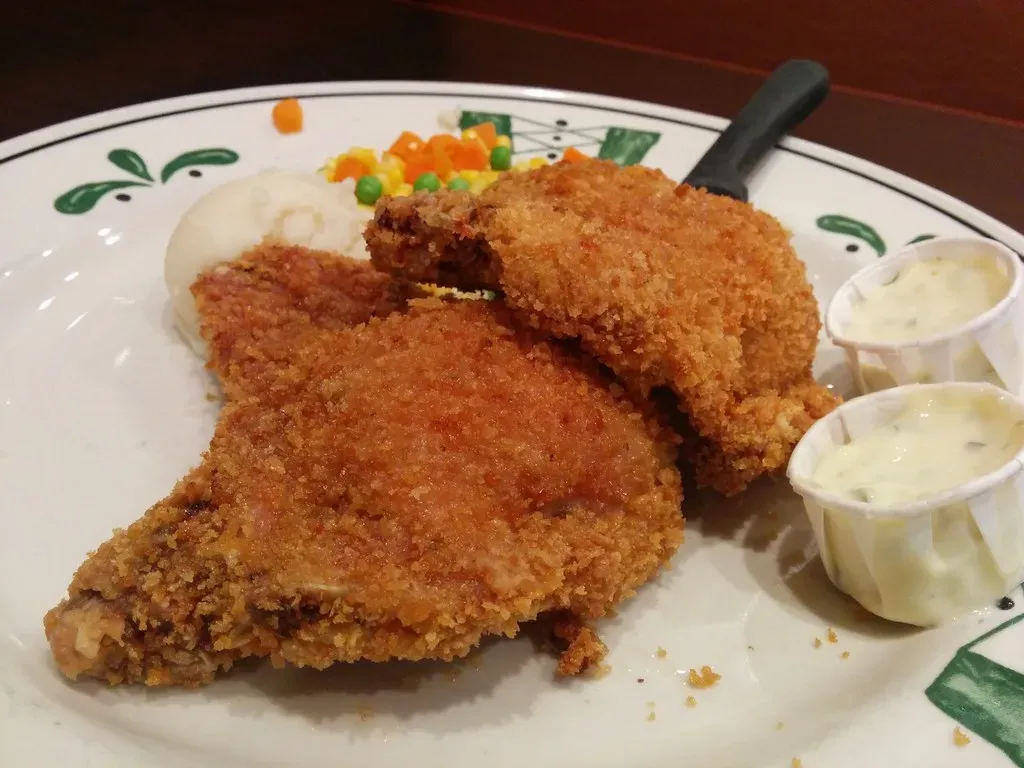
Yep, we're talking about Shake 'N Bake – making breaded pork chops on the stove is a mess with splattering oil, but Shake 'N Bake solved all that nonsense. You placed pork chops in a bag with seasoned breadcrumbs, shook it until coated, then baked everything in the oven. No frying, no mess, no complicated technique required.
Plus, it was marketed as a healthier alternative to frying, and everyone who was doing aerobics with Richard Simmons in the '80s was into that. The coating baked into a crispy crust that tasted like effort even though it came from a box. Served alongside instant mashed potatoes and canned green beans, this dinner represented the triumph of convenience without sacrificing the feeling of a home-cooked meal. Kids liked shaking the bag, parents liked avoiding grease splatters, and everyone liked how it tasted.
Looking back at these twelve budget meals reveals more than just recipes. They tell the story of American families navigating economic pressures, changing gender roles, and evolving food culture. Americans spend less of their income on food than they did decades ago, with food consumption overall accounting for only 17 percent of U.S. family income, down from 19 percent in 1970 and 22 percent in 1960.
These meals represented creativity under constraint, turning limited ingredients into something nourishing. They brought families together around tables, even when exhaustion and tight budgets made cooking feel impossible. Sure, we know more now about nutrition and fresh ingredients. Still, there's something undeniably comforting about remembering those simple dinners that somehow tasted exactly right. What was your favorite budget meal from the '80s? Did any of these bring back memories?




Leave a Reply