
Dining out is one of those rare pleasures that should feel effortless. You sit down, someone brings you food, and the whole experience is meant to be enjoyable. Yet somehow, it goes wrong more often than it should - sometimes because of the kitchen, but honestly, sometimes because of us.
Whether it is a rushed order, a bad table choice, or completely ignoring the wine list, the mistakes diners make can be surprisingly easy to overlook. The good news is that most of them are also surprisingly easy to fix. Here is what to watch out for.
1. Arriving at Peak Hours Without a Plan
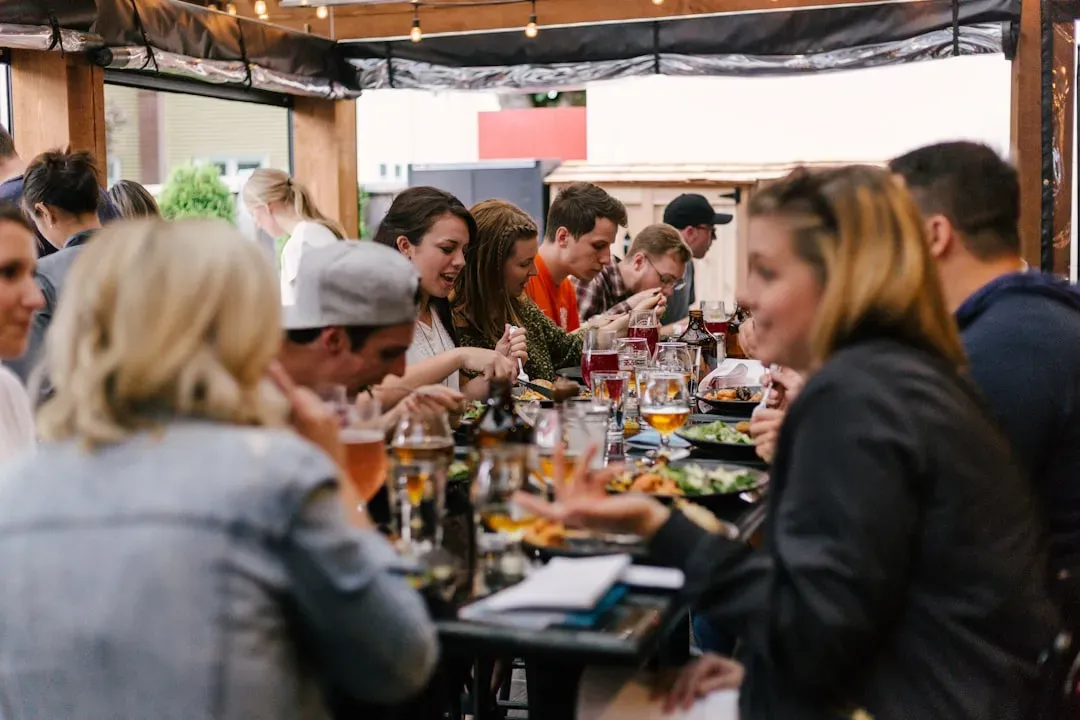
There is a reason seasoned diners avoid Saturday night at 7 p.m. without a reservation. Restaurants at full capacity almost always deliver a slower, more chaotic experience - for diners and staff alike. A long wait time might push diners to competitors, while a stressed kitchen frequently means rushed, inconsistent dishes.
According to a 2024 US Foods survey, diners are willing to wait up to 26 minutes without a reservation, up from just 20 minutes in 2023. That tolerance is growing, sure, but no one actually enjoys standing at a hostess stand watching their appetite evaporate. Arrive earlier, book ahead, or choose a weekday - the difference in service quality alone is worth it.
2. Ignoring the Menu Before You Arrive
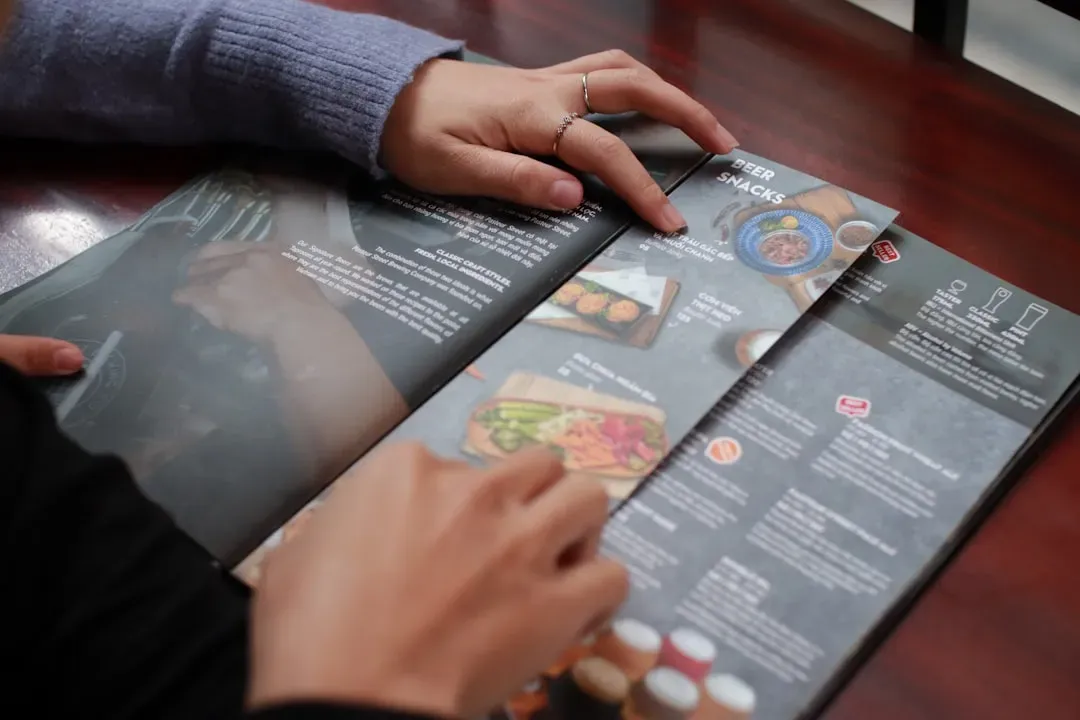
This one sounds minor until you have been sitting at a table with five friends while one person carefully reads every single dish description out loud. Most restaurant menus are available online, and spending two minutes reviewing them before you go is one of the simplest ways to walk in prepared. A recent Dining Trends data analysis shows that roughly four in ten customers research a restaurant's social media before choosing it, yet far fewer take the time to actually look at what is on the menu before sitting down.
Knowing the menu means you can ask smarter questions, make better pairings, and avoid awkward last-minute panic ordering. Think of it like checking the weather before a hike. You would not skip that step, so do not skip this one either.
3. Rushing the Ordering Process
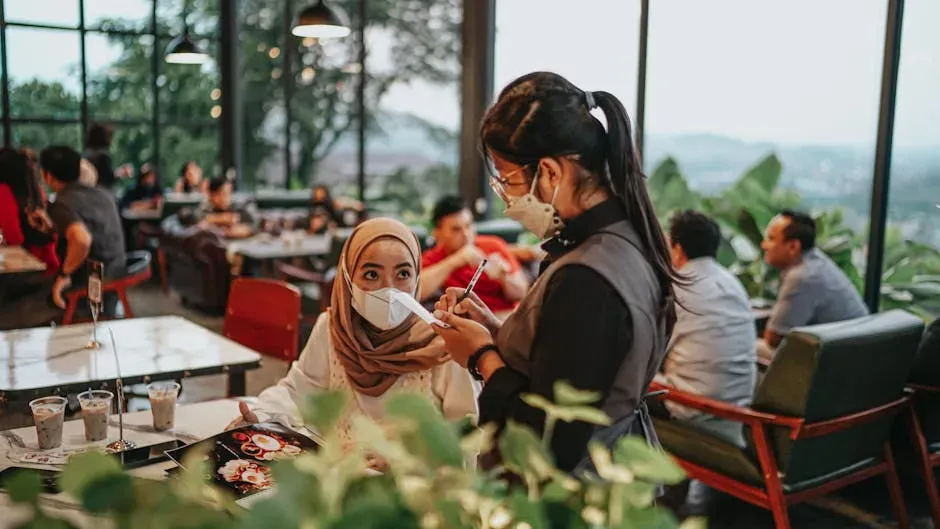
The pressure to order quickly, especially when a server hovers nearby, leads to some genuinely regrettable choices. Ordering too fast means you might miss the specials, overlook dietary preferences, or simply pick something that sounds fine but turns out to be nothing like what you actually wanted. Gulping down decisions, much like gulping down food, is not only unhealthy for the experience but can cross the line into rudeness when dining with others who are still deciding.
Good restaurants expect you to take a reasonable amount of time. That is what the menu is for. A brief, polite signal to your server that you need a moment is far better than blurting out an order you will regret when the dish arrives.
4. Overlooking the Power of a Bad Table
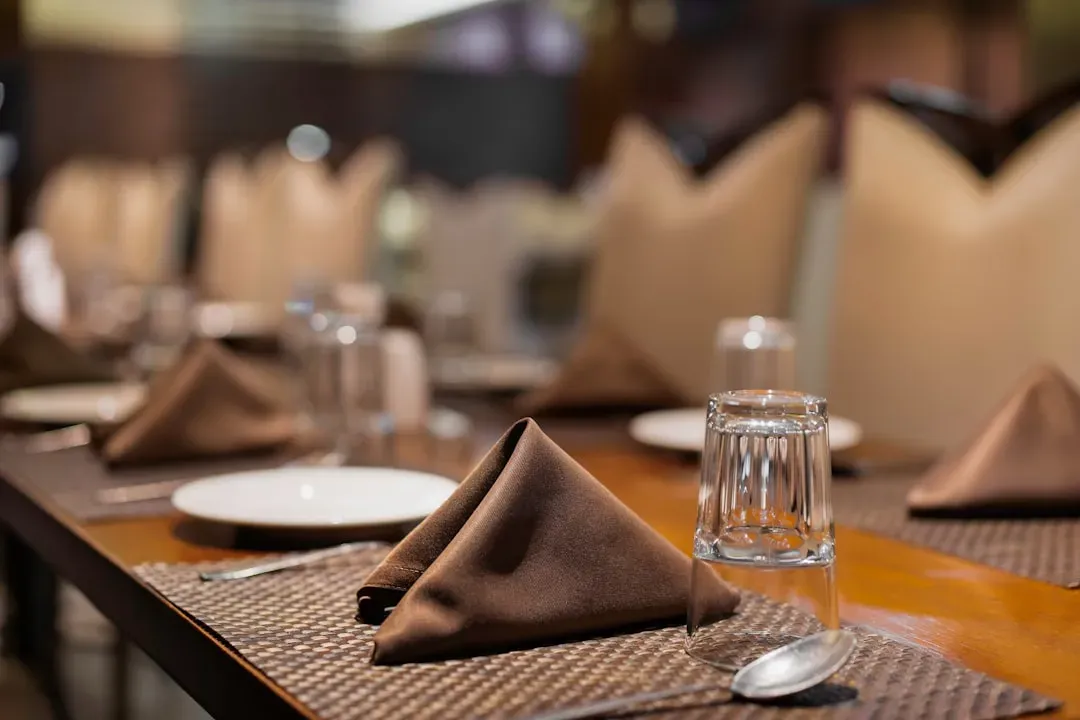
This is an underrated mistake that ruins more meals than people realize. Sitting directly next to the kitchen door, beneath a loud speaker, or in a drafty corner by the entrance can sap the enjoyment out of even the best food. According to a US Foods 2024 survey, atmosphere is the single biggest driver of why Americans prefer dining out, cited by about two thirds of respondents. If the atmosphere feels wrong from the moment you sit down, the food has an uphill battle.
The fix is simple and polite: just ask. Most restaurants will accommodate a table preference without a second thought. It is not demanding - it is smart. You are paying for the full experience, not just the calories on the plate.
5. Getting the Wine Pairing Completely Wrong
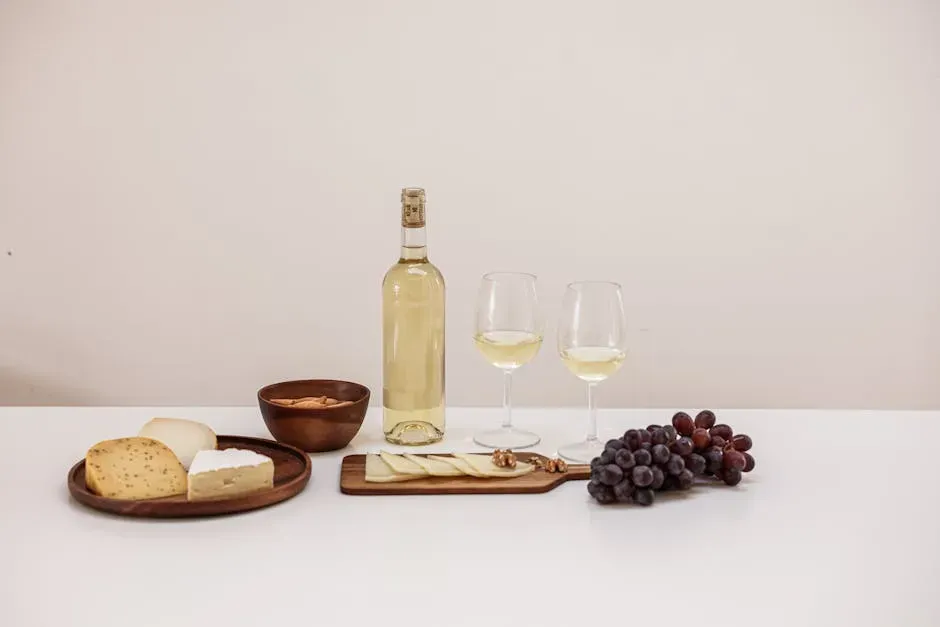
Few things derail a carefully constructed meal faster than a mismatched wine. A wine that is too strong in flavor or too heavy can completely mask the nuances of a delicate dish, while a light wine might taste like water next to a rich, spicy stew. Honestly, this is one of those mistakes that feels invisible until suddenly nothing on the table tastes quite right and you are not sure why.
For example, pouring a high-alcohol big red with a flaky white fish will likely overwhelm the dish, leaving you tasting only the wine. The solution is not complicated. If you are not confident choosing a wine, do not bluff - just ask. Most sommeliers love offering suggestions and making wine accessible.
6. Eating Too Fast and Ruining the Rhythm
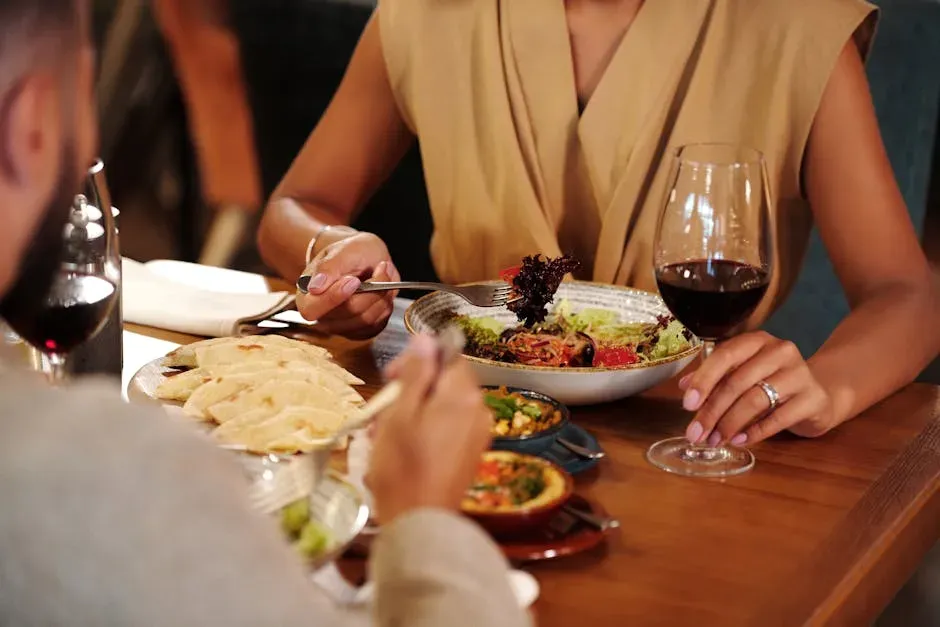
There is something almost sad about watching someone finish their entrée before their tablemate has eaten half of theirs. Dining partners should ideally share the same number of courses and finish each one at roughly the same pace - nobody wants to be hovering over their soup while others are already eyeing dessert. The pace of a meal matters enormously for how satisfying it feels when it ends.
Beyond the social awkwardness, eating too quickly genuinely affects how you taste food. Your palate needs time to register flavors, especially across multiple courses. Slow down. Let the kitchen's effort land properly on your tongue before moving on.
7. Not Speaking Up When Something Is Wrong
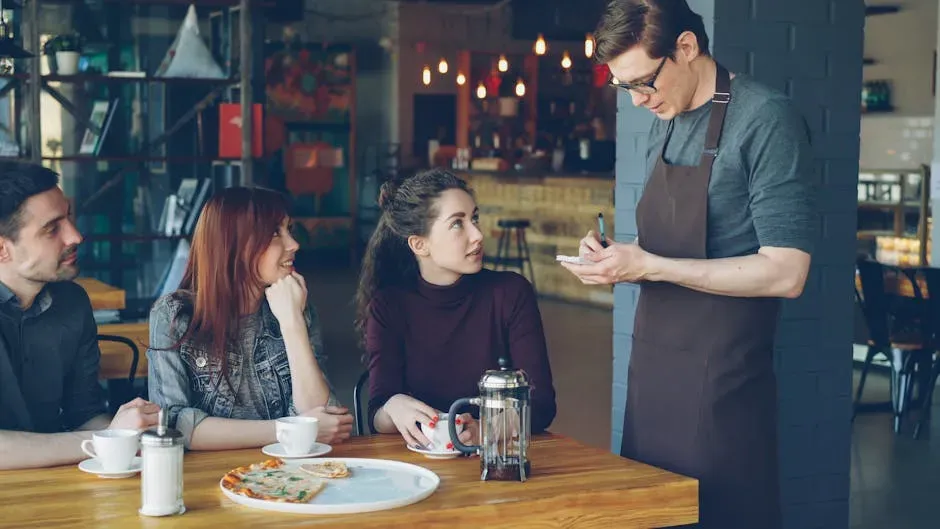
Here is the thing - staying silent about a problem at the table is one of the most self-defeating things a diner can do. You end up quietly disappointed, the restaurant learns nothing, and a situation that could have been easily fixed just sits there and festers. Common problems like slow service, wrong orders, or forgotten items are all frustrating, and they are also the exact things staff are trained to handle.
Unreliable service standards can turn a good meal into a poor experience, and a single unresolved bad experience can lead to negative reviews that deter future guests. Saying something politely and promptly is always better than sitting in silence and then leaving a one-star review at midnight. Give the restaurant a chance to make it right first.
8. Misreading the Menu Format
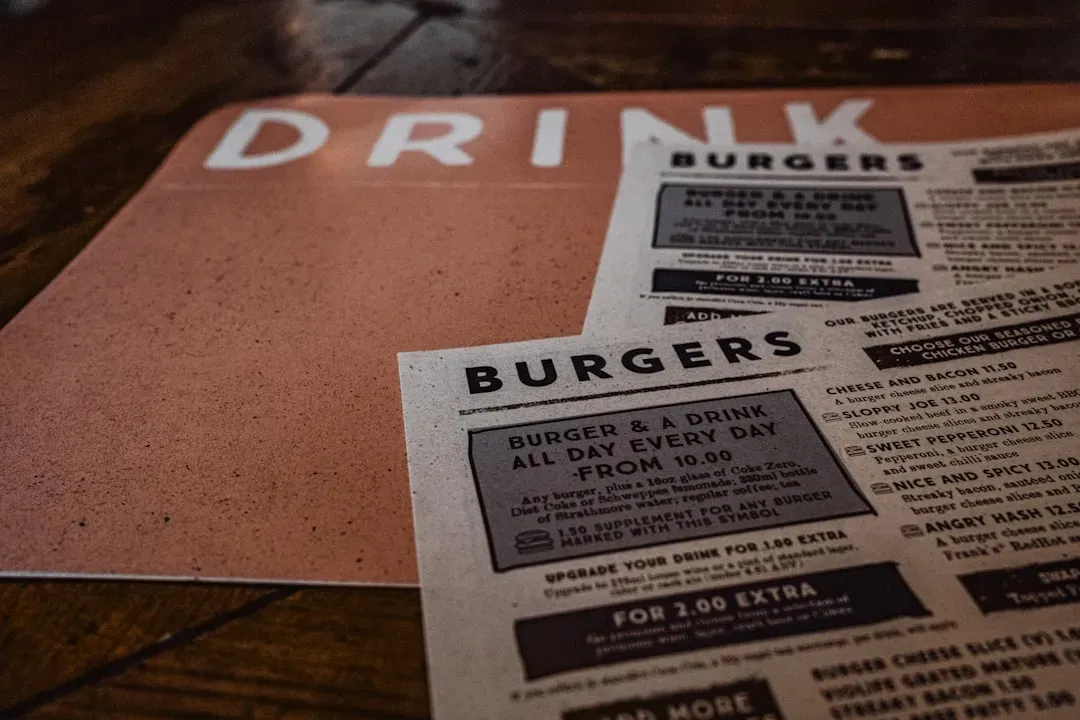
Prix fixe, à la carte, tasting menus - these are not interchangeable, and treating them as though they are will cost you. In fine dining, the menu may be prix fixe, meaning a fixed price for multiple courses, or à la carte, where each item is ordered and priced individually. Misunderstanding this difference leads to budget shock at the end of the meal, or worse, awkward conversations with your server halfway through the experience.
Seasonal and curated menus add another layer. At many restaurants, menus are seasonal and curated to pair with specific offerings, meaning dishes may change regularly based on local ingredients. Reading the structure of a menu before ordering is not pedantic - it is just basic preparation that saves confusion and keeps the evening moving smoothly.
9. Treating the Online Review as a Guaranteed Experience
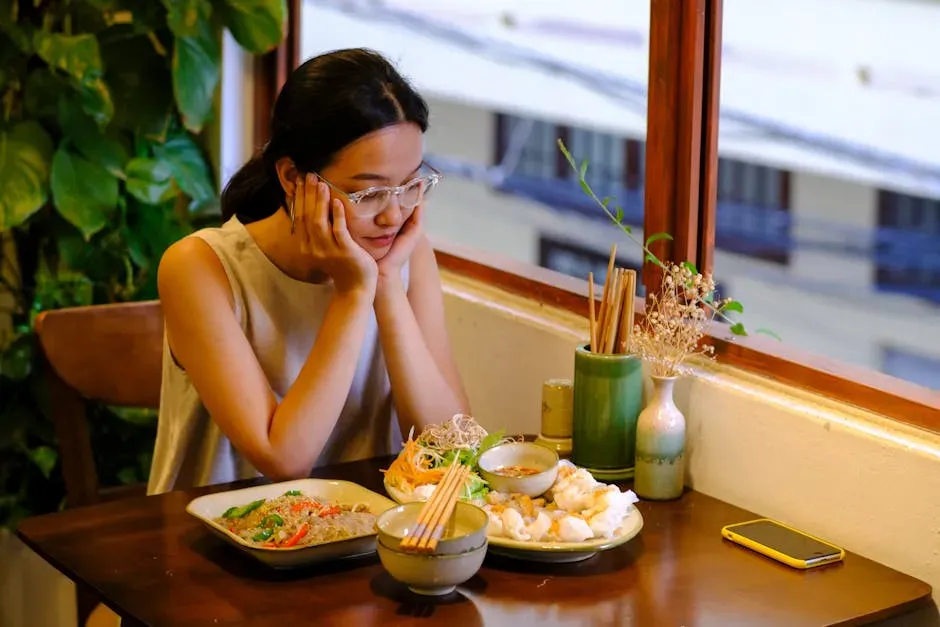
Reading glowing reviews and then arriving with sky-high expectations is a recipe for disappointment. Customers expect the same great taste and presentation every time they visit, but inconsistencies in portion sizes, flavors, or plating can frustrate diners and lead them to choose other restaurants. That five-star review was written on a different night, by a different server, possibly in a different season.
Food quality issues in restaurants often stem from supply chain disruptions, high staff turnover, and a lack of standardized recipes. This does not mean reviews are useless - they are extremely helpful for choosing a place. It just means going in with reasonable expectations and judging the experience in front of you, not against a highlight reel.
10. Underestimating the Tipping Conversation
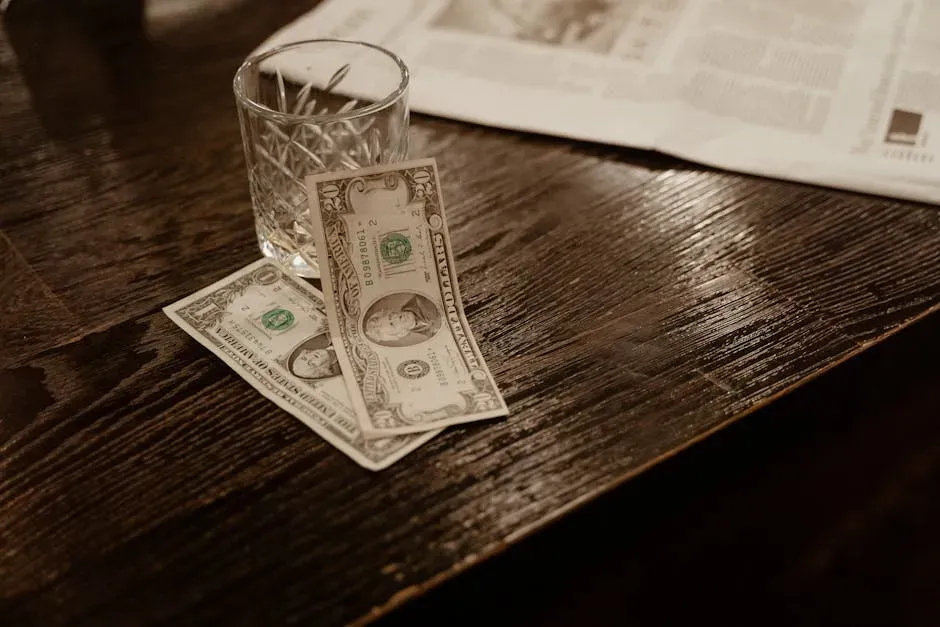
Tipping continues to be one of the most misunderstood rituals in the entire dining experience. For full-service dining, tipping remains essential, with the general guideline ranging from about twenty to twenty-five percent for excellent service, down to fifteen percent for satisfactory service. Yet a surprising number of diners still default to the outdated fifteen percent standard regardless of service quality.
Tips account for more than half of a typical server's total hourly earnings, which means undertipping is not just a social faux pas - it has a direct financial impact on the people serving your food. Recent surveys show a decline in the percentage of people who always tip, dropping from about three quarters in 2019 to roughly two thirds in 2023. Understanding what tipping actually means for restaurant workers is a good reason to err on the generous side.
11. Over-Ordering and Underdelivering Your Own Experience
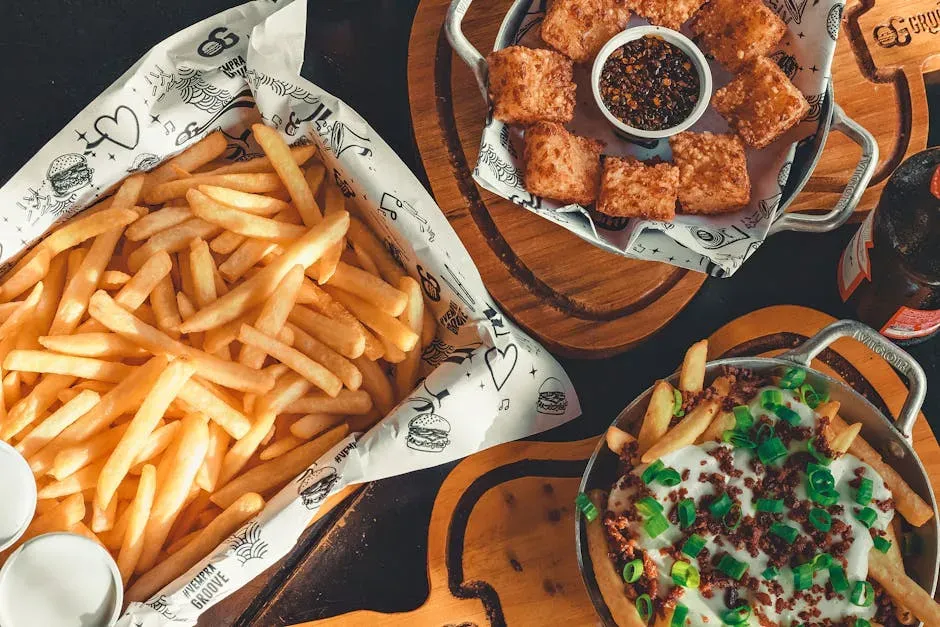
There is a real temptation when the entire menu looks amazing to order nearly everything on it. I get it - it is exciting, especially somewhere new. The problem is that over-ordering leads to rushed eating, guilt, wasted food, and a bloated feeling that makes the last third of the meal something to survive rather than enjoy. The average American now spends about $54 when dining out at a restaurant, up from $48 in 2023, and much of that increase disappears in uneaten dishes pushed to the side of the table.
A smarter strategy is ordering one course at a time if the restaurant allows it, or starting conservatively and adding a dish if the appetite is still there. Think of the meal like a story - it needs a beginning, middle, and end. Dumping every chapter on the table at once makes for a pretty messy read.
12. Dismissing the Importance of Online Feedback After the Meal

Most diners forget about their experience the moment they leave, which is actually a missed opportunity in both directions. Many customers check platforms like Google, Yelp, and TripAdvisor before deciding where to dine, and research shows that the vast majority of consumers choose to avoid a business entirely after reading a negative review. Your review, positive or negative, genuinely shapes where other people eat.
The leading reason customers do not return to a restaurant often boils down to poor service - whether it is slow responses, unfriendliness, or mistakes with orders - and leaving honest feedback helps restaurants understand where they genuinely fall short. A thoughtful, specific review is more useful than silence. It rewards excellence and creates accountability - and that, in the end, raises the quality of dining for everyone.
Final Thoughts
A bad meal is rarely the result of just one thing going wrong. It is usually a quiet pile-up of small missteps - a rushed order here, a wrong table there, a wine that overpowers everything, and silence when speaking up would have fixed it. The encouraging truth is that nearly every mistake on this list is preventable with just a little more intention.
Dining out is not just about consuming food. Consumers go to restaurants for the food, the experience, and quality time with their friends and family. When you treat the meal as the full experience it is meant to be, the chances of it being a genuinely great one go up considerably.
Which of these mistakes have you unknowingly made? Tell us in the comments - chances are you are not the only one.




Leave a Reply