
Fruit is nature's candy - and for most people, that's a wonderful thing. Loaded with vitamins, fiber, and antioxidants, fruits are an essential part of a balanced diet. But here's what catches a lot of people off guard: some fruits carry a surprisingly heavy sugar load that can quietly sabotage your efforts to cut back.
Fruits get their sweet taste from a natural form of sugar called fructose, and your body quickly converts this carbohydrate to glucose, which can cause blood sugar levels to rise. That doesn't mean fruit is the enemy. It just means some fruits deserve a much closer look before you pile them onto your plate. Let's dive in.
1. Mango
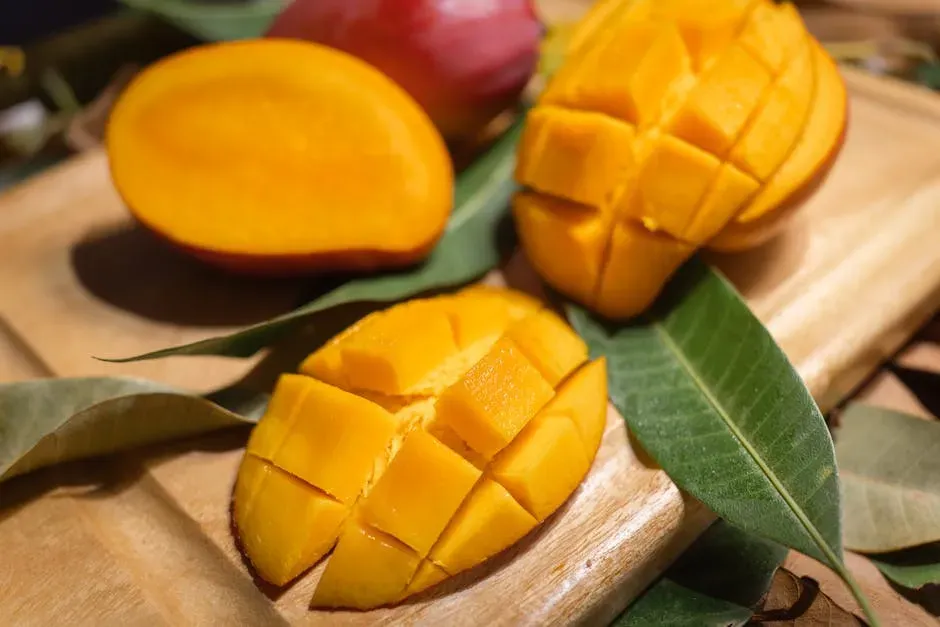
If there's one fruit that deserves a "handle with care" label, it's the mango. One whole mango contains approximately 46 grams of sugar. To put that in perspective, that's the sugar equivalent of about 50 pieces of candy corn.
Tropical fruits typically have higher sugar levels, with mangoes being a prime example. They're delicious, rich in vitamin C, and genuinely nutritious. Honestly though, eating a full mango in one sitting when you're watching your sugar is a bit like ordering a salad and then drowning it in caramel sauce.
Tropical fruits generally have higher sugar levels, and portion control is key if you're looking to minimize sugar intake while eating a mango. A few slices with some protein on the side is a far smarter move than going in unrestrained.
2. Banana
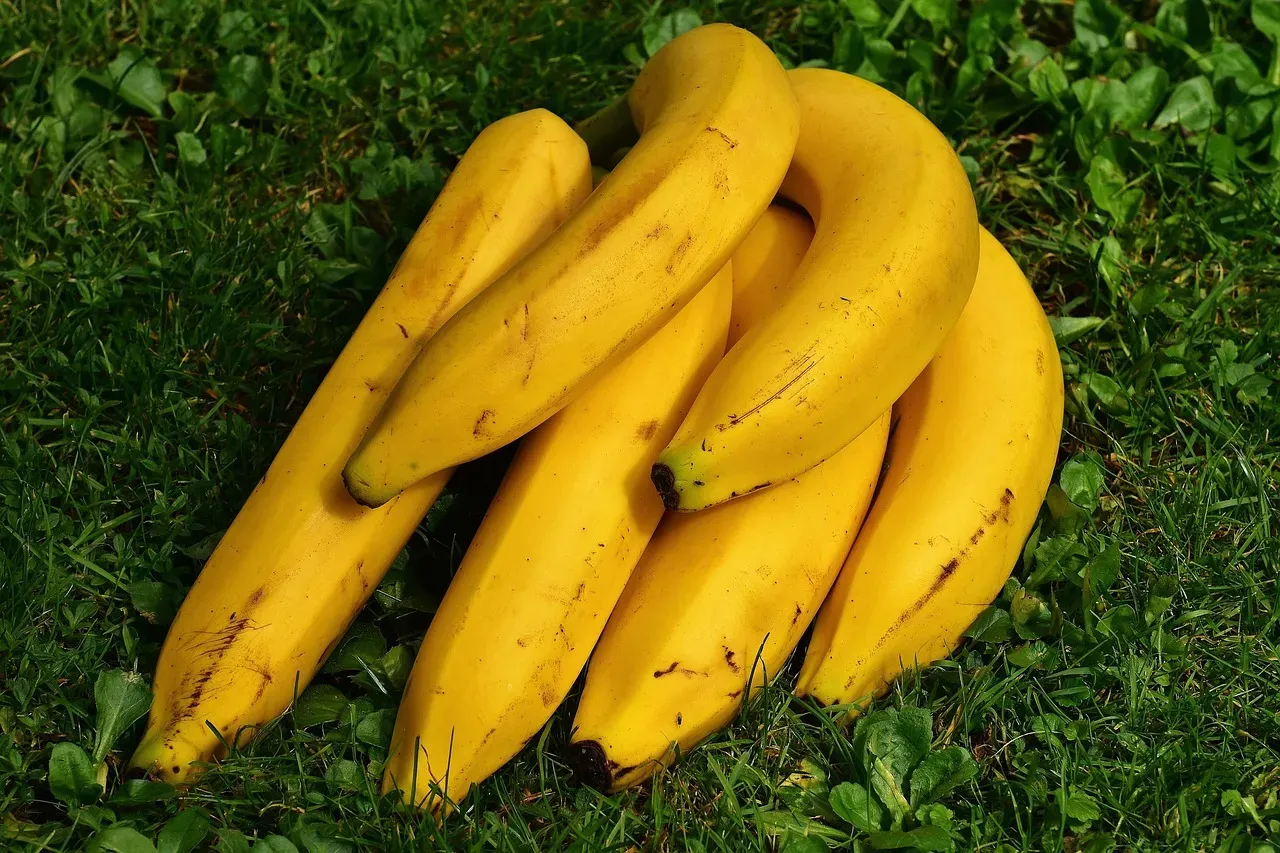
Bananas are probably the most underestimated sugar bomb in the fruit bowl. One banana contains around 15.4 grams of sugar, which is roughly the sugar equivalent of a glazed donut. Most people don't think twice before grabbing one as a "healthy snack."
Bananas may not seem like the sweetest of treats, but there's a decent amount of sugar beneath that peel, and the sugar content increases as bananas ripen and transition from green to yellow. A just-turning-yellow banana is meaningfully different from a spotted, very ripe one in terms of sugar impact.
The greener the banana, the more resistant starch it contains, which slows digestion. That's a useful hack. Still, if you're genuinely committed to cutting back, bananas should be a conscious choice, not a mindless default.
3. Grapes

Grapes are one of those foods that are dangerously easy to overeat. You sit down with a bunch and before you know it, half a kilo is gone. A cup of grapes contains about 23 grams of sugar, which adds up fast when they're so easy to pop into your mouth.
Despite a moderate glycemic index of around 53, grapes are among the most glycemic fruits in continuous glucose monitor data - they are high in glucose and fructose and very easy to overconsume, and just one cup can cause a fast, sharp blood sugar spike.
They do offer some impressive polyphenols like resveratrol, and that's genuinely worth acknowledging. Although human studies have shown that grapes are safe for people with diabetes to eat, it's essential to consume them in moderation and watch your portion sizes. The problem is almost nobody actually does that with grapes.
4. Pineapple

Pineapple's bright, tropical sweetness is not a coincidence. Pineapple is a tropical fruit known for its sweet and tangy flavor, and a single cup of pineapple chunks contains about 16 grams of sugar, which can quickly raise blood glucose levels.
The high glycemic index of pineapple means it is rapidly digested and absorbed, leading to quick spikes in blood sugar. Think of it like a slow-release sugar bomb for some, or a fast-acting one for others, depending on portion size and what else you've eaten.
Pineapple's sticky sweetness owes itself to high sugar levels, and those levels only increase if the fruit is juiced, dried, or served in a sugary syrup. Fresh pineapple in small amounts isn't off the table, but it should be measured, not mindlessly devoured.
5. Dried Fruits (Raisins, Dried Apricots, Prunes)

Here's the thing about dried fruits: they feel healthy, they're marketed as healthy, and yet nutritionally, they can be closer to candy than fruit. Dried fruit tastes sweeter than its fresh counterpart because it actually is sweeter - the drying process concentrates naturally occurring sugars. For example, 100 grams of fresh apple contains 10 grams of sugar, while 100 grams of dried apple contains 57 grams of sugar.
Dried fruits are made by removing the water content from fresh fruits, which results in a more concentrated source of natural sugars, and this process significantly reduces the volume while preserving all the sugar content. As a result, a small serving of dried fruit can contain as much sugar as a much larger serving of fresh fruit.
Dried fruits contain very high levels of sugar, and they more closely resemble commercial candy than fresh, whole fruit. For example, Zante currants have 70 grams of sugar per serving, while some candy bars contain only 50 grams. That comparison alone should make you rethink the "healthy snack" label.
6. Dates

Dates have become a wellness darling, used in everything from energy balls to "natural" desserts. They do carry real nutritional benefits - fiber, potassium, magnesium. But let's be real about the sugar content. 100 grams of Medjool dates contain 66.5 grams of natural sugar. That's extraordinary.
The sugar content of dates is around four times higher than that of fresh figs. Per 100-gram serving, dates contain 63.35 grams of sugar, whereas figs contain around 16.26 grams. They're essentially one of the sweetest whole foods you can find on a grocery shelf.
Dates are widely recognized for their high fiber and sugar content. The fiber does help slow things down slightly, but if you're actively working to reduce sugar, even two or three dates can represent a significant hit to your daily intake. Treating them as an occasional treat rather than a daily snack makes much more sense.
7. Cherries
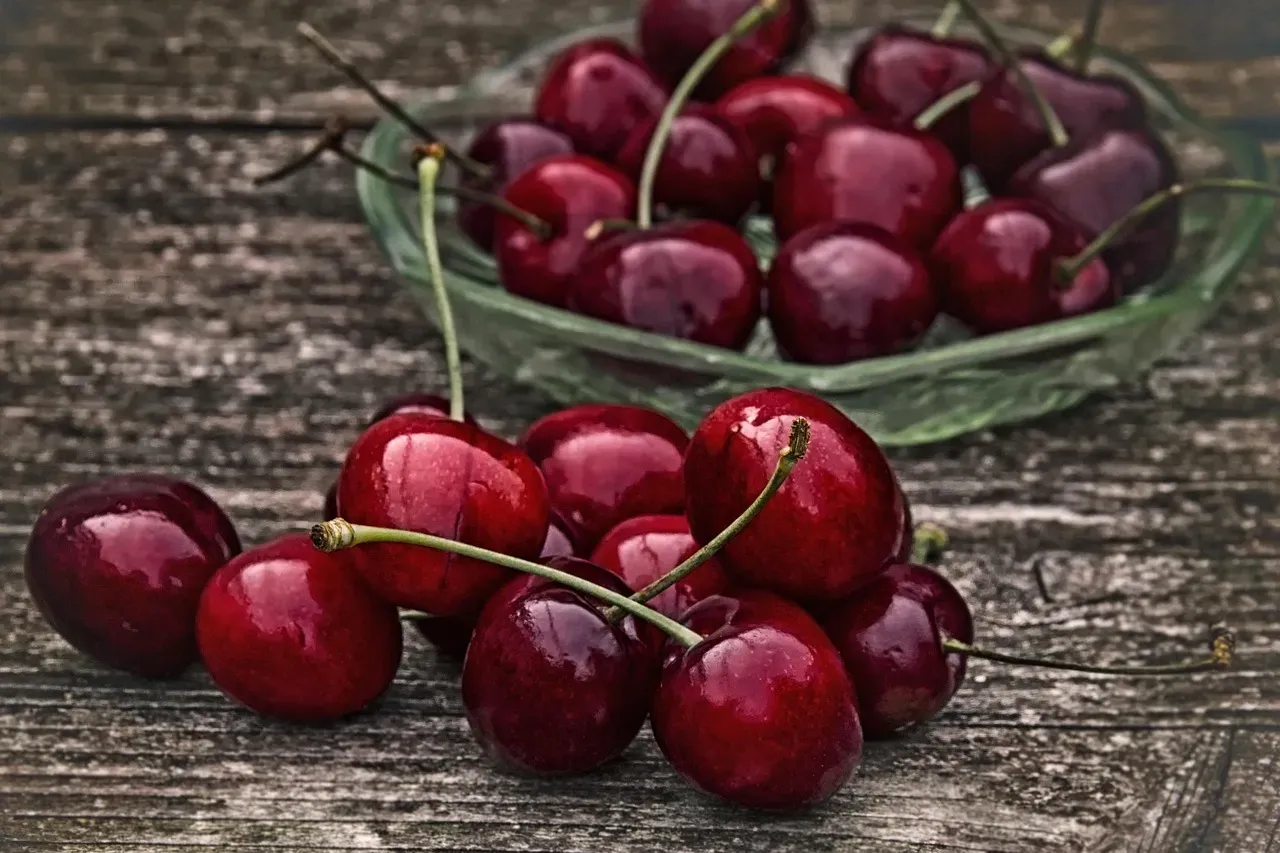
Cherries feel innocent. They're small, they're beautiful, and they come with real health benefits including anti-inflammatory compounds. The problem is their sugar content relative to their tiny size. Cherries are a delicious and nutrient-rich fruit, but a single cup can contain up to 18 grams of sugar.
Because cherries are small and often consumed in large quantities, it's easy to ingest a significant amount of sugar in just one sitting. Think about it: a cup of cherries disappears in minutes. It's one of those situations where the serving size and the reality of how people eat are worlds apart.
It's hard to say for sure whether cherries are worse than, say, a banana - they're comparable in total sugar per cup. What makes cherries trickier is that psychological thing where something small feels like it barely counts. It does count. A lot, actually.
8. Lychee

Lychee is one of those under-the-radar fruits that deserves more attention in sugar-awareness conversations. Per cup serving, raw lychees contain approximately 28.94 grams of sugar, which places them firmly among the highest-sugar fresh fruits available.
People watching their blood sugar should be cautious with fruits that have high natural sugars and a high glycemic index, and lychee is specifically listed among those fruits. Their small, jewel-like appearance makes them easy to eat in large quantities without realizing how much sugar is accumulating.
If you've never thought twice about lychee, now is a good time to start. They're genuinely delicious, particularly in Asian cuisine, but they pack a real sugar punch per piece. When you're cutting back, consider limiting yourself to just a small handful rather than a full bowl.
9. Figs

Fresh figs are a beautiful fruit with a rich, honeyed sweetness. They're also a meaningful source of fiber and calcium. But their sugar content is nothing to ignore. Per 100-gram serving, figs contain around 16.26 grams of sugar in fresh form. Dried figs push that number considerably higher.
Fresh figs have a glycemic index of approximately 35, which is considered low, while dried figs have a GI of 61, placing them in the medium range. That's a dramatic swing caused purely by the drying process. Two fresh figs and two dried figs are very different propositions metabolically.
The nuance here matters. Fresh figs in small amounts are significantly less concerning than dried figs, which behave more like a concentrated sweet. Dried versions of each fruit will always be sweeter than their fresh counterparts. Keep that distinction front of mind.
10. Watermelon
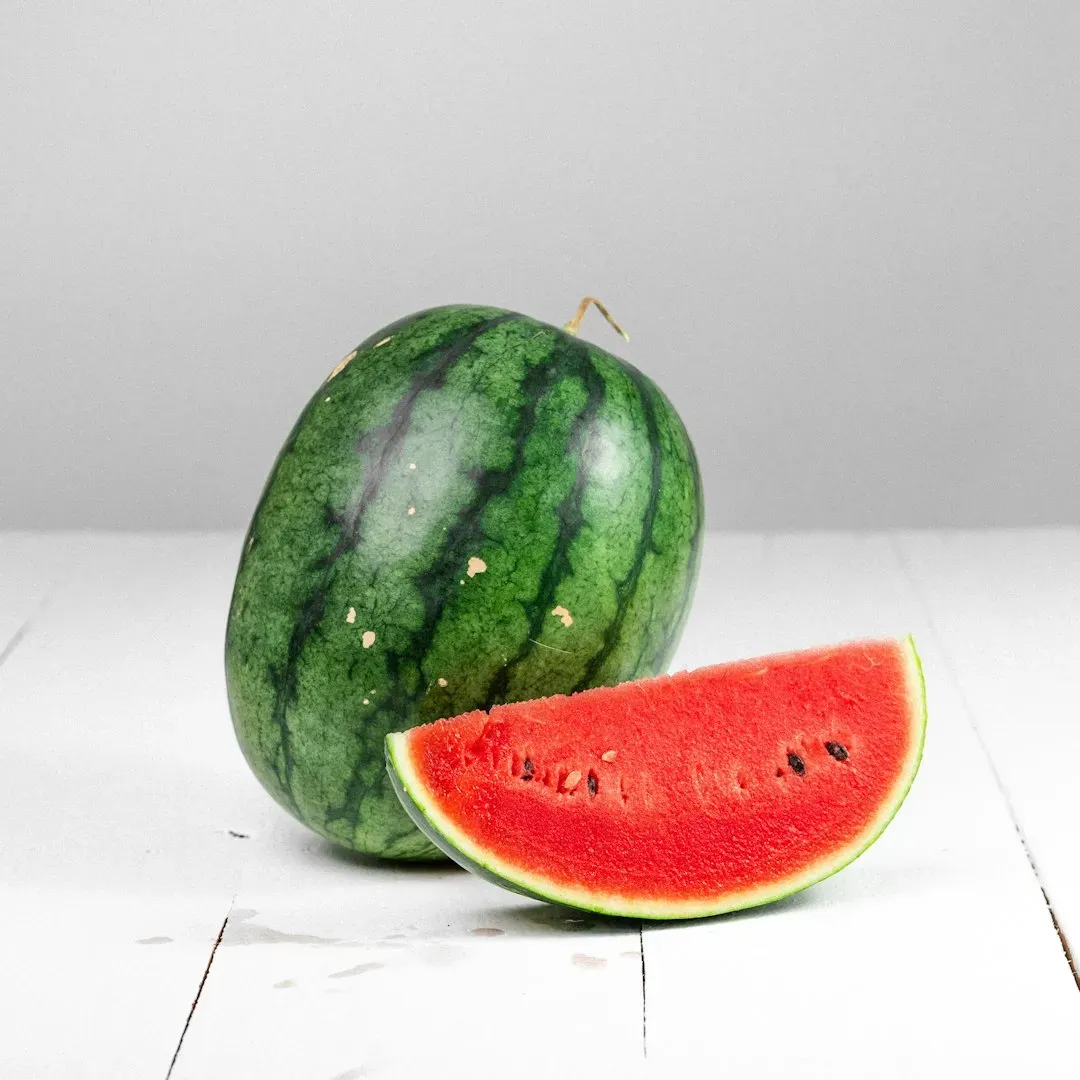
Watermelon is one of summer's greatest pleasures - cool, hydrating, refreshing. It also tends to get a pass in sugar conversations that it perhaps doesn't fully deserve, especially in large portions. A cup of diced watermelon contains 9.42 grams of sugar, roughly equivalent to a medium chocolate chip cookie.
Watermelon may be high in sugars, though it is low in carbohydrates overall, which means eating a slice on a hot summer day shouldn't send blood sugar levels skyrocketing. The key word there is "a slice." People rarely stop at one slice of watermelon at a summer cookout.
It's worth noting that watermelon has a relatively high glycemic index despite its lower carbohydrate load. The glycemic load ends up being more moderate when portions are reasonable. So it's not the worst option on this list by a long shot, but in large quantities it still deserves caution.
11. Jackfruit

Jackfruit has had a massive popularity surge in recent years, largely as a plant-based meat alternative. It's genuinely versatile and nutritious. But its sugar profile is something that goes underreported in the wellness media coverage. Jackfruit contains 19 grams of sugar per 100 grams. This sugar is a mix of sucrose and fructose, which elevates blood sugar quickly, and the fruit is also starchy and contains digestible carbohydrates, adding to its glycemic load.
People monitoring their blood sugar should be cautious with jackfruit, which is specifically identified as a fruit that can cause rapid blood sugar spikes due to its sugar content. This is particularly relevant given how fashionable jackfruit has become as a "health food."
The irony is real: jackfruit is being used as a whole-food substitute in health-conscious kitchens worldwide, yet its sugar and starch content can be problematic at scale. Use it in cooking for texture and flavor, but be aware of what you're actually consuming in terms of carbohydrates.
12. Fruit Juice (Including 100% Juice)
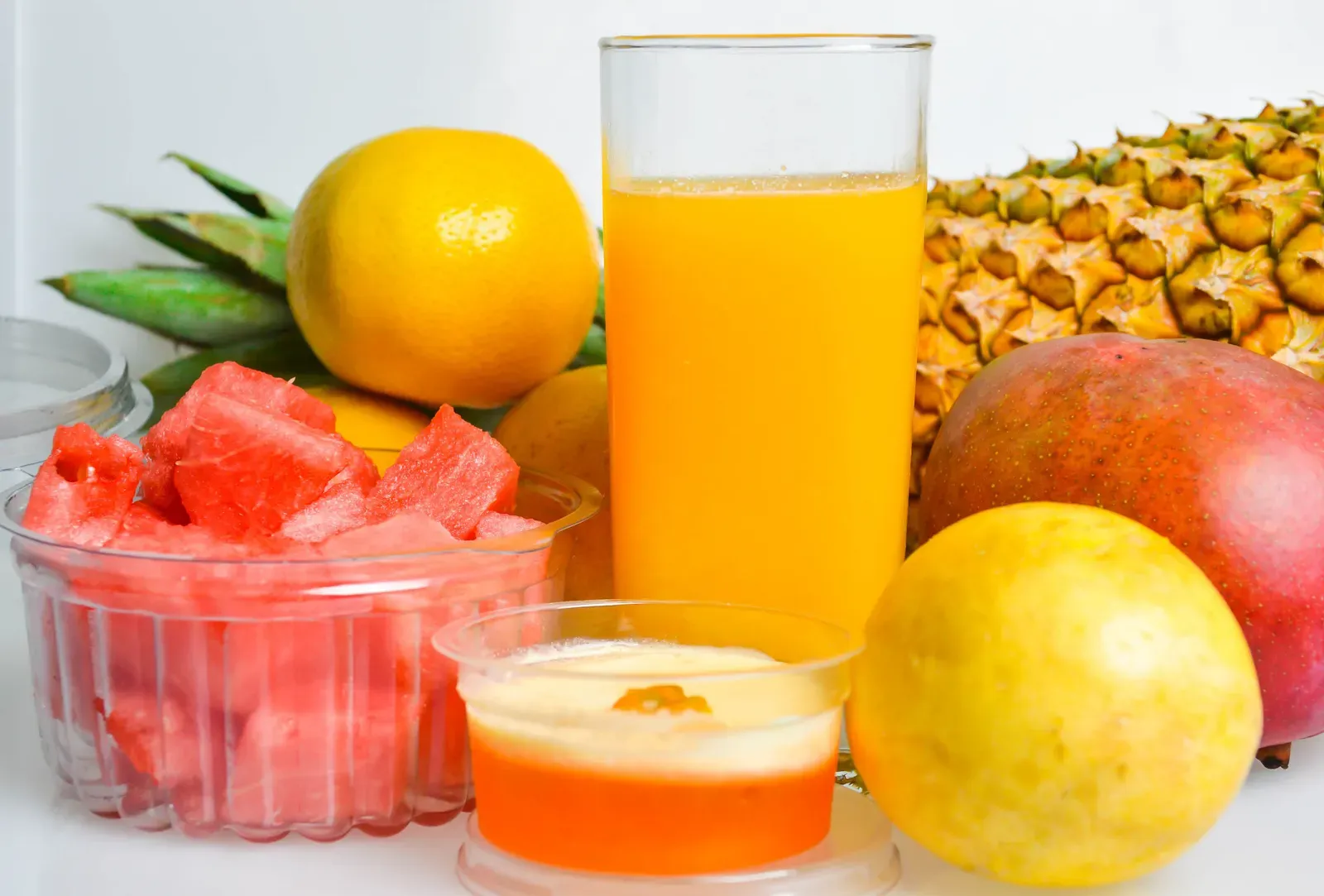
Technically not a whole fruit, but fruit juice deserves a final spot here because the way people consume it is uniquely problematic. Fruit juice has a lot of concentrated sugars without any fiber, so it can increase blood sugars quickly. This applies even to 100% pure juice with no added sugar.
The sugar is much more concentrated in juice form. In fact, 100% fruit juice is so loaded with sugar that it is often compared to soda. That comparison tends to shock people, but the numbers back it up. Remove the fiber, concentrate the liquid, and you're left with a sugar delivery mechanism that hits the bloodstream fast.
Although naturally occurring sugars in foods like fruit and dairy can be part of a healthy diet, too much added sugar can be harmful, especially for people with diabetes. The American Heart Association recommends that healthy adults aim for less than 36 grams of sugar per day for men and less than 25 grams per day for women. A single large glass of orange juice can put a significant dent in that budget before the day even properly begins.
The Bottom Line
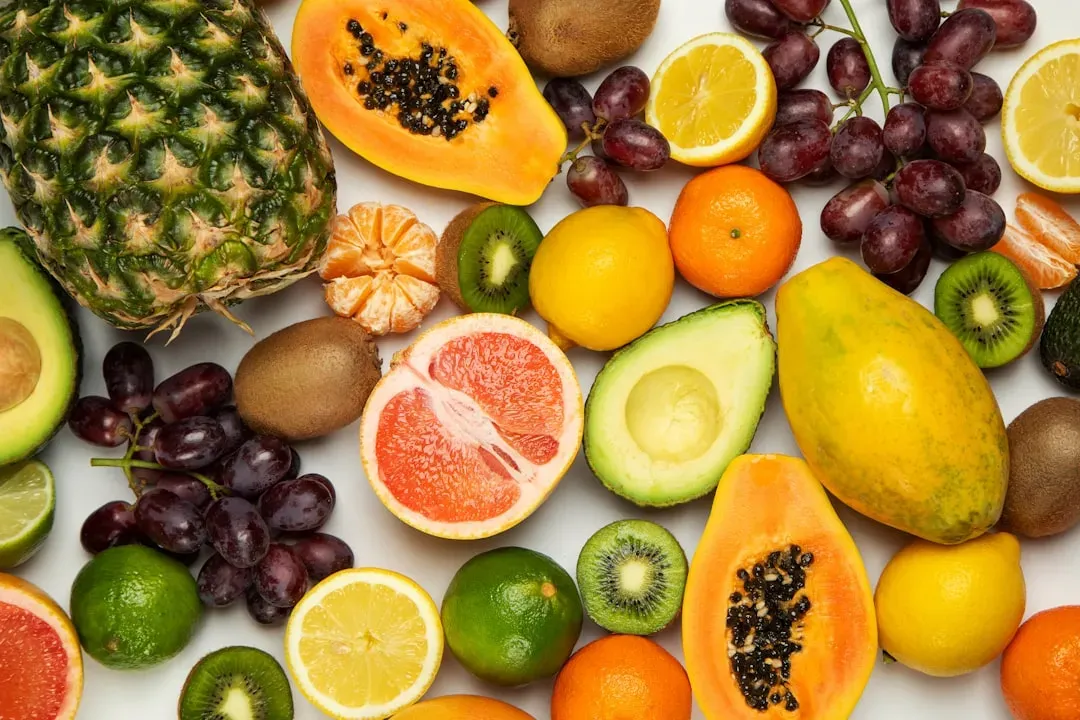
None of the fruits on this list are inherently bad. Fruit is genuinely good for you, packed with nutrients your body needs. It's important to be aware of sugar content in what you eat, particularly if you have a health condition that calls for monitoring blood sugar levels. Awareness, not fear, is the goal.
According to the American Heart Association, the average American adult consumes roughly 17 teaspoons of sugar daily, which is two to three times higher than the recommended amount, and the numbers are even higher among children and young adults, who consume about 16 teaspoons of added sugar daily. When you're trying to reduce overall sugar, knowing where it hides, including in your fruit bowl, is genuinely powerful knowledge.
The smartest approach? Pay attention to portions, choose whole fruit over juice, and reach for lower-sugar options like berries, green apples, and citrus when you can. What surprised you most on this list? Drop your thoughts in the comments below.




Leave a Reply