
You sit down at a restaurant, menu in hand, feeling excited. Everything looks tempting. The descriptions are poetic, the prices make you wince a little, and you're about to spend real money on a real meal. Here's the thing though - the people who actually cook that food? They'd never order half of what you're considering.
Chefs eat out too. They know exactly what happens in a kitchen under pressure, what shortcuts get taken on slow nights, and which dishes are almost always going to let you down. There are menu items that chefs tend to avoid because they know they're more likely to be substandard, or else won't give you bang for your buck. Some of those items might genuinely surprise you. Let's dive in.
1. The Soup of the Day
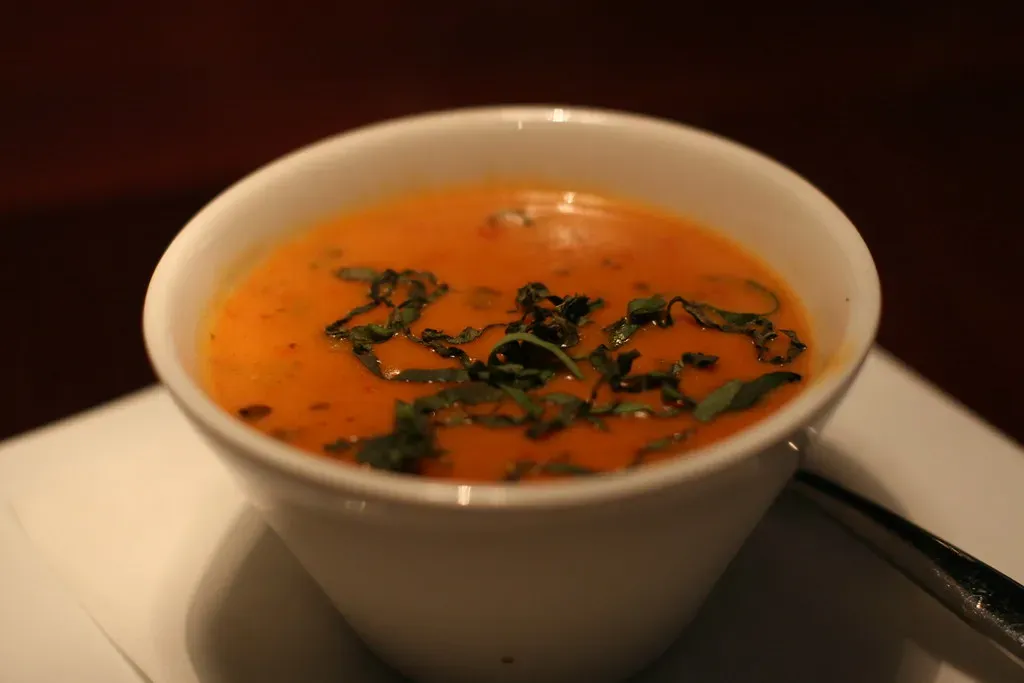
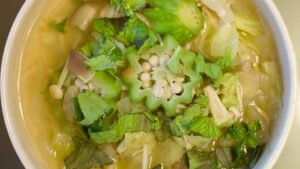
It sounds fresh, it sounds special - it's usually neither. Chef Jon Davis, head chef at City Grocery in Oxford, Mississippi, puts it bluntly: "The one thing I do not order at restaurants is the soup du jour. Was it really made today? How long has it been in the steam well? Did the prep cook cool it down properly? It's a crap shoot I'm not willing to take."
The soup of the day is one of the menu items you'll never see Gordon Ramsay ordering at a restaurant either, with the celebrity chef citing similar reasons. The famous chef is very clear about avoiding ordering the soup in a restaurant, namely because it can be a canny way for chefs to use up old ingredients. Plus, restaurants have a tendency to serve their soup of the day several days in a row - done to decrease food waste, but it can result in you ordering a fairly expensive dish that's neither special nor fresh.
2. The Daily Fish Special
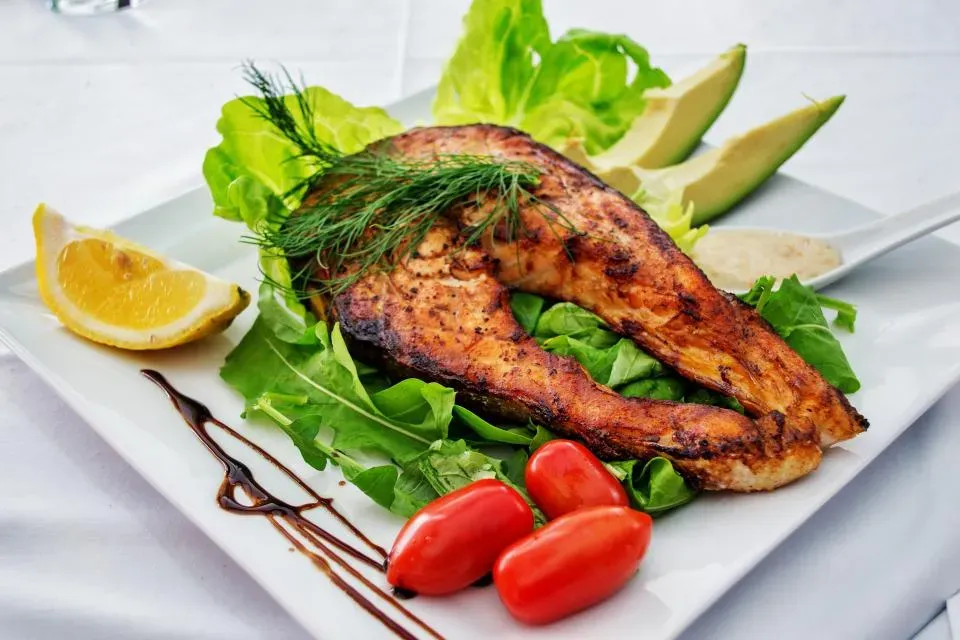
This is one of the most consistent warnings from chefs across the industry, and it has nothing to do with the cooking. It has everything to do with the calendar. NYC chef Solomon Ince, who runs Tableaux Eats, is direct about it: "Don't order these dishes: Generally, I stay away from fish specials. That's a common one. A special is something you're trying to get rid of. If you don't know that, it's the truth. Usually a chef has too much stock of something and tries to come up with a dish quickly that he can sell."
In his book Kitchen Confidential, Anthony Bourdain warned that if you order fish on a Monday, there is a chance that the restaurant placed only one seafood order for the weekend and the filet came in on a Friday. If the chef didn't sell as many filets as he anticipated over the weekend, it could mean you'd be getting the leftovers - and that means your fish of the day is in fact four days old. Science backs this up too: fresh fish and seafood are highly perishable, and microbiological spoilage is one of the important factors that limit their shelf life and safety.
3. The House Salad
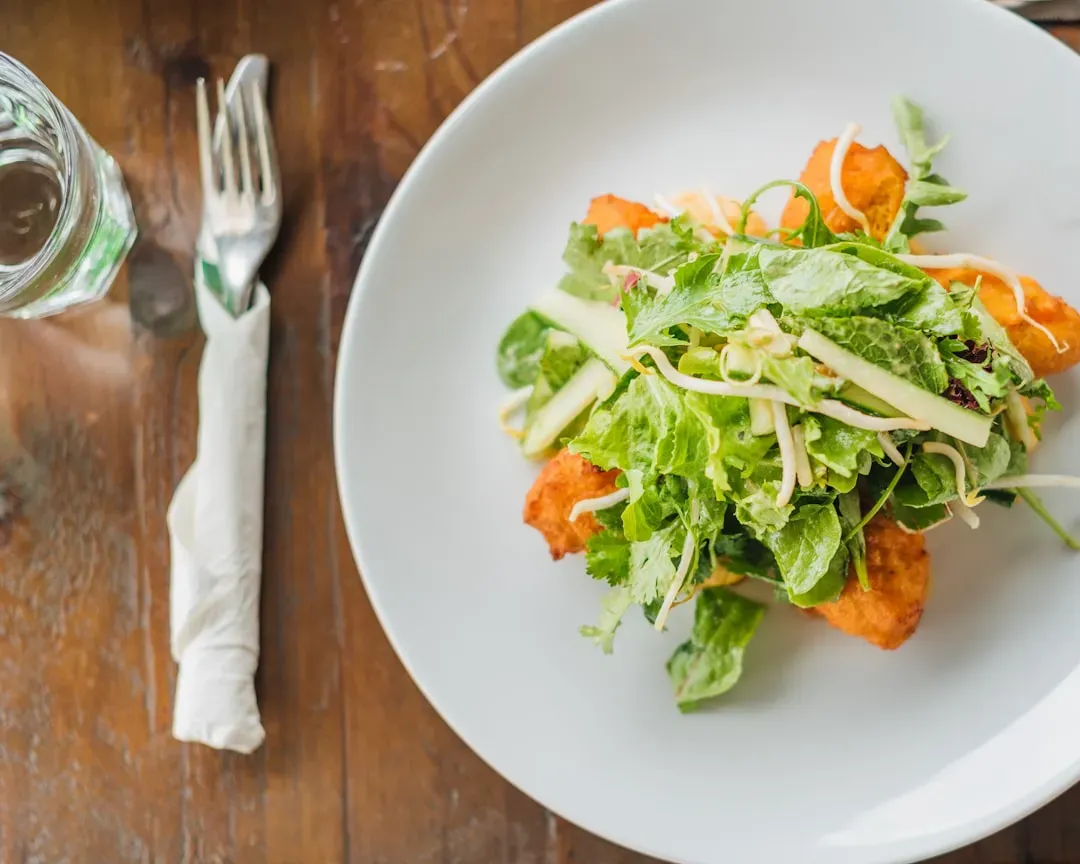
Honestly, the house salad might be the most overlooked offender on any menu. It looks harmless. It is, unfortunately, often exactly that. According to Chef Suhum Jang, co-owner and managing partner of Hortus NYC, this is an item he personally avoids ordering, and he just tends to steer clear of restaurant salads overall. He said: "I've seen restaurants repurpose leftover scraps from other dishes as salad ingredients, which is off-putting. Additionally, the base greens aren't always fresh, and heavy dressings are often used to mask this lack of quality."
Salads in restaurants are often made with precooked ingredients, specifically proteins like chicken and eggs - meaning you're eating a dish constructed with elements that could have been prepared days in advance, and may therefore lack any vigor or vibrancy. Pre-cut lettuce sits in storage for days, increasing the risk of bacteria and foodborne illness, and dressings are often loaded with sugar, cheap oils, and preservatives. Think about that next time you reach for the "light" starter.
4. Anything Labeled "Truffle"
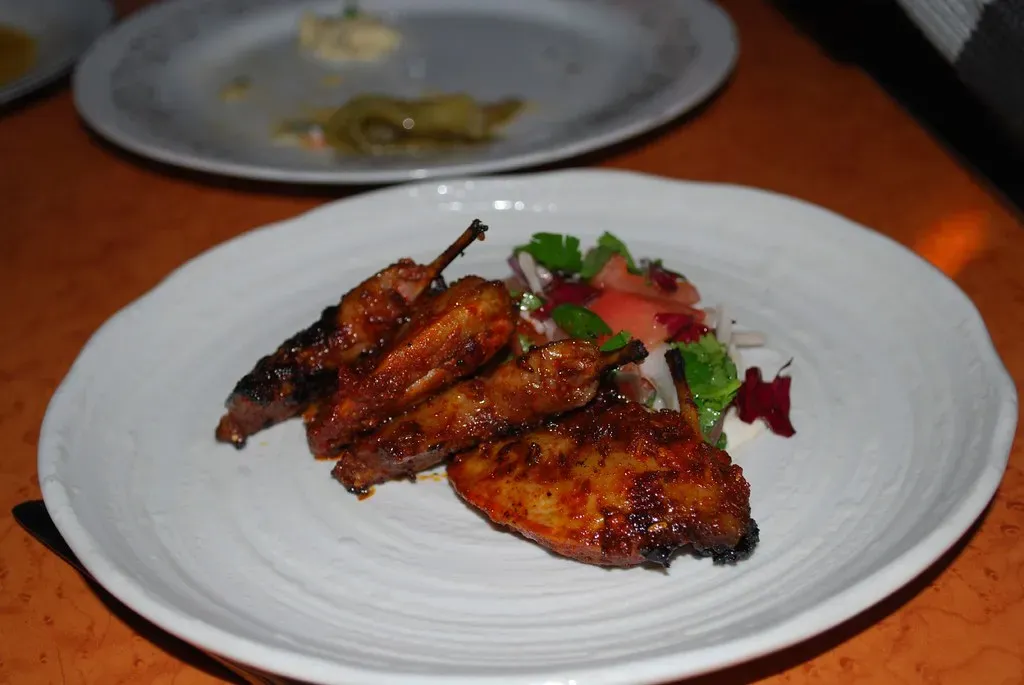
Truffle is a word that appears on restaurant menus almost as often as "artisan" or "craft." Saura Kline, pastry chef at Local Jones in Denver's Halcyon Hotel, is clear: "Never order anything that has the word 'truffle' in it." Unless you're at a high-class fine-dining restaurant, this usually means truffle oil, which is very rarely made with actual truffles. It tends to be used aggressively and will immediately increase the price of any dish you're eating, regardless of its actual quality.
Mostly made from cheap oils and synthetic flavoring, truffle oil has little to do with real truffles and is best left to chain brewpubs and carnival food trucks. And even when the real thing is shaved onto a pasta dish, it's usually stale by the time it arrives. You're paying a luxury premium for something that, most of the time, is nothing more than a chemical approximation of the real deal.
5. Raw Oysters
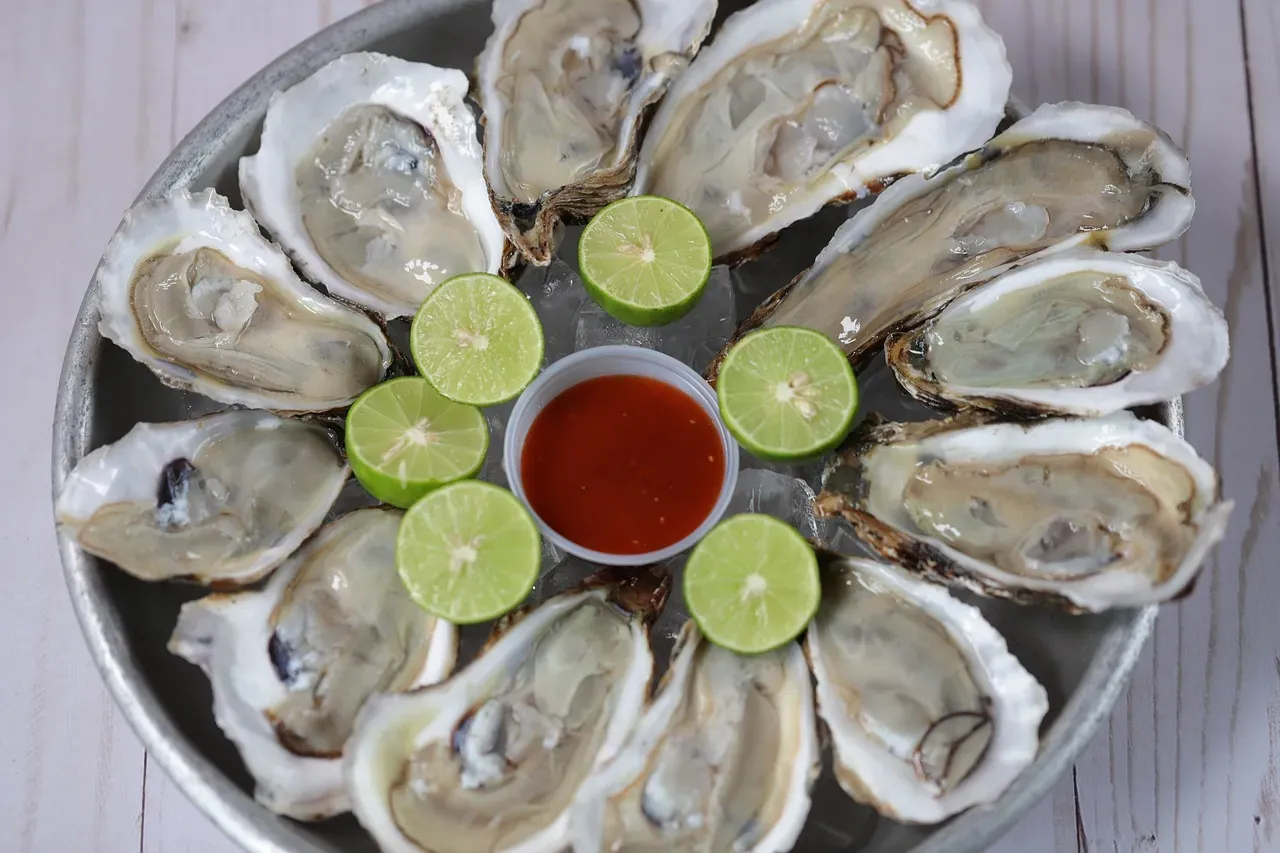
Few dishes carry the kind of culinary mystique that raw oysters do. They're romantic, dramatic, and ordered with great confidence by people who, in many cases, have no idea where those oysters came from or when they arrived. Chefs aren't the only people who recommend avoiding ordering raw oysters - most people who have a basic understanding of food safety do too. Cordon Bleu-trained chef Mark Nichols told Reader's Digest: "If handled and stored incorrectly, raw oysters can kill you."
Detailed investigations of bacteria-related foodborne illnesses have frequently focused on oysters, since they are often consumed uncooked. There are incidents of fish and seafood becoming contaminated with foodborne pathogens such as Listeria, Salmonella, and Vibrio spp., hepatitis A, and norovirus. Unless you personally know and trust the restaurant's seafood supplier and delivery schedule, this is a gamble you might want to skip.
6. Risotto
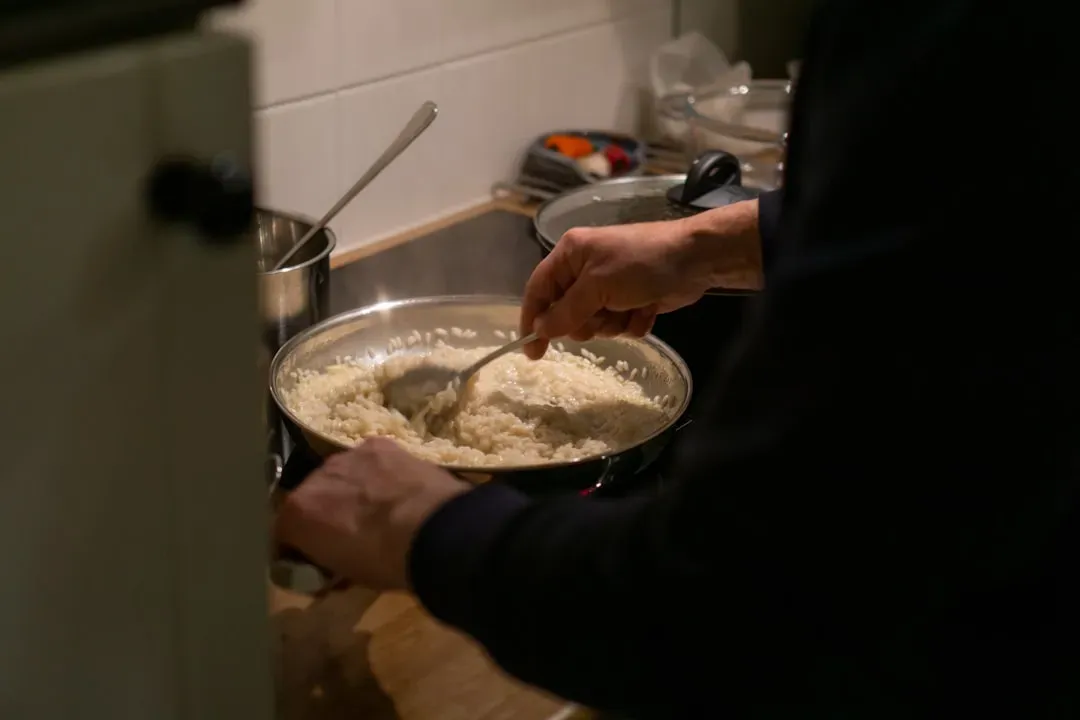
Risotto is one of those dishes that sounds luxurious and simple at the same time. The problem is, making great risotto is genuinely one of the most labor-intensive things a kitchen can do. And most restaurant kitchens cut corners in ways you'd rather not know about. Brian Motyka, executive chef of Longman and Eagle in Chicago, is straightforward: "For me personally, the number one main dish I never order at a restaurant is any sort of risotto. While there are always exceptions to the rule, most of the time risottos are pre-cooked, heated up, finished with cream (which is a big no), and then over-cooked beyond the al dente texture that you're looking for."
As Italian food blogger Jessica Montanelli explains: "Risotto can never be fully made ahead because once it's fully cooked, it will quickly turn sticky, the grain will get grainy and mushy, and you will never be able to get the right consistency back." Joe Isidori, co-founder of Black Tap and owner of New York's Arthur and Sons, puts it simply: "You can't rush risotto." He explains, "It's a dish that demands patience and constant attention. If you try to speed it up, you're going to lose that creamy texture that makes it what it is and you'll end up with something closer to rice soup than real risotto."
7. Spaghetti and Meatballs
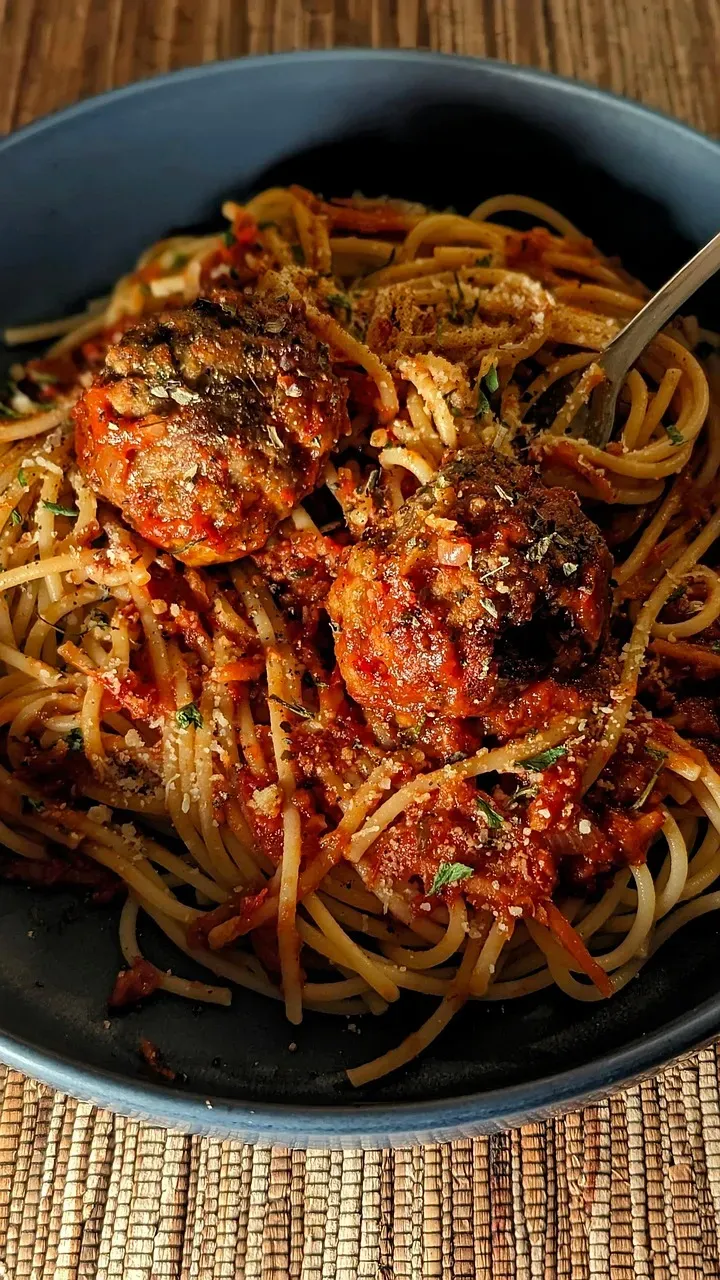
Let's be real - spaghetti and meatballs is comfort food royalty. It's the dish grandmothers are remembered by, and the thing you crave on a rainy Tuesday. However, it's a dish that chefs tend to skip ordering, for the simple fact that a lot of restaurants really get it wrong. Chefs understand that a good pasta dish requires just the right ratio of noodles to sauce, and that the pasta itself is an essential part of the meal that carries its own flavor. Unfortunately, a lot of restaurants fail to grasp this fact, and instead drown their pasta in copious amounts of sauce.
As Nina Swasdikiati, the owner of Ping Pong Thai in Las Vegas, notes: "Pasta dishes with a basic pasta and sauce are surprisingly expensive for a dish that is inexpensive to cook." She prefers seeking out more intriguing and complex pasta dishes with unique ingredients and flavors. Spaghetti and meatballs is the kind of dish that can be done brilliantly, but in most mid-range restaurants, it's just a dependable crowd-pleaser that rarely wows anyone, chefs included.
8. The Margherita Pizza
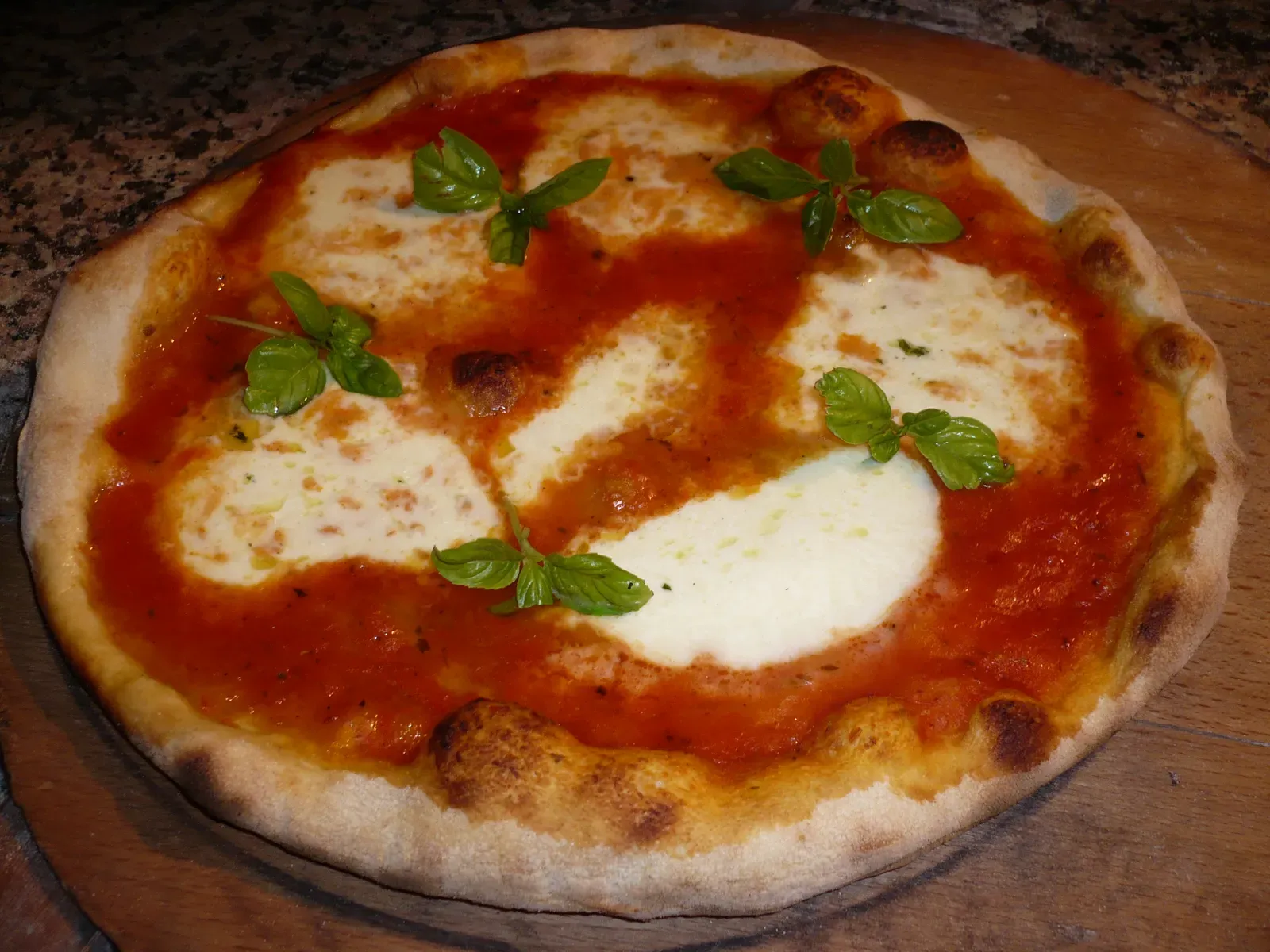
Simple is not the same as cheap. Unfortunately, some restaurants haven't received that memo. If you're in a good pizza restaurant, the margherita may well be the best thing on the menu - in all its simplicity, it allows the quality of the ingredients to shine through. However, if you're eating in a joint that may not be spending top dollar on its ingredients, you're best to give this pizza a miss, for the sheer reason that you're falling prey to an obscene mark-up.
One chef who has worked as executive chef in an Italian restaurant warns: "You're paying $12 minimum for a dish that costs $1 to make." Instead, you'd be far better off ordering pizzas that have ingredients you can't get anywhere else, or combine toppings in a way that you'd never thought to do. Go for something that actually uses the kitchen's skill - the margherita will taste almost identical wherever you order it.
9. The Well-Done Steak
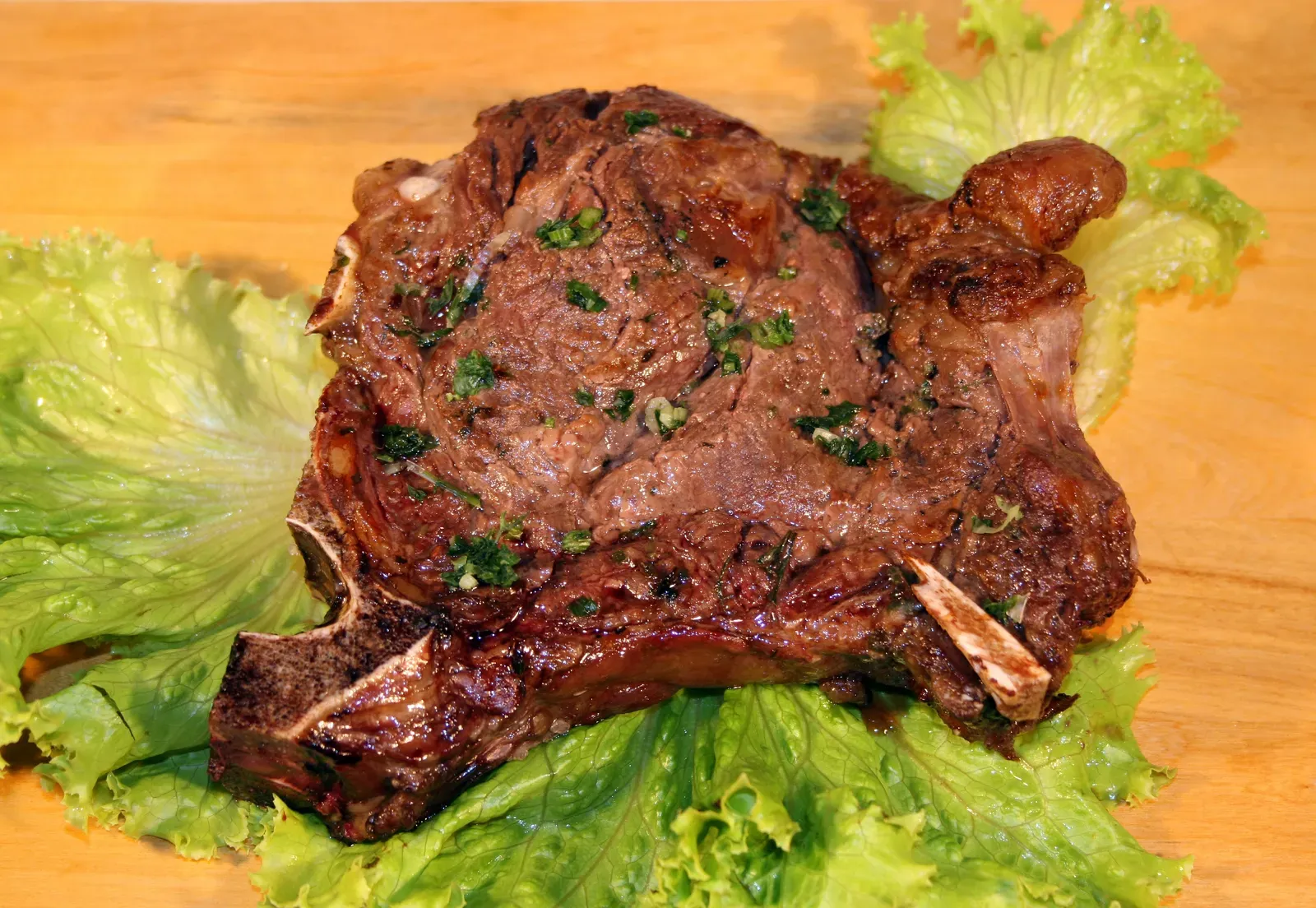
This one might feel like chefs are just being snobby - I know it sounds controversial - but there are real, practical reasons beyond culinary ego to reconsider. Many steak lovers and chefs alike believe that ordering a steak well done is a complete waste of meat. In fact, Anthony Bourdain once claimed that well-done orders get the worst cuts of steak, because most chefs don't want to waste a good cut on a steak that is cooked for what they believe is far too long. So those who order the dish with expectations of seeing absolutely no pink may not be getting their money's worth.
Getting the interior of a steak that hot hardens the muscle fibers and burns off a steak's juices. Some chefs will tell you the ideal temperature to order is medium rare. Steak is highly priced at most restaurants and butcher shops because of how meticulously it has been farmed and prepared. When you fry it up to the highest degree of doneness, that high quality diminishes, and you aren't experiencing its full potential - but you are still paying a premium for it.
10. Anything "Truffle-Oil Salmon" or Budget Salmon at Casual Chains
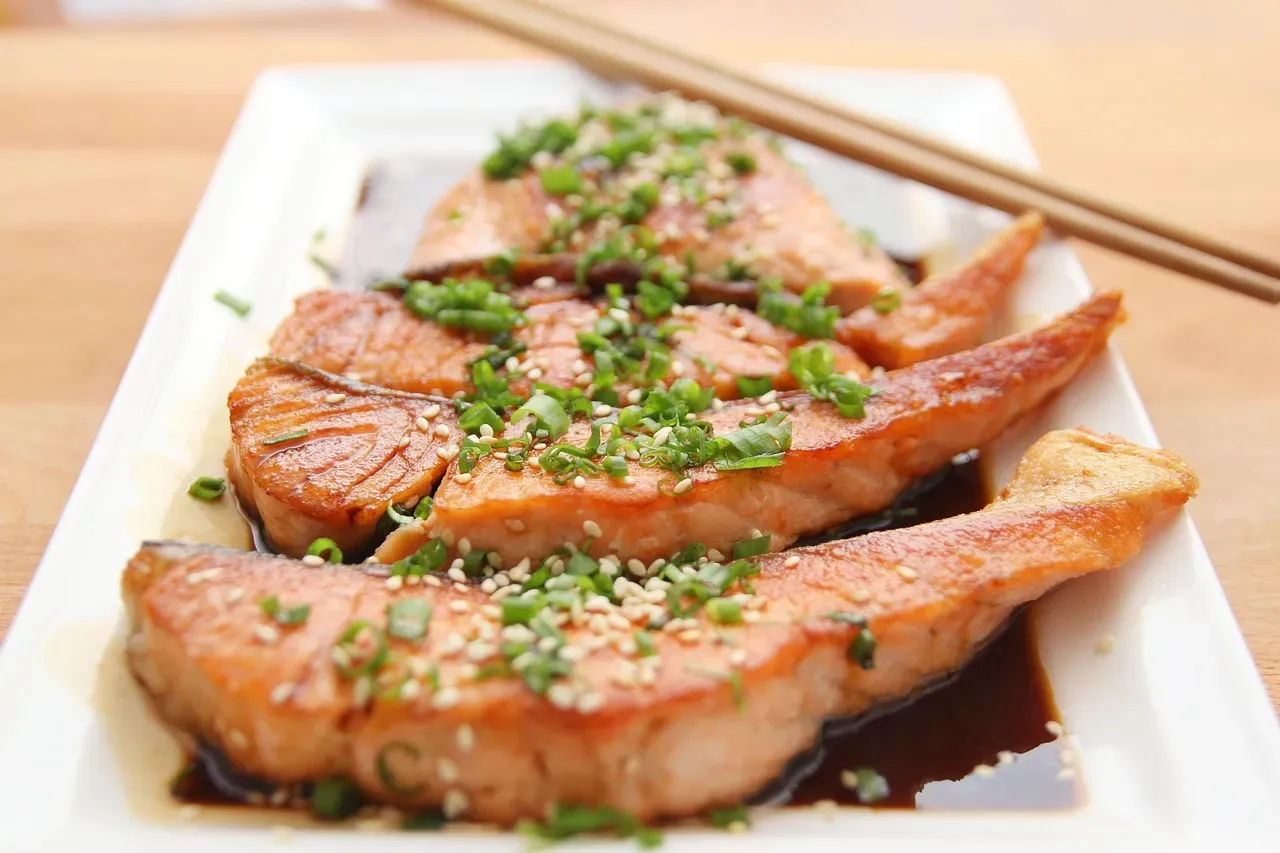
Salmon is everywhere on restaurant menus in 2026. It feels safe, healthy, and reliable. The reality is far messier. Chefs claim that when you order salmon in a restaurant, it is either over or under-cooked and over or under-seasoned. As chef Copeland explains: "If you buy salmon at a fast-casual (or just fast) restaurant, it's likely going to be Atlantic salmon, which is probably the lowest farming standard of all salmon."
About roughly seven out of ten of the world's salmon is farmed today. Salmon farms have historically been linked with poor stewardship practices, like overcrowding or overuse of antibiotics. When you combine budget-priced farmed fish with a kitchen under pressure, you get a dish that almost never lives up to its price tag. This is one item where the cheaper it looks on the menu, the more you should be skeptical.
11. Mozzarella Sticks
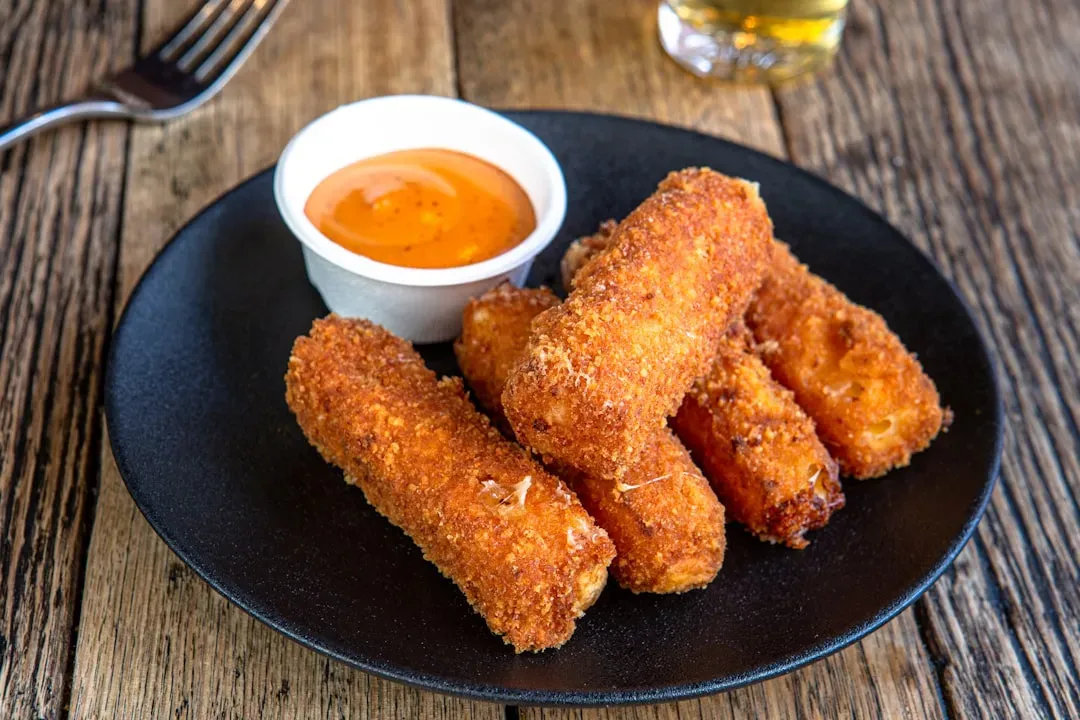
It's hard to argue with mozzarella sticks in theory. They are delicious and deeply satisfying. The kitchen reality behind them, though, is much less exciting. Mozzarella sticks are one of those appetizers that's way easier to buy frozen than make from scratch, so most restaurants do just that. Not only does this mean that they're not fresh, but it also means that you're paying a lot of money for something that costs the restaurant very little.
Think of it this way: you're essentially paying restaurant prices for a product that arrived pre-made from a food service distributor, got dropped in a fryer, and showed up on your table in six minutes. What chefs tend to avoid are menu items that they know are more likely to be substandard, or else won't give you bang for your buck. Frozen mozzarella sticks, dressed up with a sprig of parsley, are a textbook example of exactly that.
12. Viral or Gimmicky Menu Items
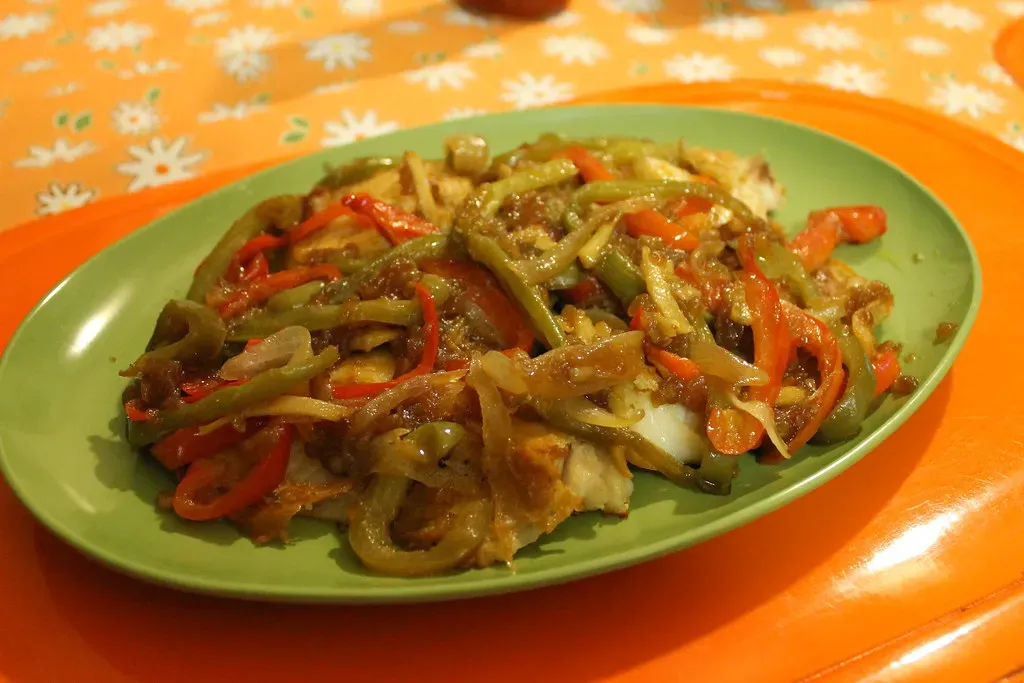
In 2026, the era of chasing every social media food trend is, mercifully, starting to fade. Novelty and viral food products are over, says Chris Coombs, the chef and co-owner of Bosse, a pickleball facility in Natick, Massachusetts. If a dish looks like it was made more for Instagram than for eating, it's a hard pass. Chef Jorge Dionicio of Kansha in Manhattan agrees: "I usually skip anything that feels overly processed or gimmicky - things that rely more on presentation than substance. I value food that's rooted in intention, not trend. I want to taste the ingredient, not just the concept."
Spectacle is out. Connection is in. Diners are no longer chasing every TikTok novelty, or racing to pickle the next unsuspecting ingredient. Instead, there's a clear shift toward food that feels cozy, meaningful and comforting, alongside a deeper embrace of global cuisines. When a menu item was essentially designed to be photographed rather than tasted, experienced chefs already know the answer before they even read the description.


Leave a Reply