Every experienced server has a radar. It kicks in within seconds of greeting a new table. Before the menus are even opened, before a single drink order is taken, something in the air shifts. Maybe it's a tone. Maybe it's a specific phrase. Whatever it is, seasoned restaurant staff know it immediately.
The truth is, working in a restaurant is genuinely hard. About 82 percent of customer service employees in hospitality reported that they have either witnessed or been subjected to customer abusive behavior. That's not a small number. That's nearly everyone doing the job. The phrases below are the ones that make front-of-house workers brace themselves, smile through gritted teeth, and quietly pray for the check to come fast. Let's dive in.
1. "I Know the Owner"
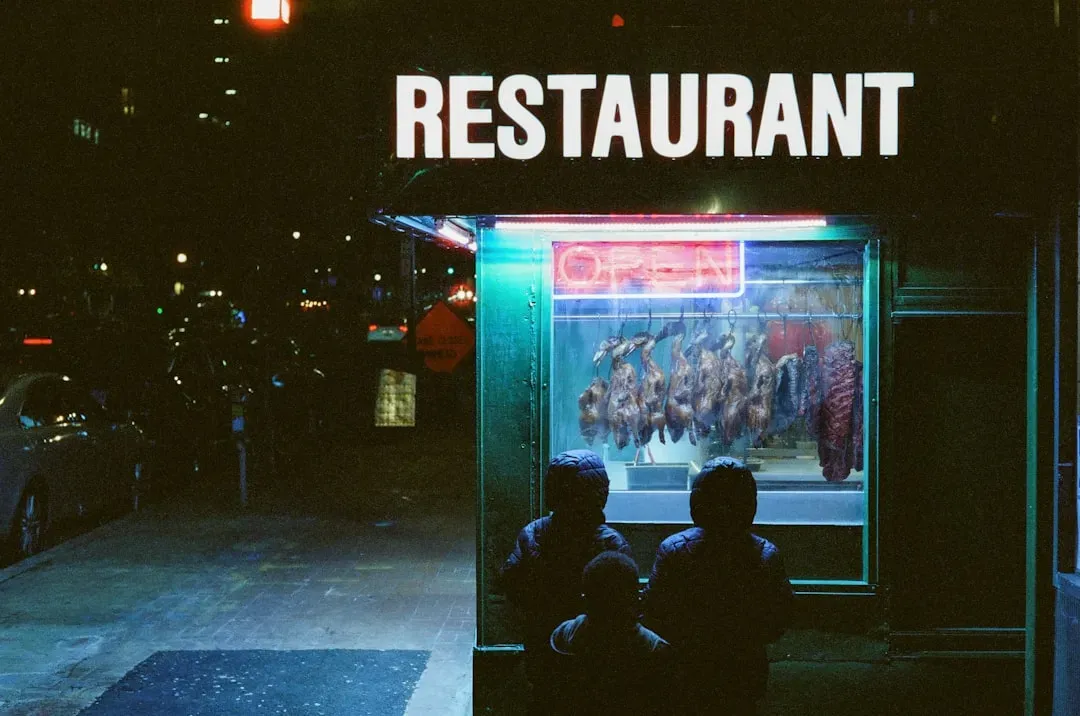
Ah yes, the classic power move. This one lands on nearly every server's list of instant red flags, and for good reason. The implication is clear: rules don't apply here, and you should treat me differently from everyone else in this dining room.
In reality, most people who say this genuinely do not know the owner on any meaningful level. Maybe they met once at a charity event. Maybe they follow the restaurant on Instagram. This sort of behavior is what customer entitlement looks like - people expecting the impossible, getting annoyed over tiny hiccups, or thinking it's okay to yell at or harass the staff. Dropping a name like a trump card is a classic signal of someone who believes the social hierarchy works in their favor, and plans to use it.
2. "The Customer Is Always Right, You Know"
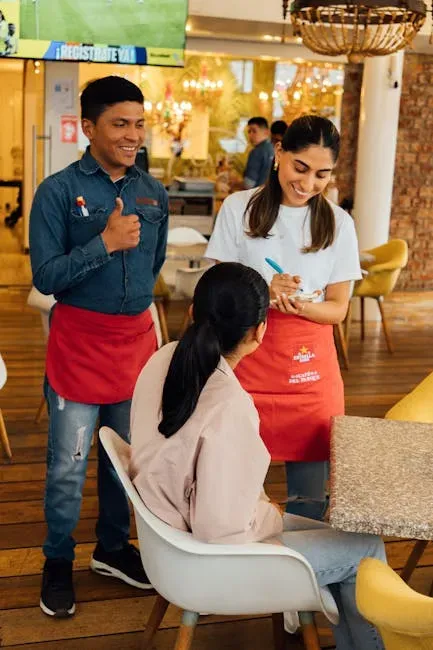
Few phrases send a chill through restaurant workers faster than this one. It's the verbal equivalent of pulling out a rulebook that hasn't been valid in decades. This saying often gives rude diners free license to act however they want. Staff hear it most often right before someone demands something unreasonable or tries to get out of paying for a meal they clearly enjoyed.
Honestly, the data tells a very different story. A recent YouGov survey asked 1,000 American adults about the acceptability of 40 restaurant behaviors, and people are generally willing to give more leeway on guest actions, but most draw the line at some point, suggesting that many Americans think the customer is not, in fact, always right. So no, the customer is not always right. Most reasonable people already know this.
3. "We've Been Waiting Forever"
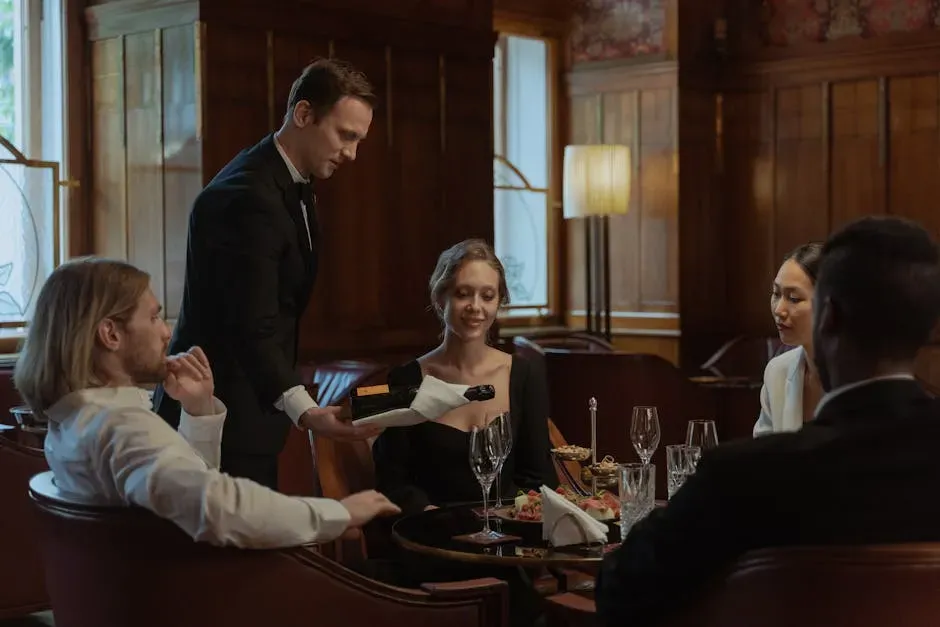
Context matters enormously here. Sometimes there is a genuine wait that should be addressed. But when a table has been seated for twelve minutes and someone flags down a server to deliver this line with dramatic flair, that's a different thing entirely. Restaurant workers in the hospitality industry say they have noticed customers who are acting more agitated than normal, making for a stressful environment.
The phrase is almost always an escalation tactic. It sets an adversarial tone before the meal has even properly begun. Think of it like a chess player announcing "check" before the game has started. The reasons vary from customer demands, long hours, and emotional labor - basically the effort of maintaining positive service in stressful situations. Experienced servers know this phrase means they will need to manage expectations hard for the rest of the visit.
4. "I'm Gluten-Free, Dairy-Free, Nut-Free, and Also Vegan - But What's Good Here?"
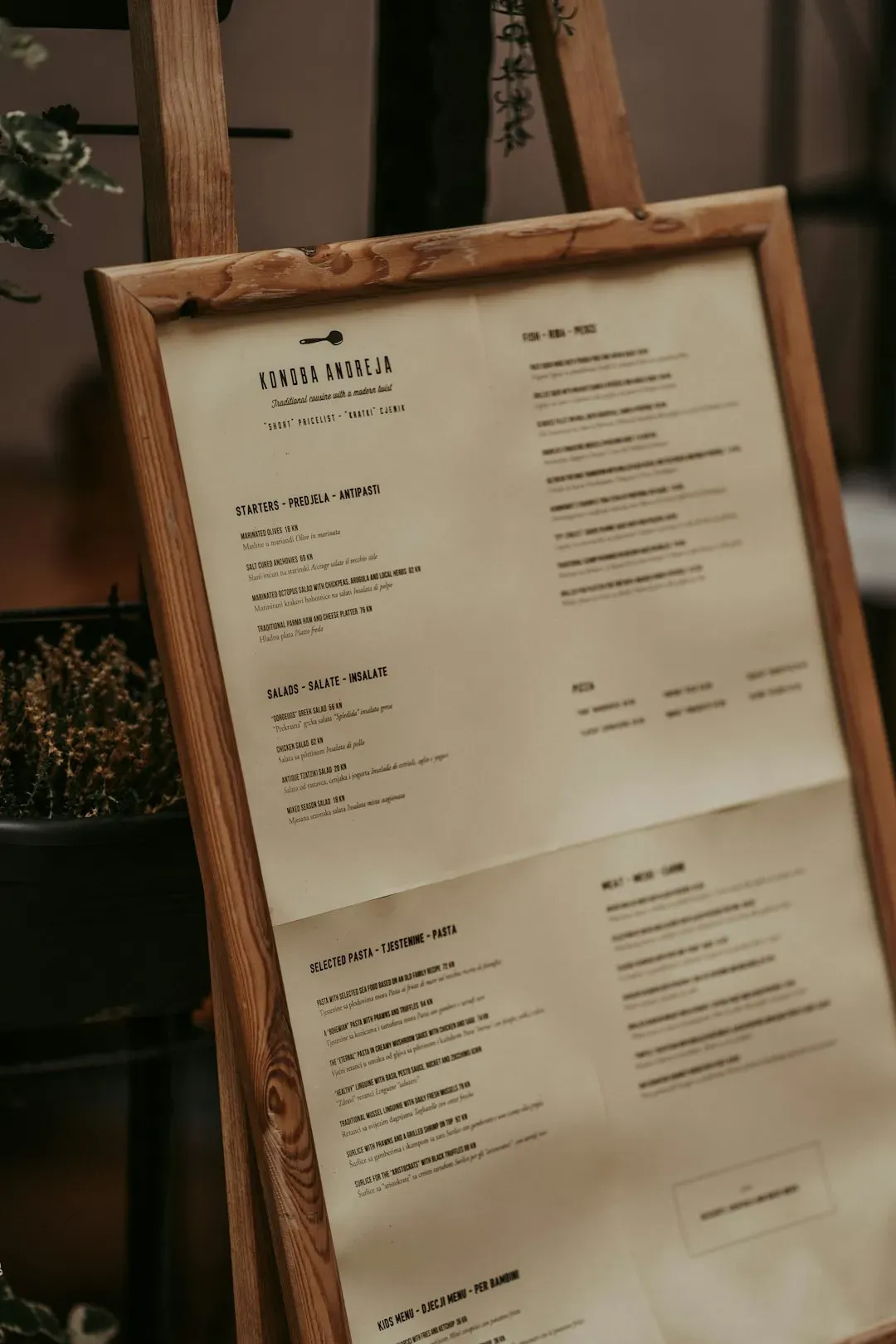
Here's the thing. Dietary restrictions are absolutely real, and good restaurants handle them every day without complaint. Staff genuinely want to help guests with allergies stay safe, full stop. The issue arises when the list of exclusions is delivered with a tone that says "impress me," rather than "please help me."
Restaurant workers have noted that the number of people who admit after the fact that something is gross or they just don't like it is remarkable. Allergies are serious, and staff will jump through hoops to keep people safe. But lying about an allergy wastes the server's time, other tables' time, and the kitchen's time. Asking for a comprehensive accommodation list and then ordering with an air of challenge is a sign the meal ahead will be demanding. Very demanding.
5. "Can You Make It Exactly Like Last Time?"
Restaurants love loyal regulars. Genuinely. A guest who comes back weekly is a joy. The issue with this phrase is that it assumes the kitchen maintains a mental record of every individual off-menu customization ever made for every person who has ever walked through the door. That's just not how a working kitchen functions, especially during a busy service.
Some of the most divisive customer behaviors include asking for multiple modifications to a menu item. When those modifications come packaged with the assumption that they were documented and perfectly preserved from a prior visit, frustration levels in the kitchen escalate fast. It signals someone who sees their preferences as a standing order, not a one-time request. Every server mentally adjusts their approach at that moment.
6. "Don't Put Anything Weird in My Food"
This one deserves a closer look because of what it implies. The phrase is almost never about actual concern for the food. Instead, it tends to be a veiled threat, a suggestion that the customer has somehow already decided the staff might tamper with their meal. That's an incredibly uncomfortable dynamic for anyone trying to do their job with dignity and care.
Rude customers are those who use no manners, meaning the basics of common courtesy required to interact in society at large. While a server is doing their job to provide a service, it is still appreciated when guests say a simple please and thank you. Treating your server like a human being shouldn't be a surprising thing to say, but servers encounter customers who demand rather than request. Suggesting, even jokingly, that staff might sabotage a meal poisons the interaction immediately.
7. "I Read Online That You Do This Differently"

The internet has many opinions about how any given restaurant should operate. Reviews, food blogs, Reddit threads, years-old Yelp posts - they all have something to say. Unfortunately, not all of it reflects reality. Menus change. Policies evolve. Dishes get updated. A restaurant operating today in 2026 is almost certainly different from the one described in a review from three years ago.
When a customer leads with an online source as their authority over the actual staff standing in front of them, it creates an almost impossible situation. A Harvard Business School researcher found that a one-star increase in a restaurant's Yelp rating correlated with a five to nine percent increase in revenue, and more people now turn to consumer reviews on sites like OpenTable, Yelp, and TripAdvisor than those who rely on professional food critics. Reviews carry real power, and difficult customers know it. Using that as leverage is a clear signal of trouble ahead.
8. "I'll Have What I Had Last Time - You Should Know What That Is"
There's an unspoken demand buried inside this one. Not just for the food itself, but for recognition, for proof that the restaurant values this particular customer enough to have memorized their habits. It places an impossible expectation on a server who may be managing eight tables and who has never seen this person before in their life.
It's a small phrase that carries a big attitude. The tone usually makes it clear whether someone is joking or genuinely expecting compliance. Restaurant co-owners have noted that the most common mistake customers make is to think that money talks or that they are somehow in control of the establishment because they are paying for the service. This phrase is exactly that kind of thinking, compressed into a single sentence. Servers brace themselves.
9. "I'm Going to Leave a Review"
Said calmly and after a genuine problem, this is fair. Said mid-meal as a way to demand special treatment or resolve a conflict in the customer's favor, this is manipulation. There's a real difference, and restaurant staff know it within seconds of hearing it. The phrase transforms into a weapon the moment it's used as a threat rather than a comment.
In restaurant slang, a customer who makes it their mission to find negative things to say in a review is a recognized type, and staff are trained on how to respond to bad restaurant reviews. Experienced servers have encountered this tactic often enough that it barely rattles them anymore. A 2024 survey in the UK found that nearly three quarters of hospitality workers reported experiencing mental health challenges at some point in their careers. Review threats contribute directly to that kind of ongoing stress.
10. "This Isn't How They Do It at [Other Restaurant]"
Comparisons are rarely constructive. Every restaurant has its own menu, its own philosophy, its own way of doing things. Using another establishment as a benchmark for why this one is falling short is a conversational dead-end. It's like calling your new dentist and saying "my old dentist never had me wait this long." It helps no one.
The phrase also often arrives alongside a subtle competitive implication: that the restaurant being visited is somehow lesser. Simple things like greeting customers when they enter, being friendly and helpful, and maintaining adequate supply levels are considered baseline expectations. When a customer signals from the outset that nothing here will measure up to somewhere else, staff already know they're fighting an uphill battle the entire evening. A polite smile and quiet professionalism is all that gets you through it.
11. "I Ate Almost All of It, But I Don't Think I Should Have to Pay"

Let's be real. This is one of the most legendary phrases in the entire canon of difficult diner behavior. It appears so often that experienced servers have a name for it. The plate comes back nearly empty, but somehow the meal was unacceptable enough to dispute the bill. The logic would be funny if it didn't happen constantly.
At least eight in ten Americans say it is unacceptable for diners to say they won't pay for a dish they didn't like but ate. That's a remarkably strong consensus among the general public. Yet it keeps happening anyway. In the restaurant industry, dysfunctional customer behavior damages customer-contact service employees' mental health, which may lead to employee defection. Dealing with bad-faith bill disputes is genuinely one of the most draining things a server navigates during a shift.
12. "Do You Know Who I Am?"
This is, without question, the phrase that puts every server on maximum alert. It arrives almost exclusively from customers who are frustrated that normal rules are being applied to them equally. The implied answer they're expecting is that no, the server does not know who they are, and once enlightened, will immediately bend every policy on their behalf.
Examples of customer incivility include being rude or aggressive, expressing indignation, and behaving snobbishly or disagreeably towards employees. This phrase encapsulates all three in just five words. Among restaurant managers and employees, their biggest challenges include staffing, burnout, and compensation - and within the food service industry, roughly two in five workers want to quit their job. Incidents like this one contribute directly to that staggering statistic. When status is wielded like a weapon, it leaves a mark on the people behind the counter long after the table has cleared.

Leave a Reply