
You walk through the produce section, and everything looks perfect. The greens shine under the lights. The tomatoes glisten with tiny water droplets. The bananas seem to have ripened at exactly the right moment.
Yet, have you ever wondered what's actually happening behind the scenes? Grocery stores have become incredibly sophisticated at making fruits and vegetables appear as though they were just picked this morning, even when they've been sitting in storage for months. Let's be real, the produce industry has developed some clever tactics over the years.
1. Strategic Misting Systems Add Weight and Visual Appeal
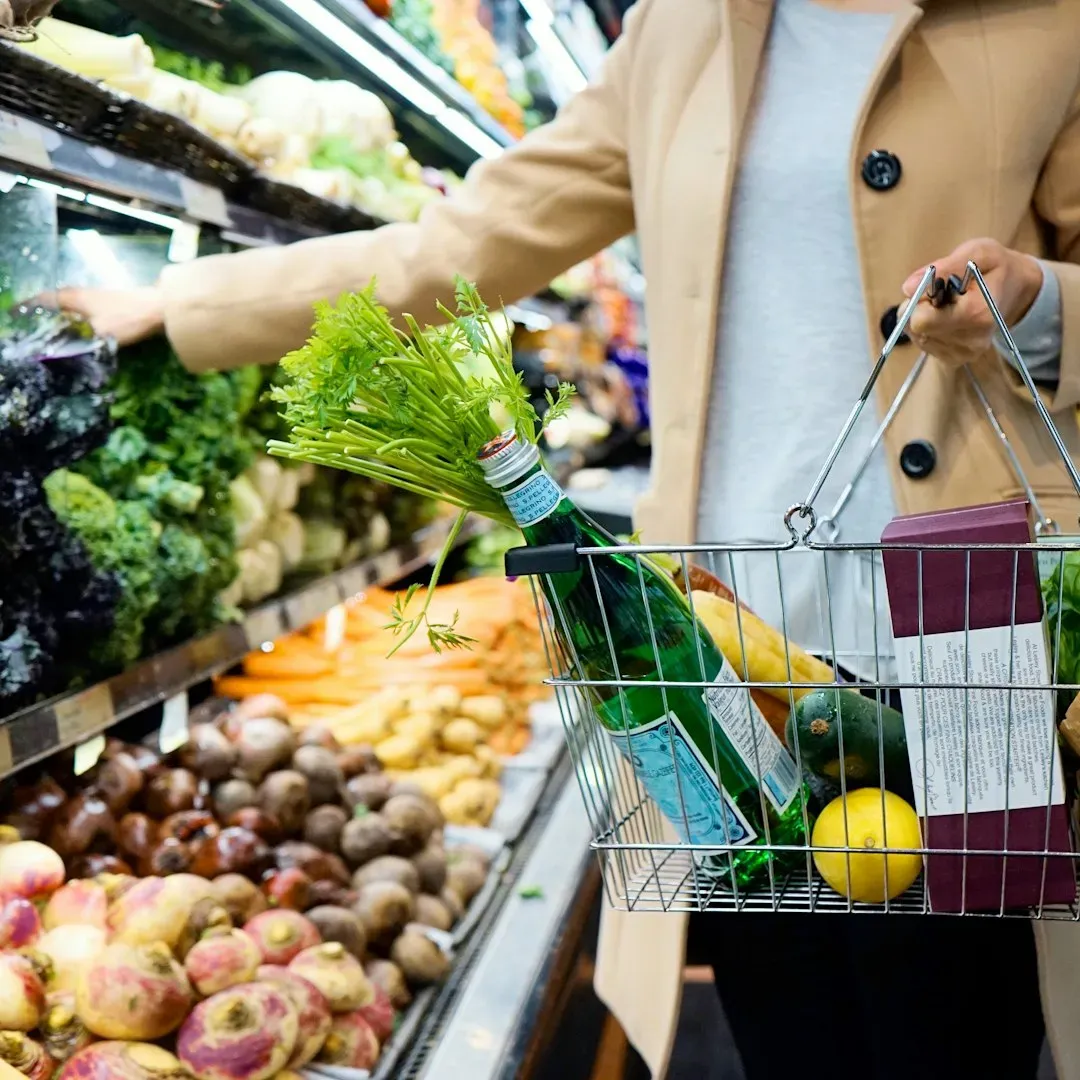
Up to 70% of grocery chains use automatic misters today, and their purpose goes far beyond simply keeping produce hydrated. That dewy sheen "plays on human psychology and human evolution" by making us unconsciously connect moisture with freshness and quality. The reality is more complex than it appears.
Misters do serve ulterior motives, they add weight to produce, which means you're paying for water when buying items by the pound. Broccoli that was misted not only maintained its weight, but actually gained an additional 5% over a sixteen-hour period, according to research shared by Produce Business in 2016. While stores claim misting prevents wilting, the truth is that it's also a profitable marketing tool disguised as freshness maintenance.
Some grocery chains are switching to fog misters, which create humidity without the wetness, precisely because traditional systems add too much water weight. Still, the shimmering appearance keeps customers reaching for produce they might otherwise pass by.
2. Specialized Lighting Makes Colors Pop Unnaturally
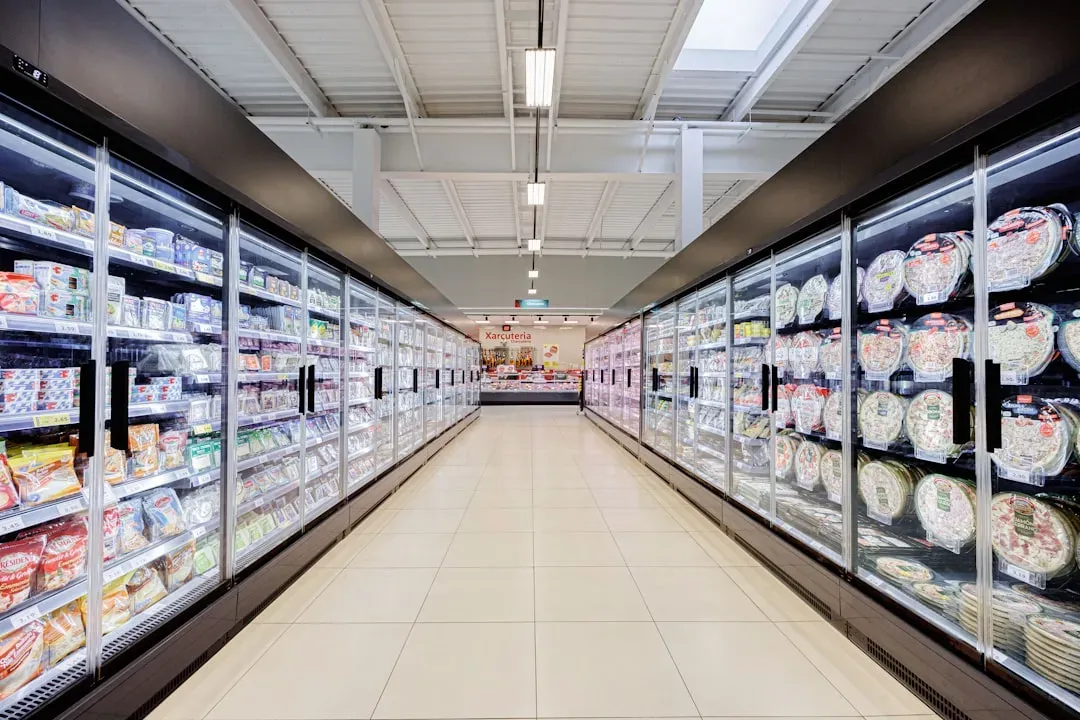
Walk into any modern supermarket and you'll notice the produce section looks almost theatrical. That's no accident. The colour of fruit and vegetables is far more appealing under natural light, closer to warmer shades, so stores use specific color temperatures around 3000K to enhance their appearance.
The goal of lighting in this area is to help make the produce look appealing and of high standards, which requires a color temperature ranging from 4000k to 4500k. Even more telling, lighting the produce section with lights that have a poor CRI make the produce look less well-grown or healthy, regardless of the actual quality of the fruits and vegetables.
The lighting doesn't change the produce itself. It just manipulates how your eyes perceive it. Think about buying a perfect-looking apple under store lights, only to get it home and realize it looks duller in your kitchen. That's the power of strategic illumination at work.
3. Ethylene Gas Controls Ripening on Demand
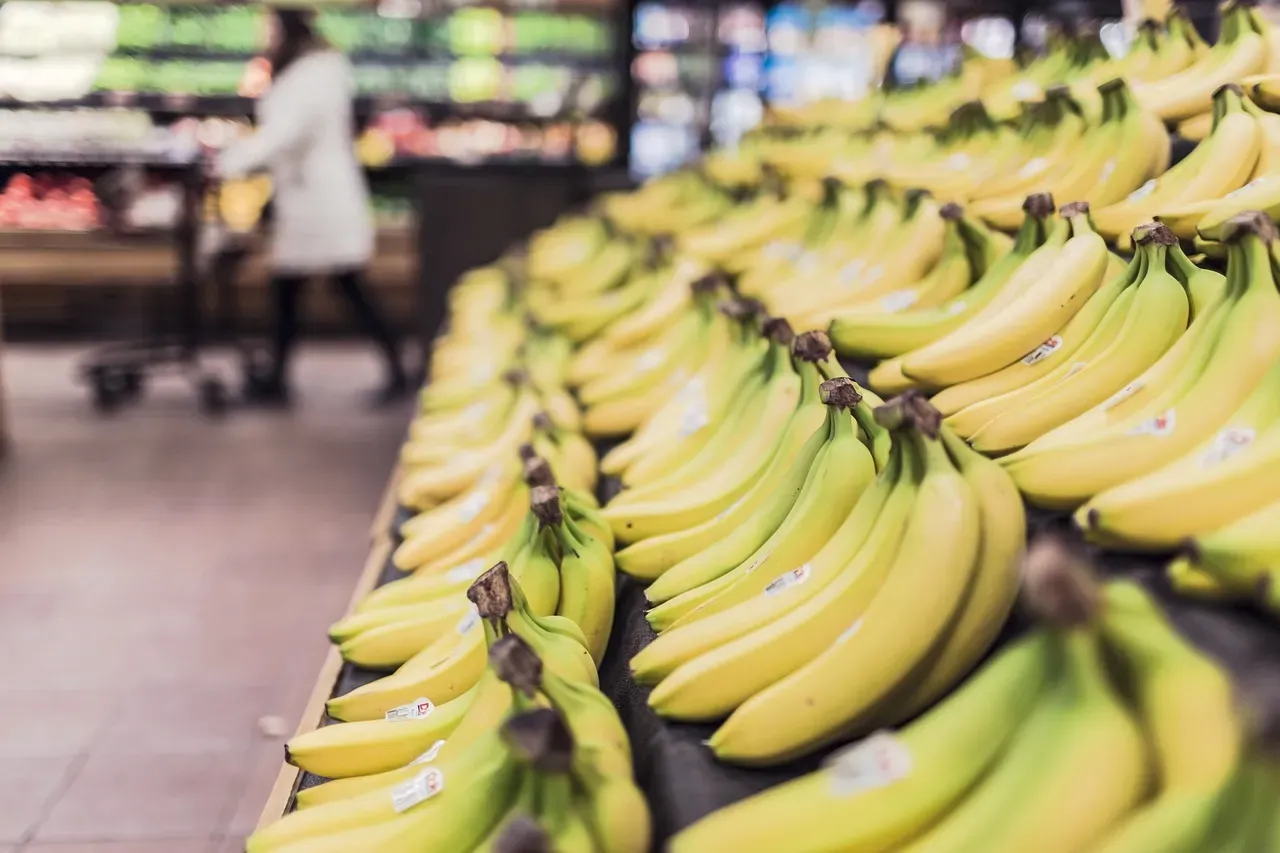
Here's something most shoppers don't realize. After two weeks, to kick-start the ripening process again, they're treated with ethylene gas when produce like bananas needs to reach the perfect shade of yellow. Before heading to the grocery store, pallets of produce are taken to be ripened in humidity, temperature, and gas treated rooms.
They are transported to the nearest warehouse distribution center, are placed in ethylene chambers for ripening and are sent off to the grocery store. This means the bananas you're buying weren't naturally ripened on the plant or during transport. They were artificially pushed into their current state just days before hitting the shelves.
Ethylene gas can also be used to de-green citrus and other crops, making oranges look more vibrant even though they were picked early. It's a completely legal practice, but it does make you question what "fresh" really means anymore. The gas itself is naturally occurring, yet the controlled manipulation of ripening feels less than authentic.
4. Apples Can Be Nearly a Year Old
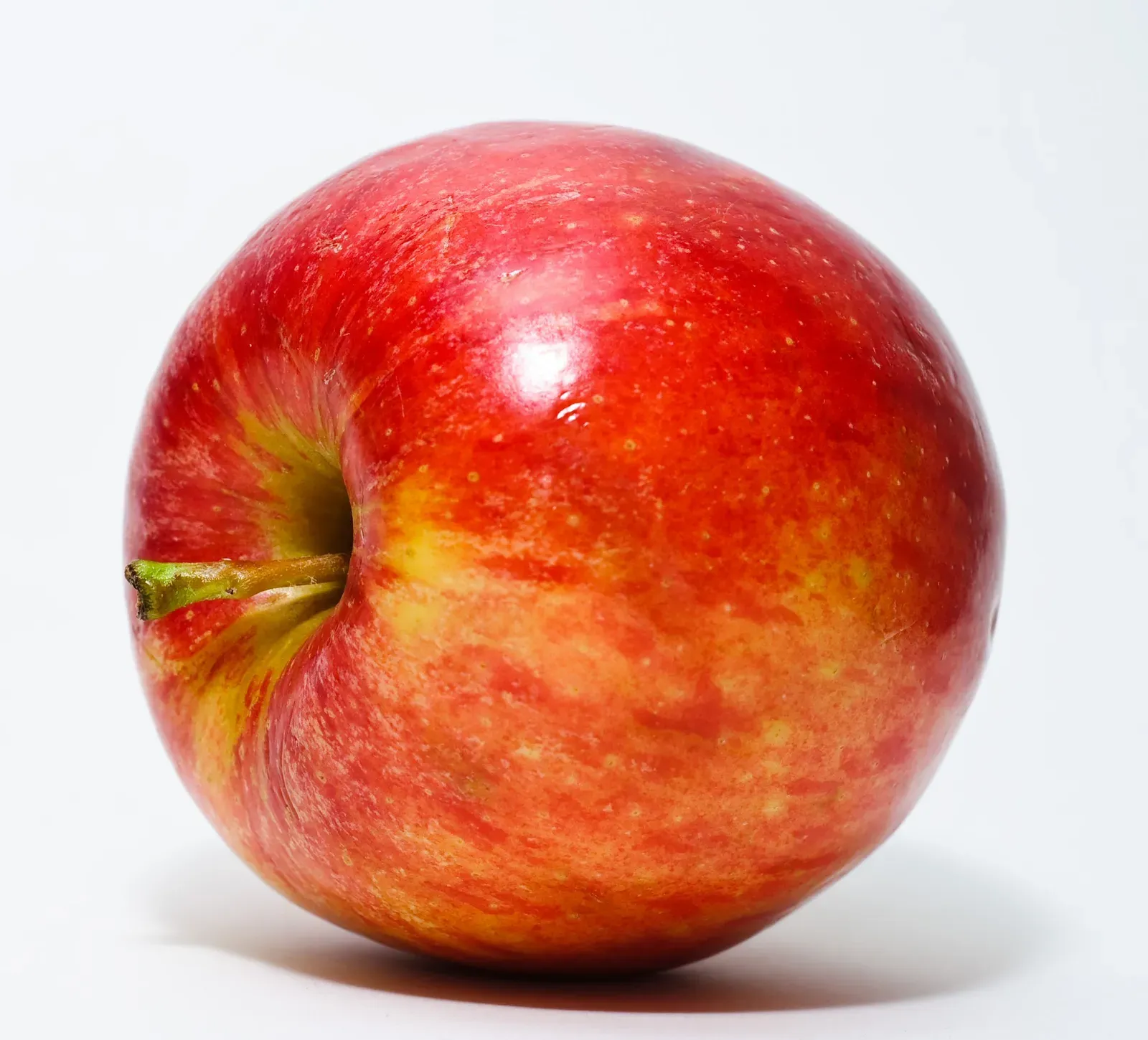
By regulating the oxygen, carbon dioxide, and nitrogen levels, along with temperature and humidity, the apples can remain in storage for up to a year. That's right. The crisp apple you bought in July could have been picked the previous fall and kept in what farmers call "controlled atmosphere storage."
From the farm, apples are rushed to controlled atmosphere storage, and along with growing pesticides and coating chemicals, they are processed for storage until they come out the next apple season. According to growers, there's "almost no loss of taste", but honestly, that seems hard to believe when you're eating something that's been dormant for months.
The process essentially puts the fruit to sleep, slowing down its natural decay. While it allows you to enjoy apples year-round, it also means that seasonal eating has become somewhat of an illusion. Most consumers have no idea they're buying last season's harvest.
5. Produce Gets Post-Harvest Chemical Treatments
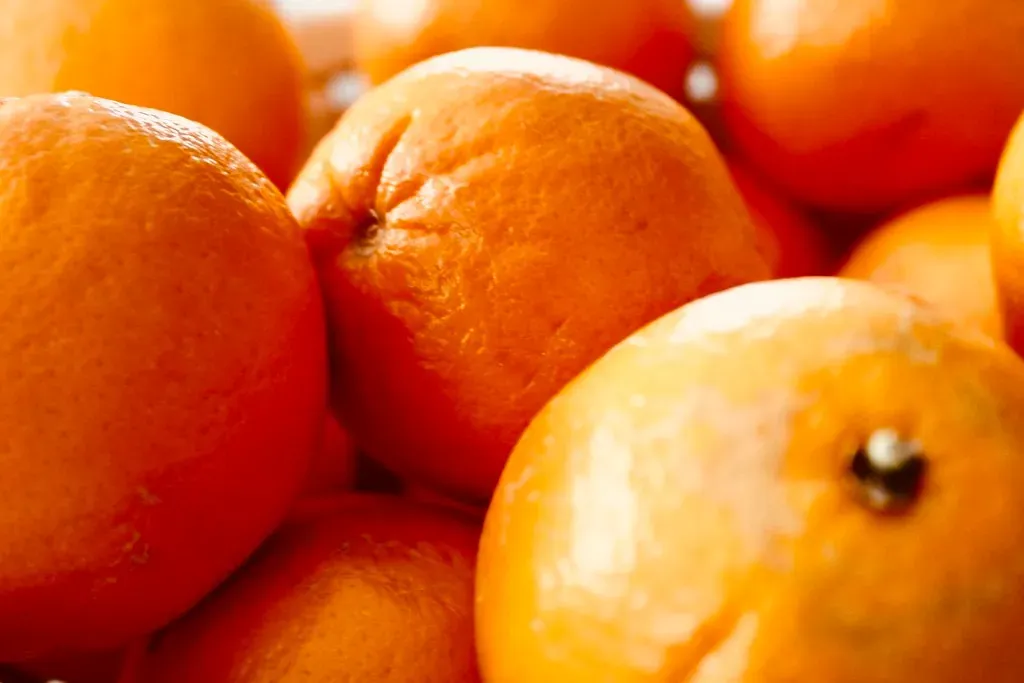
Non-organic citrus, especially oranges, are often sprayed with pesticides not only during the growing process but also after picking to maintain freshness. If you look closely at your bag of oranges, you might see messages mentioning treatment with chemicals like Imazalil or coatings with food-grade wax.
Some crops get a coating of artificial wax, which helps prevent shrinking and makes the produce look shinier and more attractive. That helps prevent bruising and premature rotting, but it also creates a barrier that you're ingesting unless you wash it off thoroughly before eating.
These chemical interventions extend shelf life dramatically, which benefits retailers but raises questions about what we're actually consuming. The treatments are considered safe by regulatory standards, but the fact remains that your "fresh" produce has been heavily processed between farm and store.
6. The FIFO System Hides Older Stock Behind Fresh Items
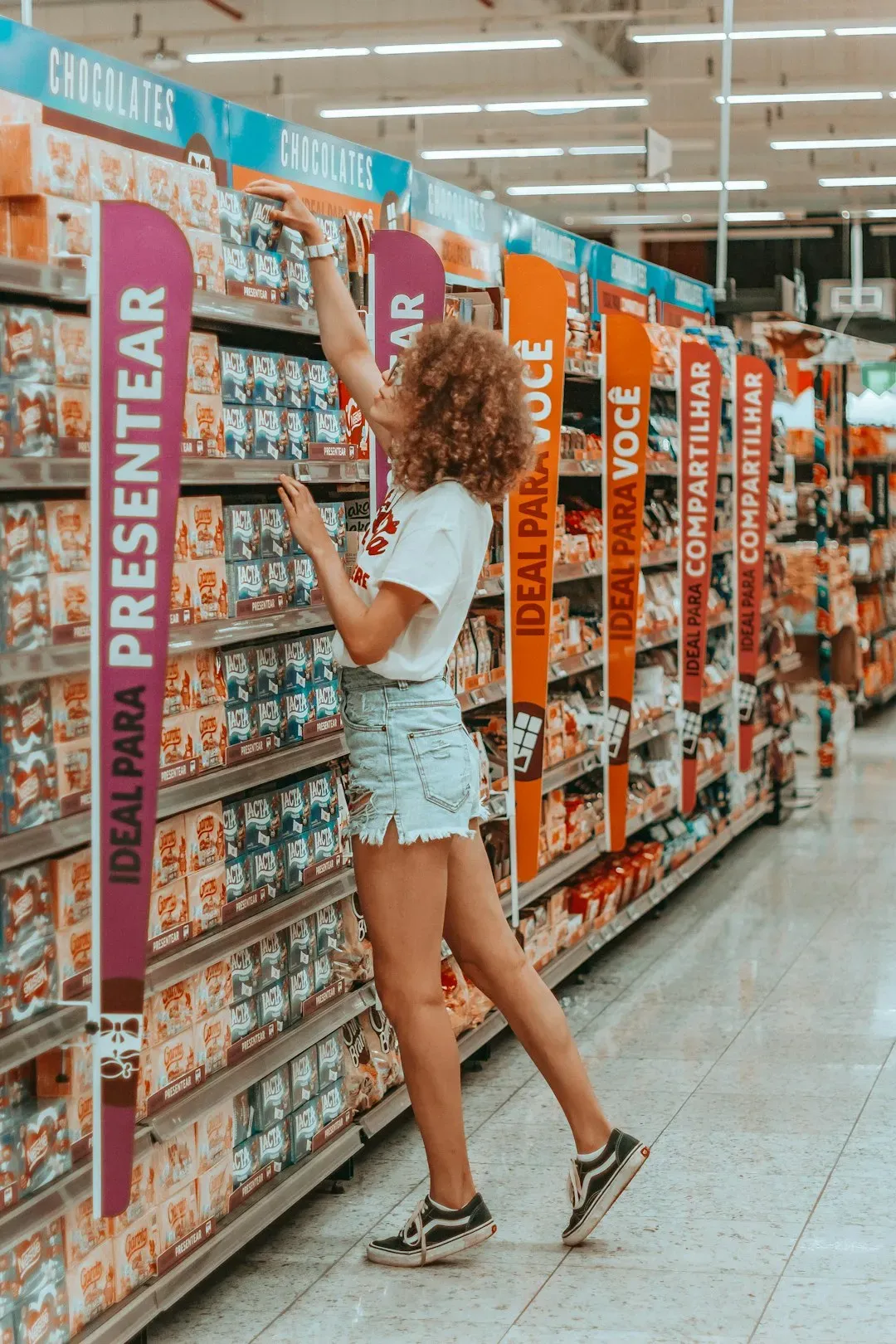
A common rule that all grocery stores follow is FIFO, otherwise known as "first in, first out", which involves rotating older food to the front while stocking the freshest toward the back. This is why savvy shoppers reach deep into displays to grab items from the rear.
Newer expiration dates are placed in the back of shelves, so if you need a longer shelf life, check the back of the shelf. Grocery employees are trained to make this rotation seamless, ensuring that customers naturally grab the oldest items first without even realizing it.
This practice maximizes profit by reducing waste, yet it also means that what's most accessible isn't necessarily the freshest. The system is designed to move inventory quickly, not to give you the longest-lasting produce possible.
7. Carrots and Potatoes Are Stored for Months Before Sale
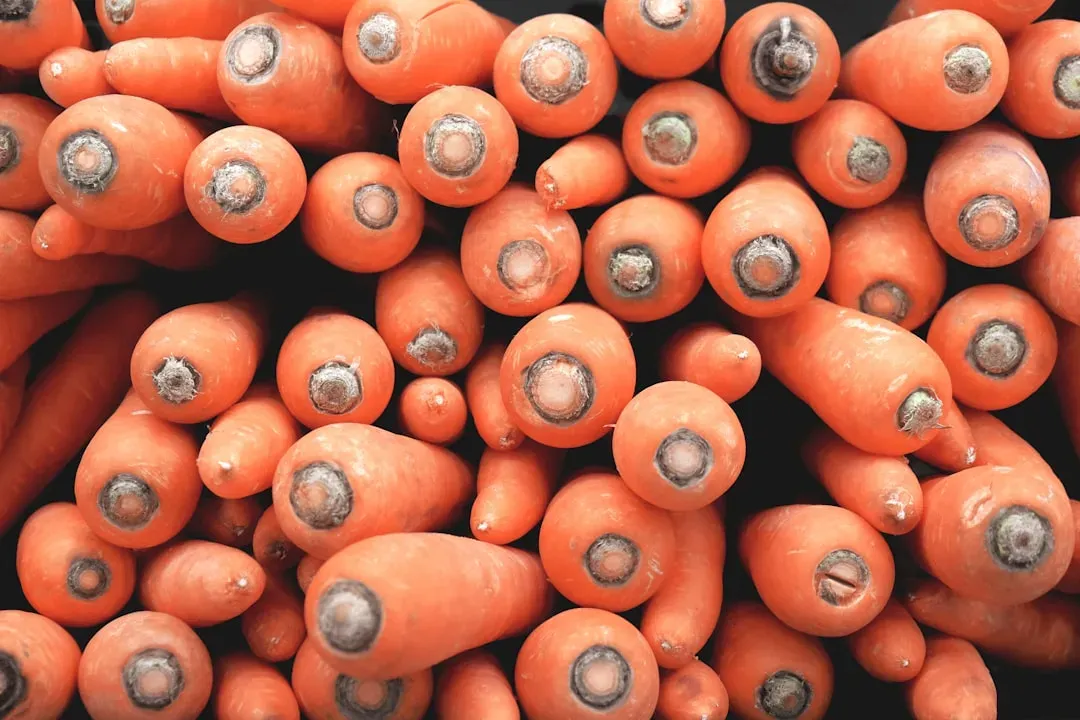
As for carrots, well... they're stored in a zero degree, high humidity environment to prevent decay, and after nine months get a chlorine wash before making their way to your grocery store's produce department. Nine months! That's nearly as long as a human pregnancy.
Just like apples, potatoes can be stored for up to a year in a temperature-controlled environment. These root vegetables are incredibly durable, which makes them perfect candidates for extended storage. Yet most shoppers assume they're buying something harvested weeks ago, not something that's been in a warehouse since last spring.
The chlorine wash helps remove surface bacteria and gives carrots that bright orange appearance consumers expect. Without these interventions, the vegetables would look aged and unappealing, even though they're technically still safe to eat.
8. Wilting Produce Gets Repurposed Into Prepared Foods

Grocery stores will use the fruits, leafy greens, and vegetables that are nearing their peak freshness or recently passed the use-by date in their salad and hot bar offerings. While you might not buy those wilted greens to make a salad for yourself, the grocery store has no qualms about using them in their own prepared salads to resell to customers.
This practice makes sense from a waste-reduction standpoint, yet it also means that deli items might not be as fresh as you'd hope. These foods aren't bad or potentially harmful, they're just at a point that the typical consumer won't buy them in their original form.
It's hard to say for sure, but the prepared food section might be less about convenience and more about disguising produce that's past its prime. The added dressings, seasonings, and packaging make it impossible to judge the quality of the individual ingredients.
9. Trimming and Cutting Disguise Age and Damage
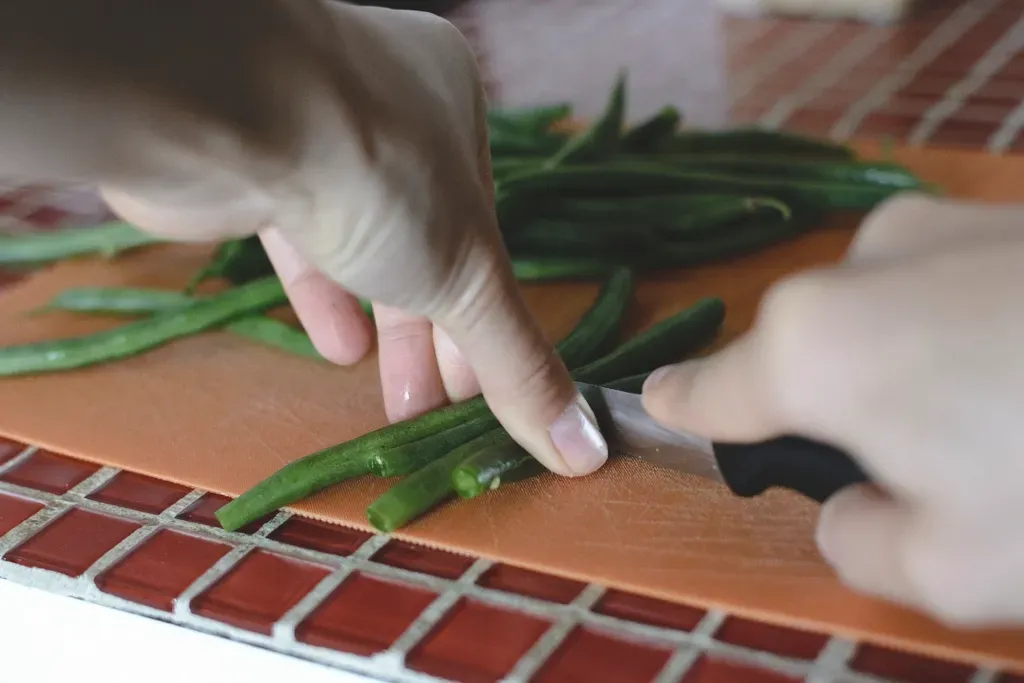
Grocery store employees routinely trim outer leaves, cut away brown spots, and reshape produce to make it look more appealing. This practice is standard across the industry, though stores rarely advertise it. The removed portions are usually composted or discarded, while the trimmed product gets displayed as if it were pristine.
What looks like a perfect head of lettuce might have had several layers removed just hours earlier. Similarly, pre-cut fruit displays often use produce that wouldn't sell whole because of cosmetic imperfections. The cutting process removes the evidence of age or damage while creating a convenient product customers will pay premium prices for.
This isn't necessarily deceptive, but it does mean that "fresh cut" doesn't always equal "freshly harvested." You're often paying more for labor that masks the true condition of the produce.
10. Temperature Manipulation Slows Down Natural Decay
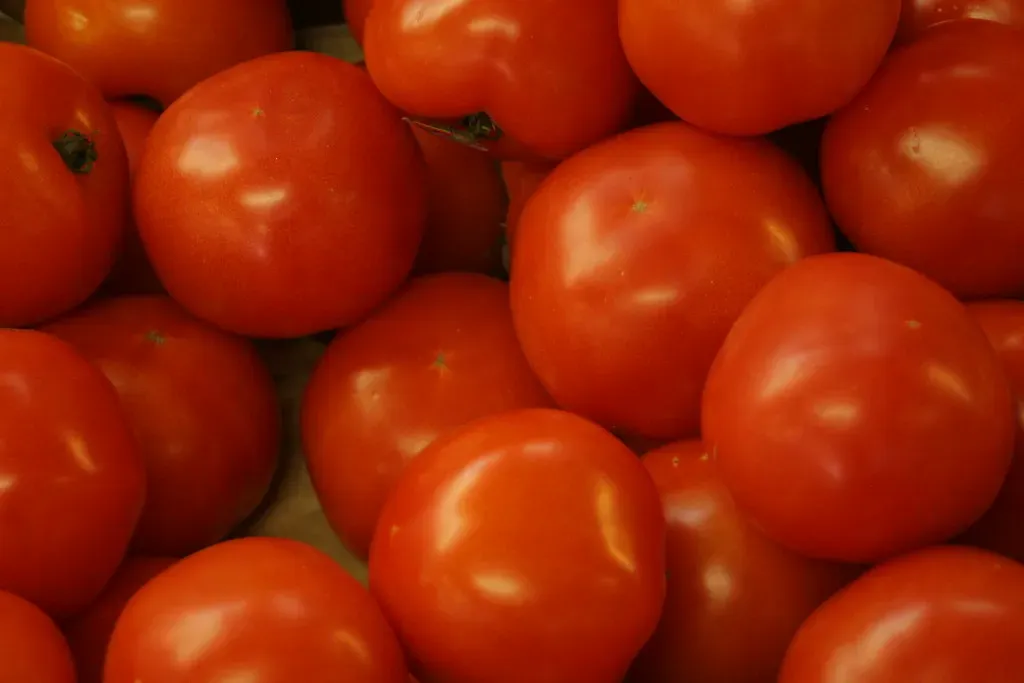
Tomatoes can be stored for up to six weeks in a low oxygen, high nitrogen environment, which dramatically slows their natural aging process. Lettuce might get washed in a solution of chlorine and preservatives before being put in cold storage for up to a month.
These controlled environments essentially pause time for produce, keeping it in a state of suspended animation until it's ready to be sold. The technology is impressive from a logistics standpoint, yet it also means that "fresh" has become a relative term that varies wildly depending on the product and supply chain.
The cold chain is critical for food safety, yet it's also a tool for extending shelf life far beyond what nature intended. When you buy produce that looks perfect, it's often because temperature control has prevented the visible signs of aging, not because the item was recently harvested.
11. Produce Gets Rearranged Multiple Times Daily
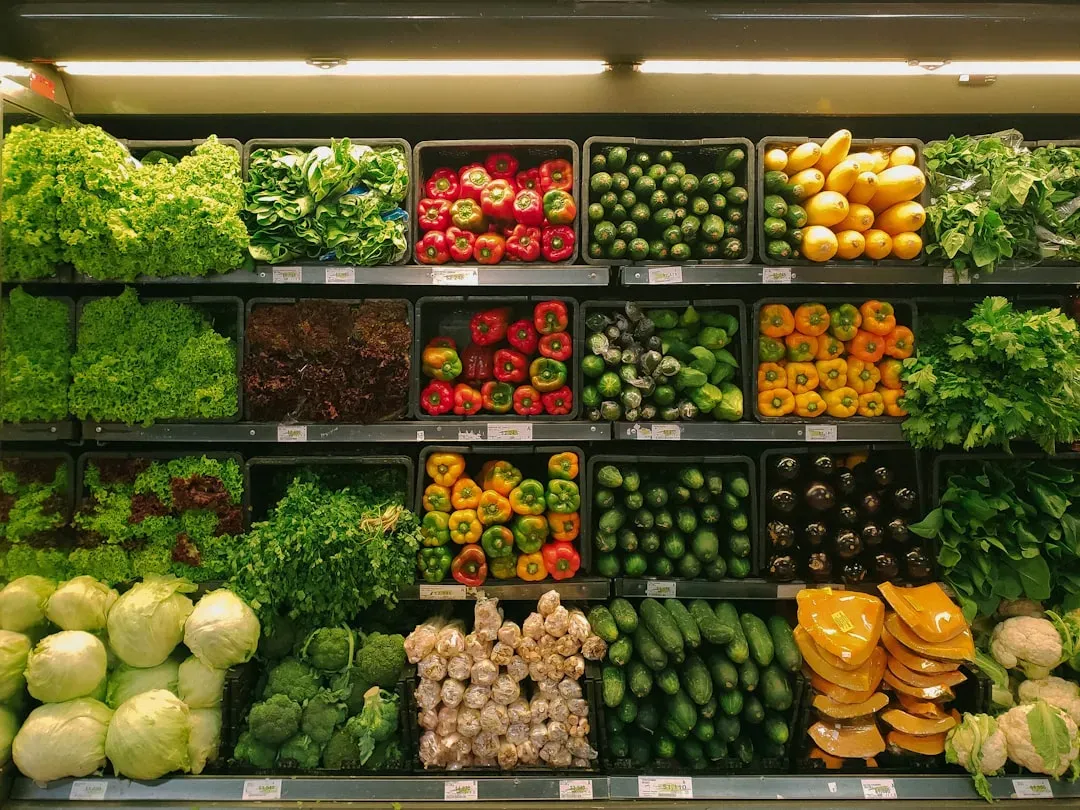
Grocery store staff constantly "face" produce displays, rotating items and removing any that show signs of age or damage. This happens several times per day in busy stores, creating the illusion that everything is perpetually fresh. Items that look less appealing get moved to less visible spots or pulled entirely.
Perishable foods should be rotated throughout the day, especially soft fruits and vegetables that bruise easily and go bad quickly. This constant maintenance means that what you see during your morning shopping trip might be entirely different from what's available in the evening, even though the produce has the same age.
The practice ensures that displays always look abundant and fresh, even as inventory ages behind the scenes. It's theater as much as retail, designed to keep customers confident in their purchases.
12. Strategic Product Placement Creates False Urgency
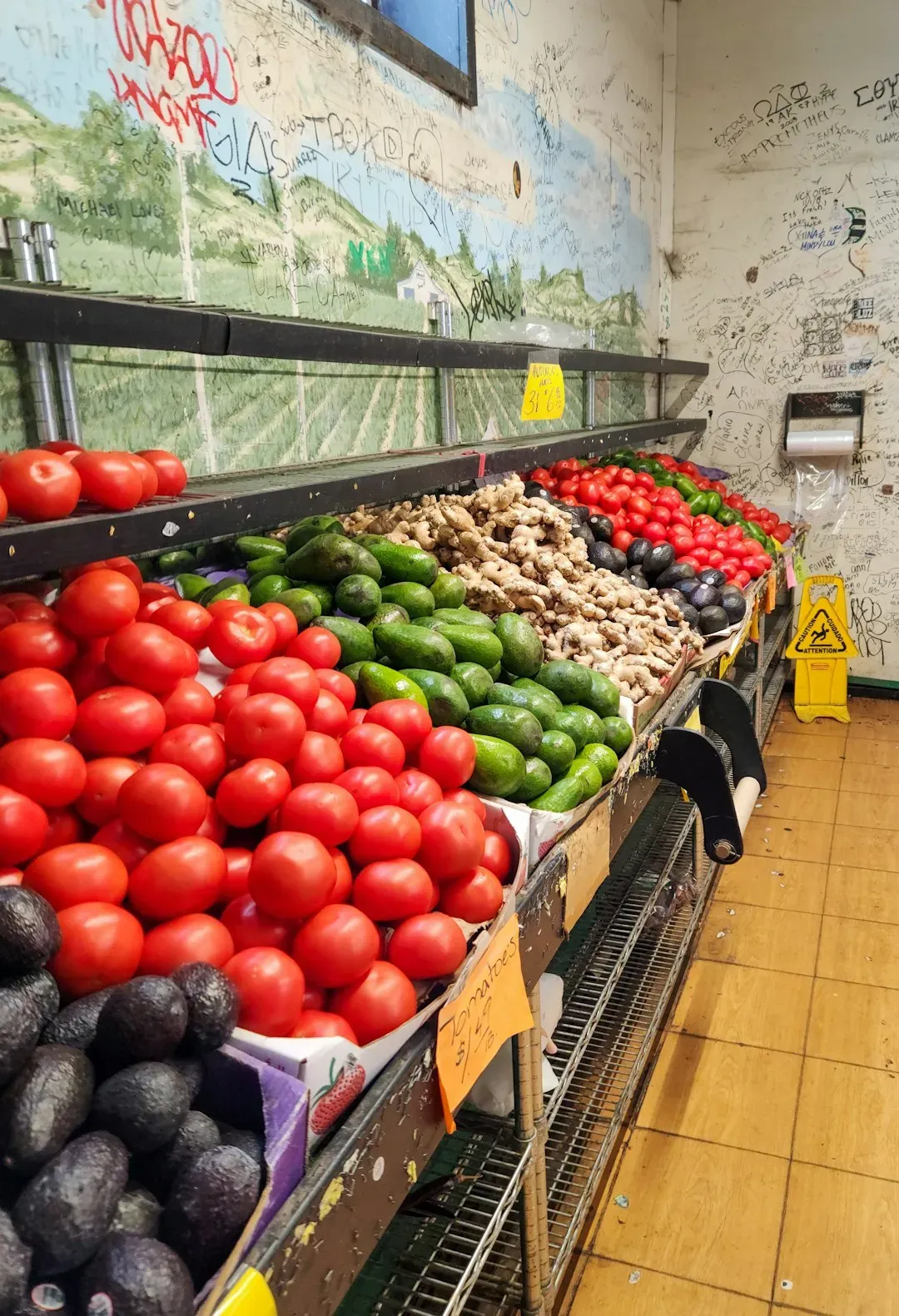
Stores deliberately create the perception of scarcity by not fully stocking displays, making produce appear to be flying off the shelves even when there's plenty in the back. This psychological trick encourages faster purchasing decisions. Similarly, placing certain items at eye level or near high-traffic areas makes them seem more desirable, regardless of their actual freshness.
Retailers could cut food waste by more than 20% while increasing profits by 6% on average through smarter product display and pricing strategies, according to recent research. Yet many stores prioritize appearance over efficiency, maintaining practices that look good to customers even when they create more waste.
The placement of discounted or aging items also follows careful psychology. They're often positioned where customers might grab them impulsively rather than making deliberate choices. Everything from the height of displays to the proximity of related items is calculated to influence your perception and behavior.
The next time you walk through your local grocery store, you might see the produce section a bit differently. These tactics aren't necessarily harmful, and many exist to reduce waste or extend availability. Yet they do raise questions about what "fresh" really means in modern retail. The produce looks perfect because an entire system of storage, treatment, lighting, and display has been engineered to make it appear that way, regardless of how long ago it was actually harvested.
What surprises you most about these behind-the-scenes practices?



Leave a Reply