
You sit down, glance at the menu, pick something that catches your eye, and enjoy what feels like a perfectly ordinary dining experience. Except it isn't. Behind every visit to a restaurant - from a cozy neighborhood bistro to a buzzing chain - there is a carefully designed system at work, engineered to shape what you choose, how much you spend, and how long you stay.
Honestly, some of these tactics are clever. Others are downright surprising. Either way, once you know about them, you'll never look at a restaurant menu quite the same way again. Let's dive in.
1. Your Menu Is Deliberately Designed to Make You Spend More
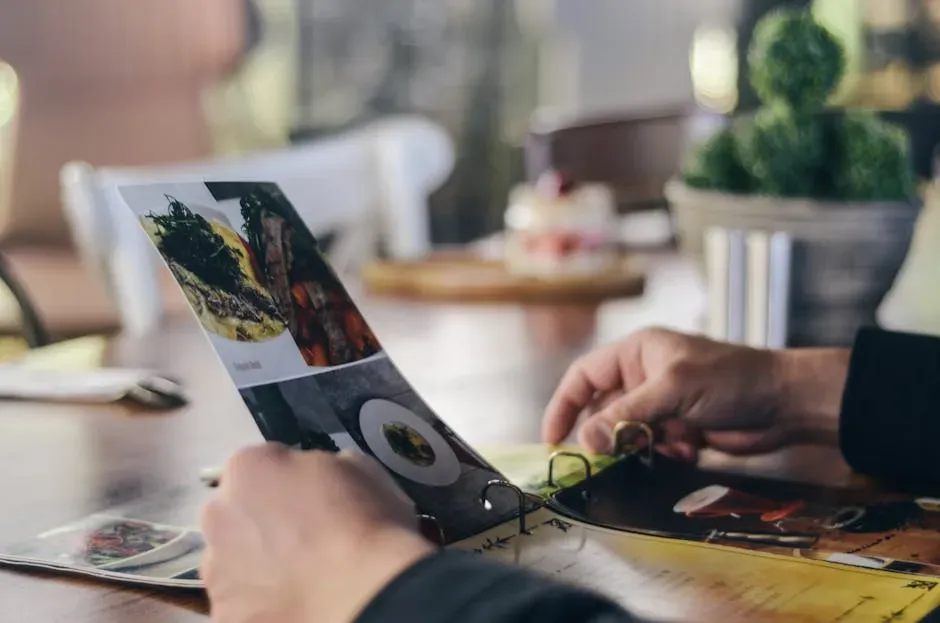
The menu in your hands is not just a list of food. It is one of the most powerful marketing tools a restaurant owns. Menu psychology is the study of how guests interact with a restaurant's menu and how certain design choices can influence what they order. It is rooted in real behavioral science, and restaurants invest serious resources into making it work in their favor.
One trend is for restaurants to remove currency signs from their menus, which can result in people spending up to 30% more. That small detail, a missing dollar sign, quietly lowers the psychological "pain" of paying. Research done at Cornell University found that customers spent significantly more when prices were displayed in numerals without dollar signs, because the sight of a dollar sign reminds consumers that they're spending money. It is subtle, almost invisible, and it works.
2. The Most Profitable Dishes Are Placed Exactly Where Your Eyes Land First
There is a science to where items appear on a menu page. According to the Golden Triangle theory of menu engineering, when customers scan a menu, their eyes go first to the middle of the page, and then to the top right corner. One of the easiest upselling techniques is to place the most profitable items there, so they are the first thing customers look at. Think of it like prime real estate, except on paper.
Most customers have an extremeness aversion and will never order the most expensive or least expensive items on the menu. You can use this psychological quirk to your advantage: by highlighting a very expensive item, the less pricey dish directly below it seems more reasonably priced by contrast. The strategy is to position a high-priced item in a "sweet spot" with a highly profitable item right next to it. You thought you made a savvy, independent choice. The menu gently guided you there.
3. Descriptive Language on Menus Is No Accident

Ever noticed how a dish is never just "chicken"? It becomes "slow-roasted heritage chicken with herb-infused jus." That language is intentional. Restaurant menu items often have enticing descriptions in order to increase sales, and the type of description matters because some evoke an emotional response from the customer whereas others are just a list of ingredients on a plate.
The difference in wording translates directly to revenue. Research shows that descriptive labels can increase sales by as much as 27 percent. That is a significant jump for simply rewording "grilled salmon" as "Atlantic salmon, pan-seared with a lemon-caper butter." The words used to describe food matter enormously: a flat, boring dish description can be skipped over entirely, but one that speaks to the senses and taps into your emotions can significantly increase menu item sales.
4. Servers Are Trained to Upsell You - and They're Good at It
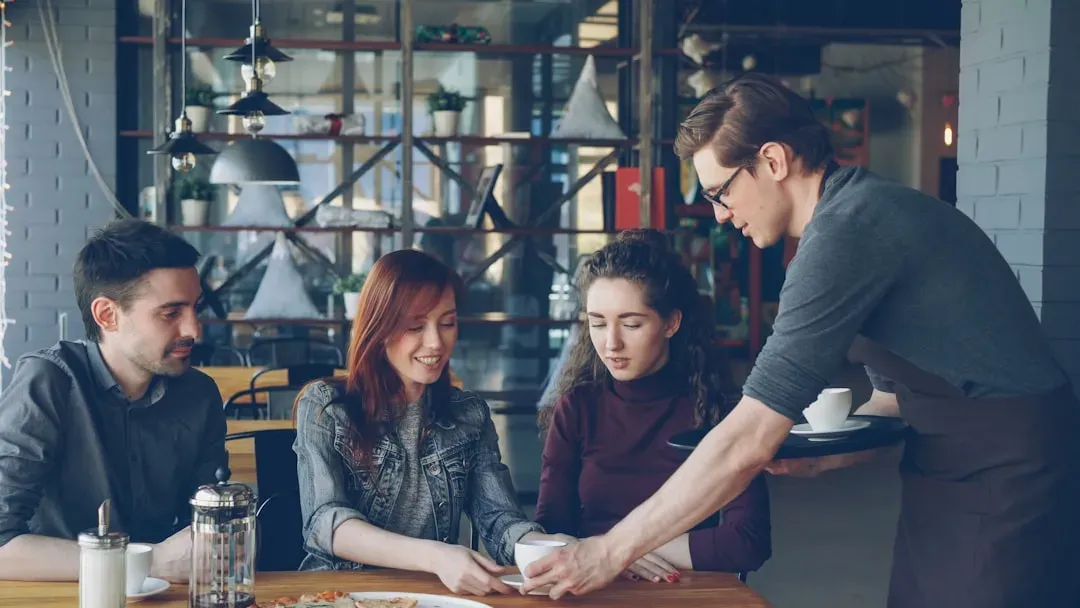
When your server enthusiastically recommends the truffle fries or suggests a specific wine pairing, that is not just friendly advice. It is a practiced, structured technique. Upselling refers to the process of persuading customers to order more expensive menu items using subtle techniques such as making suggestions and asking questions, and it should be a win-win situation in which the restaurant increases profits while the customer enjoys premium items.
Restaurants focusing on upselling can boost revenue by 10 to 15 percent per table, and servers can earn higher tips by making thoughtful recommendations. The training runs deeper than most customers realize. According to research from Food and Hotel Asia, when guests order an entrée, appetizer, and alcoholic beverage through effective upselling techniques, their total check increases by almost 47 percent. That is not a coincidence. That is a system.
5. The Kitchen Starts Prepping Your "Fresh" Meal Hours or Even Days Before
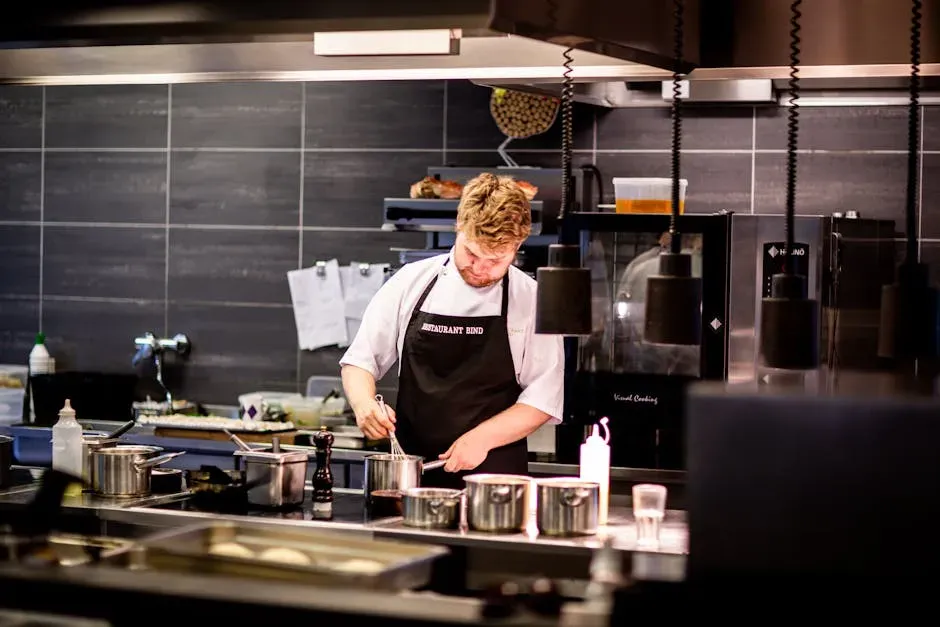
Here is the thing - that beautifully plated dish arriving at your table in ten minutes did not magically come together in ten minutes. Odds are, you've been impressed when a neatly plated dish makes it to your table. What seems to have come together easily is actually a result of hours or even days of preparation and planning. Stocks are simmered overnight. Sauces are made in enormous batches. Proteins are marinated and portioned at the start of a shift, or often the night before.
Many restaurants use methods like sous vide, where meats are cooked low and slow in advance, then finished quickly to order. This allows the kitchen to maintain consistency during peak hours without compromising the appearance of freshness. It is not deception exactly, it is just the reality of running a professional kitchen efficiently. Most diners have no idea.
6. Decoy Pricing Is Used to Make Certain Items Feel Like a "Steal"
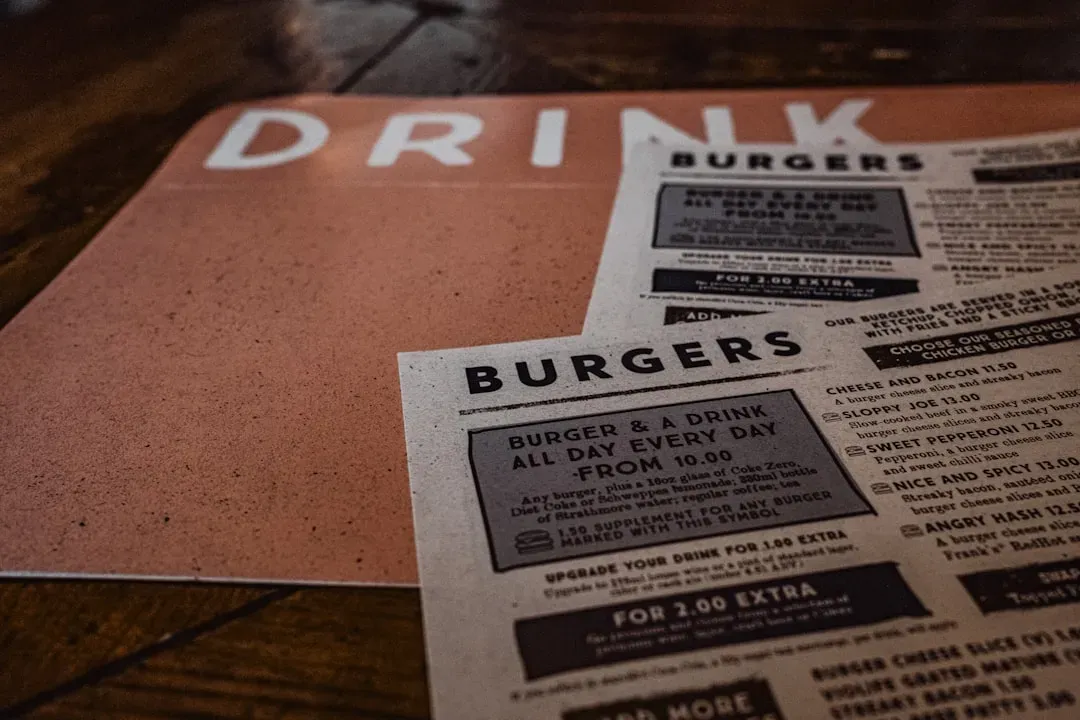
Imagine seeing a pasta dish for $12 and another for $28 on the same menu. Then a third option appears at $19. Suddenly $19 feels completely reasonable. That is decoy pricing in action. Decoy pricing makes one dish look more appealing and affordable based on a similar but more expensive meal placed next to it. For example, if a menu offers a small pasta dish for $10 and a large for $25, introducing a medium at $17 makes that choice seem like excellent value.
Hospitality firms aim to increase their profits by implementing decoy pricing to provide alternative choices for consumers, where decoys are relatively higher-priced offerings that signal lower value than the other offerings in the consideration set. Peer-reviewed research published in the International Hospitality Review in 2024 found that decoy pricing escalates consumers' choices of more expensive product bundles in both restaurant and hotel contexts. You feel smart for picking the "middle" option. The restaurant planned for exactly that.
7. Portion Sizes Are Quietly Shrinking - Without a Price Drop
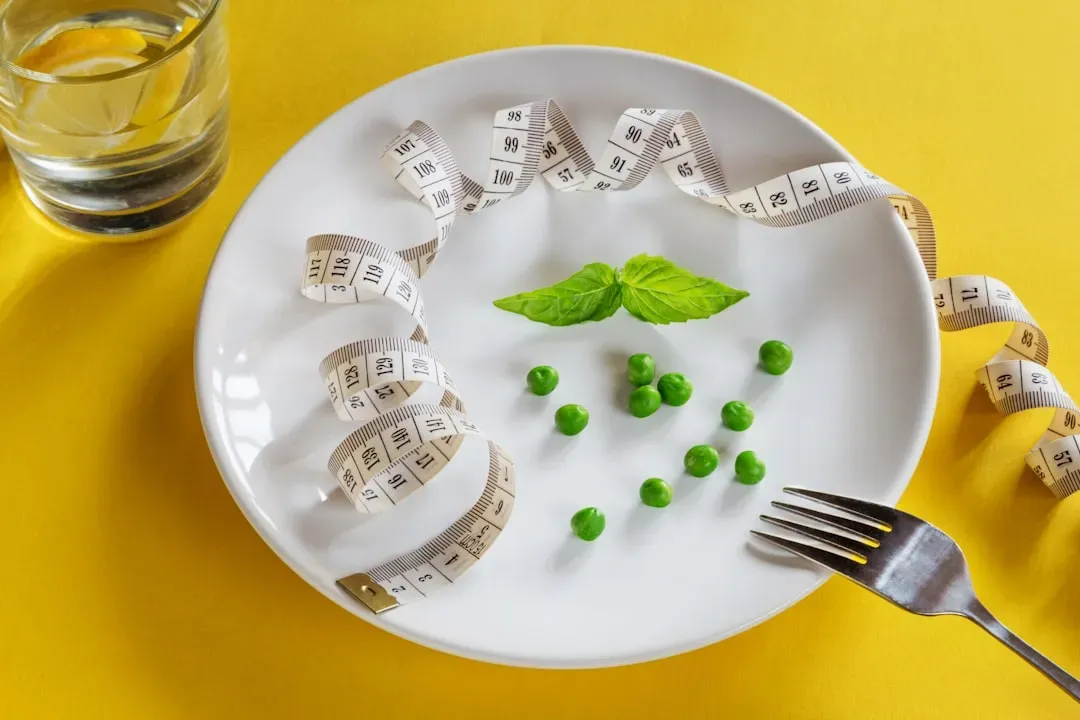
Shrinkflation is no longer just a grocery store problem. It has arrived in full force at restaurants, and most customers don't even notice until it is pointed out. Some customers have noticed a frustrating trend at their favorite restaurants - smaller portions without a price drop. While "shrinkflation" has affected grocery store staples and packaged snacks, restaurant chains are quietly cutting back on serving sizes too, driven by rising food costs, supply chain challenges, and economic pressures.
Among the chains facing customer criticism for downsized portions are Five Guys, Burger King, and McDonald's, with customers taking to social media to share their disappointment over skimpy servings. Some have posted side-by-side comparisons of past and present meals, showing noticeable reductions in portion sizes. The math is simple: food costs spiked 31 percent between 2019 and 2025, and restaurants are quietly passing that pain onto diners in the form of smaller plates.
8. Loyalty Programs Are Structured to Get More Out of You - Not Just Reward You
Those points you are collecting? The rules keep changing. Restaurant chains are making it cost more to be loyal: Starbucks, Dunkin' Donuts, and Chipotle have changed their reward programs, forcing customers to spend more to get a freebie. Let's be real, this is shrinkflation applied to rewards. The program that once felt generous gets quietly revised in the restaurant's favor.
For instance, a free Chipotle burrito that previously required 1,250 points now takes 1,625 points, or about $37 more in additional spending. Dunkin' now requires almost $90 in spending for a free latte, up from $40 a year ago. Meanwhile, many restaurants are exploring subscription dining models or loyalty programs to promote customer loyalty and ensure steady revenue. The goal is retention, not generosity.
9. The Kitchen Repurposes Ingredients in Ways You'd Never Guess
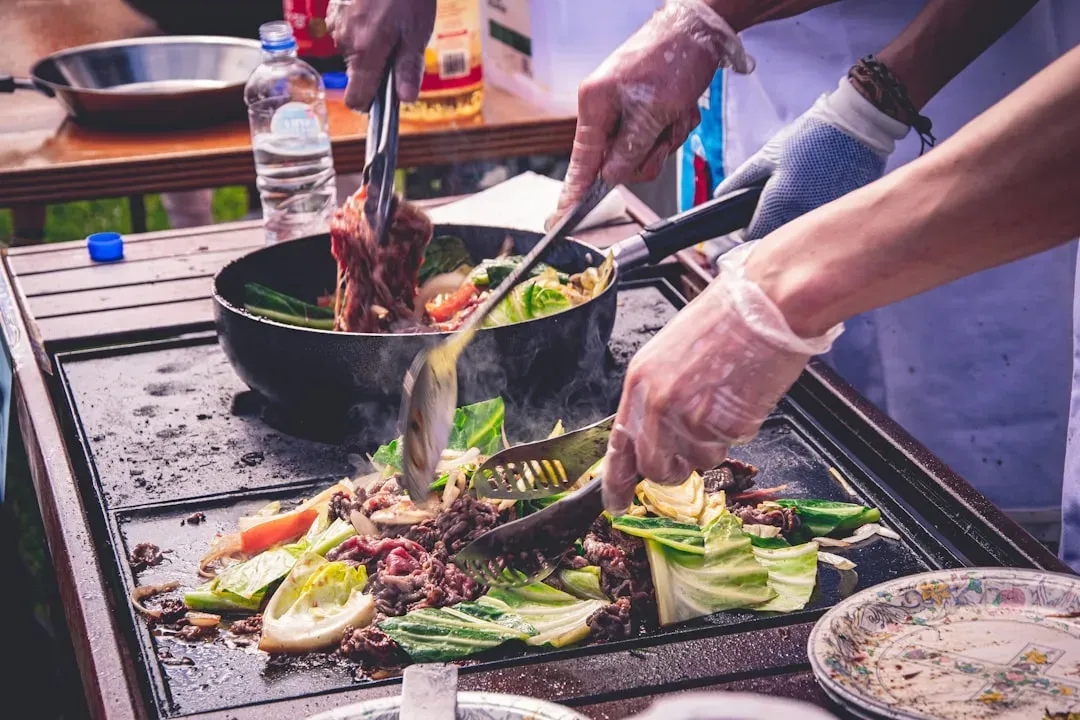
Reducing food waste is both an ethical and financial priority for modern restaurants. Operators are repurposing ingredients, reducing the number of supplies they purchase, and tracking the waste they create to manage expenses. That vegetable trim from one dish becomes the base for a stock. The stale bread from last night becomes croutons or breadcrumbs on today's salad.
It gets creative. At one sushi restaurant, small fish scraps deemed not "pretty" enough for sushi were combined with spicy sauce and served as a "spicy sashimi bowl." By cutting the pieces down to bite size and mixing them in a sauce, the visible imperfections disappeared, and with them, more than a full point off food costs. Customers loved it. Nobody asked where the fish scraps came from. That is just smart kitchen management.
10. AI and Technology Are Now Shaping What You Order - Without You Realizing
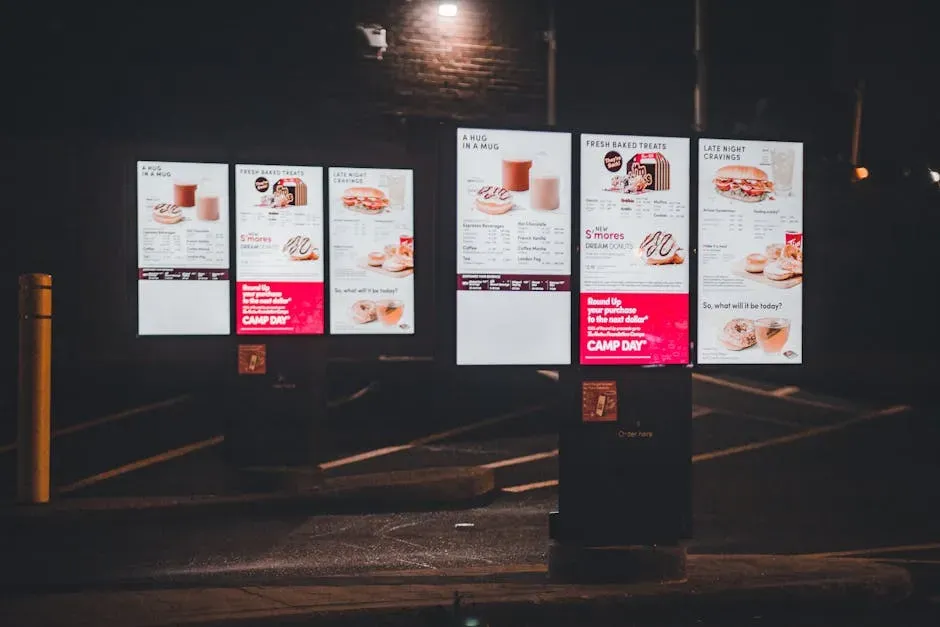
The restaurant industry's relationship with technology has gone far beyond point-of-sale systems. McDonald's has deployed new deep-learning models that combine loyalty tiers, weather patterns, traffic data, and real-time store conditions to optimize menus and promotions across drive-thru and mobile channels. This system supports micro-segmented bundles, pricing, and recommendations, and has increased average check size by 7 percent. In other words, what you see on the digital menu board may be personalized specifically to you.
Artificial intelligence was everywhere in the restaurant industry in 2024. From small independents to giant chains, restaurants are betting big on AI's ability to automate tasks done by human workers, and maybe even do them better, including taking orders in the drive-thru, writing marketing copy, and predicting sales. Most customers walk in thinking they are making a free choice. The algorithm often had a strong opinion first.
11. Independent Restaurants Pay Dramatically More for the Same Ingredients as Chains
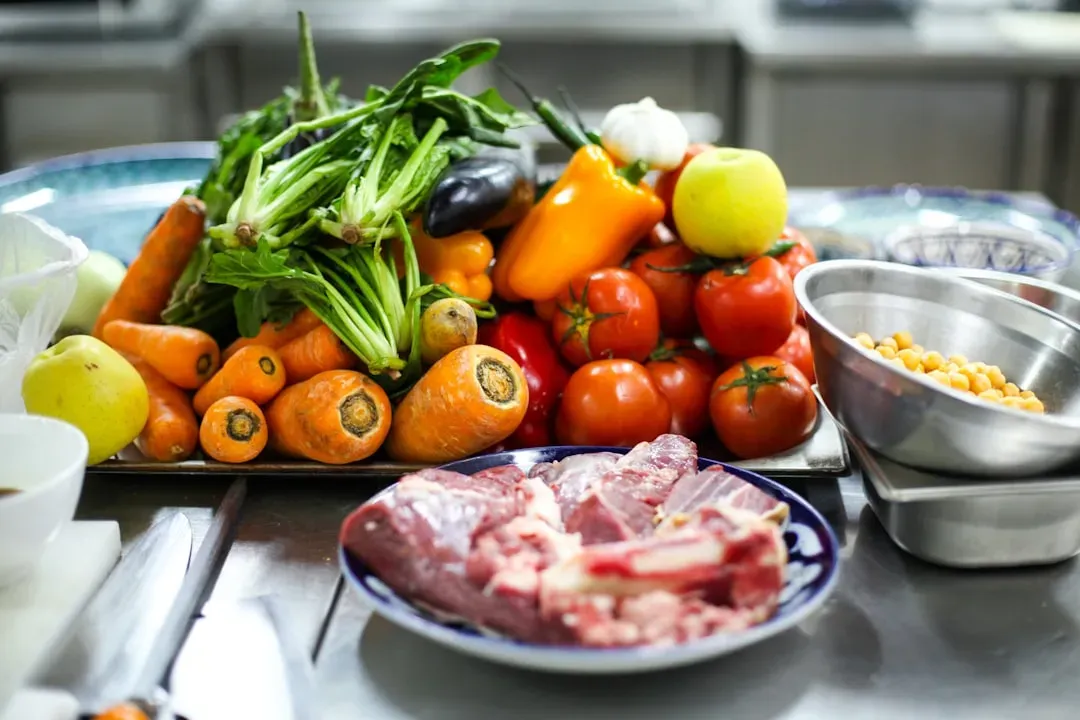
Ever wondered why that pasta at a small neighborhood restaurant costs more than at a national chain? The supply chain is a key reason. Independent restaurants typically purchase smaller quantities, often paying considerably more for the same ingredients. Supply chains tend to prioritize large-volume clients who benefit from more stable pricing, while independent restaurants are more exposed to sudden price fluctuations in key ingredients such as daily meat and seafood costs.
This is not a minor difference. It fundamentally shapes how a small restaurant survives financially, and it explains everything from menu prices to portion sizes. According to the National Restaurant Association, full-service restaurant menu prices had surged by as much as 9.0 percent year-over-year during 2022 and have risen by a more modest 3.6 percent by December 2024, while limited-service restaurant prices have increased by 3.7 percent in 2024. These numbers add up fast, especially for operators buying at retail-level wholesale prices.
12. Self-Service Kiosks Are Designed to Increase What You Spend
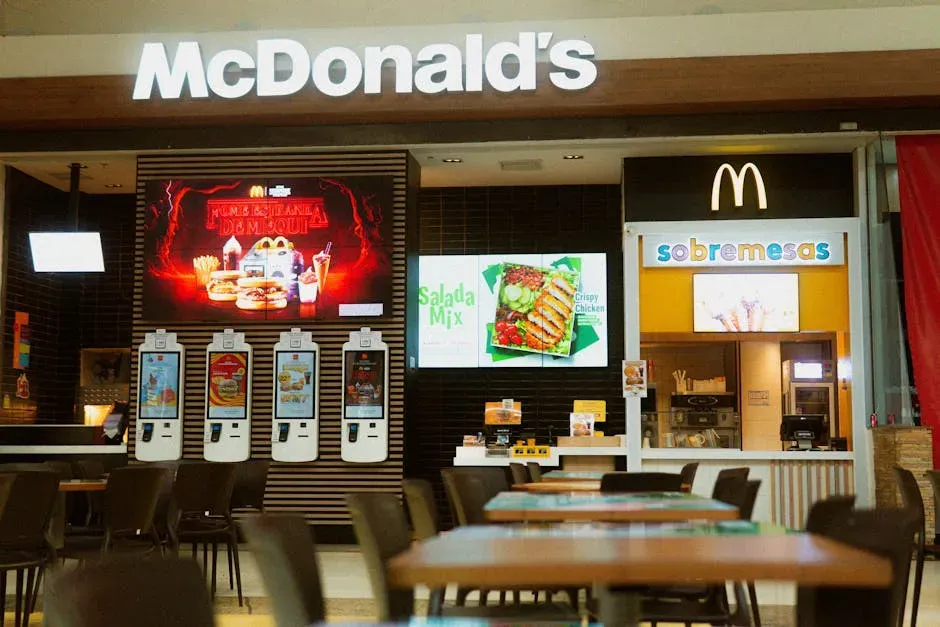
Walk up to a kiosk at a fast-food restaurant and you might feel like you're in control. You're browsing, deciding at your own pace. That relaxed feeling is, in fact, the whole point. Kiosks often lead to larger check sizes, and restaurants know it. Without a human server watching the clock or creating social pressure, customers simply order more.
Online food ordering allows restaurants to upsell automatically by displaying a list of add-ons, toppings, or desserts when people add a main dish to the cart. This is even less intrusive than upselling in person because customers don't feel any pressure from the server to choose something. Plus, mouth-watering images in the online menu can tempt customers to add that extra side to their order. The kiosk is not neutral. It is a tool, and a remarkably effective one at that.
A Final Thought Worth Taking With You
None of this means restaurants are villains. Most of what goes on behind the scenes is smart business, creative problem-solving, and a genuine effort to stay profitable in a notoriously difficult industry. An average U.S. restaurant retains just 3 to 5 percent of its sales as net profit, which honestly makes these tactics not just clever but necessary for survival.
Still, knowing what is happening changes the experience. You can appreciate the craft behind a perfectly worded menu description, recognize a decoy price when you see one, and make more informed choices the next time you sit down to eat. The restaurant will still nudge you toward the truffle fries. Whether you order them is entirely up to you now.
Which of these surprised you the most? Drop your thoughts in the comments.

Leave a Reply