
Grocery shopping used to feel straightforward. You walked in, filled the cart, paid, and went home. Today, it feels more like navigating a financial obstacle course. According to data from the U.S. Bureau of Labor Statistics, prices for food at home rose nearly 29 percent from March 2020 to December 2025. That's not a small bump. That's a seismic shift in the average household budget.
The good news is that you don't need to be an extreme couponer, spend hours clipping paper deals, or become a full-time bargain hunter to fight back. There are smarter, quieter ways to save, and most of them are hiding in plain sight. Here's what actually works right now. Let's dive in.
1. Switch to Store Brands and Stop Feeling Guilty About It
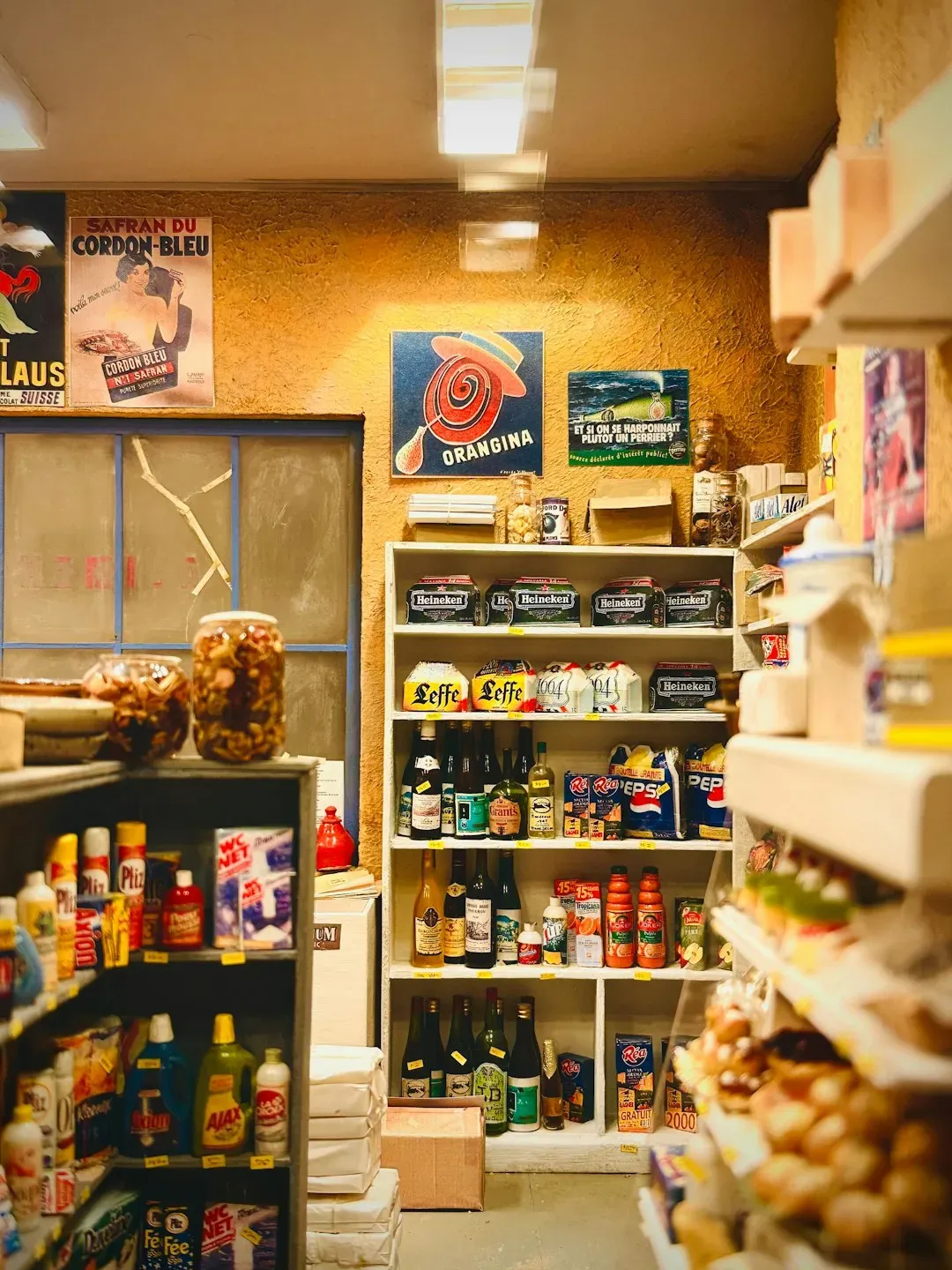
Here's the thing: most people still feel a weird twinge of "settling" when they reach for the generic version of something. That mindset is costing them real money. Consumer Reports found that many store brands cost 15 to 25 percent less than name brands and, in some cases, taste better. That's not a marginal difference. That's a meaningful chunk of your monthly bill.
In 2025, total sales of store brands reached $282.8 billion, an increase of $9 billion year-over-year and a new record, across brick and mortar and online supermarkets, drug chains, and mass merchandisers. Shoppers are clearly catching on. It is estimated that U.S. consumers save more than $40 billion a year on grocery and household purchases by opting for the store brand over the national brand version of their favorite products. Honestly, that stat alone should silence any debate about whether store brands are worth it.
2. Make a Shopping List - and Actually Stick to It
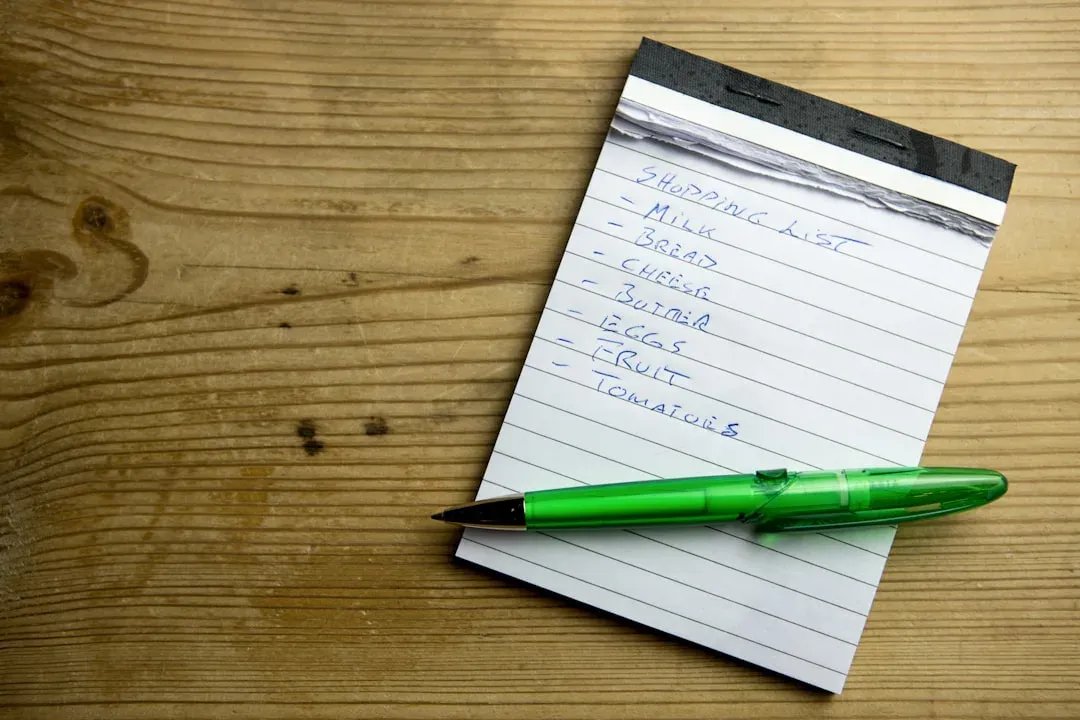
This sounds so basic it's almost insulting to mention. Yet it remains one of the single most powerful savings tools available. One of the biggest mistakes people make is shopping without a plan. If you go into the store without a list or a clear idea of what you need, you're most likely going to overspend. The store layout is specifically engineered to exploit that kind of unpreparedness.
Stores are designed to encourage you to spend more, not less. Recognizing the most common tricks makes it much easier to save money at the grocery store without relying on sheer willpower. Think of a shopping list as your armor against an environment built to empty your wallet. It's not just about remembering milk and eggs. It's about entering with intention and leaving with control.
3. Try "Backwards Shopping" - Plan Meals Around What You Already Have
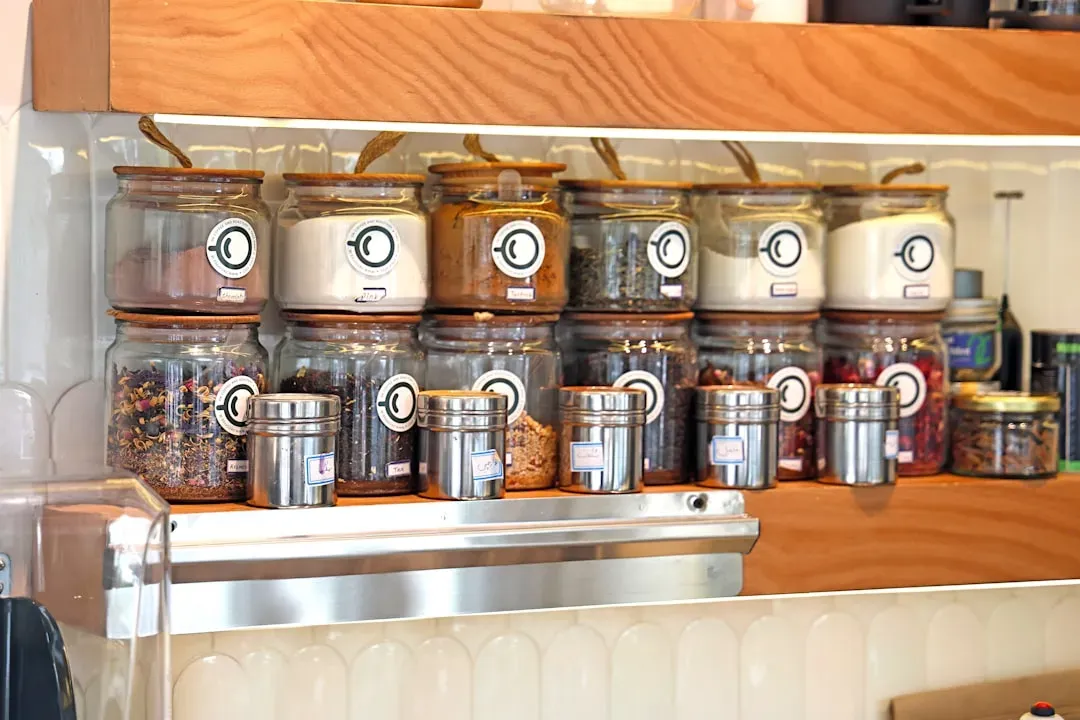
This is one of the freshest and most practical concepts gaining traction in 2026. Backwards shopping means flipping the usual sequence on its head. Consumer expert Andrea Woroch describes it as an effective meal-planning trick that can help you save on groceries and even reduce food waste, suggesting you create a meal plan around the food you have at home, in your pantry, fridge and freezer, before buying all new foods at the store.
The underlying idea draws from long-standing frugal culinary principles: pantry-first meal planning, clean-out-the-fridge cooking and even the improvisational spirit of shows like Chopped, where chefs create dishes from a basket of ingredients. I think this approach also has a creative upside. You start to rediscover half-forgotten ingredients and build actual cooking intuition, not just follow a script. The pantry becomes a resource, not just a backdrop.
4. Understand the Real State of Grocery Inflation Before You Shop
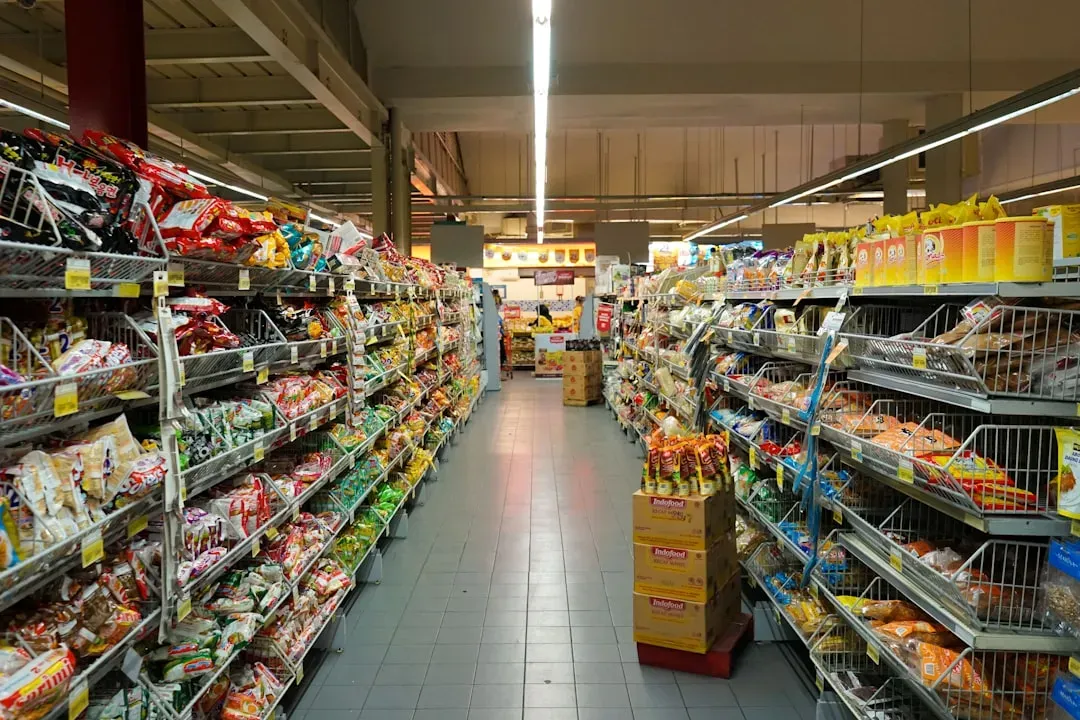
Knowledge is underrated as a savings tool. If you know where prices are heading, you can adjust your cart before it hits your wallet. In 2026, overall food prices are predicted to rise 3.1 percent. That's not catastrophic, but it compounds year after year on top of the post-pandemic price baseline. Categories predicted to grow faster than their 20-year historical average include beef and veal, other meats, fish and seafood, processed fruits and vegetables, sugar and sweets, cereal and bakery products, and nonalcoholic beverages.
Knowing this information lets you make smarter substitutions. If beef prices are expected to rise sharply, leaning into chicken or plant proteins during the same period becomes a genuinely strategic move, not just a dietary preference. According to USDA and Bureau of Labor Statistics data, grocery prices are still rising because underlying production and distribution costs are higher across the board, and companies are reluctant to give back price increases once they've been accepted by the market. You can't change that. You can shop around it.
5. Lean Into Loyalty Programs - But Use Them Smartly
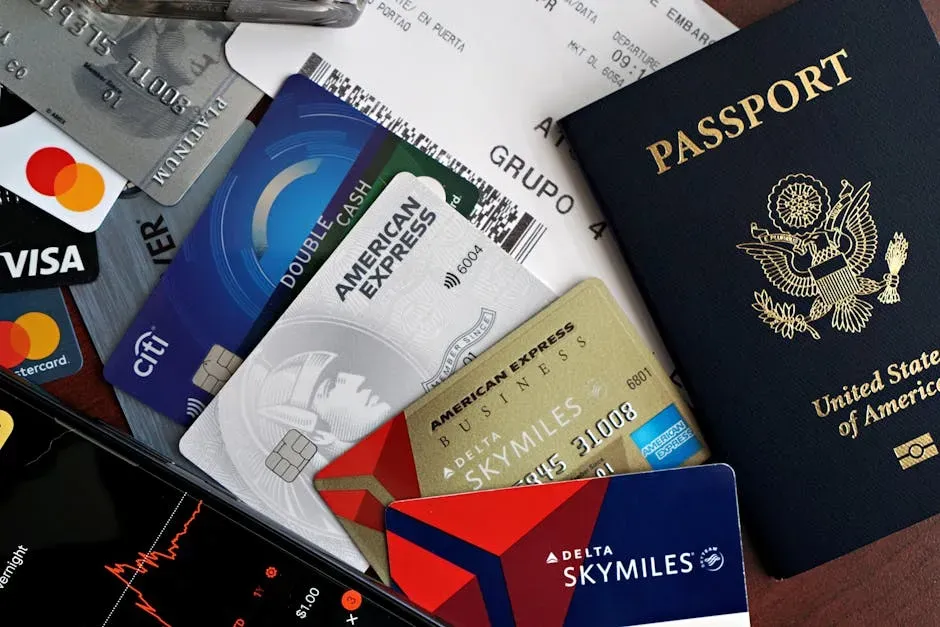
Loyalty programs aren't new. What is new is how good they've become, especially if you actually engage with them. In addition to discounts, several retailers now offer cash-back-type programs that reward you for in-store spending. Kroger, Safeway, Target, and dozens of regional chains have evolved these programs far beyond simple points systems. They now offer personalized deals, fuel rewards, and even free items.
More than half of shoppers plan trips around available discounts, while 44 percent act on personalized recommendations through loyalty programs or digital channels, and 37 percent will switch brands if a promotion helps them save. The sweet spot is combining a store loyalty card with a cashback credit card on top. Store apps typically save between $15 to $30 per grocery trip because their offers cover produce, meat, and store brands, the actual bulk of your cart. Those are real dollars, earned with minimal effort.
6. Use Cashback Apps - They're Not Just Hype

If you've dismissed apps like Ibotta or Fetch as too complicated or too small to matter, it might be time to reconsider. Capital One Shopping research showed that 76 percent of Americans use digital coupons for groceries, saving an average of $316 per year. That figure is significant for something that takes minutes a week. These apps require zero extreme couponing behavior.
With Ibotta, you can earn cash back by selecting offers before you shop, then uploading your receipt or linking your store loyalty card. The Fetch app works differently. Fetch is the opposite of Ibotta: scan any receipt, earn points, no planning required. You won't earn as much per trip, but you'll actually use it consistently because there's nothing to think about. Combining both apps with store loyalty programs is where the real compounding happens.
7. Buy in Bulk for the Right Items
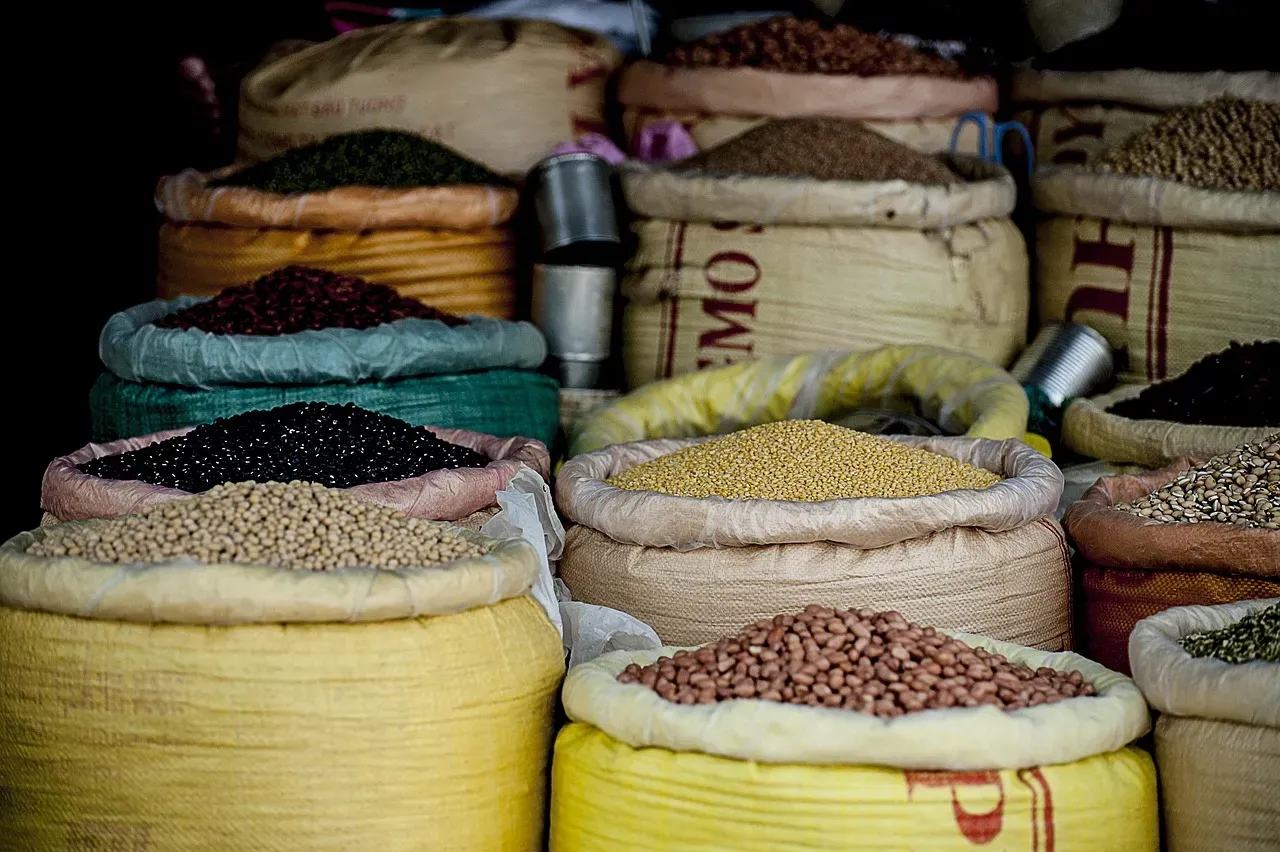
Buying in bulk is a concept as old as warehouse stores themselves, but the way people are doing it in 2026 has evolved. A study run by MagnifyMoney discovered that grocery shoppers saved 25 percent on average by purchasing in bulk. The catch is that bulk buying only saves you money on items you'll actually use before they expire. Buying a giant jar of something obscure because it's cheap isn't savings. That's optimistic hoarding.
Buying in bulk has evolved. Redditors are modernizing the concept through bulk co-op buying, where groups of friends or neighbors share wholesale orders to cut costs. Instead of filling your garage with 50 pounds of rice, you're splitting large purchases so everyone benefits. Think of it like a neighborhood version of a Costco membership. Everyone wins, and nobody's garage becomes a warehouse.
8. Shop Discount Grocers for Your Regular Staples
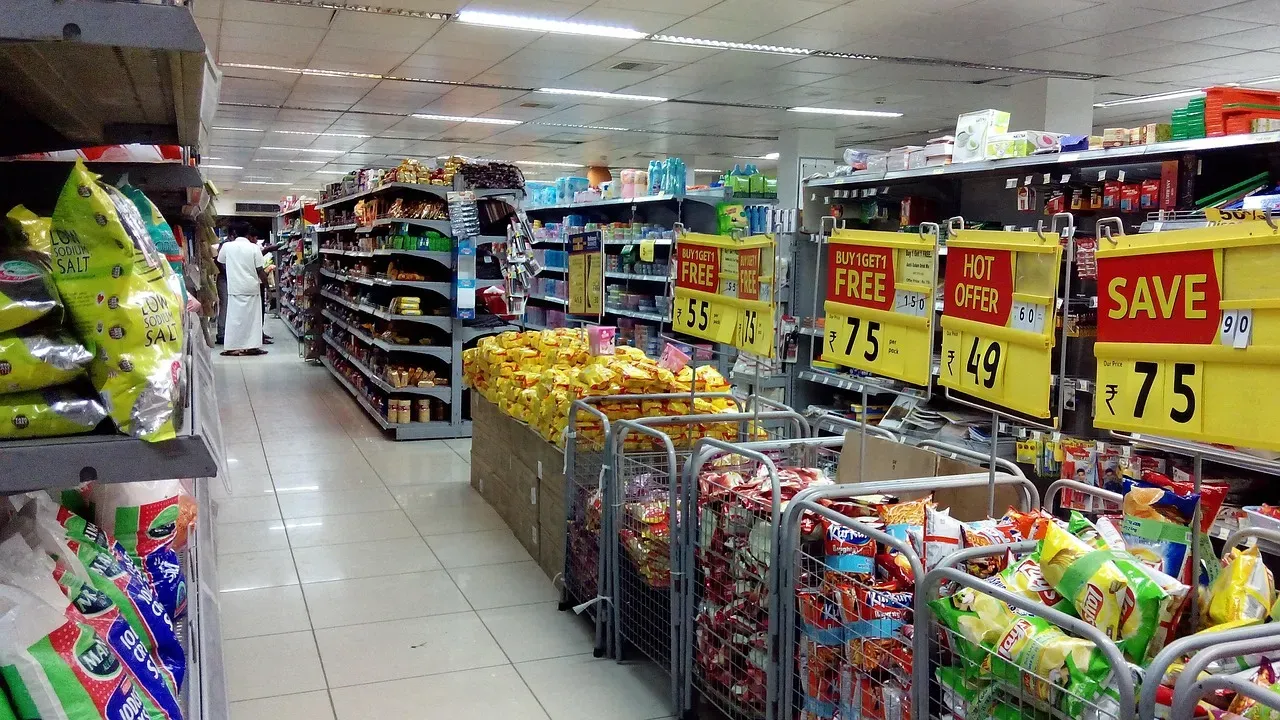
Not every item needs to come from one store. Mixing and matching where you shop for different categories is a legitimate and powerful strategy. Consumer Reports' latest price comparison shows Costco, BJ's, and Aldi are among the least expensive options. For everyday staples like flour, oats, canned goods, and frozen vegetables, discount grocers consistently undercut traditional supermarkets by a meaningful margin.
In 2026, retailers like Aldi, Trader Joe's, and Costco pour money into higher-quality ingredients and better packaging for their private labels. The gap between what discount and premium stores offer in terms of actual food quality has shrunk dramatically. If you're always grabbing the premium products at an expensive store, switching to a discount grocer like Aldi or Costco could save hundreds monthly. That's not an exaggeration. It's a measurable reality.
9. Shift Your Protein Sources Based on What the Market Is Doing
Protein is usually the most expensive part of any grocery trip, and it's also the category with the most price volatility. In 2026, being flexible about protein sources is one of the fastest ways to control costs without sacrificing nutrition. Beef and veal prices are predicted to increase 5.5 percent in 2026. That's a significant jump for many families who rely on ground beef or steaks as a weekly staple.
Contrast that with poultry, which is predicted to stay nearly flat. Classic plant proteins like beans and tofu remain affordable alternatives and can make some really delightful meals. Opting for plant proteins for even one meal a week will reduce your grocery costs. Rotating proteins based on weekly sales, what's cheap in your region, and what alternatives are available is a smart habit rather than a sacrifice. Think of it like rerouting traffic around a jam. You still get where you're going.
10. Pay Attention to Unit Pricing, Not Package Size

This is one of those tricks that feels obvious once someone tells you but that most shoppers never actually use. A "family size" package isn't always cheaper per ounce than the regular version. Sometimes it's more expensive. Check your pantry before every trip, stick to a list, and focus on unit pricing, not packaging tricks. The label below the price on most store shelves shows cost per ounce, per count, or per unit. That is your real comparison tool.
Redditors often keep a simple "core item tracker" for five to ten things they buy constantly, like coffee, milk, chicken thighs, and rice. Knowing each item's normal price range makes it obvious when a sale is truly good, or just clever marketing. Building this mental database takes a few trips, but once you have it, you stop falling for the inflated "sale" stickers that aren't actually sales at all.
11. Reduce Food Waste - It's the Silent Budget Killer

Roughly a third of all food purchased in American households ends up in the trash. Let that sink in for a moment. You don't need to buy less. You need to waste less. One frugal shopper noted discovering that buying food for only three days at a time saves money, because buying a week's worth of fresh food often means tossing at least half of it. That's a perspective shift, not a deprivation strategy.
Freezing is the underused superpower here. Stocking up on meats that are on sale and freezing them properly is one of the most impactful frugal practices shoppers report using in 2025. A vacuum sealer and a dedicated freezer strategy can turn a great sale into months of savings. You're essentially manufacturing your own discount aisle at home. It takes planning, but it works every single time.
12. Time Your Shopping Around Sales Cycles
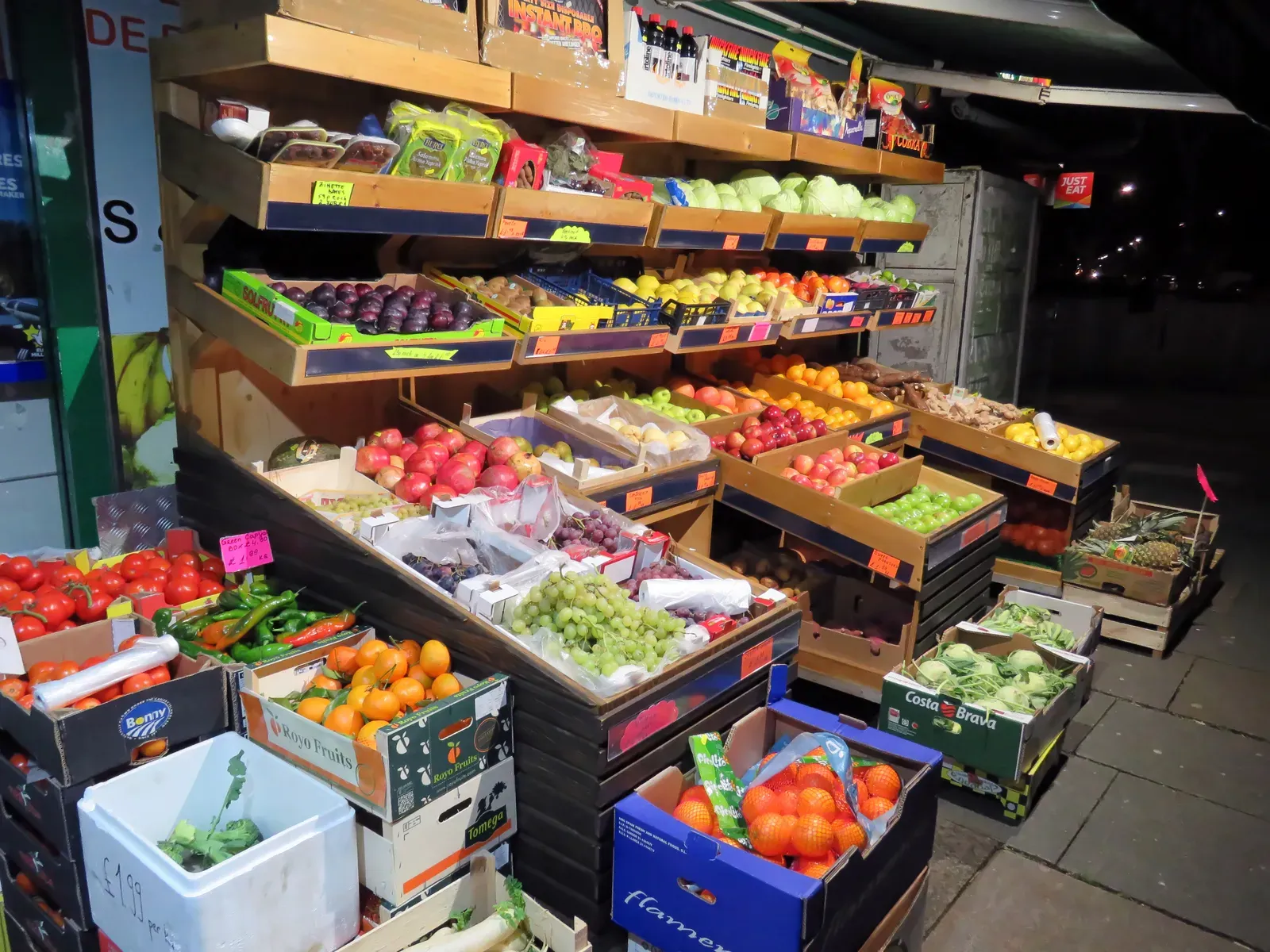
Most grocery stores operate on a predictable weekly and seasonal sales cycle, and working with that rhythm rather than against it is a low-effort savings strategy. Stocking up when items go on sale is always valid advice. Flour, chocolate chips, and sugar often go on sale in November and December. Picking up an extra corned beef just before St. Patrick's Day can mean enjoying it at later parts of the year.
Seasonal price patterns apply across many categories. The rising price of sugar may continue to drive up the price of candy and chocolate in 2026, so it may be a good idea to take advantage of after-Christmas sales to stock up. The same logic applies to grilling meats after Labor Day or holiday baking items after major holidays pass. You're shopping on your schedule, not the store's.
13. Set a Realistic Budget and Track It for One Month Before Changing Anything

This one is less glamorous than an app hack or a bulk buying strategy, but it might be the most transformative of all. Most people genuinely have no idea how much they're spending on groceries or where that money actually goes. Track what you actually spend for a month before making changes. You might be surprised where the money goes. That number tends to be both revealing and a little uncomfortable.
Once you know your starting point, set a realistic target that's 10 to 20 percent lower and work toward it gradually. The goal isn't to eat poorly or feel deprived. It's to spend intentionally so your grocery budget doesn't quietly eat up money you need for other financial goals. Visibility is the foundation of control. You simply cannot improve what you never measure, and that truth applies just as much to grocery spending as it does to anything else in your financial life.




Leave a Reply