
There's something deeply satisfying about the way old food sayings just stick. They're punchy, vivid, and rooted in a time when people actually lived close to their kitchens, their farms, and their dinner tables. Somewhere along the way, a lot of these brilliant little expressions got swapped out for emoji and text abbreviations, and honestly? That feels like a real loss.
Many of these sayings have roots in cultural history, kitchen practices, or even farming traditions, and they evolved to represent more than their literal meanings. From "bringing home the bacon" to "a piece of cake," these food-inspired phrases reflect universal experiences of eating, cooking, and sharing meals. They're practically little windows into how people used to think and talk. So let's dust them off and give them another spin. Be surprised by just how colorful language used to be.
1. "Bring Home the Bacon"
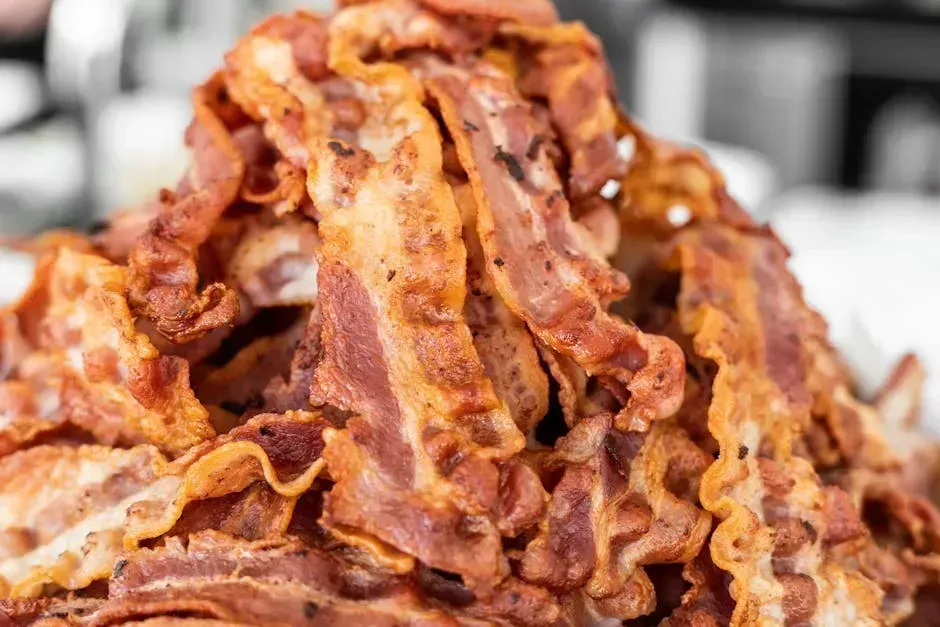
Few phrases carry as much weight as this one, and the history behind it is genuinely fascinating. One possibility is the tradition of the Dunmow Flitch, which began in Great Dunmow, Essex, in 1104, when a local couple so impressed the prior of Little Dunmow with their marital devotion that he awarded them a flitch, which is a side of bacon. That's real commitment, right there.
Many of these expressions date back to a time when it was not guaranteed to have food on your table. Bringing home the bacon was not just a fun expression - it was a way to survive. In 2026, with grocery prices still pinching people's wallets, this saying feels more relevant than ever. Let's bring it back.
2. "Not Worth His Salt"
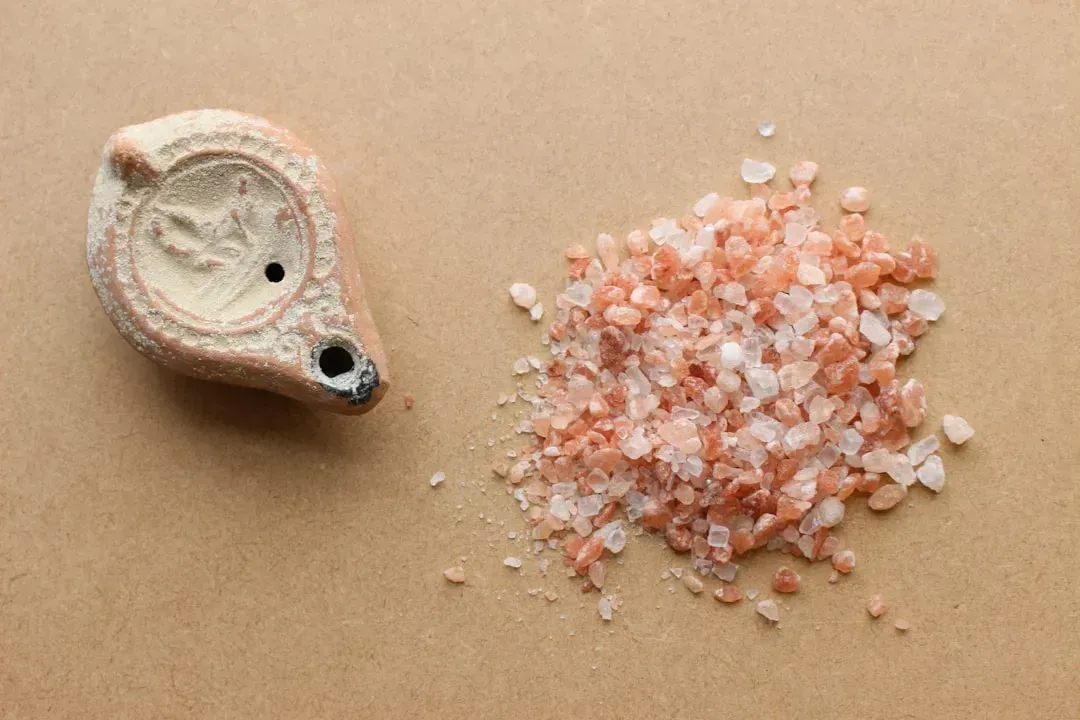
In Roman times, salt was a highly valued commodity used for trading. To say a soldier was "not worth his salt" was the same as saying he wasn't worth his salary; he was absolutely worthless. It's a brilliantly cutting insult wrapped in history.
Think about it. The word "salary" itself comes from the Latin word for salt. So when you call someone "not worth their salt," you're reaching back nearly two thousand years into Roman economic history. That's the kind of depth no modern slang can match. Bring it back, immediately.
3. "In a Pickle"
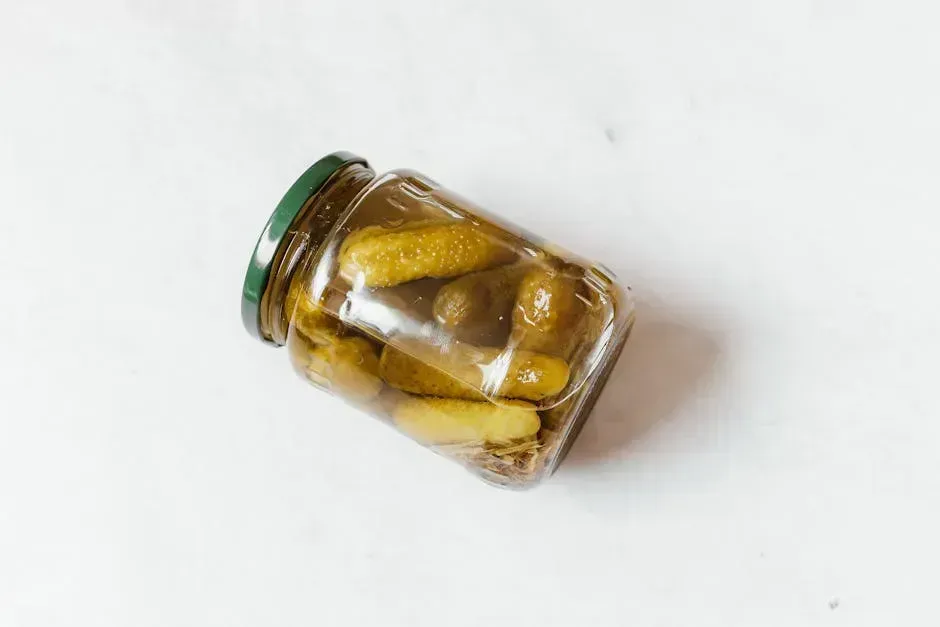
Somebody who is "in a pickle" is in trouble, or in a difficult situation. Simple, visual, and instantly understood. This is one of many idioms that originates from the works of Shakespeare. That alone makes it worthy of a comeback.
Honestly, I've never quite understood why we stopped saying this. Being "in a pickle" paints a much better mental picture than just saying you're "stressed out." Pickles, after all, are things that get preserved in a pretty uncomfortable, briny environment. The metaphor is almost too perfect.
4. "Spill the Beans"
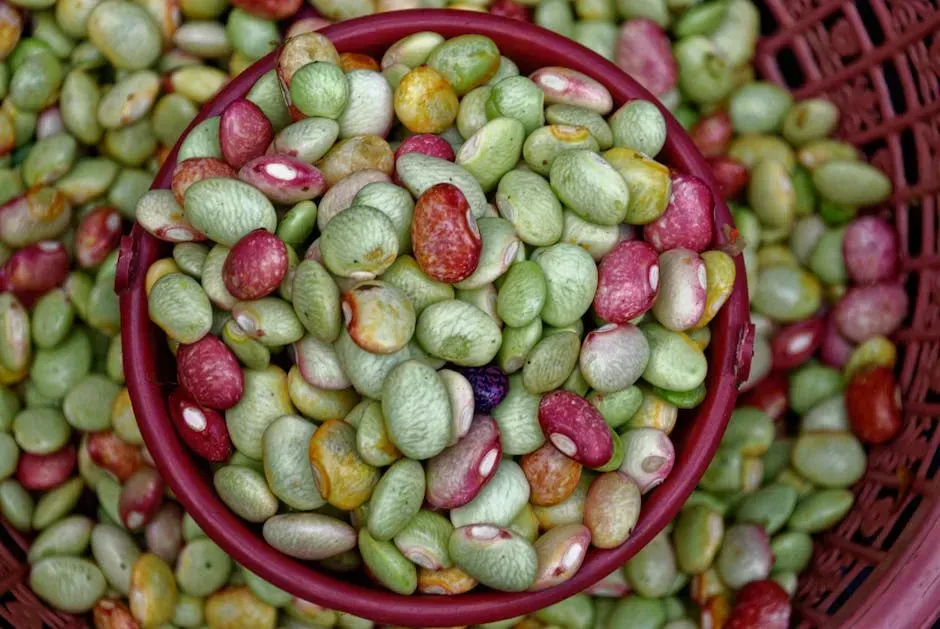
If you accidentally or purposely tell a secret, you are said to have "spilled the beans." The phrase is vivid, a little chaotic, and perfectly captures that feeling of information escaping before it should. Spill the beans has nothing to do with vegetables, just as butter someone up is about flattery, not spreading dairy on bread.
There's something delightfully clumsy about this saying. You can't unspill beans. Once they're out, they're rolling everywhere. Isn't that exactly what happens when a secret gets loose? This one deserves a major comeback, no question about it.
5. "A Baker's Dozen"

In 1266, Henry III of England revived an ancient statute that regulated the price of bread according to the price of wheat, with bakers who gave short measure being potentially fined, pilloried, or flogged. The vagaries of yeast meant that the weight of a loaf was a bit unpredictable. So, to be on the safe side, bakers got into the habit of adding something extra to every order, and providing 13 loaves when 12 were bought.
The saying is rooted in an actual act of generosity born from fear of punishment. It's charming, historical, and completely practical. Next time someone gives you a little extra of something, instead of saying "bonus," try "baker's dozen." It sounds so much better.
6. "Cool as a Cucumber"
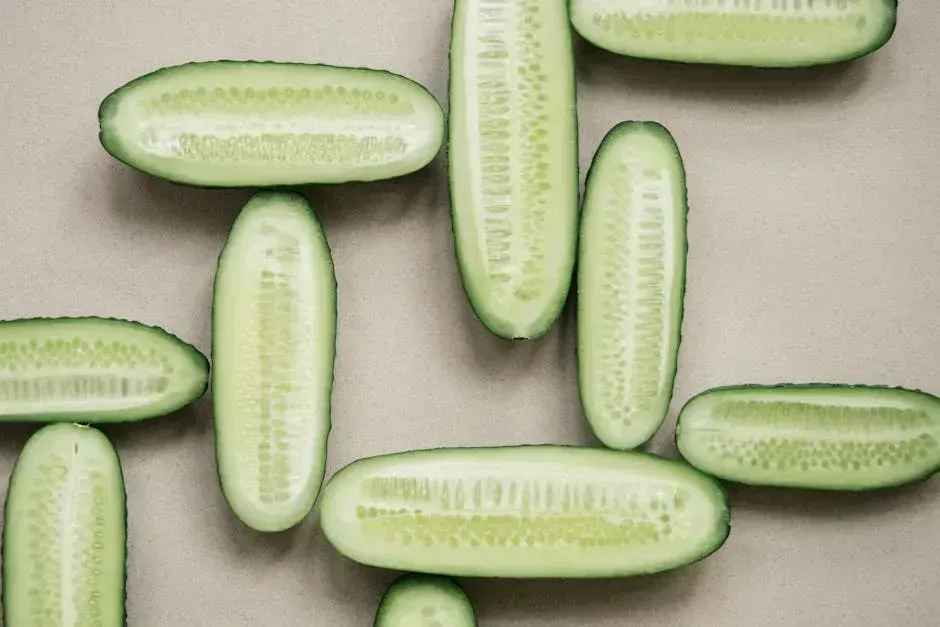
Cool as a cucumber means acting calm and unexcited. The saying stems from a cucumber's freshness and cold temperature inside, despite any hotter conditions outside. It was first recorded in John Gay's "A New Song of New Similes" in 1732. Nearly three hundred years old, and still as sharp as ever.
The phrase exists because the high water content of a cucumber keeps them pretty cold. So there's actual science behind this one, which makes it even more satisfying to use. Calling someone "calm" or "unbothered" has nothing on "cool as a cucumber." The image is just so much more vivid.
7. "Eat Humble Pie"
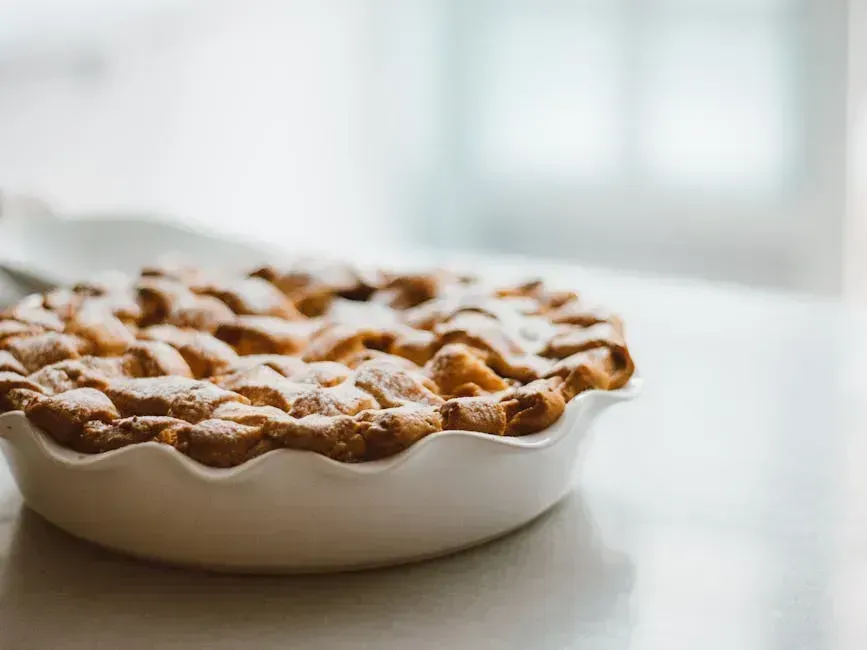
Interestingly, this phrase doesn't seem to have its origins in the word "humble" at all. Umble pie, without the initial "h," was made from umbles, or offal and entrails, and was eaten by the lower classes or served at a banquet to the lowly people of the manor. It was literal social humiliation, served on a plate.
The phrase means to act submissively and apologetically when admitting an error. "Humble pie" is a corruption of "umble pie" which itself is a corruption of "numble pie," where numbles in 14th Century England were the heart, liver, and other entrails of deer and other animals. You have to love a language that turns offal into a lesson in humility. Say it the next time someone needs to admit they were wrong.
8. "Take It with a Grain of Salt"

This phrase was originally used to describe that food is more easily swallowed if taken with a pinch of salt. Pliny the Elder, the Roman philosopher, translated an antidote for poison. The connection between salt and skepticism is ancient and surprisingly logical.
The figurative meaning that evolved over time means that truth or the realities of life may require moderation by the proverbial application of "a grain of salt." The phrase's modern meaning has been in English since the 17th century. In an era where misinformation floods every feed and inbox, this saying is arguably more useful now than it has ever been. Use it liberally.
9. "A Watched Pot Never Boils"
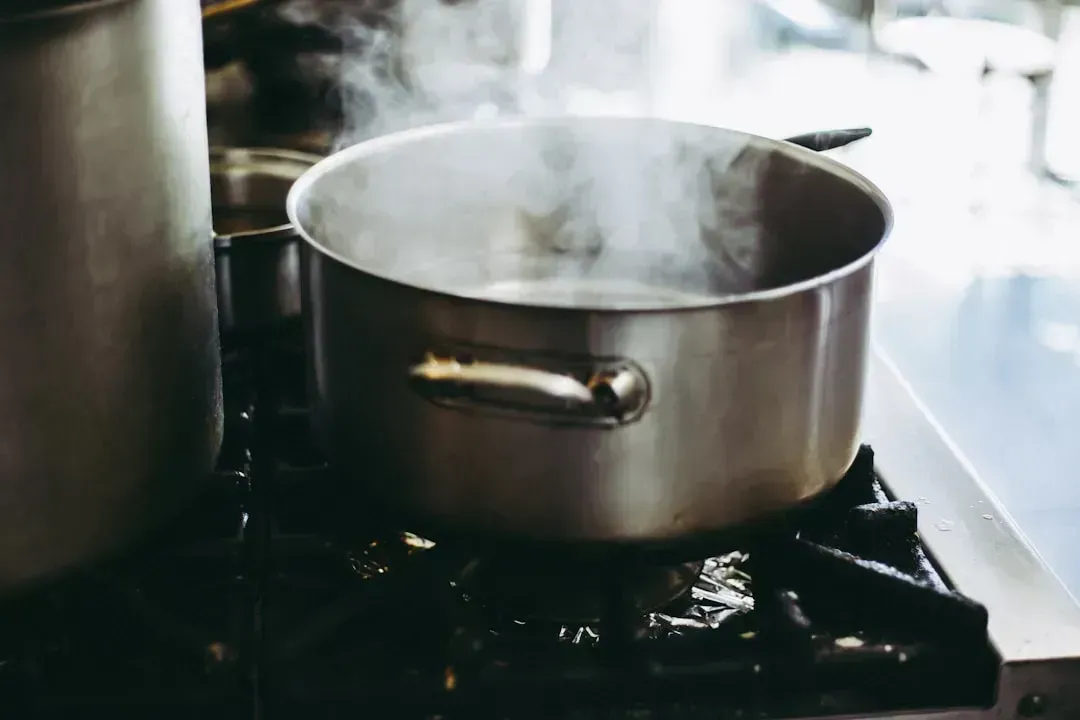
Meaning that time seems to go slower when you are anxiously waiting for something to happen, the phrase was invented by Benjamin Franklin in 1785 with slightly different wording. As a scientist, Franklin would, of course, have known that watching a pot has no effect on how long it takes to boil. Leave it to Franklin to put wisdom in kitchen form.
This saying is as true in 2026 as it was in 1785. We wait for messages, for results, for news, and the more we watch, the slower it all seems. The genius of the phrase is how perfectly it captures human impatience through the most ordinary domestic act imaginable. Still one of the best.
10. "A Piece of Cake"
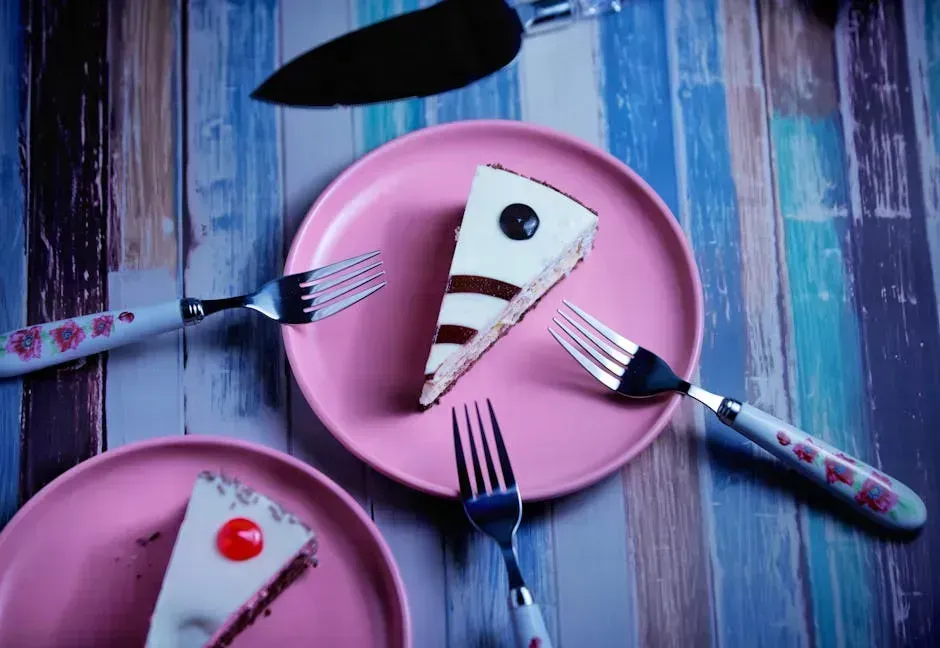
If something is "a piece of cake," it means it is easy or simple to complete. This expression may have arrived in the UK at some point during the 19th century where cakes were often given out as prizes for fairs or village fetes. This gave rise to the phrase as meaning something that was easy to accomplish.
The term was first used by Ogden Nash, who wrote "her picture is in the paper now and her life's a piece of cake." Since then, this term has been used to describe exams, competitions, or everyday tasks. Cake as a metaphor for ease is just deeply satisfying. It's the right word for the right feeling.
11. "Don't Cry Over Spilled Milk"

Some food idioms carry emotional weight. Saying "cry over spilled milk" to someone who experienced a serious loss can sound dismissive. Context determines appropriateness. So use this one wisely, but do use it.
The image itself is perfect: a spilled glass of milk is irreversible, a small disaster that cannot be undone, so mourning it endlessly is pointless. It's a compassionate but firm way of encouraging someone to move on. We could all stand to hear it a little more often, especially in an age of endless online grievance.
12. "An Apple a Day Keeps the Doctor Away"

Meaning that eating fruit helps to maintain good health, the original phrase, first found in print in the mid 19th Century, was "eat an apple on going to bed, and you'll keep the doctor from earning his bread." A few years later someone decided that this didn't scan well and therefore reworded the phrase as used nowadays.
Honestly, the original version has more of a bite to it. There's something almost competitive about it, the idea of keeping the doctor unemployed through good habits. In a world increasingly obsessed with wellness, this ancient proverb is practically a lifestyle brand. It just needs its rightful credit.
13. "In a Nutshell"
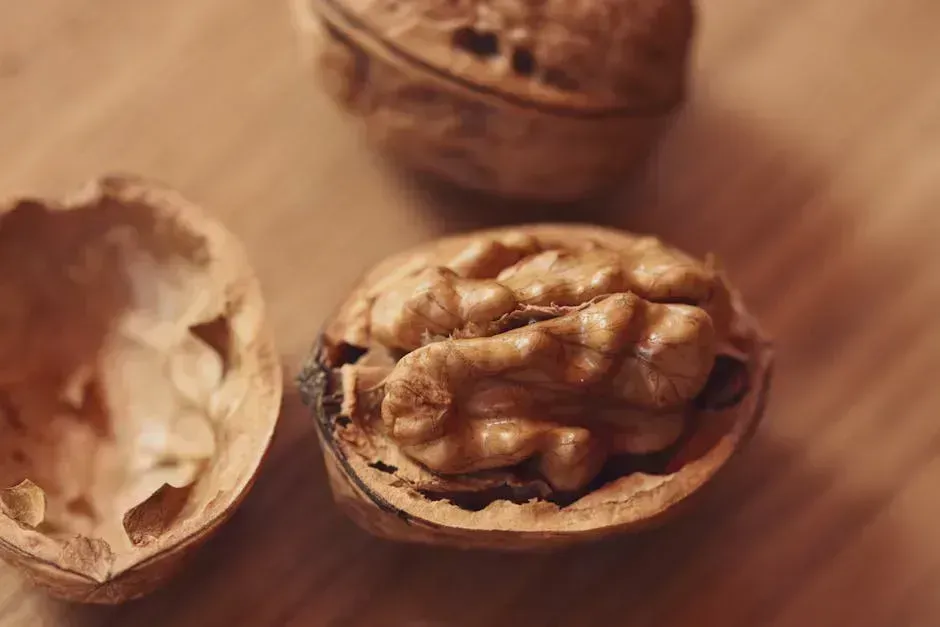
The phrase "in a nutshell" means concisely stated. This is an extremely old idiom, dating back to AD77 when Pliny the Elder referenced the idea of fitting an enormous work into the smallest possible space. The nut as a container for concentrated meaning is a beautiful concept.
Think of a walnut. Everything needed to grow a whole tree is packed inside that tiny shell. Using the phrase "in a nutshell" to mean compact and complete is almost scientifically accurate. It's a phrase that rewards the people who understand its depth. That is exactly the kind of saying that deserves to come roaring back.
14. "The Greatest Thing Since Sliced Bread"
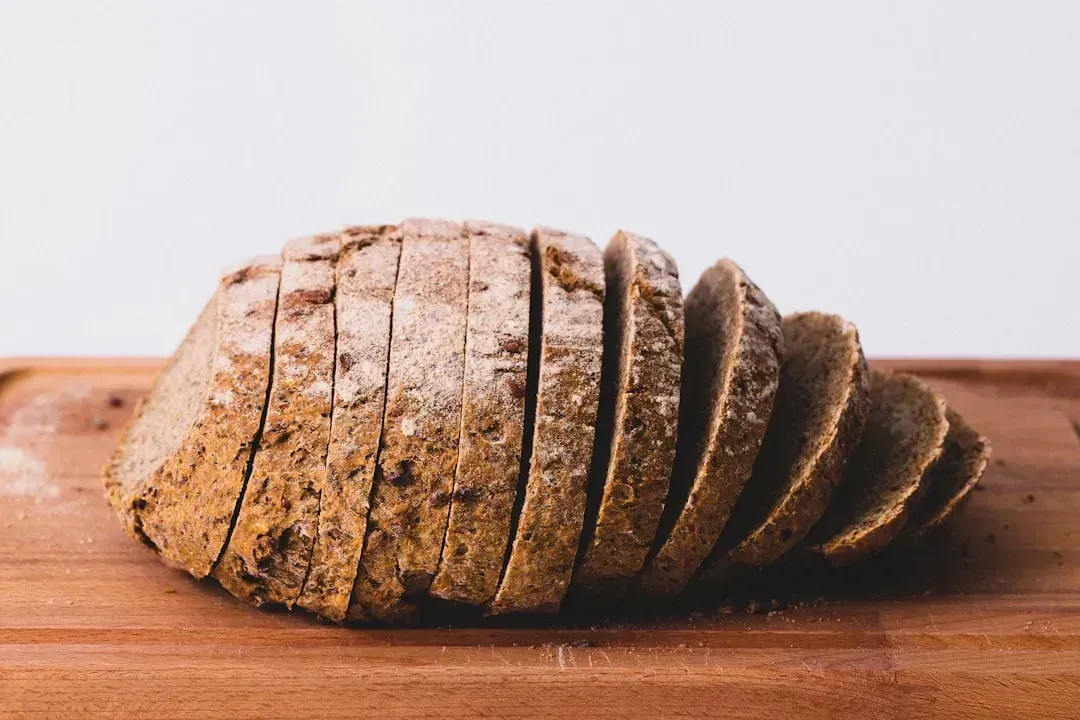
Sliced bread was introduced commercially in 1928, and it caused an immediate sensation because it made sandwiches and toast dramatically easier to prepare. These expressions add personality to language and reveal fascinating insights into how food and communication are intertwined. By understanding their origins and meanings, you can appreciate the humor, wisdom, and cultural significance they bring to our daily dialogues.
Calling something "the greatest thing since sliced bread" is simultaneously a high compliment and a gentle bit of sarcasm, depending on delivery. It's one of those phrases that can work in almost any context. In 2026, with genuinely revolutionary technologies arriving every few months, perhaps the bar needs updating. Still, the phrase has charm that no tech buzzword can touch.




Leave a Reply