
You're eating "healthy." You've cut out the obvious junk food. You've swapped your candy bar for a granola bar, your soda for a smoothie, your white rice for something that sounds far more virtuous on the menu. So why is the scale not moving? Honestly, it might not be what you're eating wrong. It might be what you think you're eating right.
The truth is, some of the most diet-wrecking foods out there are hiding in plain sight, wearing health halos and clean-looking packaging. They show up in your kitchen every single morning. Let's dive in.
1. Flavored Yogurt
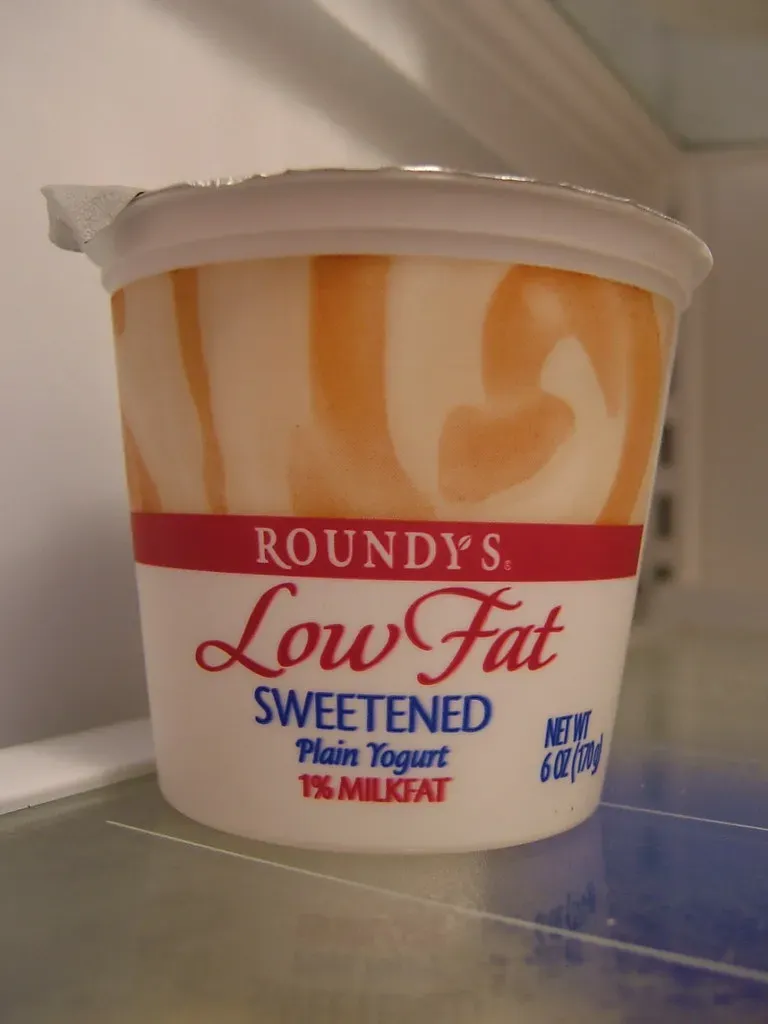
Yogurt has earned a rock-solid reputation as a health food, and to be fair, plain yogurt deserves it. Research suggests that people who eat yogurt regularly have better markers of metabolic health, including insulin levels and body fat, compared to those who don't consume it. The problem is when you reach for the flavored stuff instead.
Some flavored varieties, like Dannon Strawberry Fruit on the Bottom, contain 21 grams of sugar, which is more than 4 teaspoons in a single 5.3-ounce container. That's not far off from what you'd find in a candy bar. Some flavored yogurts contain more sugar in one serving than the daily recommended amount, which the American Heart Association sets at no more than 25 grams for women and 36 grams for men.
Sweetened yogurts of either regular or Greek variety are packed with added sugar, and regularly consuming foods with added sugars may lead to unwanted weight gain, tooth cavities, type 2 diabetes, and heart disease. The fix? Go plain and add your own fruit at home.
2. Granola Bars
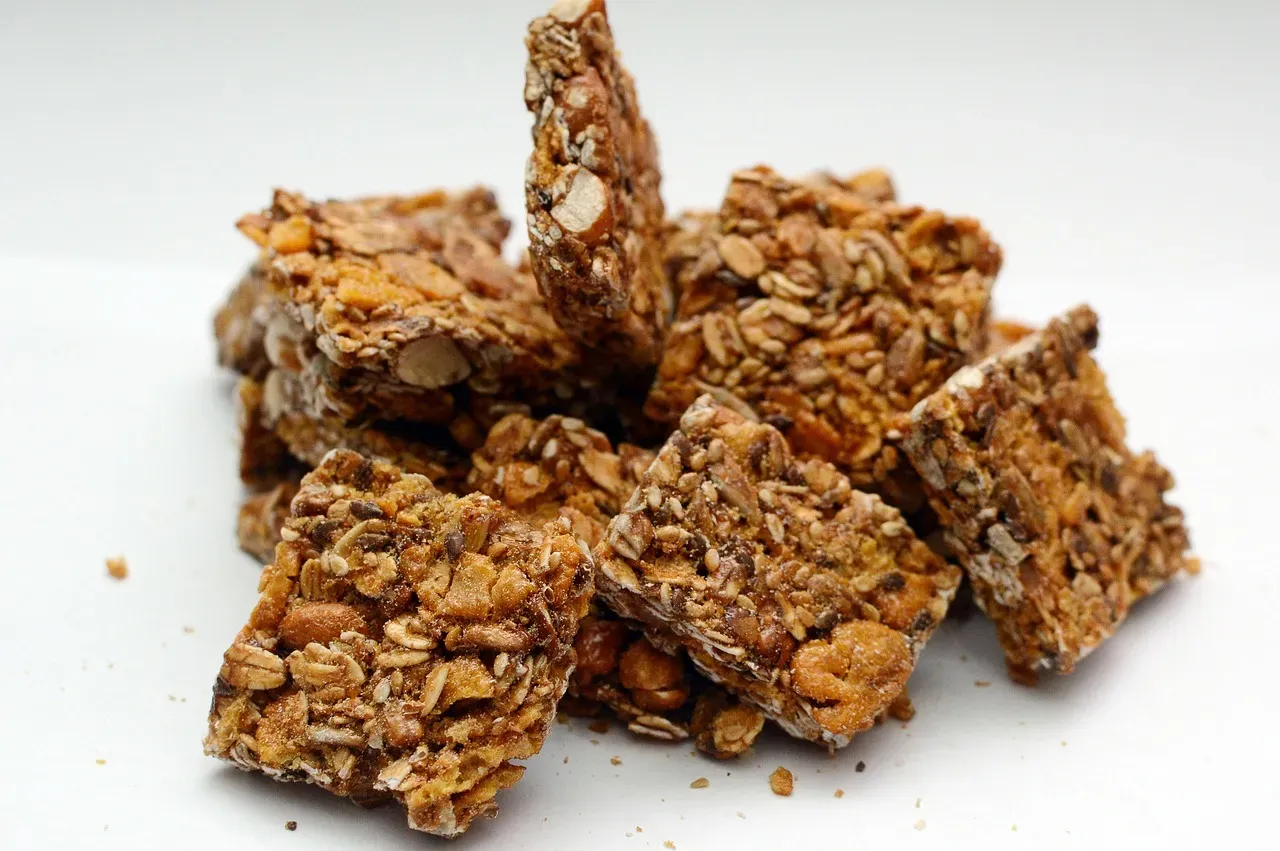
Few foods have perfected the health disguise quite like granola bars. You see words like "whole grain," "natural," and "real fruit" on the wrapper, and your brain files it under "good choice." Here's the thing though. Some granola bars contain as much sugar, carbs, and calories as candy bars.
Granola bars are often considered a healthy snack, but despite marketing claims, many are loaded with added sugar, calories, and artificial ingredients. For example, Kellogg's Nutri-Grain Harvest granola bars can contain up to 15 grams of sugar per serving, mostly from added sugar, which equates to nearly 4 teaspoons. That is a staggering amount for something you pick up thinking you're making a smart move.
Since they are promoted as "healthy," it is simple to eat too many of them, which results in calorie overload. Always flip the bar over and read the actual label before tossing it in your cart.
3. White Bread
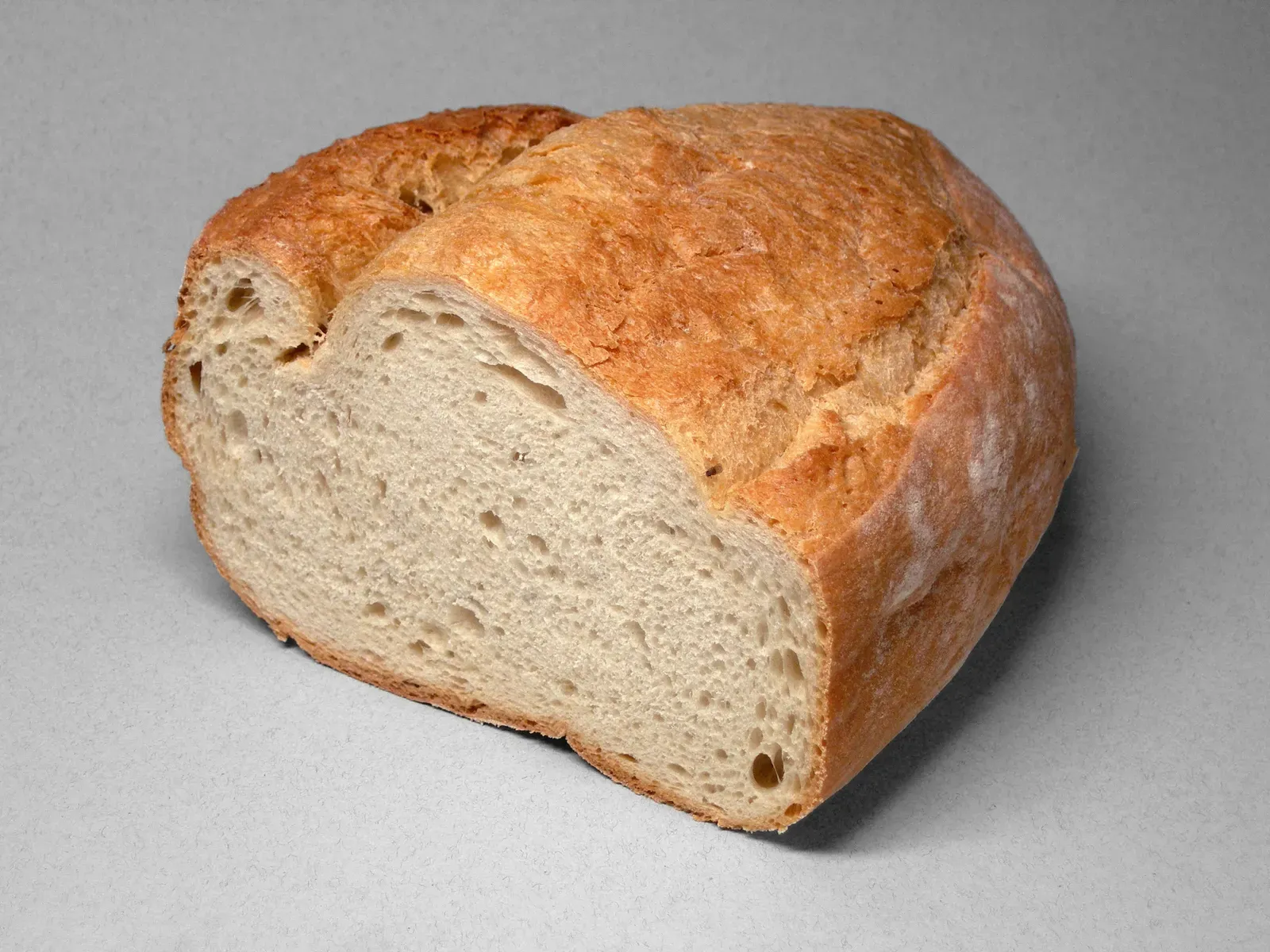
White bread is one of the most consumed foods on Earth, and it is also one of the quietest saboteurs in your diet. Refined grains have been kicked off the updated dietary pyramid entirely, with the new 2025-2030 guidelines advising people to "significantly reduce" highly processed refined carbohydrates, describing them as "sugar in disguise," including white bread, packaged breakfast foods, flour tortillas, crackers, and pasta.
Terms like "enriched wheat flour" mean the grain has been stripped of its most nutritious parts, the bran and the germ, which leaves you with a simple carb that acts a lot like sugar in your body. Think of it like eating a sponge that your bloodstream soaks up instantly, spiking your blood sugar and leaving you hungry again before noon.
The 2025-2030 Dietary Guidelines for Americans urge people to prioritize fiber-rich whole grains and significantly reduce the consumption of highly processed, refined carbohydrates such as white bread, ready-to-eat or packaged breakfast options, flour tortillas, and crackers. That guidance is about as clear as it gets.
4. Breakfast Cereals
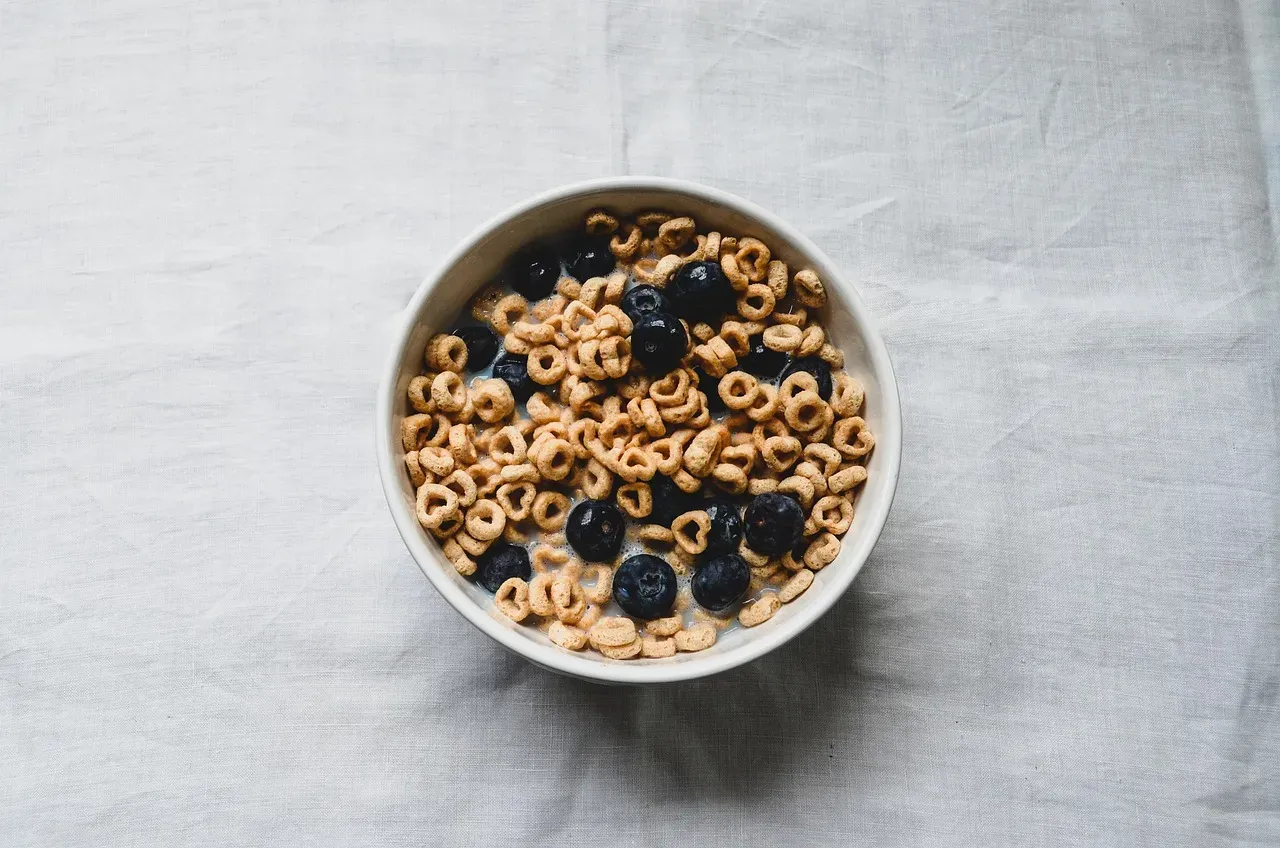
Breakfast cereals have been marketed as the perfect healthy start to the day for decades. The cartoon mascots, the "whole grain" stamps, the fiber claims. Yet many popular cereals are, at their core, sugar delivery systems with a light dusting of oat. Everyday items such as breakfast cereals can be considered ultra-processed foods because they often have extra ingredients added during production, such as emulsifiers, sweeteners, and artificial colours and flavours.
Frozen pizza, ready-to-eat meals, instant noodles, and many store-bought breads are just a few examples of what some consider "ultraprocessed foods," products that contain a long list of ingredients, chemical additives, and little to no "whole" foods. New data from the CDC shows that roughly half of the calories adults consume daily came from ultraprocessed foods between 2021 and 2023.
Cereals are a massive contributor to that figure. Look for options with at least 5 grams of fiber per serving, minimal added sugar, and an ingredients list you can actually read without a chemistry degree.
5. Fruit Juice

It has the word "fruit" right in the name. How bad could it be? Very, it turns out, if you're drinking it by the glass. The problem isn't the fruit itself but what happens when you strip away all the fiber and turn it into a liquid. What's left is essentially sugar water with some vitamins.
The new 2025-2030 Dietary Guidelines take a strict position on sweets, noting that "no amount of added sugars or non-nutritive sweeteners is recommended or considered part of a healthy or nutritious diet," recommending no one meal should contain more than 10 grams of added sugars. A standard glass of apple juice can easily exceed that on its own.
The 2025-2030 Dietary Guidelines explicitly state that 100% fruit or vegetable juice should be consumed in limited portions or diluted with water. Eating whole fruit gives you fiber that slows sugar absorption; juice skips that step entirely and hits your bloodstream hard and fast.
6. Store-Bought Smoothies

Smoothies feel like health in a cup. Fruit, maybe some greens, maybe some protein. What could go wrong? The issue is portion size, hidden sweeteners, and calorie stacking that happens when you blend five or six ingredients without tracking any of them. When we're on-the-go or time-strapped, we may need the convenience of a premade smoothie, which is why reading the nutrition facts label and ingredients list can be helpful in considering what to select and if it would make a healthy snack or meal replacement.
Some people may say "I had a smoothie, but I didn't really feel satiated," often because they are just using fruit and a liquid or adding a little bit of veggies, which is not going to be enough and can result in experiencing hunger shortly after consumption. That hunger then leads to eating extra calories later.
Many commercial smoothie chains pack their drinks with sweetened yogurt, flavored syrups, and fruit juices rather than whole fruit, pushing some options over 600 calories for a single serving. That's not a snack. That's a meal, often without the nutrition to match.
7. Flavored Instant Oatmeal
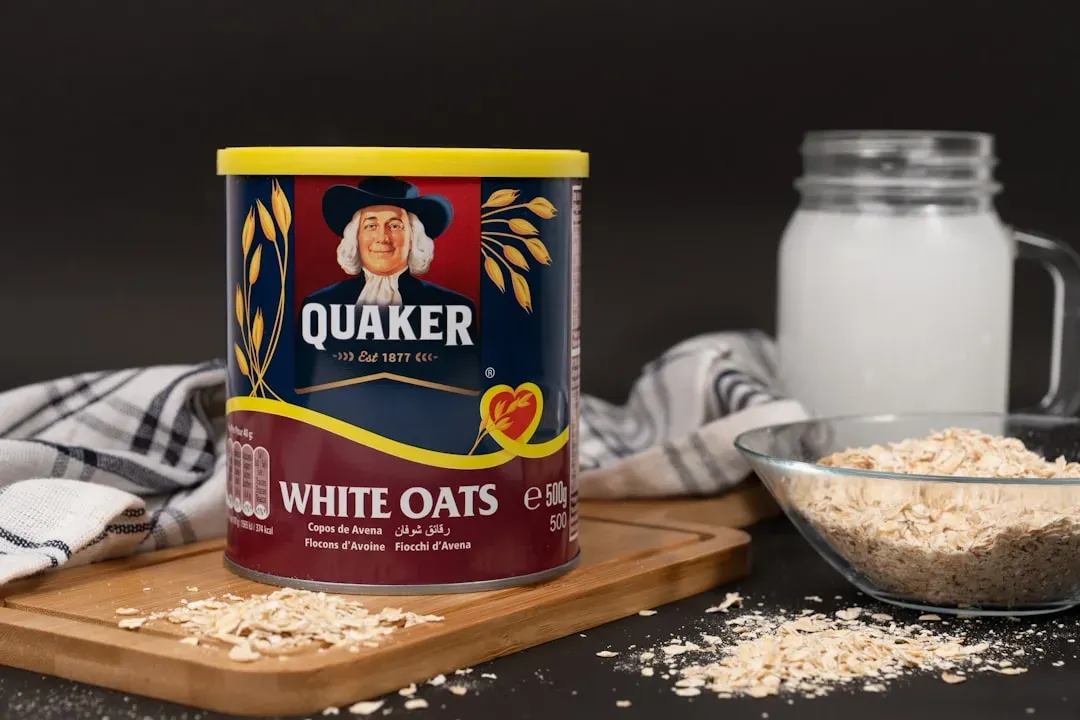
Plain oats are genuinely one of the best foods you can eat. They're rich in fiber, keep you full, and have real heart health benefits. So it's easy to assume that those little flavored oat packets are more or less the same thing. They are not. Not even close.
Many store-bought, ready-to-eat products contain a long list of ingredients, chemical additives, and little to no "whole" foods. Flavored instant oatmeal packets typically contain significant amounts of added sugar, artificial flavors, and sodium to make them palatable after the processing strips out their natural heartiness.
A November 2024 BMJ study analyzing nearly 10 million participants found ultra-processed food consumption associated with 32 adverse health outcomes including cardiovascular disease, type 2 diabetes, and all-cause mortality. Flavored instant oatmeal falls squarely in the ultra-processed category. The smarter swap is plain rolled oats with your own toppings.
8. Salad Dressings
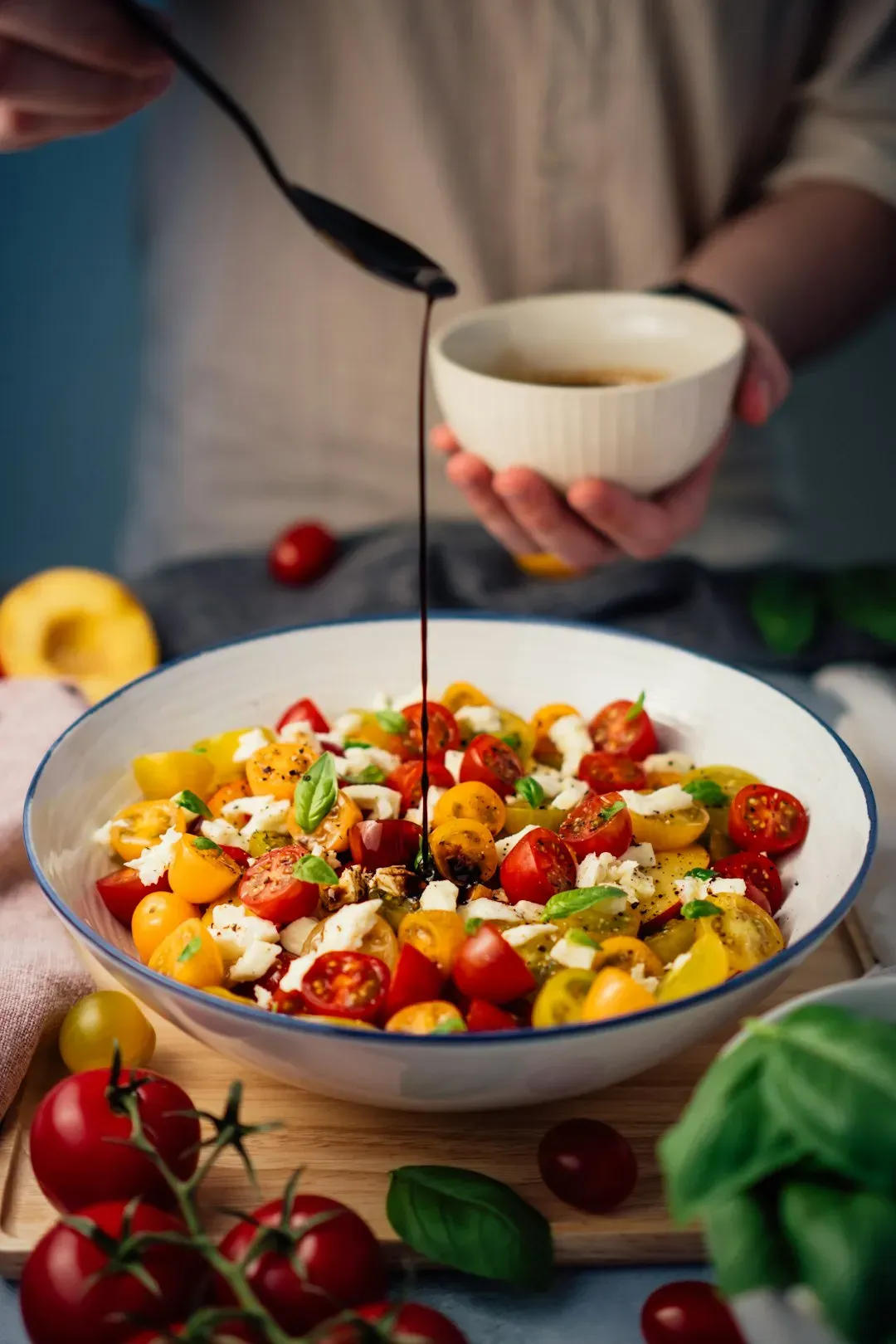
You built the perfect salad. Dark leafy greens, vegetables, maybe some grilled chicken. You feel proud. Then you drench it in two generous tablespoons of creamy ranch or "light" Italian dressing, and quietly undo a solid chunk of your effort. I know it sounds dramatic, but check the label.
Many bottled dressings, including the ones marketed as "light" or "low-fat," compensate for reduced fat by loading up on sugar, sodium, and artificial thickeners. A two-tablespoon serving of some popular creamy dressings contains more than 150 calories, and most people pour closer to three or four tablespoons without thinking about it.
Given the high salt, sugar, and saturated fat content of most ultra-processed foods, cutting down on them does seem sensible. Homemade dressings with olive oil, lemon juice, and herbs are not only cheaper but far easier to control nutritionally.
9. "Low-Fat" Packaged Foods
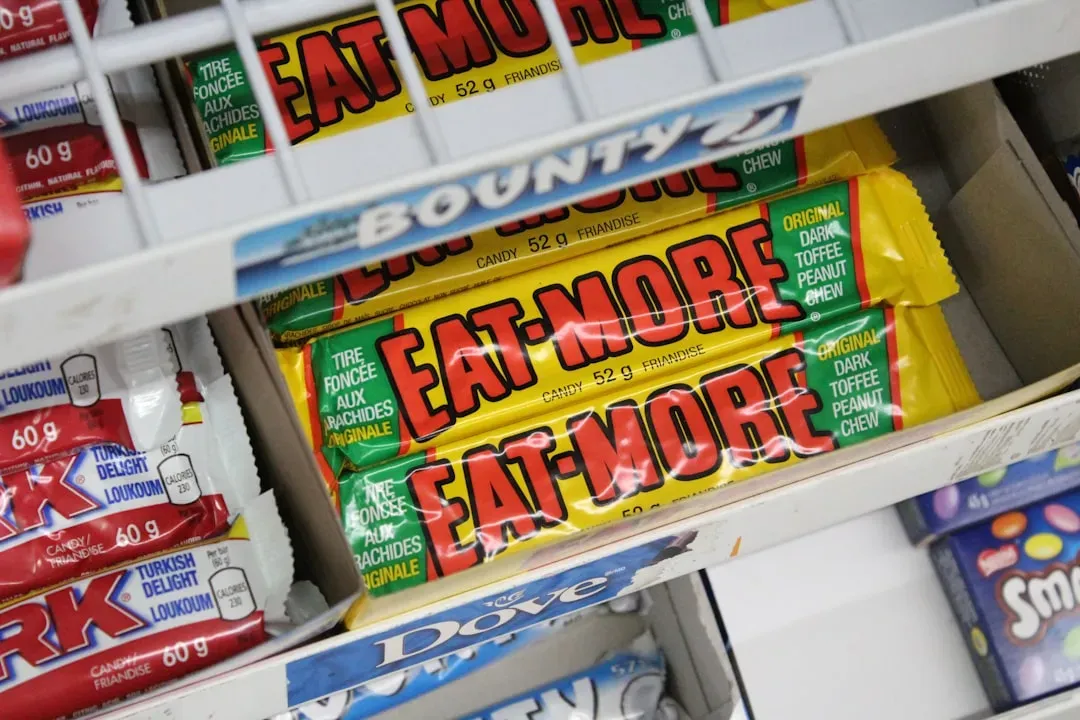
The low-fat craze of the 1980s and 1990s left a lasting imprint on how we shop. Many people still automatically reach for the "low-fat" version of foods, assuming it's the healthier choice. But here's something that rarely makes it onto the marketing label: when manufacturers remove fat, they typically replace it with sugar to maintain palatability.
The proliferation of flavored dairy products with high concentrations of added sugar may be driven by dietary guidelines and consumer demand for low-fat and fat-free dairy products, and the need for added sugars to increase sweetness and compensate for the loss of palatability and texture due to the removal of fat. This dynamic plays out across almost every food category, not just dairy.
Low-fat cookies, low-fat crackers, low-fat peanut butter spreads. They often contain more sugar and more total calories than their full-fat counterparts. Read the full nutrition label, not just the front of the package.
10. Sports Drinks
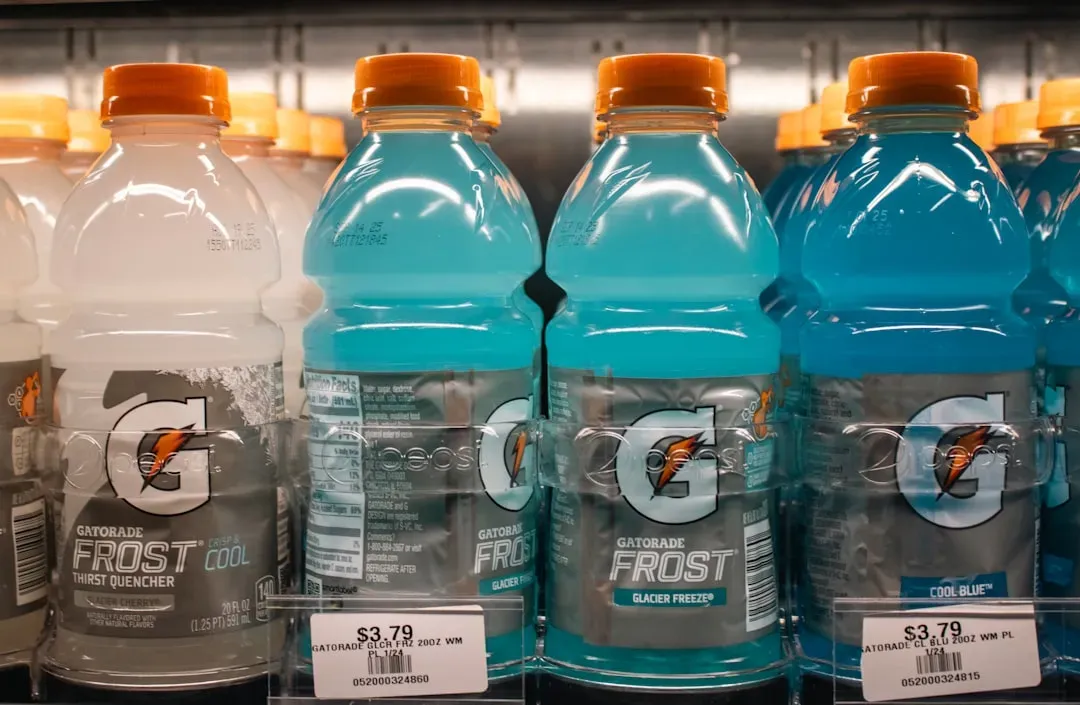
Unless you've just completed a two-hour workout in the heat, you almost certainly don't need a sports drink. These were originally designed for endurance athletes who needed to quickly replace lost electrolytes and calories. Most people reach for one after a 30-minute gym session or, let's be honest, while sitting at a desk.
Sugar-sweetened beverages are a major source of added sugars in the diet, and a robust body of evidence has linked habitual intake of them with weight gain and a higher risk of type 2 diabetes mellitus, cardiovascular diseases, and some cancers. Many sports drinks contain roughly 34 grams of sugar per standard bottle, which is close to a full can of regular soda.
Consumption of added sugars is associated with type 2 diabetes, metabolic syndrome, cardiovascular disease, obesity, asthma, and dental caries. For most people doing moderate exercise, water is genuinely all you need. Save the sports drinks for the rare occasions you actually need them.
11. Peanut Butter (The Wrong Kind)
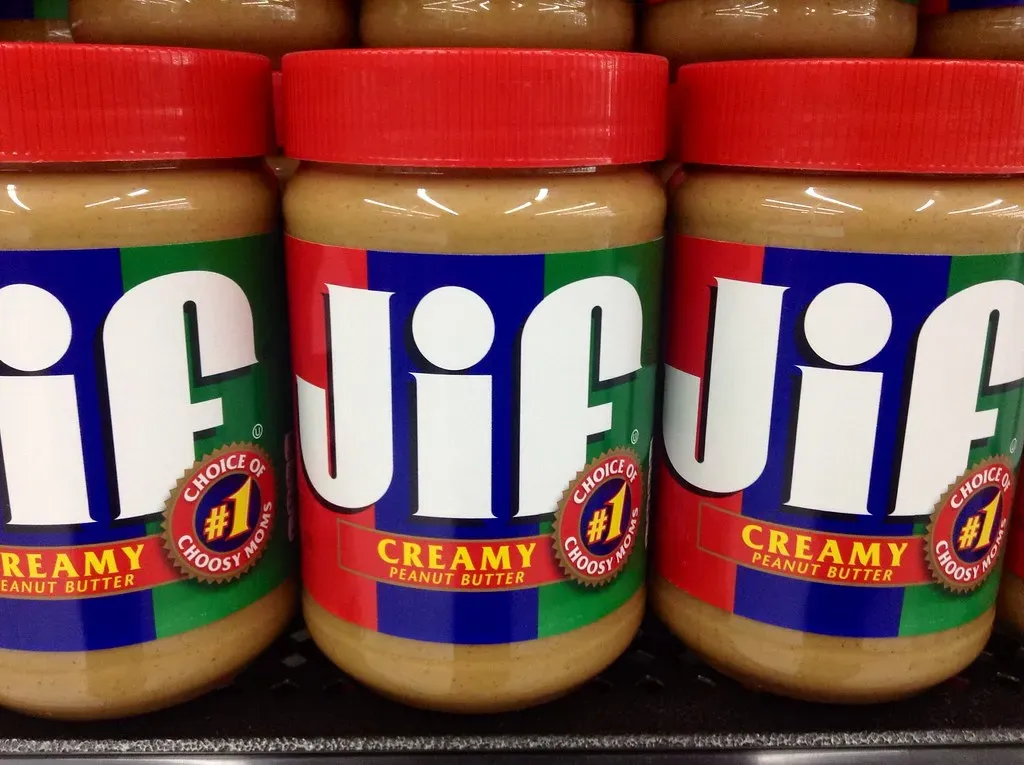
Natural peanut butter is actually a brilliant food. It's loaded with protein, healthy fats, and keeps you full for hours. The issue is that most supermarket shelves are dominated by the highly processed, sweetened varieties that have turned a wholesome staple into something rather different.
Many popular peanut butter brands add hydrogenated oils to prevent separation, plus sugar and sometimes corn syrup solids. The result is a product with a much longer shelf life but a considerably worse nutritional profile. A diet composed mainly of ultraprocessed foods exposes people to unhealthy additives and increases the risk of chronic inflammatory diseases.
The good news is that clean options exist. Look for peanut butter with exactly two ingredients: peanuts and salt. That's it. If you see "partially hydrogenated" anywhere on the label, put it back on the shelf.
12. Packaged "Diet" Foods and Meal Replacements
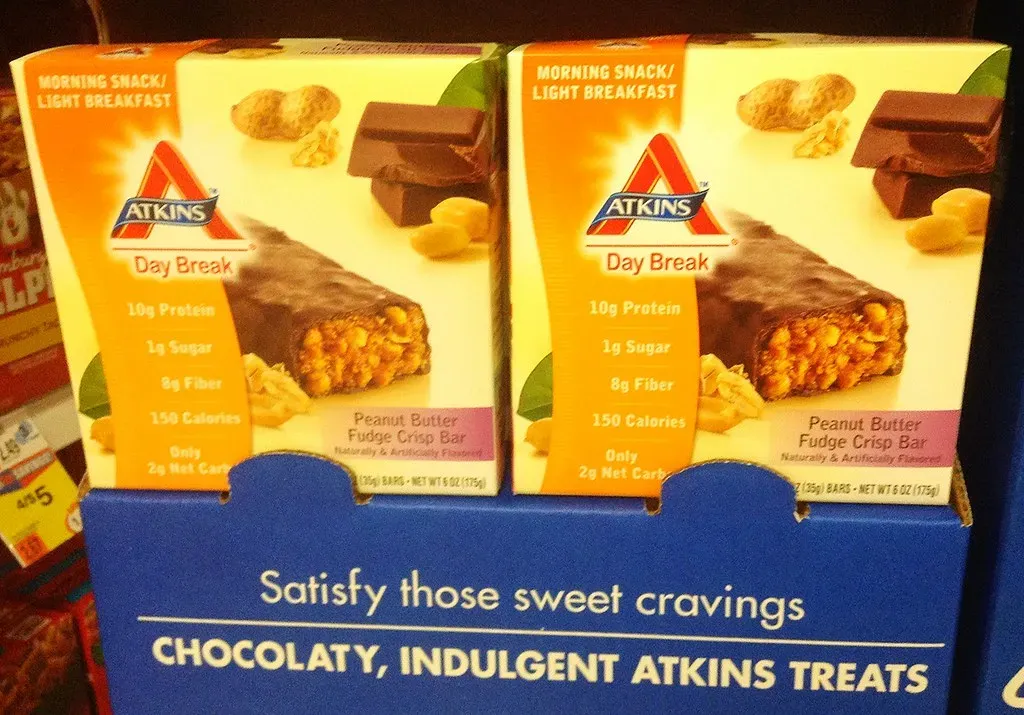
Anything with the word "diet" stamped across it feels like permission. Diet bars, diet shakes, diet frozen meals. The packaging is immaculate, the calorie count looks great, and the front-of-pack claims are reassuring. Flip it over, though, and you'll often find a wall of artificial ingredients, sweeteners, and preservatives.
A 2024 review of 45 meta-analyses, covering nearly 10 million study participants, found "convincing" evidence that a diet high in ultra-processed foods increases the risk of death from cardiovascular disease by around half and the risk of anxiety by nearly half. Many diet-branded products fall squarely in the ultra-processed category.
The same review found "highly suggestive" evidence that greater consumption of ultra-processed foods increases the risk of obesity by more than half, sleep disorders by about four in ten, type 2 diabetes by roughly four in ten, and depression by about one in five. A "diet" label on packaging is a marketing strategy, not a health guarantee.
13. Flavored Coffees and Coffee Creamers
Your morning coffee ritual might be doing far more dietary damage than you realize. A plain black coffee has virtually no calories. But a flavored latte from a coffee chain, or a cup of coffee loaded with flavored liquid creamer at home, is a different story entirely.
Many popular coffee creamers are ultra-processed products containing corn syrup solids, hydrogenated vegetable oils, and artificial flavors. A couple of generous tablespoons can add 100 calories or more, and most people use far more than the suggested serving size. A large flavored latte from major chains can contain upward of 400 to 500 calories and over 50 grams of sugar before you've even had breakfast.
The new Dietary Guidelines take a strict position on sweets, noting that "no amount of added sugars or non-nutritive sweeteners is recommended or considered part of a healthy or nutritious diet," representing a reduction from the previous guideline limit of 10% of daily calories, or about 50 grams of added sugar each day in a 2,000-calorie diet. Your morning latte might be using up that entire daily budget before you sit down.
14. Crackers and "Multigrain" Snacks
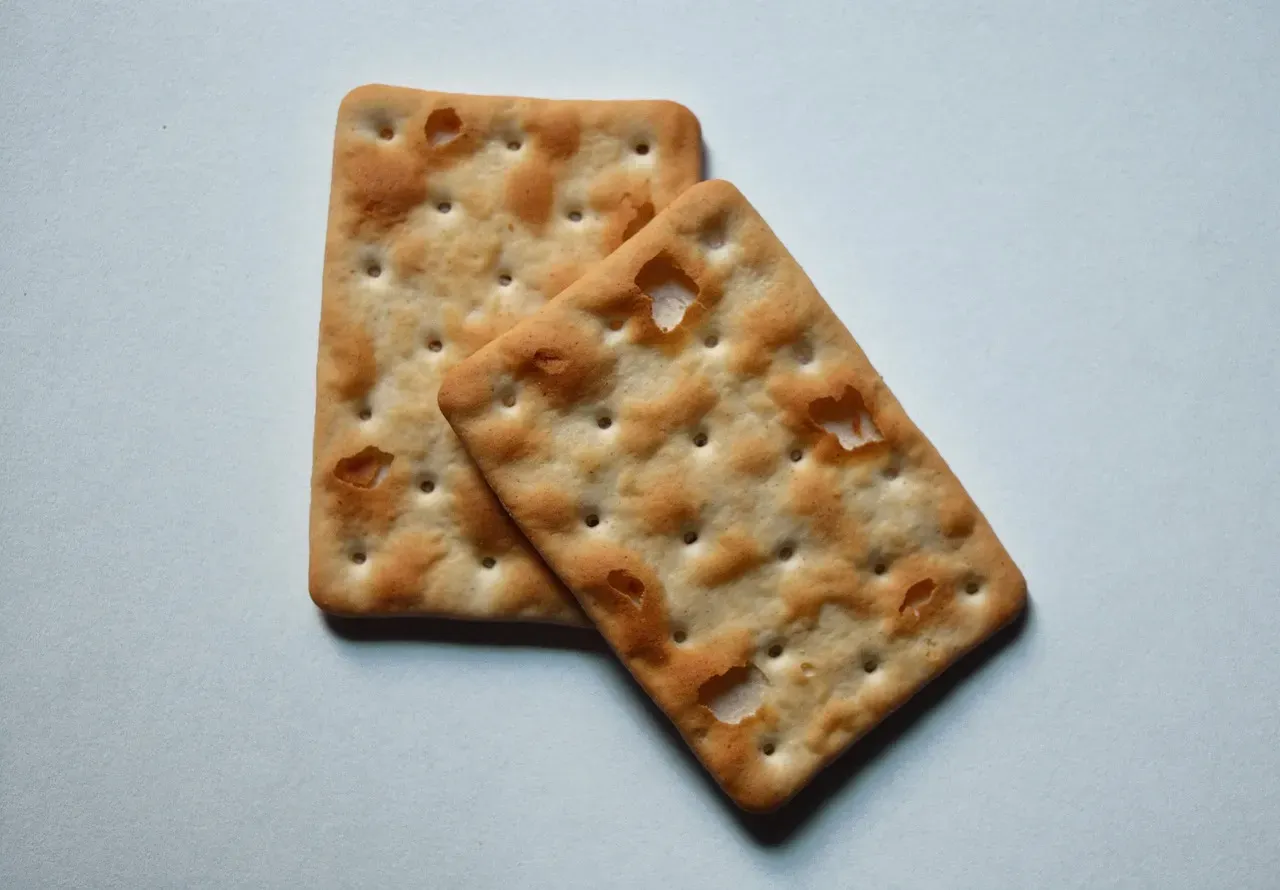
Crackers marketed as "multigrain," "wheat," or "baked, not fried" have become the respectable snack of choice for people trying to be good. They pair nicely with hummus, they feel lighter than chips, and the packaging usually features earthy tones and images of wheat fields. It all looks very wholesome.
Terms like "enriched wheat flour" or "rice flour" on ingredient labels mean the grain has been stripped of its most nutritious parts, leaving a simple carb that acts a lot like sugar in your body. Most crackers are made primarily from refined flour, regardless of how many grains are depicted on the box.
The 2025-2030 Dietary Guidelines advise people to avoid highly processed packaged, prepared, ready-to-eat, or other foods that are salty or sweet, such as chips, cookies, and crackers that have added sugars and sodium. Swapping crackers for actual whole grain rye crispbreads or raw vegetables gets you much closer to what those guidelines intend.
15. Ultra-Processed "Healthy" Frozen Meals

Frozen meals with clever branding like "lean," "light," "balanced," or "clean" have taken over the freezer aisle. They're convenient, they're portion-controlled, and they look like the sensible choice on a busy Tuesday night. It's hard to say for sure that they're universally harmful, but the research gives plenty of reasons to look more closely.
A review published in the British Medical Journal in 2024 looked at 45 studies involving almost 10 million participants to examine associations between ultra-processed foods and health problems. The review suggests that eating more ultraprocessed foods is linked to a higher risk of dying from any cause and has ties to 32 health conditions, including heart disease, mental health disorders, and type 2 diabetes.
New CDC data shows that roughly half of the calories adults consumed daily came from ultraprocessed foods between 2021 and 2023, while for children aged 18 and younger, the figure was even higher at nearly two thirds. Many "healthy" frozen meals are firmly in that ultra-processed camp, loaded with sodium, thickeners, and preservatives that extend their shelf life but don't exactly serve your diet goals. Checking sodium content alone often reveals the truth these products try to hide behind their wellness-forward branding.




Leave a Reply