
Most of us believe we know what we're eating. We glance at the front of the package, maybe the calorie count, and toss it in the cart. But here's the uncomfortable truth: the ingredient list hiding on the back of that package can read more like a chemistry textbook than a recipe.
As of 2025, emerging data suggest that ultra-processed foods make up nearly 60% of the average American diet. That's not a small number. That's the majority of what people eat every single day without fully knowing what's inside. Between 2001 and 2019, the proportion of food products purchased by US households that contained additives increased from roughly half to nearly six in ten.
So let's take a close look at 15 everyday foods that are quietly loaded with ingredients you almost certainly never noticed. Some of them are mildly surprising. Others are genuinely shocking. Let's dive in.
1. Bread: A Loaf Full of Surprises

You pick up a loaf of bread at the store and assume it's made from flour, water, yeast, and salt. Simple enough, right? Honestly, that's rarely the case anymore. Potassium bromate, a possible human carcinogen, is added to flour used in packaged baked goods. It helps dough rise faster and appear fluffier, but its safety record is alarming.
The FDA allows potassium bromate to be used in baking, and it is listed as an ingredient in more than 200 products, including bread, buns, and bagels. Potassium bromate has been banned from food in many countries, including those of the European Union, Canada, India, and Peru. The International Agency for Research on Cancer identified it as possibly carcinogenic more than 25 years ago, and a joint committee of the United Nations and the World Health Organization identified it as a "genotoxic carcinogen" in 1992.
High fructose corn syrup is another ingredient that hides in bread, pasta sauce, and salad dressing. Food manufacturers favor it because it is cheaper than sugar and helps products stay moist longer. Most shoppers would never expect their sandwich bread to contain a sweetener originally designed for soft drinks.
2. Deli Meats: The Pink Color Comes at a Price
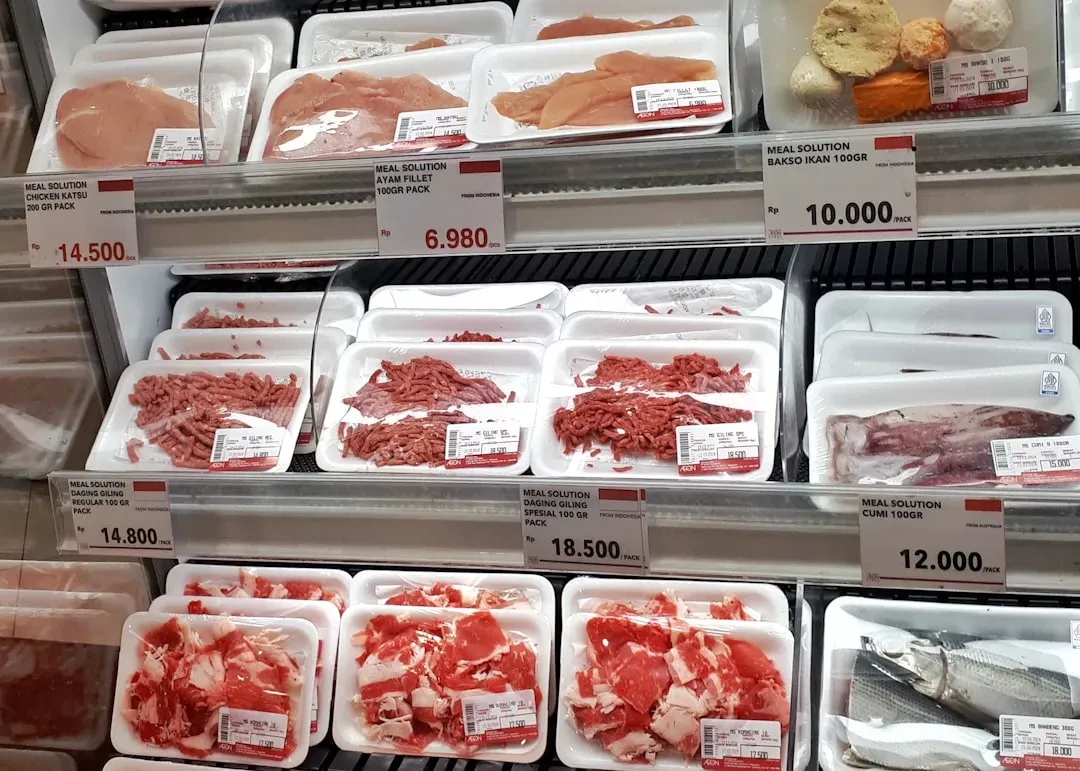
That perfectly pink color in your hot dog or deli meat comes with a concerning health cost. Sodium nitrites and nitrates serve as preservatives that prevent bacterial growth and maintain that appealing rosy hue in processed meats. However, when exposed to high heat or when they interact with stomach acid, these compounds can form nitrosamines, powerful carcinogenic substances linked to increased cancer risk, particularly colorectal cancer.
The World Health Organization has classified processed meats as Group 1 carcinogens, placing them in the same category as tobacco smoke and asbestos, though with different potency levels. That's a jaw-dropping comparison. An ultra-processed deli meat will have a long list of ingredients, including nitrates, phosphates, artificial flavors, and stabilizers. A simpler, minimally processed option would have a shorter list, focusing on meat, salt, and basic spices.
The EU has recently implemented regulations that significantly reduce the maximum allowed levels of nitrates and nitrites in food. The US has not followed suit at the same pace, leaving consumers largely in the dark.
3. Yogurt: Not as Clean as You Think
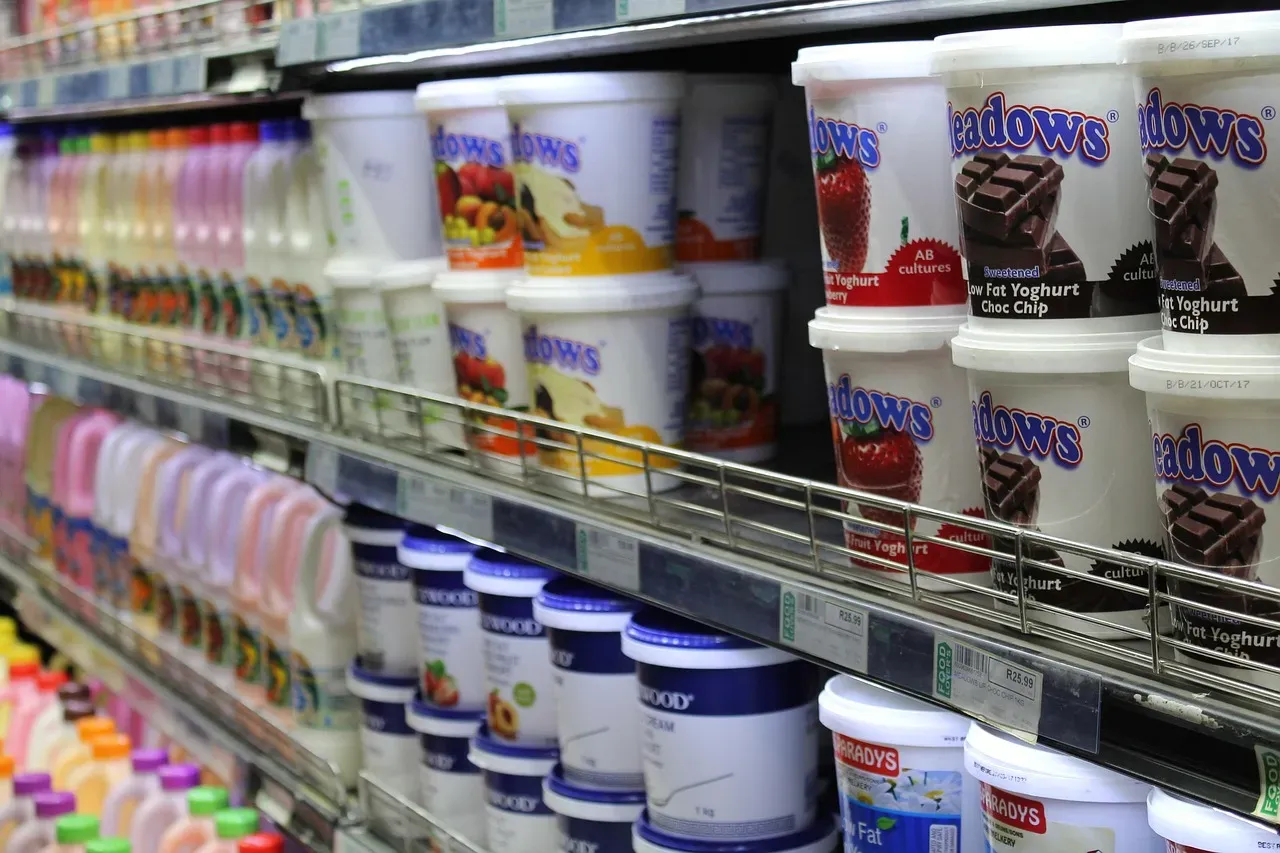
Yogurt has this near-spotless health reputation. People reach for it as a "safe" snack. But flip the container over, and the ingredient list can get surprisingly long. Titanium dioxide is used as a coloring agent, working as a pigment to give a smooth white appearance to a range of food products, including confectionery, pastries, chewing gums, yogurt, and ice cream.
In 2021, an EU regulatory panel concluded that titanium dioxide "can no longer be considered as safe when used as a food additive," stating it could not rule out the possibility that titanium dioxide could damage chromosomes. France banned titanium dioxide as a food additive in 2020. Two years later, the European Union also banned it. Yet in the US, titanium dioxide is found all over grocery shelves.
Since titanium dioxide does not require explicit mention on food labels and usually appears simply as "artificial color," it is difficult to pinpoint which items in the grocery store actually contain it. You might be eating it right now without ever knowing its name.
4. Flavored Crackers: A Lab in a Box
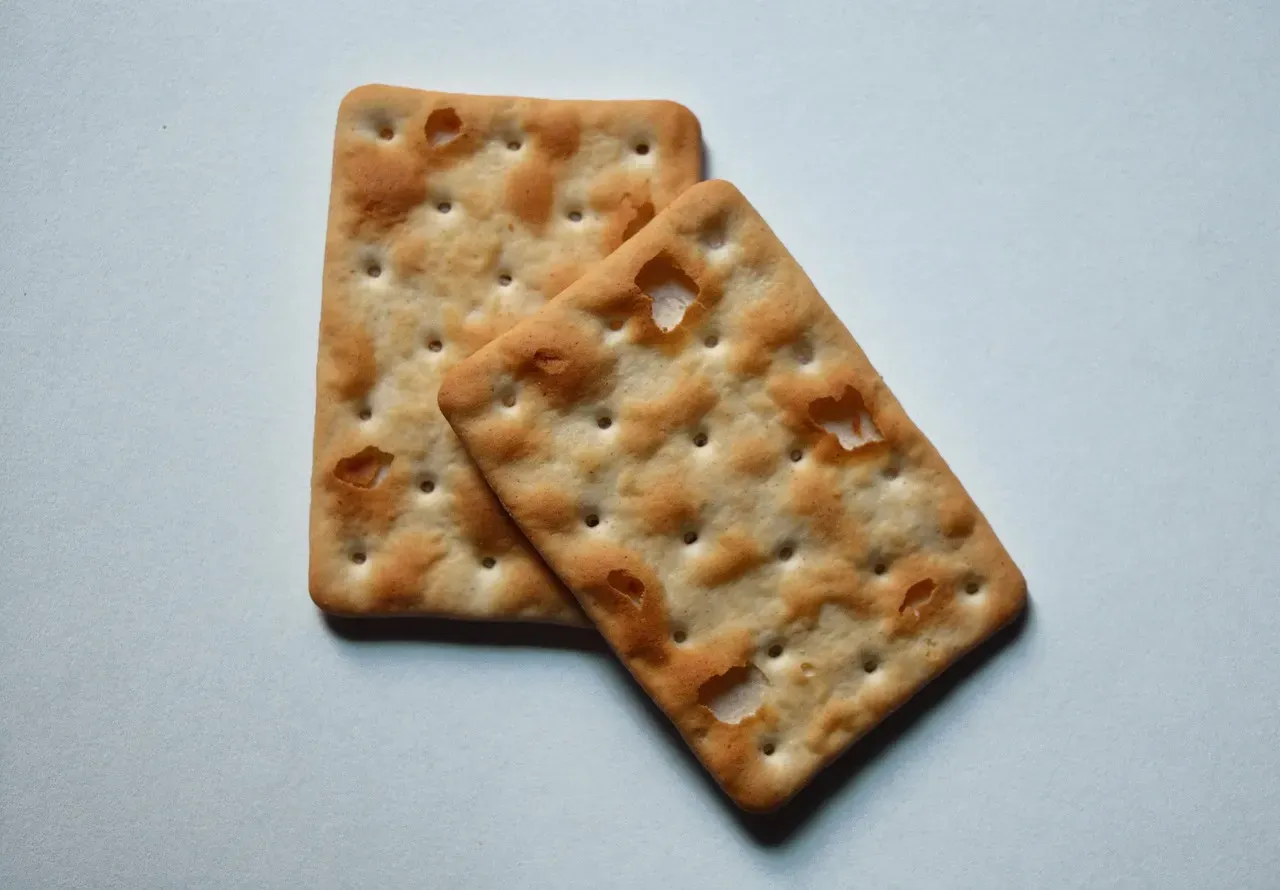
Crackers seem harmless enough. Whole grain. Baked, not fried. Practically "health food" compared to chips, right? Let's be real. Ultra-processed foods have one or more ingredients that would not be found in a kitchen, like chemical-based preservatives, emulsifiers such as hydrogenated oils, sweeteners like high fructose corn syrup, and artificial colors and flavors. Crackers routinely tick almost every one of those boxes.
BHA and BHT are preservatives that keep your cereal and crackers crunchy, but they may increase cancer risk in high doses according to animal studies. You'll find them in crackers, chips, and baked goods. California requires warning labels on products containing BHA under Proposition 65, yet it is still in children's cereals nationwide.
Many companies have quietly removed these preservatives from products sold in Europe while keeping them in US versions. Same brand. Same box design. Completely different formula, depending on which country you live in. That should make you stop and think.
5. Breakfast Cereals: Sugar's Sneaky Playground

Cereal is one of those foods marketed aggressively toward children, complete with cartoon mascots and bright colors. It's also one of the most heavily fortified, artificially flavored food categories in existence. Studies have linked some synthetic food dyes, such as Yellow 5 and Red 40, to behavioral changes in children, including increased hyperactivity. A 2007 study suggested that certain artificial colorings and preservatives could exacerbate symptoms of hyperactivity in children already predisposed to these behaviors.
Ultra-processed foods contain combinations of all these additives and are particularly attractive to children. Many publications suggest that artificial colorants, benzoate preservatives, non-caloric sweeteners, emulsifiers and their degradation derivatives have adverse effects by increasing risks of mental health disorders, attention deficit hyperactivity disorder, cardiovascular disease, metabolic syndrome, and potential carcinogenic effects.
These artificial dyes are linked to hyperactivity in children, which is exactly why the European Union requires warning labels on products containing them. American manufacturers face no such requirement. These dyes appear in everything from mac and cheese to sports drinks, often without parents realizing the potential impact on their children's behavior.
6. Processed Cheese: More Than Just Milk

Here's the thing about processed cheese slices and spreadable cheese products: they have very little in common with actual cheese. The combination of sodium and phosphate is used as a food additive with many functions, including keeping meat products moist, serving as a leavening agent in cake mixes, and acting as an emulsifying agent in processed cheeses.
Although sodium and phosphate are essential nutrients, high consumption can lead to health complications. When it comes to high levels of phosphate, like those seen when it is used as a food additive, research has noted an increase in mortality rates and accelerated aging and vascular damage. That's not a side effect most people associate with their grilled cheese sandwich.
Processed foods, accounting for most consumable food categories today, contain considerable amounts of food additives. Various food additives, such as phthalates, bisphenol A, tartrazine, erythrosine, artificial sweeteners, and parabens, have been identified as potential sources of endocrine-disrupting chemicals in processed foods. Processed cheese is often a vehicle for several of these at once.
7. Candy and Sweets: Red Dye No. 3's Long Overdue Exit

For decades, a dye linked to cancer sat comfortably in candy, gummy vitamins, and maraschino cherries. The FDA banned Red Dye No. 3 from cosmetics in 1990 after studies linked it to cancer in lab animals. Yet it remained approved for food for 34 more years. Consumer advocates spent decades petitioning for a food ban. The FDA finally acted in January 2025, giving companies until 2027 to comply.
Some examples of foods containing the dye include fruit juices, Fruit by the Foot, Trolli Sour Crunchy Crawlers, and Jelly Belly candies. Popsicles, pastry decorations, cough syrups, gummy vitamins, and strawberry-flavored drinks may also contain Red Dye 3. That means even a child's multivitamin may currently contain it.
While the ban marks a significant step in the right direction of food safety, Red Dye 3 will likely remain in many products for several more years, even after the ban. So checking labels now is still completely necessary. Don't assume the candy aisle has already cleaned up its act.
8. Ice Cream: Seaweed, Paint, and Your Dessert

I know it sounds crazy, but some of the same compounds used in paint and sunscreen have made it into your ice cream. Titanium dioxide is widely used in foods such as bakery products, cake decorations, chocolate, candy, creamers, broths, soups, spreads, and processed nuts. Ice cream is no exception, especially lower-fat or artificially white varieties.
Then there's carrageenan, a thickener derived from red seaweed that gets added to give ice cream its smooth, creamy texture. In 2024, researchers reported that dietary exposures to carrageenans, guar gum, and xanthan gum elevated the risk of type 2 diabetes for adults in the study. In one view, synthetic emulsifiers may pose comparatively greater health risks.
Even natural ingredients like carrageenan, commonly found in dairy or meat products, can cause gastrointestinal discomfort in some people. Next time you scoop out a bowl, take a look at the ingredient list. The texture you enjoy may come from something you would never willingly put in your body on its own.
9. Sports and Energy Drinks: Hidden Flames and Banned Additives
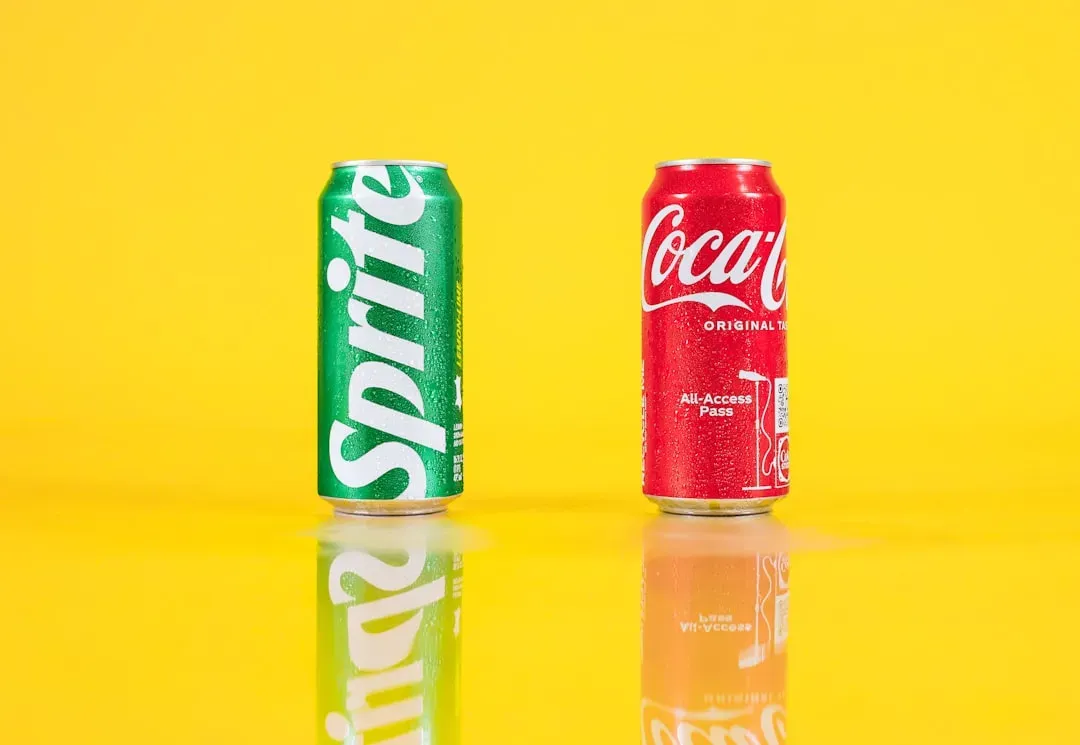
Sports drinks look healthy. They're associated with athletes, performance, hydration. The marketing is slick. The reality inside the bottle is a different story. Brominated vegetable oil, or BVO, was approved as "generally recognized as safe" in the 1950s. By the 1970s, evidence showed it caused neurological problems.
California banned BVO in 2023. Only then did the FDA finally ban it in July 2024, over 70 years after its original approval. Since most companies have already replaced BVO with an alternative ingredient, very few beverages still contain BVO today. Manufacturers had until August 2, 2025, to remove any remaining BVO from their products.
Sodas have some of the strongest evidence for health harms. Heavily manufactured with additives, high levels of sugar or artificial sweeteners, and lacking essential nutrients, these beverages appeal to us on a biological level. Today's sodas and energy drinks deliver large amounts of pure sugar or high-fructose corn syrup in a way that can lead to obesity, heart disease, type 2 diabetes, and other conditions.
10. Salad Dressings: The Health Halo Is a Lie

You chose the salad. You were being healthy. Then you drowned it in dressing loaded with ingredients that rival any fast food item. It is nearly impossible to avoid high fructose corn syrup in the American diet. This laboratory-created sweetener appears in everything from sodas and fruit drinks to bread, yogurt, and even savory items like ketchup and salad dressings.
Be wary of misleading health claims like "low-fat" or "sugar-free," as they often mean extra additives. Low-fat dressings in particular compensate for the removed fat with more sugar, more thickeners, more artificial flavor compounds. It's a trade-off most people don't know they're making.
Some evidence suggests that certain emulsifiers damage protective layers of mucus on intestinal surfaces, potentially allowing bacterial toxins to leak into the bloodstream. When these toxins bind to receptors on immune cells, they can trigger inflammatory reactions that boost the risk of cardiovascular disease and diabetes. That's quite a consequence for what most people consider a "light" lunch.
11. Packaged Soups and Broths: Sodium Overload With Extra Steps

Canned or carton-packaged soups feel wholesome. They feel like something grandma might have made. But a quick look at the ingredient list reveals preservatives, flavor enhancers, and thickeners that no grandmother ever kept in her kitchen. Familiarize yourself with alternative names for additives, such as MSG, or monosodium glutamate, or hydrolyzed vegetable protein, which frequently appear in soups and broths.
While the FDA considers MSG generally safe, many individuals report sensitivity reactions including headaches, flushing, sweating, facial pressure, and chest pain after consuming foods containing this additive. These symptoms, sometimes called "MSG symptom complex," remain controversial in medical literature but are reported consistently enough to warrant caution. Some research suggests potential connections between high MSG consumption and metabolic disorders.
Titanium dioxide is also widely used in broths and soups, helping give them a cleaner, more appealing color. It's almost poetic, really. You buy soup thinking you're nourishing yourself, and it quietly contains a whitening agent banned across Europe. Read the label before you open the can.
12. Breakfast Muffins and Baked Snacks: Propylparaben's Quiet Presence
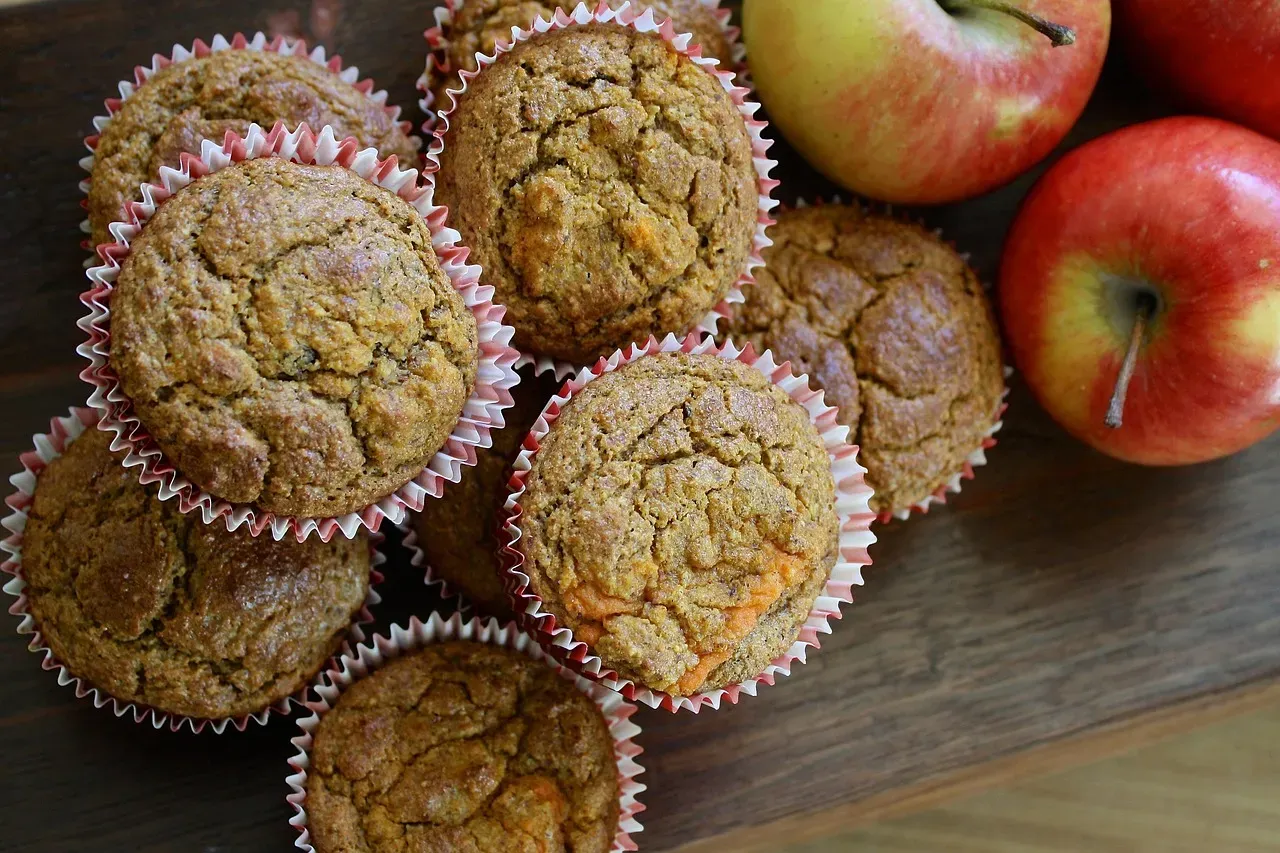
Grab a muffin from the gas station or convenience store, and there is a solid chance it contains an antimicrobial compound that Europe banned from food nearly two decades ago. The use of propylparaben, an antimicrobial agent, was banned from food products in the EU back in 2006, but it is still allowed in the US under GRAS designation. Propylparaben can still be found in baked goods like Cafe Valley muffins and Weight Watchers cakes, as well as tortillas and trail mix.
Animal studies from the early 2000s found that rats who ingested propylparaben had a decreased sperm count. Various food additives, including parabens, have been identified as potential sources of endocrine-disrupting chemicals in processed foods. The muffin you considered a "reasonable" indulgence may be doing more than just adding to your waistline.
The broader problem is a regulatory one. The current FDA process allows the food industry to regulate itself when it comes to thousands of added ingredients, by determining for itself which ingredients should be considered "generally recognized as safe," and deciding on their own whether or not to disclose the ingredients' use and the underlying safety data to the FDA. As a result, many new substances have been added to our food supply without any government oversight.
13. Frozen Meals: The Ultimate Hidden Ingredient Collection
Convenience is the entire selling point of frozen meals. But that convenience comes packaged with an ingredient list that can stretch impressively long. Ultra-processed foods broadly undergo multiple processing steps and are formulated with ingredients you would not usually find in your kitchen. They can contain higher amounts of added sugars, salt, saturated fat, and various additives such as colors, flavors, emulsifiers, preservatives, and stabilizers.
An international team of researchers examined brain scans from nearly 30,000 people and uncovered noteworthy links between frequent consumption of ultra-processed foods and differences in brain structure. These structural differences may contribute to patterns of overeating and make it harder for individuals to regulate their eating habits.
Emerging evidence from both epidemiological and experimental studies suggests that overconsumption of highly processed foods is linked with inflammatory bowel disease. A systematic review published in 2024 identified that higher consumption of ultra-processed foods is associated with a greater risk of adverse health outcomes, particularly with respect to cardiometabolic health and mortality. That microwaveable pasta dish is looking less convenient now.
14. "Natural Flavor" Products: The Catchall That Hides Everything
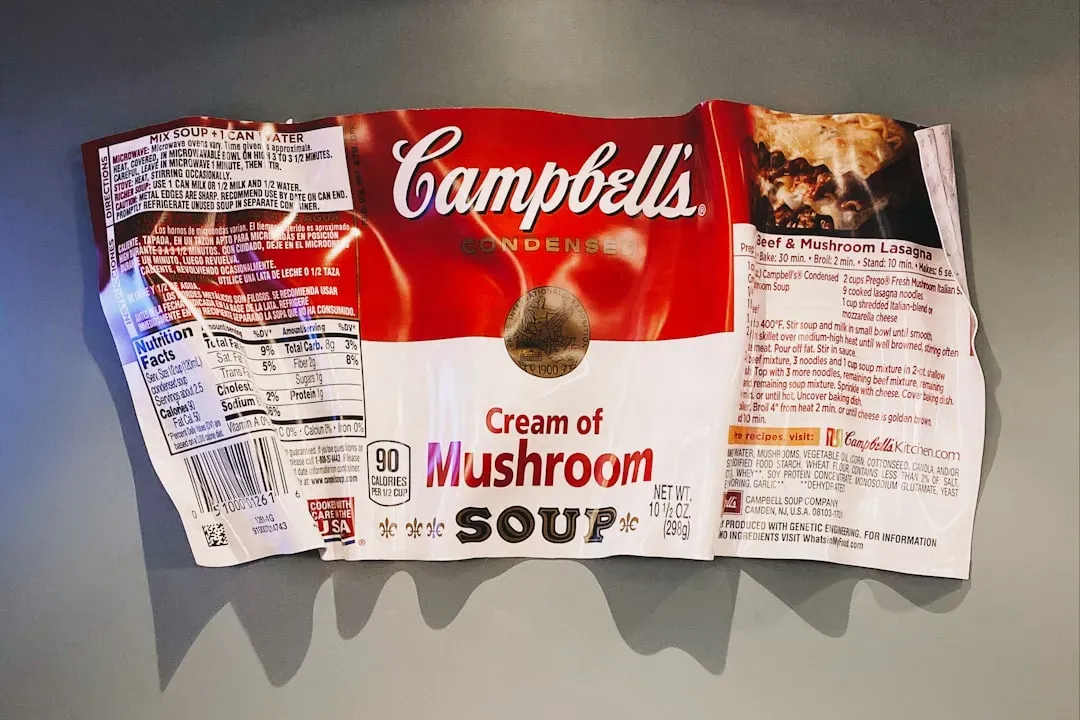
This one deserves special attention because it doesn't describe a single food. It describes a label trick used across thousands of them. Terms like "natural flavors" or "spices" on ingredient lists may hide undisclosed additives. The word "natural" legally covers an enormous range of substances, some of which consumers would find deeply unappetizing if they knew the actual source.
Potentially harmful ingredients "are not necessarily required to be named on a product label," according to a July 2024 FDA-funded report. "Companies may choose not to track the presence of these ingredients due to concern about future litigation." Some additives can remain hidden from the public behind catchall terms such as "spices" and "artificial flavors."
Jennifer Pomeranz, associate professor of public health policy and management at NYU School of Global Public Health, stated that "both the FDA and the public are unaware of how many of these ingredients, which are most commonly found in ultra-processed foods, are in our food supply." That statement, coming from a researcher who has studied this system extensively, should give everyone pause.
15. Snack Bars and Protein Bars: The "Healthy" Disguise
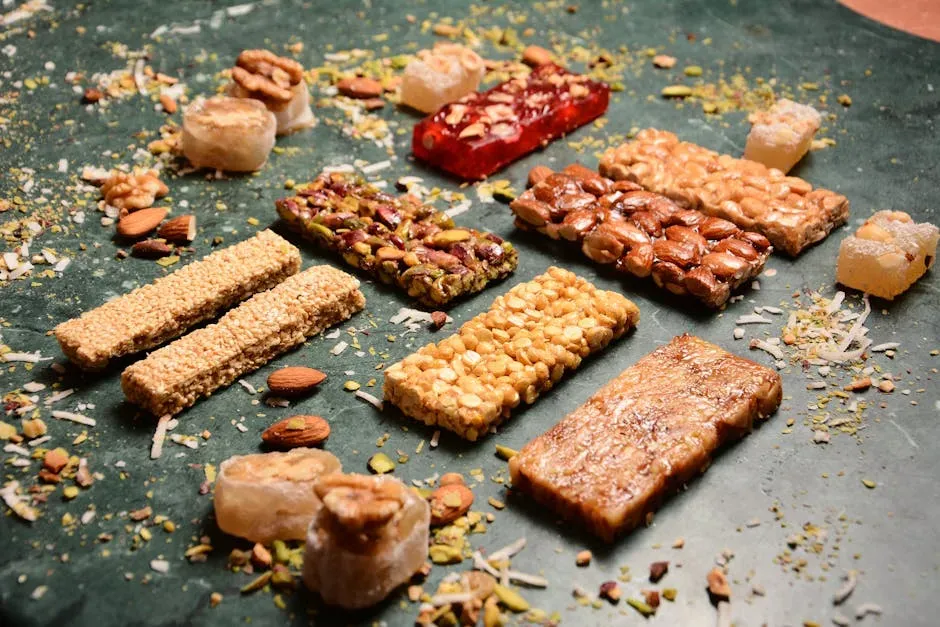
Protein bars and granola bars occupy a special tier of marketing genius. They look healthy. They use words like "clean," "wholesome," and "real ingredients." Research has shown a potential link to higher intakes of artificial food colors with hyperactivity in children, some emulsifiers with insulin resistance and weight gain, and a wide variety of food additives have been linked with negative changes to the gut microbiome. Many of these additives appear in snack bars regularly.
Synthetic emulsifiers, effective in small amounts and cheaper to use than their natural alternatives, do not exist in nature, and our microbiome does not have any way to process them. Those are the exact emulsifiers quietly mixed into the coating of your "clean eating" bar. It's a strange irony. The things marketed most aggressively as health food often contain the longest lists of unrecognizable additives.
The use and consumption of food additives have grown drastically in recent decades, and this trend is likely to continue, given the inexpensive nature, easy availability, and effectiveness of these agents in prolonging the shelf life and attractiveness of processed foods. However, these additives have no nutritional benefits, and evidence is mounting that these compounds may have negative implications for gut health. The protein you paid a premium for may come bundled with compounds your body was never designed to handle.



Leave a Reply