
Fruit is supposed to be healthy. Everyone knows that. It's colorful, refreshing, packed with vitamins, and comes with that guilt-free glow that vegetables somehow never quite pull off. Fruits are an essential part of a healthy diet because they provide vitamins, minerals, fiber, and antioxidants. However, some fruits contain high levels of natural sugars and can have a significant impact on blood sugar levels.
Here's the thing, though. Not all fruits are created equal when it comes to sugar. Some fruits contain significantly higher amounts of sugar compared to others, and consuming too many of these high-sugar fruits may hinder your weight loss efforts or make it difficult to manage your blood sugar levels effectively. If you're actively trying to cut down on sugar, this gallery-style guide breaks down exactly which fruits deserve a second look. Let's dive in.
1. Mango
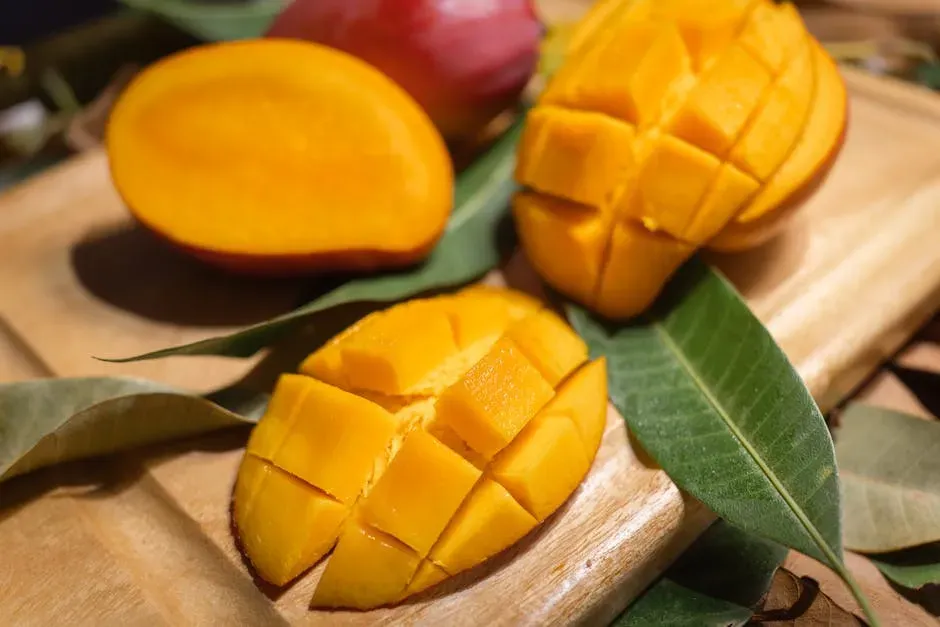
Mango is practically sunshine in fruit form. It's tropical, gorgeous, and almost impossible to say no to. But honestly, when it comes to sugar content, mango is one of the biggest offenders on this list.
One mango has a whopping 46 grams of sugar, which makes it less than ideal if you're trying to watch your weight or how much sugar you eat. To put that in perspective, that's more sugar than many common candy bars. For those trying to control weight or blood sugar levels, mangoes may not be the best choice. If you enjoy mangoes but want to limit sugar intake, consider eating just a few slices and saving the rest for another time.
2. Grapes

Grapes are small but pack a sugary punch. One cup of grapes contains approximately 16 grams of sugar, and their small size makes it easy to overeat. This is the classic "just one more" trap. Before you know it, the whole bunch is gone.
A cup of grapes has about 23 grams of sugar, which is a lot for something so easy to pop in your mouth. You might eat them more slowly if you slice them in half and freeze them - they'll be waiting for you as a refreshing treat that takes a bit longer to eat. Portion control really is everything with grapes.
3. Cherries

Cherries are a delicious and nutrient-rich fruit, but they also contain a high amount of sugar relative to their serving size. A single cup of cherries can contain up to 18 grams of sugar. Because cherries are small and often consumed in large quantities, it's easy to ingest a significant amount of sugar in just one sitting.
They're sweet, and they have the sugar to show for it: a cup of them has 18 grams. If you fill up a large bowl with them, you can lose track of how many you eat. Measure your snack beforehand so you know exactly how much sugar you'll get. Think of cherries as a treat, not a snack.
4. Banana

Bananas are rich in potassium and fiber, but they are also high in carbohydrates and sugar. Overripe bananas have an even higher GI, making them less suitable for people monitoring blood sugar. That brown-spotted banana you almost tossed? It's actually the most sugary version.
One medium banana has 14 grams of sugar. If that seems like more than you bargained for, slice half of it into your morning cereal or smash a small piece into the middle of your peanut butter sandwich. The sugar content in bananas increases as they ripen, making riper bananas a higher-GI fruit best consumed in small portions.
5. Pineapple
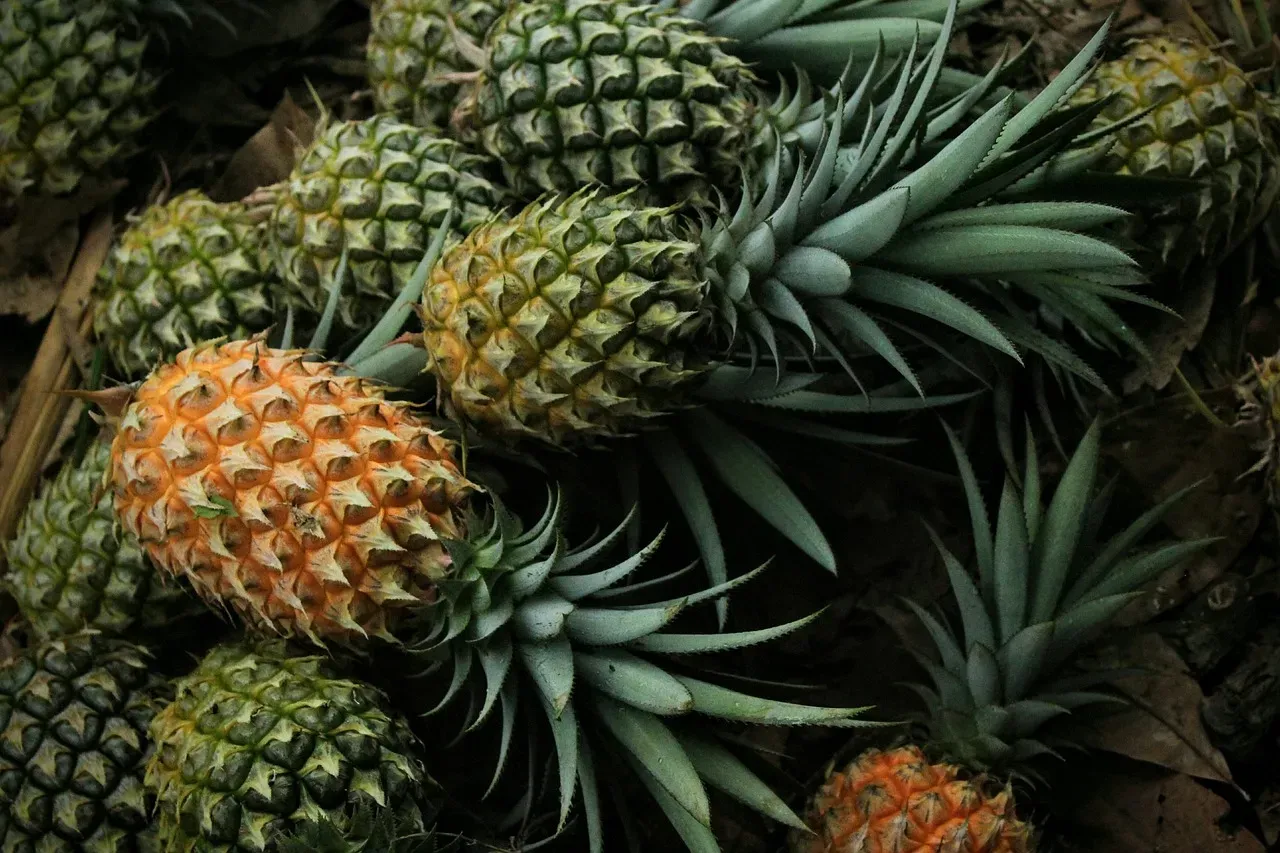
Pineapple is a tropical fruit known for its sweet and tangy flavor, but it also has a high sugar content and a relatively high glycemic index. A single cup of pineapple chunks contains about 16 grams of sugar, which can quickly raise blood glucose levels. The high glycemic index of pineapple means it is rapidly digested and absorbed, leading to quick spikes in blood sugar.
I know it sounds counterintuitive because pineapple just feels healthy. It's vibrant, it's tropical, it screams wellness. Its high GI can lead to rapid blood sugar spikes. Consider trying kiwi or oranges instead, which have a lower GI and are rich in vitamin C. Pineapple is best enjoyed in small quantities rather than as a free-for-all at the buffet.
6. Dried Fruits (Raisins, Dried Mango, Dried Apricots)
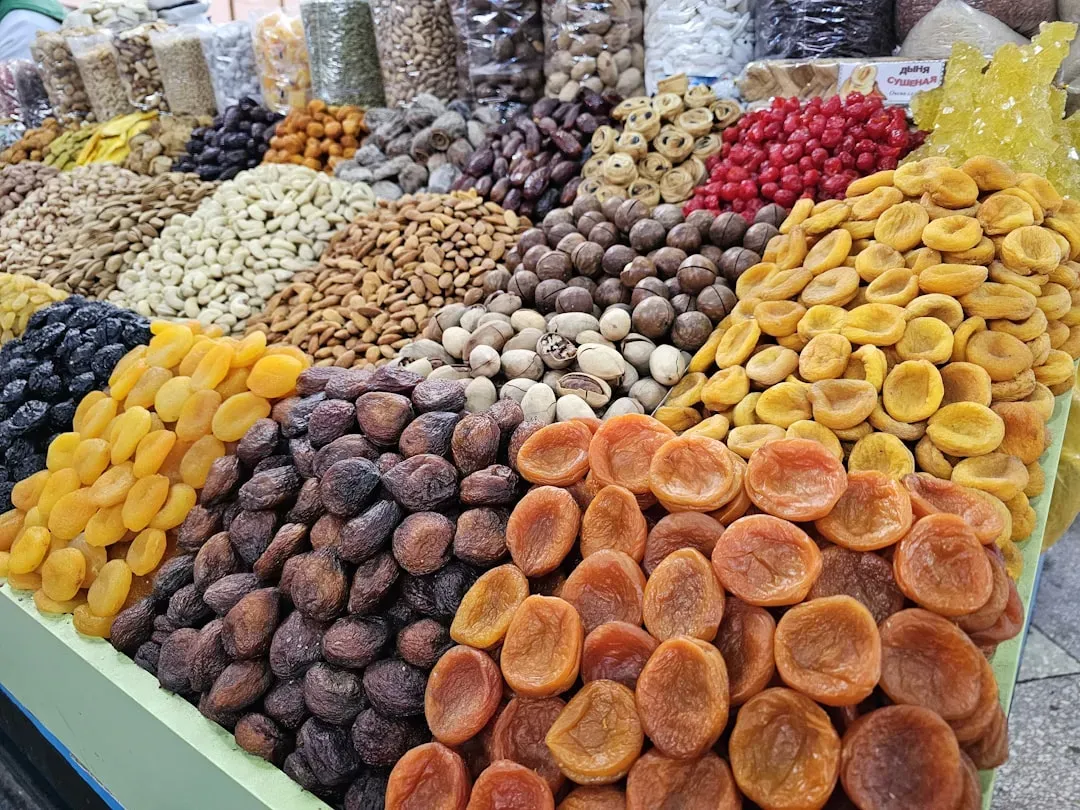
Dried fruits are made by removing the water content from fresh fruits, which results in a more concentrated source of natural sugars. This dehydration process significantly reduces the volume of the fruit while preserving its sugar content. As a result, a small serving of dried fruit can contain as much sugar as a much larger serving of fresh fruit.
Dried fruits are concentrated sources of sugar and carbohydrates. For example, a small box of raisins can contain up to 25 grams of sugar. Only two tablespoons of dried fruit like raisins or dried cherries contains 15 grams of carbohydrate, so be cautious with your portion sizes. Dried fruit is basically candy wearing a health-food costume.
7. Lychee
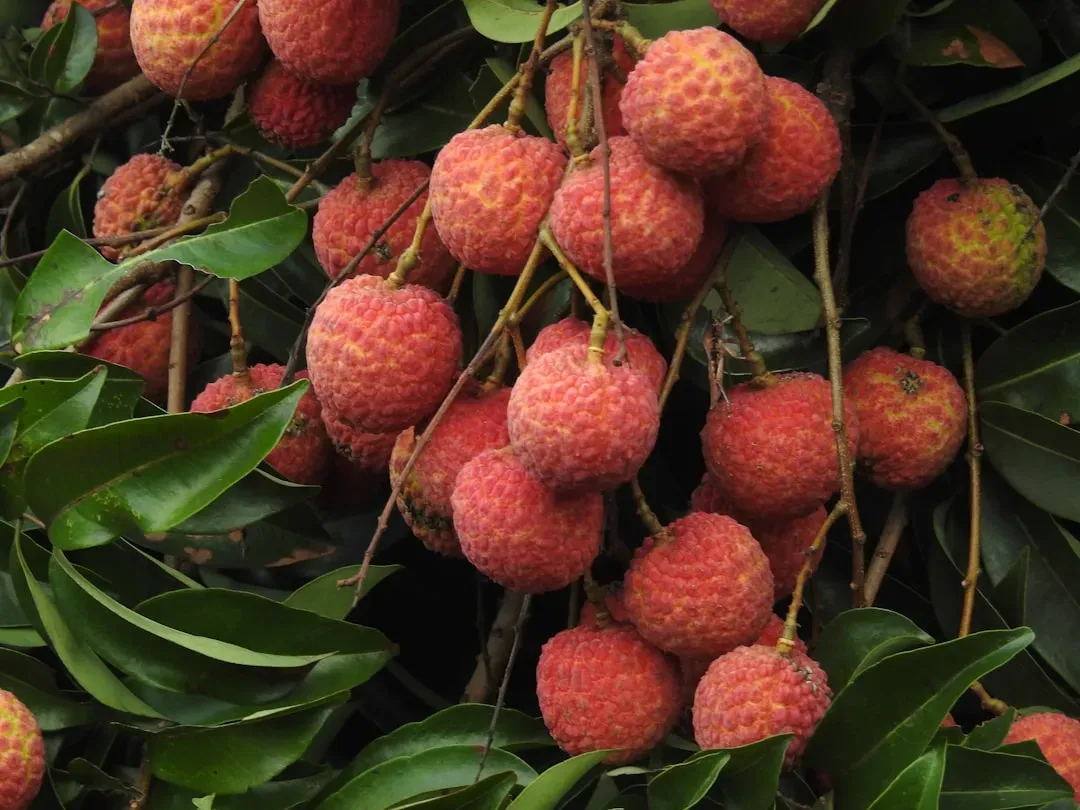
Eating about 10 lychees, or 100 grams, will give you 66 calories and 15 grams of sugar. Lychees are small, sweet, and dangerously moreish. That floral, honeyed flavor makes it nearly impossible to stop at just a few.
Lychees are primarily composed of water and carbs, most of which are sugars. Compared to many other fruits, they're relatively low in fiber, which means the sugar hits the bloodstream with less of a buffer. Lychees are not suitable for low-carb diets, as they contain natural sugars of around 16 grams per 100 grams. They're lovely in moderation, but a bowl of them is a different story entirely.
8. Figs
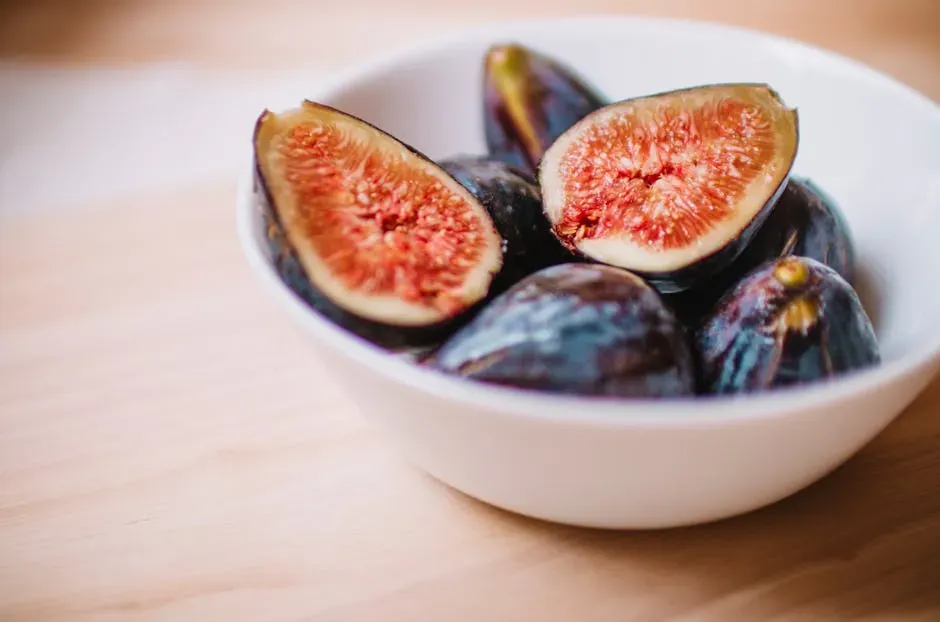
High-sugar fruits include mangoes, pears, grapes, cherries, bananas, figs, and watermelon. Figs might look ancient and wholesome, almost biblical in their simplicity, but their sugar content is nothing to overlook. Fresh figs are surprisingly sweet for their small size, and dried figs are even more concentrated.
You'll also want to take note of the high levels of sugar dried fruits contain. Dried fruits more closely resemble commercial candy than fresh, whole fruit. Figs in their dried form are especially worth watching. A handful can easily add up to a significant sugar hit without you realizing it.
9. Watermelon
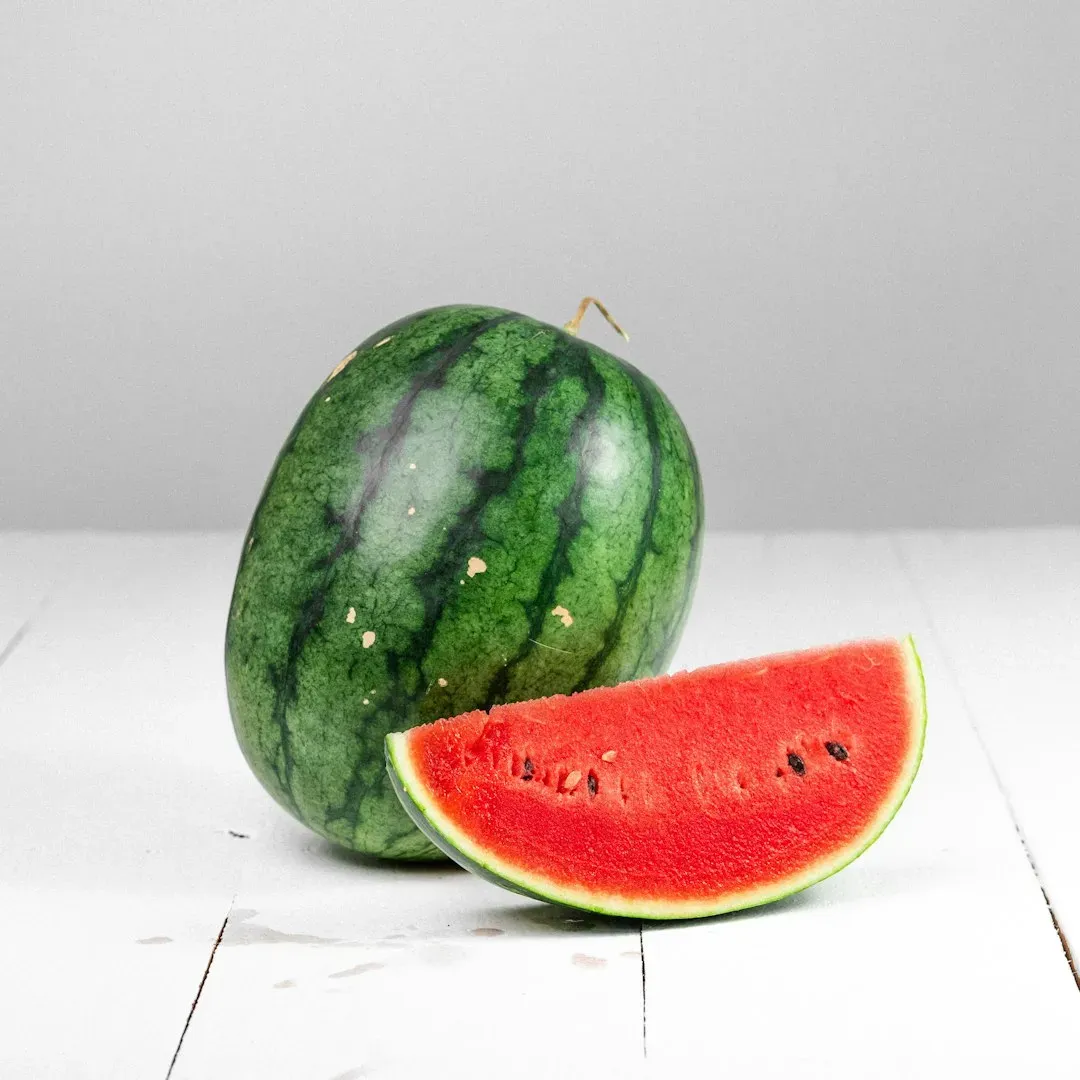
Watermelon feels like the most innocent fruit you could eat. It's mostly water. How bad could it be? Well, the glycemic index tells a different story. The glycemic index of watermelons ranges from 72 to 80, which is high. That places it firmly in the high-GI category alongside foods most people would never consider "healthy."
Here's the nuance, though. Watermelon has a high glycemic index of 80, but a serving of watermelon has so little carbohydrate that its glycemic load is only 5. Portion size is a key factor to consider, as overeating can lead to increased blood sugar. Monitoring blood sugar levels after consuming watermelon can provide insight into its effects on the body. Small servings are fine. Eating half a melon is where the trouble starts.
10. Pomegranate
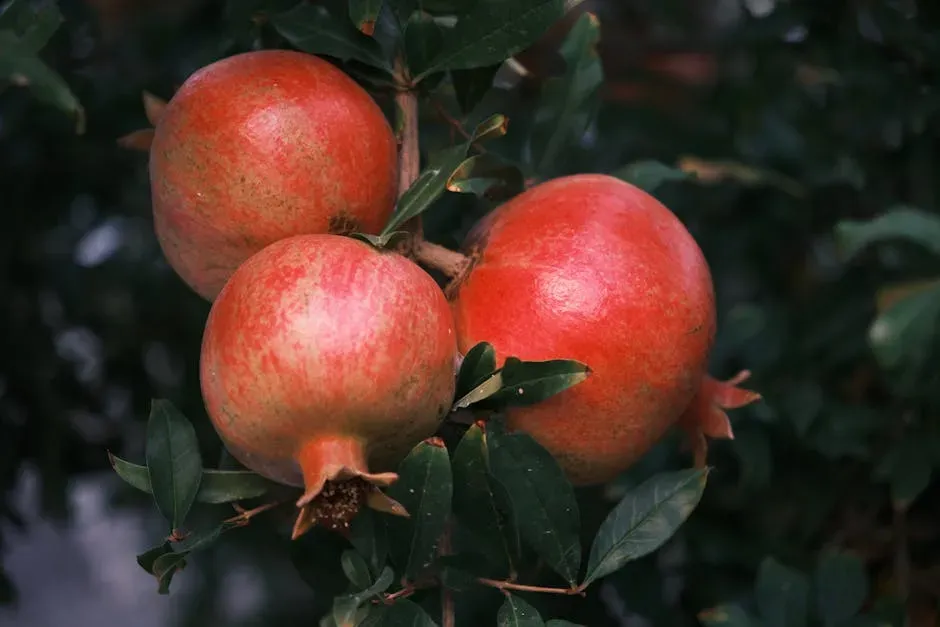
Fruits high in natural sugar include litchis, passion fruit, pomegranates, mangoes, cherries, oranges, kiwifruit, grapes, guavas, and bananas. Pomegranate has built itself quite the superfood reputation, and it's not entirely undeserved. It does contain powerful antioxidants. Still, its sugar load is real and worth acknowledging.
Fruits contain fructose and glucose, naturally occurring sugars that are responsible for their sweet flavor profile. Pomegranate juice, in particular, is a condensed, fiber-stripped version that delivers sugar very quickly. Fruit juice has a lot of concentrated sugars without any fiber, so it can increase blood sugars quickly. If you love pomegranate, stick to the seeds in small amounts rather than the juice.
11. Passion Fruit
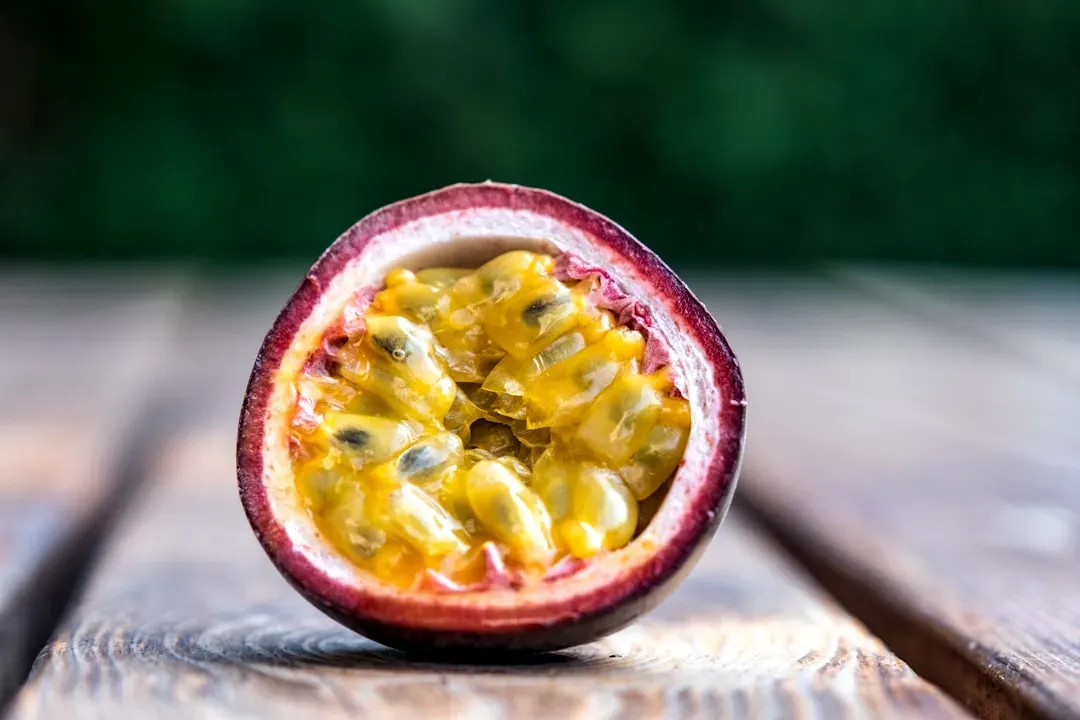
Passion fruit is wildly fragrant and exotic, something that feels almost decadent. Fruit contains natural sugars, with some fruits being higher in sugar than others. However, fruits are also high in fiber, which helps to slow the digestion of sugar in the body. This helps to reduce the impact of fruit on blood sugar, because the sugar from fruit is released into the bloodstream more slowly than sugar in processed foods.
Passion fruit ranks among the higher-sugar fruits per 100 grams, and its intense sweetness is a reliable clue. Dietary sugar determines the level of blood sugar in our body - a higher intake leads to higher levels. For anyone seriously counting sugar grams, passion fruit deserves a watchful eye, especially in juice or dessert form where multiple fruits are squeezed into one small glass.
12. Canned Fruit in Syrup

Let's be real, this one might seem obvious, but canned fruit in syrup is still widely consumed and often mistaken for a healthy choice. When it comes to canned fruit, pay attention to the food label, as these items often contain added sugars. The fruit inside may be real, but the heavy syrup it swims in is pure added sugar.
The best choices of fruit are any that are fresh, frozen, or canned without added sugars. If choosing canned fruit, look for words like "packed in its own juices," "unsweetened," or "no added sugar." Although naturally occurring sugars in foods like fruit and dairy can be part of a healthy diet, too much added sugar can be harmful to health, especially for people with diabetes. The golden rule is simple: always read the label.
13. Fruit Juice (Including 100% Juice)

Many people swap whole fruit for juice thinking it's essentially the same thing. Nutritionally speaking, it's a very different beast. Fruit juices are often high in sugar and lack the fiber found in whole fruits, making them less suitable for those monitoring blood sugar. Without fiber, the natural sugars absorb much faster.
Fruit juice is a less nutritious option because it doesn't contain any fiber, so enjoy that in moderation. Fruit juice has a lot of concentrated sugars without any fiber, so it can increase blood sugars quickly. If you're really craving juice, limit your portion to a half-cup serving. Drinking a glass of orange juice is a very different experience for your blood sugar than eating an actual orange.
14. Dates
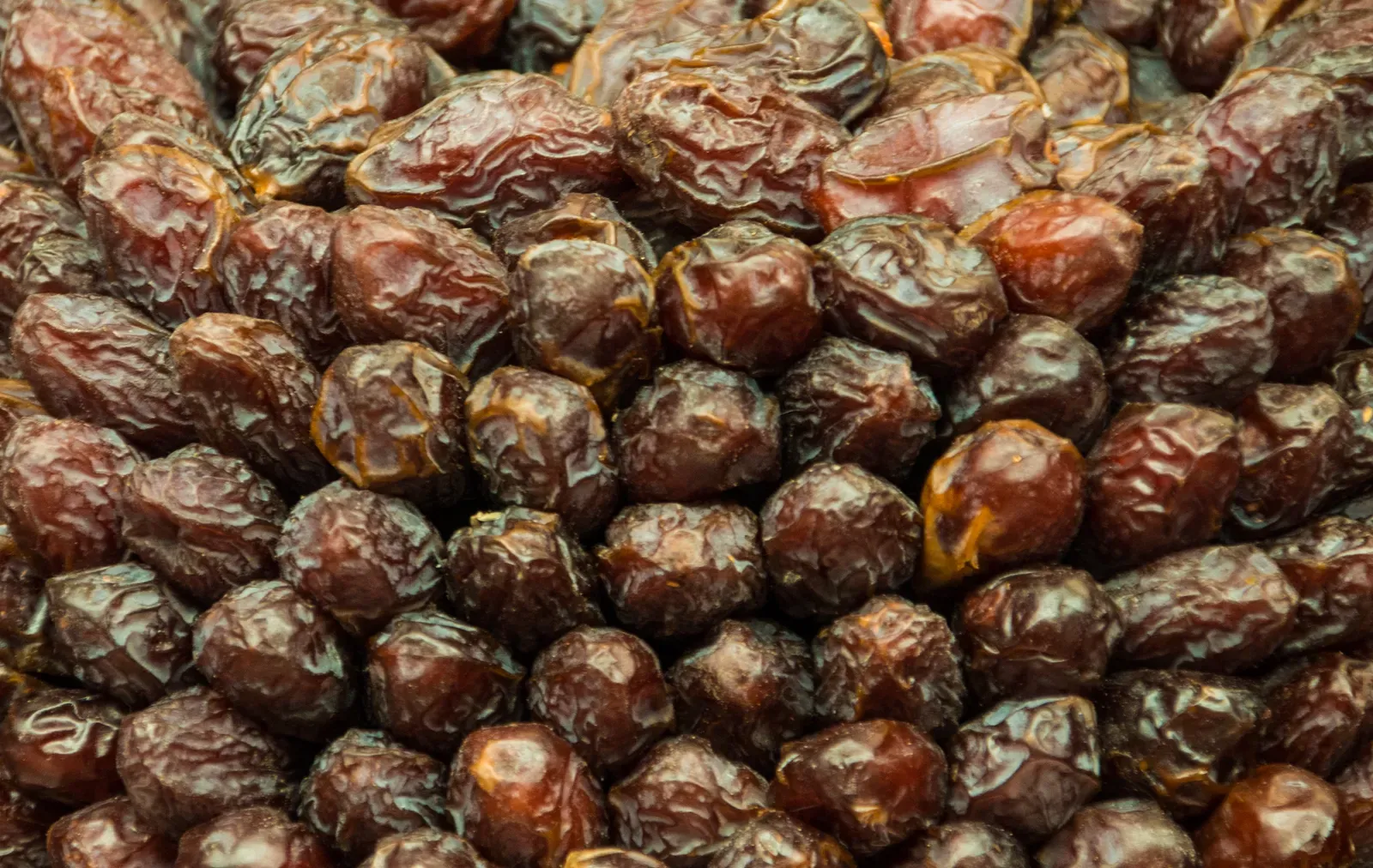
Dates are often marketed as a "natural" sweetener and a wholesome alternative to refined sugar. They're not wrong that dates are natural. But natural does not automatically mean low in sugar. Dates, as a dried fruit, are made by removing the water content, which results in a more concentrated source of natural sugars. This dehydration process significantly reduces the volume of the fruit while preserving its sugar content.
If you are overweight, a good rule of thumb is to avoid eating fruits with high sugar content until your weight starts to normalize and your health improves. Dates contain some fiber and minerals, which is a genuine plus. However, treating them like candy-free candy is a common mistake. Two or three is fine. A full cup of dates is nutritionally closer to a dessert than a fruit snack.
15. Overripe Fruits of Any Kind
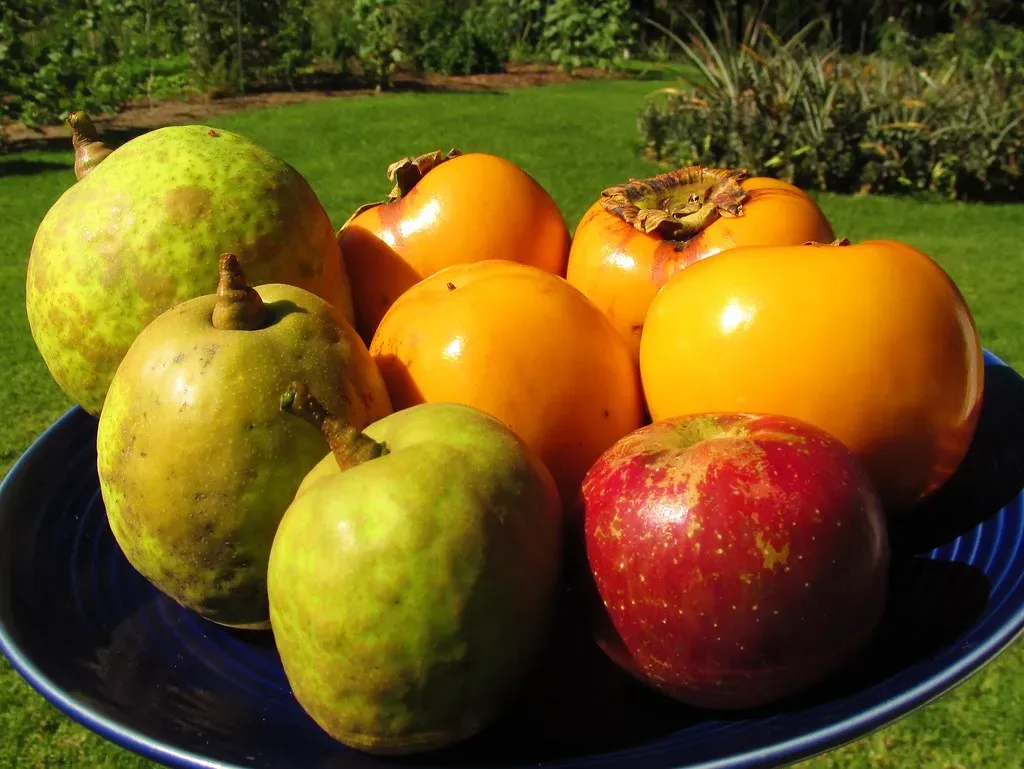
This final entry applies to nearly every fruit on this list. Ripeness matters more than most people realize. Ripe bananas are high in potassium and fiber but also rich in natural sugar. The sugar content increases as they ripen, making them a high-GI fruit. This principle applies broadly across most fruits.
The glycemic index measures how a food affects your blood sugar. Foods that are low on the scale raise it slowly. Those high on the scale raise it quickly. Eating mostly low-GI foods can help you keep control of your blood sugar. A firm, slightly underripe fruit will almost always carry a lower glycemic impact than its mushy, oversweet counterpart. It's a small detail, but it adds up. According to the American Heart Association, the average American adult consumes 17 teaspoons of sugar daily, which is two to three times higher than the recommended amount. Every smart swap counts.
Final Thought

Cutting back on sugar doesn't mean eliminating fruit entirely. Far from it. Countless studies have found that increased fruit consumption, regardless of the fruit's sugar content, is tied to lower body weight and a lower risk of obesity-associated diseases. The goal is awareness, not fear.
Managing blood sugar levels works best by choosing wisely, controlling portions, and pairing fruits with protein or healthy fats. According to the American Heart Association, healthy adults should aim for less than 36 grams of sugar per day for men and less than 25 grams per day for women. Small, informed choices made consistently are worth far more than any single dramatic dietary overhaul.
Which of these surprised you the most? Drop your thoughts in the comments below.




Leave a Reply