
There is something deeply humbling about flipping through an old family recipe box. The handwriting is faded, the cards are stained, and the dishes listed would make most kids today wrinkle their noses in disbelief. Lard on toast? Pickled eggs left in jars on the counter? Liver for breakfast? These were not exotic choices. They were Tuesday.
The gap between what previous generations considered perfectly normal and what lands on plates today is wider than most people realize. Food habits have shifted dramatically, driven by processed convenience, changing tastes, and a growing distance from the kitchen itself. What follows is a gallery of fifteen humble, honest foods that once filled the tables of grandparents everywhere, and a closer look at why they might genuinely shock a kid in 2026.
1. Lard on Bread
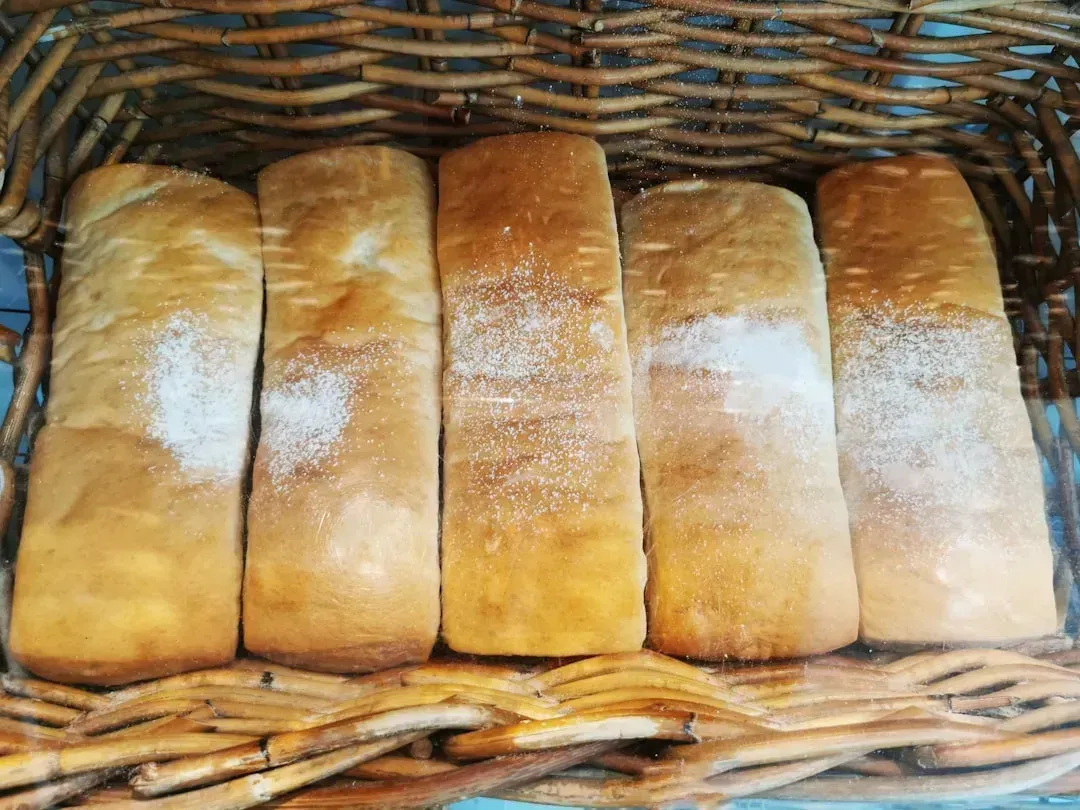
Lard consumed as a spread on bread was once very common in Europe and North America, especially in areas where dairy fats and vegetable oils were rare. Imagine handing a child a slice of bread and telling them the spread is pig fat. The reaction would be immediate. Yet for generations, this was a perfectly unremarkable breakfast.
During the 19th century, lard was used in a similar way to butter in North America and many European nations, and remained about as popular as butter in the early 20th century, even serving widely as a substitute for butter during World War II. From 1909 to 2010, total availability per capita for animal-based fats including butter, lard, and edible tallow decreased by roughly 58 percent. The fall from grace was steep and fast.
2. Liver and Onions
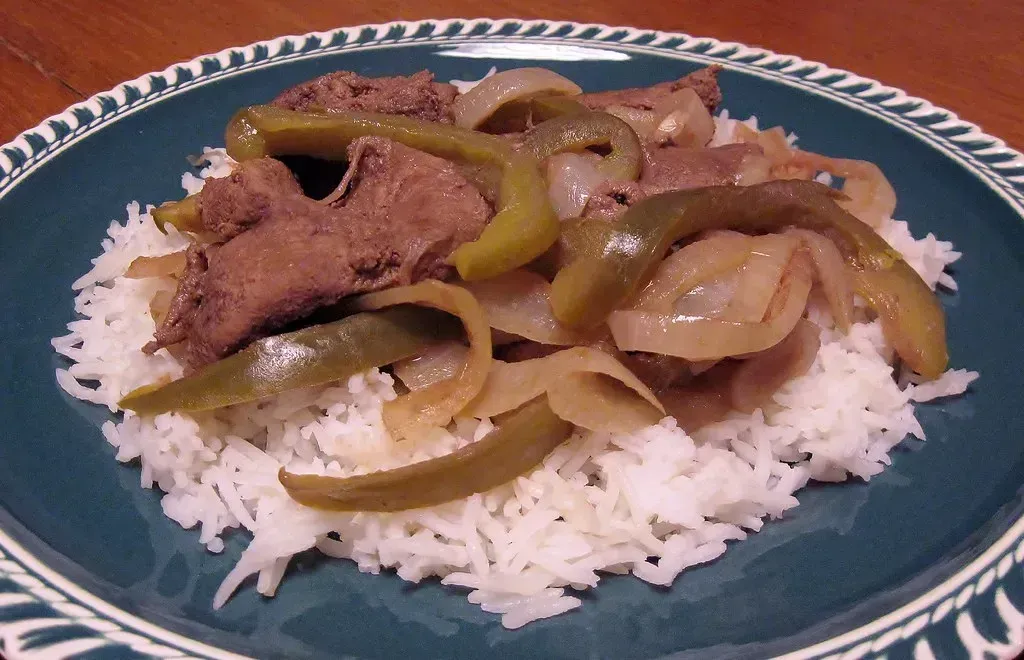
Liver and onions used to show up regularly on grandparents' tables because liver was cheap and packed with nutrients like iron and vitamin A. As grocery stores started offering more options, liver lost popularity mostly due to the strong flavor and grainy texture that comes from cooking it badly. It is one of those dishes that gets a bad reputation almost entirely from people who encountered a badly cooked version.
One modest portion covers more than 100 percent of the recommended daily allowance for vitamin A, roughly 70 percent for B12, and around 35 percent for iron, all in under 200 calories. It slowly began to fade from cookbooks after the 1950s, largely because immediately following World War II the economy boomed and amidst such fast-paced change, the dish harkened back to a previous, more difficult era. Honestly, the nutrition alone should bring it back.
3. Gelatin Salads with Vegetables and Meat
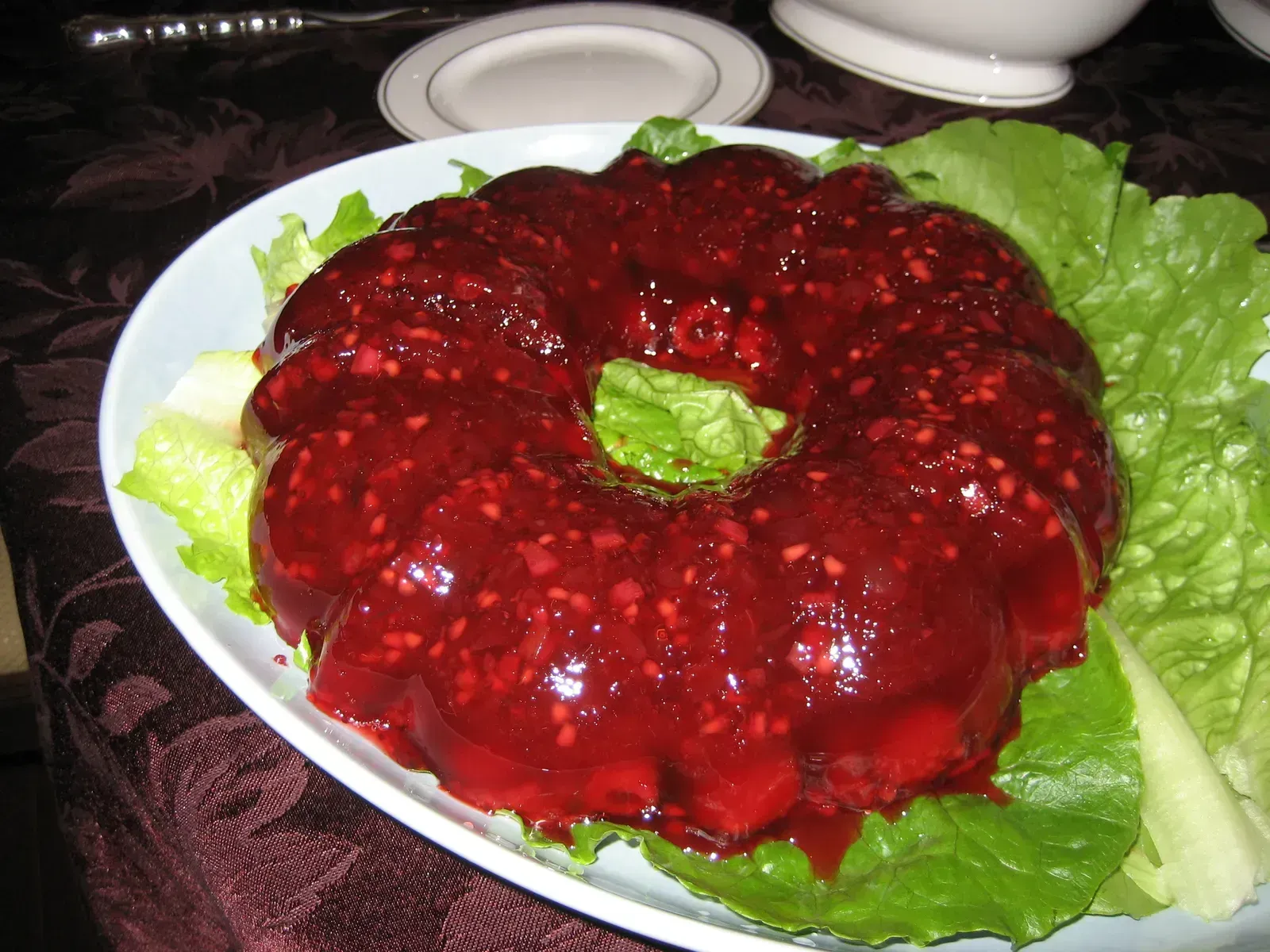
Gelatin salads were most popular from the 1930s to the 1960s, reaching their peak in the American post-war era of the 1950s. They were popular due to their affordability, the novelty of instant gelatin, aggressive marketing by brands like Jell-O, and their image as a modern, creative dish. The idea of a wobbly lime-green mold with shredded cabbage and olives suspended inside it sounds like a prank today. Back then, it was a centerpiece.
Jell-O salads were especially fashionable in the suburbs in the 1950s. They were seen as a marker of sophistication and status, indicating that a housewife had time to prepare Jell-O molds and that her family could afford a refrigerator. The decline began in the late 1960s and accelerated through the 1970s, with the back-to-the-land movement and growing interest in natural whole foods making brightly colored, artificial-tasting Jell-O seem passé.
4. Cornmeal Mush
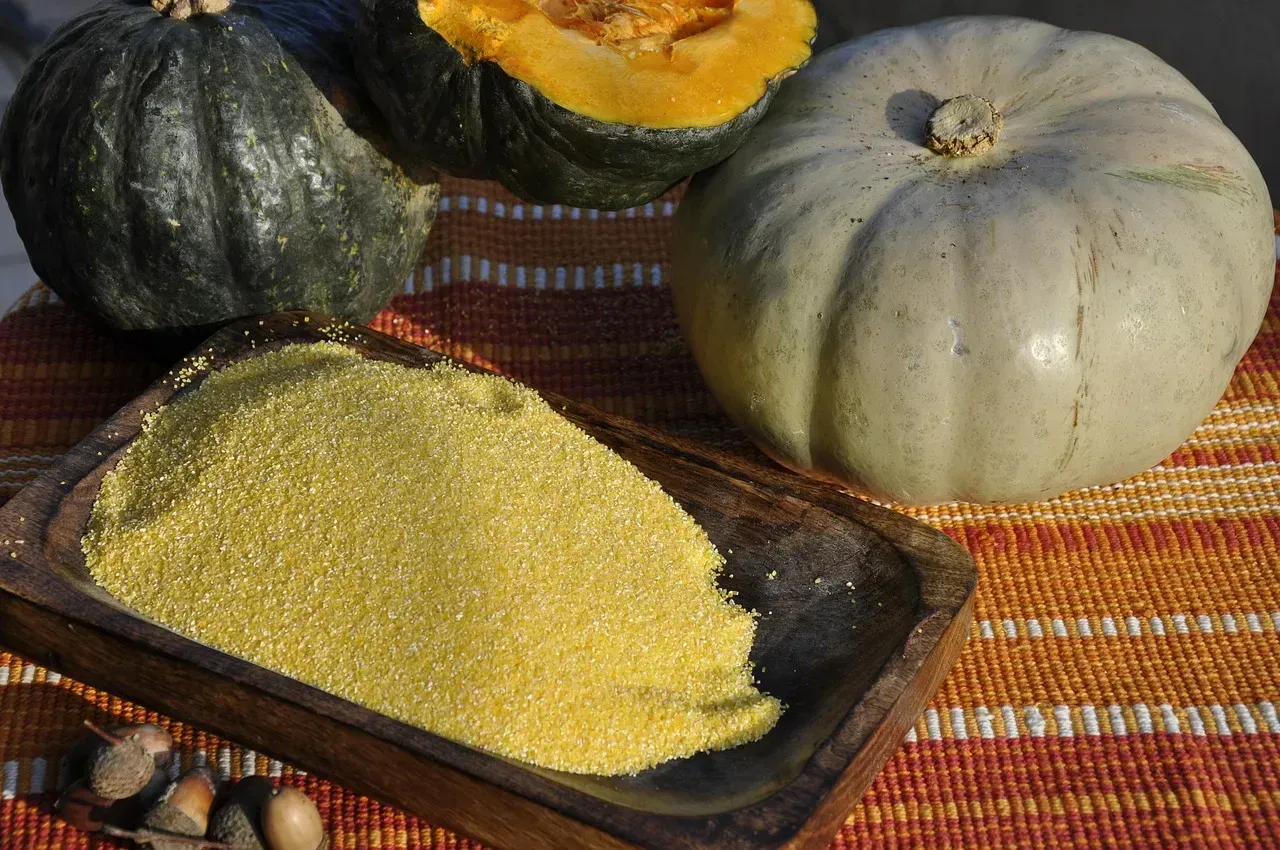
Before instant oatmeal, there was cornmeal mush, a simple porridge made from boiled cornmeal and water or milk. Grandparents often ate it hot with butter and syrup in the morning, then fried the leftovers into golden slices for supper. Two meals from one pot of cheap grain. That kind of resourcefulness has almost entirely disappeared from modern life.
Think of it like a very humble cousin to polenta. It required nothing fancy, kept a family fed, and reheated beautifully the next morning as a crispy fried cake. Processed food consumption has increased from less than 5 percent in the 1800s to more than 60 percent today. Cooking and prepping food was once a sacred activity, not an inconvenience. Cornmeal mush was the anti-fast food, and it was everywhere.
5. Pickled Eggs
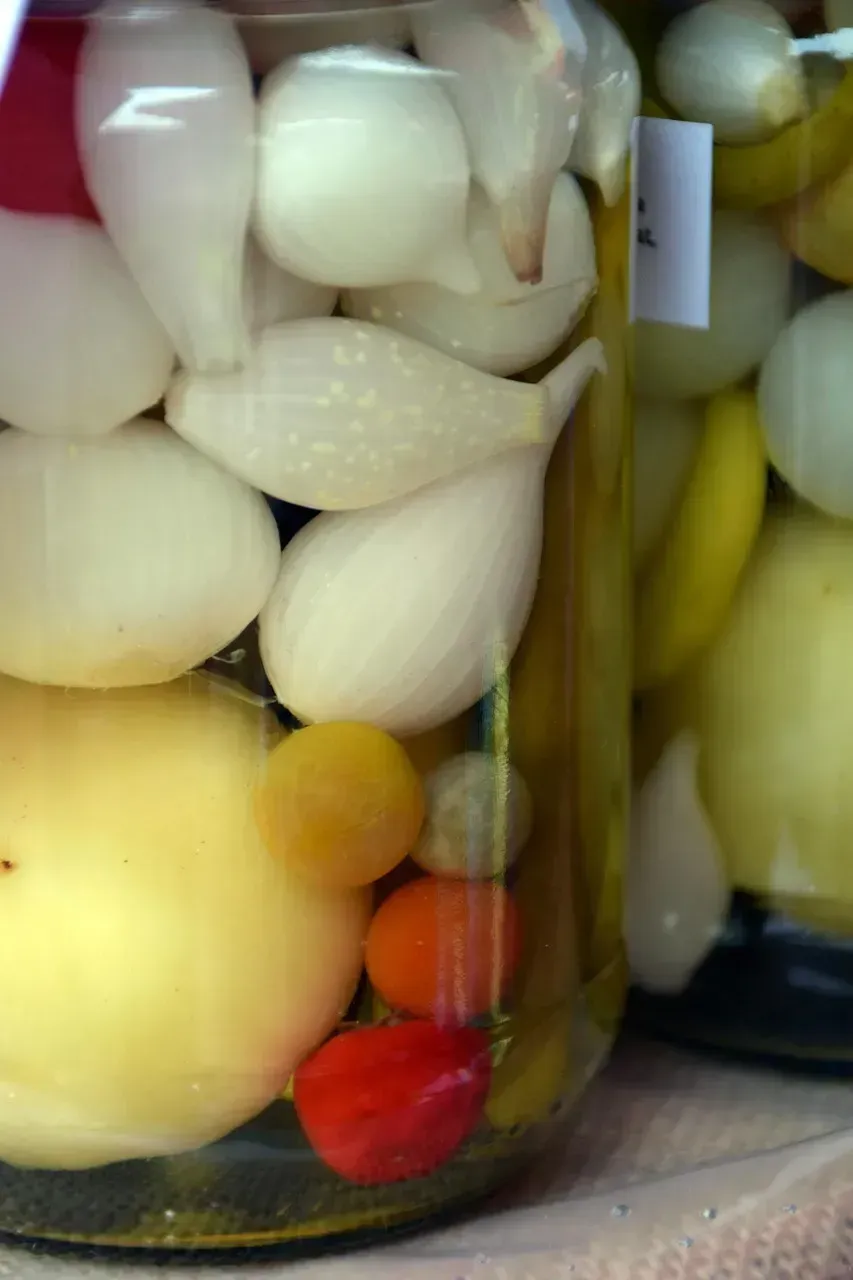
Pickled eggs were common for grandparents because they were practical. Before everyone had reliable refrigeration, pickling eggs meant you could preserve extras without waste. They mostly disappeared once convenience foods and fresh eggs became easy to buy anytime. The logic was unbeatable: preserve what you have, stretch what you can.
Show a child a jar of pink eggs sitting in vinegar brine on the kitchen counter and watch the look on their face. There will be questions. There may be tears. Now they are becoming popular again because people want simpler snacks that last longer, create less waste, and fit into busy lives without a lot of prep. Some things really do come back around, even if kids are not fully sold just yet.
6. Ham Bone Soup
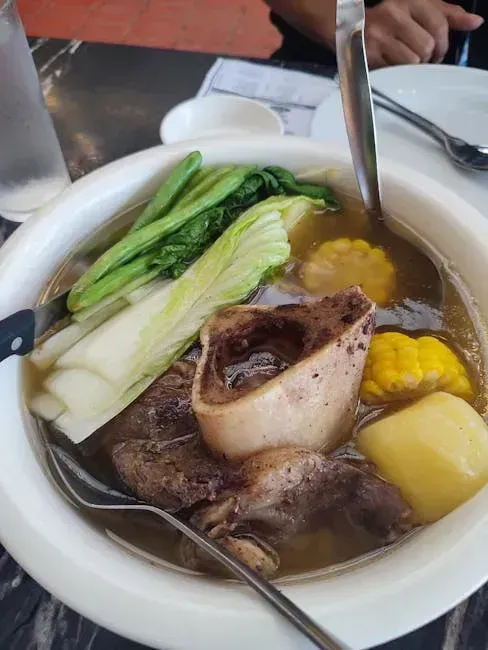
Sunday's ham became Monday's sandwiches, which became Tuesday's miracle. That stripped bone with clinging meat bits transformed plain beans into smoky perfection. Navy beans or great northerns, soaked overnight and simmered all day with that precious bone. Nothing went to waste. The bone worked harder than most cuts of meat do today.
Bean soup turned pennies into comfort. Dried beans simmered low and slow with onions, a bay leaf, and maybe a ham bone created a silky broth and hearty body. It fed many, reheated beautifully, and only improved overnight. Kids today may look at this and see a pot of murky liquid. Grandparents saw four days of meals and warmth through a cold winter.
7. Bread and Dripping
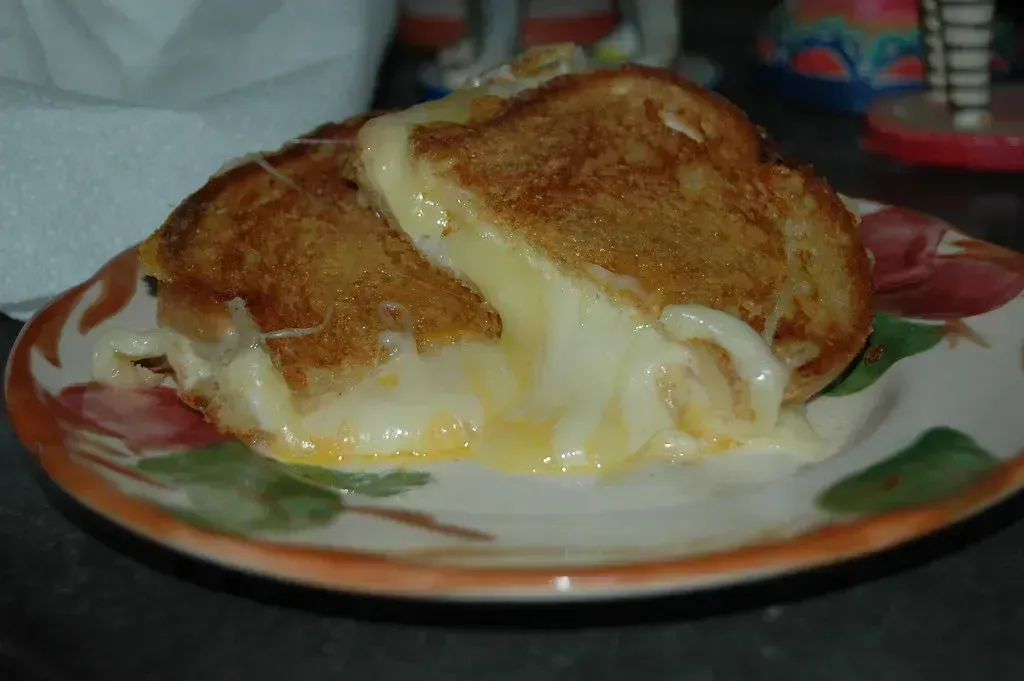
Butter consumption was low due to the high cost of 'good' butter, so lard and dripping were more significant parts of the everyday diet. Dripping is simply the fat and juices collected after roasting meat. It would be saved in a tin and spread cold on bread, sometimes still streaked dark with the meaty cooking juices underneath. Simple and honestly, pretty satisfying.
Dripping sandwiches are still popular in several European countries, such as Hungarian "lardy bread" and German "Fettbemme," which is seasoned pork fat on bread. In Britain, it was a staple of working-class households for generations. Try explaining to a ten-year-old that their after-school snack is cold beef dripping on toast. Let's be real, that conversation would not go well.
8. Spam
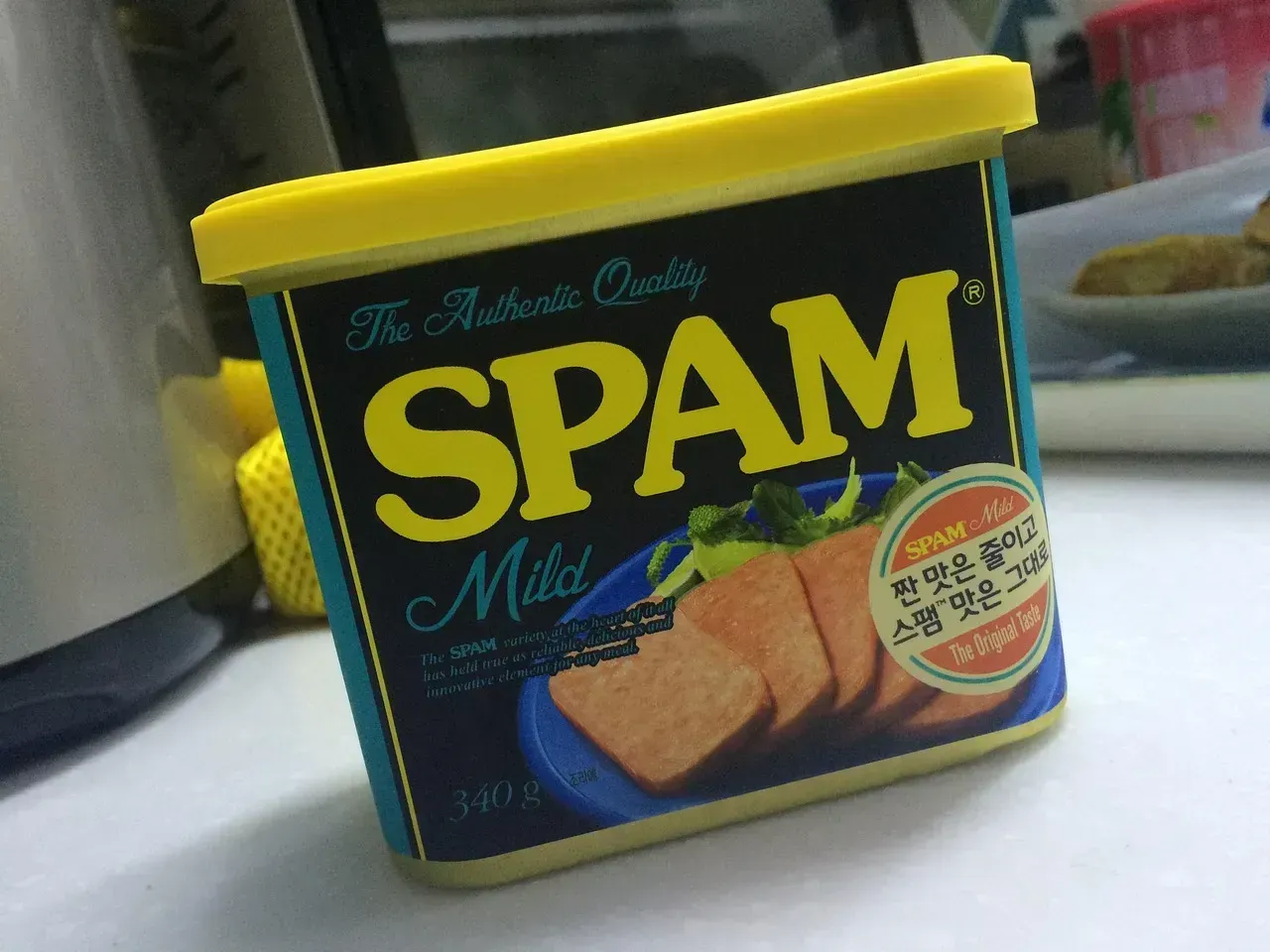
Spam was common when grandparents cooked because fresh meat was expensive and did not store easily. It eventually became less popular when fresh meat got cheaper and more available. There is a whole generation of kids today who genuinely do not know what Spam is, which is almost impossible to believe given how deeply it was woven into mid-century American and European kitchens.
Now, Spam is showing up again, mostly because younger cooks appreciate how practical it is to keep around. It has also found a powerful second life in Hawaiian cuisine and Asian cooking, where it never actually disappeared. The answer to busy post-war lifestyles was easy-prep goods like instant coffee, Spam, and instant gelatin. It is hard to argue with the practicality, even if the tin still raises eyebrows.
9. Milk Toast
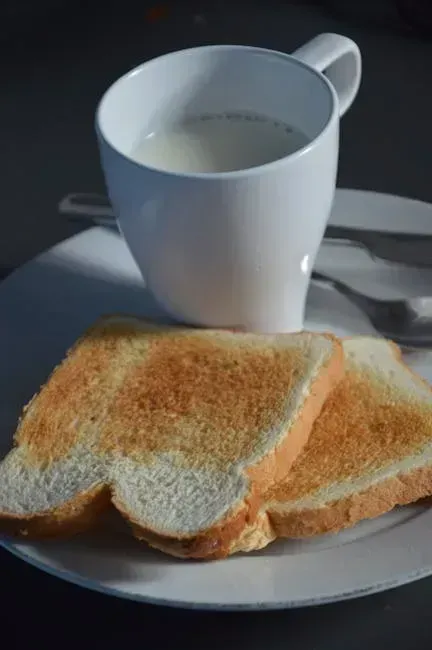
Toast. Hot milk poured over. Maybe sugar for sweet, salt and pepper for savory. For babies and grandparents with weak teeth, for sick family members who could not handle anything stronger. It sounds almost laughably simple, and to modern eyes it probably looks like something went badly wrong in the kitchen. In reality, it was gentle, warm, and deeply comforting.
Literature eventually turned milk toast into an insult, code for weak, bland, boring. But those writers never went to bed hungry. That is the thing about simple foods born from necessity. They carry a weight that cannot be understood from the outside. A child raised on snack pouches and flavored crackers would probably stare at this and wonder what went wrong.
10. Fried Bologna
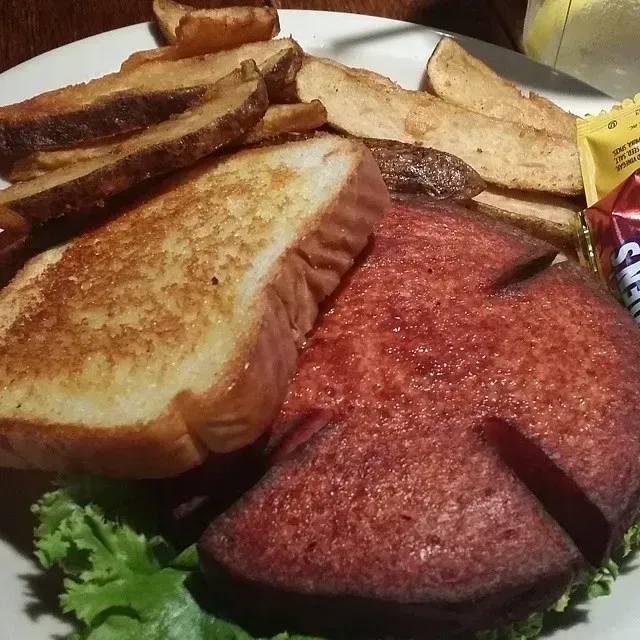
When steak became an impossible dream, bologna stepped up. You cut slices at the edges to prevent curling, fried until the edges crisped and the centers bubbled, and that distinctive bologna bubble delighted kids who would poke it with forks before eating. It was theatre and supper at the same time, which is not nothing.
Served on white bread with mustard, maybe government cheese. It sizzled and smelled like proper cooking. Children actually preferred it to healthier options, never knowing their parents served it from necessity. The fact that it came from hardship did not make it less delicious. There is something quietly poignant about that.
11. Tapioca Pudding
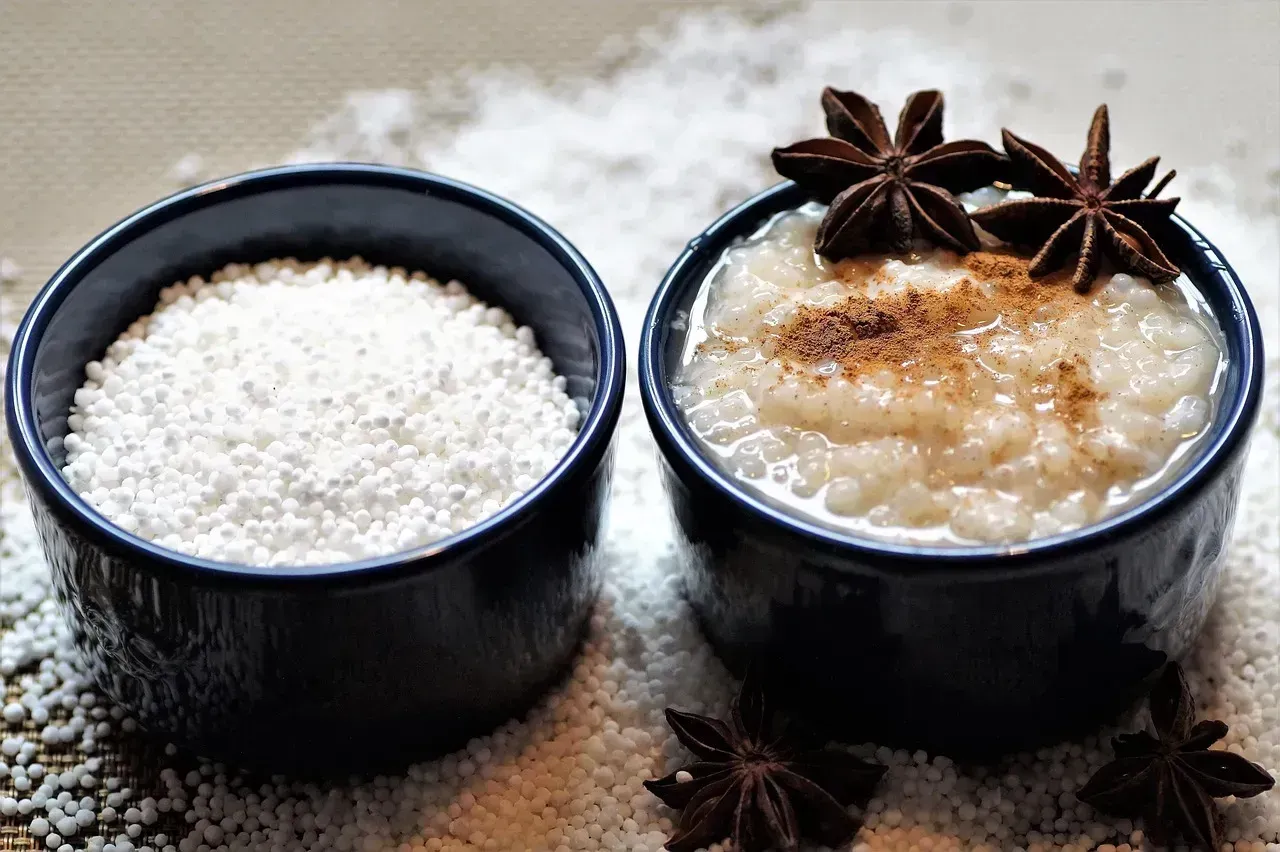
Great grandparents consumed moderate amounts of sugar in homemade desserts daily. Their desserts were largely made from unfortified flour, sugar, butter, eggs, and milk, with no sugar alternatives, margarine, or nut milks in sight. Tapioca pudding was a mainstay of the dessert rotation in households across America and Europe for most of the 20th century, made from the starchy pearls of the cassava plant simmered slowly in sweet vanilla milk.
Kids today largely encounter tapioca in the form of boba bubbles at the bottom of a trendy iced tea drink. A plain bowl of warm tapioca with a sprinkle of nutmeg would confuse many of them entirely. Grandparents loved it because it transformed simple ingredients into dessert. Served warm for comfort or chilled for a custardy treat, a little nutmeg on top and a drizzle of honey made it special without much fuss.
12. Rutabaga (Swede)
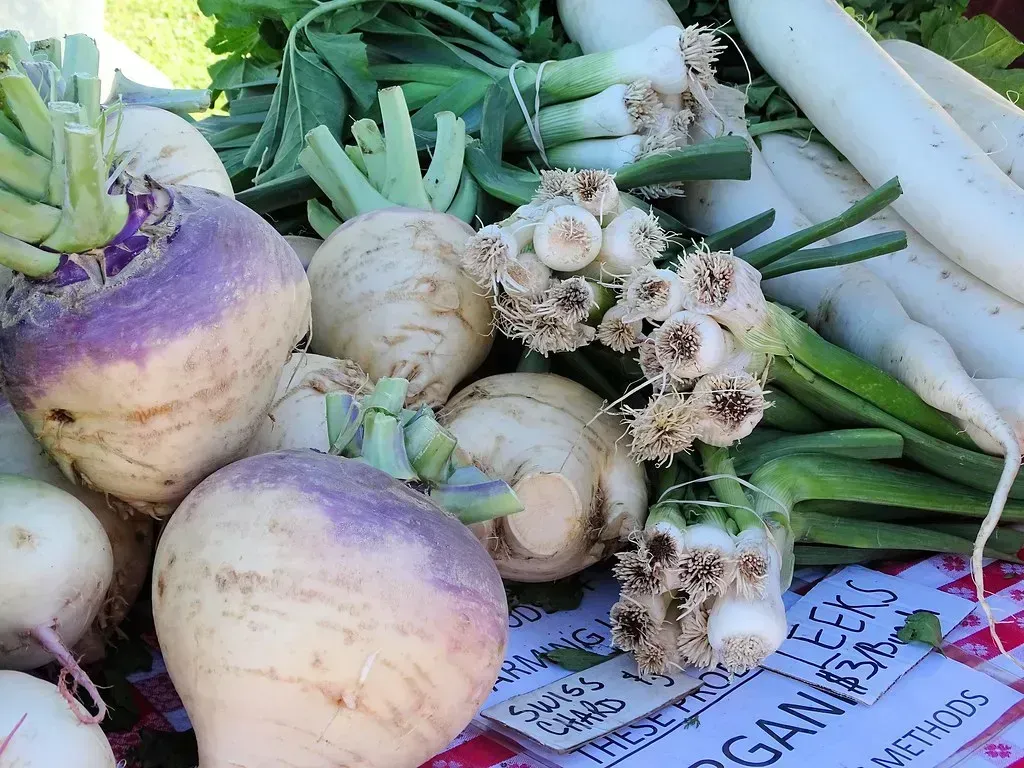
Call it what you want, rutabaga, swede, or that weird yellow thing at the bottom of the produce bin. Depression-era families called it survival. These bowling-ball-sized roots packed more vitamin C than oranges and thrived in garbage soil where potatoes would barely sprout. They were not glamorous. Nobody wrote poems about rutabaga. They just kept people alive through winter after winter after winter.
One person remembered their grandmother mashing them with butter, salt and pepper. Simple. Filling. Something that kept you going when there was not anything else. Today, you can walk through a modern grocery store and watch people walk right past the rutabaga bin without a second glance. It is hard to say for sure, but most children probably cannot name this vegetable at all.
13. Chipped Beef on Toast
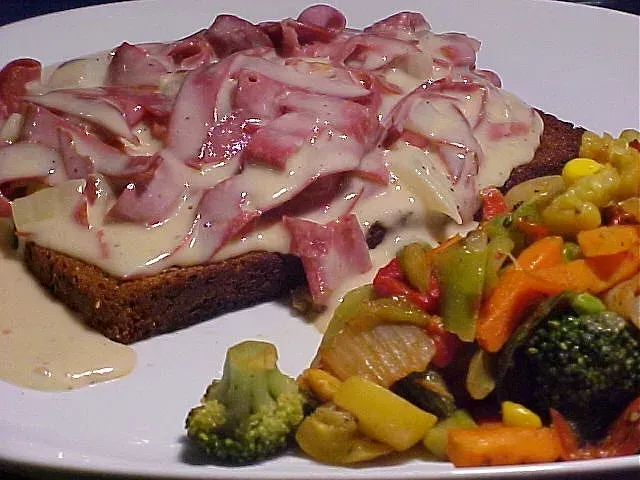
The official name "S.O.S." stood for "same old stuff," but it became a beloved comfort food during the Great Depression. Dried beef got transformed into something special with a rich white sauce made from butter, flour, and milk. Many veterans brought this recipe home, making it a weekend breakfast tradition that lasted for decades. It is a dish built entirely on pantry staples and practicality.
The magic was simple: melt butter, stir in flour until it made a paste, slowly add milk while stirring, then toss in the chipped beef. Done. The military made it famous, but mothers made it legendary. That salty, creamy combination hit differently when you had not eaten since the previous day's cornbread. Serve this to a child in 2026 and you might get genuine bewilderment.
14. Butter Beans
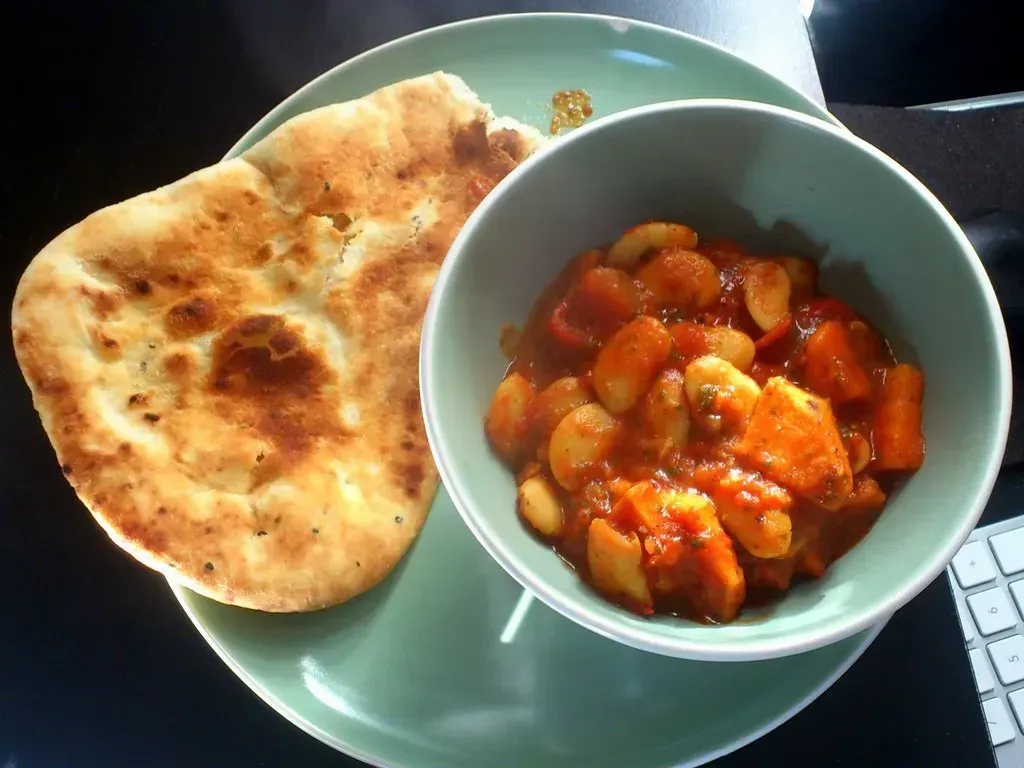
Butter beans used to show up on dinner tables all the time, especially when a simple pot of beans could feed the whole family. Slow-cooked until tender and creamy, they were often served as a hearty side or even the main dish. Many families grew up spooning these over rice or eating them with cornbread. These days, it is one of those classic comfort foods younger eaters often overlook.
There is nothing Instagram-worthy about a bowl of pale, creamy beans. No vibrant colors, no dramatic layers, no drizzle of something fancy on top. That is probably why they vanished from the cultural conversation so quickly. The foods grandparents ate were often about getting the most out of simple ingredients. They kept costs low, minimized waste, and used whatever was easy to keep around. Butter beans were the definition of that philosophy.
15. Cornbread Crumbled in Milk
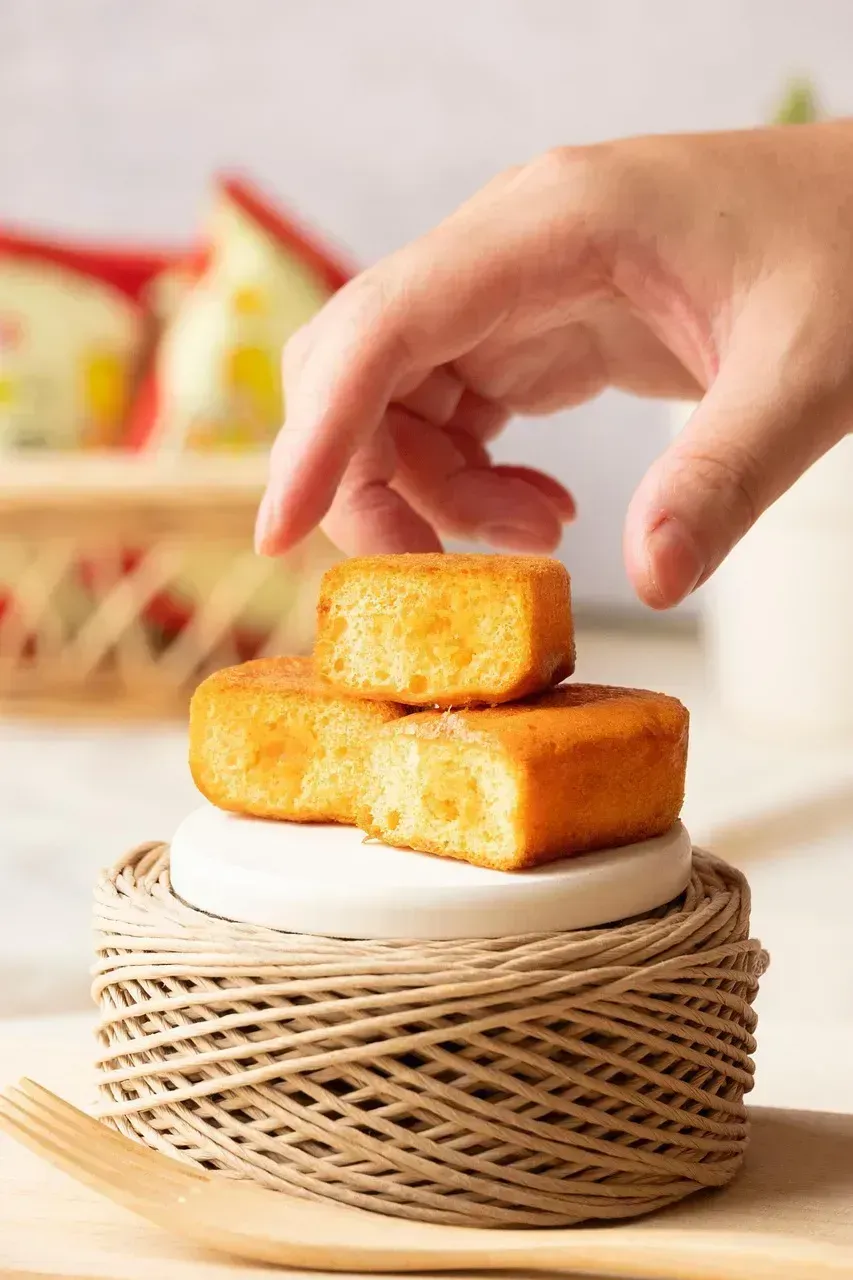
Here is one that most people outside the American South have never even heard of. Grandparents would crumble leftover cornbread into a tall glass of cold buttermilk or sweet milk, grab a spoon, and eat it just like that. No heating, no garnish, no explanation needed. These foods tell stories about resourcefulness, regional traditions, and a time when morning meals demanded attention and care. People did not scroll through their phones while eating. They sat down, often with family, to dishes that took genuine effort to prepare.
Ultra-processed foods were rare before 1900 but have increased to more than half of the current American diet. Cornbread in milk was the opposite of ultra-processed. It was the last bite of yesterday, quietly repurposed into a new meal. A grandmother's recipe box holds more than instructions for cooking. It holds proof that a family tree grew through droughts, depressions, and disasters that should have killed it. And somehow, that gives a glass of crumbled cornbread and milk a kind of dignity that no protein bar can match.


Leave a Reply