
What you eat every single day is quietly shaping how long you live, how sharp your mind stays, and whether your heart holds out for the long haul. That is not a dramatic exaggeration. It is, increasingly, what the science is telling us. Some countries seem to have figured this out centuries ago without even trying, while others are in the middle of a slow-moving dietary crisis that the numbers make impossible to ignore.
The gap between the world's healthiest and unhealthiest eaters is genuinely shocking once you start looking at the data. We are not talking about minor lifestyle differences. We are talking about entirely different relationships with food, with wildly divergent outcomes for health, longevity, and quality of life. So let's dive in.
Japan: The Gold Standard of Longevity Eating

If there is one country the rest of the world should study when it comes to food and long life, it is Japan. The average life expectancy of Japanese citizens in 2024 is 81.09 years for men and 87.13 years for women, according to the health ministry. Those numbers are not a coincidence. They are, at least in part, a direct result of what people are putting on their plates every day.
In an international comparison of recent mortality statistics among G7 countries, Japan had the longest average life expectancy, primarily due to remarkably low mortality rates from ischemic heart disease and cancer, particularly breast and prostate. The diet is a huge piece of that puzzle. The low mortality rates from ischemic heart disease and cancer are thought to reflect the low prevalence of obesity in Japan, low intake of red meat and saturated fatty acids, and high intakes of fish, plant foods such as soybeans, and nonsugar-sweetened beverages.
As of 2025, Japan has an obesity rate of only 4.9%, while for the UK it is 28.7%. Think about that for a moment. Nearly one in three British adults is obese, while Japan has barely a fraction of that. Traditional Japanese diets emphasize low-sodium, high-vegetable intake, and whole foods, with staples like natto, miso soup, dried small fish, and fresh vegetables appearing in everyday meals across households.
No one demonstrates healthy dietary principles better than the Japanese, whose reliance on seasonal produce, soy, rice, and fish translates to rock-bottom diabetes and obesity rates, as well as one of the longest life expectancies in the world. Research published in the Journal of Ageing and Longevity as recently as December 2025 confirmed that cross-sectional analysis has revealed an association between the traditional Japanese diet score and healthy life expectancy, with the study aiming to clarify that association longitudinally using data from the Food and Agriculture Organization of the United Nations and the Global Burden of Disease Study.
Greece: The Mediterranean Blueprint

Honestly, the Greek traditional diet is probably the most scientifically studied eating pattern in human history. For the seventh year in a row, the Mediterranean style of eating earned the title of best overall diet, according to 2024 ratings that U.S. News and World Report announced. The roots of that diet trace directly back to the Greek table. The Mediterranean diet is a concept first proposed in 1975 by Ancel Keys and Margaret Keys, inspired by the eating habits and traditional foods of Greece, Italy, and the Mediterranean coasts of France and Spain as observed in the late 1950s to early 1960s.
The common features characterizing the Mediterranean diet include daily consumption of non-refined cereals, fresh fruits, vegetables, nuts, and low-fat dairy products, with olive oil as the principal source of lipids, moderate intake of fish and poultry, and only monthly consumption of red meat. The research backing this up is overwhelming. After 15, 25, and 50 years of follow-up from the Seven Countries Study, a strong negative relation was observed between adherence to the Mediterranean diet and coronary heart disease mortality, with very numerous prospective observational studies, randomized clinical trials, and meta-analyses demonstrating its preventive effects against cardiovascular diseases.
A 2024 meta-analysis found that adherence to consuming Mediterranean diet foods was associated with reduction in cardiovascular disease risk, and two 2014 meta-analyses found it was associated with a decreased risk of type 2 diabetes. Interestingly, there is a troubling modern subplot here. Younger generations in Greece seem to be moving away from food choices included in the beneficial components of the traditional Mediterranean diet at a time when other countries are modifying their diets to actually adopt this pattern. The irony is almost painful.
Ethiopia: The Underrated Plant-Based Powerhouse
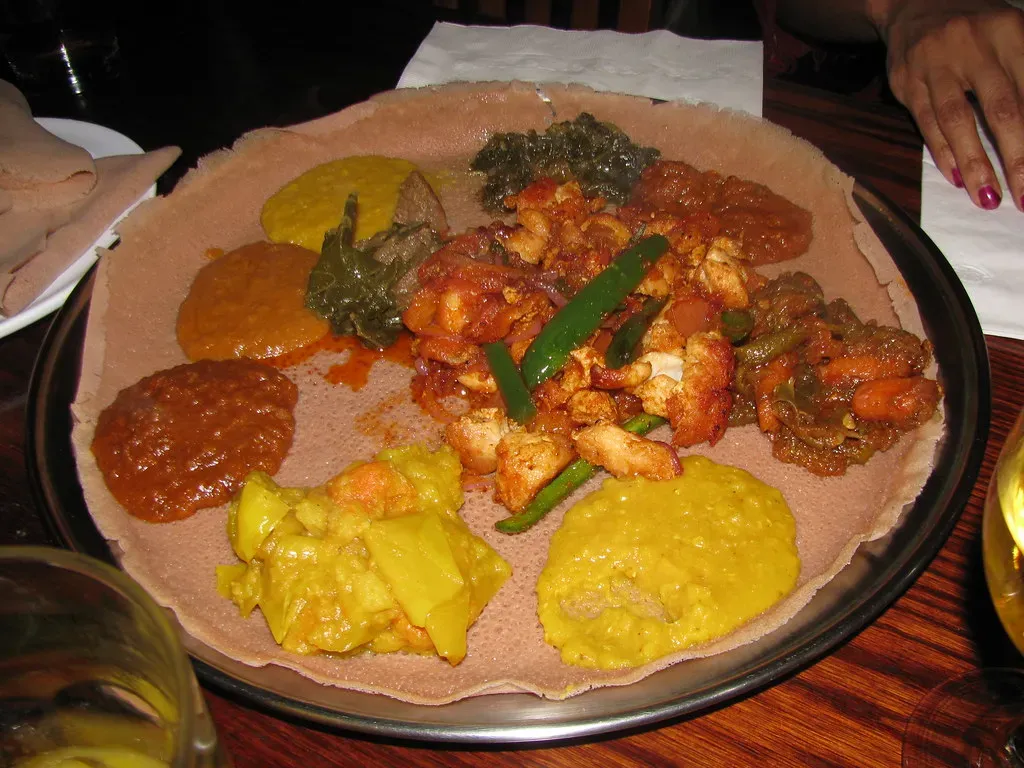
Here is one that surprises most people. Ethiopia, one of the world's less affluent nations, has a traditional cuisine that nutrition experts consistently highlight as remarkably healthy. Ethiopian cuisine is vibrant and deeply traditional, centered around plant-based ingredients and whole foods, with staple foods including injera, a nutrient-dense sourdough flatbread made from teff flour, plus legumes like lentils, chickpeas, and split peas, which provide essential proteins, fiber, and complex carbohydrates.
A variety of vegetables and the use of spices like berbere make this diet very nutritious, offering vitamins, minerals, antioxidants, and anti-inflammatory properties, while the inclusion of fermented foods further supports gut health. This is essentially what modern nutrition science is telling wealthy Western nations to start eating more of. Ethiopia has been doing it for generations by default.
The world's healthiest diets look very different on first glance but share many important similarities: they are all high in fiber from whole food plants and low in added sugar and processed foods. The Ethiopian diet checks every single one of those boxes. It is a living example of how traditional, unprocessed, plant-forward eating can sustain entire populations in remarkable health.
The United States: Ultra-Processed and Overloaded

Let's be real about the United States. It is not just that Americans eat a lot of junk food. It is that the entire food system is built around making it nearly impossible to avoid. The U.S. consistently ranks as the country with the unhealthiest diet in the world, according to data from the Global Burden of Disease Study and the World Health Organization, because the average American eats more added sugar, ultra-processed foods, and sodium than almost any other nation.
The average person in America consumes over 17 teaspoons of added sugar per day, nearly triple the WHO's recommended limit. Triple. That is not a small overage. That is a structural dietary catastrophe. The Global Burden of Disease Study consistently ranks the US at or near the top for diet-related deaths, and around 36% of American adults are obese, according to the CDC's 2023 report.
The typical Western diet is loaded with processed, sweetened, and artificially flavored foods, with food choices made based on convenience rather than nutrition, while obesity rates continue to climb. I think the hardest part to accept is that the problem is not simply personal laziness. It is systemic. The term "food desert" describes parts of the US and UK where it is easier to find fast food than a fresh apple. When that is the landscape, healthy choices become genuinely difficult for millions of people.
Mexico: Sugar, Soda, and a Crisis in Progress
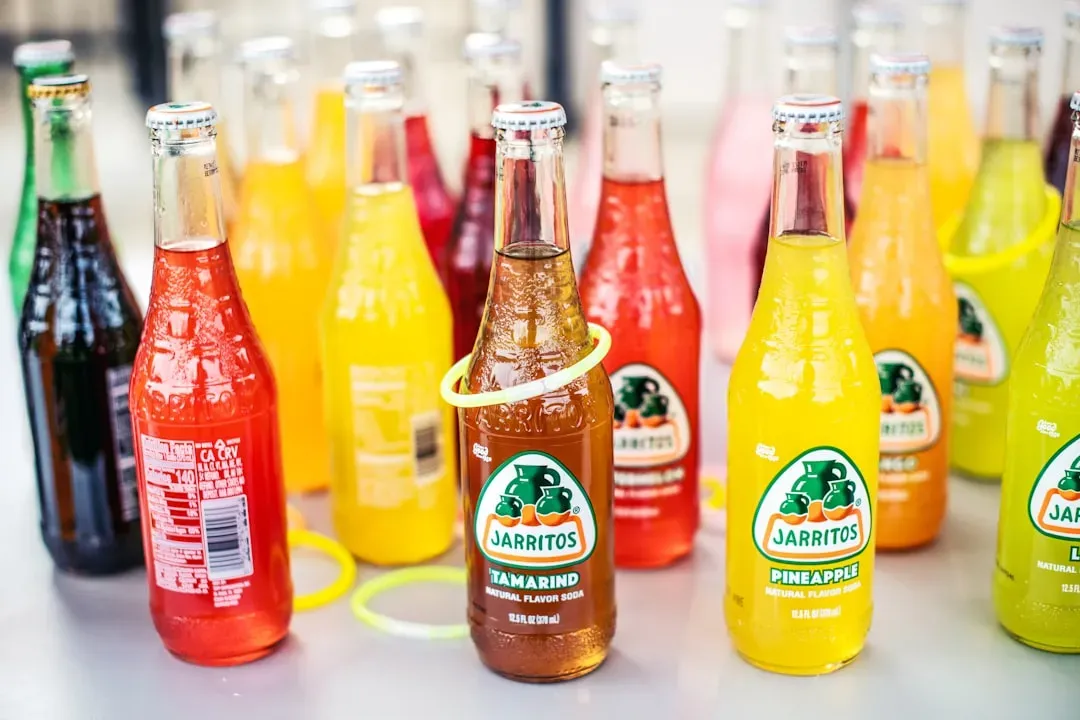
Mexico's traditional diet, built on corn, beans, squash, chiles, and fresh produce, is actually one of the most nutritionally balanced in the world. So what happened? Fast food happened. Urbanization happened. And the consequences have been severe. The United States has the unhealthiest diet globally, driven by ultra-processed foods and sugar overload, with Mexico and Saudi Arabia following closely behind.
The soda problem in Mexico became so critical that the government had to act directly. In Mexico, soda taxes have cut sugary drink sales by roughly eight percent since 2014. That is progress, but it illustrates just how deeply embedded the problem had become. Mexico had become one of the highest consumers of sugary beverages per capita in the entire world before such interventions were introduced.
In a 2020 Lancet study, diets high in processed meat, fizzy drinks, and refined grains were worst in North America, followed by Central America and parts of the Middle East. Mexico sits at the epicenter of that finding. Time-honored, unprocessed eating patterns are generally much better for you than modern, Westernized ones, which are full of fat, sugar, and additives. Mexico's story is, in many ways, a cautionary tale about what happens when a country loses its food culture to convenience.
Saudi Arabia: Wealth, Westernization, and Dietary Decline

This one is a fascinating case study in how prosperity, without nutritional awareness, can become a liability. Saudi Arabia's traditional diet was actually quite healthy, built around lean meats, grains, fruits, and vegetables. That has changed dramatically. Diet-related health issues in Saudi Arabia have become increasingly prevalent in recent years, reflecting a shift in dietary habits where traditional patterns of whole grains, fruits, and vegetables are being replaced by fast food, while urbanization and reliance on cars have contributed to a more sedentary lifestyle.
Much like Polynesia, oil-rich Middle Eastern nations have largely pushed healthy traditional diets of lean meats, grains, and fruit aside for modern conveniences, with the results being steep rises in obesity, cardiovascular problems, and diabetes, plus lower life expectancies. The speed of this transition has been almost breathtaking. Within just a couple of generations, a population went from a largely traditional diet to one dominated by fast food and packaged convenience items.
A lack of awareness and education about the importance of healthy eating habits may also be holding the country back, with limited access to nutritional education and healthcare services making it more difficult to address diet-related health issues effectively. It is hard to say for sure exactly how this resolves, but the trajectory is concerning. Processed foods such as fast foods and packaged convenience foods, high-fat meats, sugary beverages, and high intake of sweet desserts now define daily eating for many in the region.
The Czech Republic: The Alcohol and Processed Meat Problem

Central Europe does not always make these lists, but it absolutely deserves a spot here. The Czech Republic is the unhealthiest country in the world, mainly due to its alcohol consumption. That is a striking finding, and the diet compounds the issue significantly. Traditional Czech cooking is heavy on smoked meats, animal fats, white bread dumplings, and sweet pastries. None of those things, consumed in the quantities typical of Czech daily life, are doing anyone's arteries any favors.
The Czech Republic is one of the unhealthiest countries due to its high alcohol consumption, tobacco consumption, and obesity, all of which are among the most common reasons of death in the state. Each person drinks the equivalent of about 550 shots of alcohol annually on average. That is a staggering number when you sit with it for a moment.
While specific dietary issues range across countries, diets that are low in whole grains and fruits and high in sodium account for more than half of diet-related deaths globally, and not eating enough healthy food is associated with more deaths than eating too much unhealthy food. The Czech diet scores poorly on almost every one of those markers simultaneously.
Tonga and the Pacific Islands: An Obesity Crisis in Paradise

This is perhaps the most visually dramatic dietary collapse of any region on Earth. The traditional Pacific Island diet, fish, greens, root vegetables, and occasional pork, was genuinely healthy. Then imported processed foods arrived, and something deeply troubling followed. In some Polynesian countries, more than nine in ten adults are overweight. That is not a typo. Nearly the entire adult population.
Tonga is currently leading the world in obesity with a disquieting obesity rate of roughly ninety percent. These days, imported, processed foods, especially canned meats, have largely replaced traditional dishes, causing cardiovascular diseases to skyrocket. The comparison to the traditional diet these communities once ate is almost heartbreaking. They had the answers already, in their own food culture, and those answers were traded away for cheap canned goods.
Kiribati has one of the highest diabetes rates of any country, with a diabetes rate of over thirty percent and an obesity rate of over fifty percent. While the traditional foods in Kiribati are relatively healthy, consisting mainly of fruits and leafy greens, processed foods there are cheaper than almost anywhere else in the world, and this discrepancy between access to healthy food and processed food is an issue inflicting many nations across the globe. When a bag of apples costs more than chips, the economics of eating become a public health emergency.
India: The Daily Ultra-Processed Snack Epidemic
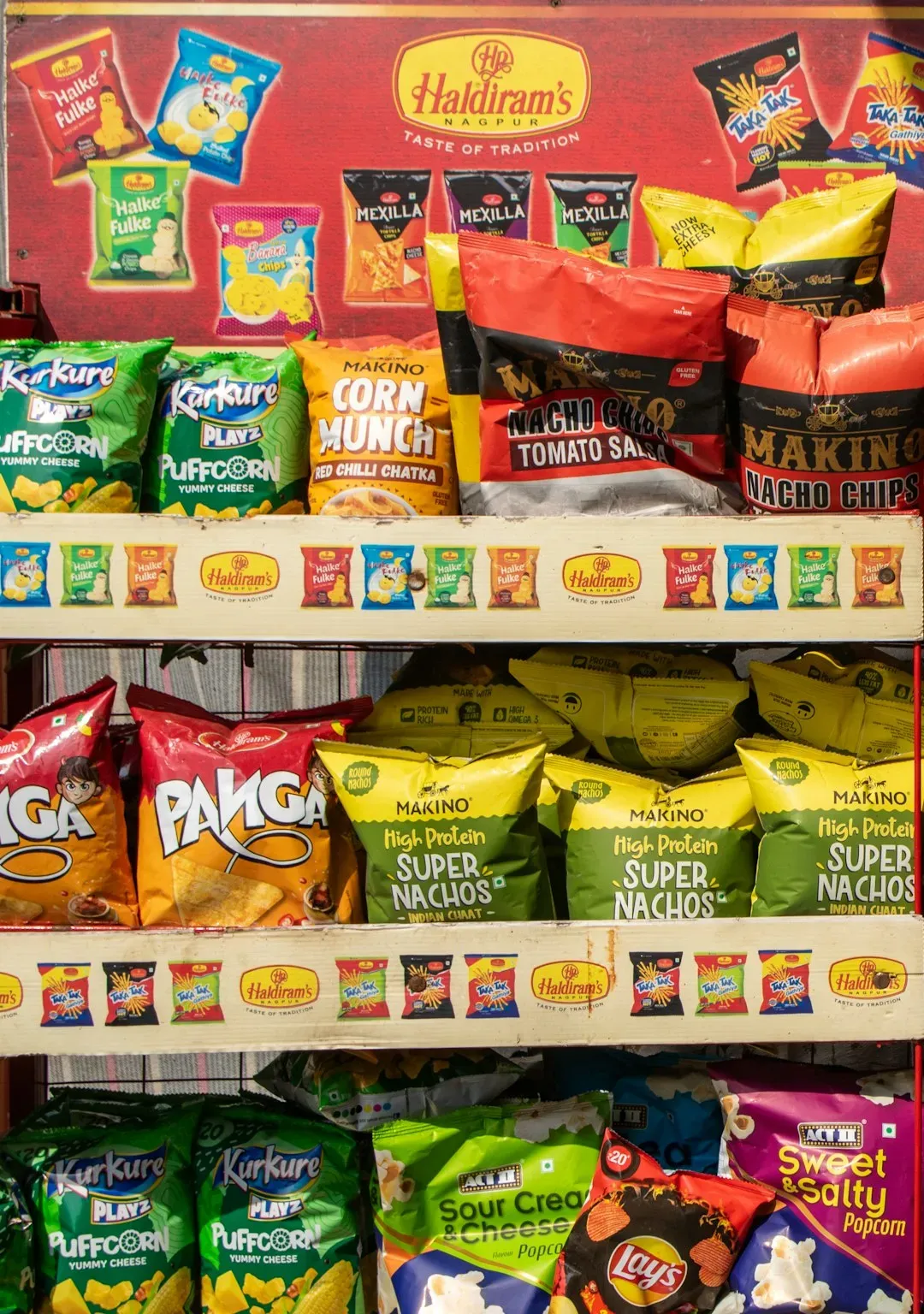
India is a complex case, and it deserves nuance. The country has one of the richest and most nutritionally intelligent traditional food cultures on the planet, with spices, legumes, fermented foods, and plant-forward cooking baked into thousands of years of culinary history. The problem is what is happening right now. A 2023 World Health Organization report found that nearly half of Indian adults consume ultra-processed snacks daily, compared to roughly a quarter in the U.S. and about a fifth in Germany.
A 2024 study by the Indian Council of Medical Research found that over two thirds of urban Indian children snack on processed foods at least twice a day. That is an extraordinary figure, and it signals where health trends in India are headed. Traditional snacks like bhel puri or sev puri, once made fresh daily with lentils and vegetables, are now mass-produced with trans fats and preservatives to last weeks on shelves.
India currently has the highest rate of daily consumption of ultra-processed, unhealthy snacks among large populations, with nearly half of its adult population eating packaged junk food every single day, often as a regular part of meals and not just occasional treats. The irony here is profound. India also has the strongest tradition of plant-based, spice-rich eating in the world, and the knowledge to eat well is already there. It just needs to be reclaimed.




Leave a Reply