
Fruit has a reputation as the ultimate healthy food, and for good reason. It's packed with vitamins, antioxidants, and fiber. Still, not all fruits are created equal when it comes to their sugar load. Although most fruit is very nutritious and has many health benefits, certain types are higher in sugar and calories, which could pose risks in some people. If you're actively trying to reduce your daily sugar intake, whether for weight management, blood sugar control, or overall metabolic health, it's worth knowing which fruits deserve a second look. The goal isn't to demonize any food outright - it's to make smarter, more informed choices.
1. Grapes
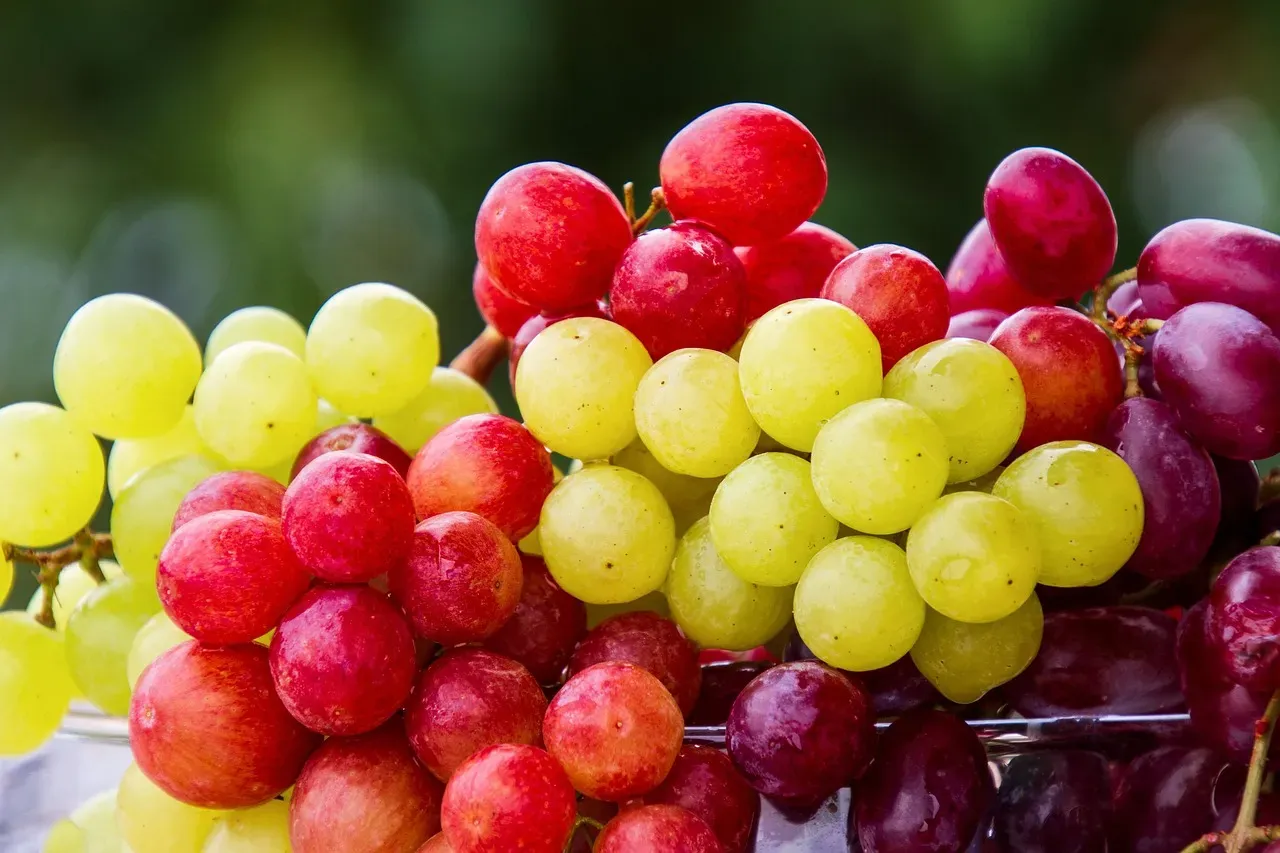
Grapes are one of the most popular snack fruits on the planet, and it's easy to see why. They're portable, sweet, and satisfying. The problem is just how easy it is to eat far too many of them in one sitting. A typical serving size of grapes, about one cup (approximately 151 grams), contains 27 grams of carbohydrates and 23 grams of sugar. That's a meaningful sugar hit, especially if you're tracking your daily intake closely. Grapes are a high-fructose food, which means that eating too many of them can spike your blood sugar levels, especially if you have type 2 diabetes or fructose intolerance.
The ripeness factor plays a role here too. Because fruit starches are converted to sugar as the fruit matures, ripe fruit contains more sugar in the form of glucose, fructose, and sucrose, and has a higher glycemic index than unripe fruit. Grapes are among the fruits that stop ripening once picked, so what you buy at the store is essentially what you get. Of individual fruits, the top three contributors to dietary glycemic load in research were bananas, apples, and grapes. If you love grapes, the Cleveland Clinic suggests not eating an entire bag in one sitting - and instead spreading fruit intake across the day to manage blood sugar more effectively. Unlike other higher-in-fiber fruits such as berries, grapes will raise blood sugar, especially if eaten on an empty stomach or without other protein- or fat-containing foods.
2. Mangoes

Mangoes are beloved worldwide for their rich, tropical sweetness. They're genuinely nutritious, loaded with vitamin C, vitamin A, and fiber. But when it comes to raw sugar content, they're on the heavier side of the fruit spectrum. Tropical fruits contain anywhere between 10 to 50 grams of sugar, with mangos on the high end of the spectrum, making them seem a poor snack choice based on sugar content alone. Most of the calories in mango come from carbs, which means this fruit can raise blood sugar levels. For anyone who is consciously cutting back on daily sugar consumption, a large portion of mango can quietly push totals well above a comfortable threshold.
That said, the science around mangoes is nuanced and evolving. A George Mason University study found that daily mango eaters showed better blood sugar control and less body fat than those eating a lower-sugar snack, suggesting that it's not just sugar levels, but how the sugar is packaged in whole foods, that matters. This research was published in the journal Foods in August 2025. The takeaway isn't that mangoes are harmful - it's that portion size matters enormously. Portion control is key to enjoying mangos without negatively affecting blood sugar - sticking to a single serving, like half a cup of diced mango, is advisable. For those strictly limiting sugar, a half-cup serving is easy to underestimate when you're cutting up a whole fruit.
3. Bananas

Bananas are arguably the world's most consumed fruit, and they come with genuine nutritional credentials. They provide potassium, vitamin B6, and fiber that most people don't get enough of. Researchers have found that only roughly five percent of Americans currently get enough fiber in their diet. Yet despite those benefits, bananas carry a notable sugar load that people cutting back on sugar should be aware of. A medium-sized banana contains about 27 grams of carbohydrates, of which 14 grams are sugar. The high carbohydrate and sugar content can cause rapid increases in blood glucose levels, especially when consumed in large quantities.
Ripeness has a dramatic impact on how much sugar you're actually consuming. In one analysis, ripe bananas contained around 15 grams of combined glucose and fructose, while unripe green bananas contained just 3.2 grams. That's a striking difference depending on what's sitting on your kitchen counter. Unripe bananas are less likely to cause a rise in your blood sugar levels because they contain resistant starch, and those resistant starches may also feed the friendly bacteria in your gut, which has been linked to improved blood sugar management. Some people following very low carb diets need to watch their total carbohydrate intake carefully, which means limiting foods higher in carbs, including bananas. If you choose to keep bananas in your diet, opting for smaller, less ripe ones is a practical and evidence-backed way to keep the sugar impact in check.




Leave a Reply