
Let's be real. Everyone wants to live longer. You've probably scrolled past those headlines about miracle supplements or trendy cleanses that promise eternal youth, only to realize they're mostly hype. Well, here's the thing. Actual scientists and longevity researchers have uncovered specific foods that people in their prime years and beyond should prioritize daily. These aren't exotic ingredients from distant mountaintops. We're talking about accessible, real foods that genuinely work.
Research centered on the world's longest-living populations reveals fascinating patterns in what they eat every single day. These findings have practical applications for anyone over 50 looking to protect their heart, preserve their brain, and maintain independence well into old age. Some of these foods might already be in your pantry. Others might surprise you with their potency. Ready to discover what actually works?
Legumes: The Protein Powerhouse That Appears Everywhere Centenarians Live
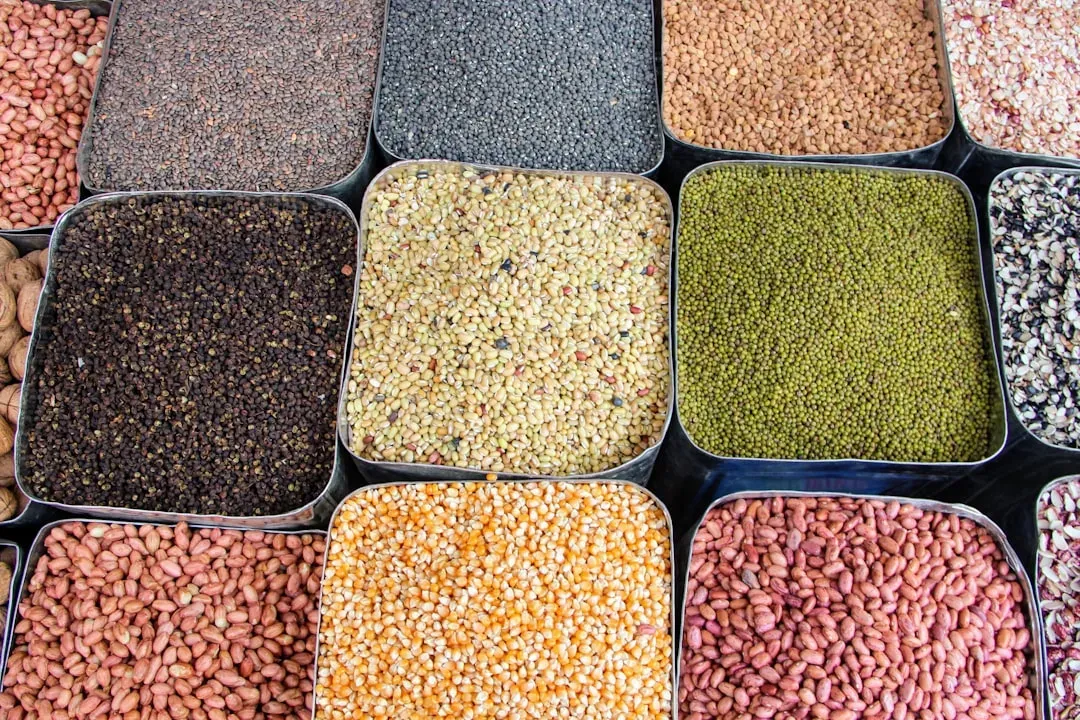
Beans reign supreme in blue zones, serving as the cornerstone of every longevity diet around the world, from black beans in Nicoya to lentils and white beans in the Mediterranean, and soybeans in Okinawa. Think about that for a second. Despite completely different cultures and cuisines, the world's healthiest elderly populations all eat beans. That's not a coincidence.
Experts recommend eating at least half a cup of cooked beans daily, noting that people in blue zones consume roughly four times as many beans as Americans do on average. The composition makes them nearly perfect: around one-fifth protein, more than three-quarters complex carbohydrates that provide steady energy, and only a tiny amount of fat. They're also loaded with fiber and packed with more nutrients per gram than virtually any other food on Earth. Honestly, it's hard to find a more complete food for the price.
There's something deeply practical about this recommendation. Dried beans are cheap, store forever, and work in countless dishes. Whether you're tossing chickpeas into a salad, simmering lentils for soup, or mashing black beans for tacos, you're getting exceptional nutritional value. Many people over 50 worry about protein intake as muscle mass naturally declines, yet they overlook this plant-based option that delivers without the saturated fat found in many animal products.
Berries: Small Fruits with Outsized Brain-Protecting Benefits
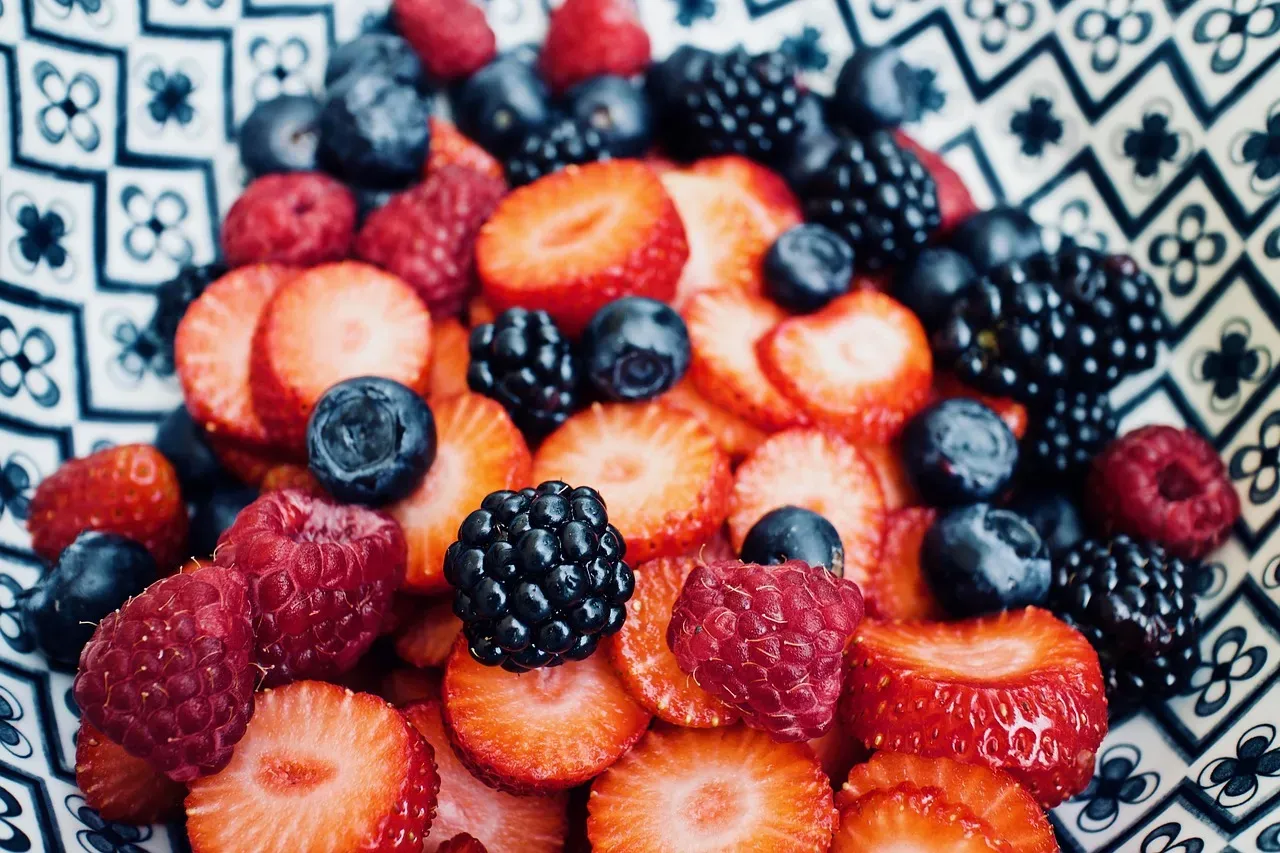
Greater intakes of blueberries and strawberries were associated with slower rates of cognitive decline, with berry intake appearing to delay cognitive aging by up to 2.5 years. That's not a typo. Eating berries regularly could buy you an additional couple of years of sharp thinking. The mechanism behind this involves compounds called anthocyanins, which give berries their deep colors and can cross the blood-brain barrier to reach areas involved in learning and memory.
Research from the University of Cincinnati shows daily blueberry supplementation for certain middle-aged populations may lower the chances of developing late-life dementia, with regular consumption potentially reducing late-life dementia risk. The studies focused on people between 50 and 65 who were overweight and experiencing mild memory issues, essentially describing a significant portion of the aging population. Blueberries contain particularly high levels of micronutrients and antioxidants called anthocyanins that help reduce inflammation, improve metabolic function, and enhance energy production within cells.
I know what you're thinking: berries can be expensive, especially out of season. Here's a workaround. Frozen berries retain most of their nutritional value and cost substantially less than fresh ones. You can easily blend them into smoothies, stir them into yogurt, or simply eat them thawed. One longevity doctor reported eating fish about five days a week and regularly consuming berries, vegetables, legumes, nuts like walnuts, and whole grains. The pattern emerges clearly when you look at what actual experts put on their own plates.
Cruciferous Vegetables: The Anti-Aging Vegetables Many People Ignore
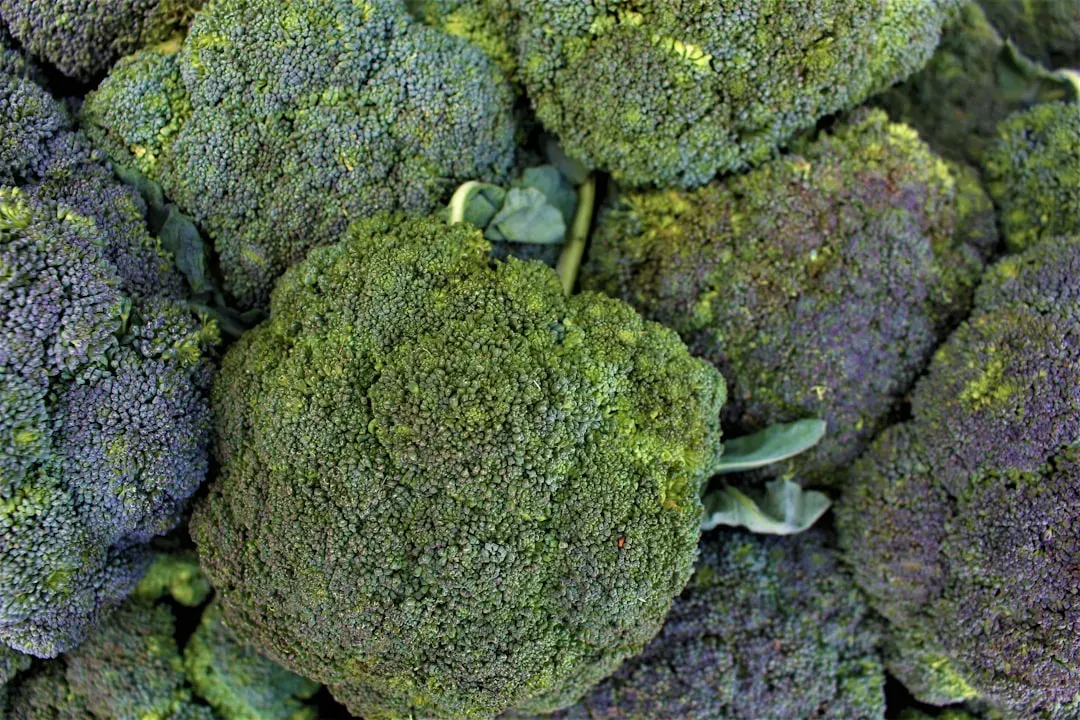
All vegetables are packed with nutrition, but cruciferous vegetables like broccoli, kale, Brussels sprouts, and cabbage are powerhouses because they're rich in anti-inflammatory, anti-cancer, and anti-aging phytonutrients. Let me put this bluntly: if you're over 50 and not eating these vegetables regularly, you're missing one of the most powerful dietary tools for longevity.
A study revealed that roughly one cup of broccoli daily was associated with longer lifespan, with a 100 gram per day increment of cruciferous vegetables linked to increased longevity. The bioactive compounds in these vegetables, particularly isothiocyanates, influence multiple biological pathways related to aging. They're also an important source of magnesium, responsible for more than 600 enzyme reactions, and rich in folate, a B vitamin critical for DNA methylation that switches longevity genes on and off.
The taste barrier remains real for many adults. Brussels sprouts remind too many people of childhood dinners gone wrong. Yet cooking methods matter tremendously. Roasting cruciferous vegetables with olive oil and seasoning transforms them completely, bringing out natural sweetness and creating crispy, caramelized edges. One expert suggested covering about three-quarters of your plate with cruciferous vegetables, noting there's really no upper limit on consumption. That's a strong endorsement from someone who studies aging for a living.
Fatty Fish: The Omega-3 Delivery System Your Brain Craves
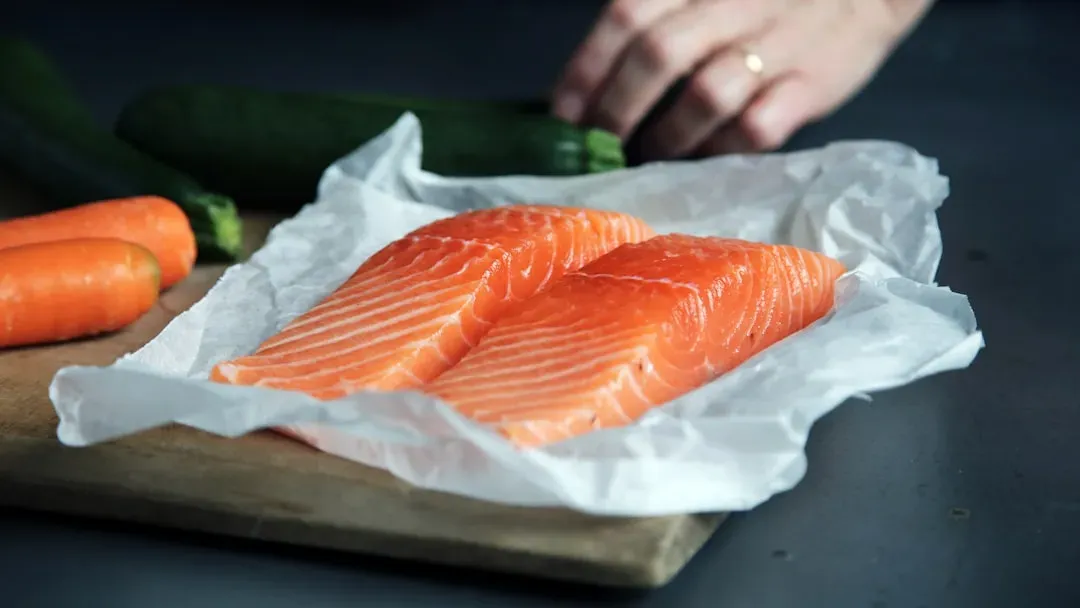
Fatty fish like wild salmon, sardines, anchovies, herring, and mackerel are quality sources of protein and essential omega-3 fatty acids, with eating salmon twice a week cutting the risk of heart attack, arrhythmia, stroke, high blood pressure, and elevated triglycerides. The cardiovascular benefits alone justify regular fish consumption, yet the advantages extend far beyond heart health.
The omega-3 fats in fatty fish protect against inflammation, an underlying cause of virtually all chronic and age-related diseases. This matters enormously for people over 50, who face increasing inflammatory processes as part of normal aging. Fatty fish like salmon protect heart and brain health with omega-3 fatty acids, addressing two of the most critical health concerns as we age. Your heart and brain are both hungry for these specific fats that most people don't get enough of.
In most blue zones, people ate fish but less than you might think, up to three small servings a week, typically choosing common and abundant small fish like sardines, anchovies, and cod rather than large species exposed to high mercury levels. This approach makes ecological and health sense. Smaller fish accumulate fewer environmental toxins while still delivering the omega-3 punch. Canned sardines or wild-caught salmon become practical, affordable options that don't require elaborate preparation. Sometimes the simplest approach proves most sustainable.
Leafy Greens: The Nutrient-Dense Vegetables That Deserve Daily Space
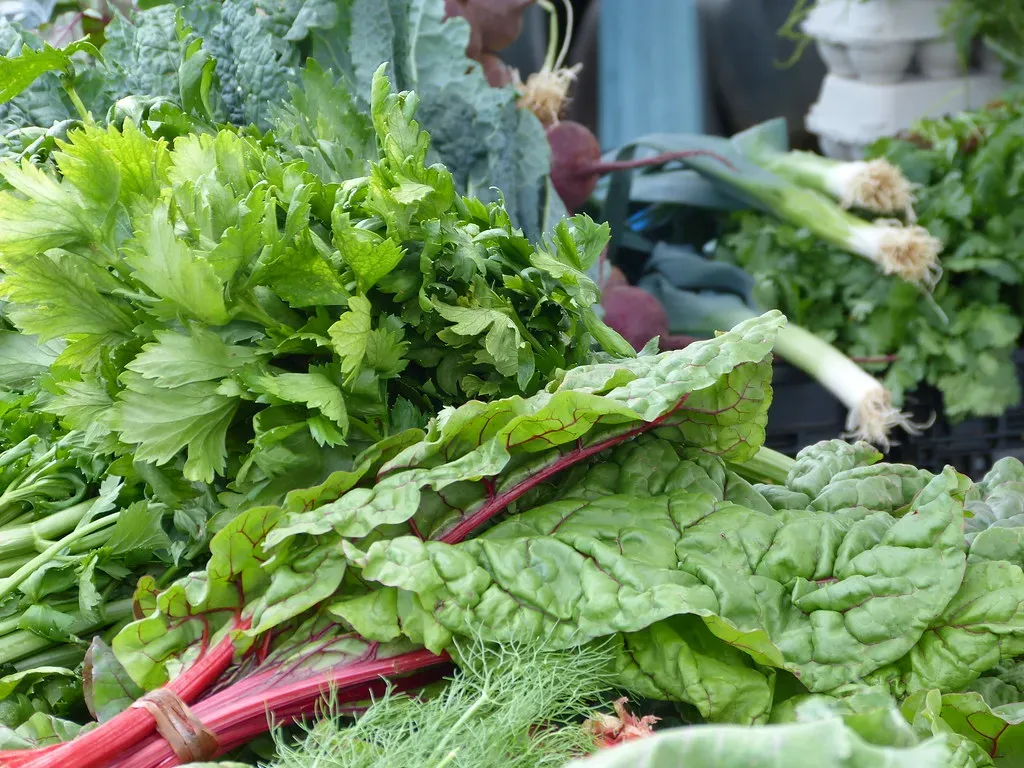
Dark leafy greens are a type of cruciferous vegetable that some longevity experts single out as particularly important for living a long life because they're full of fiber and plant chemicals such as folate, which is important to heart health. Spinach, kale, collards, Swiss chard, arugula - the variety available gives everyone options regardless of taste preferences.
Folate can help reduce the risk of colon polyps and help prevent breast, lung, and cervical cancer. Beyond cancer protection, leafy green vegetables support bone health with calcium and vitamin K, addressing another major concern for aging adults, especially women at risk for osteoporosis. The nutrient density in leafy greens exceeds nearly all other vegetables, delivering substantial nutrition for minimal calories.
Honestly, most people don't eat nearly enough leafy greens. Centenarians pay attention to their diet, with one focusing on eating fresh whole foods including two or more vegetables at every meal, along with a variety of meats and lots of fruit. Notice the pattern: vegetables at every meal, not just dinner. Adding greens to breakfast omelets, lunch salads, and dinner sides ensures consistent intake. The compounds in leafy greens work best with regular consumption rather than occasional mega-doses, making daily inclusion ideal.




Leave a Reply