
Picture a time when every kitchen hummed with the sound of hand cranks and metal whirring. Back then, certain tools weren't just nice to have; they were absolute essentials. But today? Most have vanished from our counters and drawers, replaced by electric versions or forgotten altogether. These gadgets once ruled the kitchen like royalty, now collecting dust in antique shops or sitting in a grandmother's attic.
What happened to these once beloved tools? Let's take a fascinating trip back to the days when cooking required a whole lot more elbow grease and explore what made these gadgets so popular, and why they disappeared.
The Rotary Egg Beater: When Whisking Required Muscle
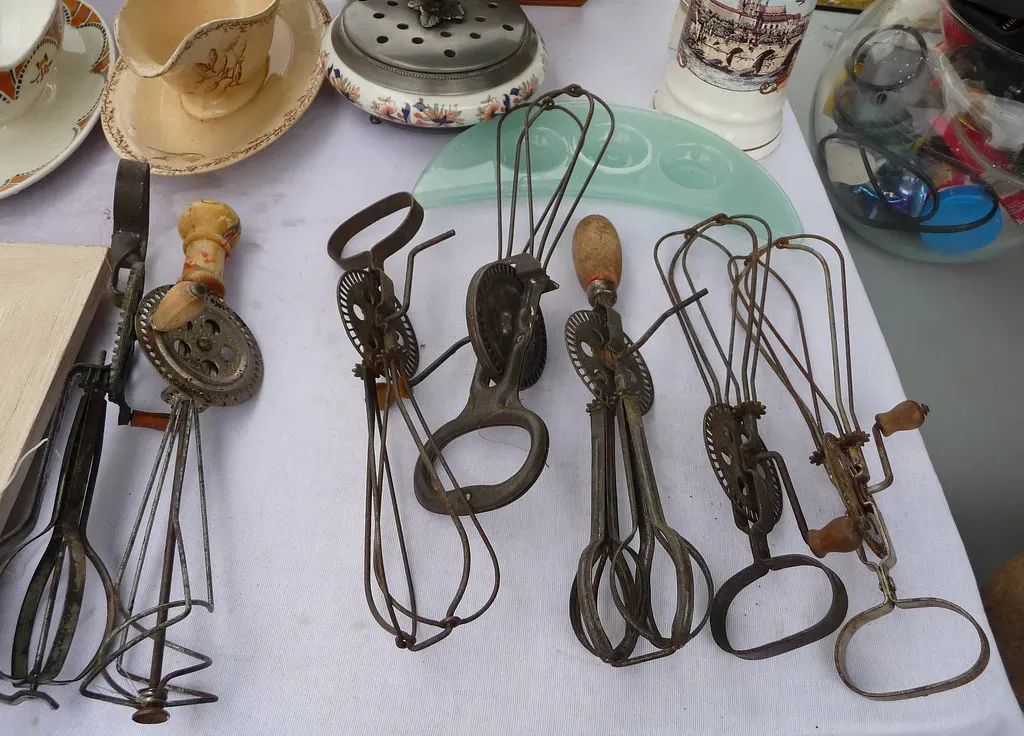
The rotary egg beater was patented by Willis Johnson in 1884, revolutionizing how housewives mixed ingredients. Before this invention, beating egg whites for a meringue could take well over an hour of continuous whisking by hand. This hand-cranked marvel featured two beaters that spun in opposite directions as you turned the handle, incorporating air into mixtures far faster than any wooden spoon could manage. The gear mechanism was actually quite genius for its time.
Nearly every kitchen in the 1950s had one of these devices, and it remained a staple from when it hit the market in 1919 all the way through the mid-century. They were particularly prized for making fluffy cake batters and light scrambled eggs. The device was durable, simple to use, and required no electricity at a time when not all households had reliable power.
As blenders, food processors, and electric stand mixers became more accessible and affordable, the manual egg beater finally outlived its usefulness. Why spend several minutes cranking when an electric mixer could do the job in seconds? Today, you might spot one hanging as rustic kitchen decor, but few people actually use them for their intended purpose anymore. They've become relics of a bygone era when cooking demanded more time and physical effort.
The Hand-Cranked Flour Sifter: Aerating Flour One Turn at a Time
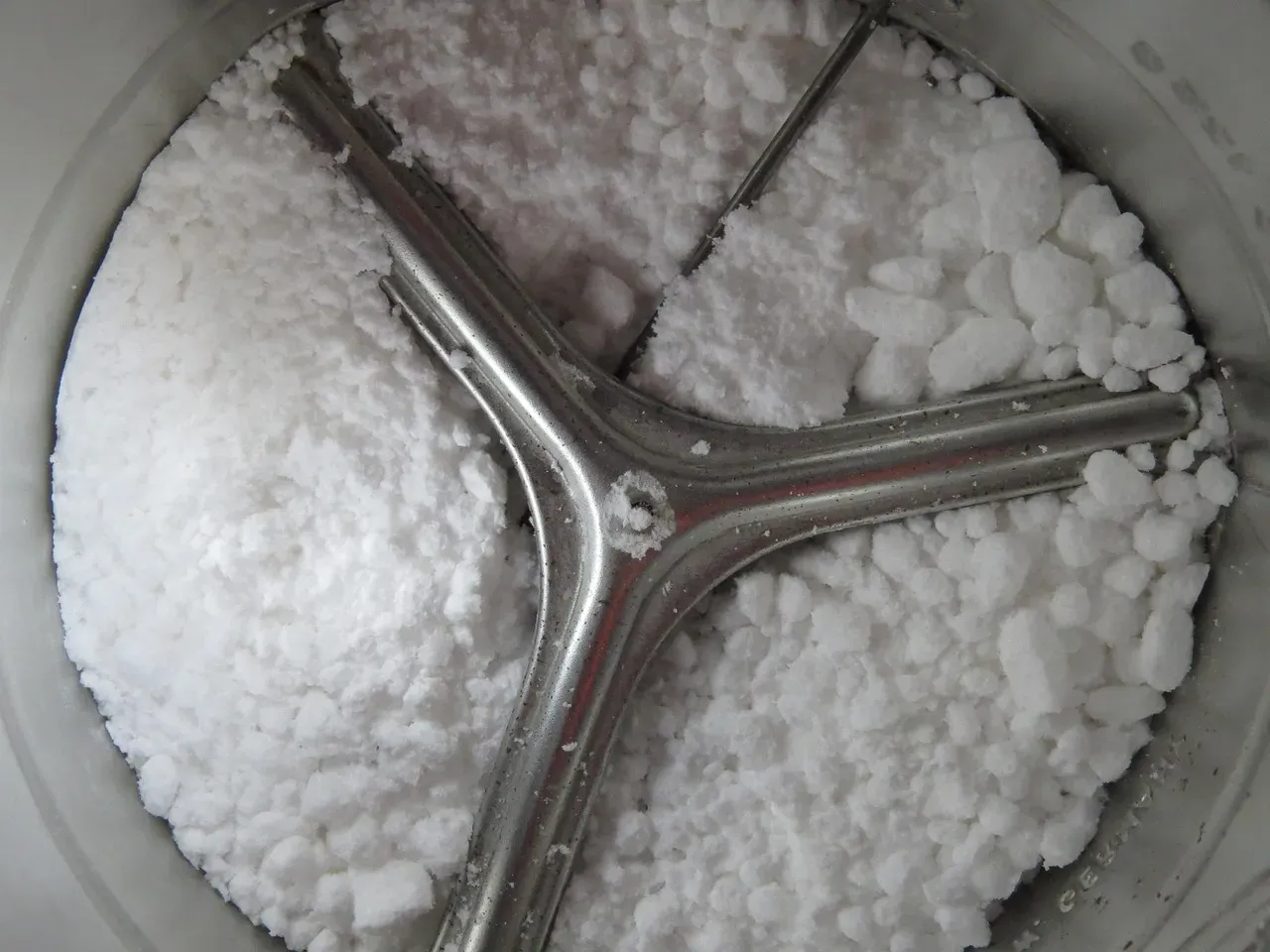
Jacob Bromwell invented the first hand-cranked flour sifter back in 1819. This Victorian-era tool consisted of a large metal canister with a fine mesh screen at the bottom and hand-cranked blades inside that brushed flour through the sieve to aerate it. Flour sifters became especially popular in the late 1800s for easily removing lumps from flour.
The design was so effective and cheap to produce that similar models were still being manufactured well into the 1950s and beyond. This design proved so cheap to make and so wildly effective that even in 2025, companies still churn out similar models. Bakers discovered that sifted flour produced lighter, fluffier cakes and more delicate pastries. The tool deposited flour directly into the mixing bowl below with minimal mess, making the entire process tidier than using a simple wire strainer.
While still cheap, many chefs now opt for different tools when they want to aerate their flour, with specialized plastic scoops or even a simple mesh strainer getting the job done well. The old-fashioned, hand-cranked sifters have fallen out of vogue as modern baking has embraced simpler methods. Let's be real: it's one less bulky gadget taking up precious cabinet space. However, vintage sifters with colorful painted designs from the fifties remain sought-after collectibles for those who appreciate retro kitchen aesthetics.
Manual Meat Grinders: Processing Protein with Pure Arm Strength
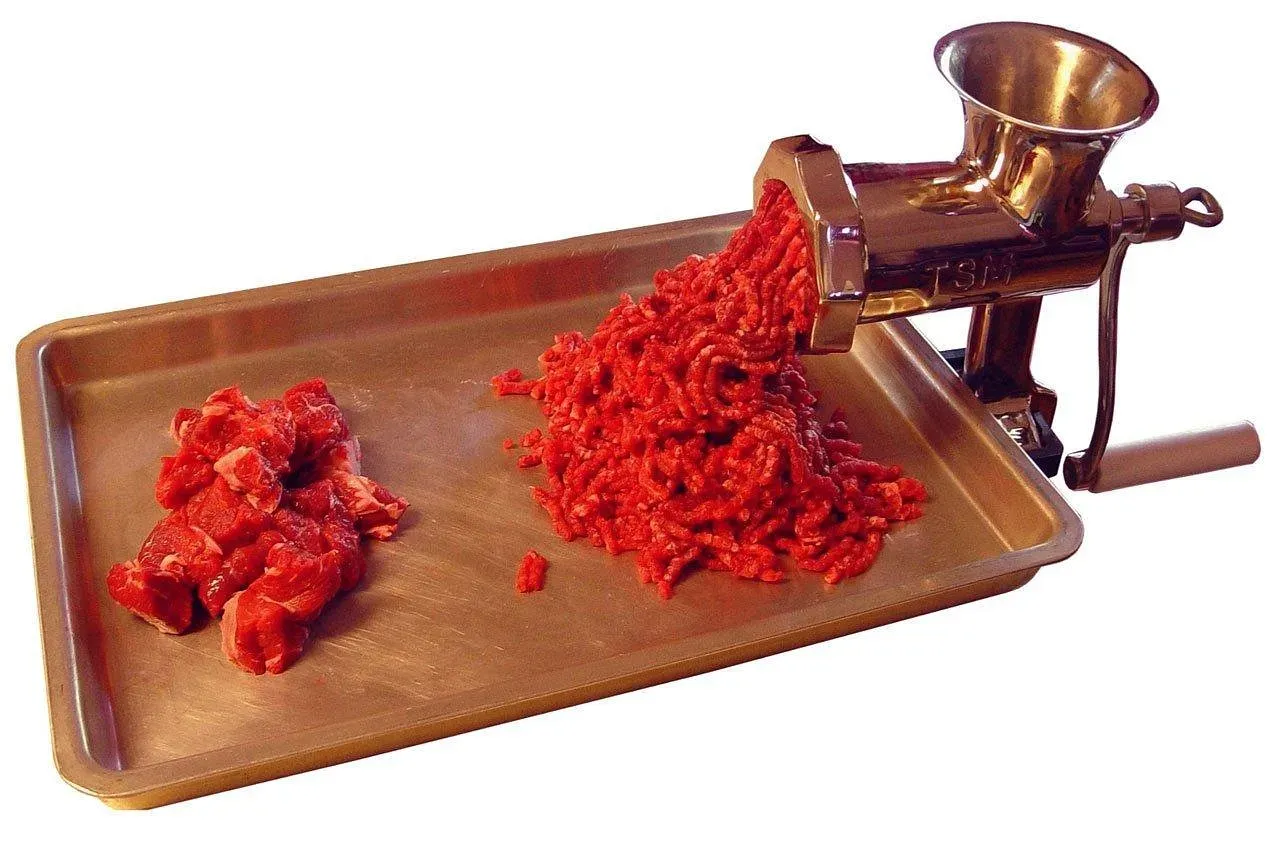
Manual meat grinders were mainly manufactured between the 1880s and around the 1950s, and by the 1870s numerous manufacturers made the technology accessible to middle-class households, with models typically clamped onto a kitchen counter or table edge. These cast iron contraptions featured a hopper on top where you fed chunks of meat, a hand crank that turned a screw mechanism, and interchangeable grinding plates that determined how fine or coarse the meat would be processed.
Making your own ground beef, sausage, or meatloaf mixture was common practice in the fifties. Hand-crank meat grinders were essential for homemade sausages and ground meat, serving as a link to the past. Housewives valued the control these grinders provided over meat quality and texture, plus they could use less expensive cuts of meat and grind them fresh at home. The entire family could get involved during food preparation, with someone feeding meat into the hopper while another cranked the handle.
In the mid-twentieth century, electrically powered meat grinders were introduced, revolutionizing cooking and making it more convenient for everyday use. Modern grocery stores now sell pre-ground meat in convenient packages, eliminating the need for most home cooks to own a grinder at all. The manual versions require serious elbow grease and extensive cleanup. Unless you're a serious home chef who wants complete control over your ground meat, there's little reason to own one today. They've become more of a nostalgic farmhouse decoration than an actual kitchen necessity.
The Aluminum Breadbox: Keeping Loaves Fresh in Style
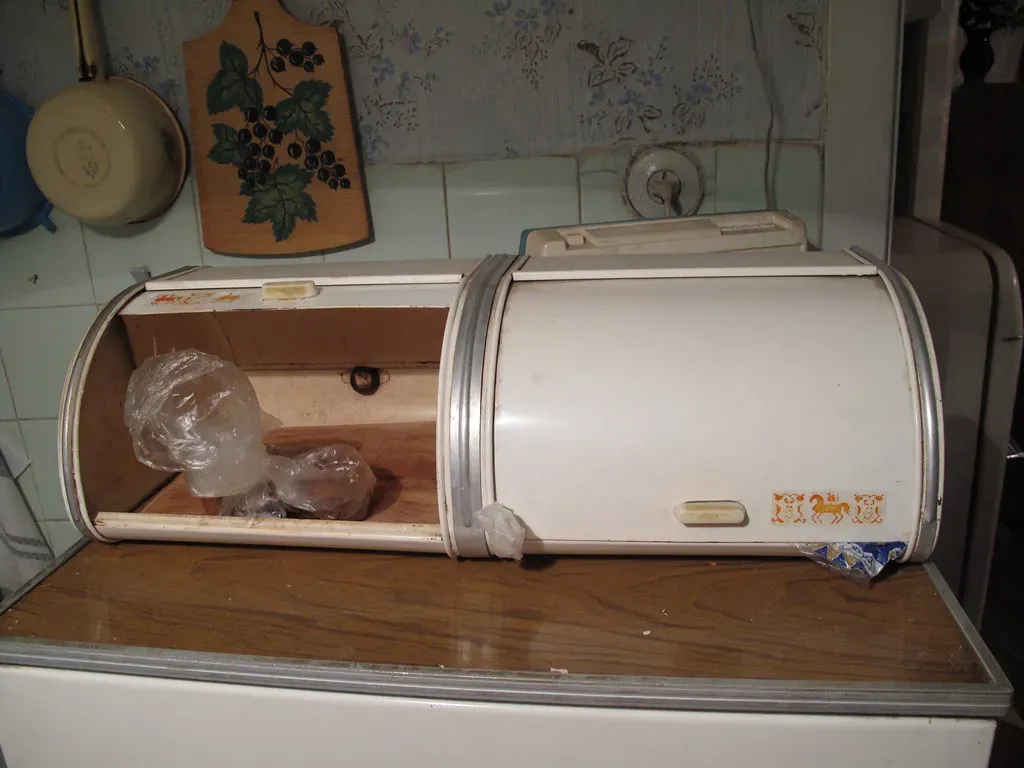
Bread boxes were popular before loaves were baked with preservatives and wrapped in plastic, and by the fifties and sixties every household had at least one. These metal containers, often painted in cheerful colors like turquoise, yellow, or red to match kitchen decor, featured roll-top lids or hinged doors. They weren't just functional; they were decorative focal points on the counter, adding a pop of color to the kitchen.
The science behind breadboxes was actually sound. They provided the right balance of airflow and humidity to keep homemade bread soft inside while maintaining a crispy crust on the outside. The breadbox really does keep bread fresh. Since most families baked their own bread or bought fresh loaves from the bakery without preservatives, proper storage was essential. A breadbox could make the difference between bread staying fresh for days or going stale by the next morning.
Eventually, fresh-baked loaves fell out of popularity in favor of pre-sliced bread full of preservatives, which could be kept out on the counter or simply in a plastic bag for longer. Once Wonder Bread and its competitors dominated grocery store shelves, breadboxes became less necessary. Today, they're vintage collectibles that occasionally make a comeback among sourdough enthusiasts and farmhouse decor lovers. Still, for most modern kitchens, a twist-tie on a plastic bag does the job just fine.
Percolator Coffee Pots: Brewing Before the Drip Revolution
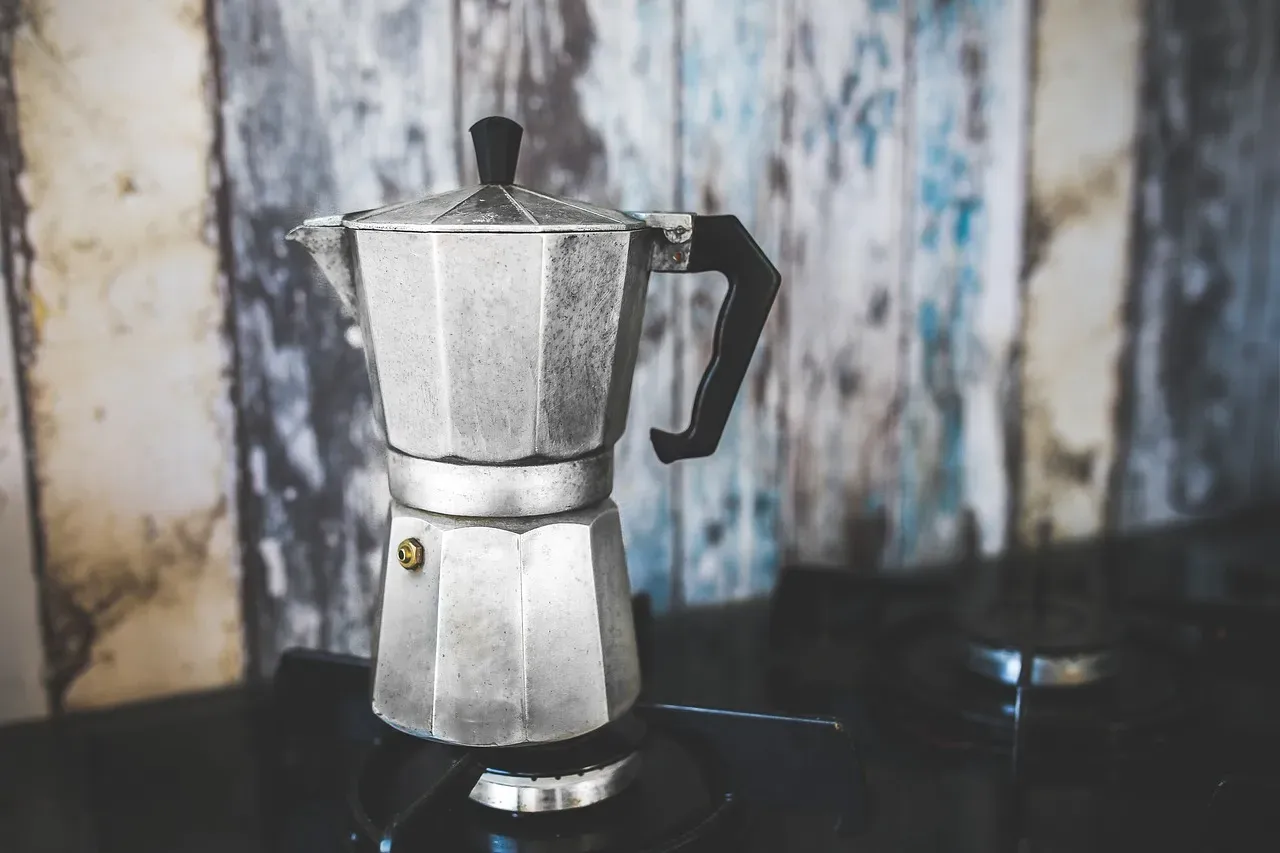
A metal coffee pot was a standard fixture on the left rear burner in 1950s kitchens, and there wasn't an automated coffee maker in those days, so you brewed your coffee the same way you would when camping. The stovetop percolator was the dominant coffee-making method for decades. Water in the bottom chamber would boil, travel up a tube, and spray over coffee grounds in a basket at the top. This cycle repeated until the coffee reached the desired strength, which you judged by peeking through the glass knob on top.
The ritual of making percolator coffee was almost ceremonial. You'd hear it start to perk and bubble, filling the kitchen with that unmistakable aroma. Timing was everything; let it go too long and you'd end up with bitter, over-extracted coffee. Too short and it would be weak and disappointing. Experienced housewives knew exactly when to take it off the heat. The percolator represented a slower, more attentive approach to morning routines.
A percolator might be the 1950s way to make coffee, but you can really customize your brew with a modern drip coffee maker. Automatic drip coffee makers arrived in the seventies and quickly dominated because they required zero attention. You could set them up the night before, and they'd brew coffee automatically in the morning. Today's coffee culture has moved even further, with pod machines and espresso makers taking over. The percolator persists mainly among camping enthusiasts and vintage appliance collectors who appreciate its nostalgic charm and the unique flavor profile it produces.




Leave a Reply