
Ever wondered what flight attendants really think when you pick the chicken over the beef? Or when you request that third bag of pretzels? Turns out, your inflight meal choices tell cabin crew a lot more than you'd imagine. From personality clues to travel experience indicators, flight attendants have quietly mastered the art of reading passengers through what lands on their tray tables. Let's be real, when you're working thousands of feet in the air and serving hundreds of meals per flight, patterns emerge. Those patterns reveal fascinating insights into who's sitting in seat 22B.
Your Travel Experience Level Shows Immediately
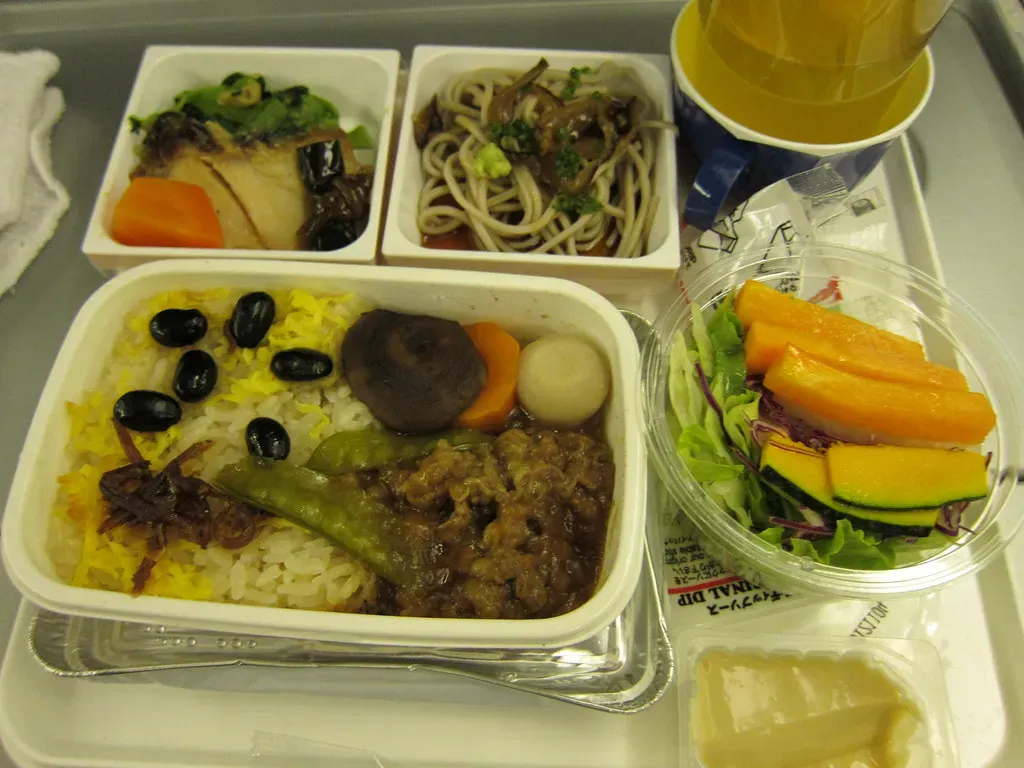
Flight attendants first notice how passengers are dressed, with some making an effort while others appear to have grabbed clothes off the floor. This visual assessment extends directly to meal selections. Seasoned travelers understand the realities of airplane food and often make strategic choices or bring their own snacks. Many airlines report that younger passengers lean toward sweeter treats like stroopwafels and cookies, while older travelers often prefer salty snacks like pretzels or mixes.
Frequent flyers know which meals to avoid. Frequent flyers are hard to impress as they have high expectations for onboard services, and simply offering upgrades or premium services isn't enough to satisfy them. They're the ones declining the standard options and pulling out carefully packed food from home. Although flight attendants serve a variety of great food onboard, especially on international flights, many try to always bring their own. Meanwhile, first-time or occasional fliers typically accept whatever's offered without much thought.
The crew watches how confidently you navigate the menu. Do you hesitate? Ask multiple questions? Request ingredient lists? These behaviors instantly telegraph your flying frequency.
Dietary Restrictions Reveal Cultural and Personal Values
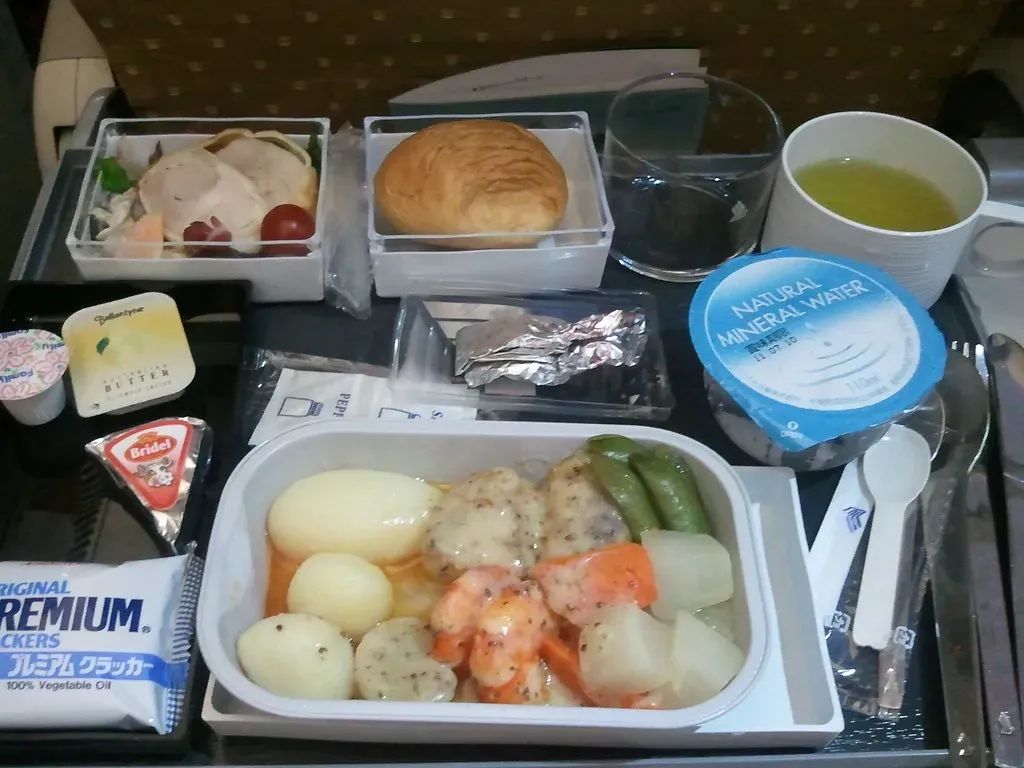
Flight attendants have noted a sharp increase in the quantity of special meals ordered on flights, with some flights having close to 200 special meals ordered. This explosion in special meal requests tells crew members much about evolving passenger priorities and values.
A study from 2022 found that food quality and safety during flights are a determining factor and could affect which airline passengers choose to fly with. Passengers requesting kosher, halal, vegan, or gluten-free meals signal their commitment to specific religious practices, ethical beliefs, or health requirements. In 2022, Emirates reported a 154% increase in onboard vegan meals served, and similarly, Qatar Airways introduced its first fully vegan range of dishes in 2020.
Flight attendants recognize that these choices often extend beyond simple preference. According to survey data from OAG, 56% of all travellers and 50% of business travellers would consider switching their preferred airline if there were more environmentally friendly options available, with the figure even higher for Millennial passengers at 68%. The meals passengers select increasingly reflect broader lifestyle commitments to sustainability, animal welfare, and personal health.
Religious meal requests particularly stand out. Crew members understand these aren't casual decisions but deeply held convictions that deserve respect and careful attention during service.
Health Consciousness Becomes Crystal Clear
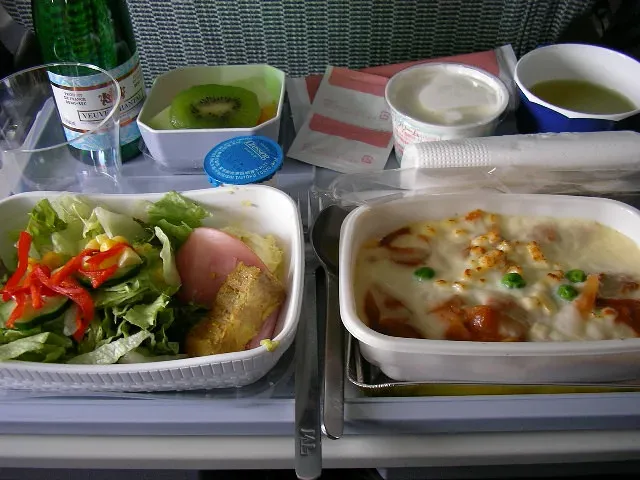
Research found that health and taste attributes were found to be the greatest importance of inflight foods. When passengers scrutinize nutritional labels, ask about calorie counts, or opt for salads over pasta, flight attendants immediately recognize health-conscious travelers.
When it comes to in-flight meals, flight attendants prioritize energy levels and minimize puffiness by opting for low-sodium foods to avoid swelling. Savvy passengers mimic these strategies. They're the ones requesting extra vegetables, skipping bread, or declining dessert without a second thought. Fruit such as bananas, oranges and berries makes great snacks for plane travel, as the potassium in bananas helps combat muscle cramps and aids in digestion, while Vitamin C in oranges and antioxidant properties in berries help support your immune system.
Interestingly, cabin crew notice when passengers completely avoid airplane food. Airplane food isn't any better for you than it looks, as even in training, flight attendants are told these meals are nutritionally useless because of the salt, sugar, fat, and simple carb content. Those who decline meals entirely and pull out carefully prepared snacks from home demonstrate serious commitment to their wellness routines.
Flight attendants also observe beverage choices. Flight attendants personally would not drink the potable water from the aircraft, so the tea and coffee should be avoided. Passengers who stick to bottled water and refuse coffee or tea often know the insider secrets about airplane water tanks.
Your Openness to New Experiences Gets Assessed
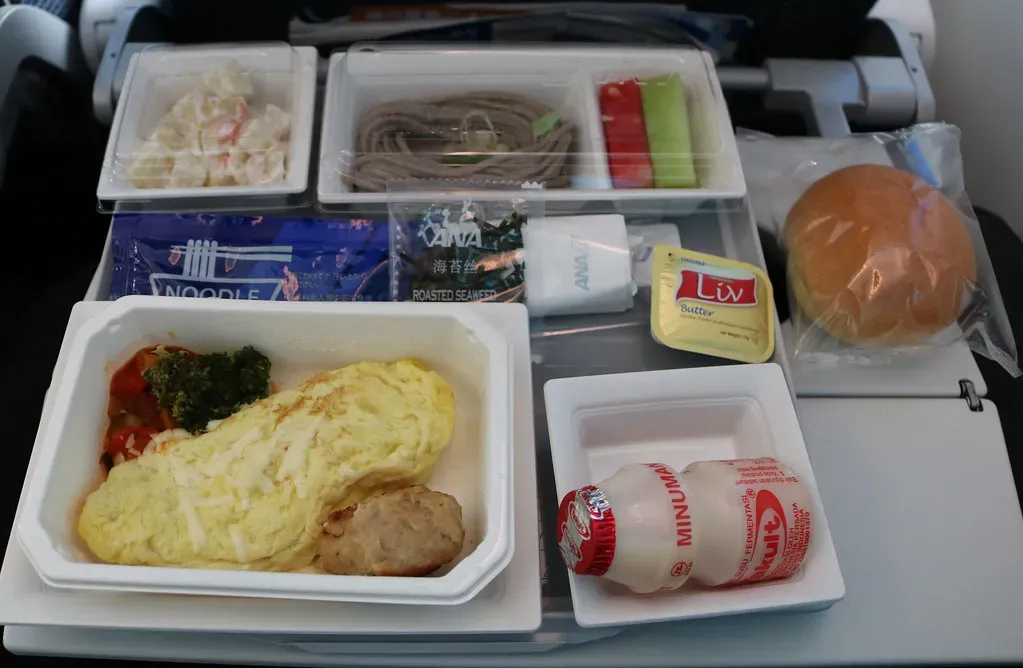
Adventurous eaters stand out immediately. When presented with two meal options, the passenger who eagerly selects the unfamiliar ethnic dish over the safe chicken breast reveals something about their personality. Research shows that unfavorable personality traits such as neuroticism were associated with unhealthy diet habits such as low consumption of fruit and vegetables and increased consumption of sugar and saturated fats.
One of the influences on food choice is personality, as personality traits constitute reliable predictors of dietary and health behavior patterns through traits of Conscientiousness and Neuroticism. Flight attendants who've served thousands of meals develop an intuitive sense for which passengers will try something new versus those who play it safe every single time.
The crew also watches reactions when meals arrive. Does the passenger photograph their food? Examine it with curiosity? Or do they sigh with resignation? Research identified five elements to operationalize food quality in inflight meals, including menu diversity, familiarity, temperature, nutrition, and presentation, with consumers assessing the temperature of inflight meals most positively while appraisal of menu diversity was somewhat skeptical.
Those willing to experiment with unfamiliar cuisines at altitude often demonstrate broader openness in other aspects of travel and life. Flight attendants recognize this trait almost instantly through meal selection patterns.
Economic Status and Spending Habits Become Visible
Respondents were willing to pay the highest dollar amount of USD 3.72 for an upgraded protein, followed by vegetables for USD 3.25, while starch and beverage were the items passengers were willing to pay the least. How passengers approach paid meal upgrades reveals their financial priorities and spending comfort levels.
Business class passengers typically don't hesitate when offered premium meal selections or wine pairings. First class passengers on American flights may have lunch choices including Mediterranean bowls or chicken breast with mojo sauce, while Delta offers cheeseburgers or spinach and cheese agnolotti, and a handful of airlines even offer caviar to first class passengers. The confidence with which they make these selections signals both financial comfort and familiarity with premium travel.
Economy passengers who purchase multiple snack boxes or upgrade their meals demonstrate different spending patterns. Study results confirmed the positive influence of passengers' perceived value for inflight meals on their behavioral intention, similar to how tourists would pay more for hotel services they perceived as valuable when satisfied. Flight attendants notice who splurges on extras versus who carefully rations the complimentary snacks.
The crew can also identify passengers trying to maximize value. These travelers ask which meals are larger, request extra bread rolls, or inquire about getting seconds. Because the food is pre-made and spoils soon after, anything left over gets thrown away after the flight, so if you're feeling especially hungry, you can ask for more.
Price sensitivity shows through hesitation patterns when purchasing onboard food. Some passengers deliberate extensively over buying a sandwich, while others don't even glance at the price list.
Leave a Reply