
You walk into a bar, ready to unwind after a long day. The music hums in the background, the lights are low, and you think no one's really paying attention to you yet. Wrong. Before you even open your mouth to order that Moscow Mule or ask about the craft IPA selection, your bartender has already sized you up. They're not judging you in a harsh way, but they're definitely reading you like a book.
Bartenders develop people-watching skills that become sharper the longer they work the job, and honestly, it's fascinating what they pick up on. From the way you carry yourself to the subtlest shift in your expression, these details paint a vivid picture before a single word is exchanged. So let's dive into what your bartender is clocking the second you step up to that bar.
Your Level of Sobriety (or Lack Thereof)
One of the first things bartenders scan for is how intoxicated someone appears when they arrive, looking for signs like disheveled appearance, slurred words, or unsteady walking. This isn't just casual people-watching. It's actually part of their job. They have a legal responsibility not to over-serve anyone who's already had too much to drink.
Think about it from their perspective. Someone stumbles in, eyes glazed, movements uncoordinated? The bartender will likely offer water or a nonalcoholic drink instead. Conversely, if you walk in with confidence and coordination, they'll feel comfortable serving you right away. It's hard to say for sure, but I'd guess most bartenders develop this radar within their first few months on the job. Overall body language can also reveal whether you're comfortable in the space or might need guidance, which helps them tailor their approach.
Your Body Language and Confidence Level
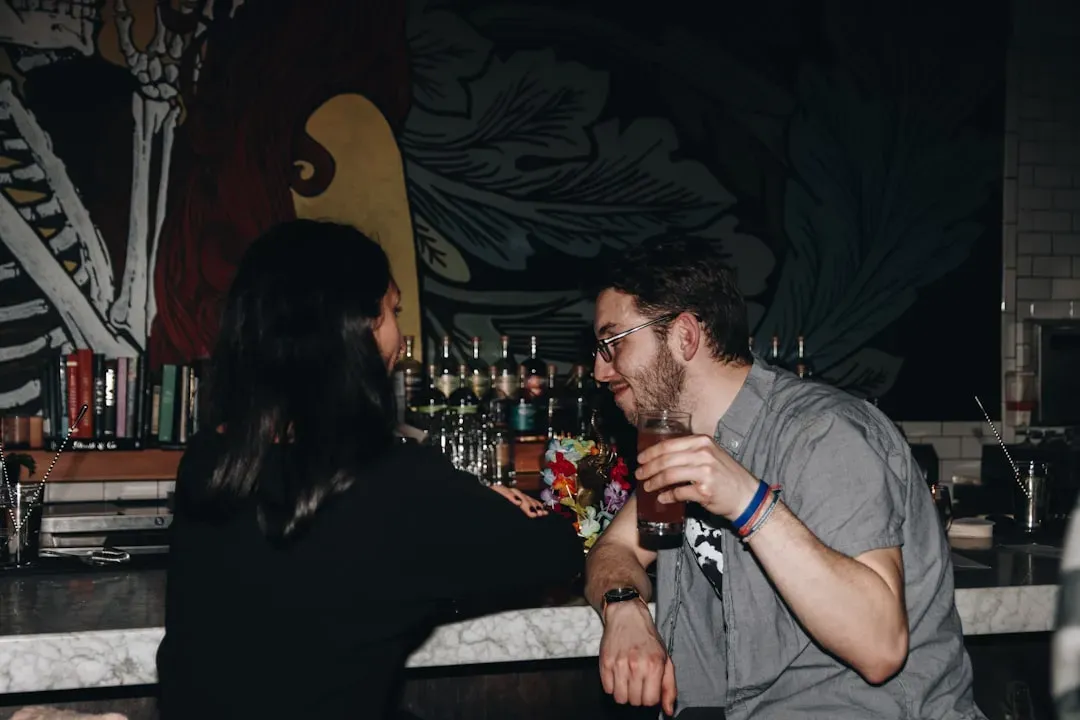
Here's the thing about body language: it screams louder than words ever could. Research shows that roughly more than half of communication is nonverbal, with significant portions based on tone of voice, so bartenders are masters at reading these silent signals. The way you hold yourself, make eye contact, and position your body all give away whether you're a seasoned bar-goer or someone who's out of their element.
The way you enter a bar and your overall body language can show whether you're comfortable there and know what you want, or if you might need a drink suggestion or other guidance. Someone who strides up to the bar, plants their elbows confidently, and makes direct eye contact? That person knows what they want. Someone hovering near the edge, glancing around nervously, fidgeting with their phone? They probably need a menu and maybe a friendly recommendation. Bartenders adjust their service style based on these cues. They're not mind readers, but they're pretty darn close.
I think what surprises most people is how much you reveal without saying anything at all. Crossed arms might signal defensiveness or discomfort. Leaning forward shows engagement. Even the direction your feet point can indicate whether you're planning to stay or bolt. Wild, right?
Whether You're On a Date (And How It's Going)
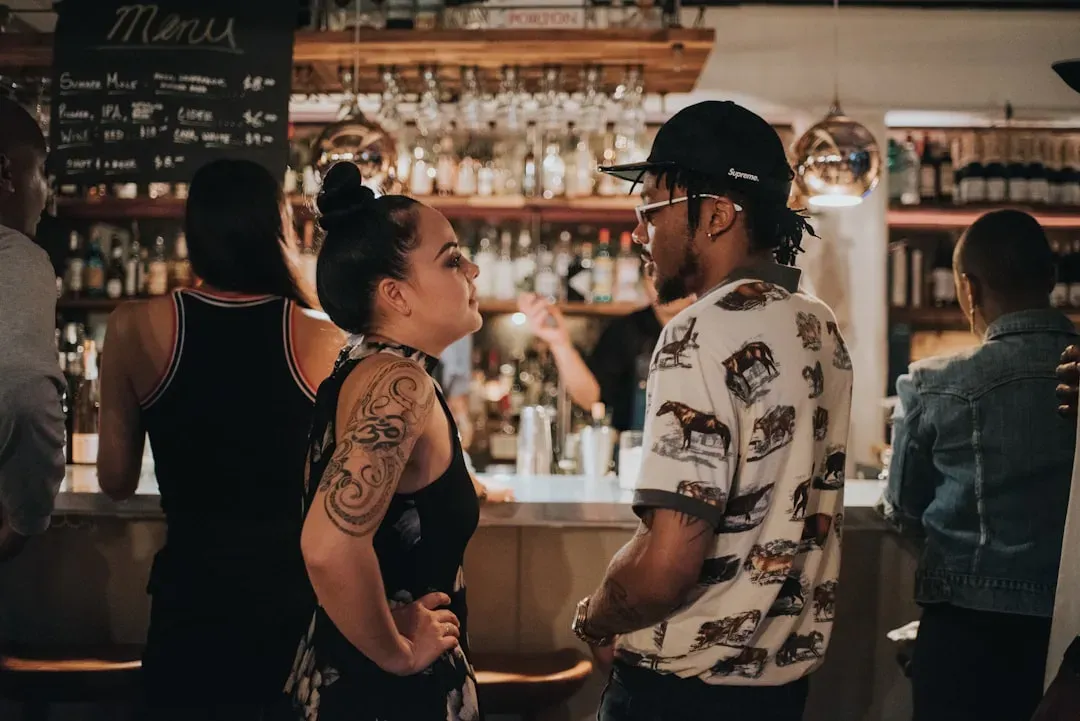
Bartenders can often tell when customers are on a first date from the moment they walk through the doors, noticing how uncomfortable people feel meeting someone for the first time. Let's be real, first dates have a specific energy. The nervous laughter, the slightly too-formal posture, the prolonged menu staring to avoid awkward silence.
Most first-date customers request to sit at the bar so they can talk with bartenders if needed, which makes sense when you think about it. The bar becomes a safety net. If conversation stalls, you can ask the bartender about the bourbon selection or pretend to be fascinated by how they make an Old Fashioned. When dates aren't going well, bartenders sometimes start conversations to find common ground and help customers enjoy the moment.
Honestly, bartenders have probably witnessed more romantic dynamics than most therapists. They see the sparks fly and the awkward fizzles. They notice when someone checks their phone too often or when two people can't stop smiling at each other. It's like free entertainment, except they're also making drinks and managing tabs at the same time.
Your Drink Order (And What It Says About You)
Bartenders absolutely judge customers based on drink orders because they're human. Now, they'll never say it to your face, and they'll still make your drink with professionalism. Still, ordering a beer at a high-end cocktail bar known for creative mixology? A bartender at a high-end establishment might wonder why someone would order just beer when the bar is known for custom cocktails.
On the flip side, ordering a complex drink like a Bloody Mary late on a busy Friday night at a sports bar might annoy bartenders dealing with crowds. It's all about reading the room. The bartender isn't trying to make you feel bad, but there's definitely a mental note being made. Are you someone who appreciates the craft? Are you high-maintenance? Do you understand the vibe of this particular establishment?
The confidence, hesitation, and language customers use when ordering, including whether they make eye contact, reveals patterns that experienced bartenders recognize. Someone who orders with authority versus someone who nervously rattles off a complicated modification? Totally different experiences for the person behind the bar. The drink itself matters, but how you order it matters just as much.
How You Handle Money and Tipping
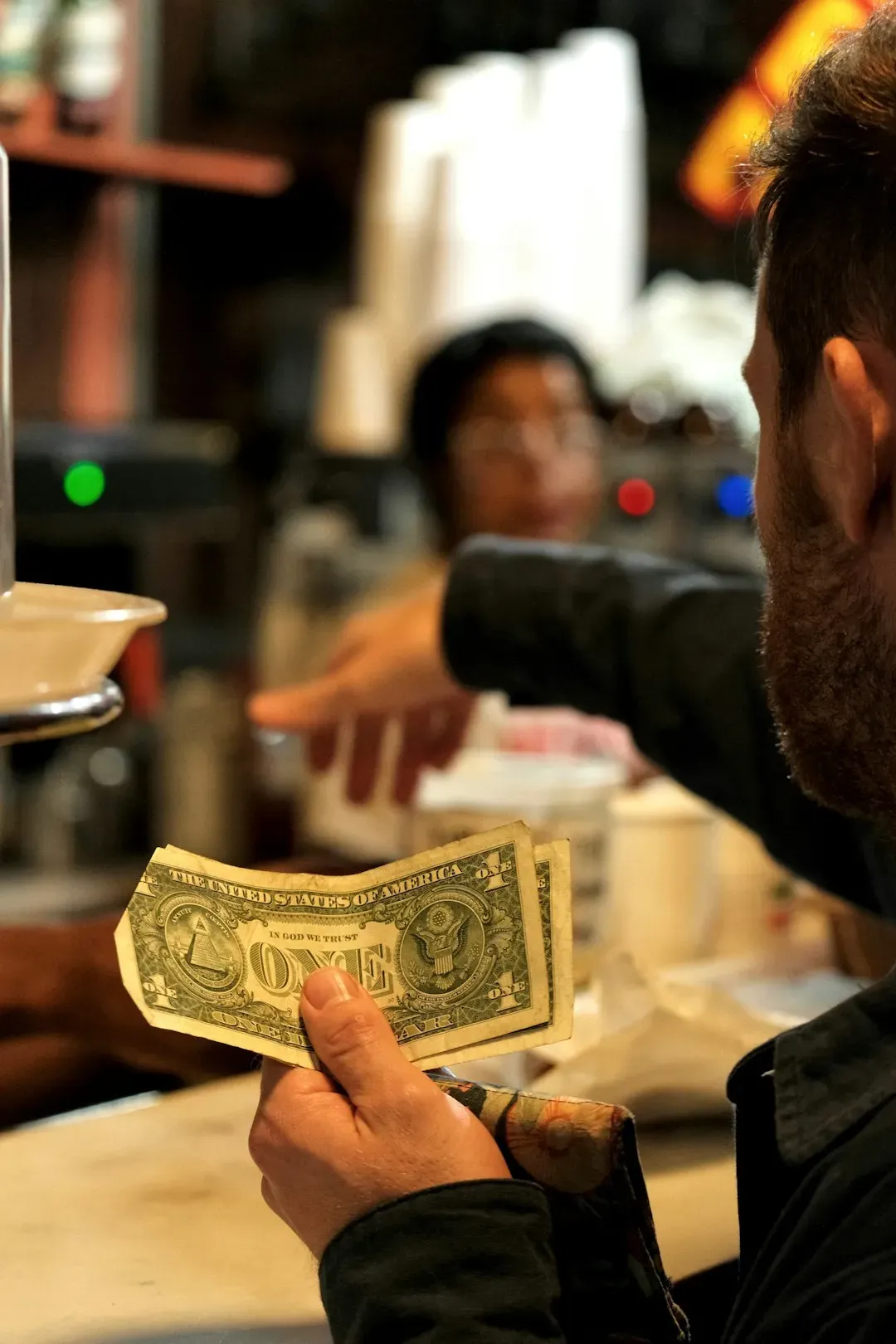
Tipping amounts tell bartenders how satisfied customers were with service, revealing generosity or frugality, though they don't typically judge as long as tips fall within the normal range of 15% to 25%. Money talks, and in the bartending world, it speaks volumes about who you are as a customer. Bartenders notice whether you're fumbling for exact change, confidently pulling out a card, or flashing cash with ease.
Tipping less than 10% can feel worse than no tip because it signals clear dissatisfaction, while tipping over 25% creates gratitude for customers who support those depending on tips for a living wage. It's worth noting that well over half of global consumers are influenced by bartender recommendations when ordering, so building rapport through fair tipping can actually improve your experience. Some customers tip generously upfront to ensure excellent service for the rest of the evening, which bartenders definitely remember.
I know tipping culture can feel complicated and sometimes frustrating, but from the bartender's perspective, it's literally how they survive. They're watching how you handle the transaction not just for the money, but because it reveals your character. Do you respect their work? Do you understand how the industry operates? Your wallet behavior answers those questions before you say a word.



Leave a Reply