
Walk into any grocery store and you'll be bombarded with products claiming to be healthy, natural, or better for you. The packaging is green, there are smiling vegetables on the label, and words like "wholesome" or "nutritious" are splashed across the front. Here's the thing though.
Nutritionists and dietitians know what many of us don't. These so-called healthy snacks are often wolves in sheep's clothing, dressed up to trick us into thinking we're making smart choices. They're packed in your kids' lunchboxes, sitting in office break rooms, and stashed in gym bags everywhere. Yet many nutrition experts wouldn't touch them with a ten-foot pole. Let's pull back the curtain on these deceptive foods and see what the pros really think.
Granola Bars: The Sugar Bomb in Disguise
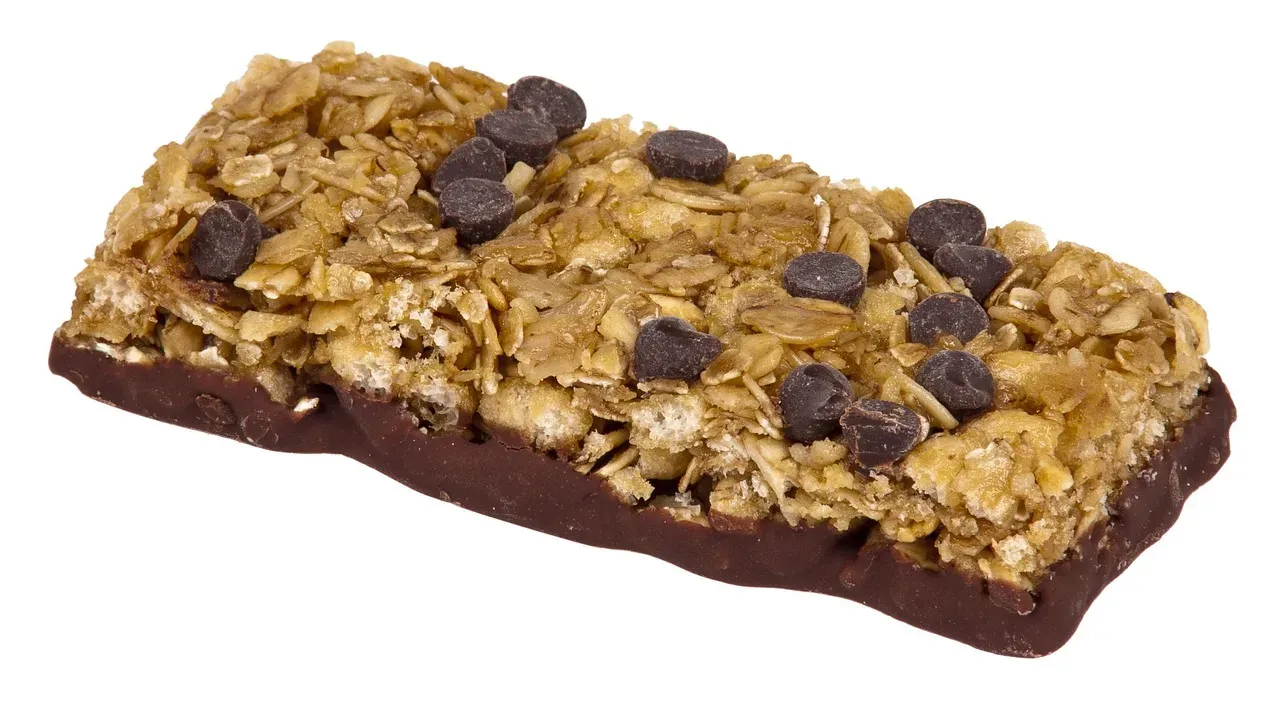
You grab a granola bar thinking you're fueling your body with whole grains and natural ingredients. The reality is far less wholesome. Some contain as much sugar, carbs, and calories as candy bars, which is honestly shocking when you think about it.
Most granola bars have around 100–300 calories, 1–10 grams of protein, and 1–7 grams of fiber in a single serving. The problem isn't just the calorie count. Many granola bars are highly processed and include ingredients like added sugars, vegetable oils, preservatives, and artificial flavors. That's a lot of junk for something marketed as a quick, healthy snack.
Let's be real. When you see oats and honey on the packaging, you assume you're getting something close to nature. What you're actually getting is a concoction that's been heavily manipulated in a factory. Studies indicate that high consumption of processed and sugary foods can increase your risk of metabolic syndrome, which is a group of conditions that can lead to diabetes, stroke, and heart disease. Some varieties use sugar alcohols or artificial sweeteners to reduce sugar content, but these come with their own baggage, potentially causing digestive issues or interfering with blood sugar control.
When you flip over that granola bar wrapper, you might find the sugar content rivals that of a chocolate bar. It's hard to say for sure which brand you can trust anymore.
Protein Bars: Ultra-Processed "Health" Food
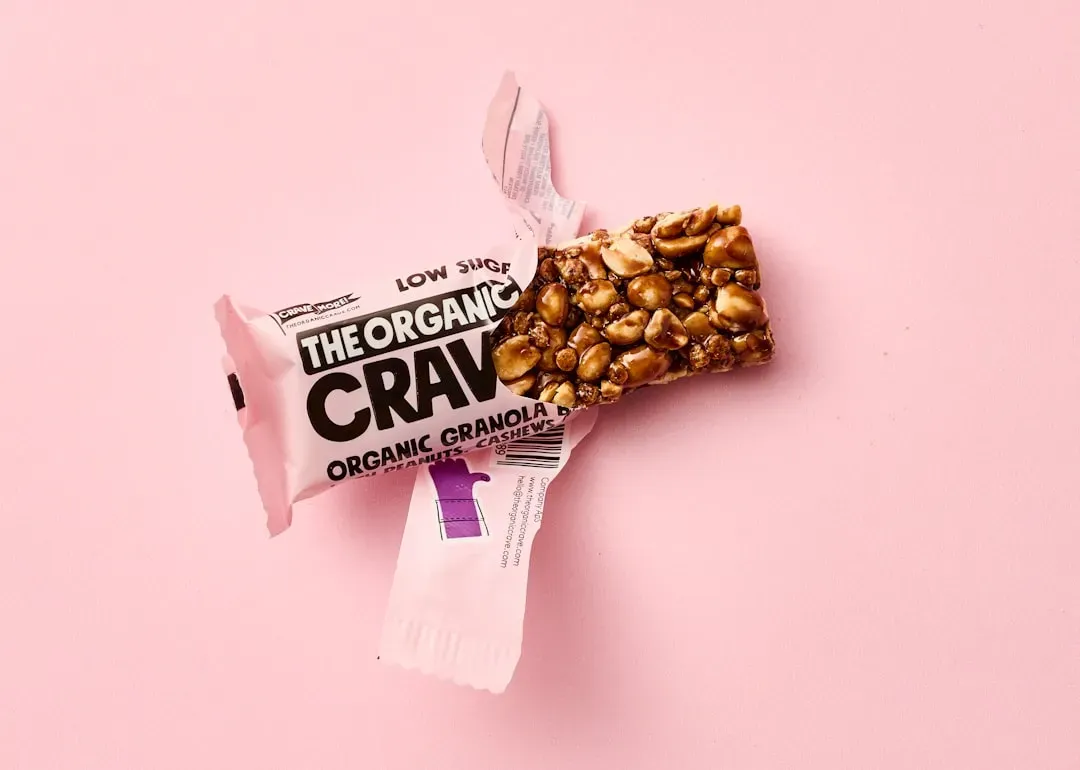
Experts agreed that ultra-processed protein bars and shakes should be left in 2024, yet they're still everywhere in 2025. These bars have become a multi-billion dollar industry, but nutritionists are increasingly skeptical.
Many bars sold today contain large amounts of ultra-processed ingredients, artificial sweeteners and added sugars. Some protein bars masquerade as "healthy," despite containing the calories of a candy bar. I think the marketing here is particularly insidious because people genuinely believe they're doing something good for their bodies after a workout.
An artificial sweetener may be listed as the second or third ingredient on the label of a protein bar, with common ones including sucralose and erythritol, which has been linked to serious heart risk. Study participants in the top fifth of artificial sweetener consumers had a 26 percent higher risk of developing depression compared to those in the bottom fifth. That's not a small difference.
Protein powders, bars or supplements were unnecessary for most people and went "beyond what the body needs", according to dietitian-nutritionist Mindy Haar. They are typically ultra-processed, low-quality foods that are more like candy bars - loaded with added sugars, artificial sweeteners, or unhealthy fats. The whole premise that we need these bars is questionable to begin with.
Flavored Yogurt: A Dessert Pretending to Be Breakfast
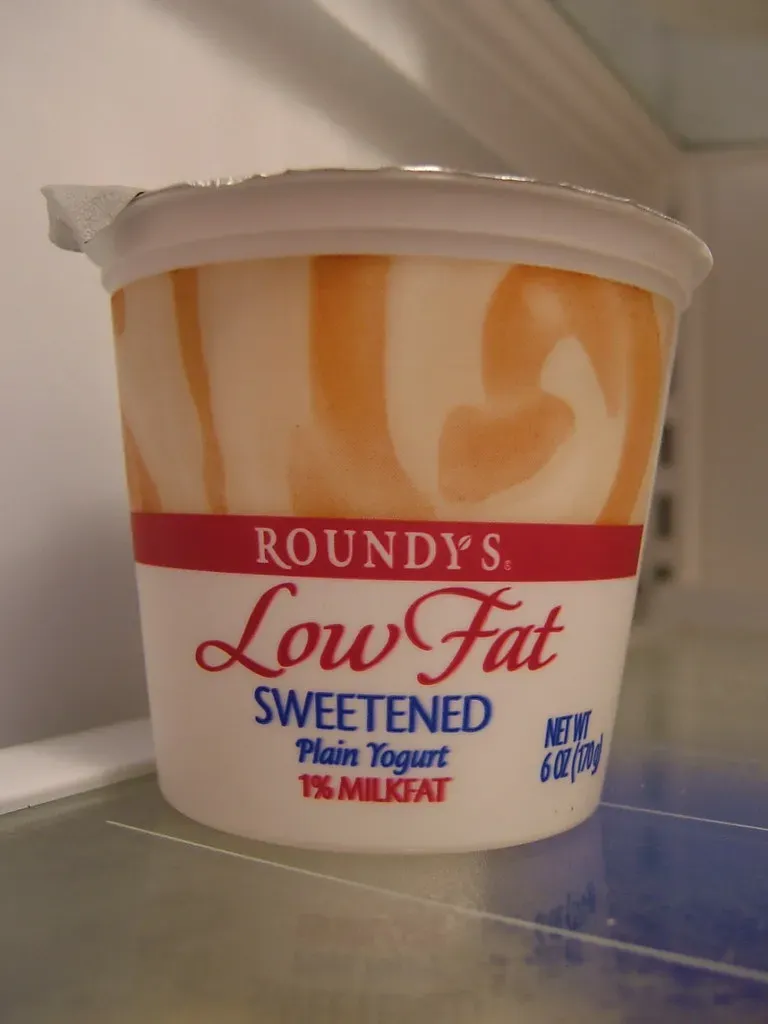
Yogurt seems innocent enough. It's dairy, it has probiotics, and it's been around for thousands of years. The problem is what modern food manufacturers have done to it.
Most flavored yogurts are high in added sugar which can contribute to weight gain and elevated blood sugar. Most fruit yogurts have about 26 grams of sugar while plain yogurts only have 8 grams, all of which in plain varieties are naturally occurring sugars from lactose. That's an enormous difference.
British nutrition researchers evaluated more than 900 different yogurt products and found that most have too much sugar, meaning more than 10 grams of sugar per 100 grams of yogurt. The median sugar content for organic yogurts was 13.1 grams per 100 gram serving, and some brands had almost 17 grams of sugar per 100 gram serving. Even organic options aren't safe from the sugar overload.
Consumers may get about one quarter or more of the WHO's recommended daily sugar limit for adults from just one serving of yogurt. Your morning "healthy" breakfast could be sabotaging your entire day's nutrition goals. While plain yogurt offers numerous health benefits, flavored and fruit yogurts often contain high amounts of added sugar, artificial flavors, and preservatives, which can turn a seemingly healthy snack into a hidden source of excessive sugar.
Low-Fat or Fat-Free Salad Dressings: Where Sugar Replaces Fat
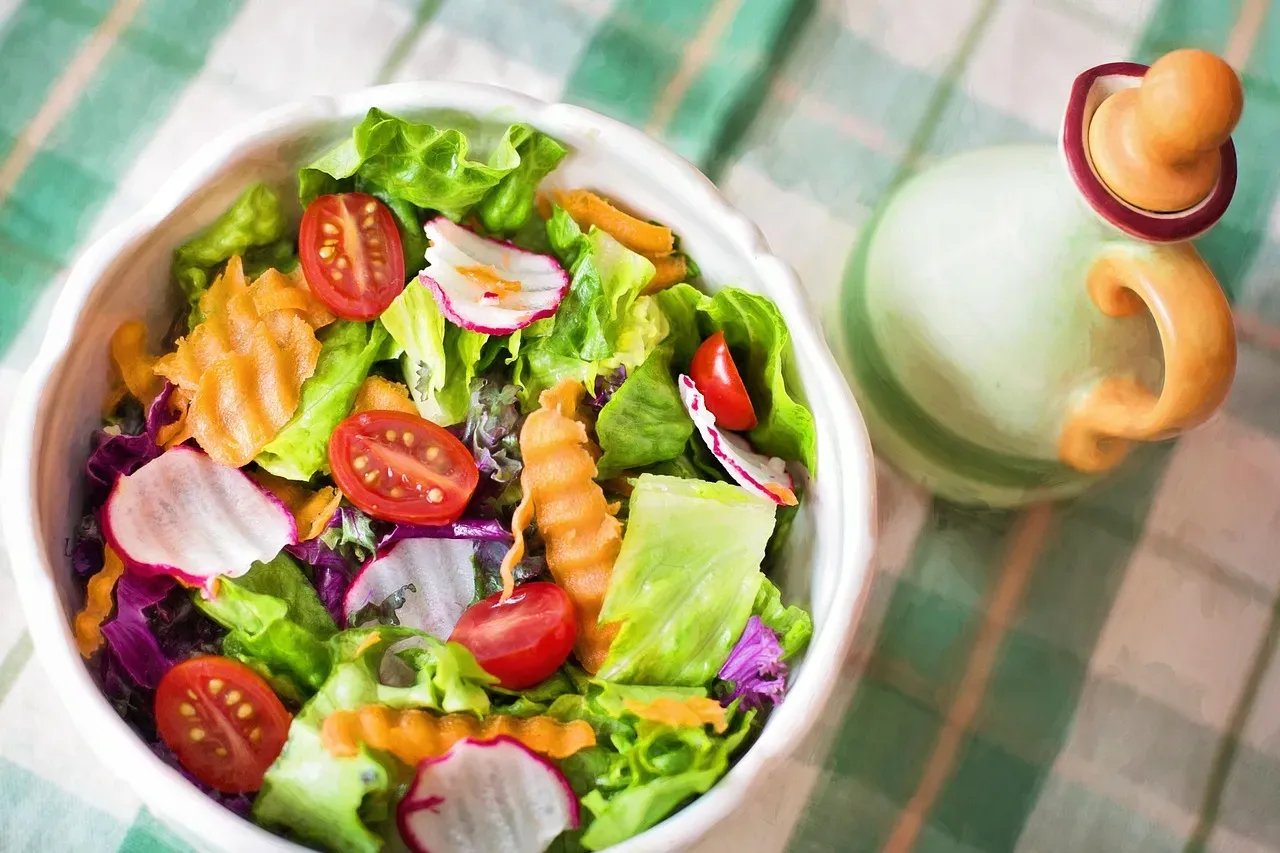
The low-fat craze did a number on our collective understanding of nutrition. When manufacturers remove fat from products, they have to replace it with something to maintain flavor and texture. That something is usually sugar, and lots of it.
If you take the fat out, you need to add something for flavor, explains registered dietitian Leslie Bonci. Low-fat and fat-free salad dressings are prime examples of this bait-and-switch tactic. You think you're saving calories and fat grams, but you're actually dousing your vegetables in a sugary sauce.
These dressings often contain high fructose corn syrup, artificial flavors, thickeners, and preservatives to compensate for the missing fat. The irony is that fat helps your body absorb the fat-soluble vitamins found in vegetables like vitamin A, D, E, and K. By choosing a fat-free dressing, you're actually reducing the nutritional value of your salad.
Healthy fats from olive oil or avocado oil are what your body actually needs. They promote satiety, support brain health, and help maintain healthy cholesterol levels. Nutritionists recommend making your own dressing with simple ingredients: olive oil, vinegar, mustard, and herbs. It takes two minutes and contains none of the junk found in bottled versions. Your salad deserves better than a sugar-laden, artificially flavored coating.
Dried Fruit Snacks: Candy With a Health Halo
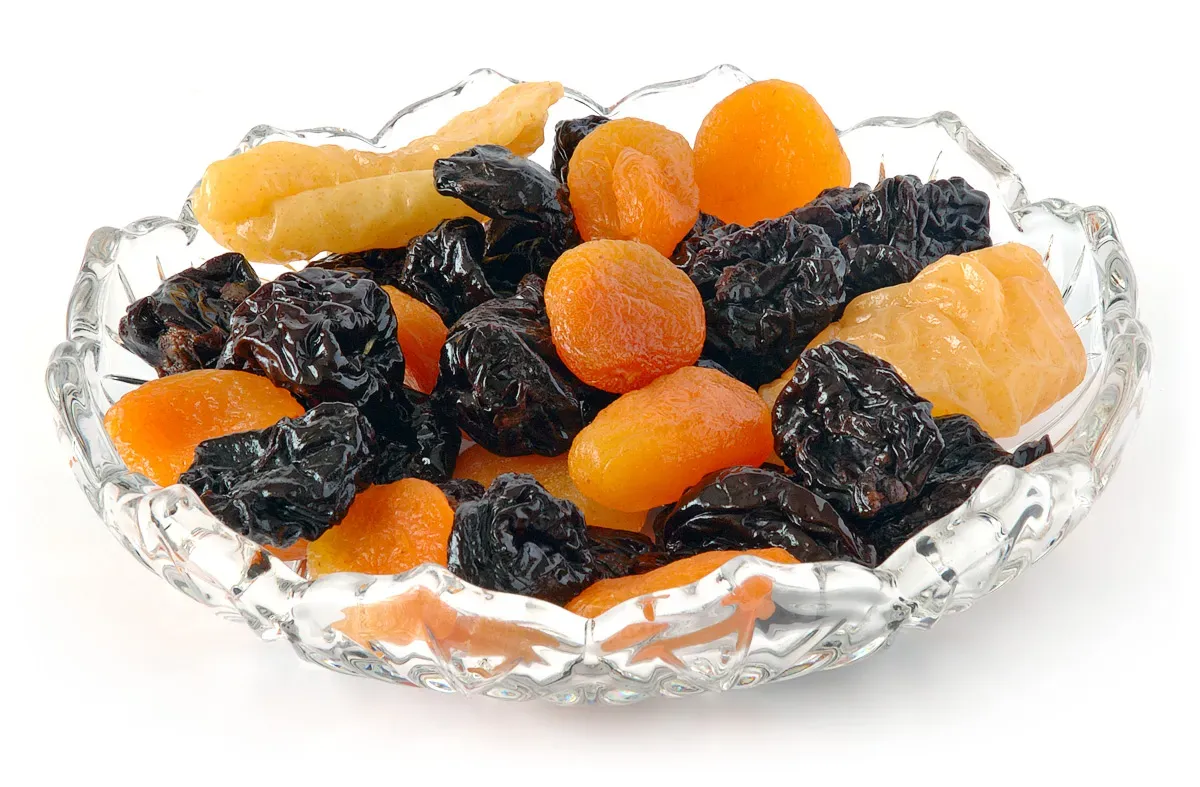
Fruit is healthy. Dried fruit should be healthy too, right? Not exactly, especially when we're talking about the packaged fruit snacks marketed to kids and adults alike.
One popular brand of fruit snacks includes fruit puree combined with corn syrup, sugar, cornstarch, artificial flavors and artificial colors, easily packing about 20 grams of carb in a serving the size of a ping pong ball. That's a concentrated sugar bomb with none of the fiber and water content that makes whole fruit nutritious.
Even dried fruit that's just fruit with no added sugar is tricky. The dehydration process concentrates the natural sugars, making it very easy to overconsume. A handful of raisins contains far more sugar than you'd get from eating the equivalent amount of fresh grapes. The fiber is still there, which is good, but you lose the water content that helps with satiety.
You could get the same amount of carbs from eating a cup of fresh blueberries, a medium apple, or two kiwis, all of which come bundled with filling fluid and fiber, along with antioxidants and more overall nutrients. Real fruit wins every time.
The worst offenders are those fruit leather strips and gummy fruit snacks that parents pack in lunchboxes thinking they're providing a serving of fruit. They're basically candy marketed as health food. Check the ingredient list and you'll find sugar is often the first or second ingredient.
Pretzels: The Salty, Nutritionally Void Snack

Pretzels feel like a safe choice. They're low in fat, they're crunchy, and they seem like the responsible option at a party or from the vending machine. Nutritionists aren't convinced.
One nutritionist imagines a bag of pretzels as the same thing as a big bag of jelly beans, noting that those sugar calories affect your hormones and cause weight gain, questioning "for what? A boring pretzel?". That's a harsh assessment, but it makes a valid point about the lack of nutritional payoff.
Pretzels are made from refined white flour, which your body processes similarly to sugar. They cause blood sugar spikes followed by crashes, leaving you tired and hungry again soon after eating. They provide virtually no protein, minimal fiber, and no healthy fats. The only thing they offer in abundance is sodium.
The glycemic load of pretzels is high enough to rival actual candy. Your body doesn't distinguish much between eating pretzels and eating pure carbohydrates. They're absorbed quickly, spike your insulin, and promote fat storage. If you're choosing pretzels because they're fat-free, you're falling into the same trap that snared a generation of dieters in the nineties.
A small handful of nuts would provide protein, healthy fats, fiber, vitamins, and minerals. Whole grain crackers with seeds would at least offer some nutritional value. Pretzels are the snack equivalent of eating flavored air. They fill space in your stomach temporarily but do nothing to nourish your body.




Leave a Reply