
We've all been there. You open the fridge hoping to grab a quick meal, only to stare at those containers of leftovers and wonder if they're still safe to eat. Most of us tend to keep leftovers far longer than we should, operating under the assumption that if it looks fine and smells okay, it must be edible. Yet invisible bacteria can flourish even when food appears perfectly normal, turning yesterday's dinner into a potential health hazard. Understanding the real shelf life of common leftovers matters more than you might think, especially when foodborne illness sends millions to doctors each year.
The truth is that many popular leftover foods have surprisingly short safe storage windows. While general guidelines suggest three to four days for most cooked items, certain foods require even more caution. From your favorite takeout rice to that pepperoni pizza you swore you'd finish, these six leftovers deserve special attention when it comes to refrigerator time limits.
Cooked Rice and the Fried Rice Syndrome Danger
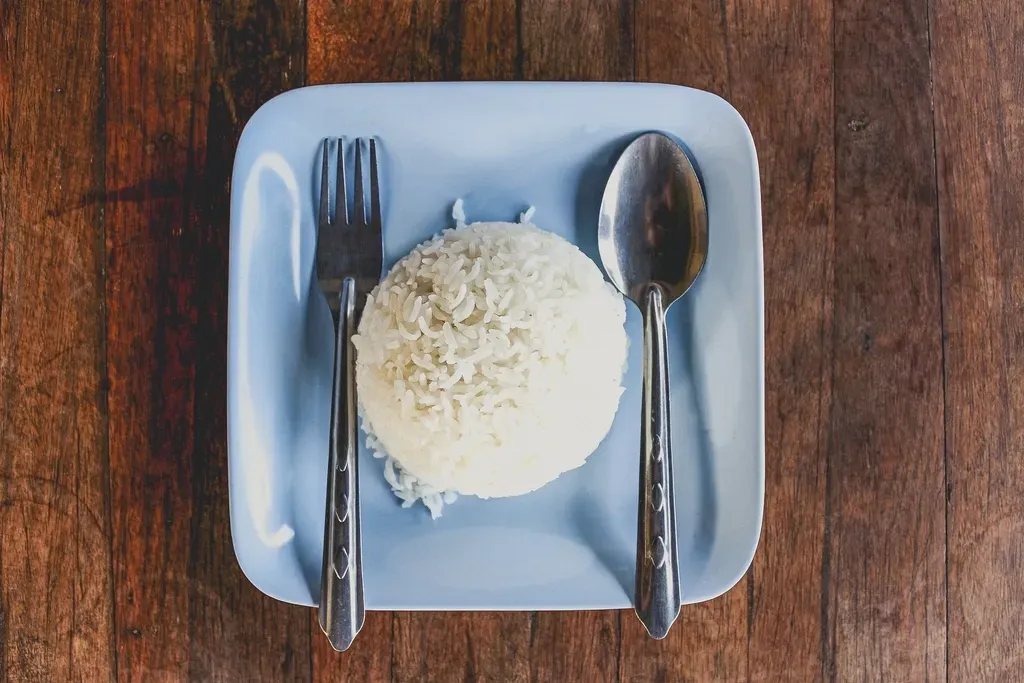
Cooked rice poses a unique risk due to a bacterium called Bacillus cereus, which causes what's known as fried rice syndrome. This spore-forming bacteria lives naturally in soil and can survive the cooking process. When rice sits at room temperature for several hours, the bacteria grow and create heat-stable toxins that can't be cooked out when the rice is reheated. The symptoms appear quickly and can be severe.
About 63,000 people in the United States get sick from Bacillus cereus each year, according to the Centers for Disease Control and Prevention. Once you're done cooking rice, refrigerate it within one to two hours at most, and don't put a hot, covered pot of rice in the fridge. After storing rice in smaller containers, put it right in the fridge and eat leftover rice within a few days. The USDA recommends disposing of fridge leftovers after three to four days, but many food safety experts suggest eating rice even sooner to minimize risk.
Cooked Pasta and Its Hidden Bacterial Growth
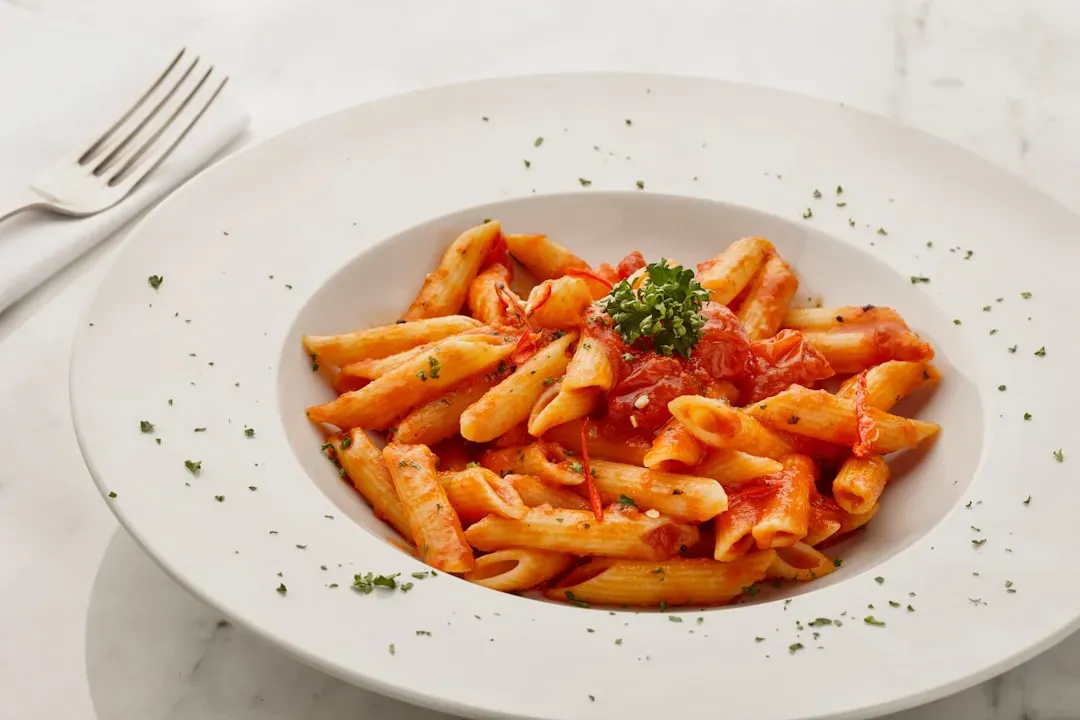
Improperly stored pasta can harbor Salmonella and Bacillus cereus, bacteria responsible for over one million food poisoning cases annually in the US alone, and that innocent-looking container of spaghetti could become a breeding ground for pathogens within hours if mishandled. Cooked pasta's high moisture content and neutral pH create ideal conditions for bacterial growth. Like rice, pasta can fall victim to the same spore-forming bacteria that thrive when temperature control fails.
Cooked pasta can generally last three to five days in the refrigerator when stored the right way, with the exact shelf life depending on how it was prepared, the ingredients used, and how quickly it was cooled and refrigerated. However, this timeline shortens considerably with certain preparations. Plain pasta lasts up to five days, but dishes with sauces, cheese, or proteins spoil faster - usually three to four days. To ensure freshness, store pasta in an airtight container and refrigerate it within two hours of cooking, and if you notice any signs of spoilage such as a sour smell, mold, or slimy texture, throw it away.
Cooked Chicken and Rapid Bacteria Multiplication
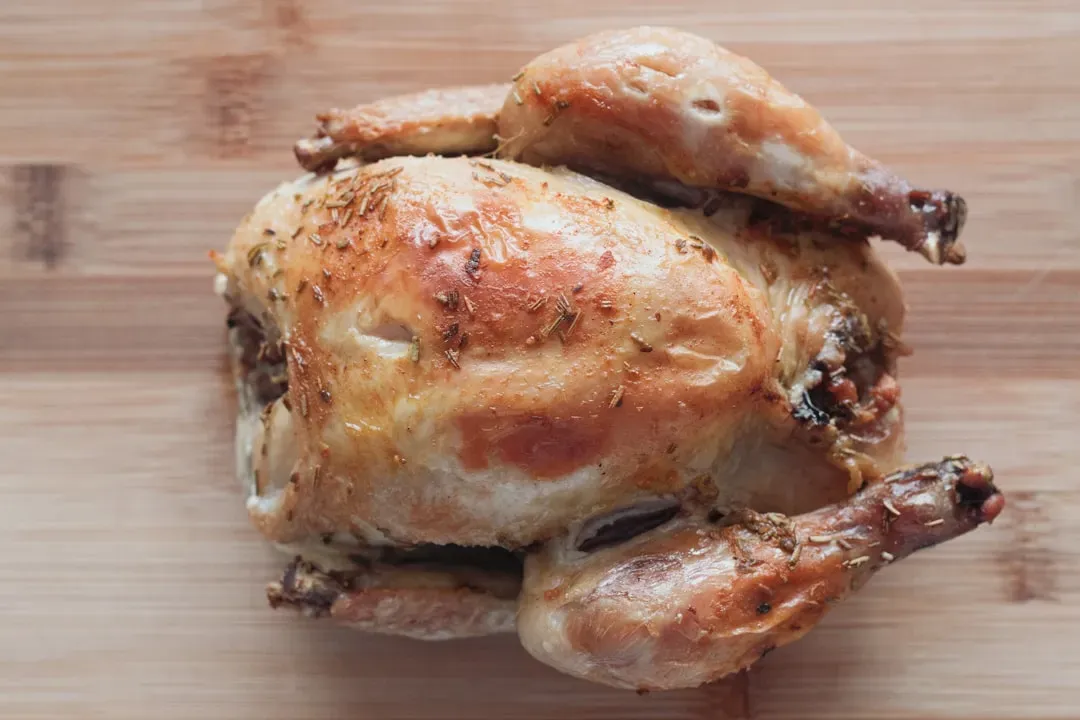
According to the U.S. Department of Agriculture, cooked chicken can last in the refrigerator for three to four days and in the freezer it can be safely stored for two to six months. Yet many people push these limits, assuming chicken will remain safe for a full week or longer. When left at room temperature for too long, chicken can quickly become a breeding ground for bacteria like Salmonella and Listeria, which is why proper refrigeration is crucial.
Cooked chicken should be refrigerated within no more than two hours after cooking or removal from an appliance keeping it warm. Once stored in the fridge, leftovers should be eaten within three to four days because bacteria can still grow even at refrigerator temperatures, according to the USDA. It's not advisable to eat cooked chicken that has been stored in the refrigerator for more than four days, even if it looks and smells fine, as the risk of bacteria such as Salmonella and Listeria increases significantly after this time. Store chicken in airtight containers and place them on lower shelves where temperatures remain most consistent.
Leftover Pizza's Surprisingly Short Window

Pizza might seem like an indestructible leftover that can survive indefinitely in your fridge, but this popular misconception puts many at risk. Pizza is loaded with proteins and moisture-rich toppings like cheese, meat, tomato sauce, and veggies, which create the perfect environment for bacteria like Salmonella and Staphylococcus to multiply, which is why storing pizza at a cool temperature is crucial for food safety. At room temperature, bacteria can double every twenty to thirty minutes.
The USDA's food safety guidelines state that leftover pizza will last in the refrigerator for up to four days - provided the two-hour rule was followed beforehand. Cleveland Clinic experts say you can safely store pizza in the fridge for three to four days. Pizza with meat on it is different, as pepperoni, sausage, and bacon have proteins that bacteria love, so eat meat pizza within three days to be safe. Pizza stored at room temperature becomes unsafe after just two hours, regardless of toppings. Store slices in airtight containers rather than leaving them in the original box, which allows air circulation and accelerates spoilage.
Mixed Salads and Prepared Greens
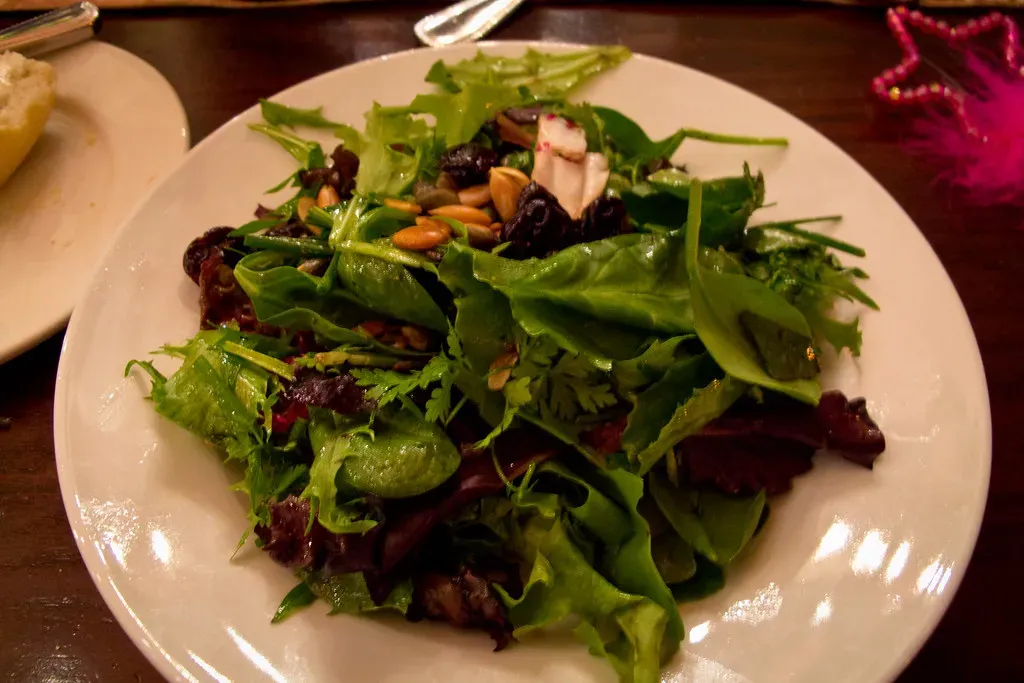
Cold perishable food, such as chicken salad or a platter of deli meats, should be kept at 40 degrees Fahrenheit or below. Prepared salads that contain protein sources like chicken, tuna, or egg salad have even shorter lifespans than plain cooked proteins alone. The combination of mayonnaise or creamy dressings with chopped ingredients creates numerous surfaces where bacteria can grow, and the mixing process itself can introduce contamination.
While the standard three to four day rule applies to most leftovers, salads with mayonnaise-based dressings or those containing seafood should be consumed within two to three days maximum. Throw away all perishable foods that have been left in room temperature for more than two hours, or one hour if the temperature is over 90 degrees Fahrenheit, and discard any cold leftovers that have been left out for more than two hours at room temperature. Fresh greens wilt quickly and release moisture that can promote bacterial growth throughout the entire dish, making proper storage in sealed containers essential for even reaching that shortened timeframe.
Seafood and Fish Leftovers
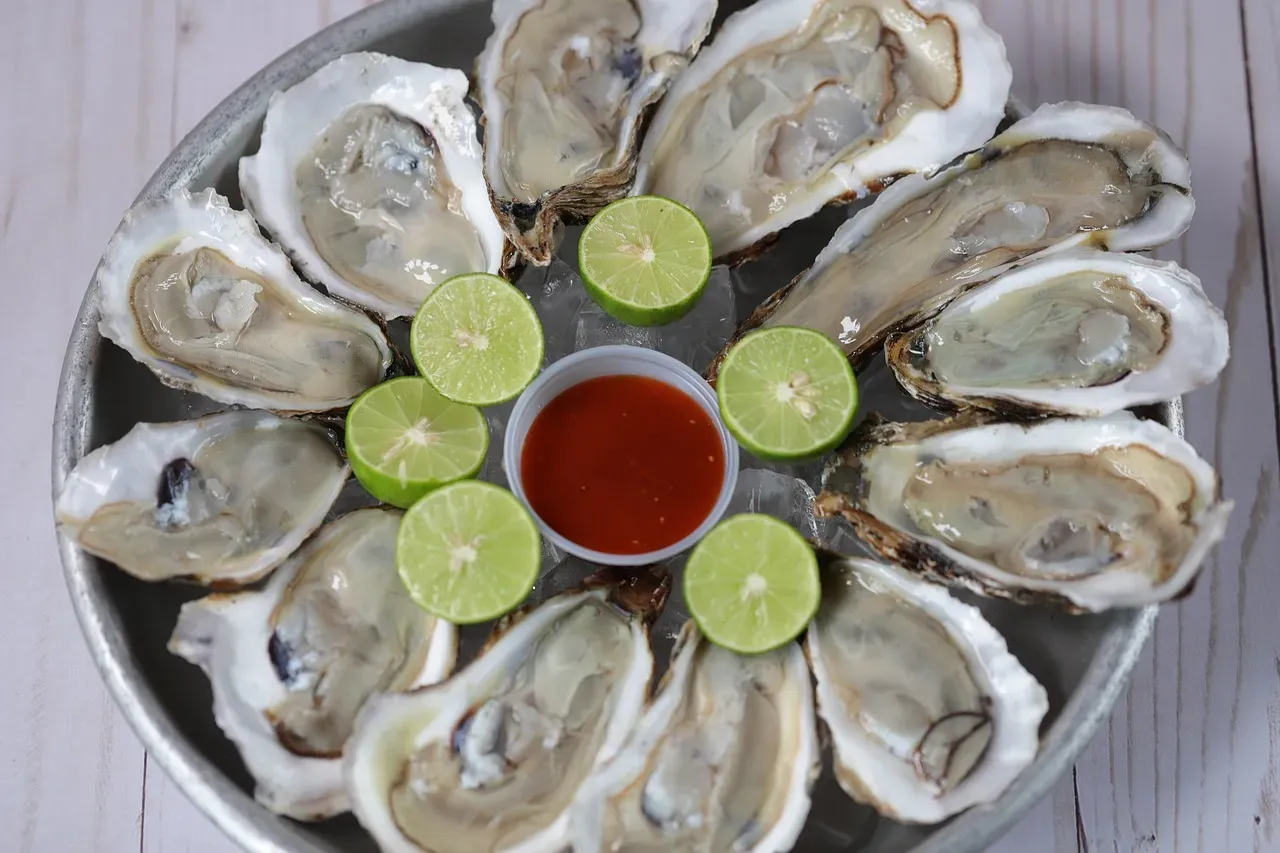
Seafood represents one of the most perishable categories of leftovers, yet many people treat it with the same casual approach they use for chicken or beef. Fish and shellfish contain specific types of bacteria and enzymes that break down tissue more rapidly than those found in land animals. This biological reality means your leftover salmon or shrimp has a considerably shorter safe window than other proteins.
Leftovers can be kept in the refrigerator for three to four days or frozen for three to four months, but seafood falls on the shorter end of this spectrum. Food safety experts recommend consuming cooked fish and shellfish within one to two days of refrigeration for optimal safety. It's crucial not to let food sit out for more than two hours, and this becomes even more critical with seafood. The characteristic fishy odor that develops isn't just an indicator of age but signals the breakdown of proteins and potential bacterial growth. Store seafood in the coldest part of your refrigerator, typically the back of the bottom shelf, and when in doubt about freshness, trust your senses and discard questionable seafood rather than risk illness.



Leave a Reply