
Picture this. Your grandmother's dining room, dressed with her finest tablecloth, guests arriving in their Sunday best, and the most elaborate dessert you've ever seen waiting in the kitchen. Something's shifted since those days. The showstopping sweets that once commanded attention at dinner parties have quietly slipped into obscurity.
Here's the thing about fancy desserts from the fifties. They weren't just about taste. They were status symbols, conversation starters, and proof that the hostess had mastered something complicated enough to impress. Armed with "Betty Crocker's Picture Cook Book," published in 1950, as well as more sophisticated mixers than ever before, housewives across the U.S. would make baked Alaska to impress their friends and family at dinner parties. Let's dive into six of these forgotten treasures and discover why they vanished from our tables.
Baked Alaska: The Flaming Ice Cream Dome
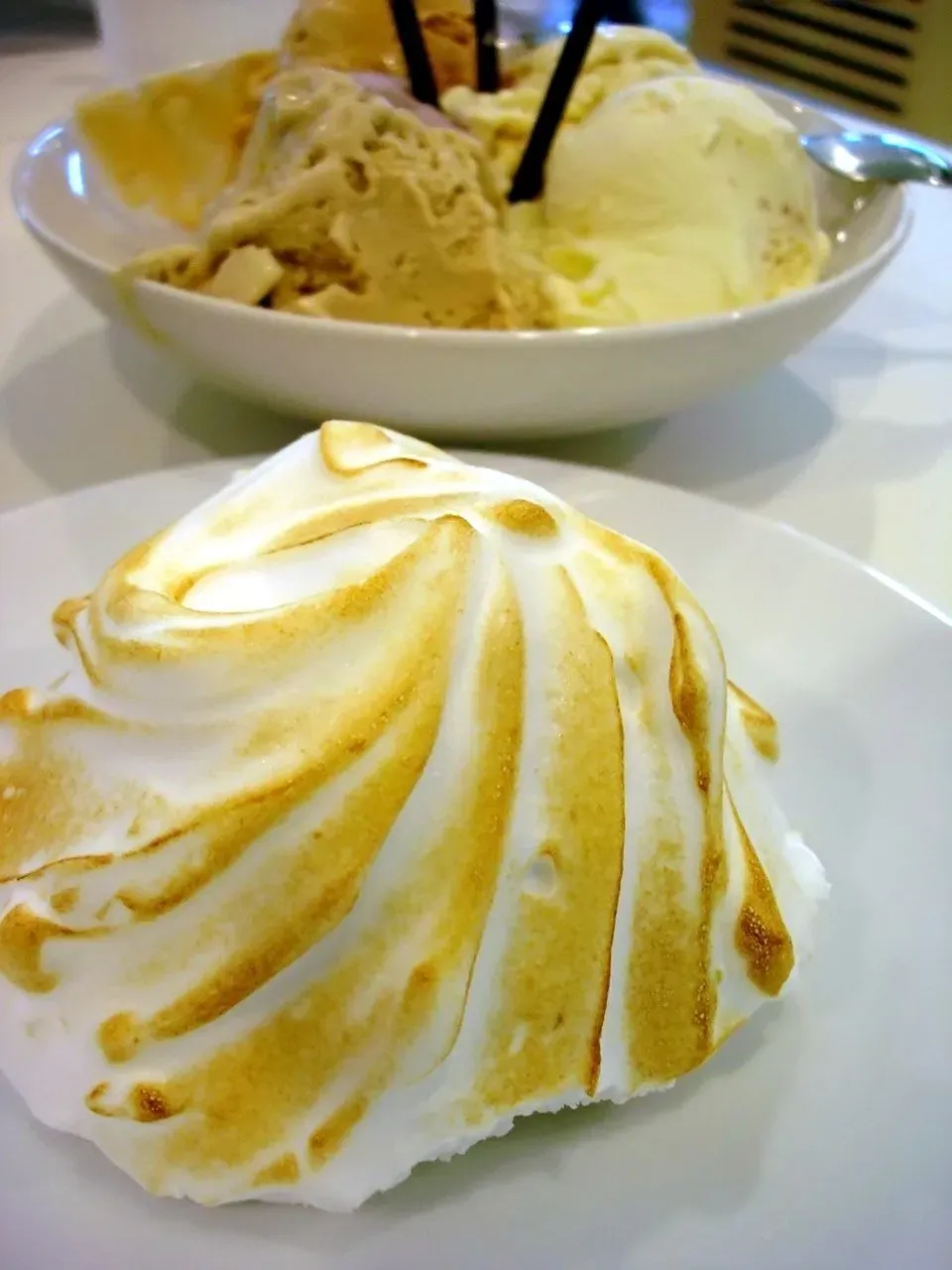
Walking into a fifties dinner party and seeing a Baked Alaska was like witnessing magic. It involves covering half a tub of ice cream with sponge cake, baking it in the oven, and then covering it with browned meringue to make an impressive-looking dome. The concept seems almost absurd when you think about it. Ice cream in a hot oven?
One commonly accepted theory is that it was created at New York steakhouse Delmonico's years before, in the 19th century. Initially created to celebrate the 1867 Alaska Purchase, the original name of the dessert wasn't baked Alaska, but Alaska, Florida. The theatricality of this dessert was unmatched, honestly. It was very much a showpiece, not an everyday dessert, and would often be served after other 1950s classic dinner recipes, like beef Wellington and savory Jell-O salad. The amount of effort required might explain why it disappeared. Who has time to construct an ice cream mountain these days?
Cherries Jubilee: Fire Meets Fruit
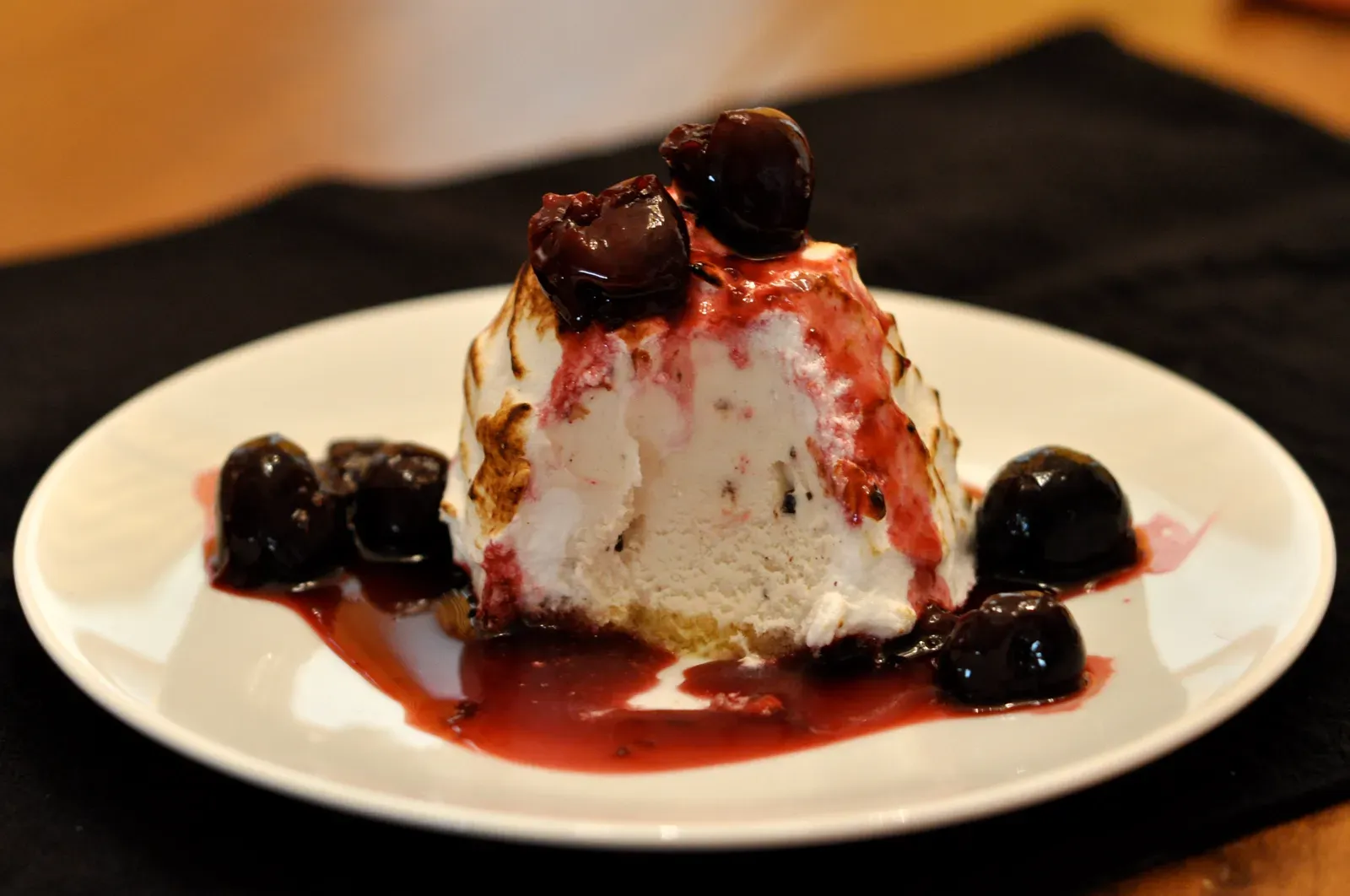
Few desserts captured fifties glamour quite like Cherries Jubilee. In the 1950s and '60s, you could find cherries jubilee everywhere - in cookbooks, on restaurant menus, all over the place. The appeal was obvious. The beauty of it was that it was simple to prepare, yet it came with a big, dramatic finish by way of fire.
The recipe is generally credited to Auguste Escoffier, who prepared the dish for one of Queen Victoria's Jubilee celebrations, widely thought to be the Diamond Jubilee in 1897. Essentially, cherries jubilee is made by sautéing the namesake ingredient with sugar and orange zest or juice. Once cooked to a gooey consistency, kind of like pie filling, brandy is added, and the entire thing is flambéed. After that, it is spooned into a bowl and served with a scoop of vanilla ice cream. Let's be real, the seventies happened and people got over the drama. In the '70s, the excess theatricality of the dessert fell out of fashion, so just like the baked Alaska, cherries jubilee was seen less and less.
Pineapple Upside Down Cake: The Tropical Showoff
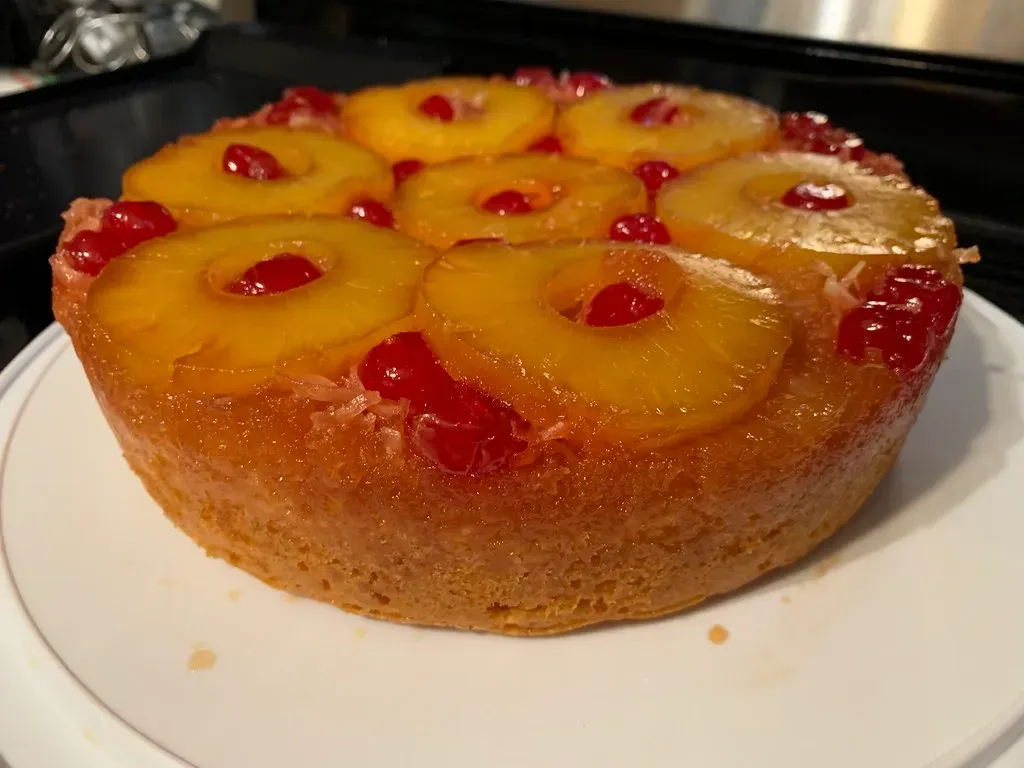
Another dessert that had existed for some time but soared in popularity during the 1950s was pineapple upside-down cake. Walk into any home in mid-century America and you'd likely smell this beauty baking. The glistening rings of caramelized pineapple with those bright red cherries in the center created a dessert that looked like edible art.
There is no exact date when this cake was created but most signs point to the 1920s. The two earliest printings of this recipe found were in a 1924 Seattle charity cookbook under the name Pineapple Glacé and a 1925 women's magazine in an full page ad for Gold Medal flour. The 1950s and 60s were perhaps the heyday of this cake (frequently made with boxed cake mix), as it became a pop icon. Pineapple was a very trendy ingredient (think avocados now) in the 20s and therefore this cake was considered elegant. In the 1970s, as American culture and tastes changed, some began viewing upside-down cake as something of a cliché and out-of-style. It's hard to say for sure, but maybe we just got tired of canned pineapple.
Peach Melba: The Opera Star's Namesake
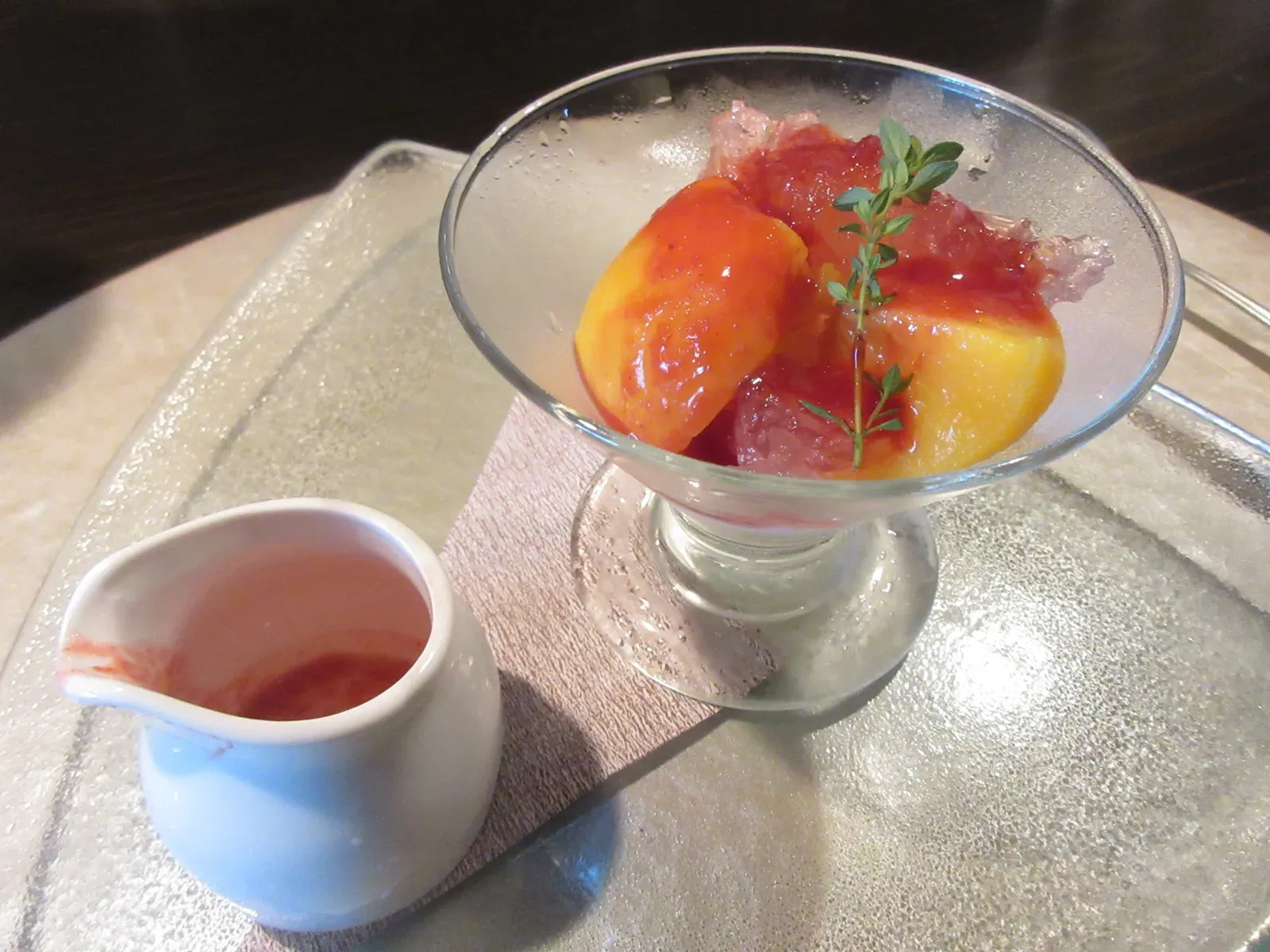
This elegant dessert has a story worthy of its sophistication. Auguste Escoffier was the first to combine peaches with raspberry puree and vanilla ice cream, forming a simple but delectable dessert in 1893. Escoffier christened the dish "peach melba," after Nellie Melba, a famous opera singer of the day. Imagine having a dessert named after you. That's peak fame right there.
The mid century also showed great interest in Peach Melba which was considered a quite elegant dessert. The dish appeared on hotel menus and in dining room dinner parties alike. In the 1950s, a bottled Melba sauce was on the markets as well as peach Melba flavored ice cream. The simplicity of fresh peaches, vanilla ice cream, and raspberry sauce seems almost too easy for something so fancy. In cookbooks, you can find recipes for peach Melba pies and cakes as well as other dishes based on the peach raspberry flavoring. Perhaps we abandoned it because we're now obsessed with more complex flavor combinations.
Crepes Suzette: The Accidental Masterpiece
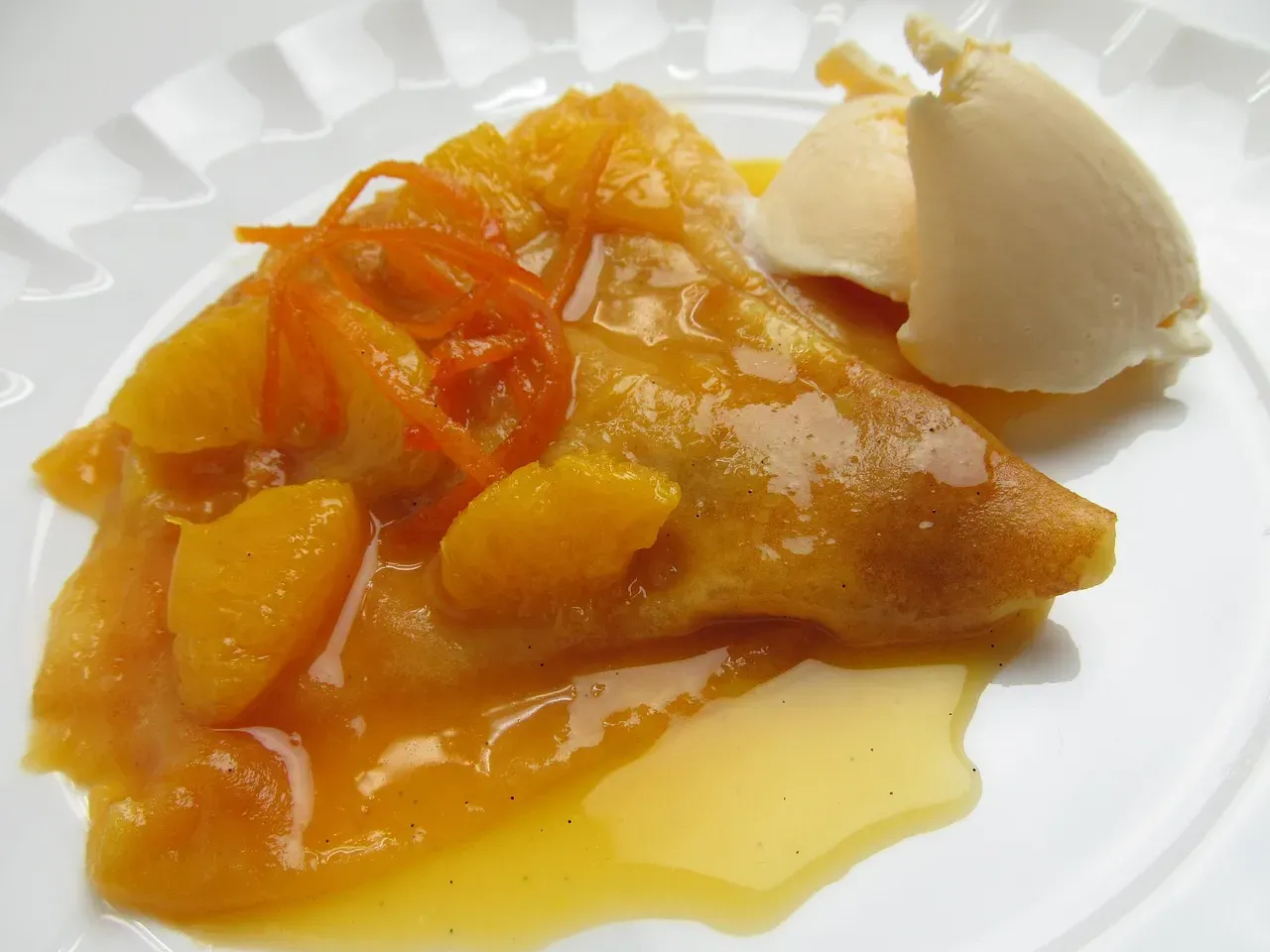
Americans latched onto the idea of crepes in the 1950s, primarily in the form of crepes suzette, a sweet variety featuring an orange juice and Grand Marnier-based sauce. The origin story involves either a happy accident or culinary genius, depending on which tale you believe. Henri Charpentier was the new of the very famous Escoffier and worked at Monte Carlo's Café de Paris where he was asked to create crepes for the prince of Wales. Young Henri was lauded when he spilled brandy into his concoction when it spun into flames much to the prince's amusement. Crepes Suzette were born.
By the 1960s, a nationwide crepe-centric restaurant chain opened, dubbed the Magic Pan, with more than 100 locations. A New York Times restaurant review noted that the only major flaw at the Magic Pan was the overabundance of customers waiting their turn to enter the restaurant. The tableside flambé presentation made this dessert restaurant-worthy entertainment. Making these at home required confidence and a willingness to play with fire, literally. I know it sounds crazy, but that combination of orange liqueur and flame created something unforgettable.
Jell-O Molds: The Jiggly Status Symbol
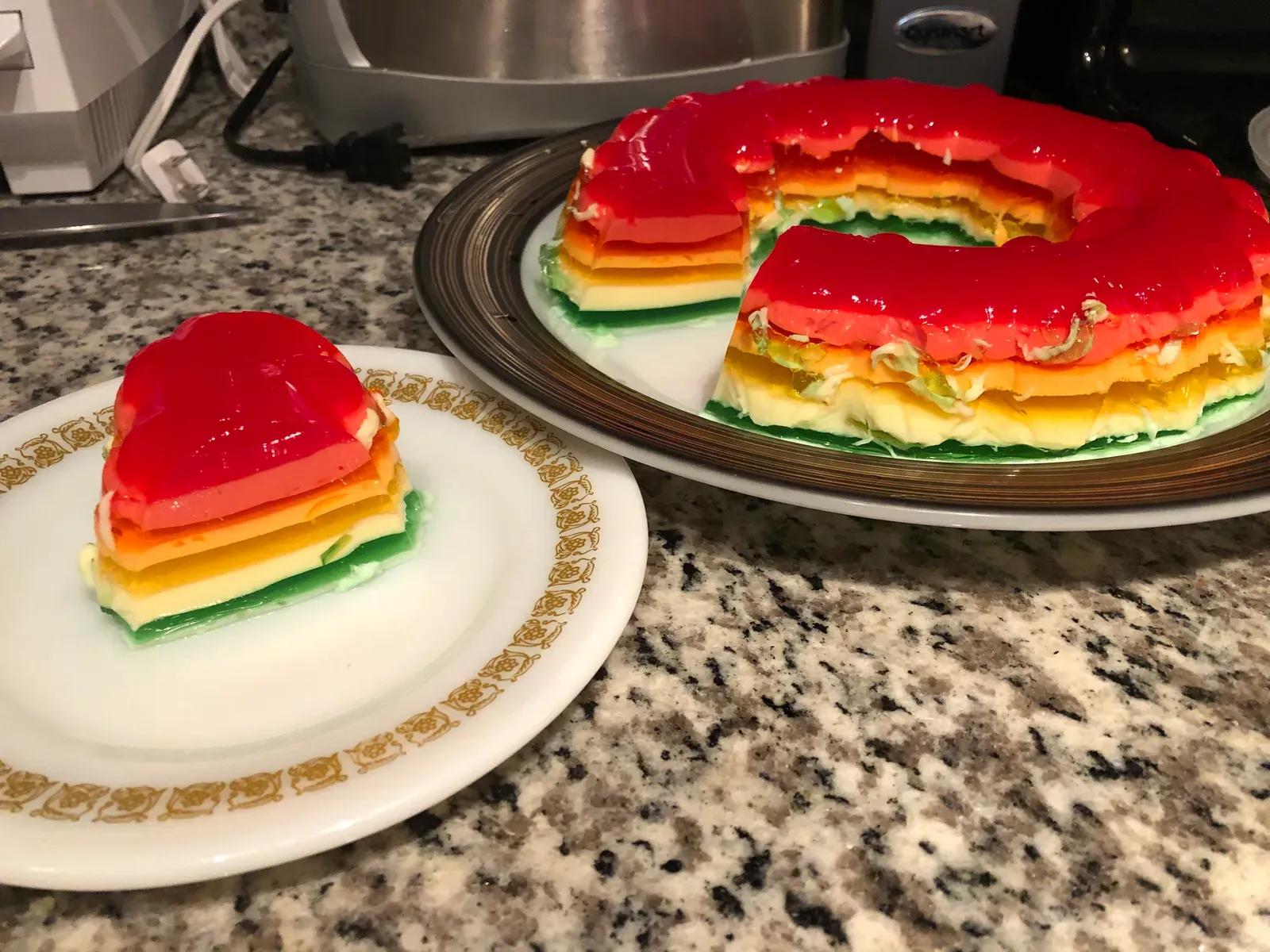
They may sound somewhat lackluster or unusual today, but in the 1950s, they were wildly popular. Brightly-colored, glossy, jiggly, and almost futuristic in appearance, Jell-O molds were all the rage, and some would even say they were the most popular dish in post-war America. These weren't your simple cups of Jell-O. We're talking elaborate constructions with fruit suspended in shimmering gelatin towers.
While most food historians agree that aspics reached their apex in the mid-20th century, no one can accurately explain why aspic was so popular. I quizzed my mother and a table of her friends last night at dinner on this subject, and they all unanimously agreed that aspic looked, felt and tasted disgusting. Yet they all felt obligated to make and eat it in the 1950s and 1960s regardless. Not only did they exemplify the near-perfect appearance standards of the error, but they were also incredibly simple to make. The futuristic appeal of Jell-O molds wasn't strong enough for it to maintain popularity for long; it started to decline in the '60s, but your grandparents probably loved them.
Leave a Reply