
There's something almost surreal about sitting in a centuries-old piazza, surrounded by the smell of wood-fired pizza and fresh espresso, only to realize that nearly every person around you is a tourist. In the world's most beloved food cities, that scenario isn't an occasional quirk - it's the daily reality. The intersection of culinary fame and mass tourism has created a tension that's boiling over across the globe, from the narrow canals of Venice to the geisha districts of Kyoto.
Residents in these places are no longer quietly tolerating the crowds. They're protesting. They're leaving. They're watching their neighborhoods transform into something unrecognizable. So what's really going on behind the pretty Instagram photos and the Michelin-starred menus? Let's dive in.
Barcelona, Spain: Where Water Pistols Became a Political Statement
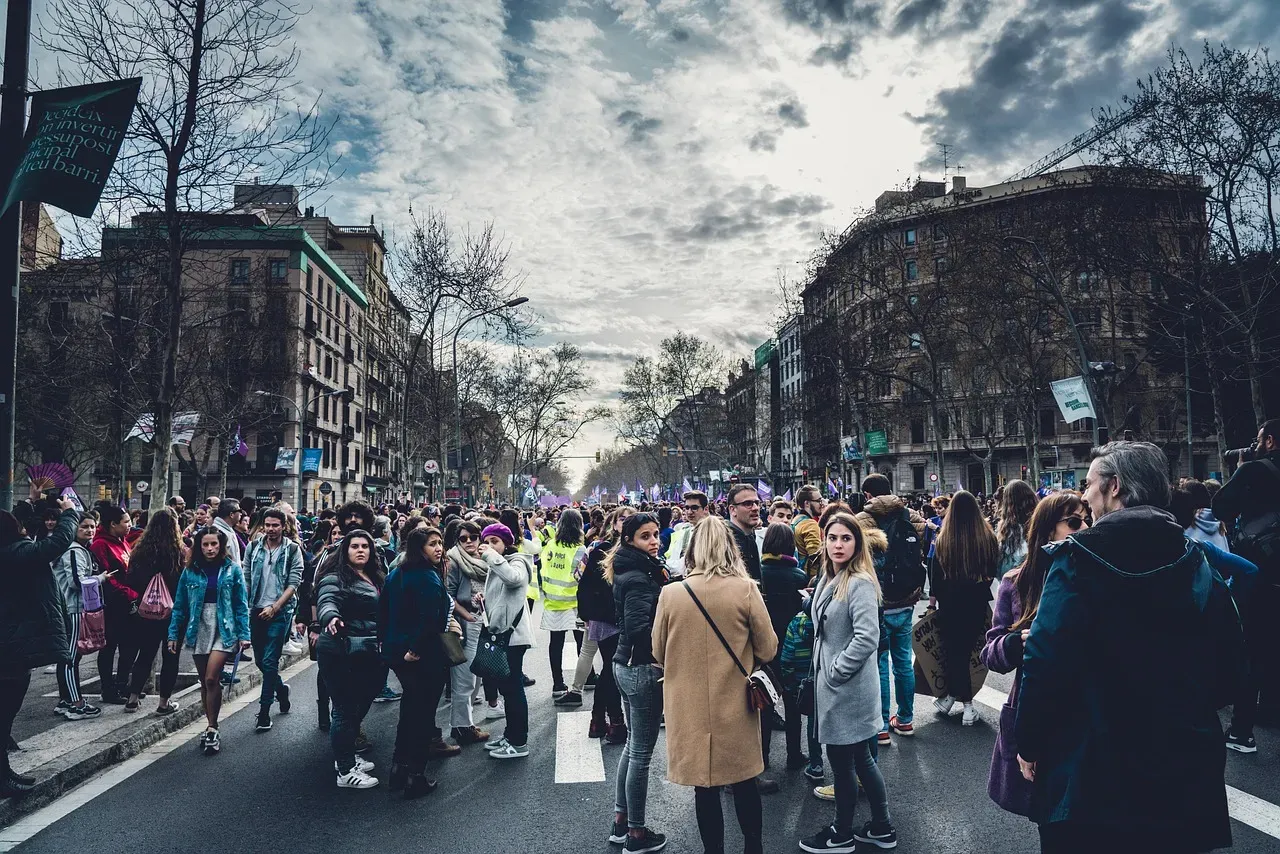
Few cities illustrate the food-tourism paradox quite as dramatically as Barcelona. Known worldwide for its tapas culture, vibrant markets like La Boqueria, and a dining scene that draws pilgrims of gastronomy from every continent, the city has become the definition of a destination overwhelmed by its own fame.
With a staggering 32 million annual visitors and a population of just 1.6 million, Barcelona has become a poster child for overtourism - that's roughly twenty tourists for every single resident annually. It sounds almost absurd when you put it that way, like a dinner party where the guests have taken over the host's bedroom.
The frustration reached a boiling point in July 2024 when residents used water pistols against tourists in coordinated protests, with protesters carrying signs reading "One more tourist, one less resident," highlighting the housing crisis that forces locals out of their own neighborhoods.
In Barcelona, these circumstances have led to a 68% increase in rent over the past decade. Barcelona announced plans to eliminate all tourist rentals by 2028, while Valencia's inspections of tourist apartments increased by 454 percent in 2024, with the closure of 278 illegal residences already ordered. Whether those pledges translate into action remains, honestly, an open question.
Venice, Italy: A Living City Turned Open-Air Restaurant
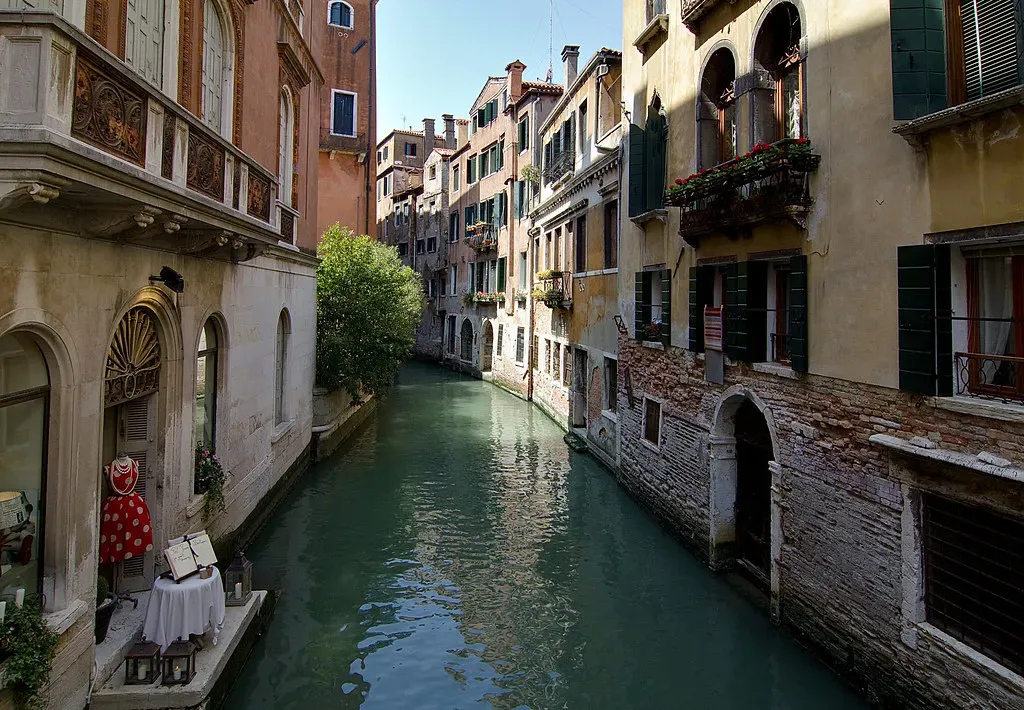
Venice is the city every food lover dreams of - prosecco at a canal-side bacaro, risotto al nero di seppia, cicchetti eaten standing up at a marble counter. The problem is that just about everyone on Earth has had that same dream.
In 2024, the city welcomed around 12.2 million visitors, recovering fully from the pandemic slowdown, and with the introduction of a new tourist entry fee, Venice continues to balance its popularity with sustainability efforts to protect its fragile lagoon ecosystem. During the summer months and major holidays, daily visitors can exceed 80,000 - often double the city's resident population.
In 1951, the historic center boasted a peak population of 174,808 residents, but by 2022, fewer than 50,000 inhabitants remained, marking a staggering 72% decrease from its mid-century peak. The food in restaurants, the produce in shops, and even the music being played in bars all cater to tourist tastes rather than the needs of local people, while job opportunities dwindle as employers gradually move to the mainland because of skyrocketing rents.
Venice now has more tourist beds than residents, and the high demand for tourist accommodation drives up property prices, making housing unaffordable for locals. In 2025, a total of 723,497 visitors paid Venice's day-tripper fee, though the daily average number of visitors was only slightly less than the previous year. The fee hasn't really stopped the crowds. It's just generated revenue.
Kyoto, Japan: Ancient Temples, Modern Exhaustion
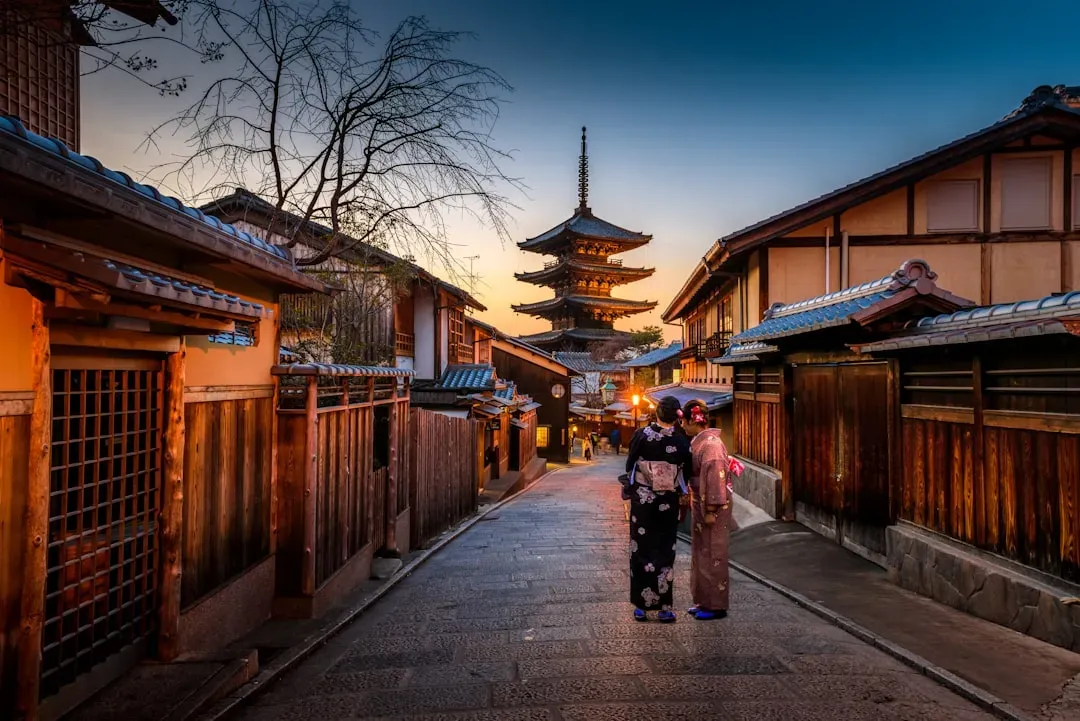
Kyoto's food culture is extraordinary and deeply tied to place. Think kaiseki, tofu cuisine from Fushimi water springs, and matcha sweets served in sliding-door teahouses. Tourists come precisely because it feels like another world. The irony is that the sheer volume of them is destroying exactly that quality.
According to Kyoto City officials, a combined total of more than 56 million international and domestic tourists visited the historic city in 2024. For a city of around 1.5 million residents, that's an astronomical number. Roughly 90% of Kyoto residents surveyed by Japan's Yomiuri Shimbun newspaper complained about overtourism, with one of the biggest grievances being rude or disrespectful behavior by foreign tourists.
In Japan, instead of "overtourism," locals say "kankō kōgai," which means "tourism pollution," and it is used by locals to express how overtourism affects their daily lives. Many Japanese residents have come to be negatively impacted, and "tourist pollution" describes their feelings perfectly.
In a recent Kyoto City survey, the top complaint among citizens was the overcrowding of city buses, which locals rely on for commuting and schooling. "Tourists fill up buses early in the morning, and students can't get to school on time," one local said. Other concerns included poor tourist manners, such as trespassing into private property for photos. Starting in 2026, the accommodation tax will rise to 10,000 yen (about 60 euros) per person per night, ten times higher than the previous limit.
Santorini, Greece: When Paradise Becomes Suffocating
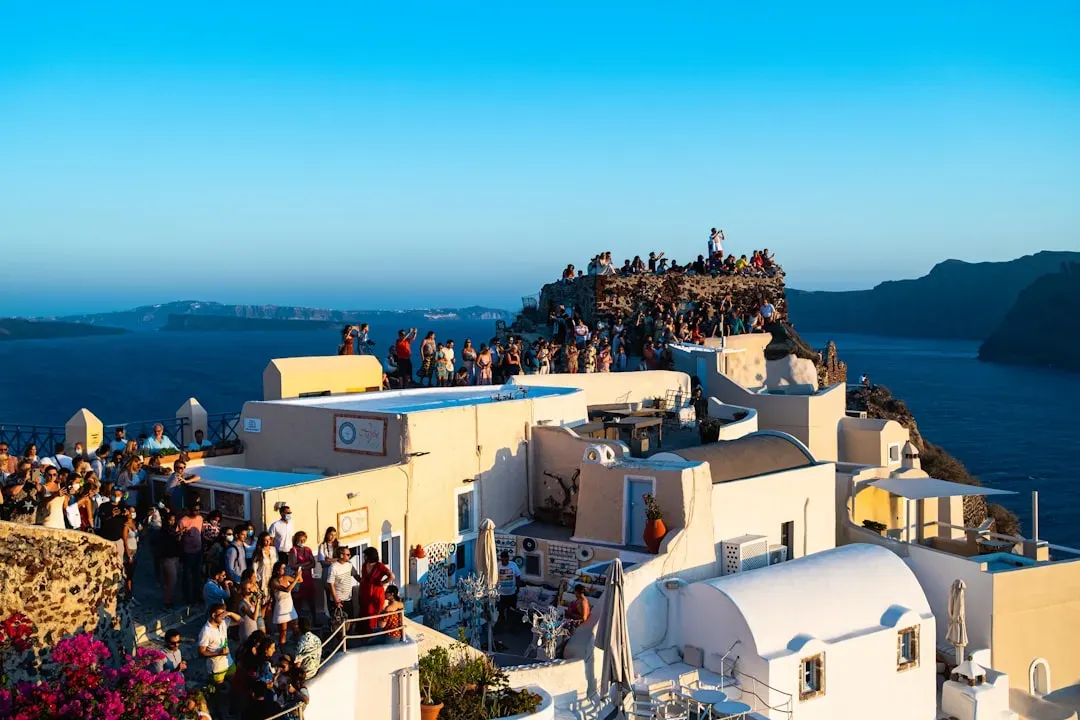
Honestly, no destination on this list feels the tourist-to-resident imbalance quite as viscerally as Santorini. The island's food scene - fresh seafood, fava bean puree, sun-dried tomatoes, local Assyrtiko wine - has become one of the most Instagrammed dining experiences on the planet. The problem is that the planet knows it.
Santorini's 15,000 permanent residents are regularly overwhelmed by tourists who outnumber them several times over during peak season, with reports from 2024 showing up to 18,000 cruise passengers overwhelming the island daily. Let that sink in. On a given summer day, the number of cruise tourists arriving alone can exceed the entire population of the island.
The narrow streets of Oia and Fira become gridlocked human traffic jams, with visitors jostling for the same sunset photo that's been taken millions of times. The island's infrastructure wasn't designed for this volume. Water resources are stretched thin, waste management systems are overwhelmed, and the local way of life has been almost entirely replaced by tourism services.
Measures to address the crisis include a tourist tax, a temporary ban on new short-term rental licenses in certain areas, and daily visitor caps to the Acropolis since 2023. Residents in Athens and Paros have protested against overtourism, accusing tourists of displacing locals and diluting the city's character on islands like Santorini and Mykonos.
Palma de Mallorca, Spain: Sun, Food, and Fury
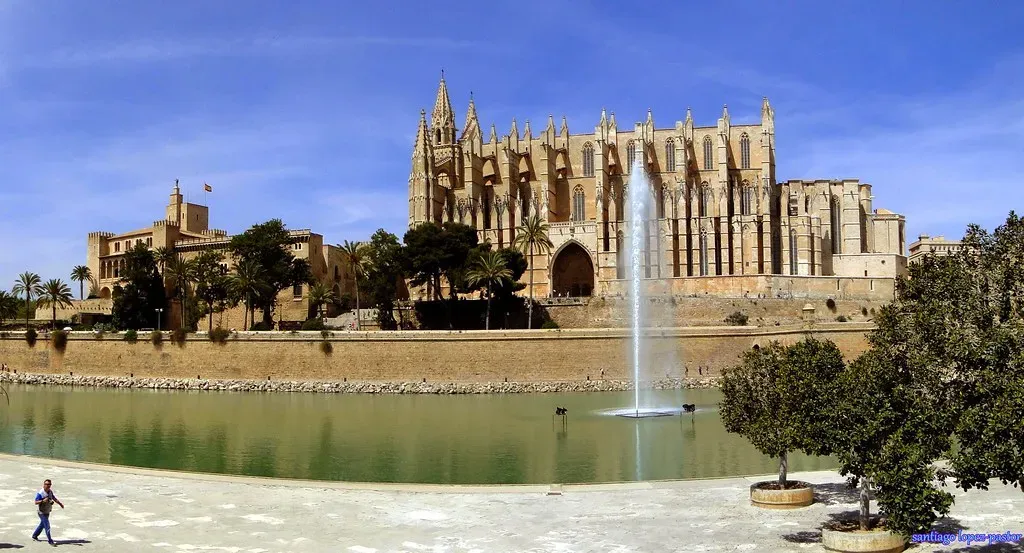
Mallorca sits in a strange contradiction. Its cuisine - sobrasada, tumbet, ensaïmada pastries, and incredible local wines from the Binissalem region - represents centuries of island identity. Yet its streets feel increasingly less like home to the people who actually live there.
On July 21, 2024, 20,000 people demonstrated in Palma de Mallorca against mass tourism. That's not a small fringe movement. That's a substantial portion of a local population collectively saying enough is enough. The share of inbound visitors out of total arrivals in Palma de Mallorca exceeds 80 percent, giving new attention to the overtourism phenomenon.
Last September 2024, the number of tourist lodging beds actually surpassed the resident population for the first time - a startling statistic that reveals how thoroughly tourism has transformed the city into something unrecognizable to its own people.
Protests in Mallorca, the Canary Islands, and Barcelona continued into February 2025 where residents demanded higher tax rates and limitations for foreign investors to decrease housing prices. Overtourism drives inflation and rising living costs, increases local taxes for infrastructure, and leads to a decline in traditional jobs as tourism dominates the economy. Local chefs and restaurant owners increasingly report that the young locals they'd normally hire are simply moving away.
Athens, Greece: The Food City That Can't Breathe
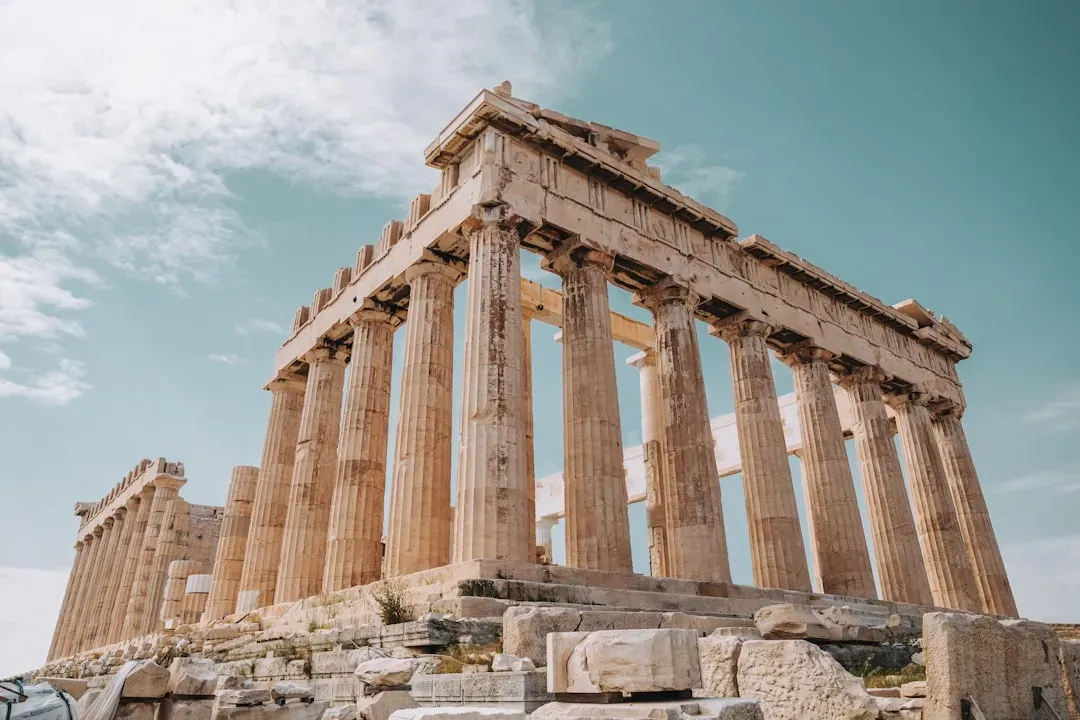
Athens has had something of a culinary renaissance over the past decade. Street food culture, neo-taverna dining, natural wine bars in Monastiraki - the city has genuinely earned its reputation as a food destination. It has also, perhaps too successfully, earned its place on every travel bucket list.
Athens proper has roughly 650,000 residents, but visitor numbers are projected to continue growing significantly from the approximately 8 million who visited in 2024. This extraordinary ratio means roughly fifteen tourists for every resident, creating unprecedented strain on urban systems. The massive influx contributes to pollution, litter, congestion, and crime, while short-term holiday rentals fuel a housing crisis.
Local governments and residents believe that overtourism has contributed to reduced quality of life and increased living costs, with anger among locals reaching new levels in 2024. Local residents often experience antagonism and exclusion from public spaces and amenities due to overcrowding and disruption caused by tourists.
Economically, the large increase in tourism leads to higher residential rents and asset prices, disproportionately affecting low- and middle-income residents. It's a cruel irony that the very people who cook the food, run the markets, and sustain the culture that tourists come to experience are the ones getting priced out of their own neighborhoods.
Lisbon, Portugal: Europe's Hottest Food City, and Its Newest Headache

Lisbon's food scene has exploded in global consciousness. Pastel de nata from a corner bakery, petiscos in Alfama, grilled sardines during the June festivals. It's a city where eating is still tied to everyday ritual. Or at least it was, before the world showed up all at once.
Portugal saw a 26% increase in arrivals in 2024 - and its popularity shows no signs of waning, as the country continues to rank high on lists of best countries to visit. In 2024, Europe's tourism numbers reached new heights, with foreign arrivals surpassing 2019 figures, with a year-on-year increase of 12% since 2023.
Much of the recent backlash from locals is because tourism is coming at the cost of a lower quality of life and spiking housing costs. With an uptick in the number of properties dedicated to hospitality, the market for rentals has shrunk, causing home prices to increase. Lisbon's historic Mouraria and Bairro Alto neighborhoods have seen beloved family-run tascas replaced almost entirely by trendy tourist-facing restaurants with laminated menus in six languages.
Overtourism drives inflation and rising living costs, increases local taxes for infrastructure, and leads to a decline in traditional jobs as tourism dominates the economy. Some of what we see today can be explained by tourist study models such as the Irritation Index, in which locals' attitudes toward tourism change gradually as the number of visitors increases, diminishing the quality of life. Lisbon is unmistakably accelerating through those stages right now.



Leave a Reply