
Think back to those dimly lit dining rooms of the seventies and eighties. Your parents wore their best clothes, guests laughed a bit too loud over cocktails, and then came dessert. Not just any dessert, mind you. These were theatrical showpieces meant to impress, dazzle, and maybe show off a little culinary prowess. Let's be real, when's the last time you saw someone flambé anything at the table?
These elaborate confections ruled the dinner party circuit for decades before quietly slipping into obscurity. Some required torches and brandy. Others demanded layers upon intricate layers. Today, they feel like relics from another era entirely, when entertaining meant pulling out all the stops and nobody worried about Instagram-worthy minimalism. So let's dive into the delicious, forgotten world of retro desserts that once made grown adults gasp with delight.
Baked Alaska
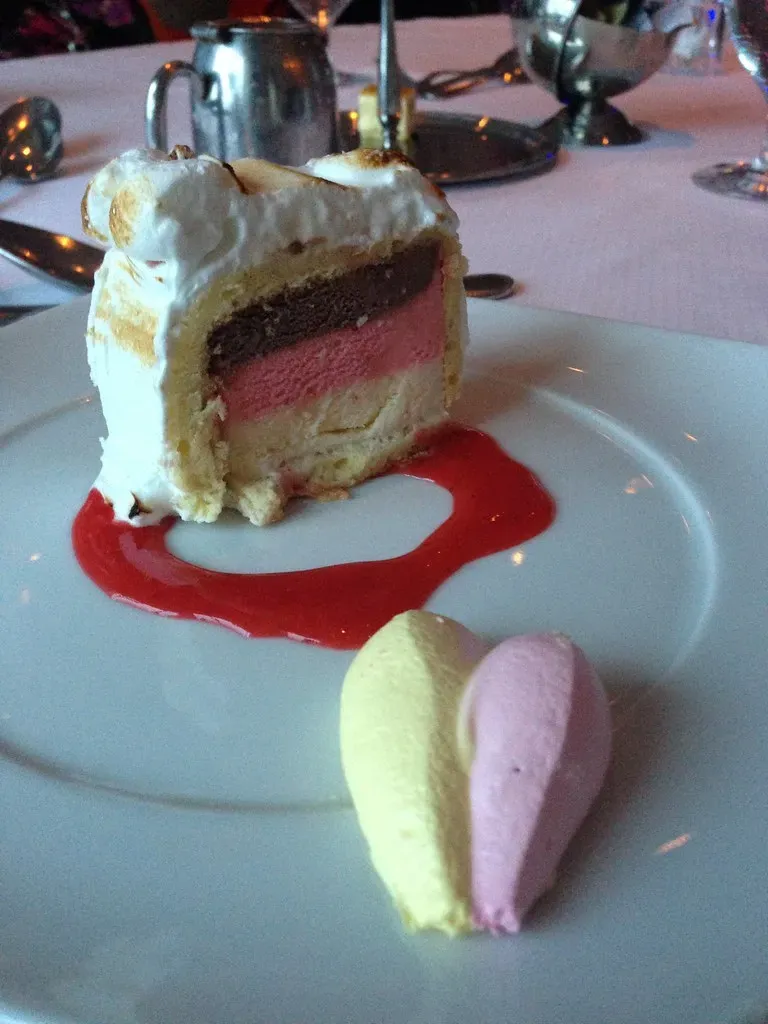
Baked Alaska is a dessert consisting of ice cream and cake topped with browned meringue. Here's the thing about Baked Alaska that still amazes me: you're literally putting ice cream in a hot oven and somehow it doesn't melt. The science is simple but feels like wizardry. The layer of sponge cake at the bottom and the coating of meringue, made of whipped egg whites and sugar, insulate well-chilled ice cream, creating this bizarre hot-and-cold experience that honestly shouldn't work but totally does.
The name "baked Alaska" was supposedly coined in 1876 at Delmonico's, a restaurant in New York City, to honor the acquisition by the United States of Alaska from the Russian Empire in March 1867. Though honestly, calling it anything else just wouldn't have the same ring to it. It grew to be a popular hostess dessert and piece de resistance during 60's and 70's, but went the way of bell bottoms and disco clothes in the 80's, practically vanishing from dessert menus everywhere. Much like its perennially lambasted sibling, flourless chocolate cake, baked Alaska consistently takes the cake as the most popular dessert on the menu when restaurants actually bother making it today. The theatrical presentation alone made dinner guests feel genuinely special, and let's face it, torching meringue tableside never gets old.
Cherries Jubilee
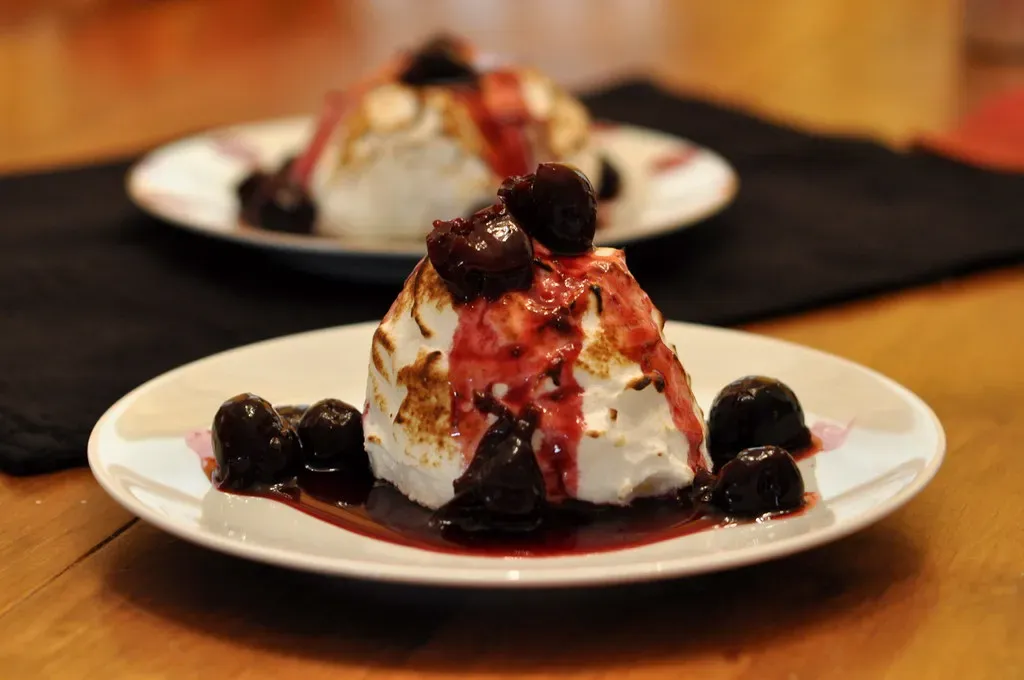
If Baked Alaska was impressive, Cherries Jubilee was downright dangerous in the best possible way. Cherries jubilee is a dessert dish made with cherries and liqueur (typically kirschwasser), which are flambéed tableside, and commonly served as a sauce over vanilla ice cream. Picture your mom or dad standing at the dining table with a long match, alcohol fumes rising from a copper pan, then whoosh - flames shooting up while everyone oohs and ahhs like it's Fourth of July.
The recipe is generally credited to Auguste Escoffier, who prepared the dish for one of Queen Victoria's Jubilee celebrations, widely thought to be the Diamond Jubilee in 1897. So yeah, this dessert has royal pedigree. This original recipe was created by famous French chef Auguste Escoffier for Queen Victoria's Diamond Jubilee (the 60th anniversary of her becoming queen) in 1897. She loved cherries, which explains everything really. The whole flambé process wasn't just for show either. Adding cherry liqueur and flambéing it, this quick flame burns off the alcohol and deepens all the rich, grown-up flavors that make it so good over vanilla ice cream.
Nowadays you'd be hard-pressed to find anyone willing to set dessert on fire in their own home. Liability concerns? Safety paranoia? Whatever the reason, this once-ubiquitous dinner party finale has become almost extinct. Honestly, we're missing out.
Pineapple Upside Down Cake
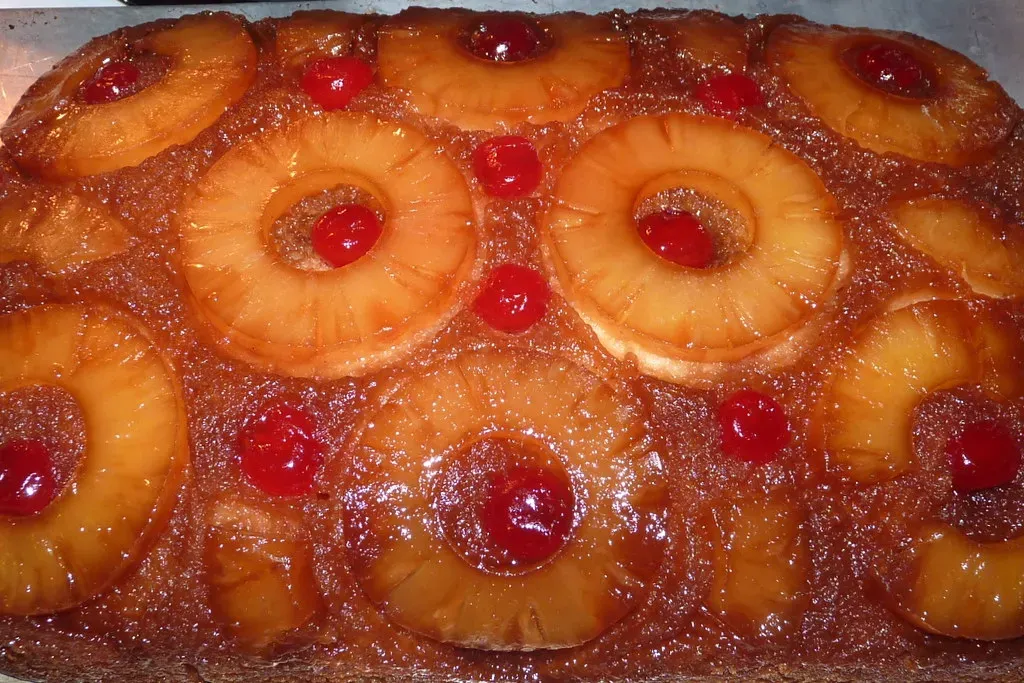
The Pineapple Upside Down Cake, which was so popular in the 1950s and 1960s, is again gaining in popularity. But let me tell you, for a solid three decades this cake absolutely dominated American dessert tables. Every single dinner party, potluck, or church social seemed to feature at least one of these golden beauties with their perfectly arranged pineapple rings and bright red maraschino cherries.
The backstory is fascinating. In 1925 the Hawaiian Pineapple Company sponsored a contest calling for (canned) pineapple recipes. They received a flood of 60,000 submissions of which an alleged 2,500 were for pineapple upside-down cake. No surprise then that the winning entry was - yes, a pineapple upside-down cake! Talk about market research. The company built a major advertising campaign around the winning recipe and by the mid-1930s pineapple upside-down cake was probably the most popular home-baked cake in America.
This was quite a popular cake in the fifties, sixties and seventies. Here's what I find wild: In the 1920s though, this cake was perceived much differently. Pineapple was a very trendy ingredient (think avocados now) in the 20s and therefore this cake was considered elegant. They wouldn't serve it as a simple dessert to end a meal but instead save for it for glamorous company. Imagine considering pineapple rings fancy! Times have certainly changed. The cake became so commonplace that it lost its glamorous reputation and became comfort food instead of haute cuisine.
Black Forest Cake
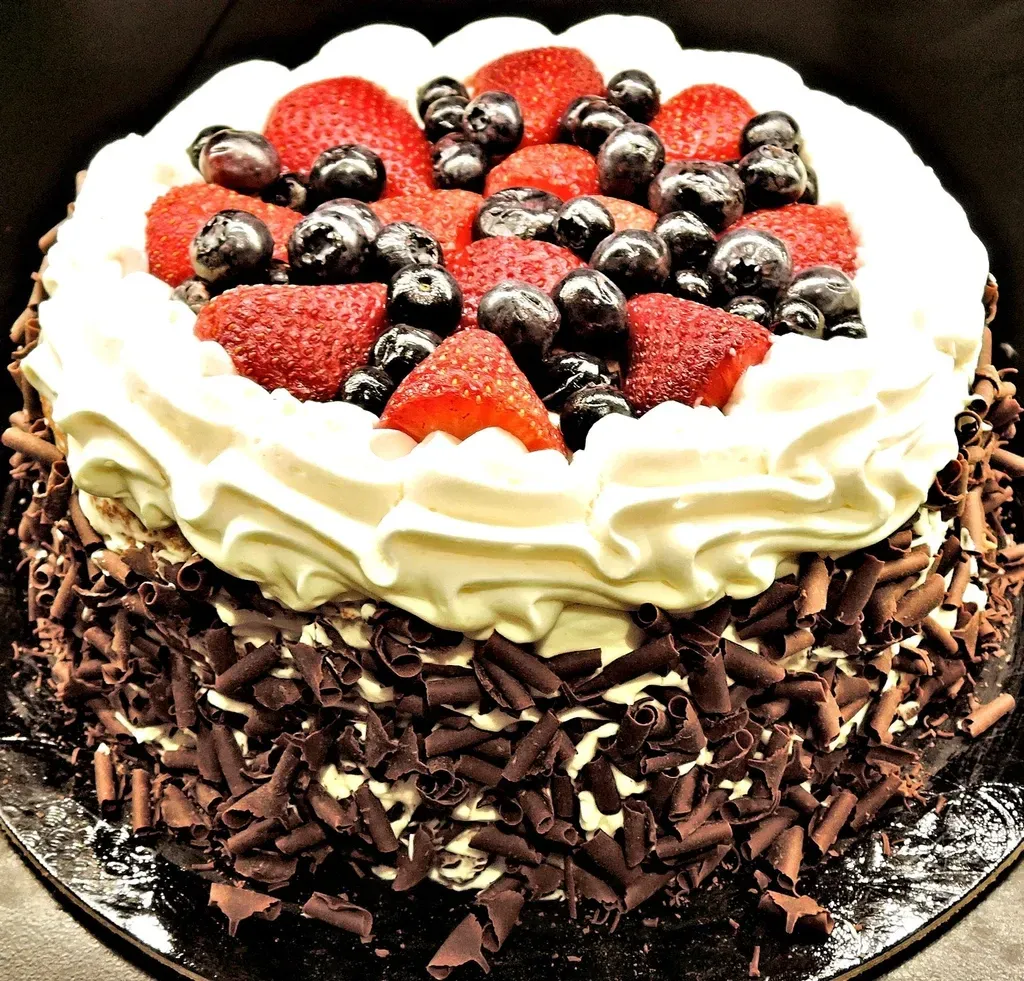
Dark chocolate. Cherries. Mountains of whipped cream. Kirsch-soaked layers. Why this majestic German creation, widely known as Black Forest gâteau, has fallen out of favour since the 1970s is a mystery. Rightly given gâteau status to elevate it beyond any old cake, this decadent chocolate sponge sandwich - layered with cherries and whipped cream - looks delicious, tastes delicious, and somehow still manages to feel retro rather than timeless.
By the 1970s, Black Forest gâteau had become a towering indulgence of chocolate, cream, and cherries: a symbol of sophisticated indulgence in old grey Ireland. During this decade, the cake moved from rarity to 'must-have' status for stylish hosts and restaurants. Every fancy dinner party worth its salt featured one of these towering beauties on the dessert table. The sheer visual drama of it - dark chocolate shavings cascading down white cream, glossy cherries perched on top - made it irresistible.
But then something shifted. In the 1990s, Ireland's culinary scene expanded and modernized, and Black Forest gâteau fell out of fashion. New desserts came into vogue, tiramisu, profiteroles, chocolate fudge cake, and New York cheesecake, pushing the old German cake off trendy menus. The once iconic gâteau came to be seen as a kitsch throwback, synonymous with 1970s dinner parties and 1980s banquet halls. It went from sophisticated to embarrassing almost overnight. Such is the fickle nature of food trends.
Chocolate Fondue
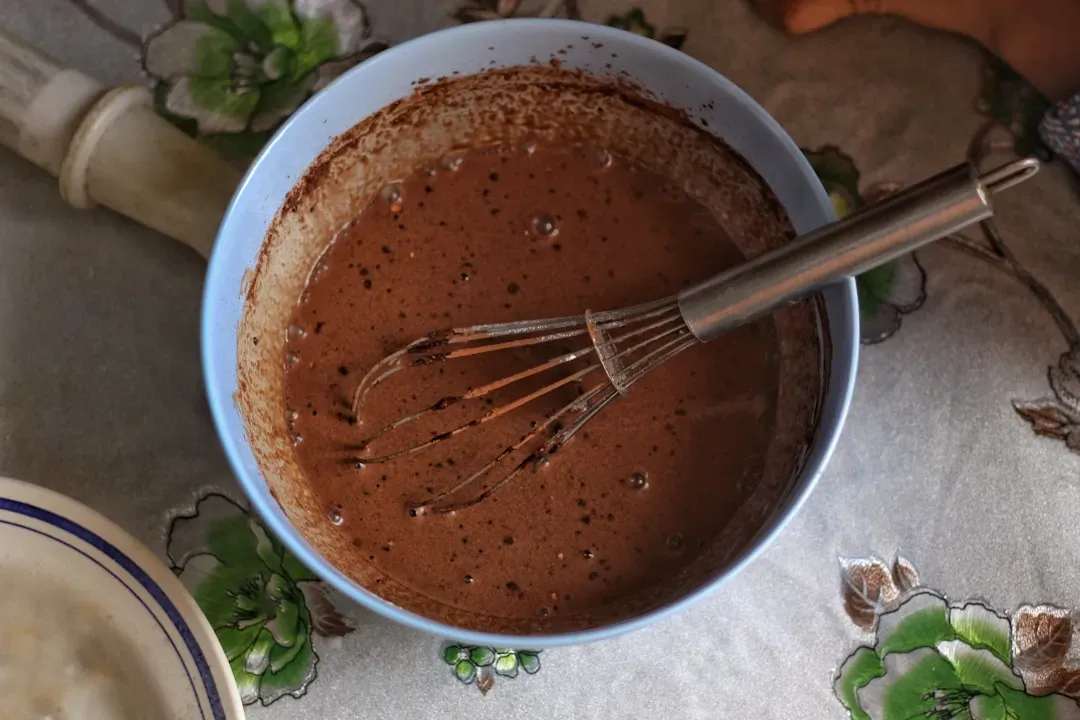
Remember fondue pots? Those ceramic vessels with little tea lights underneath that your parents kept in the back of some cupboard? Fondue gained popularity in the 1970s as a fun, interactive, and communal meal. As the trend took hold, fondue became a centerpiece at dinner parties, and the dessert version was even more popular than the cheese variety, if you can believe it.
One type of fondue that really stood out, though, was chocolate fondue. It was a symbol of pure decadence at the time. This dessert, inspired by Swiss cuisine, became incredibly trendy throughout the U.S. during the '70s as a way to close out a dinner party. Guests would gather around the table, spearing strawberries and marshmallows and cake chunks, dipping them into warm melted chocolate while making polite conversation. The interactive element made it feel special, less formal than traditional plated desserts.
You can also expect to find a variety of ingredients alongside the pot of melted chocolate, including strawberries, fruit, marshmallows, brownie bites, cookies, pretzels, and more. Basically anything you could stab with a tiny fork became fair game. The chocolate fondue disappeared not because it stopped tasting good - melted chocolate never goes out of style - but because the whole production felt too fussy for modern sensibilities. Nobody wants to haul out specialized equipment anymore when you can just drizzle sauce over ice cream and call it a day.
Mississippi Mud Pie
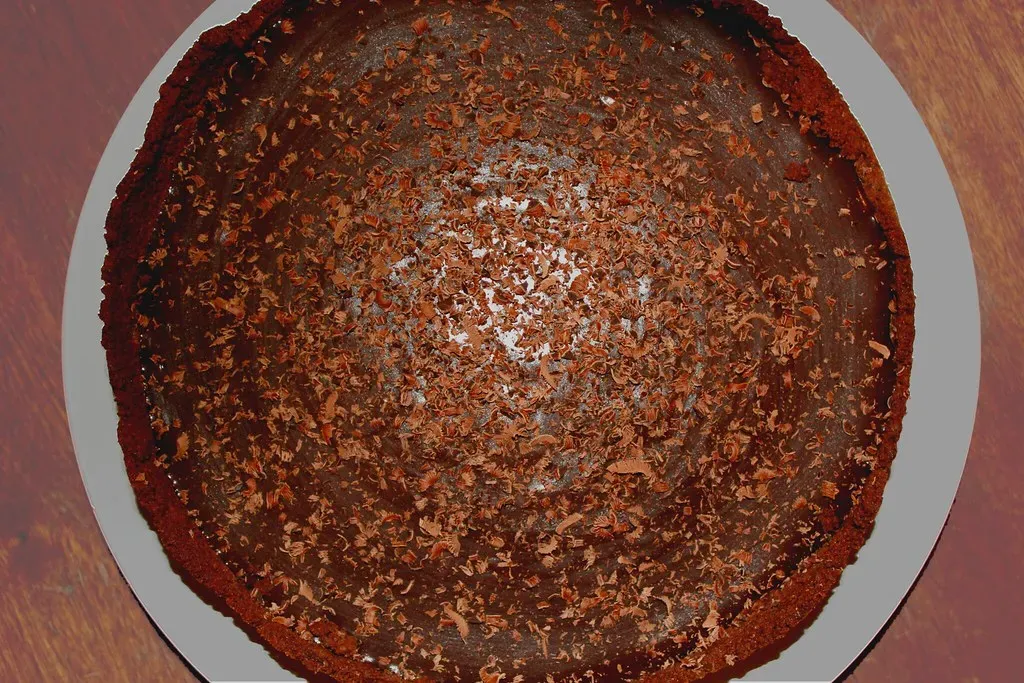
This dessert screams seventies excess in the best way possible. Rich. Gooey. Chocolate on chocolate on chocolate. It's no surprise that the Mississippi mud pie was a hit in the 1970s with its rich, gooey layers of chocolate decadence. Apparently, the name was inspired by the sludge of the Mississippi River mud which closely resembles the dense, chocolate layers of the pie. Appetizing origin story? Not exactly. Delicious anyway? Absolutely.
It was back in the 1970s, though, that the Mississippi Mud Pie came into being for the first time. The timeline makes sense when you consider the decade's obsession with over-the-top desserts. Because this dessert was so easy to make at home, countless people developed their own recipes and interpretations of its deep, rich flavors. Some versions had brownie layers, others featured chocolate custard, and nearly all of them included marshmallows somewhere in the mix.
What made Mississippi Mud Pie perfect for dinner parties was its make-ahead friendliness. You could assemble the whole thing in the morning, pop it in the fridge, and forget about it until dessert time. No last-minute stress, no flambéing disasters, just pure chocolate indulgence waiting patiently for its moment in the spotlight. Some desserts stand the test of time, and it's fair to say that Mississippi Mud Pie is one of them. Although this after-dinner treat does have a distinctly retro feel, you'll still find it in more down-to-earth eateries and diners, though rarely in anyone's home dining room anymore.
Robert Redford Dessert
Yes, this dessert was actually named after the actor, because apparently the seventies were just that enthusiastic about celebrity culture. This dessert was all the rage because not only was it very delicious, but it was named after a celebrity as well, making it the ultimate dinner party conversation starter. Imagine serving something called the Ryan Gosling Cake today - same energy.
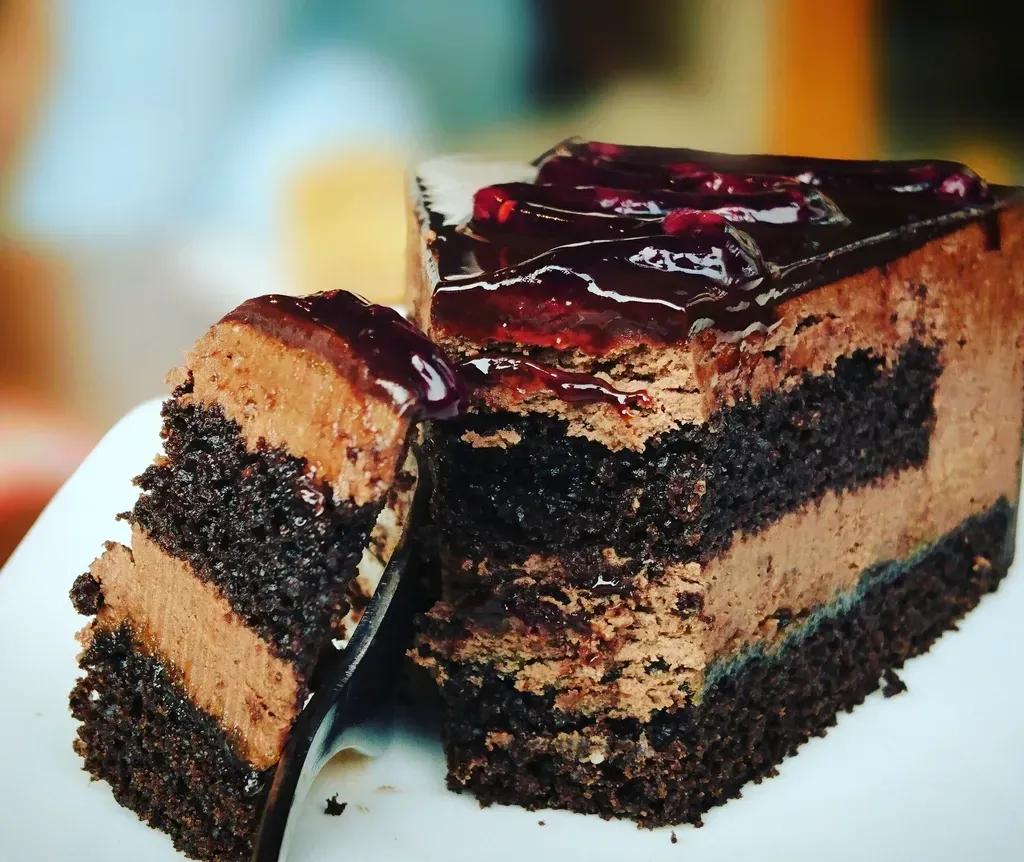
It's a very rich dessert that is made up of layers of chocolate crust, cream cheese, whipped topping, pudding, and pecans. Layer upon layer of sweet, creamy excess that honestly sounds more like a construction project than a dessert. A decadent treat that quickly earned nicknames like "Better Than Robert Redford" or "The Next Best Thing to Robert Redford" - showing just how adored both the actor and the dessert were. The whole naming scheme feels delightfully absurd now, but back then it made perfect sense.
To make it, you start by baking a buttery pecan crust that's usually homemade and letting it cool. Then, you spread on a fluffy cream cheese and whipped topping layer, followed by a rich layer of chocolate pudding. Finally, you top it off with more whipped topping and a generous sprinkle of chopped pecans. You then chill it in the fridge for a few hours, and you've got a crowd-pleasing dessert that requires zero baking skills beyond pressing crust into a pan. The simplicity probably contributed to its popularity - you could impress guests without actually being an accomplished baker.
These seven desserts represent a very specific moment in culinary history when dinner parties meant genuine effort, when showing off was expected rather than gauche, and when setting food on fire seemed like a perfectly reasonable way to end an evening. Sure, they've mostly disappeared from modern tables, replaced by simpler, less dramatic options. But honestly? The world feels a little less magical without the occasional flaming cherries or impossible frozen-yet-baked Alaska making an appearance.
What do you think? Would you brave the flambé and bring any of these beauties back to your own dinner table? Or do some things belong firmly in the past, admired from a safe nostalgic distance? Either way, these forgotten fancy desserts deserve recognition for the joy and drama they once brought to countless celebrations.


Leave a Reply