
Every week, something edible disappears into the trash. A half-used bag of spinach. Leftover soup that never got eaten. Chicken thighs that stayed in the fridge one day too long. It happens in nearly every household, and honestly, most of us don't even realize how much we're losing.
ReFED's analysis shows that the average American family of four throws out more than $3,000 worth of groceries each year. That's not a rounding error. That's a vacation, a car payment, or several months of rent in some cities. The frustrating part? A large chunk of that waste is entirely preventable. Your freezer, that humming box you probably open ten times a day, might be the most underused weapon in your kitchen. Let's dive in.
1. Treat Your Freezer Like a "Pause Button," Not a Graveyard
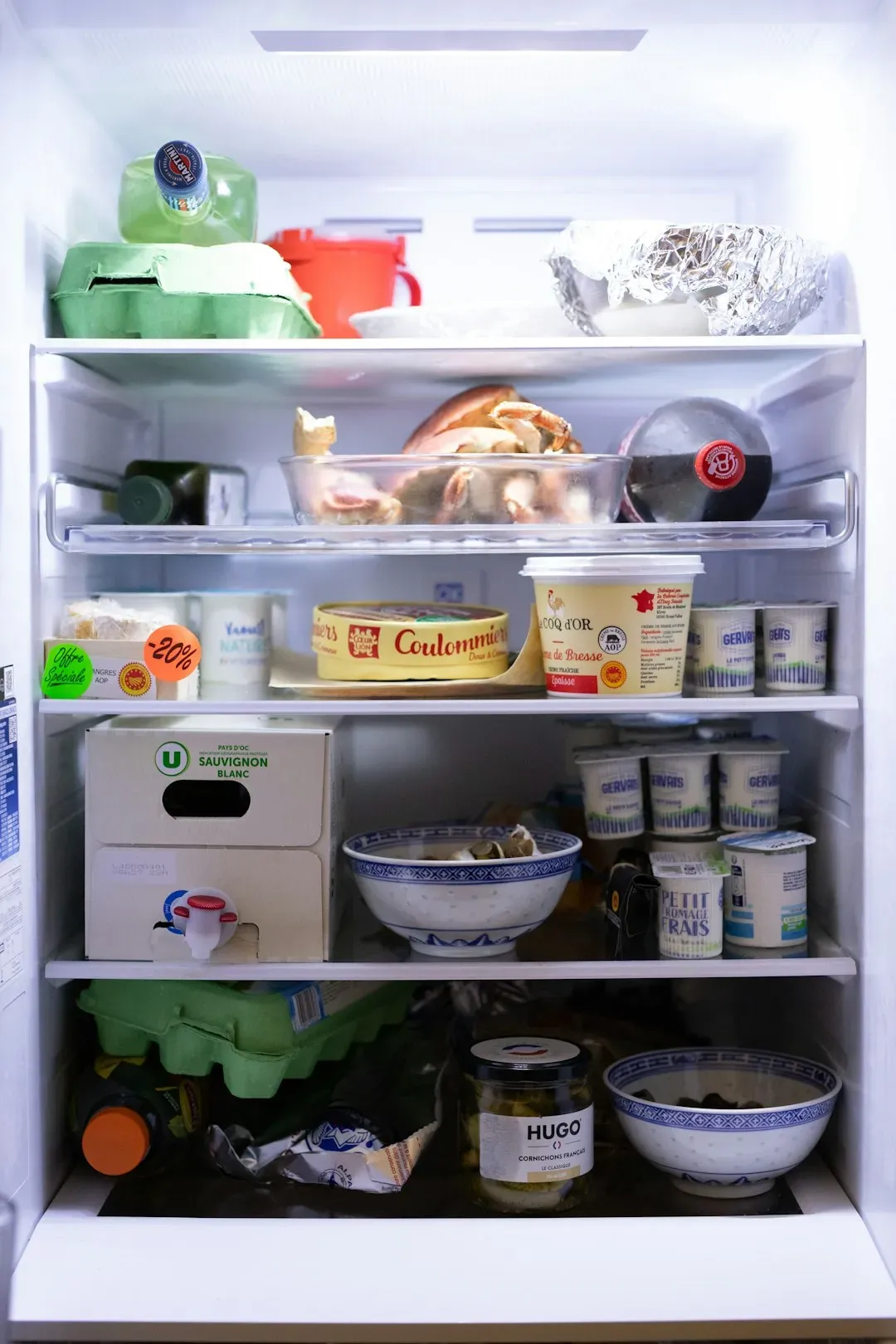
Most people only use their freezer when they absolutely have to. Something's about to expire, panic sets in, and in it goes. That's the wrong mindset entirely. Your freezer is a magic "pause" button to keep food fresh longer, and you can freeze most anything, cooked and uncooked. Think of it less like a last resort and more like a deliberate tool you reach for at the start of the week, not the end.
Researchers say urging consumers to stock their freezers might be one way to prevent premature disposal of food. Results showed that though overall food waste remained high, there was a bright spot: freezing food was associated with less food landing in the trash. That finding came from a major Ohio State University study published in the British Food Journal in late 2024. It's hard to argue with that.
Frequent home freezing appears to contribute to significantly less total food waste. People most likely to freeze food for later tended to be middle-aged or older and living in a home with three or more people, suggesting these consumers are more experienced at managing meals for a group. You don't need a culinary degree. You just need to shift how you think about the freezer's role in your kitchen.
2. Always Label and Date Everything (Yes, Everything)
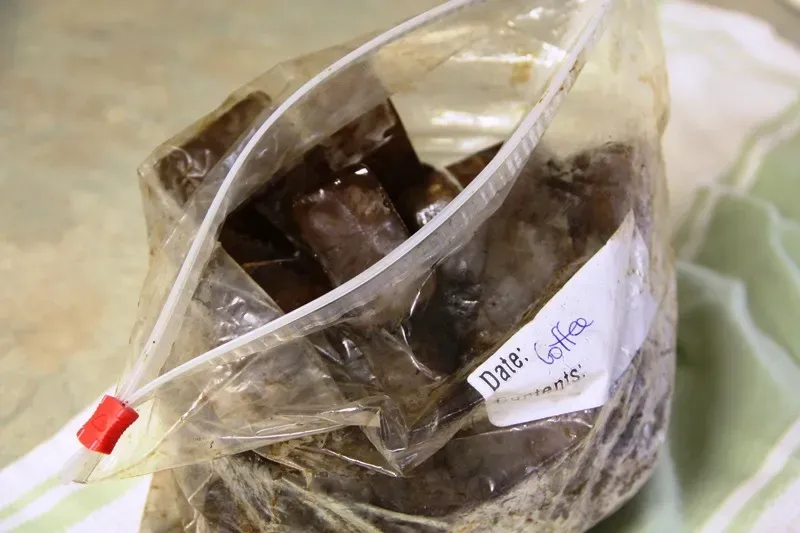
Here's the thing: the freezer can't help you if you have no idea what's inside it. Dating and labeling the contents with masking tape and a marker spares the item from never making it out of the freezer or becoming an unrecognizable ice block. That mysterious grey container from three months ago? Nobody's touching that.
Including the date of packaging and contents on each bag is a simple step that helps you rotate your stock and use items before they exceed their optimal storage time. It takes about ten seconds per item and pays for itself in food saved. Think of it as writing your future self a very useful note.
If you tend to forget what's in the freezer, or are planning to leave food in there for a while, it's worth taking the time to follow some basic guidelines: freeze in portions, use airtight containers to reduce freezer burn, and do a survey of what's in the freezer every once in a while, since quality does decline over time. A quick weekly scan of your freezer inventory can change your entire shopping and meal planning approach.
3. Use Vacuum Sealing to Dramatically Extend Shelf Life
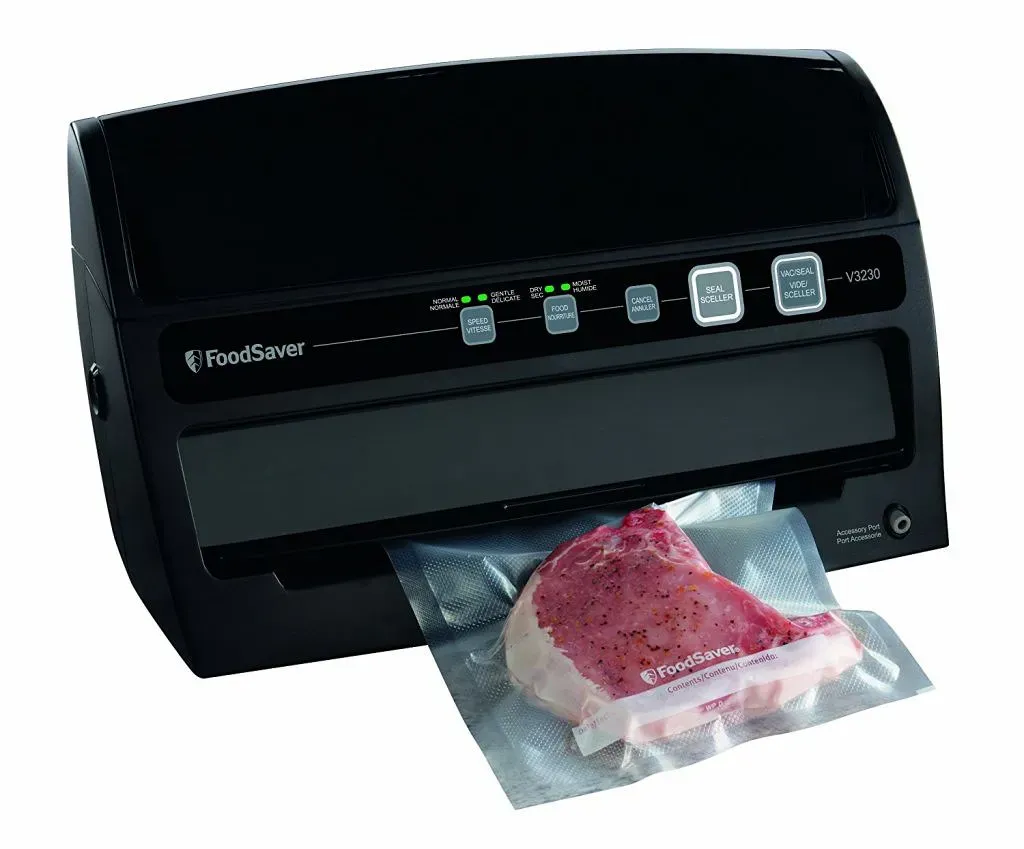
If you're still using regular zip-lock bags for freezing, you're leaving a lot of freshness on the table. On average, the process of vacuum sealing extends the shelf life of fresh food up to 3 to 5 times longer than a normal storage container. That's not a small improvement. That's the difference between food you'll actually eat and food you'll eventually throw away.
The science behind vacuum sealing lies in its ability to create an anaerobic environment, which means the absence of oxygen. Most microorganisms that cause food spoilage require oxygen to grow. By removing air from the packaging, vacuum sealing reduces the oxygen level around the food, thereby slowing down the spoilage process. It's not magic, it's chemistry. Beautifully boring, extremely useful chemistry.
When vacuum sealed, beef and poultry can be frozen for up to three years, hard cheese can keep for up to eight months in the fridge, and baking essentials such as flour and sugar are good for up to two years. Buying a vacuum sealer may seem expensive, but you will save money in the long run by wasting less food. It's worth the upfront cost.
4. Blanch Vegetables Before Freezing Them
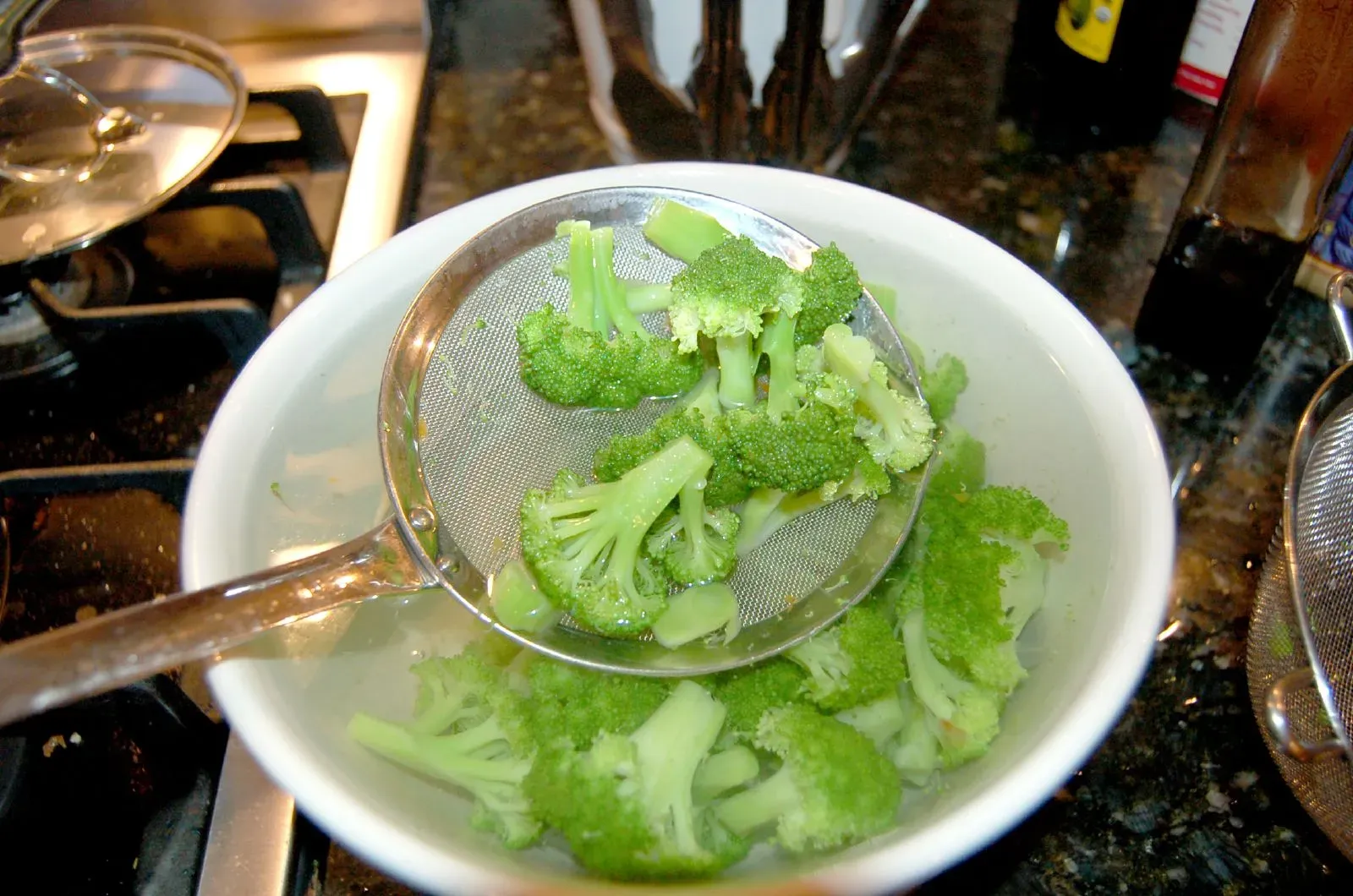
Raw vegetables don't always survive the freezer in great shape. Colors fade. Textures go strange. Flavors drift into something unpleasant. There's a reason commercial frozen vegetable brands don't just toss fresh produce straight into the cold. Blanching helps vegetables keep their vibrant colors and retain nutrients, and stops the enzymes that would otherwise lead to spoilage. Freezing vegetables without blanching them first results in faded or dulled coloring, as well as off flavors and textures.
The blanching process helps prevent enzyme breakdown, preserving the flavor and texture of the fruits and veggies you love. In addition, it cleans and disinfects the food by killing microorganisms on the surface to keep the food fresher longer. Most importantly, it also helps keep the nutritious value of the food intact and prevents the breakdown of essential vitamins and minerals.
Blanching and freezing vegetables significantly extends their shelf life and will allow you to prevent food waste and preserve your harvest much longer. When properly stored, most vegetables will remain fresh in the freezer for about 8 to 12 months. It takes a bit of extra effort upfront, but the payoff when you open a bag of bright, flavorful broccoli in January is genuinely satisfying.
5. Flash Freeze Fruits and Produce Separately Before Bagging
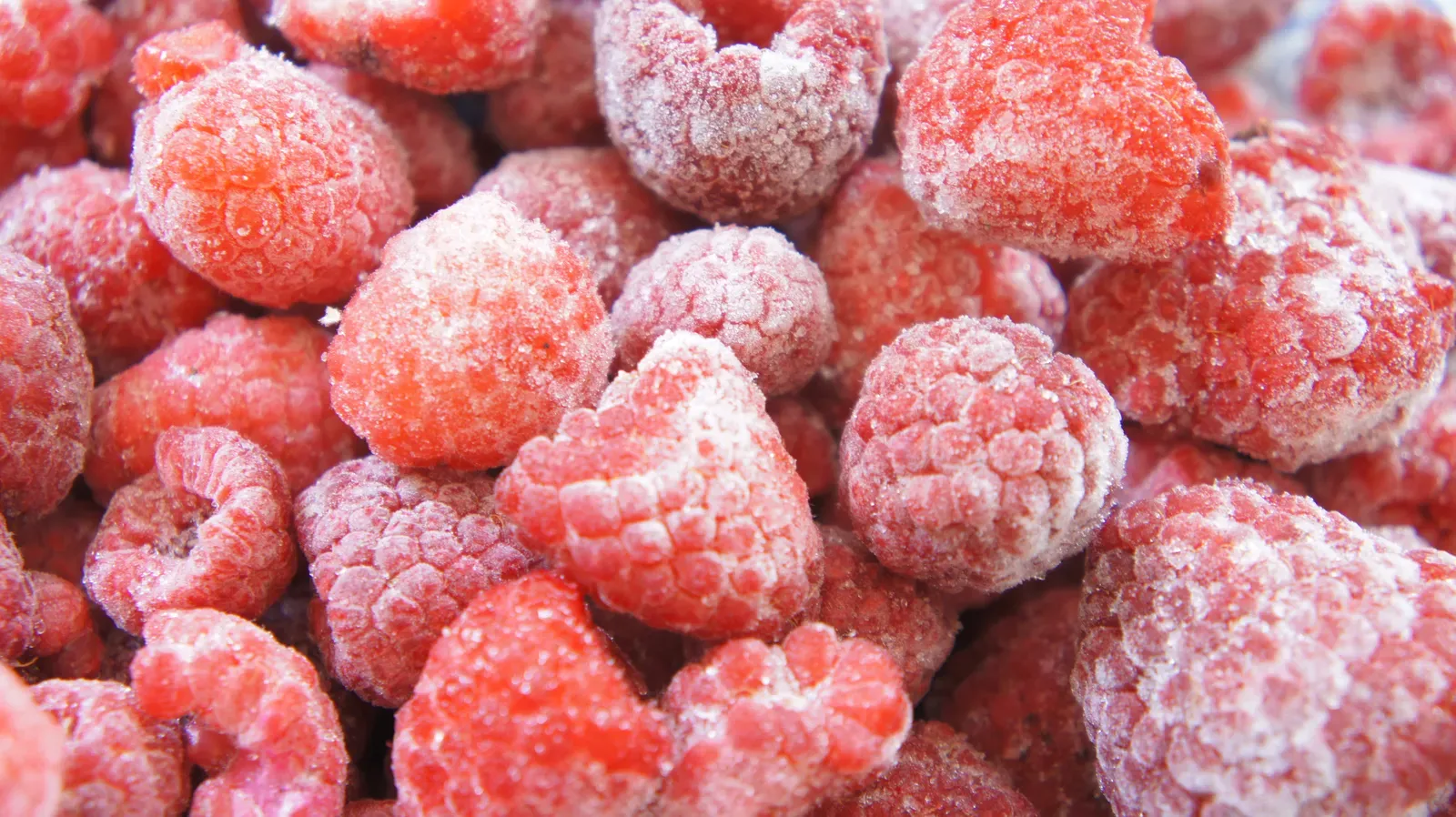
Ever pulled a bag of frozen berries out of the freezer only to find one giant, impossible-to-use frozen clump? That's what happens when you skip flash freezing. The fix is dead simple. For foods with high moisture content, such as berries or sliced vegetables, pre-freezing is a game-changer. Spread items on a baking sheet and freeze for 1 to 2 hours before sealing. This prevents crushing and ensures individual pieces remain separate for easy portioning later.
Frozen fruit and even vegetables like kale or spinach are magic ingredients lending texture and nutrients to smoothies. Keep a bag of banana chunks in the freezer. Peeling very ripe bananas and slicing before freezing makes them super easy to grab. Those blackening bananas on your counter? Don't throw them away. Freeze them immediately and thank yourself later.
Use extra or fast-spoiling produce as an opportunity to add more veggies and fruit to your drink. If you have greens or fruits that are starting to go bad, gather them up in a freezer bag and toss them into the blender as needed. This trick alone can rescue an enormous amount of produce that would otherwise end up in the bin every single week.
6. Use Ice Cube Trays for Small Ingredient Portions
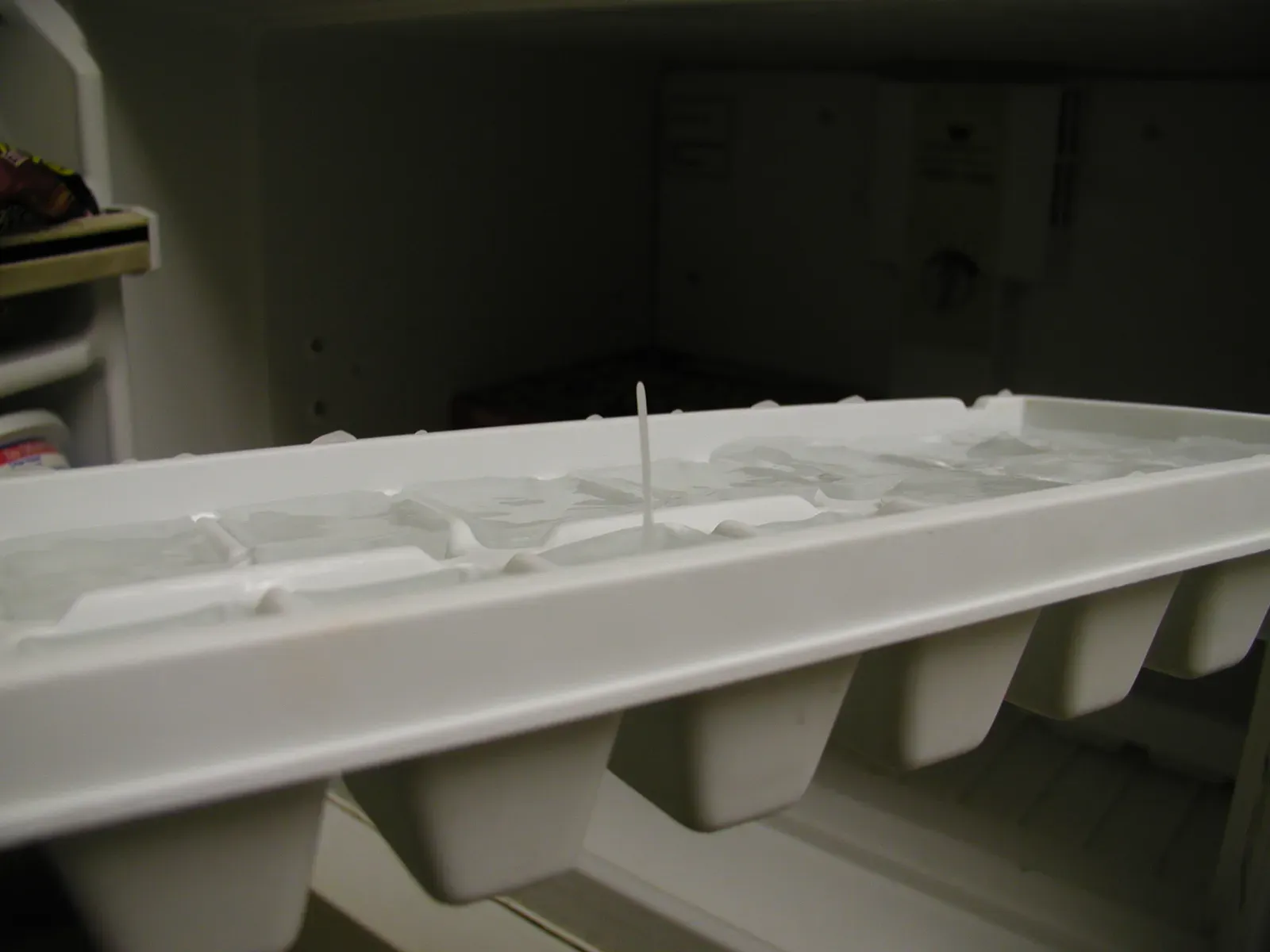
I think this is one of the most underrated freezer tricks out there, and hardly anyone does it consistently. Use ice cube trays to portion out usable amounts of leftover ingredients. This is especially great for things like cookie dough, pancake batter, seasonings, broth, and extra bits and bobs for larger recipes, such as extra garlic, tomato paste, herbs, or chopped onions.
Think about how often you open a can of tomato paste, use a single tablespoon, and then watch the rest slowly turn grey in the fridge over the following week. It's a very relatable tragedy. Freeze that remainder in a tray, pop the cubes into a bag, and you've got measured portions ready to go. Same principle applies to leftover broth, coconut milk, and fresh herbs blended with a little oil.
Ever need juice of half a lemon or lime for a fresh recipe but don't have any on hand or want to avoid the hassle? Use an ice cube tray to freeze the juice, transfer to a bag, then simply grab a cube or two when needed. It's the kind of small habit that sounds almost too simple to bother with, until you actually start doing it.
7. Freeze Leftover Cooked Meals Within the Right Timeframe
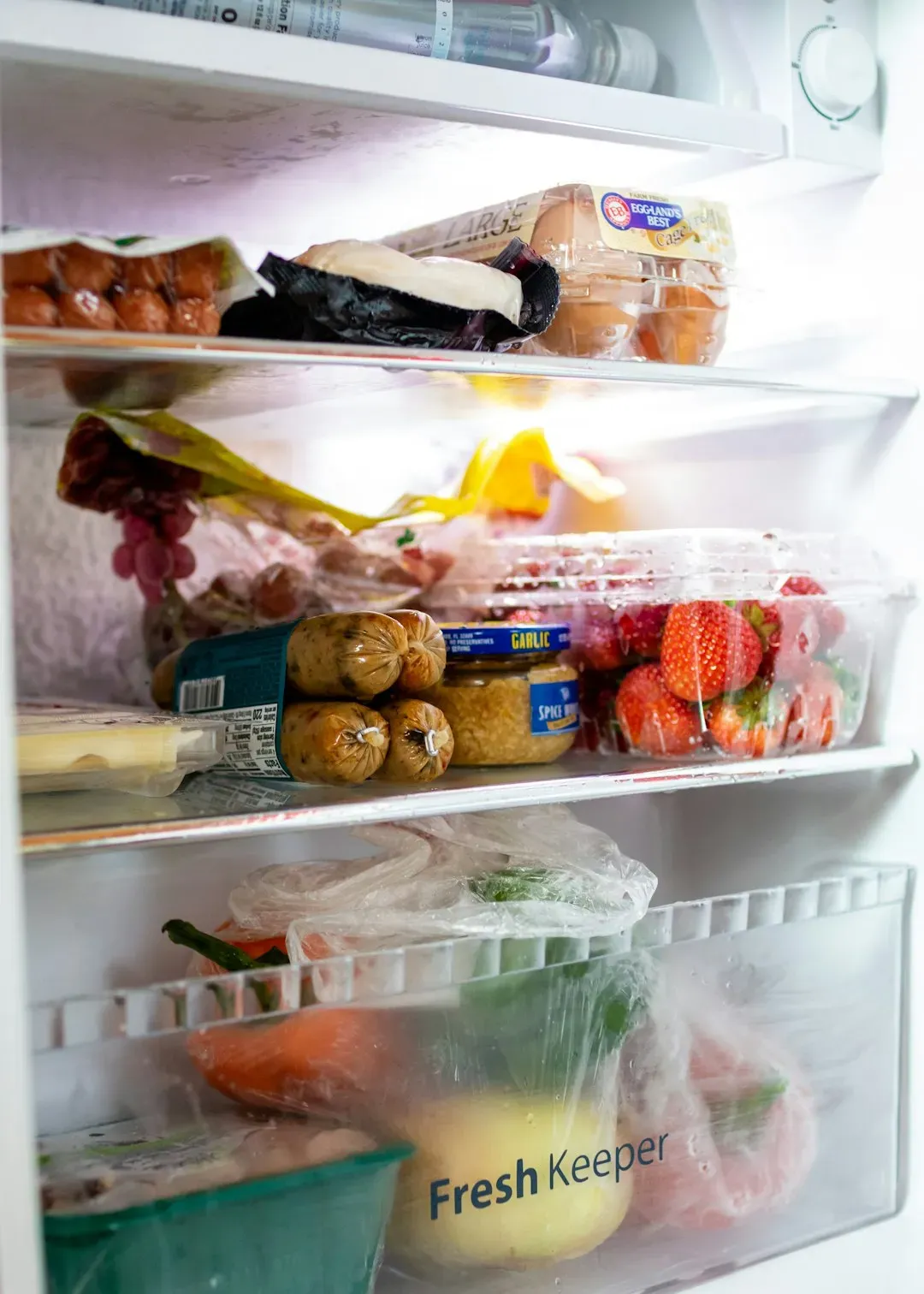
Leftovers are where a lot of households lose the food waste battle. When freshly made meals generate leftovers that won't get eaten within 3 days of fridge storage, freeze them. The key is acting before they deteriorate, not after you've already been staring at them in the fridge for five days wondering whether they're still safe.
Leftovers should be frozen within three to four days. That window matters. Once hot food has cooled down, it should be placed in the refrigerator to chill before placing in the freezer. Be sure to wrap it tightly to avoid freezer burn. Skipping the cooling step and throwing hot food directly into the freezer can raise the temperature of surrounding items and compromise their quality.
Most cooked meals freeze well. Particularly freezer-friendly are meat, lentil or veggie balls, veggie fritters, salmon or crab cakes, mini frittatas or egg bites, chili, soups, individual slices of homemade pizza, pasta dishes, even pancakes and crepes. If you batch cook on Sundays, this habit alone can transform your weekly food routine entirely.




Leave a Reply