
Walk into any grocery store in 2026 and you're immediately surrounded by thousands of products, most of them beautifully packaged, strategically placed, and engineered to end up in your cart. The colorful labels, the health claims printed in bold, the words "natural" or "wholesome" slapped on the front - it's a lot to navigate. Honestly, even people who care deeply about what they eat get confused.
Here's the thing though: nutritionists, the very people trained to understand what's in our food, quietly sidestep certain items without making a big announcement about it. They don't always say it loudly. They just don't buy it. So what's actually in their blind spot? Let's dive in.
1. Flavored and Sweetened Yogurts

Yogurt sounds like the ultimate health food - creamy, full of protein, maybe even good for your gut. That's exactly what the packaging wants you to think. The reality in the dairy aisle, though, is that most flavored yogurts are closer to a dessert than a health food.
Sweetened and flavored yogurts are classified as ultraprocessed foods under the NOVA system, sitting alongside breakfast cereals and bars, cola, energy and sports drinks, pastries, and packaged breads. The 2025–2030 Dietary Guidelines for Americans actually addressed this directly. The illustrated yogurt container in the new federal food pyramid specifically notes "unsweetened," signaling that sweetened versions are among the highly processed foods to avoid.
The better swap? Plain yogurt with fresh fruit added at home. Instead of flavored yogurts with added sugar or sweeteners, nutritionists recommend choosing plain yogurt and adding your own chopped fresh, frozen or dried fruit for sweetness. Simple, cheaper, and far less processed.
2. Most Breakfast Cereals
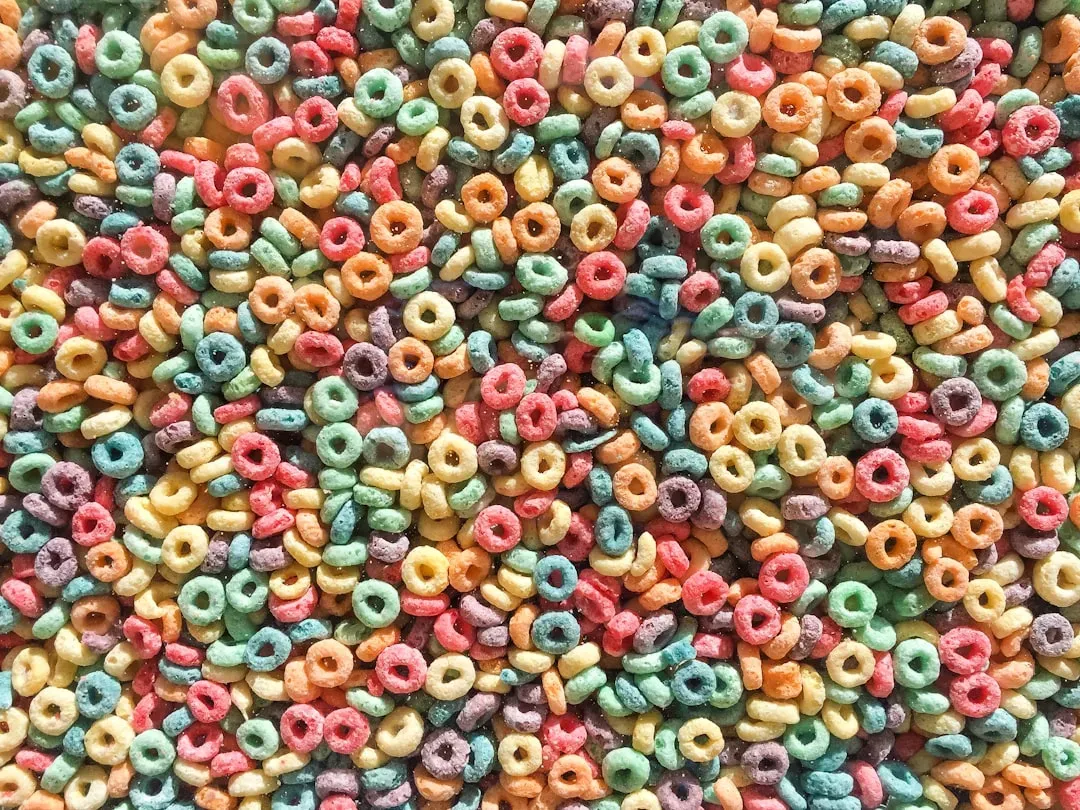
Few aisles in the grocery store feel more family-friendly than the cereal section. Bright boxes, cartoon characters, promises of vitamins and energy - it's practically designed to appeal to parents trying to do right by their kids. Yet this is one aisle where nutritionists tend to walk quickly and grab very selectively.
Ultra-processed breakfast cereal is typically made with refined grains along with sugar and other additives that make it higher in calories and less nutritious, while a minimally processed whole-grain cereal is simply cleaned, rolled or toasted and packaged with little or no added ingredients. Research found that people who consumed an average of seven servings of ultra-processed food - particularly ultra-processed meats, high-sugar breakfast foods and sweetened beverages - had a 4% increased risk of all-cause mortality.
The 2025–2030 federal dietary guidelines recommend avoiding salty or sweet packaged snacks and ready-to-eat foods, and the guidance on grains prioritizes whole, fiber-rich options while calling for a significant reduction in highly processed, refined carbohydrates. Choosing oats or a minimally processed whole-grain option is the kind of boring-but-effective advice that keeps showing up in the research, and for good reason.
3. Processed and Deli Meats

There's something almost nostalgic about deli meat. It's quick, it's easy, it fills a sandwich in seconds. I get it. But nutritionists have long had a quiet policy of leaving the cold cuts in the case, and the science behind that decision has only gotten stronger in recent years.
Ultra-processed meats - any meat that has been processed to change its shape, flavor, and freshness - have been classified by the WHO as a Group 1 carcinogen, a categorization shared by tobacco and asbestos, for their link to colorectal cancer. That's a sobering fact. Processed meats have been linked to a heightened risk of various cancers, and federal dietary guidance advises people to avoid meat with added sugars, starches and chemical additives.
Some consumers might think processed meats such as deli meats or sausages are a healthier alternative than carbohydrate-based products, but nutrition experts warn this is untrue. Among UPF subcategories, meat, poultry, and seafood-based ready-to-eat foods showed a particularly strong association with mortality outcomes. Whole, minimally processed cuts of meat are a far safer and more nutritious alternative.
4. Sugary and Artificially Sweetened Beverages

Sodas are the obvious villain here, but let's be real - the problem goes way beyond a can of cola. Fruit juices, sweetened teas, sports drinks, energy drinks... the beverage aisle is one of the most deceptively unhealthy corners of any grocery store. They look harmless. They're absolutely not.
Sodas have some of the strongest evidence for health harms among all ultra-processed foods, heavily manufactured with additives, high levels of sugar or artificial sweeteners, and lacking essential nutrients, appealing to us on a biological level because early humans recognized sugar as a rare and valuable source of calories. Studies have shown that eating just 10% more calories a day from ultraprocessed food may be associated with a 50% higher risk of cardiovascular disease-related death, with a 55% greater chance of obesity and a 40% higher probability of developing type 2 diabetes.
Analysis shows that only some ultraprocessed foods are the main risk drivers, and drinks with sugar or artificial sweeteners consistently appear among those categories. The swap here is genuinely simple. Water, sparkling water, or home-brewed unsweetened tea are all the body actually needs, no matter what the brightly labeled bottle on the shelf says otherwise.
5. Ultra-Processed Protein Bars and Shakes
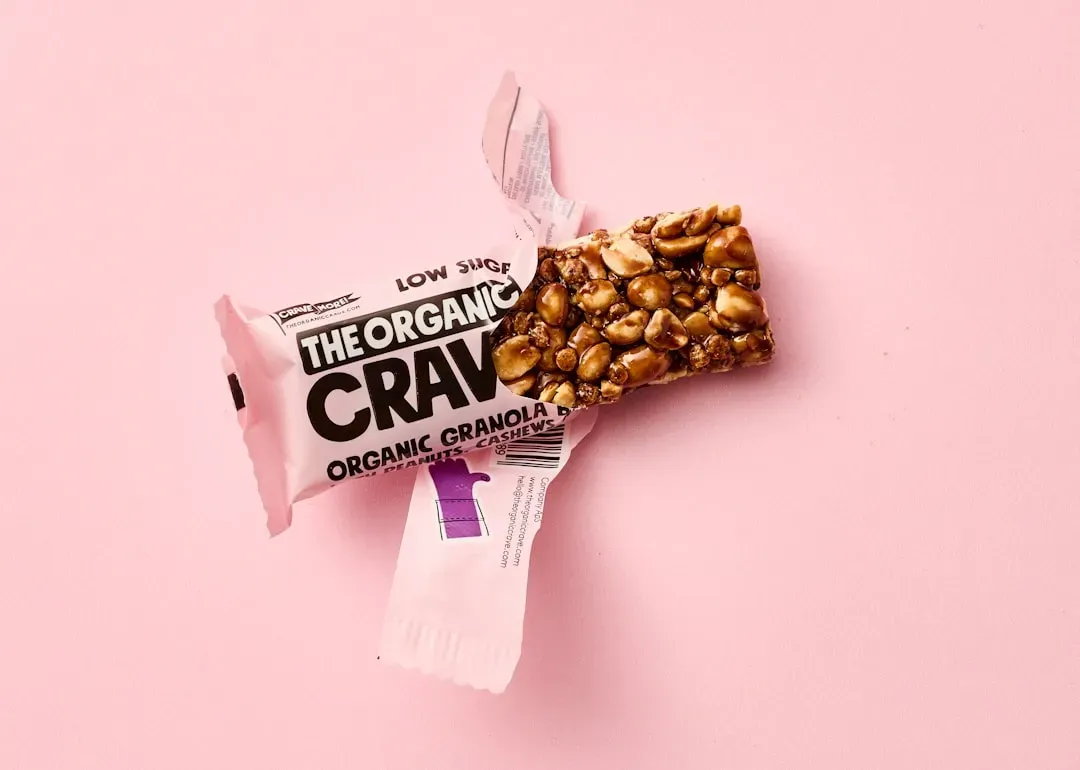
Protein bars feel like one of the ultimate health-conscious grocery decisions. You're busy, you need fuel, and they seem to tick all the boxes. But flip one over and look at that ingredient list. There's often a novel's worth of unrecognizable compounds in something marketed as simple nutrition.
Nutritionists across the board have agreed that ultra-processed protein bars and shakes are a category worth reconsidering and leaving behind when it comes to building a genuinely healthy diet. A key defining feature of an ultra-processed food is the presence of certain ingredients such as high-fructose corn syrup, artificial sweeteners, additives with cosmetic functions, modified starches, emulsifiers, thickeners and more. Many protein bars tick nearly every one of those boxes.
Research dietitians point out that it's not just about what's added to these foods, but what's missing - they tend to be lower in fiber, micronutrients, and phytochemicals, naturally occurring compounds with potential health benefits. Think of a protein bar as a supplement in a candy-bar costume. Real food sources of protein - eggs, legumes, plain Greek yogurt, whole nuts - consistently outperform them in terms of what they actually deliver to the body.
6. Packaged Savory Snacks and Chips

The snack aisle might be the single most engineered section of the entire store. Chips, crackers, puffs, pretzels - these are designed in food science laboratories to hit what researchers call the "bliss point." Once you know that, it's hard to look at them the same way.
Scientists working on formulations for highly processed foods are very effective at their jobs, formulating the taste of food to what is known as the "bliss point" - the precise combination of sugar, salt and fat to maximize palatability, which encourages overconsumption. Consuming high amounts of ultra-processed foods has been tied to detrimental effects on brain health, with a 2024 study published in the BMJ showing that ultra-processed foods promote neuroinflammation and impair the blood-brain barrier, leading to neurodegeneration and conditions such as dementia and Parkinson's disease.
Salty snacks and sugary foods are designed to replace lower-calorie meals that could include fruits, vegetables, and other whole foods, while also altering natural ingredients to promote addiction and overconsumption, and introducing chemical additives that can migrate from packaging into food. If you love a crunch, roasted nuts or seeds are far closer to what a nutritionist would actually reach for - satisfying, nourishing, and not engineered to make you eat the entire bag.
7. Frozen Ready-to-Eat Meals
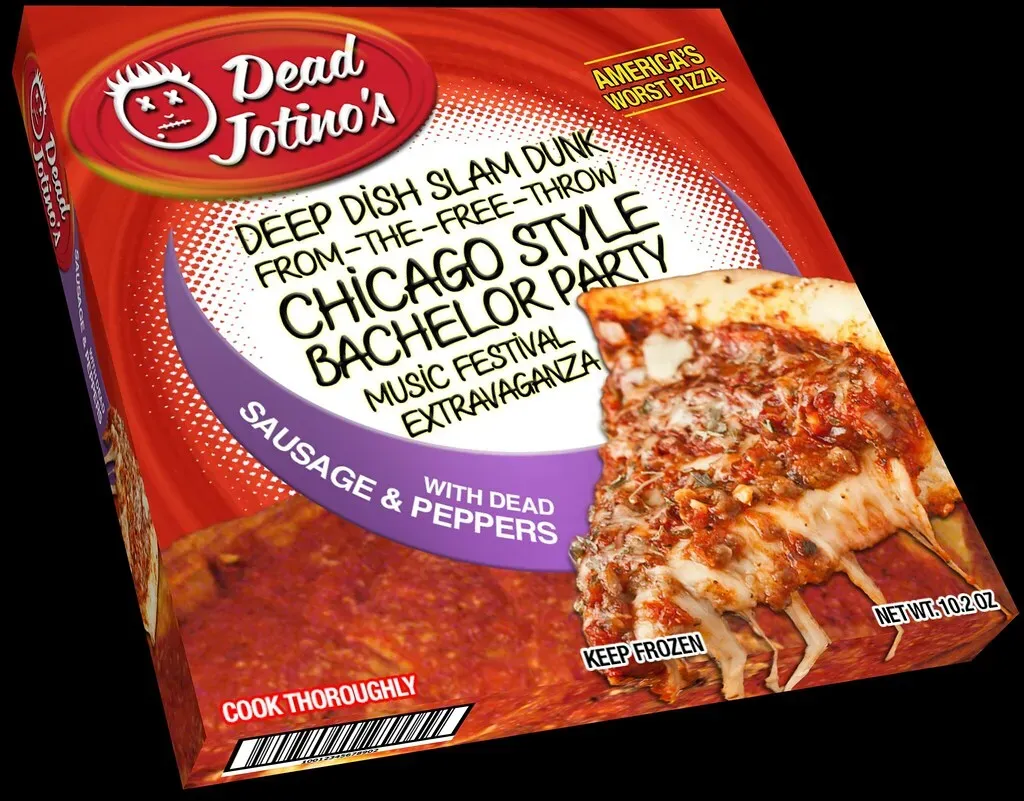
After a long day, the frozen meal section is practically irresistible. Colorful boxes, low calorie counts, claims of "balanced nutrition" - and dinner is ready in four minutes. Nutritionists understand the appeal more than anyone. They're human too. That said, most of them aren't tossing these in their carts.
Frozen pizza, ready-to-eat meals, instant noodles, and many store-bought breads are examples of ultraprocessed foods that contain a long list of ingredients, chemical additives, and little to no whole foods. UPF manufacturing often involves breaking apart and reassembling whole foods in ways that can change how quickly they are eaten and how nutrients are absorbed, and they are typically pre-packaged and stored for weeks or months, which allows packaging chemicals to migrate into food.
Ultra-processed foods are associated with worse diet quality and a long, growing list of adverse health outcomes - a 2024 umbrella review of 45 meta-analyses including almost 10 million people found that diets high in UPFs are linked to 32 health conditions, including obesity, type 2 diabetes, cardiometabolic diseases, many cancers, and gastrointestinal disorders. Instead of buying ready meals, nutritionists recommend cooking favorite dishes in larger amounts at home and freezing the extra in portions to use another day. It takes a bit of planning, but the difference to your health over time is genuinely significant.
The Bigger Picture Worth Knowing
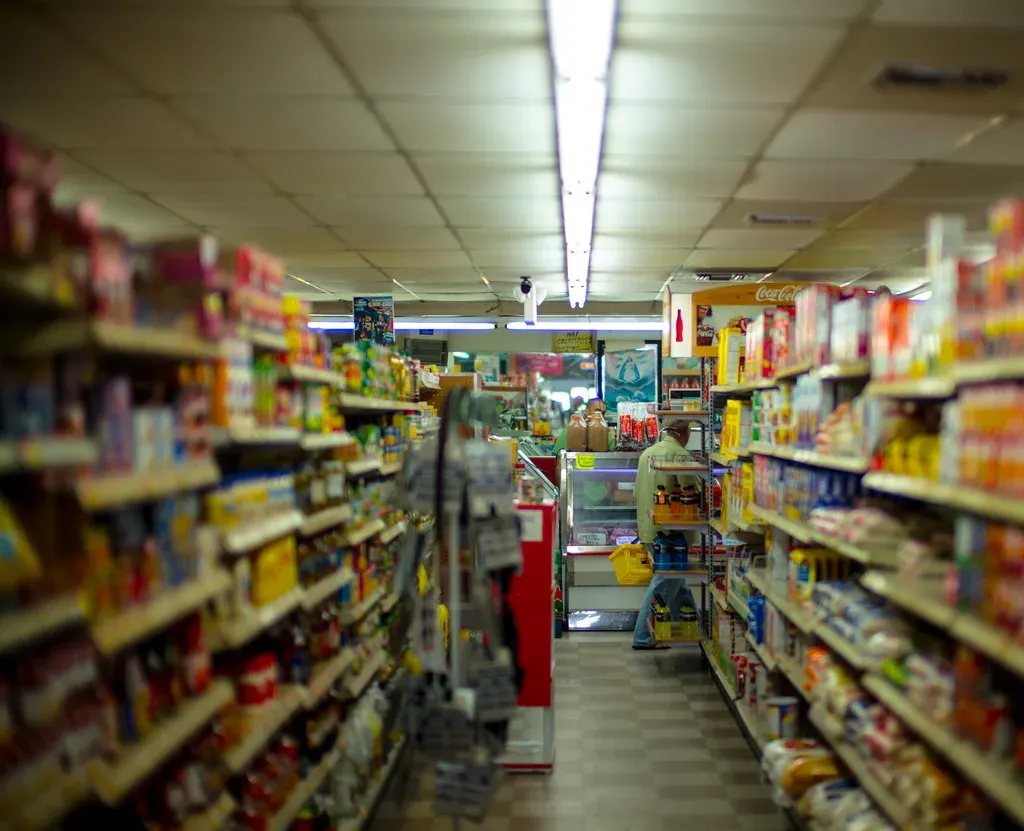
Here's a number that puts this all into perspective. Some 70% of the food on grocery store shelves in the United States is ultraprocessed, making it extremely difficult to avoid these products that are often cheap and convenient. That's not a fringe problem. It's the default reality of modern food shopping.
A 2024 review of 45 meta-analyses covering nearly 10 million study participants found convincing evidence that a diet high in ultra-processed foods increases the risk of death from cardiovascular disease by 50% and the risk of anxiety by 48%. These are not small numbers. They reflect the kind of broad-based harm that builds quietly over years of grocery decisions that seemed totally normal at the time.
The good news? In a major diabetes study, simply swapping just 10% of the ultraprocessed foods in the diet for minimally processed foods lowered the disease risk by 14%. Small, consistent changes add up. Reading the nutrition labels and ingredient lists on products before buying, looking for foods that have only a few pronounceable, recognizable ingredients, is one of the most practical tools any shopper has. Nutritionists don't have a secret superpower - they just know what to look for, and now you do too. What would you have guessed was the most surprising item on this list?




Leave a Reply